• Link to X
  • Link to Facebook
  • Link to Instagram
  • Link to TikTok
  • Link to Youtube
  • About
    • About Us
      • President
      • Board of Directors
      • Board of Advisors
      • Financials
      • Our Methodology
      • Success Tracker
      • Contact
  • Act Now
    • 30 Ways to Help
      • Email Congress
      • Call Congress
      • Volunteer
      • Courses & Certificates
      • Be a Donor
    • Internships
      • In-Office Internships
      • Remote Internships
    • Legislation
      • Politics 101
  • The Blog
  • The Podcast
  • Magazine
  • Donate
  • Click to open the search input field Click to open the search input field Search
  • Menu Menu

Archive for category: Hunger

Developing Countries, Development, Food & Hunger, Global Poverty, Hunger

Four Things You Never Knew About Hunger in the Bahamas


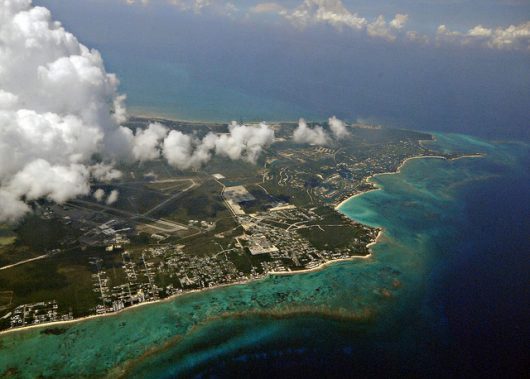
The Bahamas isn’t just full of vacationers lounging in the sun or carefree islanders living a life of luxury. The country known for sandy beaches and tropical excursions can’t escape the universal problem of hunger. Trying to understand persistent hunger the Bahamas is complicated.

More than 20,000 Bahamians are undernourished, meaning they don’t eat enough to maintain their health and stave off hunger. What follows is an explanation of the various factors contributing to the country’s food insecurity and what’s being done about it.

Here are four things to know about hunger in the Bahamas:

  1. The country’s climate and geography are largely to blame. Only around 1.5 percent of the land is suitable for agriculture. The country consists of several islands made mostly of limestone rock, which, unlike other types of bedrock, does not form soil when it weathers. The soil that does exist is of little agricultural value and requires expensive machines to prepare for farming.Fertilizers further prepare the land for crops, and pesticides, fungicides and other materials must be imported to maximize yields. Adding destructive natural disasters and a harsh climate to the mix makes the farming outlook worse. Around 3 percent of Bahamian workers make their living through agriculture, and the farming industry contributes around 2 percent of the country’s total GDP.
  2. Rising food prices make hunger worse. To compensate for the Bahamas’ lack of agricultural resources, it imports more than a billion dollars worth of food, a third of the country’s $3 billion trade deficit. The imported food is sometimes processed and often unhealthy, but the there is little choice. Food prices in the Bahamas fluctuate based on conditions in exporting countries.A study from the University of The Bahamas found that prices of essential food items, like sugar, grits and cheese, have substantially increased since 2014, in one case by as much as 282 percent. Without money to pay for food, thousands of Bahamians eat less and go hungry. The money that is spent on imported food isn’t staying in the country. Most of the revenue goes to foreign sellers, leaving the Bahamas in a cycle of food dependency, aggravated by a lack of funds to support Bahamian farmers and agribusiness.
  3. High unemployment contributes to food insecurity. The unemployment rate is 14 percent, and among youth it is around 30 percent. Lacking sufficient incomes makes Bahamians vulnerable to food insecurity, as does living in poverty. One in eight Bahamians is impoverished, causing families to make sacrifices as far as what, if anything, goes on the dinner table.
  4. There is hope. Despite large-scale hunger in the Bahamas, the number of people without access to food is falling. The undernourishment rate is 5.6 percent, far lower than in other Caribbean nations. The archipelago is on its way to meeting the Sustainable Development Goal of eliminating hunger. World leaders have vowed to take on the eight goals as a way to eradicate extreme poverty and improve the lives of millions, if not billions.

To address hunger in the Bahamas, nonprofits are helping bridge the gap from shelf to stomach. One organization, Hands for Hunger, collects edible food from restaurants, stores, hotels and more to give to people who need it. Since 2008, the group has reallocated more than one million pounds of surplus food.

Bahamians are learning that investing in domestic farmers moves the country closer to food security. Supporting local agricultural workers through grants, easier land acquisition and small-business initiatives are all ways to give Bahamian farmers a better chance against international competition.

Experts have determined more efficient ways of farming on little land and poor soil. Hydroponics, for example, is a method of growing crops that requires no soil and less water than traditional methods. Companies that provide hydroponic systems are already serving the Bahamas. Another soilless option, aquaponics systems, are set up next to fisheries to grow vegetables. Aquaponics would help reduce the country’s trade deficit, as well help produce fish for a country that loves seafood.

Inefficient agricultural land and dependency on exporting nations constrain the Bahamas. But despite that, scientists, leaders and nonprofits are determined to eliminate hunger in the Bahamas.

– Kristen Reesor

Photo: Flickr

June 26, 2017
https://borgenproject.org/wp-content/uploads/borgen-project-logo.svg 0 0 Borgen Project https://borgenproject.org/wp-content/uploads/borgen-project-logo.svg Borgen Project2017-06-26 07:30:112024-12-13 17:58:10Four Things You Never Knew About Hunger in the Bahamas
Global Poverty, Hunger

10 Facts About the Famine in Yemen

10 Facts About the Famine in Yemen

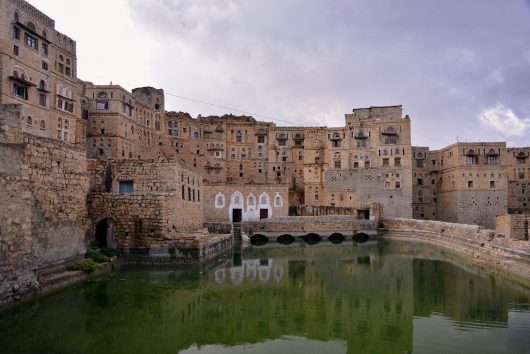
Nestled between Saudi Arabia and Oman, Yemen was declared to be in a state of emergency on March 13, 2017, by the World Food Program. The World Health Organization reports that acute shortages of clean water and sanitation face eight million people. Furthermore, the U.N. International Children’s Emergency Fund says, “There are 2.2 million children in Yemen at risk of acute malnutrition and 462,000 severely and acutely malnourished.”

Millions of people live on the fringe of starvation in Africa as a result of drought, crop failure, population imbalance, government policies and war. The ongoing famine in Yemen affects 17 million people today, roughly 70 percent of its population.

According to the U.N. Office for the Coordination of Humanitarian Affairs (OCHA), “The situation in Yemen is characterized by widespread insecurity, large-scale displacement, civil strife, political instability, chronic food shortages, a breakdown of social services, endemic poverty, and refugee influxes.”

Here are ten key components of the situation that you should know:

  1. According to the OCHA, Yemen is the poorest country in the Middle East and North Africa. A lack of financial resources and infrastructure have created an economy that is unable to support growing conflicts between opposing political factions. The situation has escalated and resulted in the current famine in Yemen.
  2. With a shortage of funding and deep-rooted poverty, more than 50 percent of families in the country are buying food on credit. The situation has accentuated the need for a global humanitarian response in terms of providing medicine and food. These needs are especially paramount for women and children, who represent the most vulnerable of a population during a period of famine or conflict.
  3. A lack of access to food and nutritional resources is not a new situation in Yemen. A locust infestation in the country last April posed a viable threat to food security that has not abated.
  4. The famine in Yemen is due in part to internal conflict between a coalition that is loyal to the internationally recognized government of President Abdrabbuh Mansur Hadi and the Houthi rebel movement. The conflict has been exacerbated due to an air campaign by Saudi Arabia, with its goal being to restore the Hadi government.
  5. In response to the famine in Yemen, various nations and organizations have contributed resources to mitigate its impact, as well as rebuild its infrastructure and provide medical supplies. The U.N. responded to the crisis with a conference in Geneva in April. Unfortunately, only 15 percent of the $2.1 billion goal was pledged to help resolve the famine in Yemen.
  6. In addition, U.N. aid chief Stephan O’Brien has urged member countries to keep the port of Hodeidah open. The port is the location for the reception of incoming food imports.
  7. The United States government has also responded to the famine in Yemen, with President Donald Trump reiterating his commitment to fighting global famine during his May visit to the Vatican. Although relief funds from the U.S. face severe cuts for the next fiscal year, the momentum has begun for a more proactive global relief program.
  8. One of the strongest responses has been initiated by the WHO, which launched the Yemen Humanitarian Response Plan 2017. To achieve success, the plan requires $326 million from a variety of health partners, including $126 million from the U.S. Targeted beneficiaries of the funding will include women and children.
  9. The WHO reported that it had coordinated the operation of 406 general health and nutrition teams in 266 Yemeni districts in 2016, with funding coming from a variety of donors: Japan, the League of Arab States, the U.N. Central Emergency Response Fund, the United Arab Emirates, the UNOCHA Common Humanitarian Fund and the U.S.
  10. There have also been responses to the famine from private organizations and individuals. Muslim Aid is running a campaign to raise donations for water and medical aid to Yemen.

Because the famine in Yemen has yet to abate, opportunities remain for humanitarian organizations, governments and private individuals to respond with food products, medicine and financial assistance. The momentum has already begun through the efforts of organizations like WHO and Muslim Aid, and through the contributions of private donors.

– Hannah Pickering

Photo: Flickr

June 26, 2017
https://borgenproject.org/wp-content/uploads/borgen-project-logo.svg 0 0 Borgen Project https://borgenproject.org/wp-content/uploads/borgen-project-logo.svg Borgen Project2017-06-26 01:30:412024-05-28 00:02:2310 Facts About the Famine in Yemen
Developing Countries, Global Poverty, Hunger

Locally Grown Produce Can Help Prevent Hunger in Guadeloupe

Hunger in Guadeloupe

Residents of Guadeloupe bore witness to the 2009 food crisis in Haiti, watching as people protested in the streets, asked for more food from their government. Fights don’t occur over hunger in Guadeloupe; the people do what the government says, and do their best outside of that.

Guadeloupe authorities have neglected subsistence agriculture and have favored export crops, like bananas and sugarcane. These two crops cover half of the island’s cultivated land alone. While this is great for trading and exports to other nontropical countries, big-buck companies often dominate these trades, yielding high profits and strictly maintaining farmers and crops. Plus, agriculture only accounts for 3.3 percent of the workforce. Guadeloupe needs government support to start focusing on locally grown foods. Otherwise, hunger in Guadeloupe is inevitable.

Guadeloupe has good soil, although often polluted. Produce farming locally could be year-round due to its tropical climate. It also has a wide array of plants and animals, with more than 220 edible species including 60 vegetables and 130 fruits, because 43 percent of the island is a forest. All of the locally grown products are rich in antioxidants and Vitamins A, C and E. The two main causes of premature death in Guadeloupe are diabetes and cardiovascular disease, both of which can be helped by these vitamins and nutrients.

This would be great news for hunger in Guadeloupe, except that the French territory imports 80 percent of its food. People there have grown accustomed to importing their food. The locals prefer to consume imported food and don’t trust locally grown foods that they’ve never seen. They consume products that have likely been processed and only do so because the imported food is accessible and cheaper than locally grown produce.

Hunger in Guadeloupe is a difficult statistic to measure due to it being a part of France. However, most people agree that the islanders can still improve their way of living to avoid a hunger crisis. If the nation pushes for the purchase of local produce off shelves and for imported foods to go down from 80 percent, and tries to convince government officials and authorities that half the land isn’t needed to farm exported goods, Guadeloupe would save itself from the possibility of a future food crisis.

– Rilee Pickle

Photo: Flickr

June 26, 2017
https://borgenproject.org/wp-content/uploads/borgen-project-logo.svg 0 0 Borgen Project https://borgenproject.org/wp-content/uploads/borgen-project-logo.svg Borgen Project2017-06-26 01:30:292020-02-12 19:20:44Locally Grown Produce Can Help Prevent Hunger in Guadeloupe
Developing Countries, Global Poverty, Hunger

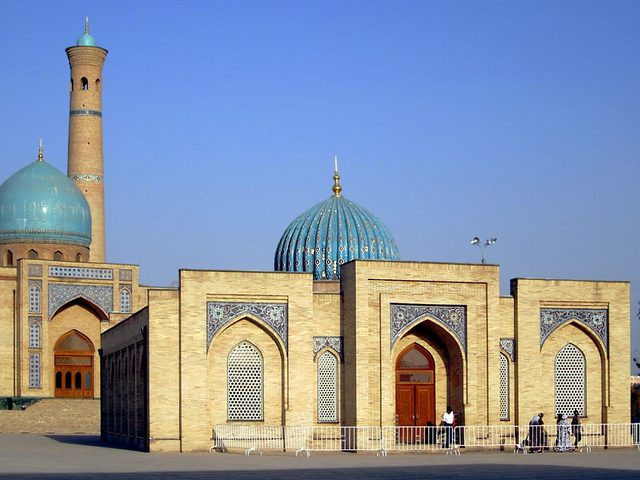
Hunger in Uzbekistan Declining in the Past Decade


With a population of 32 million, Uzbekistan is one of the largest and fastest-growing countries in Central Asia and, as a result, it has faced a number of challenges regarding hunger and malnutrition. In 2016, the Global Hunger Index listed Uzbekistan as a country suffering from moderate hunger problems, citing 4.2 percent of the population as undernourished. Uzbekistan ranks 63rd on the 2016 index, just outside of the top 50 countries experiencing “alarming” hunger rates. This ranking comes as no surprise, but the nation has taken great strides toward addressing the underlying causes of hunger in Uzbekistan.

In the last decade, Uzbekistan has made monumental progress in battling its hunger issue. Compare the undernourished population of 4.2 percent in 2016 to 2013’s 5.5 percent — and 2008’s 9.4 percent. Since 1990, Uzbekistan has been one of the 26 countries to have successfully reduced hunger by more than half.

One of biggest reasons for these decreasing hunger rates is a decline in the amount of poverty in Uzbekistan thanks to sustained economic growth, educational opportunities and increased employment. The former Soviet Republic leads Central Asia with an economic growth rate of around eight percent annually since 2011. Prosperity in recent years even prompted the World Bank in 2011 to reclassify the country from a low-income to a lower middle-income nation.

A concentrated effort to increase wheat production has specifically attacked the issue of hunger in Uzbekistan. As the country continues to grow, greater demand for agricultural products like wheat and cattle has helped rural farmers feed their communities and contribute to solving the hunger problem.

The efforts of countries like Uzbekistan helped contribute to a 29 percent drop in hunger levels globally since 2000, according to the Global Health Index. The GHI’s main goal focuses on achieving zero hunger by 2030, a mark dependent upon further reform and the acceleration in hunger’s decline in Central Asia, South Asia and sub-Saharan Africa.

– Nicholas Dugan

Photo: Flickr

June 24, 2017
https://borgenproject.org/wp-content/uploads/borgen-project-logo.svg 0 0 Borgen Project https://borgenproject.org/wp-content/uploads/borgen-project-logo.svg Borgen Project2017-06-24 07:30:592024-05-28 00:02:20Hunger in Uzbekistan Declining in the Past Decade
Global Poverty, Hunger

Poverty in Yemen: An Exploration of Why the Country is So Poor

Poverty in Yemen : Why the Country Is So Poor?
Poverty in Yemen holds one of the highest rates in the Arab world. Half of the population lives on less than two dollars per day.

The main reason for poverty in Yemen is a lack of basic resources, such as water, healthcare and education. Rural and remote areas make it physically, intellectually, economically and socially isolated from rest of the region.

Beyond this, Yemen faces may other problems as well. Most of the population does not have access to clean water and proper sanitation. Ten million people–nearly half of the population–go without enough food to eat. Child malnutrition rates are the highest in the world. Half of the children under the age of five are stunted. Girls often get married before the age of 15 and never receive a formal education. Illiteracy among women is currently at 49 percent. Yemen ranks 140th out of 182 countries on the United Nations Development Programme Human Development Index.


Exploring Leading Causes of Poverty in Yemen


The poverty crisis is related to the violence and chronic hunger in Yemen. An 18-month civil war in Yemen has killed 10,000 people. It pushed the country toward a famine and increased the poverty in Yemen. Eighty percent of the population requires humanitarian assistance.

The civil war has made conditions difficult for economic growth. There are two internal conflicts in the country. The southern conflict is between the government and extremist religious groups called the Houthis. The north of Yemen faces a conflict between the government and Al Qaeda. This conflict has lasted for more than 10 years.

Government corruption and nepotism is also widespread, and government officials only elect relatives or those who are going to pay bribes. A lack of jobs even among graduates has forced young adults to the streets, leading to even more widespread poverty in Yemen.

Furthermore, the country’s infrastructure is very inadequate, and only 15 percent of the rural population is covered by the national electric grid. Transportation is expensive and the poor road networks obstruct travel.

The Gulf crisis led to the massive return of migrant workers who do not have an income or prospects of employment, further exasperating poverty rates in Yemen.

The United Nations World Food Programme delivers hope by working to fight poverty in Yemen. The organization reaches six million Yemenis with lifesaving food, meals for school children and sustainability projects such as rainwater conservation and irrigation. Ending poverty in Yemen will require the government to take responsibility of its citizens at the end of the civil war.

– Aishwarya Bansal

Photo: Flickr

June 23, 2017
https://borgenproject.org/wp-content/uploads/borgen-project-logo.svg 0 0 Borgen Project https://borgenproject.org/wp-content/uploads/borgen-project-logo.svg Borgen Project2017-06-23 07:30:592024-12-13 17:58:09Poverty in Yemen: An Exploration of Why the Country is So Poor
Global Poverty, Hunger

Low Levels of Hunger in Belarus Thanks to Government Intervention


Belarus is an Eastern European country that was previously one of the founding republics of the defunct Soviet Union. Like many former Soviet states, Belarus struggles from residual problems left behind by the USSR’s past influence, such as a poor human rights record and institutionalized authoritarianism. Despite the country’s rooted issues, it displays encouraging signs of development in food security. Unlike many other troubled countries, there are very low levels of hunger in Belarus.

Since 1997, Belarus has boasted an impressive Global Hunger Index score of less than five, indicating that the country as a whole does not suffer from prolonged food shortages and famine. Additionally, Belarus enjoys falling mortality rates as well as a marked decline in stunting and wasting in children younger than five years of age.

Overall, hunger and related issues are not widespread in Belarus, even though it remains a developing country. Much of the success in ending hunger in Belarus is attributable to the government’s prioritization of food security. The 1998 National Food Security Program developed standards for food security as well as measures to achieve hunger-prevention goals.

While Belarus benefits from commendably low hunger statistics, the country’s continued growth is limited by persisting Soviet-era practices in numerous economic sectors, especially agriculture. Foreign aid and development institutions such as the United Staties Agency for International Development have provided and continue to provide assistance towards privatization and free-market reforms intended to stimulate growth throughout the Belarusian economy.

Although Belarus does not struggle from significant food shortages, the country continues to face the consequences of the infamous 1986 Chernobyl nuclear reactor meltdown, in which nearly 70 percent of the radioactive fallout from the compromised plant landed in Belarus. Radiation contaminates about one-fifth of the nation’s farmland, and many Belarusians in the surrounding areas eat food that comes from these contaminated areas. Many Belarusians suffer from health issues caused by or related to exposure to radioactive fallout or contaminated food.

Fortunately, many organizations work to improve conditions for Belarus and its people by continuing to provide aid. One nonprofit, Overflowing Hands, brings Belarusian youth to the U.S. for six weeks every summer to provide access to clean food and a healthy environment, counteracting the detrimental effects of radiation exposure. According to Overflowing Hands, health care professionals estimate that for every six weeks they are kept away from radiation exposure, children and teens gain two years back to their lifespans. Overflowing Hands even teaches the Belarusian youth compassion by getting them involved in food aid and community service programs.

Hopefully, organizations such as Overflowing Hands will be successful in providing meaningful support by minimizing the already low levels of hunger in Belarus and finding solutions for Belarusians exposed to radioactivity. Similarly to Overflowing Hands’ youth summer program, perhaps these organizations will even succeed in empowering vulnerable Belarusians to help others.

– Isidro Rafael Santa Maria

Photo: Flickr

June 22, 2017
https://borgenproject.org/wp-content/uploads/borgen-project-logo.svg 0 0 Borgen Project https://borgenproject.org/wp-content/uploads/borgen-project-logo.svg Borgen Project2017-06-22 01:30:102024-05-28 00:02:15Low Levels of Hunger in Belarus Thanks to Government Intervention
Global Poverty, Hunger

10 Facts About the FAO


The Food and Agriculture Organization (FAO), of the U.N. is dedicated to providing food security for all. The organization has three main goals found on it’s website that guide its initiatives and strategies: “the eradication of hunger, food insecurity and malnutrition; the elimination of poverty and the driving forward of economic and social progress for all; and, the sustainable management and utilization of natural resources, including land, water, air, climate and genetic resources for the benefit of present and future generations.”

Here are 10 facts about the FAO that you should know:

  1. Talks about the organization first began in 1943 in Hot Springs, Virginia, where various governments were committed to the creation of an organization solely dedicated to food and agriculture. It was not until 1945 that the FAO became a specialized U.N. branch. It is the oldest indefinite specialized agency of the U.N.
  2. The organization is comprised of 194 Member Nations, two associate members and one member organization, which is the European Union. The organization is currently present in more than 130 countries.
  3. To help eliminate hunger, food insecurity and malnutrition, the FAO supports policies and political commitments focused on promoting food security and good nutrition while keeping information on issues like hunger and malnutrition problems and solutions up-to-date and easily accessible.
  4. To reduce rural poverty, the FAO helps smallholders increase farm productivity, find employment off of the farm and assist communities in finding ways to manage high-risk issues prone to their environment.
  5. The FAO partners with member countries’ governments to devise agricultural policy, support planning, draft effective legislation and create national strategies.
  6. The organization responds to crisis situations by partnering with humanitarian agencies, such as the World Food Programme, to protect people’s livelihoods and help them rebuild their lives.
  7. Just recently, the FAO has reached a milestone in its Famine Prevention and Drought Response Plan by treating more than 12 million animals with diseases whose meat and milk are consumed by hundreds of thousands of families in Somalia. Animals are also a source of livelihood for many of these families.
  8. The organization provides a platform where rich and poor nations can come together to fight global issues that affect everyone. Experts from around the globe come together at FAO headquarters in Rome, Italy on a regular basis to fashion agreements on major food and agriculture issues.
  9. The World Bank and FAO have recently decided to strengthen their partnership to incorporate more cooperation in hopes of making the 2030 Agenda for Sustainable Development even more attainable. The signed agreement includes providing the FAO with technical expertise to assist governments in projects funded by the World Bank.
  10. FAO is 39 percent funded by the contributions of member countries and 61 percent funded by voluntary contributions made by various partners.

The FAO is an especially important organization for the world’s poor because it prioritizes those who are deprived of the basic human rights of food and water while mobilizing the world’s nations to work together.

– Emily Arnold

Photo: Flickr

June 21, 2017
https://borgenproject.org/wp-content/uploads/borgen-project-logo.svg 0 0 Borgen Project https://borgenproject.org/wp-content/uploads/borgen-project-logo.svg Borgen Project2017-06-21 07:30:222024-12-13 17:58:0710 Facts About the FAO
Global Poverty, Hunger

Growing Population Exacerbating Hunger in Niger


Niger is a landlocked country in the Sahel region of Africa and is 80 percent desert. Most of Niger’s livelihood is based on subsistence agriculture. Half the country is under age 15 and 60 percent of Nigeriens live below the poverty line. Food insecurity is widespread, affecting more than 1.5 million people in 2017.

The main causes of hunger in Niger are over reliance on rain-fed agriculture or herding for food. Late rainfalls lead to crop failure and dry up the grazing land. High food prices do not come down. Regional conflicts nearby and recurring food crises have led to an influx of thousands of refugees which has burdened poor communities. The population growth rate is 3.9 percent, which is one of the highest in the world. The European Commission predicted a shortfall of 410,000 metric tons in cereals. Niger ranked at 167 out of 169 countries in the United Nations Humanitarian Development Index in 2010

Hunger in Niger has led to chronic malnutrition affecting 42.2 percent of children under five. Overall, 10.3 percent of children are suffering from malnutrition. Poor diets lacking vitamins and minerals has caused 73 percent of children and 46 percent of women to be anemic. Hunger is Niger was exacerbated by the climate-related food and nutrition crisis of 2000. Inadequate nutrition has led to increased risk of illness and death and damage to development.

What the nation needs is long-term projects aimed at tackling malnutrition and hunger in Niger. The main causes including lack of social protection, over-reliance on rain-fed agriculture and the growing population need to be tackled. Access to healthcare, education, credit and safe water is crucial for long-lasting development and empowerment of communities. According to scientists, to fight hunger in Niger, mobilization of science and technology is needed to reduce and eliminate future risks.

– Aishwarya Bansal

Photo: Flickr

June 18, 2017
https://borgenproject.org/wp-content/uploads/borgen-project-logo.svg 0 0 Borgen Project https://borgenproject.org/wp-content/uploads/borgen-project-logo.svg Borgen Project2017-06-18 07:30:432024-05-28 00:01:57Growing Population Exacerbating Hunger in Niger
Development, Global Poverty, Hunger

Hunger in the Czech Republic


Household incomes in the Czech Republic have increased after recovering from two recessions in the past decade. As a result, both poverty and hunger rates have dropped.

In 2016, the Czech Statistical Office (CSU) reported that about one-tenth, or 1.02 million people, in the Czech Republic live below the poverty line. Those citizens are dying at a rate of rate of .48 per 100,000 from malnutrition, ranking them 125 out of 172 countries for life expectancy rate.

In 2006, the depth of hunger, which indicates how many food-deprived people fall short of minimum food needs was reported to be 200, where anything under 200 is considered very low. The malnutrition prevalence for children less than five years for that year was 2.6 percent, with malnutrition defined as a person’s weight for age being more than two standard deviations below the median for the international reference population. In 2007, this rate had almost doubled to five percent.

The 2008 recession impacted all areas of society in the Czech Republic, especially those suffering from hunger. That year the country reported a 120 on the depth of hunger scale, a considerable decrease from 2006. The malnutrition prevalence also decreased to a mere 2.1 percent.

The bouncing rate of hunger in the Czech Republic could be a result of economic rise and fall.

Currently, the country’s economy is growing at a rate of 2.2 percent, a decrease from 4.7 in 2015. However, this rate remains steady due to the Czech Republic’s link to the Eurozone, low global commodity prices and the relaxed pricing policy of the Czech National Bank, helping to stabilize the Czech economy.

Current statistics of hunger in the Czech Republic are unavailable, but the Czech Republic has one of the lowest poverty rates in the EU. This alone foreshadows a bright future regarding the ongoing rate of hunger in the Czech Republic, that only time will accurately tell.

– Amira Wynn

Photo: Flickr

June 15, 2017
https://borgenproject.org/wp-content/uploads/borgen-project-logo.svg 0 0 Borgen Project https://borgenproject.org/wp-content/uploads/borgen-project-logo.svg Borgen Project2017-06-15 07:30:002024-05-28 00:02:12Hunger in the Czech Republic
Global Poverty, Hunger, United Nations

6 Things to Know About Hunger in Guinea-Bissau

6 Things to Know About Hunger in Guinea-Bissau
Located on the Atlantic coast of West Africa, the Republic of Guinea-Bissau lies between Senegal and Guinea. Since establishing independence from Portugal in 1974, the fledgling nation has struggled to maintain a stable government, most recently experiencing a military coup in 2012. Constant infighting among the country’s leading political factions and the Civil War of 1998, have exacerbated issues of hunger in Guinea-Bissau.

6 Things to Know About Hunger in Guinea-Bissau

  1. Since Guinea-Bissau gained its independence more than 40 years ago, no elected leader has served a full term. Military coups and constant political upheaval have plagued the fragile democracy. Without a steady government, promises to eradicate poverty and hunger, like the one made by current President José Mário Vaz in a speech following his election win in 2014, have gone unfulfilled.
  2. Sixty-nine percent of Bissau-Guineans live below the poverty line used by the World Bank and over a quarter of the population suffers from chronic malnutrition. According to UNICEF, chronic malnutrition is a form of growth impediment that occurs over a long period of time, showing how persistent food insecurity and hunger in Guinea-Bissau has led to harmful long-term effects for its residents.
  3. In addition to subsistence farming in Guinea-Bissau, agriculture is the main source of income for approximately 85 percent of the population, with cashew nuts as the primary crop. Since many Bissau-Guineans depend on farming for income, irregular rainfall and volatility in the cashew market lead to periods of severe food insecurity.
  4. According to the World Food Programme, 11 percent of homes in Guinea-Bissau are food insecure, meaning they lack reliable access to proper nutrition. Issues of food insecurity in Guinea-Bissau are worsened by political instability, which disrupts governmental nutrition programs.
  5. In coordination with the government of Guinea-Bissau, the U.N. implemented a strategic five-year plan in 2015, aimed at promoting government and community collaboration in programs that improve nutrition and food security. The U.N. program is part of the Zero Hunger Challenge and the World Food Programme’s Regional Roadmap for West Africa.
  6. To support local agriculture production, the World Food Programme subsidizes the production of fresh vegetables like spinach and okra, and purchases locally produced rice for school meals. This support makes farmers less vulnerable to volatile price changes.

In 2014, Guinea-Bissau held its first elections since the military coup in 2012, and former finance minister José Mário Vaz won easily. As long as he is leading the country, foreign aid will be vital in keeping President Vaz committed to his people and solving hunger in Guinea-Bissau.

– Yosef Gross

Photo: Flickr

June 12, 2017
https://borgenproject.org/wp-content/uploads/borgen-project-logo.svg 0 0 Borgen Project https://borgenproject.org/wp-content/uploads/borgen-project-logo.svg Borgen Project2017-06-12 01:30:522024-05-28 00:02:026 Things to Know About Hunger in Guinea-Bissau
Page 51 of 71«‹4950515253›»

Get Smarter

  • Global Poverty 101
  • Global Poverty… The Good News
  • Global Poverty & U.S. Jobs
  • Global Poverty and National Security
  • Innovative Solutions to Poverty
  • Global Poverty & Aid FAQ’s
Search Search

Take Action

  • Call Congress
  • Email Congress
  • Donate
  • 30 Ways to Help
  • Volunteer Ops
  • Internships
  • Courses & Certificates
  • The Podcast
Borgen Project

“The Borgen Project is an incredible nonprofit organization that is addressing poverty and hunger and working towards ending them.”

-The Huffington Post

Inside The Borgen Project

  • Contact
  • About
  • Financials
  • President
  • Board of Directors
  • Board of Advisors

International Links

  • UK Email Parliament
  • UK Donate
  • Canada Email Parliament

Get Smarter

  • Global Poverty 101
  • Global Poverty… The Good News
  • Global Poverty & U.S. Jobs
  • Global Poverty and National Security
  • Innovative Solutions to Poverty
  • Global Poverty & Aid FAQ’s

Ways to Help

  • Call Congress
  • Email Congress
  • Donate
  • 30 Ways to Help
  • Volunteer Ops
  • Internships
  • Courses & Certificates
  • The Podcast
Scroll to top Scroll to top Scroll to top