• Link to X
  • Link to Facebook
  • Link to Instagram
  • Link to TikTok
  • Link to Youtube
  • About
    • About Us
      • President
      • Board of Directors
      • Board of Advisors
      • Financials
      • Our Methodology
      • Success Tracker
      • Contact
  • Act Now
    • 30 Ways to Help
      • Email Congress
      • Call Congress
      • Volunteer
      • Courses & Certificates
      • Be a Donor
    • Internships
      • In-Office Internships
      • Remote Internships
    • Legislation
      • Politics 101
  • The Blog
  • The Podcast
  • Magazine
  • Donate
  • Click to open the search input field Click to open the search input field Search
  • Menu Menu

Archive for category: Hunger

Food & Hunger, Global Poverty, Hunger

Food for Soul: A Chef’s Foundation to Feed the Hungry

Food for Soul
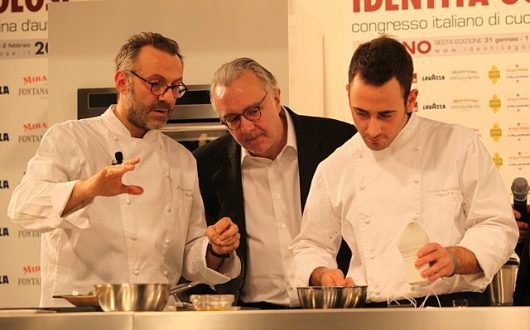
Massimo Bottura is an Italian chef from Modena, Italy. He has been working as a chef for over 30 years and has recently found a way to use his talent to advocate for the hungry. About one-third of the food produced around the world turns into food waste. To solve this issue, in 2016 Bottura founded the nonprofit association Food for Soul to empower communities to fight food waste and use extra food to feed the hungry.

Food for Soul is an organization where well-known chefs, both locally and globally, come to transform discarded ingredients into healthy meals. Professional staff maintain these kitchens to ensure long-term successes. Bottura’s foundation is an impactful gesture as well as a call to action.

It began with a transformation of a theater in Milan into a soup kitchen. The kitchen turned more than 15 tons of leftover food into meals for the poor and refugees. At first, many local residents were against the Food for Soul project and believed it would bring addicts and refugees into the community. Bottura had many skeptics but gained respect in the community after he expressed his permanence. Protesters then understood the commitment of everyone involved and the vision they stood by, a new foundation to feeding the hungry. Many of those protesters became loyal volunteers.

Food for Soul is working to create community kitchens around the world and expand this concept. “This reflects the way I grew up,” Bottura has stated, “hundreds of cheese makers who see the power of working together with a single voice.”

Food for Soul has had a large impact, saving approximately 25 tons of food surplus to date and making it into healthy meals. This movement has been captured in the documentary “Theater of Life.” The film shows the project unfold in Milan and its influence around the world.

So far, Food for Soul has established kitchens in Milan, Modena and Bologna and is working on an initiative in London. Food for Soul is an initiative for empty stomachs, approaching the issue of hunger in a new way.

– Brandi Gomez

Photo: Flickr

August 18, 2017
https://borgenproject.org/wp-content/uploads/borgen-project-logo.svg 0 0 Borgen Project https://borgenproject.org/wp-content/uploads/borgen-project-logo.svg Borgen Project2017-08-18 01:30:092017-08-18 18:36:21Food for Soul: A Chef’s Foundation to Feed the Hungry
Hunger

Hunger In Brunei Linked to Governmental Changes

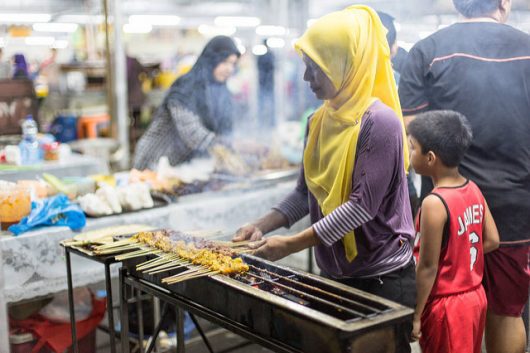
Hunger In BruneiBrunei is a country located on the north coast of the island of Borneo in Southeast Asia. Brunei is the only country on the island and has territory between the nations of Malaysia and Indonesia. Hunger in Brunei is a growing problem inherently linked to the government.

Recently, the leader of the country, Sultan Hassanal Bolkiah, announced his intention to make Shari’a law the primary form of law in the nation. This change stems from the fact that two-thirds of the country’s population is Muslim. This shift of policy in conjunction with growing governmental corruption led to the United Nations expressing grave concern for the country.

In Brunei, food is scarce due to the insurgent groups in the region and arid climates, making growing crops difficult for the farmers in the area. Due to its tropical climate and proximity to the ocean, the main supply of protein comes from marine catches. Marine wildlife acts a primary source of food for the people of Brunei, and the government has made an effort to increase the yields of fishers to meet the requirements for the nation’s food supply.

Outside of the fishing industry, a majority of food is shipped into the country internationally. Although the Brunei government states that they have adequate food distribution policies that ensure food products get distributed to the majority of citizens, data shows that this is not the case. Regardless, the food distribution system distributes sugar, rice and other basic foods. Once transported to communities, they get sold at “fair” food prices.

Political corruption began right as the country found independence in the early 18th century and has continued to affect the country’s population since. Due to much of the food supply being under control by the government and militant groups roaming the country seizing the little amount of food available for the country’s citizens, the amount of hunger in Brunei has increased dramatically since the country’s independence.

Malnutrition in Brunei is commonplace, and children under the age of five are the group most affected. This issue is compounded by the high prevalence of citizens being underweight. For females under the age of five, there is an 8.5 percent chance of being underweight, and males have a 10.8 percent chance.

The significant amount of hunger in Brunei stems from political corruption and the shift to Shari’a law as the primary form of governance. In general, a pregnant mother will struggle to find the volume of food necessary to have babies that are born healthy. The rate of babies born underweight is now at 11.9 percent, an increase since Shari’a law was implemented in the nation.

Beyond issues with the country’s government, the food that is available to the citizens of Brunei is either of low quality or often gets contaminated with toxins. This low quality of food has led to children growing up in the nation to be underdeveloped. About 22.8 percent of males and 16.7 percent of females suffer from stunted development as a direct result of malnutrition and toxic foods.

The political situation in Brunei has contributed significantly to the country’s inability to feed its citizens. Although the government has tried to make strides in better distributing the food the country has, many people still face the issues created by hunger in Brunei.

Continued pressure by the EU should ensure that the government continues to distribute food and sell that food at fair prices. However, as present trends suggest, this may not be possible until more political change occurs in the country.

– Nicholas Beauchamp

Photo: Flickr

August 16, 2017
https://borgenproject.org/wp-content/uploads/borgen-project-logo.svg 0 0 Kim Thelwell https://borgenproject.org/wp-content/uploads/borgen-project-logo.svg Kim Thelwell2017-08-16 01:30:112024-05-28 00:15:37Hunger In Brunei Linked to Governmental Changes
Aid, Global Poverty, Hunger

Troian Bellisario Combats Global Hunger with This Bar Saves Lives

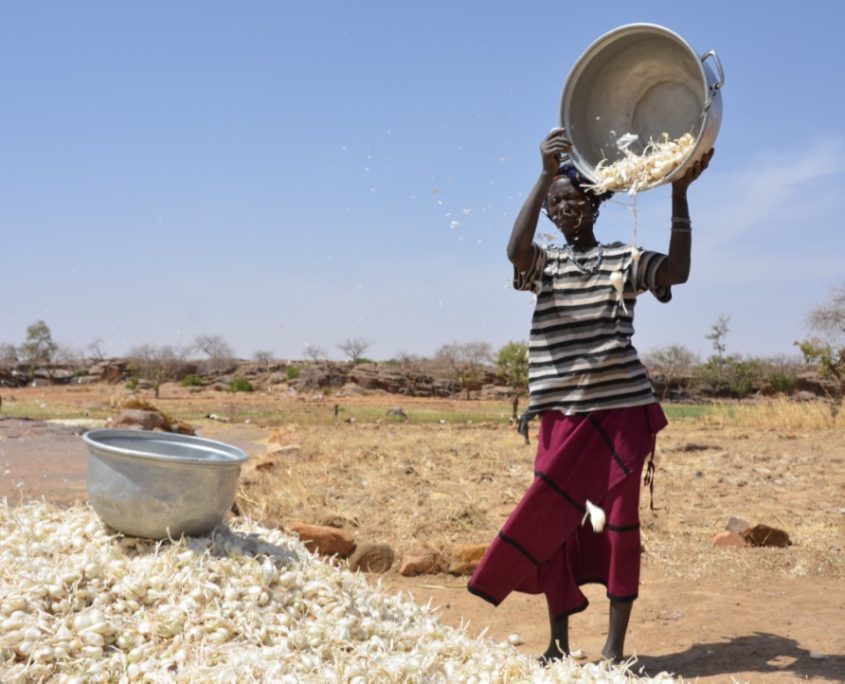
This Bar Saves Lives“Buy a bar, Feed a child” is the life-changing mission of snack bar company This Bar Saves Lives, with its nonprofit partners that distribute packets of food for every bar purchased to where it’s needed most. With 2,302,895 meal packets donated to date, the lives of millions of children suffering from severe acute malnutrition received the treatment and prevention methods they need in the form of various food products to go on to lead normal, healthy lives.

“Pretty Little Liars” actress Troian Bellisario recently teamed up with the brand, holding an interview session at the BUILD Studio in New York City to help raise awareness for the cause. The company is also discussing plans with Starbucks and Target to combat hunger domestically.

Two major points of emphasis for This Bar Saves Lives are treatment and prevention. For every one of the 2.6 million children who die from severe acute malnutrition each year, there are 10 more at risk of suffering the same fate. Working against this harsh reality, This Bar Saves Lives has developed a treatment in the last decade, Plumpy’Nut®, which has become one of the most important weapons in the war on global hunger.

The product is a nutrient-rich paste made from peanuts, milk powder, sugar, vegetable oils and a mixture of vitamins and minerals. Its simplicity makes it so that it can be eaten right away – no need to be cooked or refrigerated. In addition, Plumpy’Nut® has a two-year shelf life and consuming three a day for seven weeks can take a child from near death to survival. In terms of prevention, Nutributter® was designed for undernourished children below the age of two to prevent stunting, which affects a child’s growth, as well as lifelong health and productivity.

This July, Bellisario shared about her involvement with the company, “Raising awareness about child hunger… has always been a subject that is incredibly personal and important to me… I’m thrilled to be a part of such an exciting and important initiative.” Her husband Patrick Adams added, “I couldn’t be more proud to be working with everyone at This Bar Saves Lives to draw more attention to this problem and to help children in need find their way to an important and potentially life-saving meal.”

Since 2013, This Bar Saves Lives has teamed up with various international organization partners, including Action Against Hunger, Edesia and Second Mile Haiti to distribute food aid to Haiti, South Sudan, the Democratic Republic of Congo, the Philippines, Mexico and Guatemala.

– Mikaela Frigillana
Photo: Flickr

August 15, 2017
https://borgenproject.org/wp-content/uploads/borgen-project-logo.svg 0 0 Borgen Project https://borgenproject.org/wp-content/uploads/borgen-project-logo.svg Borgen Project2017-08-15 07:30:342024-05-28 00:15:36Troian Bellisario Combats Global Hunger with This Bar Saves Lives
Global Poverty, Hunger

4 Facts About Hunger in Kyrgyzstan

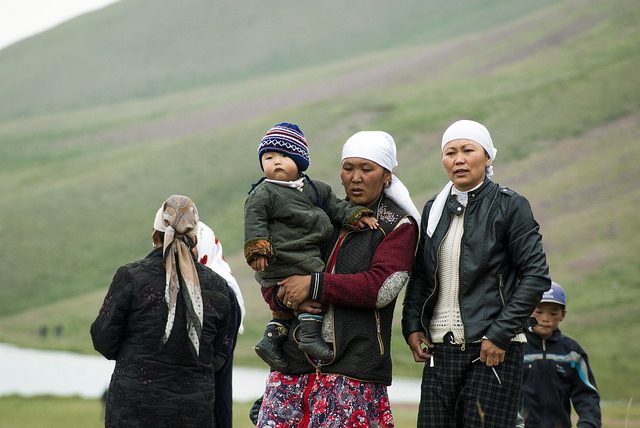
Hunger in KyrgyzstanKyrgyzstan, or the Kyrgyz Republic, is a Central Asian country with 6.5 million inhabitants. It has registered positive changes in living standards in the past decade. In fact, it ranks 36 out of the 127 countries evaluated in the 2024 Global Hunger Index, meaning the threat of hunger is considered low. Despite progress against hunger compared to concerning levels around 15 years ago, Kyrgyzstan faces challenges in pursuing the U.N. Sustainable Development Agenda on eliminating hunger and improving nutrition. Here are four facts about hunger in Kyrgyzstan and how it is being addressed nationally.

4 Facts About Hunger in Kyrgyzstan

  1. Poverty Causes Malnutrition. As many as 2.3 million Kyrgyz citizens live in poverty on less than $2.15 a day and thus lack access to nutrient-rich foods for a balanced diet. Spending more than 50% of one’s earnings solely on food is commonplace. Many households cannot afford to expand their food budgets further to sustain a healthier diet. Furthermore, the impact of the coronavirus pandemic has been especially potent in Kyrgyzstan, where the poverty and food insecurity rates skyrocketed by over 10% and have still not recovered. This phenomenon has also endangered the state of the Kyrgyz economy; 30% of the annual GDP is dependent on remittance payments from Kyrgyz citizens working abroad, yet remittances have also suffered since 2020.
  2. Geography Matters. Another obstacle to eradicating hunger in Kyrgyzstan is its geography. The country is covered almost entirely by mountains, which makes large-scale crop cultivation difficult without sophisticated infrastructure. Cold winters and hot, dry summers undermine agricultural yields, and restricted access to equipment and funding prevents producers from implementing better irrigation and fertilizing techniques. As such, most of the ⅔ of the population who reside in the vast mountainous areas are subsistence farmers, growing crops to ensure that their families do not starve, rather than generating income from selling them. Agricultural yields equally suffer from tough weather conditions and climate change shocks, particularly floods and mudslides, meaning hunger is possible at any moment. Furthermore, the lack of stable agriculture means that many Kyrgyz citizens are dependent on imported goods for essential foods.
  3. Malnutrition Mostly Affects Children. Hunger severely affects the well-being of local children. Around 13% of Kyrgyz children below the age of 5 experience stunting and 43% of the same demographic suffer from anemia. By 2011, malnourishment affected around 18% of children, and 22% of child mortality cases were a result of malnutrition. Despite the noticeable diminution of Kyrgyzstan’s stunting and anemia rates relative to decades ago, malnutrition continues to have lasting consequences. With nutrient-deficient diets, children fail to receive the vitamins and minerals required for their growth and development. This may impact their physical and mental capacities in the future and restrict their career prospects.
  4. Progress Continues. Kyrgyzstan has already achieved plenty in fighting hunger, and further progress is in the making. In 2018, its National Statistics Committee adopted the Food Balance Sheets to examine the national food supply, the kinds of foods being eaten and whether the food supply meets the population’s nutritional requirements. This constitutes an important step toward accurately measuring the prevalence of undernourishment, as prescribed by the U.N. Sustainable Development Goal No. 2: Zero Hunger. Furthermore, the World Food Programme has remained active in Kyrgyzstan, distributing 2,000 tons of food assistance to 64,000 poor Kyrgyz citizens and providing 53,000 children with take-home wheat flour rations in 2024. The program is also partnering with the state to introduce hot meals into the nation’s 2,200 primary schools and is supporting rural farmers with food, funding and training in cultivation, harvesting and sustainable management of resources. Finally, USAID has invested $1.5 million in Kyrgyz agriculture, stimulating the nation’s economy through job creation in food storage facilities and improving the quality of agricultural exports.

Further Progress and Aid

UNICEF is also conducting humanitarian aid in Kyrgyzstan. Its work focuses on bettering child nutrition and has incentivized several breakthroughs in this field. Under its guidance, the country developed its inaugural National Food Security and Nutrition Strategy that directs government efforts to address hunger in Kyrgyzstan and offers children vitamins and minerals to fight malnutrition-induced iron-deficiency anemia. UNICEF first introduced the project in the Talas province, resulting in a 26 % drop in anemia rates between 2009 and 2010.

Shoring up these efforts are those of smaller nonprofit organizations, including the Red Crescent Society Kyrgyzstan and the Aga Khan Foundation. The former has worked with USAID to improve emergency preparedness and vaccination rates in Kyrgyzstan. The latter has pioneered the Mountain Societies Development and Support Programme, working with 520,000 rural Kyrgyz residents. The program links farmers to microfinancing companies and helps them to improve productivity and manage their livestock. Additionally, it provides early childhood development and primary school education services to young people.

These four facts about hunger in Kyrgyzstan show that the country has yet to eradicate hunger entirely. Local poverty rates and geographical landscapes complicate this task, affecting the well-being of the Kyrgyz children. However, the government and the nonprofit sector remain actively involved in alleviating hunger, striving for positive change.

– Dan Mikhaylov and Cole Zickwolff
Photo: Flickr
Updated: November 21, 2024

August 13, 2017
https://borgenproject.org/wp-content/uploads/borgen-project-logo.svg 0 0 Borgen Project https://borgenproject.org/wp-content/uploads/borgen-project-logo.svg Borgen Project2017-08-13 01:30:062024-11-21 05:04:184 Facts About Hunger in Kyrgyzstan
Global Poverty, Hunger

Hunger in Luxembourg: A Nutritional Issue

Hunger in Luxembourg
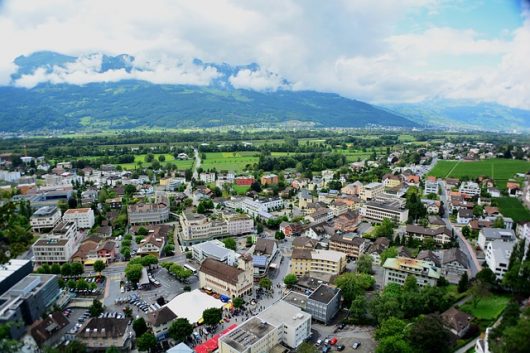
Luxembourg is a small country that shares borders with Belgium, France and Germany. It is also well-known for its efforts not only to solve hunger in Luxembourg, but also around the globe. An economic rise and an increased standard of living have made hunger in Luxembourg rare; however, it has also led to nutritional issues, such as obesity.

Since 2006, Luxembourg has been one of the World Food Programme’s (WFP) most important donors in the fight against global hunger. With a significant total donation of 9.6 million euros for that year, Luxembourg had also announced a 2.6 million euro donation to fund school meals for 100,000 children in Sahel region in Africa.

In 2008, approximately 490,000 individuals lived in Luxembourg. It was estimated that 60.6% of the adult population older than 20, was overweight. The prevalence prediction for 2020 has estimated that 22% of the male population and 23% of the female population will be obese.

Obesity has been defined as “an adult having a Body Mass Index (BMI) greater to or equal to 30.0.” BMI can be calculated by dividing a person’s weight in kilograms by their height squared in meters. A BMI below 18.5 is defined as underweight, while a BMI between 18.5 and 25 is in the normal range.

This shows that although Luxembourg has taken action against hunger, it has not yet taken action against obesity.

By 2011, only five percent of the population was undernourished, but by 2014, Luxembourg was ranked ninth out of 16 countries where 23% or more of the population is obese.

This rate is lower than that of the U.S. The U.S. has officially been named the most obese country, with 35% of its population being overweight. It is predicted that by 2020, two out of every three countries will struggle with an increase in obesity, not malnutrition.

Luxembourg has been noted to consume fewer fruits and vegetables in a day than most European countries. This shows that the nutrition problem is not hunger in Luxembourg, but rather overeating and an unhealthy diet.

The OECD reported that in 2014, only 50% of adults in Luxembourg consumed fruits and vegetables daily compared to 62% and 57%, respectively, for fruits and vegetables on average in 28 EU countries.

The goal is to implement awareness campaigns to improve nutrition habits and physical activity within children while strengthening the regulations of food advertising. Luxembourg continues to make progress in nutrition labeling to reduce the consumption of unhealthy foods and beverages in hopes of a nutritional change in people’s daily lives.

While Luxembourg continues to help eliminate world hunger, it is slowly taking steps to tackle its domestic obesity problem. By putting a focus on healthy nutrition, there is hope to reduce the obesity rate within Luxembourg and create a healthier future.

– Stefanie Podosek

Photo: Pixabay

August 3, 2017
https://borgenproject.org/wp-content/uploads/borgen-project-logo.svg 0 0 Borgen Project https://borgenproject.org/wp-content/uploads/borgen-project-logo.svg Borgen Project2017-08-03 01:30:462024-05-28 00:03:19Hunger in Luxembourg: A Nutritional Issue
Global Poverty, Hunger

Feed My Starving Children Addresses Hunger in Somalia

Somalia, a country in eastern Africa, is on the brink of catastrophic famine. More than half of the population of Somalia needs some sort of help regarding food. Camps providing aid are set up around the country, but even there the situation of hunger in Somalia is dire.

Feed My Starving Children (FMSC), a nonprofit organization based in Minnesota, decided to find a way to help. This organization operates on a volunteer basis to provide assistance in the battle against world hunger. Volunteers sign up for a shift to come in and pack food into bags for however long they choose. Each bag packs six meals made up of a formula researched to provide the most nutritional value for a starving person. They are all vegetarian and halal certified.

FMSC sends the food they package to at least 60 countries worldwide, constantly working to solve the problem of world hunger. But besides their normal volunteer work, the organization creates mass packing events in various locations. From June 2 through June 5, FMSC hosted its largest packing event in the history of the organization in St. Paul, Minnesota. Partnering with Love Somalia, there were over 15,000 volunteers working in 2.5-hour shifts. The volunteers packed and sent an amazing 4.9 million meals to Somalia in order to assist during the famine. It’s a start to addressing the overwhelming hunger in Somalia that equates to more than six million people who need aid.

Other major packing events have gone towards relief in Haiti, the organization’s largest recipient. In 2015, FMSC sent 78 million meals to Haiti and sends even more after hurricanes.

The United Nations writes that a “massive increase in humanitarian assistance is urgently needed to avert a famine,” especially one that resembles the famine Somalia experienced in 2011, where more than 250,000 people died of starvation. While there is still a long way to go, Feed My Starving Children has begun taking steps to help.

– Ellen Ray

Photo: Flickr

July 26, 2017
https://borgenproject.org/wp-content/uploads/borgen-project-logo.svg 0 0 Borgen Project https://borgenproject.org/wp-content/uploads/borgen-project-logo.svg Borgen Project2017-07-26 07:30:112024-06-11 02:48:29Feed My Starving Children Addresses Hunger in Somalia
Aid, Global Poverty, Hunger

Three Apps That Feed the Hungry

Apps That Feed the Hungry
Nowadays people can do almost anything with a smartphone: order groceries, plan a vacation or pay for mass transit. There are even apps that feed the hungry around the world. About one in nine people do not have enough to eat, but the following smartphone apps are changing that, one meal at a time.

Here are three apps that feed the hungry:

  1. Chowberry
    Nigerian entrepreneur Oscar Ekponimo developed this mobile app to put discounted, expiring food in the hands of people who desperately need it. The organization currently operates in four locations in recession-stricken Nigeria, with the help of 20 supermarket partners. Here is how it works: Families on tight budgets sign up for a free account; they search for products set to expire in as little as a week to more than a few months. Users choose whatever cereals, grains, drinks, cans and packaged goods they want. Then they pay online and pick up their goods at participating stores. Some products are as much as 70% off original prices, which makes it easier for impoverished people to feed themselves and their families. Exact numbers of the app’s impact are unavailable at this point, as the site has yet to go public. But, in a three-month pilot, the company had 3,000 daily hits.
  2. Pocket Rice
    With this free mobile app, users earn virtual grains of rice each time they answer a trivia question correctly. The virtual rice accumulates like a point system. But unlike regular trivia games, Pocket Rice’s points become a valuable food source for people in need. When users “donate” their earned rice, co-founder James Downing buys real rice. In-app advertising pays for the rice, so users can play trivia while helping solve world hunger — all for free. The rice goes to targeted areas through the company’s partners, agencies like the United Nations World Food Programme, World Vision and now The Lasallian Foundation. According to in-app text, Pocket Rice’s current project focuses on children in Sri Lanka. The goal is to reduce child mortality and increase babies’ birth weights. Trivia users have earned more than 324 million grains of rice and fed 16,000 people since Pocket Rice’s start in 2013. Users of the app allowed Downing to purchase around 3,500 pounds of rice in 2016 alone.
  3. Share the Meal
    The World Food Programme spearheaded Share the Meal, which lets any smartphone owner feed a child with spare change. People all over the world can download the app for free and start saving lives with donations as small as 50 cents. More than just throwing money at a cause, the app has a tool that lets people track their donations. Users can choose where they want to share a meal, learn about the children the Programme helps and follow their donation’s impact. Users have provided for more than 14 million meals since Share the Meal’s launch in 2015. The meals feed school children and refugees in places such as Haiti, Yemen and Lebanon.

Whether it is the invention of the telegram or the use of cell phone apps, technology has always made the world seem smaller. Today, three apps that feed the hungry are continuing that tradition. Chowberry is bridging the gap between Nigerians in need and retailers willing to help, Pocket Rice is turning phone users’ love of trivia into life-saving food and Share the Meal is making it easy for charitable people to feed children around the world.

– Kristen Reesor

Photo: Flickr

July 25, 2017
https://borgenproject.org/wp-content/uploads/borgen-project-logo.svg 0 0 Borgen Project https://borgenproject.org/wp-content/uploads/borgen-project-logo.svg Borgen Project2017-07-25 01:30:452024-12-13 17:58:19Three Apps That Feed the Hungry
Food & Hunger, Global Poverty, Hunger

10 Impacts on Food and Hunger in Iceland


Iceland, a small island nation located in the North Atlantic northwest of the United Kingdom, went bankrupt in 2008 when global financial markets collapsed. Since then, the economy has recovered, but many factors affect its food-related economy. Here are 10 impacts on food and hunger in Iceland.

  1. Natural disasters have a tremendous impact on Iceland’s food security. As a result of the April 2010 eruption of the Eyjafjallajokull volcano, for instance, hundreds of acres of local farmland were coated in four inches of ash.
  2. Food poverty among Icelandic children, measured by the inability to afford a meal with meat, chicken, fish or a vegetable equivalent every second day, was 6% in 2012.
  3. The depth of hunger is measured by the energy deficit in undernourished people using kilocalories. In Somalia, for example, the deficit is 490 kilocalories a day. In Iceland, the deficit is 130 kilocalories a day.
  4. High global food prices and the devaluation of Iceland’s currency following its bankruptcy weakened food security.
  5. Fears that the European Union would negatively impact food security in Iceland is among the reasons it dropped its bid to join. Among those who lobbied hardest against joining the EU were Iceland’s farmers, who used “food security” terminology to accentuate the need for more local food production.
  6. Though fishing accounts for 40% of its exports, Iceland produces just half of its people’s nutritional needs and relies on imports.
  7. After declaring sovereign bankruptcy in 2008, Iceland turned to its fishing industry to help it recover. Unfortunately, the price of fish fell 40% in some markets due to the global recession.
  8. Most of Europe has over-fished local waters, but not Iceland. It has an abundant supply. Unfortunately, fishing companies that had invested in domestic banking are now heavily in debt. What’s worse, recession in important markets weakened demand.
  9. The success of Iceland’s economy is heavily dependent upon other economies. That, coupled with its relative isolation, means that food shortages could result from disruptions in importing or exporting.
  10. Icelandic households are unprepared for food shortages. A 2011 survey indicated that most have a supply that would last for just a week. The situation is not much better for food suppliers. Their stores would be depleted in less than a month.

As these impacts on food and hunger in Iceland indicate, food poverty is not only a problem in the developing world, and it continues to have a disproportionate impact on children. In addition, even countries with plenty of food to export can be dependent on food imports and what it takes to produce food. What may be more, when talking about impacts on food and hunger in Iceland, is the effect of natural disasters such as volcanic eruptions.

– Laurie Gold

Photo: Flickr

July 22, 2017
https://borgenproject.org/wp-content/uploads/borgen-project-logo.svg 0 0 Borgen Project https://borgenproject.org/wp-content/uploads/borgen-project-logo.svg Borgen Project2017-07-22 07:30:212020-06-16 10:49:1810 Impacts on Food and Hunger in Iceland
Developing Countries, Global Poverty, Hunger

Hunger in Samoa is Still A Crisis


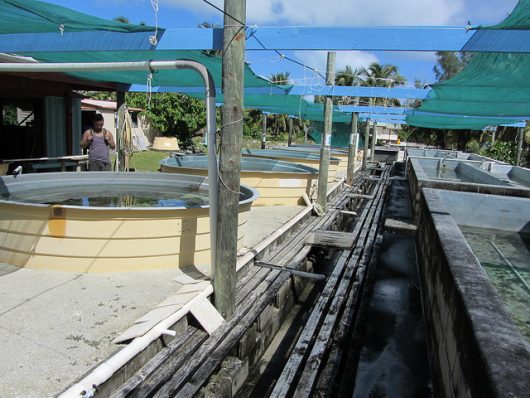
Following destructive cyclones in 1990 and 1991, much of Samoa’s agriculture was destroyed. This has caused major setbacks for food production. To alleviate the huge deficit in food resources, the country sought out help from donor nations as well as the World Food Programme. Despite the help from donor nations and relief programs, problems still remain with hunger in Samoa today.

In an address in 1996 by the country’s Deputy Prime Minister, Tuilaepa Sailele Malielegaoi, it was stated that the 1993 food production recovery program was making headway until a fungal disease wreaked havoc on the crops. With natural disasters and failed production recovery programs not making any progress, Malielegaoi and the government of Samoa committed to the World Food Summit Plan of Action in hopes of combatting hunger in Samoa and rebuilding the food recovery program.

Years later, hunger in Samoa is still a crisis. In 2006, the depth of hunger index–which measures the number of people who fall short of minimum food needs–was reported at 210, and, by 2008, the depth of hunger had decreased to 150, a significant reduction. In addition, the depth of the food deficit was at 22 kilocalories per person per day, while the percent of malnutrition prevalence in children under 5 was at 1.7%. The number of undernourished people in Samoa was reported at 100,000 in 2008, an estimated 5% of the population.

Despite the lack of progress, in 2013, the Samoan government and the Food and Agriculture Organization of the United Nations (FAO) announced that Samoa was among 40 countries to have cut hunger in half. This success was one of the targets of the Millennium Development Goals set by the U.N. in 2000 to be achieved by 2015.

In response to Samoa’s hard work, the Minister of Agriculture and Fisheries of Samoa Hon. LeMamea Ropati Mualia stated that “Samoa has put into place decisive policies and actions to accelerate hunger reduction,” and this is “a good signal for our beloved country’s economic growth and sustainability.”

Although there is no current data on unemployment rates and the population living below the poverty line, and with the GDP increase of $.031 billion from 2015 to 2016, which ranked Samoa 203rd in the world, it can be inferred that there has been a slow but steady decrease in hunger in Samoa.

– Amira Wynn

Photo: Flickr

July 22, 2017
https://borgenproject.org/wp-content/uploads/borgen-project-logo.svg 0 0 Borgen Project https://borgenproject.org/wp-content/uploads/borgen-project-logo.svg Borgen Project2017-07-22 01:30:392024-06-07 05:07:41Hunger in Samoa is Still A Crisis
Developing Countries, Global Poverty, Hunger

The Impact of Hunger in Montenegro

Hunger in Montenegro

Montenegro is a small Balkan country in Southeastern Europe located between the Adriatic Sea and Serbia. Although hunger in Montenegro is currently not as severe as it is in its surrounding countries, recent data indicates that it still affects the lives of approximately 12.3% of the nation’s population. As such, below is a list of three initiatives that seek to diminish the persistent impact of hunger throughout the country, ranging from state-led reform to international aid. 

  1. Adaptation to Climate Change and Resilience in the Montenegrin Mountain Areas project (GORA). The GORA project aims to relieve climate-related pressures for approximately 12,500 small-scale farmers and rural communities scattered throughout 14 municipalities of northern Montenegro. As of 2024, the International Fund for Agricultural Development (IFAD) has allocated approximately $10 million towards the project, hoping to ease climate-related pressures for around 12,500 households located in northern Montenegro. Given the region’s mountainous ecosystem, northern Montenegro is especially vulnerable to increases in temperature that have the potential to devastate key resources and infrastructure. In particular, flash floods and droughts can cause severe disruptions to harvests and water storage, reducing the availability of food throughout the region. In light of these risks, GORA seeks to enhance ecosystem and smallholder livelihood resilience by promoting climate-resilient practices, increasing income stability and promoting diverse production systems. 
  2. FAO–Montenegro Country Programming Framework (CPF) 2023–2027. In July 2023, the Government of Montenegro and the Food and Agriculture Organization of the United Nations (FAO) announced their partnership to improve the country’s food and agriculture sector, outlining their strategies in the CPF. Intended to induce institutional change, the CPF intends to support the sustainable, inclusive and competitive economic development of Montenegro’s agrifood sector through the enhanced natural resource management of forests and the promotion of new agricultural practices designed to reduce the economy’s impact on the environment. With an estimated 70% of the rural population’s income generated through agricultural means, improvements to farming conditions are vital in ensuring long-term food security for those living in underdeveloped and isolated areas. 
  3. The 2022 Montenegro Nutrition Survey (MONS). MONS was a national cross-sectional survey conducted primarily by The Institute of Public Health of Montenegro and UNICEF to understand the scope of micronutrient deficiencies and nutrition-related noncommunicable diseases in women and children throughout the country. The data collected by the survey identified iron deficiencies and cardiometabolic disease as prevalent among these groups, primarily as a result of insufficient dietary diversity. Breastfeeding and complementary feeding practices were also discovered to be suboptimal, contributing to moderate rates of anemia among both mothers and infants. By providing reliable statistics on various nutritional conditions widespread among women and children, the MONS ultimately functioned as a helpful resource for Montenegrin policymakers seeking to implement nutritional intervention programs for these demographics. 

Recognizing its vulnerability to external shocks, Montenegro aims to strengthen its overall stability in the coming years. By engaging in constructive partnerships with the IFAD, FAO and UNICEF, the country has been able to vastly improve its ongoing efforts to reduce hunger in regions and populations still lacking in social welfare. Moving forward, key Montenegrin stakeholders hope to merge sustainable agrifood systems with traditional food cultures to not only reduce the impact of hunger throughout the nation but also promote inclusivity – ensuring that no one is left behind.

– Emma Tennyson, Moon Jung Kim

Photo: Google

Updated: November 25, 2024

July 18, 2017
https://borgenproject.org/wp-content/uploads/borgen-project-logo.svg 0 0 Borgen Project https://borgenproject.org/wp-content/uploads/borgen-project-logo.svg Borgen Project2017-07-18 07:30:152024-11-25 15:54:48The Impact of Hunger in Montenegro
Page 49 of 71«‹4748495051›»

Get Smarter

  • Global Poverty 101
  • Global Poverty… The Good News
  • Global Poverty & U.S. Jobs
  • Global Poverty and National Security
  • Innovative Solutions to Poverty
  • Global Poverty & Aid FAQ’s
Search Search

Take Action

  • Call Congress
  • Email Congress
  • Donate
  • 30 Ways to Help
  • Volunteer Ops
  • Internships
  • Courses & Certificates
  • The Podcast
Borgen Project

“The Borgen Project is an incredible nonprofit organization that is addressing poverty and hunger and working towards ending them.”

-The Huffington Post

Inside The Borgen Project

  • Contact
  • About
  • Financials
  • President
  • Board of Directors
  • Board of Advisors

International Links

  • UK Email Parliament
  • UK Donate
  • Canada Email Parliament

Get Smarter

  • Global Poverty 101
  • Global Poverty… The Good News
  • Global Poverty & U.S. Jobs
  • Global Poverty and National Security
  • Innovative Solutions to Poverty
  • Global Poverty & Aid FAQ’s

Ways to Help

  • Call Congress
  • Email Congress
  • Donate
  • 30 Ways to Help
  • Volunteer Ops
  • Internships
  • Courses & Certificates
  • The Podcast
Scroll to top Scroll to top Scroll to top