• Link to X
  • Link to Facebook
  • Link to Instagram
  • Link to TikTok
  • Link to Youtube
  • About
    • About Us
      • President
      • Board of Directors
      • Board of Advisors
      • Financials
      • Our Methodology
      • Success Tracker
      • Contact
  • Act Now
    • 30 Ways to Help
      • Email Congress
      • Call Congress
      • Volunteer
      • Courses & Certificates
      • Be a Donor
    • Internships
      • In-Office Internships
      • Remote Internships
    • Legislation
      • Politics 101
  • The Blog
  • The Podcast
  • Magazine
  • Donate
  • Click to open the search input field Click to open the search input field Search
  • Menu Menu

Archive for category: Global Poverty

Key articles and information on global poverty.

Activism, Global Poverty, Hunger

Three Organizations Fighting Malnutrition and Hunger in Nicaragua

Hunger in Nicaragua
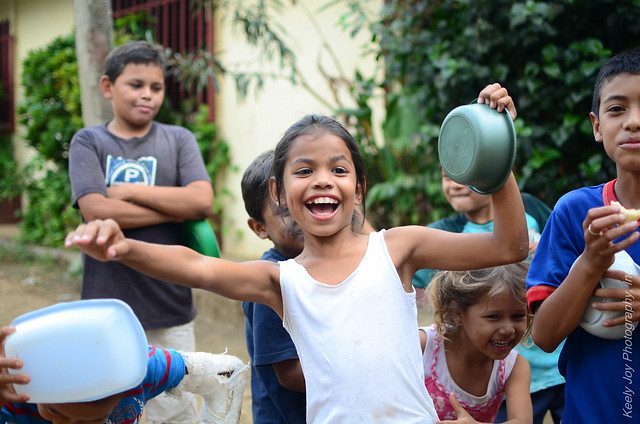
With about 29 percent of households living in poverty and 8.3 percent in extreme poverty on less than $1.25 a day, Nicaragua is considered one of the poorest countries in Latin America. Hunger in Nicaragua is just one of the major problems the country faces. Fortunately, organizations such as North Country Mission of Hope, World Food Program and Action Against Hunger have acted out of generosity, providing support and food assistance for areas suffering from chronic malnutrition.

  1. North Country Mission of Hope/Stop Hunger Now
    North Country Mission of Hope is a humanitarian organization specifically committed to aiding and building relationships with the people of Nicaragua, with 97 percent of profits going directly to services in the country. Likewise, Stop Hunger Now works to end world hunger by distributing meals through feeding programs operated by partner organizations in developing countries. Earlier this year, Stop Hunger Now teamed up with North Country Mission of Hope to ship 22,660 pounds of medical equipment, school supplies and food to Nicaragua.
  2. World Food Program (WFP)
    WFP has been fighting hunger in Nicaragua since 1971. The organization supports the government of Nicaragua’s Zero Hunger Program by working to prevent chronic malnutrition and improving the food security of smallholder farmers. Focusing on nutrition, WFP reaches out to vulnerable groups, including mothers and children, in communities like Madriz, which has a 30 percent rate of chronic malnutrition, and Nueva Segovia, which has a 28 percent rate. WFP’s school meals program also provides daily meals to needy children in preschools and primary schools.
  3. Action Against Hunger
    Action Against Hunger has been working in Nicaragua since 1996. In 2015, the organization provided nutritional support to 1,294 individuals, helped 6,181 gain access to safe water and assisted 21,193 in total. The organization emphasizes four main action steps that go into its aid process.

First, Action Against Hunger predicts where and when to expect malnutrition in order to target it effectively. Secondly, it recognizes that global hunger is preventable and encourages members to find ways to ensure that children stay healthy. Next, the organization utilizes available resources, particularly therapeutic ready-to-use foods. Finally, it maintains that anyone can get involved and make a difference. Just $45 can provide a child with life-saving treatment, adequate supplies and food for survival.

Though Nicaragua has encountered many struggles, the work of these global humanitarian groups is bringing hope to the country and its people.

– Mikaela Frigillana
Photo: Flickr

November 21, 2016
https://borgenproject.org/wp-content/uploads/borgen-project-logo.svg 0 0 Borgen Project https://borgenproject.org/wp-content/uploads/borgen-project-logo.svg Borgen Project2016-11-21 01:30:542020-05-18 10:02:30Three Organizations Fighting Malnutrition and Hunger in Nicaragua
Development, Global Poverty

Improving Maternal and Child Health Through Innovations

Improving Maternal and Child Health
The problem of poverty is not too big to tackle, but it is a huge issue. Chief Strategy Officer and Vice President of Strategy and Learning at PATH, Amie Batson, believes the answer is innovation, and she is especially optimistic about innovations geared toward improving maternal and child health. She worked with the United States Agency for International Development (USAID) on its Child Survival: Call to Action initiative that “challenges the world to reduce child mortality.”

This initiative united the governments of India, Ethiopia and the U.S. to work with UNICEF toward the goal of making sure every child reaches his or her fifth birthday. By 2035, Child Survival: Call to Action strives to reduce the number of deaths before age 5 to only 20 in every 1,000.

“We have the tools, the treatments and the technology to save millions of lives every year, and there is no excuse not to use them,” said UNICEF Executive Director Anthony Lake. He also stated that countries must focus on “scaling-up coverage of high-impact, low-cost treatments, sparking greater innovation and spurring greater political will to reach the hardest-to-reach children.”

One such low-cost practice proven to be effective in improving maternal and child health is “kangaroo mother care.” This practice involves immediate and prolonged skin-to-skin contact between mother and child after a child is born. Research shows that this contact results in exclusive breastfeeding, which is especially important for children in developing countries. It also helps with thermal regulation and creates a psychological connection between mother and child. It is a simple change with lasting impact.

Many other notable innovations involve giving women access to family planning. Sayan Press produces an injectable contraceptive available in small doses through an easy-to-use injection device. Its availability and ease of use allow community-level workers to hand it out, thus expanding its accessibility.

Batson encourages nonprofits and governments alike to continue the search for innovators as a way of reducing the number of preventable deaths among women and children.

“Local innovators have incredible ingenuity and capacity to drive ‘frugal’ innovations—low-cost, life-saving innovations tailored to local needs,” she said, encouraging countries to look within for their solutions.

Through the collaboration of organizations like USAID and PATH, it has been shown that even as few as 11 innovations can make a significant difference. There is much hope for the future of women and children’s health, and the best place to start is here.

– Rebecca Causey

Photo: Flickr

November 21, 2016
https://borgenproject.org/wp-content/uploads/borgen-project-logo.svg 0 0 Borgen Project https://borgenproject.org/wp-content/uploads/borgen-project-logo.svg Borgen Project2016-11-21 01:30:462024-12-13 17:56:08Improving Maternal and Child Health Through Innovations
Education, Global Poverty, Technology

The Rise of Online Education in Developing Countries

Online Education in Developing Countries
In 2012, Battushig Myanganbayar, a boy from a Mongolian village, became one of only 340 students out of 150,000 to earn a perfect score in an MIT Circuits and Electronics class. That class was the first Massive Open Online Course — a free mode of accessible international online education offered at MIT.

Stories like Myanganbayar’s are certainly inspiring, but access to online education in developing countries isn’t the norm. Most MOOC users are educated, wealthy and employed. However, MOOCs present incredible opportunities to students around the globe. Consequently, the United States Agency for International Development (USAID) and EducationUSA have taken the initiative to raise awareness about and increase access to MOOCs and online education in developing countries.

USAID partnered with Coursetalk in 2014 for the Advancing MOOCs for Development Initiative (AMDI) to raise awareness about MOOC opportunities in populations that could benefit from them the most, such as unemployed and uneducated women. Through establishing relationships with NGO, college, university, business or foundation communities, USAID will work toward increasing enrollment in MOOCs in developing countries.

The Technology and Social Change Group (TASCHA) at the University of Washington’s Information School and nonprofit development organization IREX are also involved in the initiative to help conduct research in Columbia, the Philippines and South Africa.

Another organization called EducationUSA — a network of student advising centers to support higher education around the world — is bringing educational opportunities into the classrooms of students who wouldn’t have access to them otherwise. Through the support of the Bureau of Educational and Cultural Affairs, EducationUSA has hosted impactful MOOC camps hosted by Fulbright alumni and U.S. embassy staff. MOOC camps are free, open to the public and occur in more than 60 countries.

MOOCs have pros and cons. The largest complaint about MOOCs is that it could be considered “cultural imperialism” that stunts the growth of a country’s organic progress. Some argue that bringing elite education from the developed world offers a short-term solution to a select group of people in the developing world. As a result, MOOCs inhibit the progress of the long-term goal to improve a country’s education system.

Despite the obvious downsides to MOOCs, one might consider them a temporary necessary evil. One key example where this is true is Kepler University in Rwanda that combines online learning with in-person seminars. Eventually, graduates from Kepler will go on to be the well-prepared educators for the next generation as well as innovators and politicians who are integral to the development of Rwanda.

In support of online education in developing countries, Bill Gates has said that he believes in a “future in which world-class education is only a few taps away for anyone in the world.” With the rapid growth of MOOCs and the support they are receiving from U.S. foreign aid programs, it looks like the future is now.

– Sabrina Yates

Photo: Flickr

November 21, 2016
https://borgenproject.org/wp-content/uploads/borgen-project-logo.svg 0 0 Borgen Project https://borgenproject.org/wp-content/uploads/borgen-project-logo.svg Borgen Project2016-11-21 01:30:262024-06-10 03:10:28The Rise of Online Education in Developing Countries
Global Poverty

Vietnam Green Growth Strategy Promises Sustainability

The Vietnam Green Growth Strategy Promises Sustainable Growth
In the face of increasing pressure on natural resources, Vietnam has demonstrated great commitment to sustainable growth and development. Launched in September 2012, the Vietnam Green Growth Strategy aims to restructure economic efficiency, cope with climate change and reduce poverty within the country.

Vietnam has experienced rapid growth in recent years, but this progress has also put pressure on the country’s natural resources. Poverty in Vietnam declined from 49.2 percent in 1993 to 3.2 percent in 2012.

As unfortunate side effects of this achievement, air pollution levels rose in major cities, rivers became more polluted, greenhouse gas emissions almost tripled between 2000 and 2010, and climate-related disasters began to devastate rural and coastal regions.

In response to increasing strains on the environment, the government adopted the Vietnam Green Growth Strategy in 2012, with the ultimate goal of creating a more sustainable footing for the national economy while further reducing poverty.

The Green Growth Strategy seeks to accomplish its goals largely by encouraging businesses to move towards greener practices and help new businesses develop along green lines. Focusing on business practice reform paves a strong foundation for lasting growth, as “green investment is good investment,” according to Pratibha Mehta, UNDP resident representative.

If successful, the strategy would reduce the intensity of greenhouse gas emissions by 8-10 percent as compared to the 2010 levels, reduce energy consumption per unit of GDP by 1.5 percent per year, reduce greenhouse gas emissions from energy activities by 10-20 percent as compared to standard current rates, and promote green lifestyles and sustainable consumption among Vietnamese citizens.

The World Bank is supporting Vietnam’s progress through investments that steer the energy sector towards lower carbon options. By focusing on restructuring the economy and business practices, Vietnam is showing a strong effort to create large-scale and lasting green growth.

The Vietnam Green Growth Strategy is further supported by a partnership between Vietnam’s Ministry of Planning and Investment, the United States Agency for International Development and the United Nations Development Program. This partnership assembled a supplemental framework that accelerates Vietnam’s ability to implement green growth policies. The Strengthening Capacity and Institutional Reform for Green Growth and Sustainable Development in Vietnam project supports capacity building and encourages policy reform along Green Growth lines.

Thus far, five ministries and almost 30 localities in Vietnam have implemented green growth strategies. The steps taken include resource mobilization, institutional and policy improvement, capacity enhancement, and technology improvement.

The Vietnam Green Growth Strategy is guiding both rural and urban development toward substantial and sustainable growth. By integrating green growth with national policies, the initiative is positioning Vietnam to achieve the sustainable development goals.

– McKenna Lux

Photo: Flickr

November 21, 2016
https://borgenproject.org/wp-content/uploads/borgen-project-logo.svg 0 0 Borgen Project https://borgenproject.org/wp-content/uploads/borgen-project-logo.svg Borgen Project2016-11-21 01:30:082024-05-27 23:54:16Vietnam Green Growth Strategy Promises Sustainability
Disease, Global Poverty

Dengue Track: Mapping the Spread of Disease

Dengue Track: How Mapping the Spread of Disease May Help to Stop It
Dengue is a notoriously malicious mosquito-borne virus that has seen an uptick in recent decades with the expansion of urban environments. But a new tool called Dengue Track is trying to change that.

Dengue fever causes flu-like symptoms, minor bleeding and a characteristic full-body rash. The disease used to be confined primarily to tropical regions, but the World Health Organization estimates that about half the global population is now at risk. It is rarely fatal but nonetheless constitutes a leading cause of illness and death among children in some developing countries. Though a vaccine has been developed, its use has only been approved in three countries so far, and it is not yet widely available anywhere.

Dengue is a disease that is uncommonly hard to fight. Because it has an incubation period of four to 10 days, mosquitos can be spreading it in an area for weeks before officials start to realize that they have an epidemic on their hands. What’s more, as globalization intensifies and people and goods travel more broadly than ever, it’s nearly impossible to keep infections localized or to judge where they might develop next.

Illnesses that, like dengue, are transmitted by blood-sucking insects are called “vector-borne” diseases, and when vaccines are not available, the only way to protect human populations is through methods known collectively as “vector control.” These include strategies for reducing the insects’ breeding areas, creating tools like nets to keep them away from vulnerable people or killing them with pesticides.

Vector control, however, is most effective when the movement of the disease can be plotted on a map. The trouble is that dengue, which is most prevalent in developing countries around the equator, is dramatically underdiagnosed and underreported, and systems to share what little information there is are inefficient, unstandardized, or nonexistent.

Dengue Track, a crowdsourced tool that tries to map the epidemiology of the disease, is an initiative from an organization called Break Dengue. Drawing information from cell phone conversations, social media, and an online chat system, it plots cases of the illness across the globe to try to predict where it may surface next.

It is a low-cost method that relies on tools common in developing countries, where only one-third have access to the internet but over 95 percent own mobile phones. This means that it is particularly well-suited to places where the national health system does not have the ability to track outbreaks itself.

“Thousands of lives are lost every year in developing countries for failing to detect epidemics early because of the lack of real-time data on reported cases,” said Lakshminarayanan Subramanian, a professor at New York University who helped to develop Dengue Track. This app might prove a useful model for identifying such epidemics early in the game and taking the appropriate steps to head them off.

– Madeleine Read

Photo: Flickr

November 20, 2016
https://borgenproject.org/wp-content/uploads/borgen-project-logo.svg 0 0 Borgen Project https://borgenproject.org/wp-content/uploads/borgen-project-logo.svg Borgen Project2016-11-20 01:30:302024-12-13 17:56:06Dengue Track: Mapping the Spread of Disease
Global Poverty

Potential Reform for the Chilean Pension System

Protest and Potential Reform for the Chilean Pension System
In the past, pension analysts, the World Bank and political figureheads around the world, including George W. Bush, have praised the privatized Chilean pension system as one of the most effective in the world. However, many issues have arisen due to the system, and Chilean retirees are unable to sustain themselves due to small pensions. Many citizens are forced to work past retirement age in order to live at the most basic level.

Following protests from dissatisfied citizens and warnings from international organizations regarding the failing pension system, Chilean President Michelle Bachelet began to explore reform options in 2008. Under the current system, which was implemented in 1981 under the military dictatorship of General Augusto Pinochet, workers must contribute 10% of their salaries into accounts operated by private businesses called pension fund administrators or AFPs.

The companies invest the money while employers and the government don’t make any contributions to the workers’ accounts. The funds are controlled by six AFPs and are equal to approximately 71% of Chile’s gross domestic product.

Recently, discontent among citizens has reached an all-time high as fewer and fewer people are capable of surviving solely off the money from the Chilean pension system. Although the invested money has helped to boost Chile’s economy in the past, the pension system is rather unreliable. If the stock market dips or the global markets stray from normal trends, workers lose savings and retirees receive smaller pension checks. Culturally, the Chilean economy is informal and people make inconsistent contributions to their pension accounts, which makes the situation even worse. Currently, the average pension check in Chile is $315, which is less than a monthly minimum wage salary.

Women also fare worse than men due to the fact that they typically earn less, are more likely to retire early and have a longer life expectancy than men. These factors, mixed with a general financial illiteracy among Chilean citizens, have led many people into desperate situations.

In 2008, President Bachelet introduced several pension reforms in an attempt to remedy the failings and move toward a mixed public-private system. She implemented a state-funded minimum pension amount of $140 for those who were unable to save for retirement. Close to 1.3 million Chileans receive this benefit today.

Now, further reforms such as a minimum required contribution from employers, the introduction of a state-run AFP with the hopes of creating competition and efforts to keep fund managers commissions on an equal playing field. Bachelet stated, “This increase in contributions will allow us to build the foundation for collective savings with solidarity. Part of it will enable raising current pensions and the other part will be used to ensure more equity in future pensions.”

As long as the Chilean pension system follows through with these reforms and takes care of their growing aging population, outside parties may still be able to look at Chile as having one of the most effective pension systems in the world.

– Peyton Jacobsen

Photo: Flickr

November 19, 2016
https://borgenproject.org/wp-content/uploads/borgen-project-logo.svg 0 0 Borgen Project https://borgenproject.org/wp-content/uploads/borgen-project-logo.svg Borgen Project2016-11-19 01:30:382024-12-13 17:56:08Potential Reform for the Chilean Pension System
Aid, Global Poverty

USAID and Coca-Cola: Improving Watershed Management

Watershed Management
To expand the Water and Development Alliance, Coca-Cola and USAID are donating a combined investment of $22 million to provide safe water and sanitation to communities throughout Africa, Asia, Latin America and the Middle East. Coca-Cola and USAID, through WADA, act in 22 countries worldwide including 16 countries in Africa.

The Water and Development Alliance hosts volunteers in the local communities to participate in watershed management. Keeping the locals involved in the process of establishing improved attitudes and behaviors promotes the importance of maintaining positive health benefits, such as better hygiene and sanitation. This also advocates for smart water usage, thus preventing wastefulness and ultimately protecting the environment while providing economic benefits.

The Global Environment and Technology Foundation encourages the development of new projects and continued progress as the partnership manager. GETF is a non-profit from Washington, D.C. that aims to build partnerships, such as the one between Coca-Cola and USAID, to aid humanity. The three core issues at the center of GETF’s mission are safe water and sanitation, clean energy and climate change reversal, as well as overall sustainability for communities around the world.

In places like Chimoio, Mozambique, the TextAfrica water treatment plant received the funding for restoration and expansion as the facility now benefits 25,000 people in the surrounding area. Partnerships between public and private entities can do a lot of good with adequate funding and oversight to fix problems anywhere in the world. Successful sanitation and hygiene education campaigns are spreading to over one million people across West Java, Indonesia through another WADA-supported project.

The partnership is not limited to Coca-Cola, USAID and GETF. A local non-profit in Kano State, Nigeria called Women Farmer’s Advancement Network helped implement eased water and sanitation access directly in their communities. Also, in Tarija, Bolivia, stakeholder forum PROAGUA raised support for improved water resources and watershed management to the benefit of 150,000 living within the large basin area.

It is important to remember that joining for a common purpose can aid in the fight against poverty, hunger and illness. GETF works to ensure that more successful partnerships such as this may form and make a difference in the lives of real people everywhere. Coca-Cola and USAID continue to strengthen their bond and find new innovative ways to bring basic needs to those struggling to maintain their way of life.

– Aaron Walsh

Photo: Flickr

November 19, 2016
https://borgenproject.org/wp-content/uploads/borgen-project-logo.svg 0 0 Borgen Project https://borgenproject.org/wp-content/uploads/borgen-project-logo.svg Borgen Project2016-11-19 01:30:162024-05-27 23:54:13USAID and Coca-Cola: Improving Watershed Management
Global Poverty

Reducing Poverty in Nepal

Poverty in Nepal
Poverty in Nepal has experienced a steady decline since the 1990s. The country’s efforts to further reduce poverty will build off existing success, population growth control and using sustainable development goals to promote development.

Between 1995 and 2015, Nepal’s poverty rate declined by an estimated 2.2-3.2 percentage points each year. The national poverty rate in 1995 was 41.8%, a figure that was reduced to 21.2% in 2015. The main drivers of Nepal’s poverty decline are remittances from migration, more diverse labor income and slowed population growth.

Migration remittances increased from less than 1% to 29% of Nepal’s GDP between the late 1990s and 2014. Remittances have caused wage increases within Nepal and driven demand for non-food items and services, generating employment in more diverse industries.

Population growth control has been a main fixture of the government as a means to combat poverty in Nepal. The country’s population doubled between 1960 and 1990 and was expected to double again between 1990 and 2015. However, beginning in the 1990s, the average number of births for a Nepali woman dropped from six in the 1970s to two in 2014, slowing population growth.

Population growth still hinders progress in Nepal’s more rural regions, where the number of births has not declined. In Nepal’s mountains, hills and Terai plains regions, there is insufficient land to accommodate the livelihoods for an increasing number of people. The Nepali government is continuing to make population growth control a central tenant of its poverty reduction plans by promoting a two-child family as the norm.

While progress is underway, natural disaster hinders Nepal’s growth. The 2015 earthquake pushed 700,000 Nepalis under the poverty line. Recovery is ongoing and can appear slow. Distribution of aid is often uneven and cash grants needed for reconstruction have been distributed slowly and in small increments.

While there are areas of recovery in need of improvement, international support programs show hope for regrowth. The U.N. Development Program has implemented cash-for-work programs and supported the restoration of micro-enterprises, both of which build individual recovery and community resilience. Sustained commitment to the SDGs will facilitate earthquake recovery and continued poverty reduction in Nepal. Two main objectives of earthquake recovery are poverty eradication and gender equality, both of which align with the SDGs.

In order to promote sustained growth, Nepal must frame its commitment to the SDGs in a national context. “What works for Bolivia might not work for Nepal,” says UNDP resident representative in Nepal, Valerie Julliand. Identifying the precise ways in which the SDGs can benefit Nepali citizens will facilitate their implementation and enable further poverty reduction.

Between the Nepali government’s plans and programs enacted by international organizations, Nepal is progressing towards sustained economic growth and poverty reduction. Poverty in Nepal has experienced a steady decline in recent decades and continued commitment to earthquake recovery and the SDGs proves promising for the country’s development.

– McKenna Lux

Photo: Flickr

November 19, 2016
https://borgenproject.org/wp-content/uploads/borgen-project-logo.svg 0 0 Borgen Project https://borgenproject.org/wp-content/uploads/borgen-project-logo.svg Borgen Project2016-11-19 01:30:022024-12-13 17:56:08Reducing Poverty in Nepal
Education, Global Poverty, Refugees and Displaced Persons

Education Provided to Syrian Refugees in Hosting Countries

Education Provided to Syrian Refugees in Hosting Countries
When the Arab Spring began in 2011, the Middle East’s future became unclear. Since its advent, nearly 300,000 people have been killed and 11 million have been displaced externally. Syrian refugees have taken refuge in Lebanon, Jordan, Iraq, Turkey, Greece and Germany.

Even though the countries have granted them asylum, many young children do not attend school. Of the 11 million displaced Syrians, nearly 2.5 million are school-aged children. Attending school is a difficult task for these children. As an overarching issue, the education system cannot sustain the thousands of Syrian refugee children entering their classrooms.

Another major issue is that Syrian refugee children are behind in the curriculum and don’t speak the language. Many children, especially young boys, have to choose between working and schooling. Their families cannot afford to send their children to school. These obstacles contribute to the fact that 80% of Syrian refugee children in Lebanon are not attending school. As a result, many children end up dropping out, contributing to the 56% of refugee children who are not enrolled in Jordanian schools.

Since 2012, the Jordanian Government, Ministry of Education and Higher Education have either covered Syrian children’s fee or waived them. Even if the children can afford to go to school, parents do not think it’s safe for their children to be journeying a long way. To overcome these barriers, War Child Holland in Lebanon created a walking bus. Instead of children walking alone to school, they walk together in one large group.  In Jordan, UNICEF provides buses to take children to school.

To accommodate those who are not attending school or who have dropped out, the Lebanese NGO Iqra runs Classroom in a Bus whereby students and teachers are trained and taught in the town. In Turkey, students now do not have to show any identification, they can enroll for free and are taught in a Syrian Arabic curriculum. These adjustments coupled with the collaboration between Turkey and UNICEF to build seven new schools is a contributing factor to the 30% increase in enrollment. As a global initiative, donors and host countries have pledged, as the Human Rights Watch states, “more than $11 billion in multi-year support to meet goals including universal school enrollment in refugee-hosting countries by 2017.”

Through donations, global workings and Human Rights Watch projects, there are expansions, “to address other barriers.” Some of these include issues of documentation, NGO roles, addressing dropouts and reducing child labor. The NGO, government and global initiative contribute to UNICEF’s strategy, No Lost Generation, which ensures all Syrian refugees are provided with adequate educational opportunities.

The Syrian Crisis is one of the worst humanitarian crises. Yet, there is an admirable level of determination to help Syrian refugees adapt and provide them with equal opportunities.

– Kristen Guyler

Photo: Flickr

November 18, 2016
https://borgenproject.org/wp-content/uploads/borgen-project-logo.svg 0 0 Borgen Project https://borgenproject.org/wp-content/uploads/borgen-project-logo.svg Borgen Project2016-11-18 01:30:532024-12-13 17:56:05Education Provided to Syrian Refugees in Hosting Countries
Foreign Aid, Global Poverty

Why Foreign Aid in Ghana is a Smart Investment

Foreign Aid in Ghana
As the United States heads into its 2017 fiscal year, it plans to spend $4 billion less on foreign aid than it planned in 2016. Cuts like these may reflect growing fears that foreign aid is at best ineffective, or at worst detrimental. But when the money is funneled into smart investments — as is happening with aid in Ghana — it can benefit everyone, giver and receiver alike.

Foreign aid comes under frequent fire for its long-term effects on recipient countries. Opponents argue that it usually ends up lining the pockets of corrupt bureaucrats, and even when it gets to the people who need it, it depresses local economic development, increases dependency and perpetuates destitution. The standard argument is simple: if a wealthy country is distributing a good for free, local producers of that good cannot possibly compete. They succumb to falling prices and stop producing it. When there are no producers, consumers are forced to rely on foreign aid to obtain it, causing that aid to continue in a self-reinforcing, never-ending cycle.

But aid doesn’t have to be just a matter of giving handouts. Used smartly, foreign dollars can boost struggling economies and help build the infrastructure necessary for continued development. In Ghana, for example, USAID recently partnered with the Ghana Grains Council to carry out the sixth annual Pre-Harvest Agribusiness Forum, which aimed to “foster long-term business relationships, discussions, and the exchange of ideas in order to drive economic growth in Ghana’s agricultural sector.”

Many believe that USAID simply gives free food to the hungry, but the Agribusiness conference is one example of how the agency uses its money much more carefully than that implied. By providing a forum for participants in the agricultural industry to interact, network and share best practices, it is contributing to a more powerful, robust food market that will help decrease dependence on foreign funds. With programs like this, aid in Ghana will not always have to be a reality.

In addition, when poorer countries begin to flourish, the benefits are felt throughout the globe. Half of U.S. exports go to developing nations; more purchasing power in Ghana, therefore means more purchases from Americans. Beyond the trade benefits, economic stability can bring more political stability, so a strong economy in a volatile region can help to keep the area from descending into chaos. When all is said and done, aid in Ghana is good not just for Ghanaians, but for Americans as well.

– Madeleine Read

Photo: Flickr

November 18, 2016
https://borgenproject.org/wp-content/uploads/borgen-project-logo.svg 0 0 Borgen Project https://borgenproject.org/wp-content/uploads/borgen-project-logo.svg Borgen Project2016-11-18 01:30:532024-06-05 04:10:53Why Foreign Aid in Ghana is a Smart Investment
Page 1744 of 2180«‹17421743174417451746›»

Get Smarter

  • Global Poverty 101
  • Global Poverty… The Good News
  • Global Poverty & U.S. Jobs
  • Global Poverty and National Security
  • Innovative Solutions to Poverty
  • Global Poverty & Aid FAQ’s
Search Search

Take Action

  • Call Congress
  • Email Congress
  • Donate
  • 30 Ways to Help
  • Volunteer Ops
  • Internships
  • Courses & Certificates
  • The Podcast
Borgen Project

“The Borgen Project is an incredible nonprofit organization that is addressing poverty and hunger and working towards ending them.”

-The Huffington Post

Inside The Borgen Project

  • Contact
  • About
  • Financials
  • President
  • Board of Directors
  • Board of Advisors

International Links

  • UK Email Parliament
  • UK Donate
  • Canada Email Parliament

Get Smarter

  • Global Poverty 101
  • Global Poverty… The Good News
  • Global Poverty & U.S. Jobs
  • Global Poverty and National Security
  • Innovative Solutions to Poverty
  • Global Poverty & Aid FAQ’s

Ways to Help

  • Call Congress
  • Email Congress
  • Donate
  • 30 Ways to Help
  • Volunteer Ops
  • Internships
  • Courses & Certificates
  • The Podcast
Scroll to top Scroll to top Scroll to top