• Link to X
  • Link to Facebook
  • Link to Instagram
  • Link to TikTok
  • Link to Youtube
  • About
    • About Us
      • President
      • Board of Directors
      • Board of Advisors
      • Financials
      • Our Methodology
      • Success Tracker
      • Contact
  • Act Now
    • 30 Ways to Help
      • Email Congress
      • Call Congress
      • Volunteer
      • Courses & Certificates
      • Be a Donor
    • Internships
      • In-Office Internships
      • Remote Internships
    • Legislation
      • Politics 101
  • The Blog
  • The Podcast
  • Magazine
  • Donate
  • Click to open the search input field Click to open the search input field Search
  • Menu Menu

Archive for category: Global Poverty

Key articles and information on global poverty.

Global Poverty

The HIV Outbreak in Pakistan

HIV outbreak in Pakistan

When a child has a fever, most parents expect it to be a cold or a mild virus. Many parents in the Sindhi province of Pakistan did not anticipate receiving such a severe diagnosis, but the results from their doctors were alarming: their children tested positive for HIV. On April 24th, 2019, 14 cases of HIV were discovered. Since July, over 894 people tested positive for the disease and almost 750 of them were children. The outbreak in Pakistan has increased the pressure on medical professionals to treat hundreds of new cases and fear among the people of Pakistan is growing. Many are afraid to interact with others for fear of spreading or contracting the disease. Along with a heavy stigma surrounding HIV, growing skepticism around medical facilities in Pakistan has made treating this outbreak even more critical. Here’s what you should know about the HIV outbreak in Pakistan:

Poor sanitation methods contribute to the outbreak

In Pakistan, HIV is not an unfamiliar disease. In the Sindhi province alone, health authorities found around 75,000 HIV positive cases. For the most part, doctors have blamed many failures in the healthcare system to be the reason for this sudden outbreak among children.

This recent outbreak has been credited to the reuse of syringes and failure to follow proper procedures for blood transfusions. Some facilities that disposed of used syringes discovered that people were repackaging and selling them to doctors once again for profit. There have also been reports of reusing dextrose and saline drips in certain treatment facilities. These practices created an easy pathway for the disease to spread to many patients and eventually helped facilitate the HIV outbreak in Pakistan.

“Quack” doctors are popular options for patients, but not necessarily the safest

“Quack” doctors, cheap alternatives to qualified doctors, have grown in popularity in certain regions. Many families living in rural parts of Pakistan cannot travel long distances to cities to see qualified doctors. As populations have grown, governments are struggling to provide sufficient healthcare for all communities in the country. Unqualified quacks have arisen as a result, cashing in on the disparities by treating many patients. Because of a loophole in the system, quack doctors use real doctors’ names and qualifications as a cover for their business and then later pay a fee to the qualified doctors to remain open.

Around 70,000 to 80,000 unqualified practitioners have spread across Punjab province alone. Most quack doctors are either totally unqualified to treat patients, or they are operating beyond their expertise. Most are not allowed to prescribe medicines or use syringes, but it is a common practice for them to do so anyway on multiple patients to save money.

In addition to reusing syringes, these doctors often use veterinarian steroids to treat patients as an alternative to recommended medicines. These steroids mask a patient’s symptoms but do not provide long term solutions to the diseases. Overall, these quack doctors put more and more people at risk of contracting illnesses like HIV with their unsanitary practices.

Many organizations are working to address the outbreak effectively

Since the start of the outbreak in Pakistan, many organizations have been working to provide solutions and treatments. The Sindh Aids Control Program (SACP) began a campaign to treat new HIV patients and provide free tests to the public. They have also curated ways to respond to the outbreak effectively, emphasizing the need for low-cost treatment and prevention services for vulnerable regions, in order to make treatment accessible for all. Currently, roughly 8,866 people are registered with the SACP’s Enhanced HIV AIDS Control Program, and they are expanding their outreach after receiving $6.3 million dollars from the Sindh government to continue their efforts.

Additionally, health officials have begun a crackdown on quack clinics. The Punjab Healthcare Commission is one of the organizations investigating the quacks littered across the Sindh province. Around 47,000 quackery outlets have been visited as of this month, 21,640 have been closed down, 13,637 have been abandoned and 8,757 have been marked for surveillance. The hard work of this commission ensures that the quality of treatment in Pakistan prevents outbreaks similar to the one facing the country now.

While treatment efforts are a major priority for these global organizations, there has also been a major focus on strengthening community education. UNAIDS and other UN organizations are raising awareness about HIV prevention to help tackle the stigma and discrimination that HIV patients face in their communities. Health workers, religious leaders, and even local media personnel are also being invited to health education sessions to address this issue.

The HIV outbreak in Pakistan may have affected the lives of hundreds of children and adults, but the efforts of many organizations have led to a heavy focus on HIV education and treatment in Pakistan. With this influx of assistance from global organizations, thousands of families can be protected from a future epidemic for years to come.

-Sydney Blakeney
Photo: Flickr
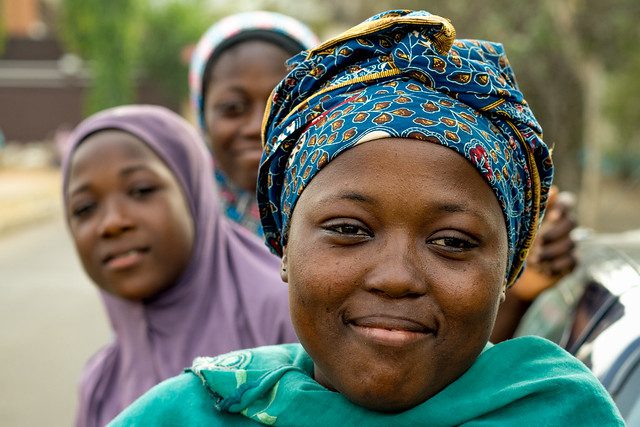
October 2, 2019
https://borgenproject.org/wp-content/uploads/borgen-project-logo.svg 0 0 Jennifer Philipp https://borgenproject.org/wp-content/uploads/borgen-project-logo.svg Jennifer Philipp2019-10-02 06:35:592024-06-06 00:26:26The HIV Outbreak in Pakistan
Child Marriage, Global Poverty, Women and Female Empowerment

Ending Child Marriages

Ending Child MarriagesChild marriage is one of the biggest problems affecting young women in third world countries. Roughly 15 million girls under age 18 are married every year. That translates to around 41,000 girls every day. Child marriage affects young girls throughout third world countries by cutting off their access to education, harming their health and making them more susceptible to cases of domestic and sexual violence. Child marriage also puts a strain on a country’s economy and will end up costing them trillions of dollars over the next 10 years. Though the statistics appear devastating, several organizations are dedicated to ending child marriages in third world countries.

Africa, Asia and the Middle East have the highest percentages of child marriage. Research done by CARE, an organization fighting global poverty, provided the top 26 countries where girls under the age of 18 are more likely to get married rather than enroll in secondary school. The country with the lowest percentage of girls enrolled in secondary school is Niger with only 10 percent. However, 76 percent of girls in Niger are married before age 18. Other countries with significantly low enrollment rates include Somalia, Mozambique and Ethiopia.

Girls Not Brides

Girls Not Brides became an independent charity in 2013. It is an organization committed to ending child marriages. There are 1,300 civil organizations from 100 countries involved in the organization. The sole intention of Girls Not Brides is to end child marriage so girls can live a fulfilling and healthy life. Its main goal is to bring global attention to child marriage and support laws or programs that will protect girls worldwide from the dangers of child marriage.

Girls Not Brides also offers support to those who were already married all over the world. They believe that the minimum age for marriage should be 18 years old for both boys and girls. This is in accordance with the U.N. Convention on the Rights of the Child. Girls Not Brides aims to encourage an open dialogue about the dangers of child marriage, work with other organizations to end child marriage and help to introduce different policies and funding to end child marriage.

In 2016, Girls Not Brides published a strategy set on their plan to tackle child marriage from 2017 until 2020. The plan is an overarching blueprint of what the organization wants to do that is based on their successes in its 2014-2016 plan. Its number one goal is to work with governments to get child marriage legislation passed as well as bring it to the attention of lawmakers. Other goals include globalizing, engaging communities, increasing their funding and donations, using facts and evidence to further their claims about child marriage and setting up partnerships with other organizations.

Other Organizations Fighting Child Marriages

Even though Girls Not Brides is one of the only organization that is dedicated specifically to fighting child marriage, there are other organizations that have made ending child marriages a part of their mission. CARE focuses on ending global poverty through women’s empowerment. Breakthrough uses more artistic and creative means to fight for social justice, which includes children’s rights. Humanim is an NGO fighting for children’s rights and protections.

On a more local level, some organizations focus nationally. In Egypt, the Egyptian Foundation for the Advancement of Childhood Conditions works under the Childs Rights International Network to protect the basic human rights of children. Seya, in Yemen, is a children’s rights organization that puts protecting children as its most important mission. Vasavya Mahila Mandali, which is one of two organizations based in India that believes in empowering women and children.

Child marriage is a huge issue for girls and young women globally. It is one of the top three things holding girls back from obtaining an education and living their lives to the fullest potential. Child marriage violates a young girl’s autonomy and puts her in danger of being seriously injured or, at worst, killed. The existence of Girls Not Brides and the other organizations that are dedicated to ending child marriages and working to educate the public about it are making the world a better place for those who are at risk of becoming a child bride.

– Sydney Toy
Photo: Flickr

October 2, 2019
https://borgenproject.org/wp-content/uploads/borgen-project-logo.svg 0 0 Kim Thelwell https://borgenproject.org/wp-content/uploads/borgen-project-logo.svg Kim Thelwell2019-10-02 01:30:332024-05-29 23:13:00Ending Child Marriages
Global Poverty

Infrastructure Development in Micronesia

Infrastructure Development in Micronesia

The Federated States of Micronesia relies heavily on foreign aid, yet under its Infrastructure Development Plan 2016-2025, it plans to gain self-reliance and growth in six main areas. In addition, the Sustainable Energy Development and Access Project and the Maritime Investment Project, funded by the World Bank, are two major projects that are already underway. The developments are in key areas, such as fishing and island connectivity, which many Micronesians rely on for their livelihood.

Federal States of Micronesia Infrastructure Development Plan 2016-2025

As part of Micronesia’s Infrastructure Development Plan, economic growth and self-reliance are two areas of improvement. Micronesia is a remote region containing more than 600 islands northeast of Papua New Guinea, 74 of which are inhabited. Due to its remoteness, tourism and investment in the main regions of Micronesia are sparse. The Infrastructure Development Plan is focused on six main areas: macroeconomic stability, good governance, developing a private sector-led economy, health and education services, infrastructure improvement and long-term environmental sustainability.

Under this umbrella, Micronesia already has a number of accomplishments under its belt. Specifically, the School Facility Repair and Construction Master Plan came to fruition in 2013. Likewise, the Airport Master Plan was completed in 2012 and involves safety and security in air transportation. There are four international airports, and development in air transportation is another step to attracting tourism to Micronesia, and therefore, income to those employed in the tourism industry. Although infrastructure development in Micronesia covers many areas, positive economic growth and progress in becoming self-reliant are two important goals for developing its economy.

Sustainable Energy Development and Access Project

The World Bank donated $30 million to Micronesia’s Sustainable Energy Development and Access Project in December 2018. The project aims to increase electricity access and quality and to reduce the reliance on fossil fuels. The four main states of Micronesia, Pohnpei, Kosrae, Chuuk and Yap rely on fossil fuels like diesel. About 96 percent of electricity use in Micronesia comes from fossil fuels, and about 75 percent of the total population has access to electricity.

The project’s goals are the following: increase electricity status in the state of Chuuk, increase renewable energy generation in the states of Chuuk, Kosrae and Yap, improve performance of the Pohnpei Utility Cooperation and provide technical assistance relating to governance, accountability and financial performance of the energy sector. Electricity access varies on the islands. Only 27 percent of the population in Chuuk has access to electricity, yet Pohnpei has a 95 percent electrification rate. The project aims to provide access to renewable energy to the islands for long-term use.

Federated States of Micronesia Maritime Investment Project

The Maritime Investment Project is another source of infrastructure development in Micronesia that was approved on May 9. At a cost of over $38 million, its focus is to increase efficiency, safety, security and climate resilience of maritime infrastructure and operations in Micronesia, including upgrades or repairs to terminal structures at Kosrae, Pohnpei, Chuuk and Yap ports. The project will also improve the connection between the islands with regards to access to food, water and emergency response services.

More than 90 percent of exports are fish. The project benefits not only for infrastructure development in the major ports but also for Micronesians that work in the strong fishing industry. The project ends on August 1, 2024. Sihna Lawrence, Microneisa’s Secretary of the Ministry of Finance, said, “Guided by our Infrastructure Development Plan, we look forward to working with the World Bank to improve our maritime transport and develop stronger connectivity across the archipelago.”

Ongoing Infrastructure Developments

Micronesia’s goal of self-reliance is given through the development plan and projects. Infrastructure development in Micronesia is a major move toward reducing the 41 percent poverty rate and improving health, education and the overall wellbeing of Micronesians.

– Lucas Schmidt
Photo: Flickr

October 1, 2019
https://borgenproject.org/wp-content/uploads/borgen-project-logo.svg 0 0 Jennifer Philipp https://borgenproject.org/wp-content/uploads/borgen-project-logo.svg Jennifer Philipp2019-10-01 21:49:252024-05-29 23:12:31Infrastructure Development in Micronesia
Global Poverty, Life Expectancy, Water Sanitation

10 Facts About Life Expectancy in Kazakhstan

10 Facts About Life Expectancy in Kazakhstan
Life expectancy in Kazakhstan has been steadily increasing since the mid-1990s. As the world’s largest landlocked country, Kazakhstan is a Central Asian nation that extends into two continents and is abundant with natural resources. Along with Kazakhstan’s increased life expectancy, the country is in a period of economic growth – its economy expanded by 4.1 percent in 2018 due strong private consumption and a higher number of oil exports. Subsequently, poverty in Kazakhstan has fallen to 7.4 percent. Here are 10 facts about life expectancy in Kazakhstan.

10 Facts About Life Expectancy in Kazakhstan

  1. As of July 2018, the population in Kazakhstan was 18.7 million making it the 63rd largest country in the world. With a life expectancy of 71.4 years at birth, women average 76.3 years for life expectancy compared to men at 66.2 years. There is a high mortality rate for men in the former Soviet Union regions due to alcoholism, alcohol-related incidents, diseases and suicide.
  2. The life expectancy rate in Kazakhstan is higher than in other Central Asian countries like Kyrgyzstan and Turkmenistan. Kazakhstan even has a higher life expectancy rate than Russia, which borders the nation to the North.
  3. Kazakhstan is the ninth largest country by landmass with a population growth rate of 0.98 percent. The largest population clusters appear in the urban areas, both in the far northern and far southern parts of the nation. The interior region of Kazakhstan is mostly remote and uninhabitable.
  4. Rural areas tend to see slower development and infrastructure. While 99 percent of the urban drinking water sources have improved, only 85 percent of the rural population saw improvement. The 14.4 percent of unimproved drinking water sources in rural areas could be a factor in life expectancy rates due to various communicable diseases that thrive in poor hygienic conditions. Two prevalent diseases that affect Kazakh citizens – diarrhea and hepatitis A – are contracted easily from contaminated water.
  5. In less than two decades, Kazakhstan has transitioned from lower-middle-income to upper-middle-income status, according to The World Bank. The poverty rate in Kazakhstan is relatively low, with only 4.3 percent of inhabitants living below the poverty line. This is lower than the majority of Kazakhstan’s Central Asia and Middle East neighbors.
  6. While life expectancy has increased and child and maternal mortality rates have decreased, the government struggles to provide and balance basic health care systems in Kazakhstan. Hospitals are the keystone in health care delivery, with in-patient care utilizing 45 percent of the public health budget. The number of general practitioners and primary-care physicians in Kazakhstan is relatively low. The long lines and lack of specialists may daunt Kazakh citizens when receiving basic health care services.
  7. Kazakhstan is a relatively youthful country with only 7.9 percent of the population being 65 years or older. The largest age structure in Kazakhstan is the 25-54 group that makes up 42.3 percent, making the median age in Kazakhstan 30.9 years. The median age in the United States is 38.2.
  8. Education and literacy can be a factor in life expectancy due to the lifelong economic benefits of an education. Ninety-nine percent of Kazakhstan is literate and the country offers free mandatory education up to the end of high school.
  9. Lifestyle choices, such as diet, are important to note when understanding the factors that influence life expectancy in Kazakhstan. A traditional Kazakh diet is heavily meat-based. There is an abundance of preserved foods due to the diets of the early Kazakh nomads, which include salted or dried meats, fermented dairy products and pickled vegetables. Fresh vegetables are often deficient in the Kazakh diet.
  10. Economic opportunities help citizens to live longer, happier and more fulfilling lives. The Youth Corps Program in Kazakhstan works to support vulnerable youth by developing community projects. For example, a soft-toy making club for disabled youth in the town of Kapchagai provides young people with disabilities the chance to learn new skills and generate a source of income.

Kazakhstan has made significant progress in social and economic reforms in the decades since its independence from the Soviet Union. These 10 facts about life expectancy in Kazakhstan show that the average life expectancy has improved through a reduction of poverty rates and an emphasis on education. Development in rural regions and improving universal health care are imperative to keep Kazakhstan’s life expectancy on the rise.

– Trey Ross
Photo: Flickr

October 1, 2019
https://borgenproject.org/wp-content/uploads/borgen-project-logo.svg 0 0 Jennifer Philipp https://borgenproject.org/wp-content/uploads/borgen-project-logo.svg Jennifer Philipp2019-10-01 13:51:232024-05-29 23:12:5310 Facts About Life Expectancy in Kazakhstan
Global Poverty, Life Expectancy

Life in the Dumps: The Garbage Communities of the world

Garbage CommunitiesGarbage: the word brings to mind unpleasant smells, flies and filth. But to some, it is home. Garbage communities consist of individuals making a living from and living within the confines of literal garbage dumps. For some people living in extreme poverty, the scrap cash that recycling garbage brings and the free space for building simple homes is the only option. And it isn’t an isolated, rare way of life. Nearly 15 million people across the globe live and “work” in garbage communities.

Making a Living

Members of garbage communities spend each day rummaging through the trash, hoping to find something decent enough to recycle. Once they find something — say a can or bottle — they collect these pieces and bring them to a middleman called an “agent”. The agent, (oftentimes a gang leader or crime lord) then sells the goods for much more, sucking up a large portion of the collector’s wage. This method brings in somewhere around $2.50 a day, not nearly enough for a decent living in most countries. Getting rid of the middleman is not an option, as violence and coercion are commonly used methods of silencing the garbage workers if they attempt to sell the items directly to the recycler.

Breeding Grounds of Disease

Living in waste — whether human, animal or artificial — brings with it a host of health problems. Contact with feces can cause intestinal worms, which can lead to stunted cognitive and physical growth in children. Pneumonia, spread by poor hygiene, is rampant in these communities, as are many other infectious diseases. This is likely because each gram of feces in which people in these conditions come into contact holds 10 million viruses. As a result, the average lifespan of people raised in these communities is about 35 years old.

But along with the physical burden is a huge mental and emotional weight. Garbage pickers are often stigmatized in their communities and referred to as “local rats”. Even if they are able to attend school or enter society looking for a job, they are seen as less than because of their occupation. Infections, illness, injuries from sharp objects, trauma and mental illness, spontaneous combustion from a buildup of methane gas, the list of dangers is endless. And yet, for the world’s most vulnerable, this is what it costs to live.

Promise for a Better Future

Several organizations are committed to bringing change to garbage communities and offering them a shot at a better life. ActionAid is an organization that specifically works with women and children in impoverished regions to help them stand up to sexual abuse and violence. ActionAid also helps children living in landfills get into school by pairing them with sponsors throughout the world. International Samaritan does similar work, providing promising young people in the dumps with scholarships so that they can escape the dump. This organization also funds entrepreneurs to start up their own businesses outside of the landfills.

By reaching the next generation, these programs bring promising hope for the future. Yet, many people still live under the burden of collecting and sorting the world’s waste. Although insufficient, an improvement would be providing a living wage, clean environment and benefits for garbage communities. Even by following correct rather than cheap landfill protocol, governments could greatly improve the quality of life for these communities by reducing the number of toxic waste individuals come into contact with.

– Hannah Stewart
Photo: Flickr

October 1, 2019
https://borgenproject.org/wp-content/uploads/borgen-project-logo.svg 0 0 Kim Thelwell https://borgenproject.org/wp-content/uploads/borgen-project-logo.svg Kim Thelwell2019-10-01 13:23:222019-10-01 13:34:51Life in the Dumps: The Garbage Communities of the world
Global Poverty, Refugees, Technology

The App to Help Refugees in Uganda

App to Help Refugees in Uganda
Uganda has been accepting refugees for many years. Unfortunately, these refugees have limited access to economic opportunity. That is where LevelApp comes in. The nonprofit Refunite created the app to help refugees in Uganda. The program creates small tasks for refugees to complete in exchange for payment. It is not a substitute for a regular income, but it provides some money on the side that refugees can save for the future. The work pays well too; a refugee may normally make around $1 a day, but the app gives them the potential to make up to $20 a day.

Uganda’s Refugee Crisis

Refugees have been seeking shelter in Uganda for many years now. Here are some facts about refugees in Uganda.

  • The refugee population in Uganda rose by 48 percent in the past year.
  • There are over 1.3 million refugees in Uganda.
  • Over 60 percent of those refugees are from South Sudan.
  • The South Sudanese are coming to Uganda to escape an oppressive government.
  • Many South Sudanese refugees are between 15 and 25 years old.
  • Almost 30 percent of refugees come from the Democratic Republic of the Congo.
  • The Congolese are escaping ethnic violence and an Ebola outbreak.

How LevelApp is Helping Refugees

Refugees need to be able to save money if they are to lift themselves out of poverty. The app helps women, who are important in local economies, by giving them tasks they can do from home. Almost 30 percent of users are women and they can use extra money in many beneficial ways. Some ways are to send kids to school, buy livestock and access health care, which might make them less dependent on foreign aid. Another important benefit is that by using this new technology, refugees learn new skills that they can use when they return home.

How LevelApp Works?

Refugees complete simple tasks like categorizing images and datasets. The more tasks they complete, the more money they make. They can download tasks and complete offline, which is important because many refugees do not have access to a consistent internet connection. Refugees can make almost $200 a month with this simple work. As of July 2019, LevelApp had around 1,500 users and the hope is that this number will grow.

The tasks are to help Refunite develop artificial intelligence. The basic tasks refugees complete, like labeling and mapping, help the AI learn. For Refunite, this is a win-win scenario because it is helping refugees climb out of poverty while developing AI.

Unexpected Benefits of LevelApp

While LevelApp is helping to lift refugees out of poverty, there are also some other positive effects. Using the app, refugees are beginning to learn English, which is an incredibly useful language to know. Also, through LevelApp, young people can new people. This is beneficial because a high number of refugees are young, and they are often stuck in limbo socially and economically. The youth often have difficulty making friends and progressing their careers. The app has also benefited the careers of young people by teaching them 21st-century skills that they can use when they return home.

LevelApp is helping refugees by providing an income that they normally would not have. It is a unique economic opportunity that greatly benefits refugees by providing them with 21st-century technological skills to use to access higher-paying jobs when they return home. The creator, Refunite, is also benefitting because the work refugees do for the company helps develop its artificial intelligence program. The company could easily develop this technology at home in the United States, but giving this opportunity to refugees is beneficial to combatting poverty. This app to help refugees in Uganda has created benefits that stretch beyond just poverty reduction and display the need for innovative solutions to global poverty.

– Gaurav Shetty
Photo: Flickr

October 1, 2019
https://borgenproject.org/wp-content/uploads/borgen-project-logo.svg 0 0 Jennifer Philipp https://borgenproject.org/wp-content/uploads/borgen-project-logo.svg Jennifer Philipp2019-10-01 12:54:532024-12-13 18:01:56The App to Help Refugees in Uganda
Advocacy, Developing Countries, Development, Global Poverty, Poverty, Poverty Reduction

ADB Helps Pakistan to Fight Poverty

ADB Helps Pakistan to Fight Poverty

The Asian Development Bank (ADB) helps Pakistan to fight poverty by pledging  $10 billion to Pakistan over the next 5 years for the purpose of infrastructure development, with the goal of improving important economic sectors that could revitalize regional trade. Two central areas of investment for the ADB will be water resource development and transportation infrastructure. Transportation infrastructure is an especially important focus area, as it undergirds the possibility of developing trade in other sectors of Pakistan’s economy. Water resource development will be crucial in continuing to sustain the agriculture sector and in ensuring that citizens have access to water. Here are some ways ADB helps Pakistan to fight poverty by addressing some major issues.

Trade and Transportation

While trade and poverty may appear to be separate, the economic growth prospects offered by expanding trade programs often spill over to effect poverty reduction. The positive gains in GDP growth result in increased capital coming into a country, which creates more opportunities for employment and access to markets. Since 2001, consistent yearly GDP growth in Pakistan, ranging from 1.7 percent to 7.5 percent has come alongside a 24.7 percent reduction in the number of Pakistanis living in extreme (less than $1.90 a day) poverty.

However, the poor transit system could have negative effects on the future of economic growth in Pakistan. Most of the nation’s railway system is over 100 years old and was built during the British colonial period. This has severely hampered the possibility of ramping up trade and industrial production, as only 4 percent of commerce can be shipped via rail. This has had a while GDP growth has been consistent, the share of growth caused by trade has declined, as the service industry, at 58.6 percent of GDP and agriculture sector at 24 percent both outpace the contributions of industrial production, which has declined from 22 percent of GDP to 19.3 percent. Moreover, the ADB estimates that 2 percent of GDP is lost annually due to poor transportation infrastructure.

In response to this, the ADB has announced plans to invest in providing more locomotives, increasing the overall prospects for shipping capabilities by rail, and has also invested in updating railway lines, as well as improving north-south highways for travel via motor vehicles.

Water Resource Development

Water resource development is another way ADB helps Pakistan fight poverty. This is not to suggest that agriculture is unimportant, as in some cases, agricultural development is integral to the maintenance of local economic growth, offering a means of mitigating the worst impacts of poverty. This is especially true of Balochistan, a province that faces severe water scarcity, impacting both the living standards of the population and the local economy. Agricultural production requires massive levels of water to operate successfully, and with 60 percent of the population employed in agriculture, the impact of water scarcity on poverty is compounded by pressing economic concerns.

As a result of water scarcity in Quetta, the provincial headquarters of Balochistan, many tube-wells were installed in order to redirect water from rural areas to provide water to the urban areas. This program has produced a massive strain on the population of Balochistan, eliminating access for water for both drinking and for use in agricultural production, with poor water resource management producing a scenario in which one portion of the population is only able to access the water by depriving another.

However, the ADB is seeking to combat this water scarcity by protecting watersheds and building 276 kilometers of new irrigation channels, to support agricultural production. Watersheds will prevent soil erosion, and increase water storage capabilities in the region, while irrigation channels will assist in combating the scarcity brought on by tube-wells. Beyond its use for irrigation, these programs will also be important for developing methods of helping increase access to water in the region, which some estimate could have a profound impact on increasing women’s access to water.

Conclusion

Water scarcity and poor transportation infrastructure have hindered effective economic development in Pakistan, limiting the prospects for sustainable economic growth and poverty reduction. The influx of capital offered by expanding networks for regional trade promises to offer new avenues for employment and sustainable income for Pakistanis living in poverty. Water resource management will provide new avenues for managing agricultural development, ensuring stable irrigation routes and providing overall water security.

– Alexander Sherman
Photo: Flickr

October 1, 2019
https://borgenproject.org/wp-content/uploads/borgen-project-logo.svg 0 0 Kim Thelwell https://borgenproject.org/wp-content/uploads/borgen-project-logo.svg Kim Thelwell2019-10-01 12:22:432024-05-29 23:12:40ADB Helps Pakistan to Fight Poverty
Global Poverty, Women's Empowerment

Natural Disasters and Empowered Fijian Women

Empowered Fijian Women
When Cyclone Winston barreled down on rural Fiji in 2016, the women left the kitchen and shouted to their neighbors to warn them of the impending storm. The women protected food in containers and buried crops to save them from the destruction. Using their phones, the women spread messages to other rural areas and warned others of the forecasted disaster. This network of women is the Women’s Weather Watch Program and it has empowered Fijian women.

The Women’s Weather Watch Program

The Women’s Weather Watch Program consists of around 350 empowered Fijian women all connected by a mobile network. The program started in 2009 following Cyclone Mick. The reason the program started was that women’s communities were excluding them from the decision making process despite their selfless efforts to protect their homes.

The base is in Fiji‘s capital, Suva, and those members monitor weather reports. In the event of a natural disaster, they send a message to women all over Fiji that are part of the program. These women then warn their villages and prepare them for the worst. This unique method of preparation for a storm shows how natural disasters have empowered women in Fiji.

Femlink Pacific Empowers Fijian Women

The entire weather watch program is run by Femlink Pacific. It is a feminist non-governmental organization that uses the media to empower women. It interviews women all over Fiji about their needs and concerns. Femlink then broadcasts these interviews from its studios in the hopes that it can raise awareness for those women.

The lives of these women have changed for the better with the creation of the Weather Watch Program. Previously, people told the women to be quiet, stay in the kitchen and look after the kids. The men took power and disregarded their opinions. Now, Femlink Pacific and the Women’s Weather Watch Program have given these women a voice. They use their voices to warn neighbors and friends all over their villages and will no longer confine themselves to the kitchen. The women are leaders and now that they have a say, they are changing things for the better.

Fijian women know how to best prepare for a disaster. They know how to help their crops when drought hits. When times are tough, they are the ones who skip meals to help their families. The women find ways to get money by talking to each other and teaching each other how to survive in the face of adversity.

The progress that women have made in Fiji is remarkable. It is amazing to see how natural disasters have empowered Fijian women. The work they do truly does save lives. Less than half of Fiji is connected to the internet. There is no app on these women’s phones to tell them a storm is coming. There is no way to search online for how to prepare for a storm or how to recover after one has passed. It is the women who have taken on this important job. Without the Women’s Weather Watch Program, a severe storm could cost countless lives and the destruction of crops simply because people were not expecting it.

– Gaurav Shetty
Photo: Flickr


October 1, 2019
https://borgenproject.org/wp-content/uploads/borgen-project-logo.svg 0 0 Kim Thelwell https://borgenproject.org/wp-content/uploads/borgen-project-logo.svg Kim Thelwell2019-10-01 12:16:332024-05-29 22:58:24Natural Disasters and Empowered Fijian Women
Education, Global Poverty

How CAMFED is Keeping Young Girls in School

Keep Young Girls in School
CAMFED (Campaign for Female Education), a nonprofit providing unprecedented opportunity to young girls in the sub-Saharan regions of Africa, emerged in 1993. According to a study by the World Literacy Foundation in 2015, of the 781 million illiterate people around the world, two-thirds of the people within that total are women. CAMFED is an organization working on keeping young girls in school by helping alleviate the financial burdens of families that want to give their daughters education but may not have the means to.

CAMFED’s Motivation

Upon the organization’s origin in Zimbabwe, it provided financial support for 32 girls, inevitably keeping young girls in school. The initial purpose of the nonprofit was to showcase that if poverty was no longer an obstacle, the cultural norms would become nonexistent, and girls would attend school alongside boys if given the opportunity. This purpose still lies at the forefront of the nonprofit’s premise and has helped it grow exponentially over the past 26 years.

CAMFED’s IMPACT

As of 2019, CAMFED has already supported 3.3 million girls in school across sub-Saharan Africa, with nearly 6 million benefiting from an improved educational environment. It supported approximately 52,700 children through primary school just in 2018 alone, in addition to the 64,700 supported through secondary schools. The girls’ communities choose them to become a part of the program because they know better than anyone which girls are the most vulnerable and deserving of the organization’s help.

CAMPED’s work extends far beyond the realm of the classroom, however. It provides uniforms, school supplies and sanitary products to support each girl to the full extent that it can. The organization is unique in the sense that it personally invests in the welfare and success of each girl that it takes under its wing. The organization also helps the girls find jobs upon graduation, and while a majority of the women have gone on to become teachers or doctors, many have started their own businesses. The girls that were a part of the first group still involve themselves in the organization and have founded the CAMA alumnae network, which now has grown to 138,000 members. It is a way for them to mentor young women and advocate for the program that changed their lives for the better.

CAMFED and Michelle Obama

The organization is primarily internationally based and has offices in the U.S.A, Canada and the United Kingdom. It receives most of its funds from various government contributions and large statutory organizations, but also receives support from individuals. In October 2018, former first lady Michelle Obama welcomed the CAMFED alumnae chapter, CAMA, to the Global Girls Alliance. It was her first major acquisition of a program that she made for the Obama Foundation and a momentous one for the nonprofit. The organization exists on the premise of the rights of women as grassroots leaders and the importance of keeping young girls in school to help alleviate the obstacles that a majority of women around the world are facing.

– Joanna Buoniconti
Photo: Flickr

October 1, 2019
https://borgenproject.org/wp-content/uploads/borgen-project-logo.svg 0 0 Jennifer Philipp https://borgenproject.org/wp-content/uploads/borgen-project-logo.svg Jennifer Philipp2019-10-01 09:57:452019-10-02 08:53:33How CAMFED is Keeping Young Girls in School
Global Poverty

Poverty in the United Kingdom

Free Hanged Flags Beside Building Stock Photo

Approximately 14.4 million people live in relative poverty in the United Kingdom (U.K.), about 22% of the country’s total population of 66 million. Of those living in poverty, 4.3 million are children, 8.1 million are of working age and 22.1 million are of pension age. The country’s poverty rate has remained relatively unchanged since the early 2000s (about 23%). Some improvements were made in 2010 when the U.K. attempted to make an economic comeback after the financial crisis; however, this decrease has since disappeared as poverty rates are on the rise once again.

For a country that many consider one of the richest in the world, having a poverty rate of this level seems unusual. For comparison, the United States (U.S.) has an 11.5% poverty rate (2022 estimate), considerably lower than the United Kingdom’s, which begs the question: Why is there more than a 10-percentage point difference?

Causes of Poverty in the UK

According to a report released by the United Nations (U.N.) in early 2019, poverty in the U.K. is primarily due to the government’s continuous cuts to public spending and social programs that exist to benefit people experiencing poverty. Poverty in the U.K. has reached such a level that many families must decide between basic needs such as heat and sustenance since they cannot afford both. Although the government may not have deliberately or willingly chosen to worsen the situation for its impoverished population, it is the leading cause behind the rising poverty levels within the country.

Furthermore, the lack of steady income growth and the quick rise in living costs have furthered the need for the welfare benefits that the government has defunded. The government has attempted to remedy its cuts by replacing six benefits with one monthly payment, which has proven inefficient. This program, titled Universal Credit, has increased the number of people seeking out food banks, listing benefit delays or changes as a major cause.

Solutions to Poverty in the UK

Many of the government’s policies over the years, which profoundly affect the poor, often have easy solutions. For example, policies that include denying benefits to those who miss appointments or limiting the number of children a claimant can have are rules that can be eliminated almost overnight with hardly any increase in costs.

The government is also attempting to create more welfare-independent households by reducing income inequality, increasing incomes overall and providing better long-term, economically stable solutions for its citizens. According to the Joseph Rowntree Foundation, the U.K. poverty issue can be addressed by following this five-point plan:

  1. Increasing incomes while reducing costs.
  2. Having a better and more efficient benefits system.
  3. Improving the educational system and the skills students acquire.
  4. Strengthening families and communities as a whole.
  5. Promoting economic growth for the long-term future that will benefit the whole population.

Positive Developments in Poverty Reduction Efforts in the UK

The Universal Credit benefit that the British government implemented in 2019 will increase work allowances. Estimates have stated that this will raise 200,000 out of poverty. Additionally, changing how one measures poverty can change one’s perspective on the matter and help improve living conditions for citizens.

The U.N. report focused on relative rather than absolute poverty. Relative poverty refers to “any family that has 55% or less of what that median family has,” whereas absolute poverty differs in that the households the report measures are compared to those of the median household in 2010/11. Although the British government has many obstacles to overcome before it can see a reduction in its poverty rates, the U.N.’s report has shed light on an important issue in the U.K. Because of this; the government can now work even harder to eradicate poverty for its citizens.

– Laura Rogers
Photo: Pexels

Updated: May 27, 2024


October 1, 2019
https://borgenproject.org/wp-content/uploads/borgen-project-logo.svg 0 0 Kim Thelwell https://borgenproject.org/wp-content/uploads/borgen-project-logo.svg Kim Thelwell2019-10-01 08:38:162024-06-19 08:01:08Poverty in the United Kingdom
Page 1209 of 2180«‹12071208120912101211›»

Get Smarter

  • Global Poverty 101
  • Global Poverty… The Good News
  • Global Poverty & U.S. Jobs
  • Global Poverty and National Security
  • Innovative Solutions to Poverty
  • Global Poverty & Aid FAQ’s
Search Search

Take Action

  • Call Congress
  • Email Congress
  • Donate
  • 30 Ways to Help
  • Volunteer Ops
  • Internships
  • Courses & Certificates
  • The Podcast
Borgen Project

“The Borgen Project is an incredible nonprofit organization that is addressing poverty and hunger and working towards ending them.”

-The Huffington Post

Inside The Borgen Project

  • Contact
  • About
  • Financials
  • President
  • Board of Directors
  • Board of Advisors

International Links

  • UK Email Parliament
  • UK Donate
  • Canada Email Parliament

Get Smarter

  • Global Poverty 101
  • Global Poverty… The Good News
  • Global Poverty & U.S. Jobs
  • Global Poverty and National Security
  • Innovative Solutions to Poverty
  • Global Poverty & Aid FAQ’s

Ways to Help

  • Call Congress
  • Email Congress
  • Donate
  • 30 Ways to Help
  • Volunteer Ops
  • Internships
  • Courses & Certificates
  • The Podcast
Scroll to top Scroll to top Scroll to top