• Link to X
  • Link to Facebook
  • Link to Instagram
  • Link to TikTok
  • Link to Youtube
  • About
    • About Us
      • President
      • Board of Directors
      • Board of Advisors
      • Financials
      • Our Methodology
      • Success Tracker
      • Contact
  • Act Now
    • 30 Ways to Help
      • Email Congress
      • Call Congress
      • Volunteer
      • Courses & Certificates
      • Be a Donor
    • Internships
      • In-Office Internships
      • Remote Internships
    • Legislation
      • Politics 101
  • The Blog
  • The Podcast
  • Magazine
  • Donate
  • Click to open the search input field Click to open the search input field Search
  • Menu Menu

Archive for category: Food Security

Information and stories about food security news.

Food & Hunger, Food Security

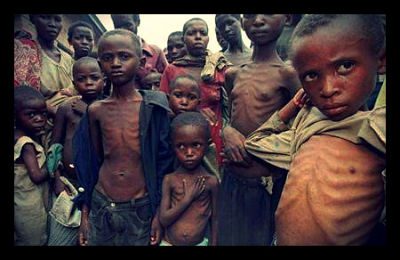
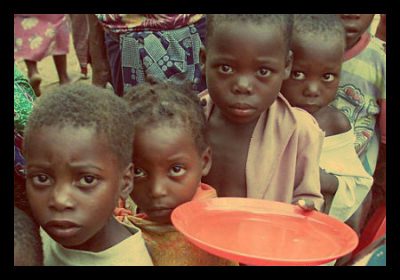
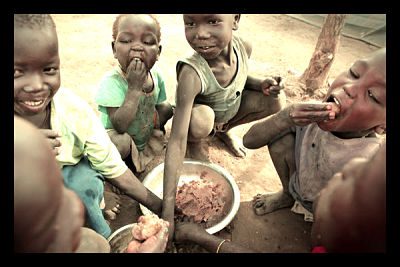
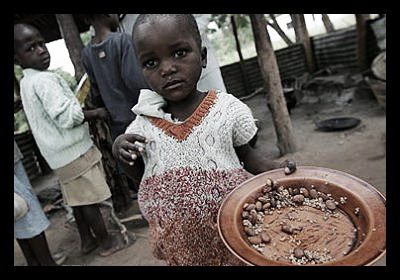
What the 10 Poorest Countries are Eating

Food is deeply integrated into all cultures, and it’s often the poorest countries who take the most pride in their meals. Food brings people together, even if the distance never changes.

Democratic Republic of the Congo

Cassava, being available year round, is the staple food, though there are Arabic, French and Asian influences in Congolese cuisine. It’s common to grill or boil insects such as caterpillar, crickets and grasshoppers while bananas and local vegetables are common. A simple dish, called saka saka is made from cassava leaves cooked with palm oil and peanut sauce.

Zimbabwe

The national dish, called sadza, is based on cornmeal and generally served with a vegetable stew. Meats such as beef, springbok, kudu and goat are consumed regularly by those who can afford it, but those who cannot rely on a wide variety of fried insect for protein.

The majority of Zimbabweans are Christian, so Christmas is widely celebrated. Often an animal is roasted on a spit for hours to be shared by the entire village.

Burundi

The Burundi diet is heavy in carbohydrates such as corn, millet, sorghum, cassava and sweet potatoes. Cassava is typically boiled and mashed into a porridge that’s used to school up a vegetable sauce. Beans are the most common source of protein as meat is rare, though fish is regularly eaten by those who live beside Lake Tanganyika.

Locally-brewed beers are common and accepted as part of the social interaction when families negotiate over a marriage. There are many food customs that revolve around cows, which are considered sacred. Milk cannot be heated or drunk on the same day that peas or peanuts are eaten, and when a cow dies its horns are planted beside the family’s house to bring good luck.

Liberia

Typically found in Liberian meals are cassava, peppers, sweet potatoes, tomatoes, ginger, palm oil and no meal is complete without rice. Cassava is sometimes boiled and then pounded into what is called a dumboy, and sauces made from the Cassava leaf over beef or chicken are a traditional favorite.

Eritrea

Goats, cattle, sheep, pigs and chickens are all commonly raised and eaten while fish consumption is low, regardless of Eritrea’s proximity to the Red Sea. The base of most meals is either kitcha – a thin wheat bread – or injera – a spongy pancake made from taff. Food is typically served in a communal bowl and eaters use the kitcha or injera to pinch out some of the main course.

Since Eritrea was once an Italian colony, tourists often find spaghetti, lasagna and pizza in the country’s restaurants. Blended drinks with bananas, mango and papaya are common, and three drinks share the title of ‘national beverage’: suwa, an alcoholic drink similar to beer; meis, a fermented honey drink; and Araki, an anise-flavored liquor.

Central African Republic

Meat is scarce and expensive, so nuts and insects serve as daily protein. The base of most meals is usually millet or sorghum, and vegetables and spices such as garlic, onions, chiles, okra and peanuts are gradationally used to add flavor.

Specialties include palm butter soup, futu – pounded cassava – and foutou – pounded plantains. Palm wine and banana wine are the favorite local beverages.

Niger

As a desert country, Niger’s citizens rely on grains that can be stored for long periods of time like millet and rice. Beef and mutton often serve as the main interest in the meal, and a local favorite is dumplings made from crushed and fermented millet and cooked in milk, sugar and spices.

Those who border Lake Chad have access to fresh mish and the vegetables used in European, Asian and African dishes. The country is predominantly Islamic and so alcohol isn’t easily available. Instead, tae is the drink of choice and is available from carts beside the road.

Malawi

Rural Malawian families all play a part in growing maize, the staple of their diet. Cooked maize is shaped into patties that are called nsima, and family members eat from the communal bowl while sitting in a circle on the ground. The bowl typically contains a variation of ndiwo, a sauce made with beans, meat or vegetables, and the nsima is used to scoop out a mouth-full at a time.

Those who boarder Lake Malawi eat a great deal of fish, and they dry what they don’t eat to sell to the neighbors. Chambo (the same fish used to make Western tilapia) is a popular favorite.

Madagascar

Those who have a history in Madagascar have left their mark on the cuisine; therefore finding dishes that belong to France, parts of Africa, the Indonesians and Arabs is common. Traditional meals are eaten on the floor and eaten with spoons from a large communal plate. Ro – rice mixed with herbs and leaves – is the base of most meals, and Ravitoto – meat and herbs – is generally its counterpart. No beverages accompany the meal, but there is a popular drink called Ranonapango which is made by burning rice.

Afghanistan

The country’s neighbors, the Pashtuns, Tajiks and Uzbeks, heavily influence Afghanistan’s menu. India’s spices such as saffron, coriander, cardamom and black pepper are also prevalent as well as naan, an Indian flat bread that can be made in a wide variety. Rice is present in most meals, and lamb is the preferred meat.

Perhaps the most popular dish in Afghanistan is qabli pulao, a streamed rice dish topped with raisins, carrots and some kind of meat. Kababs are also a local favorite, ranging from lamb, ribs or chicken and served with a side of naan. Qorma is a dish made up of a bed of fried onions and layered with fruit, meat, spices and vegetables.

In many of the world’s poorest countries, there is only one meal a day. The women in a family traditionally will start cooking first thing in the morning, and the day’s meal is eaten in the early afternoon. Many times food is eaten with the hands out of communal bowls, making clean water a great necessity for public health and hygiene. Sharing food is a sign of respect and welcome so that guests are often fed at the cost of the family going hungry. Food is important in every nation as it binds us together at the same time that it allows us to demonstrate our heritage and creativity.

– Lydia Caswell

Sources:  MapsOfWorld, SAARC Tourism, Our Africa, The Borgen Project, Eritrea, Liberian Forum, EveryCulture, FoodByCountry, FoodSpring
Photo: The News Gastronomes
April 12, 2014
https://borgenproject.org/wp-content/uploads/borgen-project-logo.svg 0 0 Borgen Project https://borgenproject.org/wp-content/uploads/borgen-project-logo.svg Borgen Project2014-04-12 13:59:372024-05-26 23:26:53What the 10 Poorest Countries are Eating
Food & Hunger, Food Security, Global Poverty

Agriculture Fails to Entice Youth in Africa

African_youth_farmers_decline
Africa continually fails to produce high agricultural returns, as low government investment translates to low productivity in the field. The agricultural sector employs 60% of its population. Yet it accounts for only 25% of the African GDP.

David Adama of Action Aid International faults politics. “African governments must follow through on their promises and provide more money for agriculture and ensure it is better targeted to help the millions of smallholder farmers,” he asserts.

Those in politics hold agriculture in low regard and as a result, youth do as well. The “unglamorous prospects” of working in the fields drive these young Africans to the cities. Youth constitute the largest and most productive labor force, yet fields across the continent fail to entice them.

The proportion of youth in the African workforce ranks the highest worldwide. Why? More people younger than 20 live in Africa than any continent in the world. An estimated 35% of youth working in Sub-Saharan Africa and 40% in North Africa. In contrast, youth comprise 20% of the European workforce. As the African population continues to grow, the World Bank estimates 60% of the global workforce will lie in Africa between 2010 and 2050.

To champion agriculture, greater investment and commercialization of the sector must occur. Gerda Verburg serves as chairperson of the Committee on World Food Security, and considers this key to attracting unemployed youth. To “reverse the rural mentality” of farming as a last resort, commercialization offers greater employment opportunities and a larger income.

“Private sector finance and agri-industries are helping to modernize agriculture by creating value adding chains that will pay a farmer more for his labor than the local market,” she notes.

The rise of supermarkets accompanies the rise of an African middle class. Large commercials threaten small farmers in regions, such as Lesotho. In this country, more than a million citizens farm. The development of large value chains and supermarkets excludes farmers, threatening their livelihood.

To participate in this lucrative business model, the government must invest in the small farmers. Youth seek food and economic security, yet cannot obtain this without protection against the encroachment of big businesses.

Electricity promises to increase agricultural yield and widening the access to it promises to retain youth in rural regions. As secretary of the Food and Agriculture Organization regional conference, Cheikh Ly cites electricity as a “major contributing factor” for migration. Many youth prefer urban centers because of access to telecommunications and Internet connectivity.

“Electrification is a key need for Africa’s rural economy. Modern agricultural production is not possible without reliable access to power. We will also lose the young who want to be connected and communicate via phones and the Internet if these needs are not met,” Ly remarks.

From Somalia to Ethiopia, food security poses a formidable threat to African youth. Yet these young men and women hold the potential to combat this. More than 50% of fertile and unused land lies in Africa. In addition to these natural resources, foreign investment will likely exceed $45 billion in 2020.

To reap the benefits of this investment, the government must fund an “agricultural renaissance” and help youth to feed future generations.

– Ellery Spahr

Sources: Inter Press Service, Marketplace
Photo: Continent of Riches

April 12, 2014
https://borgenproject.org/wp-content/uploads/borgen-project-logo.svg 0 0 Borgen Project https://borgenproject.org/wp-content/uploads/borgen-project-logo.svg Borgen Project2014-04-12 04:00:422024-12-13 17:50:13Agriculture Fails to Entice Youth in Africa
Food Security, Global Poverty

Climate Change To Worsen Food Security and Impact Poverty

In a report released by the UN Intergovernmental Panel on Climate Change (IPCC), scientists say that there is cause for concern that global warming makes it more difficult to provide food for the world’s population. The scientists say the negative impacts of climate change on crop yields have been more common than the positive.

Further climate change is expected to slow down economic growth, hinder efforts at poverty reduction and generally diminish food security. Since climate change will negatively impact crop production, food prices will rise and therefore food insecurity will rise. This food insecurity will be especially prevalent in countries with high levels of income inequality and will most affect those that are already poor, thereby undermining efforts to get rid of the cycle of poverty. Indeed, the report mentions climate change as a “threat multiplier” to the lives of people living in poverty worldwide.

However, crop production is expected to increase given the constant improvement of agricultural techniques, which is set to expand production at a rate of 10 percent per decade. Since climate change is expected to decrease agricultural output at a rate of 1 percent per year, this means crop production will go up, but at a slower pace than it would normally, according to David Lobell of Stanford University.

Yet some rural areas in countries such as India do not rely on irrigation techniques to increase crop yield, but rely rather on rainfall. Such places would be affected greatly by the climate change.

The report also stated that climate change would increase food prices within the range of 3 to 84 percent by 2050. Staple agricultural products such as wheat and corn would be most affected, and the report mentions that the countries in Central and South America that grow coffee will be negatively impacted.

Climate change is a reality that we must face right now if we want to help prevent human suffering on a grand scale years from now. We have been warned, now it is up to all of us, including our governments and the private sector, to do something about it.

– Jeff Meyer

Sources: Denver Post, Huffington Post, IPCC: Climate Change, IPCC: Livelihoods and Poverty
Photo: InHabitat

April 9, 2014
https://borgenproject.org/wp-content/uploads/borgen-project-logo.svg 0 0 Borgen Project https://borgenproject.org/wp-content/uploads/borgen-project-logo.svg Borgen Project2014-04-09 11:02:162024-06-05 01:57:22Climate Change To Worsen Food Security and Impact Poverty
Developing Countries, Development, Economy, Food Security, Global Poverty

Desertification Heightens Poverty in Mongolia

Up until about 1990, Mongolia never faced any fears of living in poverty. Rural land specifically, and the large volume of land has been Mongolia’s source of food security and livelihood for centuries.

Mongolia owns approximately 838,853.13 square miles of land in which much of it is desert, but the arable land is quickly becoming depleted, polluted, or turned to desert.

Currently, 33% of people in Mongolia are poor, and over half of the country’s population is living in rural areas. This quickly happened after Mongolia’s large farms became private and hundreds of herders became unemployed and without government benefits.

Most of the rural poor live nomadic lifestyles, moving from area to area with their families in order to feed cattle and find food. Some families live in soums, or villages consisting of multiple families, and some rural families, particularly the nomads, live in tents known as ger. The benefit of living in soums is the ability to obtain some form of education, health services, and essential necessities.

Those living in rural areas rely on their animals for food and making money.

With much of the fertile land being utilized for feeding cattle, there has been a severe increase in land degradation. Mongolia has yet to find strengthening mechanisms for sustainable land management or a method to control desertification. Without these forms of protection, Mongolia is at an increasing risk of losing what little remains of one of their most needed natural resources: fertile land.

Desertification brings with it many struggles; drought and causing land to become irreparable are among the worst-case scenarios. With more and more of the land being overgrazed, little land will be left for agriculture, herding, and living. Mongolia is already naturally a very dry climate with little rainfall and plant growth, which is only worsened by the constant migration, over-cultivated land, and now competition for natural resources.

– Rebecca Felcon

Sources: Rural Poverty Portal, Scoop World
Photo: Stephane L

March 21, 2014
https://borgenproject.org/wp-content/uploads/borgen-project-logo.svg 0 0 Borgen Project https://borgenproject.org/wp-content/uploads/borgen-project-logo.svg Borgen Project2014-03-21 04:00:582024-05-26 23:20:44Desertification Heightens Poverty in Mongolia
Advocacy, Developing Countries, Development, Disease, Food & Hunger, Food Aid, Food Security, Global Health, Global Poverty, Health, Human Rights, Hunger, Inequality, Sanitation, Water

5 Facts About Hunger in Rwanda

hunger_rwanda
The Republic of Rwanda is a small sovereign state in the Eastern part of Central Africa. Rwanda ranked at 166 of 187 countries on the UNDP Human Development Index in 2011. Rwanda also has the highest population density in the region with 416 people per square kilometer.

Low income, limited natural resources, and food and water insecurity pose a problem for citizens in Rwanda every day. In the years following the Rwandan Genocide in 1994, international rebuilding efforts have been on the ground trying to make sustainable changes to alleviate some of the hunger and water issues.

Here are five facts that explain the state of hunger in Rwanda and how it may change in the coming years:

  1. The 1994 Rwandan Genocide marked the end of the ceasefire signed the year before that stopped the fighting of the Rwandan Civil War. The war began between two ethnic groups the Hutu and Tutsi. The Genocide began when the plane carrying the Hutu supported president Juvenal Habyarimana was shot down and he, along with several other members of the government, were killed. The genocide lasted 100 days and an estimated 800,000 to 1,000,000 people were killed. The fallout from the Rwandan Genocide is the cause for much of the instability in the region that lasts today.
  2. Secondary school attendance in Rwanda is one of the lowest in the world and the literacy rate is 55%.
  3. Approximately 65% of the population has access to safe, clean drinking water
  4. 45% of children under 5 years of age are malnourished.
  5. Over 67,000 refugees from neighboring countries currently reside in Rwanda.

Even though there is a lot of strain on the country today, organizations have been working with the government to address one of Rwanda’s major problems: food insecurity. Agriculture was the country’s main sector before the genocide, and since then, major efforts have been made to make it profitable one more.

Updating the agricultural practices is what the World Food Programme credits with directly reducing the number of food insecure people.

The country hopes that with the reliance on agricultural programs it will improve its GDP to US$900 by the year 2020, up US$380 from its current GDP. Rwanda was also the first country to sign the Comprehensive Africa Agriculture Development Programme (CAADP), meaning that addressing malnutrition and food insecurity is one of the government’s main priorities.

Even though Rwanda still has a long way to go, the government has been taking steps in the right direction that could provide a template for other countries in the region to follow.

– Colleen Eckvahl

Sources: World Food Programme, World Vision
Photo: Rising Continent

February 26, 2014
https://borgenproject.org/wp-content/uploads/borgen-project-logo.svg 0 0 Borgen Project https://borgenproject.org/wp-content/uploads/borgen-project-logo.svg Borgen Project2014-02-26 22:20:472024-05-24 23:56:425 Facts About Hunger in Rwanda
Children, Food & Hunger, Food Security

Hunger in South Africa

Hunger in South Africa Starvation
South Africa is one of the few countries able to provide its entire population with food. Each individual is able to receive approximately 600 grams of starch, 300 grams of fruit and vegetables, and 150 grams of meat or fish, according to the Food and Agriculture Organization of the United Nations. However, hunger in South Africa continues to be a prevalent issue.


Causes of Hunger in South Africa


Thus, 11 million South Africans are unsure where their next meal will come from, a concept known as “food insecure.” A quarter of the South African population is currently struggling from malnourishment and hunger. The rural areas are where hunger hits the hardest, and the majority of South Africa’s poor are living in the rural parts of the country.

The reasoning for this is because natural resources are being wasted and are not being put to appropriate use. The cost of food is rising, and many South Africans are finding it increasingly difficult to afford or access nutrient dense foods at an affordable price.

Dr. Gerhard Backebery, Executive Manager of the South African Water Research Commission states, “Although not conclusive, it seems that most poor people are buying and not growing the food that they are eating. At the same time it is of major concern that available natural resources (such as water, soil and plants) are under-utilized.”


Devastating Health Outcomes of Hunger in South Africa


People are not merely dying of hunger in South Africa, but more specifically, they are dying from the side effects of lacking proper nutrients.  What people are able to eat is directly stemmed from what they are able to afford. Children, in particular, are suffering from undernourishment and malnourishment; a study in the Eastern Cape shows that some children are only ingesting meat one time per month, therefore they are severely lacking in minerals such as zinc and iron.

One in five children are reportedly stunted from lack of necessary nutrients and minerals.  Their nutrient deficiencies can have a lasting effect on their growth process, causing significant impairment to their physical health and mental development.

For example, iron deficiencies can cause poor attention spans and fatigue, making brain activity slower and learning more difficult.

Food fortification is one of the main methods to help reduce malnutrition and deprivation of nutrients.

Wheat flour, sugar, and maize flour now include essential vitamins and minerals. The addition of fortification in food has led to a reduction in birth defects. Children who are not breastfed, or who have been improperly breastfed, present elevated levels of malnourishment, growth defects, diarrhea, and are at greater risk of HIV and AIDS.

Other factors such as access to clean water, sanitization and health care can have a large impact on resolving hunger in South Africa. They influence health and can lead to maintaining essential nutrients that may otherwise be lost due to diarrhea and dehydration.

– Rebecca Felcon

Sources: UNICEF, Food Bank, Mail and Guardian
Photo: Telegraph

February 26, 2014
https://borgenproject.org/wp-content/uploads/borgen-project-logo.svg 0 0 Borgen Project https://borgenproject.org/wp-content/uploads/borgen-project-logo.svg Borgen Project2014-02-26 04:00:032024-05-26 23:13:27Hunger in South Africa
Food Security, Global Poverty

Food Crisis in South Sudan

food_crisis_in_South_Sudan
On July 9, 2011, the Republic of South Sudan gained independence from Sudan.  Since then, the newly formed nation has been engulfed in internal conflicts, claiming the lives of up to 10,000 people.  The violence has caused over 870,000 South Sudanese to flea their homes, of which over 140,000 have escaped to neighboring countries.

The displacement has disrupted the nations already unstable agriculture sector. Markets have been disrupted as the food supply chain is broken and foreign investors try to avoid the conflict.  According to United Nations estimates, 3.7 million people were already facing food insecurity, but the new wave of violence that erupted in December of 2013 has raised this figure to almost 7 million. There is a major food crisis in South Sudan.

The timing of the conflict could not have been worse as local farmers are gearing up to plant their crops for the incoming season.  Constant relocation is forcing millions to rely on scarce food aid.  In some cities like Malakal, desperate populations have begun raiding aid supply stored in warehouses.  The UN Food and Agriculture Organization (FAO) warned that if farmers miss the planting season, it would compound food insecurity issues for this year and 2015.

Farmers that remain tied to their land are facing a shortage of agriculture inputs such as seeds and tools to cultivate their crops.  The FAO is seeking $77 million to assist the Republic of South Sudan in implementing an emergency response plan.  Their aim is to deliver farming tools, seeds and fishing equipment to 545,000 households in some of the more war-torn states of the country.  The FAO has collected just 6 percent of its total donation goal.

To complicate matters further, migrant animal herds are now intermingling with displaced human populations and their livestock.  These unvaccinated animals have potential to transmit disease and cause further complications for public health and food safety initiatives.  To combat the collapse of the vaccine supply chain, the FAO is working to build capacity within local communities and deliver basic health support.

The UN mission in South Sudan is increasing its support with 266 peacekeepers being flown in on February 4, 2014.  In total, the UN has over 12,500 peacekeepers and 1,323 police on the ground.  The UN through the FAO and the World Food Program have teamed up with ACTED, OXFAM, Save the Children, Concern Worldwide, Mercy Corps, and Joint Aid Management to provide much needed assistance throughout the country.

For anyone seeking to get involved in the food crisis in South Sudan, through volunteering and donations, please visit the World Food Program.

– Sunny Bhat

Sources: New York Times, UN News Center, BBC
Photo: WFT

February 12, 2014
https://borgenproject.org/wp-content/uploads/borgen-project-logo.svg 0 0 Borgen Project https://borgenproject.org/wp-content/uploads/borgen-project-logo.svg Borgen Project2014-02-12 13:48:572024-06-11 02:26:43Food Crisis in South Sudan
Food & Hunger, Food Security, Global Poverty, Hunger

Vertical Farms Will Shape Future Food Security

Vertical Farms
As developing countries slowly modernize, a whole new set of challenges await them. One of those challenges is increased urbanization.

Urbanization is a symptom of modernity that is usually accompanied by a decrease in overall poverty.

As countries implement 21st century medical care and sanitation systems, populations have increased in well-being and life span, which can result in overpopulated cities. As cities become more and more populated, resources will become more scarce. This is especially true for food availability.

Luckily, a new brand of farming is coming to fruition that will help address the problems associated with increased urban populations; it’s called vertical farming.

Vertical farming removes the farms from traditional fields and places them in warehouses several stories high. This allows producers to place farms directly in the cities and away from the drought and disease that normally threatens reliable crop yields. Utilizing hydroponic water systems and LED lighting, the farms provide the ideal environment for plant growth. The LED lights further allow the farmers to dial in the specific spectrum of light ideal to that plant. Fluorescent lights were initially used but proved to be too inefficient.

As LED lights have become more cost effective, they have created the ideal environment for vertical farms. Farmers are even able to program the light to change throughout the day, mimicking the movement and intensity of the actual sun.

The efficiency of LED lights is not where it could be, however. Many farms currently use lights that operate at about 28% efficiency though engineers are developing LEDs that operate at 68% efficiency.

For example, in the Netherlands, engineers at Phillips have successfully created an LED that operates at 150% efficiency.

The beauty of vertical farms is their ability to be greener, more cost efficient and sustainable. Imagine a world where India has vast swaths of its cities dedicated to vertical farming; the amount of relief that could provide to impoverished individuals is staggering.

An example of vertical farming’s potential can be found in Scranton Pennsylvania. Soon, it will have the world’s largest vertical farm composed of a single story building with racks consisting of six levels. The farm will be able to house 17 million plants.

When one considers the challenges urbanization will bring to developing nations, vertical farming presents itself as a panacea.

The U.N. predicts that by the year 2050, there will be 6.25 billion people living in cities. As such, food production will have to increase 70% globally to sustain 2.3 billion people.

The U.N. also predicts that reliance on traditional, “resource-intensive” agricultural products will continue to grow, consisting mainly of livestock and dairy products.

Vertical farms present an opportunity for the world community to truly address hunger. With billions of people expected to occupy world cities in the coming decades, the demand for food will only increase. Vertical farms growing food locally, in a sustainable environment has a chance to provide food for millions who otherwise would go hungry.

– Zachary Lindberg

Sources: BBC, New Scientist, World Bank
Photo: Amazon

February 11, 2014
https://borgenproject.org/wp-content/uploads/borgen-project-logo.svg 0 0 Borgen Project https://borgenproject.org/wp-content/uploads/borgen-project-logo.svg Borgen Project2014-02-11 15:18:452016-02-16 12:05:34Vertical Farms Will Shape Future Food Security
Aid Effectiveness & Reform, Economy, Food & Hunger, Food Aid, Food Security, Global Poverty

Hunger in Zimbabwe

zimbabwe_food_hunger
Drought in Zimbabwe is reaching epic proportions as nearly one million people are at risk of food insecurity. According to the 2013 Zimbabwe Vulnerability Assessment Committee (ZimVAC,) food insecurity levels will affect roughly 2.2 million Zimbabweans at the peak of hunger season between January and March in the upcoming year. Zimbabwe already suffers from high poverty rates as approximately 72 percent of citizens currently below the poverty line and nearly 14.7 percent of the population is HIV prevalent.

Zimbabwe relies heavily on rain-fed agriculture, which has since plummeted since last season’s drought.  As the need for food increases, maize, a primary source of food in Zimbabwe, continues to rise in price making it more difficult on a population who already lives on less than a $1 a day. Making matters worse, the World Food Programme (WFP) recently announced that their initial plan of providing support for 1.8 million people will be drastically reduced.

“We’d been hoping to have scaled up our seasonal relief operations to reach 1.8 million people in the coming months with distributions of food aid, in some areas, cash transfers. Despite generous contributions from donors such as (United States,) (United Kingdom,) Japan, Australia, ECHO and the central Emergency Relief Fund (UN CERF), it’s now looking like all this will not be possible because of a shortage of funds. In fact, we’ve had to cut rations for one million of our beneficiaries in recent months and there are likely to be deeper cuts as from next month,” said WFP in a statement to the media.

Of the $86 million funding dispersed by the previous listed countries, only half of it has been implemented into relief intervention. “Rising food prices are making matters worse — in some areas, they are as much as double what they were last year,” says WFP communications manager Tomson Phiri.

These rising prices in the market are heavily affecting food security and although WFP is short on funding, they are hoping to raise another $60 million over the next 6 months in an effort to implement relief and recovery operations.

– Jeffrey Scott Haley
Feature Writer

Sources: World Food Programme, World Food Programme, Zimeye
Photo: The Telegraph

February 8, 2014
https://borgenproject.org/wp-content/uploads/borgen-project-logo.svg 0 0 Borgen Project https://borgenproject.org/wp-content/uploads/borgen-project-logo.svg Borgen Project2014-02-08 04:00:472024-12-13 17:49:57Hunger in Zimbabwe
Activism, Food & Hunger, Food Aid, Food Security, Global Poverty

World Hunger Relief and Christina Aguilera

world_hunger_relief
In 2007, Yum! Brands Inc., the world’s largest fast food restaurant, created the World Hunger Relief program. Using its nearly 40,000 stores and 1.5 million employees, Yum! Brands Inc. leads the most expansive private sector hunger relief effort. The World Hunger Relief and international superstar Christina Aguilera are teaming up to help save the nearly 1 billion people around the world who are hungry.

Consisting of KFC, Pizza Hut, and Taco Bell restaurant chains, the company uses its network to raise awareness and funds in order to benefit the United Nations World Food Program (WFP) that reaches more than 90 million people worldwide. Since its inception, the World Hunger Relief program has raised over $150 million for the WFP and other hunger relief organizations, breaking their annual donation record every year. Every one-dollar that’s donated provides four meals for hungry children at school.

In 2012, the World Hunger Relief provided 132 million meals in more than 45 countries. This was attributed to the record-breaking $33 million raised by the program.
The World Hunger Relief takes advantage of Yum! Brands Inc.’s huge employee base that enlists friends and family to volunteer for hunger relief efforts. Together, they have logged millions of volunteer hours in communities around the world.

The aid provided to emergency operations conducted by the WFP has helped thousands of men, women, and children. Other achievements of the World Hunger Relief include:

• Directed $1.5 million to relief funds in the Philippines after Typhoon Haiyan

• Providing assistance so that a school feeding program in Ethiopia, reaching 438,000 primary school age children, can continue for one year

• Those affected by floods in Bolivia were given fortified meals for one month

• Those affected by civil conflict in Somalia were provided fortified meals for one month

• Provided 132,000 people affected by floods with fortified meals for one month

• After a major earthquake in Peru, 80,000 survivors were provided with rice for one month

• Following Cyclone Sidr, victims in Bangladesh were provided with fortified meals for one month

– Sunny Bhatt

Sources: Hunger to Hope, Business Wire, World Food Programme
Photo: BGR

February 6, 2014
https://borgenproject.org/wp-content/uploads/borgen-project-logo.svg 0 0 Borgen Project https://borgenproject.org/wp-content/uploads/borgen-project-logo.svg Borgen Project2014-02-06 05:00:302024-06-11 02:21:42World Hunger Relief and Christina Aguilera
Page 24 of 31«‹2223242526›»

Get Smarter

  • Global Poverty 101
  • Global Poverty… The Good News
  • Global Poverty & U.S. Jobs
  • Global Poverty and National Security
  • Innovative Solutions to Poverty
  • Global Poverty & Aid FAQ’s
Search Search

Take Action

  • Call Congress
  • Email Congress
  • Donate
  • 30 Ways to Help
  • Volunteer Ops
  • Internships
  • Courses & Certificates
  • The Podcast
Borgen Project

“The Borgen Project is an incredible nonprofit organization that is addressing poverty and hunger and working towards ending them.”

-The Huffington Post

Inside The Borgen Project

  • Contact
  • About
  • Financials
  • President
  • Board of Directors
  • Board of Advisors

International Links

  • UK Email Parliament
  • UK Donate
  • Canada Email Parliament

Get Smarter

  • Global Poverty 101
  • Global Poverty… The Good News
  • Global Poverty & U.S. Jobs
  • Global Poverty and National Security
  • Innovative Solutions to Poverty
  • Global Poverty & Aid FAQ’s

Ways to Help

  • Call Congress
  • Email Congress
  • Donate
  • 30 Ways to Help
  • Volunteer Ops
  • Internships
  • Courses & Certificates
  • The Podcast
Scroll to top Scroll to top Scroll to top