• Link to X
  • Link to Facebook
  • Link to Instagram
  • Link to TikTok
  • Link to Youtube
  • About
    • About Us
      • President
      • Board of Directors
      • Board of Advisors
      • Financials
      • Our Methodology
      • Success Tracker
      • Contact
  • Act Now
    • 30 Ways to Help
      • Email Congress
      • Call Congress
      • Volunteer
      • Courses & Certificates
      • Be a Donor
    • Internships
      • In-Office Internships
      • Remote Internships
    • Legislation
      • Politics 101
  • The Blog
  • The Podcast
  • Magazine
  • Donate
  • Click to open the search input field Click to open the search input field Search
  • Menu Menu

Archive for category: Food Security

Information and stories about food security news.

Food Security, Global Poverty

Limiting Post-Harvest Loss in Supply Chain


harvest loss
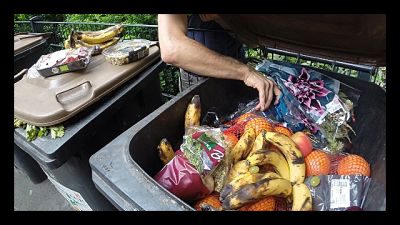
“Over 30 percent of all food produced in the world human consumption every year—which amounts to a staggering 1.3 billion tons of food—gets lost or wasted,” writes Jessica Ernst, of the Initiative for Global Development.

Consumers and producers at all levels are responsible for the waste. Citizens of higher income countries routinely buy more food than they can eat, while developing countries lose food due to harvest, storage and cooling issues as well as poor infrastructure.

One-fourth of the food lost every year would be enough to feed 870 million hungry people.

Dutch Agricultural Development & Trading Company is one company that is harnessing its power to contribute to a more effective use of crops.

Cassava is a root that is native to South America, but has existed in Africa for centuries. One of the issues in producing cassava is that once harvested, it has a limited amount of time to be processed and “split” before it spoils.

DADTCO introduced a technology called the Autonomous Mobile Processing Unit which travels to villages in sub-Saharan Africa during their harvest season so cassava can be processed on sight. DADTCO’s long term goal is to see cassava being used by national and international consumer and industrial products instead of other higher-priced materials.

Another private sector initiative is financed by the Rockefeller Foundation. The Initiative for Global Development received a grant from the Foundation to investigate the issue of post-harvest loss in agriculture supply chains, specifically in Ghana, Kenya and Nigeria.

Helen Mant, vice president of the Initiative for Global Development, explains her initiative, “We hope to identify market-driven solutions as well as opportunities for private sector partnerships that have the potential to significantly reduce post-harvest loss.”

As the world population grows, and demand for food rises, it is not production rates that need to go up. Companies are realizing that more effective ways of processing, distributing and consuming food need to be established, and the private sector is in a unique position to do so.

– Julianne O’Connor

Sources: Business Fights Poverty, Initiative for Global Development
Photo: CNN
September 10, 2014
https://borgenproject.org/wp-content/uploads/borgen-project-logo.svg 0 0 Borgen Project https://borgenproject.org/wp-content/uploads/borgen-project-logo.svg Borgen Project2014-09-10 12:21:042024-05-27 09:21:40Limiting Post-Harvest Loss in Supply Chain
Developing Countries, Development, Food Security

Obesity and Food Insecurity

According to nutrition epidemiologist Barry Popkin, in roughly 15 years, obesity rates in Mexico among men and women went from a small proportion of each population to 65 and 71 percent, respectively. Mexico’s situation is part of a trend of increasing obesity on a global scale. Around 2.1 billion people in the world are now either obese or overweight.

Because more than half of all the world’s obese and overweight live in fewer than 20 countries—developed countries, mostly—the temptation exists to disregard obesity’s impact on many developing countries.

However, one study found that “obesity rates tripled in developing countries between 1980 and 2008,” whereas it only increased by about half that amount in developed ones.

Developing countries tend to struggle with high levels of food insecurity, though, which one might assume would lead to lower weights, not obesity. Researchers are perplexed as to how the two factors— obesity and food insecurity —can coexist and they have been searching for data that will establish correlation, causation or both.

The recently released Global Food Security Index, which just added a new obesity indicator to its model, studies the matter in detail. Its overall conclusion affirms that co-existence is possible. Despite the correlation, it remains that the relationship between obesity and food security/insecurity is still poorly understood on a global scale.

The index helps to explain the presence of obesity in highly food insecure countries by noting differences between classes. It is the wealthier classes in developing countries, which are more food secure, that have experienced the largest increases in obesity (often after switching to more Western lifestyles).

The study also points out that obesity is increasing among the poor, as well, and experts have proposed various explanations for this phenomenon.

Some maintain the poor have to rely on high-calorie, low-nutrient food, which leads to obesity. Others look to “feast-famine cycles” for answers: poor populations swing between binging and starving—a cycle that changes one’s metabolism. Still others say obesity among the poor is rising because obesity is a wealth-indicator for the poor.

Causality remains exceedingly difficult to prove, though, because many factors, such as diet, wealth and level of physical activity, can all help cause obesity. Moreover, even correlation has been hard to establish in every developing country. In fact, studies in Ghana, Trinidad and Tobago show food insecurity correlated with lower weights, but results from studies in Malaysia were more complex.

Thus, no conclusion can be drawn as to what single factor is causing obesity in developing countries. It may be that no such factor exists.

Nevertheless, researchers will continue to search for causes. Three million people die every year from health problems that obesity contributes to. Researchers know that if they can pin down the causes of obesity, it could help to save the lives of millions.

– Ryan Yanke

Sources: Global Food Security Index, Scientific American, Huffington Post, Reuters
Photo: Today Online

August 25, 2014
https://borgenproject.org/wp-content/uploads/borgen-project-logo.svg 0 0 Borgen Project https://borgenproject.org/wp-content/uploads/borgen-project-logo.svg Borgen Project2014-08-25 04:00:592024-05-27 09:21:28Obesity and Food Insecurity
Activism, Children, Food & Hunger, Food Security, Global Poverty, Health

INMED Partnerships for Children

Institute for International Medicine Partnerships for Children is an organization dedicated to preventing and combating the harm that comes to children through violence, disease, hunger and neglect.

INMED Partnerships for Children values taking a holistic approach to improve children’s health worldwide through addressing the causes of disease and hunger and attempting to remedy them from the source. INMED is dedicated in implementing long-term solutions to enhance both the quality and longevity of children’s lives.

Founded 27 years ago, INMED has stuck by its original goal of helping to improve the health and safety of children all over the globe.  Led by President and CEO Linda Pfeiffer, INMED has been targeting programs and delivering care to help children in both urban and rural areas of the world.  INMED also has offices worldwide, in places such as Virginia, Peru, Brazil, South Africa and the Caribbean.

INMED has partnered with a diverse group of companies in order to make sure they best spread their mission. They have partnered with companies such as Macy’s, the Ronald McDonald House Charities, the International Foundation, United States Agency for International Development, Kids in Distressed Situations, Johnson and Johnson and many more.

INMED maps out large areas they want to improve and then tailors specific projects to fall into those categories. These broader categories include health and nutrition, youth development, education and skill building, and adaptive agriculture and aquaponics.

One of INMEDs upcoming events will be the 2015 Harvest the Future International Conference, which is set to take place June 14-17, 2015 in Montego Bay, Jamaica.  Experts from across the globe will gather at this conference in order to discuss possible solutions to problems such as water scarcity, income generation sustainable livelihoods, nutrition and health, food security and climate change adaptation.

Conference speakers include Christopher Somerville, an Urban Agriculture Consultant at Food and Agriculture Organization of the United States, Denise A. Herbol, Mission Director at US Agency for International Development, and Thad M. Jackson, Executive Vice President of INMED Partnership.

– Jordyn Horowitz

Sources: INMED, INMED 2, INMED 3, Middleburg Women
Photo: Zimbio

August 22, 2014
https://borgenproject.org/wp-content/uploads/borgen-project-logo.svg 0 0 Borgen Project https://borgenproject.org/wp-content/uploads/borgen-project-logo.svg Borgen Project2014-08-22 12:00:532024-06-05 01:58:02INMED Partnerships for Children
Food & Hunger, Food Security, Global Poverty

AIDF Food Security Summit

AIDF-food-security-summit

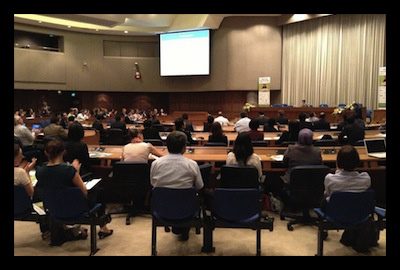
October 2014 will see the second annual Aid & International Development Forum (AIDF) Food Security Summit in Jakarta.

The summit will address the food security crisis that parts of Southeast Asia are facing. The event will primarily focus on food security with respect to the agricultural and nutrition sectors.

AIDF said that the Food Security Summit will provoke “robust debate and frank information sharing and will provide a platform for the formation of strategic partnerships and collaborations.”

According to AIDF, the event will feature attendees from more than 300 Asian governments, NGOs, U.N. and intergovernmental agencies, investors, research institutes and private sector companies.

Last year’s summit, held at the U.N. Conference Center in Bangkok, featured over 200 attendees from more than 20 countries. Some of the event’s speakers included the Director General of the Asian Development Bank, an advisor from Cambodia’s Ministry of Environment and a Regional Representative Assistant Director-General of FAO’s Asia-Pacific branch.

The organization’s press release noted that 700 million people in Asia and the Pacific live in a state of poverty where they subsist on less than $1.25 a day. Since the middle of the twentieth century, the world’s population has grown by more than 280 percent.

The significant increase in the world’s population in the preceding decades “has had profound implications for development, with effects on sustainability, urbanization, and access to youth services and empowerment.” AIDF’s press release said.

In fact, the Food and Agriculture Organization of the United Nations stated that the global demand for food is expected to increase by 60 percent by 2050. Between 2011 and 2013, 827 million people in developing regions were underfed. However, the number has fallen by 17 percent since 1990 through 1992.

AIDF maintains a number of strategic, media and international partners support the event. These include Kubota, the Agricultural Research Communication Center and SWITCH-Asia, respectively.

– Ethan Safran

Sources: Aid & International Development Forum 1, Aid & International Development Forum 2, YouTube, Food and Agriculture Organization
Photo: Aid & International Development Forum

August 21, 2014
https://borgenproject.org/wp-content/uploads/borgen-project-logo.svg 0 0 Borgen Project https://borgenproject.org/wp-content/uploads/borgen-project-logo.svg Borgen Project2014-08-21 12:00:212024-12-13 17:53:55AIDF Food Security Summit
Food Aid, Food Security, Global Poverty, Government, Health, Hunger, Malnourishment

Three Simple Ways We Can Help End Starvation

Nearly 25,000 people die every day from starvation. While in richer countries nutrition isn’t always a paramount problem, there are still 947 million people living in developing nations who are undernourished; we have the ability to help lower this number. Below are a list of ways you can help easily end starvation.

1. Raise Money

During the 2011 East African famine, relief organizations such as Save The Children and UNICEF launched campaigns to raise money for feeding starving children. By using clear and simple incentives (“just $10 can feed a child for seven days!”), smart organizations allowed even those halfway across the world to help those in need. Donating money is simple, easy and can usually be done online with just a click of a button.

2. Urge your Congressional Leaders to Support Crucial Legislation

Calling or emailing your congressional leaders is a simple and a sure way to increase their chances of supporting a bill which could save millions of lives. One such bill still waiting to be passed in the House of Representatives is the Global Food Security Act of 2013, which would improve nutrition and strengthen agriculture development in developing countries. Other similar legislation that could use your support includes the Food Aid Reform Act and Water for the World Act.

3. Limit Your Daily Intake

Over the past three decades, the average intake of dietary fats has dramatically increased in almost every country except Africa. With a recommended range from between 15 to 35 percent, we are seeing a stark contrast in dietary intake. In fact, many countries in North America and Western Europe exceeded this recommended daily intake, while countries in sub-Saharan Africa and South Asia fell dramatically below.

Despite our growing intake, we are quickly running out of natural resources. In an overpopulated world, it is up to each of us to individually be cognizant of our daily intake. By limiting our intake in richer countries, we are ensuring that our world is capable of growing enough food in the first place for all of our global citizens.

By helping others who suffer from malnutrition, we are also helping ourselves in return. The most common causes of death around the world—including heart disease, obesity, cancer and chronic illness—can be a result of unhealthy eating habits.

By remaining aware that we have a much larger role in helping to end global hunger and poverty than we may believe, we can help put an end to millions of those going to sleep hungry at night.

– Nick Magnanti

Sources: CNN, Borgen Project, McCollum House, Food for the Poor, Green Facts, Green Facts 2
Photo: Action ContrelAfaim

August 19, 2014
https://borgenproject.org/wp-content/uploads/borgen-project-logo.svg 0 0 Borgen Project https://borgenproject.org/wp-content/uploads/borgen-project-logo.svg Borgen Project2014-08-19 08:00:162024-12-13 17:51:06Three Simple Ways We Can Help End Starvation
Children, Food & Hunger, Food Security, Global Poverty, Health

Malnutrition Plagues Children of Rural China

China became an economic superpower in only a matter of decades. Forbes Magazine’s annual rich list reported that China has had 152 billionaires this past year. The once struggling nation has shown promising improvement. According to the World Bank, the number of impoverished people living in China dropped from 683 million in 1990 to 157 million in 2009. This improvement is a result of the rapid urbanization in China in recent years. Greater economic opportunity and government assistance is now available in cities. However, children in rural villages are stuck in a seemingly unbreakable cycle of poverty.

The children of rural China face a variety of challenges that are virtually nonexistent in the cities. Among one of the most glaring is the struggle against malnutrition. UNICEF estimates that there are 12.7 million stunted children in China; this life-long condition that results from severe malnutrition plagues children most during early childhood.

In addition to malnutrition, anemia takes a tremendous toll on rural Chinese children. Stanford University conducted a test on 1824 babies in China’s Shaanxi Province. Forty nine percent of the babies tested were anemic and 28 percent were near anemic. Furthermore, of all the babies tested, 40 percent displayed cognitive or motor problems.

Why are rates of anemia so high? Stanford reports that while the parents were generally willing to spend additional money on food for their children, they were uninformed on what type of nutritional value the food should have. Many micronutrients, such as iron, were missing, indicating that fresh fruits and vegetables were consumed infrequently. Additionally, further investigation revealed that mothers stopped breastfeeding after six months. From that point on, the child would typically eat rice porridge or soups.

Misinformed parents are often responsible for their children’s poor health. Parents often do not introduce solid food into children’s diets until they are 12 to 18 months old, though it is recommended that solid food make up half of a one-year-old’s diet. Many parents believe myths that babies cannot digest hard foods or that particular foods, like rice, are better for cognitive development.

Treating anemia and replenishing nutrients is actually quite easy. Stanford researchers state that simply taking iron supplements can counter anemia. To address the rampant malnutrition in China’s poor, rural provinces, UNICEF has begun to distribute a nutrition supplement called Ying Yang Bao. Ying Yang Bao is a small packet of powdered vitamins, minerals and proteins that can be mixed into solid foods like porridge.

Many rural Chinese families cannot afford to buy fresh fruits, vegetables and proteins like beef. Dairy products are also expensive and difficult to access. Often, noodles, porridge, rice and starches like potatoes constitute meals. Fortunately, the micronutrients in Ying Yang Bao are easily dissolved in porridges and soups.

UNICEF reports that, between 2008 and 2011, more than 30,000 rural children received Ying Yang Bao. After consumption, anemia levels were cut in half. A long-term solution to malnutrition is still in the works. While aid from UNICEF and other organizations is improving the health of rural children, education is a key issue to be addressed. Parents are misguided by myths and superstitions, which has led to the silent suffering on many children. A public education program has not been officially instituted, but would be another component of China’s long-term solution for malnutrition.

– Bridget Tobin

Sources: UNICEF, Stanford, World Bank, CNBC, The Guardian
Photo: China.org

August 15, 2014
https://borgenproject.org/wp-content/uploads/borgen-project-logo.svg 0 0 Borgen Project https://borgenproject.org/wp-content/uploads/borgen-project-logo.svg Borgen Project2014-08-15 10:10:402024-05-27 09:21:20Malnutrition Plagues Children of Rural China
Food & Hunger, Food Security, Global Poverty

Palm Weevil: Solution for Food Insecurity


To many in the developed world, insects are nothing more than a 
nuisance. They ruin perfectly fun summers, spread dangerous diseases and can wreak havoc on crop production. They are pestilent almost anywhere, but in some tropical and sub-tropical areas, insects are diverse, plentiful and an excellent source of protein.

One such bug, the palm weevil, is even considered to be a super food by the standards of the Food and Agricultural Organization (FAO). Now a new social enterprise is working to commercially farm the nutritious bug to combat food insecurity.

Aspire, a startup social enterprise that won the prestigious Hult Prize in 2013, is looking to bring insect-based meals to the impoverished masses in Ghana, Mexico, Kenya and Thailand. Originally a five-member team of MBA students from McGill University, the group is now growing in size and has an official partnership with the FAO.

In Ghana, the palm weevil is a culturally accepted staple of the Ghanaian diet, but commercial production of the insect is nonexistent. At the same time, vitamin and mineral deficiencies are pervasive in Ghana, and developmental issues such as growth and mental health in children are growing as a result.

The palm weevil offers an interesting solution to the lack of nutrition in the Ghanaian diet. Whereas producing one pound of beef requires 2,900 gallons of water, 25 pounds of feed and 1,345 square feet of land, producing one pound of crickets (similar to producing palm weevils) requires only one gallon of water, two pounds of feed and 134 square feet of land. Insects like the cricket and the palm weevil are much more cost effective to farm and offer comparable levels of protein to beef production.

But unlike beef, palm weevil protein is also rich in essential micronutrients like iron, zinc, potassium and phosphorous. Growing commercial volumes of the bug for food production is cheaper than growing beef, offers more vitamins and minerals and can promote food security in Ghana quite effectively.

Mohammed Ashour, one of the founding members of Aspire, says farming the insect is easy and straightforward. “The process of farming itself isn’t overly complicated. Someone who is uneducated but industrious can do it and get it up and running in a short amount of time,” Ashour told CNN.

The enterprise is in its earliest stage, having only started in 2013. It will need to grow substantially and learn from its current projects to impact food security globally. Entomophagy, the human consumption of insects for food, is as old of a practice as humans themselves. Perhaps economizing the practice is the way to promote stable and nutritious diets for the world in the future.
– Joseph McAdams

Sources: Aspire, CISR Blog, CNN, World Bank
Photo: LGCNews

August 11, 2014
https://borgenproject.org/wp-content/uploads/borgen-project-logo.svg 0 0 Borgen Project https://borgenproject.org/wp-content/uploads/borgen-project-logo.svg Borgen Project2014-08-11 04:00:132024-06-05 01:57:56Palm Weevil: Solution for Food Insecurity
Food & Hunger, Food Security

Addressing Food Security In Ethiopia

Ethiopia, Africa’s oldest independent country, with roots stretching back to the 2nd century C.E., is also one of the modern world’s poorest countries. Home to Africa’s second largest population, with over 90 million individuals, Ethiopia suffers from widespread food insecurity.

Suffering from devastating droughts and famines in the 1970s and 1980s and a vicious war with Eritrea in the late 1990s, Ethiopia remains largely impoverished today. Two programs created by the Ethiopian government have been coordinated in an attempt to address this issue. The Ethiopia’s Productive Safety Net Programme (PSNP) was created in 2005, and the Household Asset Building Program (HABP) was set up in 2010.

Ethiopia’s troubles with food security are strongly related to its high poverty rates. In 2011, the national poverty rate was at 29.6 percent. This, while a drastic improvement from the country’s 38.9 percent poverty rate in 2004, still shows the high level of financial insecurity that over one-fourth of Ethiopians live with.

Furthermore, in 2013 the World Food Programme reported that, “over 7.1 million people were estimated to live in conditions of crisis and emergency” in Ethiopia. While this figure is partially attributed to the conflict in South Sudan, it shows the necessity of promoting food security in a nation where poverty is so rampant.

Food insecurity in Ethiopia is often related to the over-reliance on rainfall-dependent agriculture. The World Bank reports that agriculture in this nation accounts for roughly 45 percent of its GDP and ensures the livelihoods of 80 to 85 percent of the nation.

Due to this, the World Bank reports that, “Any small variation in rainfall…affects the incomes of 30 to 40 million people and can mean hunger for 10 to 15 million people.” Clearly this over-reliance on factors outside the country’s control demonstrates the need for a safety net for the population.

A safety net is exactly what the PSNP provides. It gives out food or cash to roughly seven or eight million Ethiopians chronically suffering from food shortages. PSNP gives out the food or cash for six months a year as wages for work on small local public works projects. These public works projects are decided by the community and are aimed at strengthening economic development in the area.

Along with this, the program gives out food or money to Ethiopians who can’t work due to age, disability or pregnancy. PSNP, initially made available in the regions of Tigray, Amhara, Oromiya and the Southern Nations and Nationalities People’s Region, soon spread to Afar in 2006 and the Somali Region in 2007.

Due to the limited success of PSNP in providing actual food stability and security to the Ethiopians who have access to it, the government also created HABP in 2010. This program is a companion to PSNP and offers agricultural and entrepreneurial advice. It is designed to educate people in hopes that they can learn to create and maintain their own assets, without remaining perpetually reliant on wages from the PSNP.

Both PSNP and HABP receive 1.1 percent of Ethiopia’s GDP for funding. However, a large amount of their finances come from international donors. Notable donors include the World Bank, the U.S. Agency for International Development (USAID), UK Department for International Development and the World Food Programme.

So far, working together, these programs have shown success in combating the food insecurity that plagues much of Ethiopia. An evaluation by both the Institute of Development Studies and Dadias Consulting Ethiopia show significant improvements in food security in the regions involved from 2010 to 2012. Furthermore, they showed that, in 2010, PSNP and HABP together created food security 2.5 times more than PSNP alone.

Together, these two innovative and interrelated projects, designed to help promote food security and lower Ethiopia’s reliance on foreign aid, are doing just that. Gradually, Ethiopia’s survival is becoming less contingent on foreign food aid and favorable rainfall.

– Albert Cavallero

Sources: The World Bank 1, World Food Programme, Food Security Portal, IFPRI e-Brary, Institute of Development Studies 1, BBC News – Africa, The World Bank 2, Institute of Development Studies 2, IRIN
Photo: FAO

July 26, 2014
https://borgenproject.org/wp-content/uploads/borgen-project-logo.svg 0 0 Borgen Project https://borgenproject.org/wp-content/uploads/borgen-project-logo.svg Borgen Project2014-07-26 13:49:582024-05-27 09:19:05Addressing Food Security In Ethiopia
Food & Hunger, Food Security

Six Ways to Improve Land & Food Security

The green revolution was a period of agricultural revolution that increased food production in the mid-twentieth century. It showed that a global effort can enlarge and develop food systems with new techniques and technology transfers. Lately, with rapid population growth, increasing food prices and climate change, there have been calls for a second green revolution. Here are a few ways that this revolution can be jump-started.

1. Land is at the center of these food security problems. 
While the relationship between people and the Earth has changed immensely, land remains an essential piece to the puzzle. Nate Kline, of the Enabling Agriculture Trade project at Fintrac, said he cannot think of another sector that is more tied to the land. “Land is the chief, primary input in all agricultural production,” he said.

2. More people live in urban areas than rural areas now.
Consequently, cities have to be connected to food distribution cycles that are reliable and can supply food to numbers of people at a dependable rate.

3. The method of organizing land will determine the answers to questions about future food security.
The way international organizations, communities, nations and families decide on organizing land, which will secure land rights and land ownership claims, will be important in answering questions about a food-secure future.

4. Food security is also about how the agricultural sector can become a more dependable way of income for people in rural areas.
The income of the poor is closely related to growth in the agricultural sector. Food security programs usually pursue raising incomes of those in poverty. When land users feel secure that their land will be in their possession however long they want to keep it, then they are more likely to finance the long-term development of their resources and land.

5. Food security often come with better land-use choices.
Conserving water and soil nutrients instead of exhausting resources will make food more secure for the future. It can also mean landholders are keener on paying the costs of equipment and fertilizers which can lead to higher incomes and more profitable crops.

6. When families sell more and better food, those yields generate income to spend for household food needs.
There is a direct connection between the access to land and willingness to make investments that may eventually pay off. With more money from profitable and nutritious crops, families have the option to invest in their nutrition as well as use the money from the crops to buy better equipment and use better management techniques. Food should be nutritious, affordable and part of a sustainable system.

In order to ensure food security, the world will need to engage with a comprehensive set of actors and work with numerous sectors.

– Colleen Moore

Sources: Devex 1, Devex 2
Photo: Eco Tope

July 22, 2014
https://borgenproject.org/wp-content/uploads/borgen-project-logo.svg 0 0 Borgen Project https://borgenproject.org/wp-content/uploads/borgen-project-logo.svg Borgen Project2014-07-22 12:00:562024-06-05 01:57:48Six Ways to Improve Land & Food Security
Development, Food & Hunger, Food Security

Hunger in Botswana

Botswana is undoubtedly one of Africa’s greatest success stories. After the country gained independence in 1966, it experienced robust economic growth and now boasts consistently high gross domestic product growth rates. Indeed, Botswana’s gross national income per capita for 2013 was $7,730, ranking it above South Africa and well above the average for Africa.

Although Botswana’s economic performance is relatively high, it is not without social problems. According to the World Bank, just under a third of the country’s population lives in extreme poverty, and much of the country’s wealth lies disproportionately with the richest 20 percent of the population.

Part of Botswana’s economic success since independence lies in the government’s pro-poor policy making.

“Each and every Batswana [citizen] has a right to land for residential and agricultural purposes,” said the Southern African Regional Poverty Network. “Within customary tenure areas,which comprise 79 percent of all land and which are controlled through a decentralized system of locally elected Land Boards, land is allocated for free.”

Botswana does not face extreme hunger problems due to its equitable land policies and extensive social safety programs.

According to the Food and Agriculture Organization of the United Nations, undernourishment, the measure of the shortfall of nutrition in the average adult’s diet, is measured from the number of kilocalories missing from the diets of undernourished people in a given country. In Botswana, the depth of hunger, measured by the average dietary energy deficit of undernourished people, is 240 kilocalories.

In other words, the average undernourished individual in Botswana needs an additional 240 kilocalories to maintain a healthy diet. Although Botswana does not suffer the severest form of undernourishment in the world, it ranks below average.

Moving forward, hunger in Botswana may deepen if not properly addressed, as several problems exist. For starters, rapid urbanization in Botswana means domestic food production is likely to decrease, as rural farmers move to urban areas for employment. Fewer domestic farmers mean the country will need to import more food to meet its nutrition demands, increasing the cost of food (the country already imports 90 percent of its food, a disastrous reality susceptible to global food price fluctuations.)

Furthermore, rising energy prices exacerbate the cost of food production, and infrastructure, including roads and power lines, could certainly be improved.

If current trends continue, Botswana’s hunger issues will worsen based on food prices and agricultural developments. However, like many other countries in Africa, Botswana will need to look inward to creative development solutions to propel its population forward out of food insecurity.

– Joseph McAdams

Sources: Aljazeera, BBC, World Bank 1, World Bank 2, UNDP, SARPN, UN, FAO
Photo: Aljazeera

July 22, 2014
https://borgenproject.org/wp-content/uploads/borgen-project-logo.svg 0 0 Borgen Project https://borgenproject.org/wp-content/uploads/borgen-project-logo.svg Borgen Project2014-07-22 08:54:092024-05-27 09:18:43Hunger in Botswana
Page 22 of 31«‹2021222324›»

Get Smarter

  • Global Poverty 101
  • Global Poverty… The Good News
  • Global Poverty & U.S. Jobs
  • Global Poverty and National Security
  • Innovative Solutions to Poverty
  • Global Poverty & Aid FAQ’s
Search Search

Take Action

  • Call Congress
  • Email Congress
  • Donate
  • 30 Ways to Help
  • Volunteer Ops
  • Internships
  • Courses & Certificates
  • The Podcast
Borgen Project

“The Borgen Project is an incredible nonprofit organization that is addressing poverty and hunger and working towards ending them.”

-The Huffington Post

Inside The Borgen Project

  • Contact
  • About
  • Financials
  • President
  • Board of Directors
  • Board of Advisors

International Links

  • UK Email Parliament
  • UK Donate
  • Canada Email Parliament

Get Smarter

  • Global Poverty 101
  • Global Poverty… The Good News
  • Global Poverty & U.S. Jobs
  • Global Poverty and National Security
  • Innovative Solutions to Poverty
  • Global Poverty & Aid FAQ’s

Ways to Help

  • Call Congress
  • Email Congress
  • Donate
  • 30 Ways to Help
  • Volunteer Ops
  • Internships
  • Courses & Certificates
  • The Podcast
Scroll to top Scroll to top Scroll to top
