• Link to X
  • Link to Facebook
  • Link to Instagram
  • Link to TikTok
  • Link to Youtube
  • About
    • About Us
      • President
      • Board of Directors
      • Board of Advisors
      • Financials
      • Our Methodology
      • Success Tracker
      • Contact
  • Act Now
    • 30 Ways to Help
      • Email Congress
      • Call Congress
      • Volunteer
      • Courses & Certificates
      • Be a Donor
    • Internships
      • In-Office Internships
      • Remote Internships
    • Legislation
      • Politics 101
  • The Blog
  • The Podcast
  • Magazine
  • Donate
  • Click to open the search input field Click to open the search input field Search
  • Menu Menu

Archive for category: Development

Information and stories on development news.

Development, Global Poverty, Technology

6 Poverty-Fighting Advances in Agriculture

poverty-fighting advances in agriculture

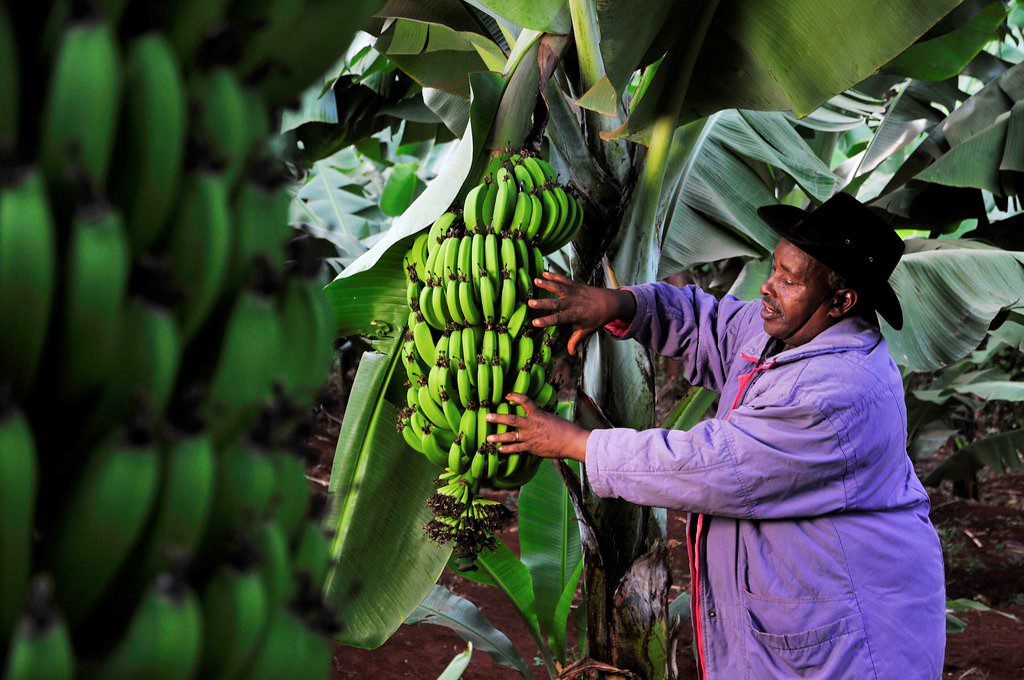
Advances in agriculture are key to both reducing world poverty and maintaining the health of the planet. A 2016 study by the World Bank Group found that 65 percent of adults living in poverty support themselves through agriculture. Additionally, economic growth in the agriculture sector has two to four times the potential to raise income among the world’s poor than growth in any other sector.

However, for all the benefits of agriculture, the industry can also be harmful to the planet. Agriculture is responsible for 70 percent of freshwater use and 24 percent of greenhouse gas emissions. So, it is important for small farmers to utilize advancements that minimize pollution and waste while cutting costs and increasing yields. These six poverty-fighting advances in agriculture and technology are key ways for poor farmers to achieve both of these goals.

6 Poverty-Fighting Advances in Agriculture

  1. One way for farmers to increase crop yields and decrease costs is through Fertilizer Deep Placement (FDP). FDP involves condensing fertilizer into bricks that are then placed a few inches under ground. The bricks then slowly dissolve, giving important nutrients to crops. Because the fertilizer is under the soil surface, fewer nutrients are lost to runoff. It also saves labor by ensuring that crops receive nutrients continuously, without farmers having to repeatedly apply fertilizer. A study conducted in Bangladesh in 2015 showed that using FDP increased rice crop yields by 15-20 percent over an average of three years.
  2. Reducing pesticide and herbicide use can both benefit the environment and save costs. One way farmers can reduce their use is by treating seeds instead of mature plants. When this method is used, the chemicals become incorporated into the plants themselves. In contrast to traditional methods, this means that there is no risk of the chemicals ending up in nearby rivers and streams, and it saves supplies and reduces pollution.
  3. Multiple mobile apps also help farmers better care for their crops and livestock. For instance, the Farming Instructor app provides agricultural knowledge to farmers via text, audio and animations. The app also allows farmers to share tips and information with each other. Another app called Hello Tractor allows farmers to cheaply rent tractors as needed, instead of having to purchase one. So far, 22,500 farmers have utilized the startup, which says its customers had a 200 percent increase in crop yields.
  4. Refrigeration is an important resource that prevents crop spoilage during transportation and allows families to store food. This means subsistence farmers have enough to eat even during dry periods and can spend less time gathering food. Refrigeration also lengthens the shelf-life of vaccines and medicines. Advancements like solar-powered refrigerators are making refrigeration available to more and more rural farmers.
  5. Precision agriculture uses tools like drones, robots, satellites and large-scale data gathering to determine the optimal levels of water and fertilizer for each individual plant. This holistic method has the potential to greatly increase crop yields and make farming more environmentally friendly by reducing waste. Precision agriculture has already been used with much success in North America and Europe. Spotty internet connection has limited its introduction to developing countries. However, programs in India and Vietnam have seen success. Benefits for rural farmers include increased crop yield, reduced costs, more market opportunities, more free time and a reduced gender income gap.
  6. Often, small scale farmers in remote regions have to travel long distances to buy seeds and fertilizer, much of which can be prohibitively expensive. To address this problem, NGOs such as Alliance for a Green Revolution in Africa and Cultivating New Frontiers in Agriculture (CNFA) support and train local networks of agro-dealers. These agro-dealers sell farming supplies cheaply and in small quantities suitable for small-scale subsistence farmers. They can also provide veterinary support, mechanical fixes and training, and marketing.

Small farms face more and more challenges from problems like desertification, drought and the spread of pests and diseases. With these poverty-fighting advances in agriculture, farmers are better prepared to meet the challenges and lift themselves and their families out of poverty.

– Clarissa Cooney
Photo: Flickr

September 25, 2019
https://borgenproject.org/wp-content/uploads/borgen-project-logo.svg 0 0 Kim Thelwell https://borgenproject.org/wp-content/uploads/borgen-project-logo.svg Kim Thelwell2019-09-25 01:30:392024-05-29 23:12:276 Poverty-Fighting Advances in Agriculture
Developing Countries, Development, Global Poverty

What to Know About the Global Fragility Act

the global fragility act
The Global Fragility Act of 2019 (H.R.2116/S.727) is one of the first-ever whole-of-government efforts to recognize regions where violent conflict exists or could potentially arise and address those issues through diplomatic, development and security efforts. Its main goal is not only to stabilize these areas but also prevent the emergence of violent conflict in countries that are at a higher risk or are more fragile due to a lack of governance and economic opportunity, as well as extreme poverty.

What Is the Problem?

With the current levels of humanitarian crises and extreme poverty worldwide, there is a great need for a bill like the Global Fragility Act. Globally there are over 134 million people that are in need of aid with the main causes being conflict and natural disasters. Additionally, over 550,000 people die annually as a result of violence, which has led to an increase in the need for aid from $3.5 billion in 2004 to about $20 billion currently. Unfortunately, when some provide assistance to address these issues, places mostly use it to address the consequences of violence rather than the root causes.

What Is the Global Fragility Act?

The Global Fragility Act is a bipartisan measure that will steer away from the focus placed on the symptoms of violence and instead solve the problem before it starts. It covers 12 different goals which will address the causes of fragility such as instability, weak governance and a lack of economic opportunities. The bill will resolve these issues by enhancing stabilization in the areas where conflict is prevalent.

According to the Friends Committee on National Legislation, the bill aims to “establish an interagency initiative/strategy to reduce fragility and violence, select pilot countries where the U.S. will implement the initiative, provide critical funds for stabilization, prevention and crisis response, [and] mandate evaluation and accountability.”

The inter-agency initiative is the first of its kind and will include the joint efforts of the U.S. State Department, Defense Department and USAID. These agencies will select countries and regions where conflict and violence are the most prevalent based on the most current data available regarding fragility, violence and number of people forcibly displaced, among other indicators. Additionally, the Global Fragility Act will also establish the Stabilization and Prevention Fund and the Complex Crises Fund. The Department of State and USAID will manage these with the intention of taking preventative or responsive measures to crises. Furthermore, the Act will also establish indicators to monitor the progress in the pilot regions, while also requiring the agencies involved to send biennial reports to Congress regarding how the program has developed in each region.

Who Are Its Sponsors?

The Global Fragility Act is a bipartisan effort given that it addresses issues that go beyond party adherence. As has been mentioned there are two versions of this bill, the House H.R.2116 bill and the Senate S.727 bill. Sponsors for the House bill include the following: Representatives Engel (D-NY), McCaul (R-TX), A. Smith (D-WA), Wagner (R-MO), Keating (D-MA) and Rooney (R-FL).

The senators in support of the S.727 bill include Senators Coons (D-DE), Graham (R-SC), Merkley (D-OR), Rubio (R-FL) and Young (R-IN). There are a number of additional supporters, but these are the main sponsors, as well as the ones who introduced the bills to their respective chambers.

Where Does It Stand Now?

Currently, the Global Fragility Act has passed in the House of Representatives; however, it has yet to be approved in the Senate. On June 25, 2019, the Bill went to the Senate for consideration. Once the Senate approves it, it will then move on to the President to sign into law. However, everyone needs to support it for it to receive approval. The U.S. public can involve themselves and help turn this bill into law. U.S. senators are only a call, email or letter away. Constituents can find their senator’s contact information here and they can email Congress here. Voicing support for this bill would not only contribute to raising people out of poverty but also strengthening U.S. national security.

– Laura Rogers
Photo: Pixabay


September 24, 2019
https://borgenproject.org/wp-content/uploads/borgen-project-logo.svg 0 0 Kim Thelwell https://borgenproject.org/wp-content/uploads/borgen-project-logo.svg Kim Thelwell2019-09-24 07:30:312019-09-21 18:32:47What to Know About the Global Fragility Act
Developing Countries, Development, Global Poverty

4 Microlending Organizations that Empower the Poor

Microlending Organizations
In the fight against global poverty, one hot-button issue is how to provide aid without the implication of paternalism, the idea that one person or group knows the interests of another group better than that group knows its own interests. Tariq Fancy, the founder of the nonprofit The Rumie Initiative, recalls hearing a Kenyan relative’s view on problems with international aid, saying “don’t walk in assuming that from your perch in North America you figured out all the answers for Africa.” Putting resources and power in the hands of communities both provides aid and acknowledges that they can make decisions about local interests. Microlending organizations have the power to do just that

Microloans are small loans at low-interest rates. Individuals living in poverty often have difficulty securing loans from traditional financial institutions due to a lack of borrowing history and assets to use as collateral. Even when people can get loans, interest rates are often high. People often use microloans to finance small businesses in their early stages, enabling people to overcome barriers and progress toward lifting themselves and their families out of poverty.

Microlending organizations can also issue loans for community projects, like building wells or funding schools. Microlending organizations typically, but not always, issue loans funded by individuals rather than by banks or other financial institutions. Here are four companies and organizations that use microlending in different forms to empower people living in poverty.

Four Microlending Organizations that Empower the Poor

  1. Kiva: Kiva crowdfunds loans from people around the world and uses partners to issue them. The nonprofit has enabled the funding of more than $1.33 billion in loans. Kiva emerged in 2005 and has partnerships with financial institutions throughout the world, where it transfers the crowdfunded money. The local field partners then loan money to Kiva’s lenders. Kiva has a 96.8 percent repayment rate and operates in 78 countries. On Kiva’s website, lenders can sort loans by region or category, such as agriculture, women and eco-friendly.
  2. Zidisha: Zidisha is the first direct person-to-person microlending service that focuses on entrepreneurs and job creation. Its name” comes from the Swahili word meaning “grow.” Unlike Kiva, Zidisha does not loan through financial institutions but facilitates direct lending between people. Zidisha’s loans total more than $16 million and have financed more than 240,000 projects.
  3. Building Resources Across Communities: Building Resources Across Communities (BRAC) is the largest non-governmental development organization in the world in terms of number of employees. Hasan founded BRAC in 1972 and it employs more than 120,000 people in 11 countries. BRAC has a microfinance program, primarily in Bangladesh, which has loaned to 5.6 million borrowers, 87 percent of whom are women. Unlike Kiva and Zidisha, which operate person-to-person lending services, BRAC distributes loans to lenders on its own using donations and other funds. BRAC also does work unrelated to microfinance, investing in schools and in water, hygiene and sanitation services.
  4. Women’s Microfinance Initiative (WMI): Women’s Microfinance Initiative (WMI) began issuing loans in 2008 and trains local women in managing loan hubs. WMI has loaned more than $4.5 million to rural women in amounts of $100 to $250 at an interest rate of 10 percent. According to WMI, 99 percent of its borrowers report doubling their income within six months of being involved in the program. WMI reports a 98 percent repayment rate.

The efficacy of microlending in pulling people out of poverty is up for debate, but some cases have shown promising results. A microfinance program in Uzbekistan resulted in 71 percent of participants reporting an increase in food intake quality. One study showed that when a microfinance program was put in place, there was an 18 percent decline in extreme poverty. While different studies report differing results, microlending organizations like Kiva, Zidisha, BRAC and WMI have certainly been a success.

– Meredith Charney
Photo: Flickr

September 23, 2019
https://borgenproject.org/wp-content/uploads/borgen-project-logo.svg 0 0 Kim Thelwell https://borgenproject.org/wp-content/uploads/borgen-project-logo.svg Kim Thelwell2019-09-23 07:30:172024-05-29 23:10:384 Microlending Organizations that Empower the Poor
Activism, Children, Development, Global Poverty, Health

5 Ways Convoy of Hope is Making an Impact

Convoy of Hope is Making an ImpactFounded in 1994, Convoy of Hope is a faith-based, nonprofit organization that works domestically in the U.S. as well as internationally in more than 120 countries around the world. Convoy of Hope as a rating of 96.46 from Charity Navigator and has also made its way to Forbes’ list of the 100 largest charities. The organization has reached millions of people through its focus on disaster relief, children’s feeding programs, women’s empowerment and more. Here are five ways Convoy of Hope is making an impact.

5 Ways Convoy of Hope is Making an Impact

  1. Convoy of Hope provides meals to more than 200,000 children in 14 countries while monitoring the health and growth of these children each day. The organization partners with various food companies and also has its own campaign, feedONE. The goal of providing these meals is to create a starting point to build strong communities, healthy living environments, education and eventual career opportunities. Convoy of Hope is also committed to providing clean water and filtration systems so that these communities are able to access safe drinking and cleaning water.
  2. Through an agricultural program, piloted in Haiti in and now used in eight countries, the organization trains and educates farmers to grow their own crops and has helped schools, churches and orphanages around the world to start their own urban gardens. For instance, since 2012, the on-the-ground team has trained more than 5,000 farmers in “best management practices for culturally relevant agriculture.” Convoy of Hope proudly notes that in 2018, the team provided some 1.2 million meals through its school feeding program — locally grown by the farmers the organization trained.
  3. The organization is also focused on empowering women through Convoy:Women by providing training and education programs covering topics like finance, nutrition, literacy, cooking and health. Since 2011, almost 17,000 women across four countries have been trained through these programs, receiving the help and empowerment needed to make independent life choices. Importantly, the organization also provides start-up capital as a way to promote entrepreneurship and economic empowerment. In addition, there is also a spin-off program called Empowered Girls that focuses on young girls in various schools and communities. More than 4,000 participants are enrolled in this program which covers topics like self-esteem, gendered violence and gendered cultural beliefs.
  4. Convoy of Hope prides itself on being one of the first relief programs to respond to natural disasters around the world. The organization offers on-the-ground response teams as well as shipment of relief supplies from their distribution center in order to bring both immediate and long-term relief and recovery to affected areas. Convoy of Hope has also responded to 379 disasters so far, helping more than one million people in 2018 alone. The organization has also offered help to refugees in the Middle East and Europe since 2014, providing meals, supplies and finances.
  5. Convoy of Hope has partnered with Dr. Kerri Miller, CEO of Make People Better, LLC, in order to provide “reiimmune” to thousands of children. Re:iimune is an “oral hydrobiotic therapy” full of probiotics used to treat dehydration and provide intestinal support to help children absorb important nutrients and medications effectively. To date, Convoy of Hope has distributed 80,000 doses of reiimmune.

It goes without saying that Convoy of Hope has made strides helping those dealing with poverty around the world, with more than 115 million people receiving various forms of assistance since 1994.

– Jessica Winarski
Photo: Flickr

September 23, 2019
https://borgenproject.org/wp-content/uploads/borgen-project-logo.svg 0 0 Jennifer Philipp https://borgenproject.org/wp-content/uploads/borgen-project-logo.svg Jennifer Philipp2019-09-23 07:08:582024-05-29 23:12:565 Ways Convoy of Hope is Making an Impact
Development, Global Poverty

Bhutan’s Gross National Happiness Index

Bhutan's Gross National Happiness Index

The traditional tool to measure the success of a nation is by its Gross Domestic Product (GDP). GDP refers to the total value of goods produced and services provided by a country in a given year. GDP can provide an accurate depiction of the economic success of a nation, but it does not measure true fulfillment and well-being properly. An alternative measure of success is Bhutan‘s Gross National Happiness Index.

Humble Beginnings

Bhutan’s government has a long history of striving for its peoples’ happiness. King Jigme Singye Wangchuck, King of Bhutan from 1972 to 2006, made it his goal to increase the overall happiness and well-being of the Bhutanese people. The King declared that “Gross National Happiness is more important than Gross National Product,” and in doing so, coined the phrase “Gross National Happiness.”

Moreover, King Jigme Singye Wangchuck developed a set of procedures that could produce an accurate measurement of happiness, Bhutan‘s Gross National Happiness Index. The concept behind the Gross National Happiness (GNH) Index is that well-being should not solely be based on economic success and that development cannot be sustainable without accounting for the more holistic aspects of progress.

Gross National Happiness in Practice

Bhutan’s GNH Index consists of nine different domains: 1. Psychological well-being; 2. Health; 3. Education; 4. Time use; 5. Cultural diversity and resilience; 6. Good governance; 7. Community vitality; 8. Ecological diversity and resilience; and 9. Living standards. Including all nine domains in the overall evaluation of happiness and well-being allows for the Bhutanese government to implement policy that is designed to target the domains where improvement is needed most. The GNH Index can also be broken down by demographic groups, allowing comparison between men and women or districts. Each of the nine domains is determined by examining 33 different indicators, giving leaders a comprehensive understanding of the various aspects that contribute to well-being.

GNH is the main tool used to ensure that development does not come at the expense of the Bhutanese people. Bhutan has grown as an economic power in recent years with an increase in large-scale hydropower projects, but the downside to this growth is that many rural workers and farmers have been displaced on account of these projects. Therefore, Bhutan has made it a priority to see that GNH and GDP can grow and exist in harmony.

Growth as a Result

Since GNH was adopted as the main measure of growth in Bhutan, almost 100 percent of its children are enrolled in school and the country has nearly doubled its life expectancy. Educational policy has also been affected by GNH principles. Children now learn about agricultural practices and environmental protection alongside math and science. Meditation is also a typical part of the school day as well. In addition, the country’s waste-management program ensures that all materials used in schools are recycled.

Journalists caught wind of this small Himalayan nation committed to increasing the happiness of its people, and with increased coverage, the ideas behind Bhutan’s GNH Index spread across the world. Well-being and happiness conferences increased in almost every part of the globe, and in 2012, the UN decided to follow Bhutan’s example in taking a more holistic approach toward development, making the GNH Index their main development indicator, a decision which was backed by 68 different countries.

Thanks to Bhutan, the world’s definition of what a successful country is may be changing. While GDP is still widely used as a measure of development, the use of Bhutan’s Gross National Happiness Index is increasing in popularity right alongside it.

– Ryley Bright
Photo: Flickr

September 22, 2019
https://borgenproject.org/wp-content/uploads/borgen-project-logo.svg 0 0 Kim Thelwell https://borgenproject.org/wp-content/uploads/borgen-project-logo.svg Kim Thelwell2019-09-22 01:30:102024-05-29 23:11:11Bhutan’s Gross National Happiness Index
Advocacy, Developing Countries, Development, Economy, Food & Hunger, Food Security, Global Poverty, Health, Poverty

5 Facts About Venezuela’s Failing Economy

Venezuela's Failing Economy
People know Venezuela as one of the most diverse environments in the world because of its natural features, landscape and wide range of wildlife. Venezuela has massive oil reserves and ranks in the top list among countries such as Saudia Arabia, Canada and Iran, making it the most urban country in Latin America. However, in only approximately six years, the country has seen a drastic economic decline. Venezuela’s failing economy has placed the country in headlines across the world. This article will highlight a few casualties resulting from Venezuela’s financial crisis, as well as evaluating its causes.

The Impacts of Venezuela’s Economic Crisis

The extended effects of Venezuela’s economic crisis are hitting those who choose to remain in the country the hardest. Venezuela’s failing economy has led to a severe shortage and rationing of resources, including food, water and electricity. Despite the country being oil-rich, many Venezuelan’s are questioning why they are struggling. “It’s so unfair; we are such a rich country. It’s not fair that this is happening,” Jakeline Moncada told the Washington Post.

Many turn to natural water reserves despite safety concerns as these reserves often come from sewage drains leading to the spread of preventable diseases. Meanwhile, frequent power outages have caused water sanitation facilities to cease proper function. Physicians have noticed an increase in illness that commonly results from contaminated water and food, such as amoebiasis.

Estimates determine that more than 60,000 Venezuelans who started treatment for HIV now lack access to antiretroviral medications as a result of Venezuela’s failing economy. Many Venezuelan’s that could afford medical services before, now experience challenges attempting to access medical and health services. As a result, those dependent on medications must make costly trips to neighboring countries or hope to find donated medicines from organizations outside of the government.

As Venezuela’s economy has drastically decreased, a survey that the country’s top universities conducted estimated that more than two-thirds of the population lives below the poverty line. As the country experiences hyperinflation of 1.7 million percent, many families cannot afford to feed themselves more than one meal a day. Various organizations have ceased publishing the statistics of the country after specific data showed significant negative changes. For example, The Health Ministry stopped reporting data in 2017 after reports indicated a high rise in infant mortality rates. After the inflation rates suddenly rose, Venezuela’s central Bank discontinued publishing its figures in 2016. In this instance, Venezuelan organizations stopped sharing information once the statistics showed unfavorable characteristics.

Accessibility

Venezuela’s failing economy has led to difficulty accessing resources like medicare, and as a result, nearly 10 percent of the Venezuelan population is emigrating to other countries. Although Venezuelans are having a few problems getting out of the country, there has been a more significant challenge getting resources in. The military has restricted many resources from passing through its borders or at least the areas where they have the right to. The Pemón community, which borders along Brazil, has spoken in support of permitting assistance through its territory. This region, known as La Gran Sabana, also contains the only paved crossing between the two countries.

When Nicolás Maduro became president in 2015, many nations did not consider him the country’s leader but rather Juan Guaidó, the Venezuelan opposition leader. As a result, Maduro severed the remaining diplomatic relations between Venezuela and the U.S. as well as ceasing the accessibility of aid into Venezuela. Maduro has resisted outside assistance, describing the efforts as the United States desiring to meddle in Latin American affairs. However, many believe that the sudden decline results from mismanagement of funds and corruption.

Venezuela has several countries willing to provide support as it endures this period of financial difficulty. It will only receive this aid if its government allows, though, as it regulates the resources that pass through its border. Once nations can establish a common interest and agree on how to address the issue, Venezuela’s reconciliation can begin.

– Kimberly Debnam
Photo: Flickr


September 21, 2019
https://borgenproject.org/wp-content/uploads/borgen-project-logo.svg 0 0 Jennifer Philipp https://borgenproject.org/wp-content/uploads/borgen-project-logo.svg Jennifer Philipp2019-09-21 11:35:532020-01-07 12:16:145 Facts About Venezuela’s Failing Economy
Activism, Development, Education, Global Poverty

How the EU is Fighting Poverty

E.U. is Fighting Poverty
Poverty does not disappear by itself and Europe understands this. The European Union (E.U.) prioritizes poverty as an issue and has helped start many poverty reduction projects throughout the world. Within Europe, the E.U. fights poverty based on its Europe 2020 Strategy that strives to lift 20 million people out of poverty by 2020. Globally, the E.U.’s development policy aims to eradicate poverty through sustainable development. In both of these endeavors, the E.U. is making tremendous progress in reducing poverty. Here is how the E.U. is fighting poverty in Europe.

The EU Fights Poverty in Europe

The Europe 2020 Strategy is an ambitious plan that could drastically change Europe’s economy and social landscape. Some of the strategy’s targets include employing 75 percent of people aged 20-64, providing higher education to 40 percent of people aged 30-34, increasing energy efficiency by 20 percent and using 3 percent of the E.U.’s GDP for research and development. These targets are mutually reinforcing as improvements in education should help reduce unemployment, and improving energy efficiency should make European businesses more competitive, creating more jobs.

The Europe 2020 Strategy is only a “reference framework” that E.U. countries use to create national targets. These national targets mean that governments can now measure their progress and determine whether or not they are reaching their poverty reduction goals. Thus, even though the Europe 2020 Strategy does not force countries to do anything, it has helped countries to measure their progress and determine whether they are doing enough. The strategy receives constant review and the European Commission still believes that the Europe 2020 Strategy is an effective framework that can help create jobs and promote economic growth.

What have the results been? As of 2017, the E.U. managed to provide 39.9 percent of people aged 30-34 with higher-level education, 0.1 percent away from their 2020 goal of 40 percent. Between 2013 and 2017, the number of people at risk of poverty in the EU dropped from 122.8 million to 112.8 million. The percentage of 18-24-year-olds leaving school early dropped from 14.7 percent in 2008, to 10.6 percent in 2017. While the European Commission admits that people need to do more to combat poverty in Europe, the progress so far has been promising.

The EU Fighting Poverty Internationally

The E.U. wants to end poverty worldwide. It is attempting to do so using a couple of different methods. In 2007, the Joint Africa-EU Strategy (JAES) created a partnership between the E.U. and Africa. The partnership helped create a relationship between the two groups that could help foster sustainable development that will benefit both parties. The partnership deals with other issues besides development and poverty but has made significant impacts on the latter. For instance, the E.U. accounts for one-third of all the foreign direct investment in Africa. Supporting the Africa-E.U. partnership is the Pan-African Programme which strives to create sustainable human and economic development. The E.U. has allocated $845 million euros to the program between 2014 and 2020. Outside of Africa, the E.U. also plays a large role in poverty reduction. E.U. aid represents more than 50 percent of global aid.

In conclusion, the E.U. is fighting poverty and promoting sustainable development. Within the continent, the E.U. is making progress as education rates improve and poverty levels continue to recover from the 2008 financial crisis. Globally, the E.U. continues to lead by example as it sets the bar for providing foreign aid to developing countries. The U.S. has the capability to match these achievements but needs more people to voice their concerns about international poverty. Reach out to congress and encourage the U.S. to end international poverty by clicking this link here.

– Nick Umlauf
Photo: Flickr

September 20, 2019
https://borgenproject.org/wp-content/uploads/borgen-project-logo.svg 0 0 Kim Thelwell https://borgenproject.org/wp-content/uploads/borgen-project-logo.svg Kim Thelwell2019-09-20 14:23:462019-10-30 10:20:23How the EU is Fighting Poverty
Activism, Developing Countries, Development, Global Poverty

The Link Between Art and African Poverty Reduction

Art and African Poverty Reduction
In Africa, poverty is an immense issue as 43 percent of the nation’s people live below the international poverty line. Despite this painful reality, art is playing a large role in pulling many of the continent’s people out of the poverty they started life in. Thanks to organizations such as Bead for Life in Uganda and ASTEP in South Africa, creativity is providing these impoverished people with both a platform for self-expression and a means to fiscal independence. Here are some organizations that show the link between art and African poverty reduction.

Bead for Life

After meeting Millie, a poor Ugandan mother who had a passion for transforming objects into colorful handmade creations, Ginny Gordin, Torkin Wakefield and Devin Hibbard came up with an idea. Following this event in 2004, they founded Bead for Life, a nonprofit organization that supports female financial independence by providing African women with recycled paper that they can craft into jewelry and sell for profit. The organization also works to educate these impoverished women on how to run small-businesses through an initiative known as Street Business School. Since its founding, the 15-year-old organization now exists in 10 countries across Africa and is currently providing 52,000 African women with financial independence. The link between art and African poverty reduction is undeniable, making it a necessary step towards eradicating the poverty that rules too many African lives.

Artists Striving to End Poverty (ASTEP)

When ASTEP founder and Broadway Musical Director, Mary Mitchell Campbell, saw the power of art in cultivating the skills necessary to succeed at life, alongside the help of Juilliard students, Campbell founded Artists Striving to End Poverty (ASTEP), a nonprofit organization that works to heal poverty-stricken communities through art. When Evan Todd and Dick Scanlan recognized the link between art and African poverty reduction, they worked with the organization to establish artsINSIDEOUT in South Africa, a program that works to improve the lives of South Africa’s impoverished mothers and children who the AIDS epidemic strongly impacted. Through the help of ASTEP’s volunteer artists, the organization runs two-week-long art camps that not only foster storytelling and the visual arts for these South African people but also provides them with the tools necessary to lead successful future lives.

Gahaya Links

The Rwandan Genocide in 1994 caused thousands to become economically unstable and hit women the hardest. Thanks to the founders of Gahaya Links, Janet Nkubana and Joy Ndungste, however, basket-making is addressing Rwanda’s female economic instability. By holding workshops that teach impoverished women how to weave, Gahaya Links is able to provide its female weavers with a stable income, as the organization sells its finished baskets in the U.S. market, with top buyers being Macy’s and Fairwind’s Trading Inc.

The organization’s social impact has been astounding, as 100 percent of Gahaya Links female weavers can now afford health insurance, 10 percent have received a promotion to become community leaders and 80 percent have their own bank accounts. These women also now have access to clean water, are able to afford an education for their children and lead better lives overall. The organization has not only granted these women the economic stability they deserve but has also provided them with a pathway to fiscal independence.

The Amal Foundation

In North Africa, Libyan women do not receive encouragement to earn an income, and so when they become widowed or undergo a divorce, many become impoverished. Thanks to the Amal Foundation, however, these women are using embroidery as a means of attaining financial stability. Thanks to the Amal Foundation’s mandate to teach these women how to embroider and help them sell their work in local markets, these women are able to achieve financial independence. This organization’s work exemplifies the connection between art and African poverty reduction, as these women no longer endure the poverty that once dominated their lives.

Just One Africa

Through the initiative Beads for Water, Just One Africa is working in unique ways to provide impoverished African children with access to clean drinking water. The organization purchases handmade necklaces from African artists and then restrings them into bracelets that it sells in the U.S. market. Thanks to this organization, these African artisans are not only earning a stable income, but Africa’s poor children are also reaping the benefits, as a single Beads for Water bracelet provides 200,000 gallons of clean drinking water to Africa’s impoverished children.

Giving impoverished African space where they can profit from their self-expression is a wonderful poverty-fighting strategy whether they are making baskets or jewelry. Art’s ability to grant financial stability to these poverty-stricken citizens exemplifies the immense power of human creativity and its connection between art and African poverty reduction. Thanks to organizations such as The Amal Foundation and Gahaya Links, Africa’s impoverished people are not only rising out of poverty, but they are getting to do it in a fun and meaningful way.

– Candace Fernandez
Photo: Flickr

September 19, 2019
https://borgenproject.org/wp-content/uploads/borgen-project-logo.svg 0 0 Kim Thelwell https://borgenproject.org/wp-content/uploads/borgen-project-logo.svg Kim Thelwell2019-09-19 08:39:022024-05-29 23:12:41The Link Between Art and African Poverty Reduction
Developing Countries, Development, Global Poverty

4 Organizations Fighting Poverty Through Art

fighting poverty through artCulture can make or break the development of societies. In its variety of forms, art has the power to preserve elements of cultures that are disappearing under the effects of globalization. Additionally, it can be used to provide an economic boost to impoverished communities. Keep reading to learn more about the top four organizations fighting poverty through art.

4 Organizations Fighting Poverty Through Art

  1. The Friends of Sironka Dance Troupe – The Friends of Sironka Dance Troupe is a team of Kenyan Maasai tribesmen and women who perform across the United States and spread awareness about Maasai culture. With an estimated 300,000 Maasai living in Kenya — accounting for 10 percent of the country’s population — the troupe raises awareness about the Maasai language and culture. The group was founded by Batik artist and cultural consultant Nicholas Sironka. Profits from their events fund programs such as education for Maasai girls and installing wells and latrines. With a revolving team of dancers, Sironka provides opportunities for the poorest and most driven of the Maasai people to participate and provide for their families and communities. Although income varies, past performers expected to receive roughly $2,000 for their work, exceeding a lifetime’s income in their home villages.
  2. Roots Studio – Roots Studio is a business that pairs with tribal communities to digitize and license their art. Art sold through their program includes designs from Nagaland and calligraphy from Syria. Each piece is named after the artist and raises awareness about their unique society. Roots Studio not only assists rural communities in participating at globally competitive pricing, but they also ensure 75 percent of the profit goes to the artist and 25 percent goes to a fund for their village for licenses. Roots Studio also runs related workshops with their partner tribes bimonthly.
  3. Inema Arts Center – Inema Art Center is an art initiative in Rwanda founded by Nkuranga Emmanuel and Innocent Nkurunziza in 2012. One of the center’s projects, launched by Nkuranga, is Art with a Mission. The project provides educational opportunities for orphaned children from 10-17, so they can learn to support themselves through artistic trades. Innocent began the Nziza Workshop in 2010 which employs Rwandan craftswomen. Additionally, Inema Arts Center supports ten resident artists in exploring contemporary African art forms.
  4. Africulturban – Africulturban is a youth-led, nonprofit organization founded in Dakar, Senegal by rapper Matador. The organization aims to develop the artistic culture of marginalized communities and skillsets of urban youth. Africulturban offers a variety of free training workshops for all ages. On a larger project scale, Africulturban organizes Hip Hop Akademy, founded in 2011. Through this program, young professionals take free courses across subjects such as graphic design, music and video production and editing, marketing, communication and more. Africulturban also hosts a variety of cultural events including Festa2H, most recently held in June. Festa2H is an annual rap festival that began with limited funding and events. However, it has grown into one of the largest international hip-hop festivals in Africa. From big names to budding performers, the festival provides an opportunity for artists to use hip-hop as a form of self-expression, livelihood and protest.

These four organizations fighting poverty through art demonstrate the cultural preservation and economic and urban development art initiatives can create in impoverished communities. Not everyone can start a group like these four organizations fighting poverty through art. However, offering support to art initiatives that serve marginalized and impoverished communities can help make use of art as a tool for social change. Engaging with art in a variety of ways can promote cultural exchange and provides a voice for those who are all too often underrepresented.

– Jordan Keller
Photo: Flickr

September 15, 2019
https://borgenproject.org/wp-content/uploads/borgen-project-logo.svg 0 0 Kim Thelwell https://borgenproject.org/wp-content/uploads/borgen-project-logo.svg Kim Thelwell2019-09-15 01:30:262019-10-01 06:14:384 Organizations Fighting Poverty Through Art
Development, Global Poverty, Technology

An Update Mobile Phone Development in Developing Countries

mobile phone developmentWith simple communication, monitoring and data collection, the full capabilities of mobile phone technology in developing countries are being put to work. Keep reading to learn more about the benefits of mobile phone development in developing countries.

Monitoring

Monitoring and regular, real-time updates on the conditions of everything from crops to the spread of disease are a huge help for organizations dedicated to mobile development. Farmers can use a wireless sensing network (WSN) to monitor crop and soil conditions as well as irrigation systems for better water management. Simple, inexpensive and low-powered sensing nodes communicate information directly to farmers’ mobile devices. Farmers can also use their mobile devices to check and monitor rising and falling market prices.

In 2013, UNICEF partnered with Ugandan farmers to track and monitor the spread of banana bacterial wilt, a disease that threatens bananas, one of Uganda’s major food staples. Through mobile phone polling, UNICEF was able to map the areas of farmland where bananas were infected and bring that vital information directly to farmers.

Health workers are also utilizing mobile monitoring particularly to track and prevent the spread of infectious diseases. Innovative Support to Emergencies Diseases and Disasters (InSTEDD) is a data collection software used to record incidents of communicable disease. Health departments in Thailand and Cambodia have piloted an early warning disease surveillance initiative. Using SMS, InSTEDD has been used to track diseases at the local and national level. Health officials hope that the use of such mobile development will help them track, prevent and prepare for potential disease outbreaks.

Communication and Information Delivery

SMS provides a cheap and fast means of communication. Although a very basic messaging service, it is compatible with even the cheapest mobile phones. Even this simple text service is being put to work to improve lives around the world. In 2014, IntraHealth International and UNICEF created mHero, a two-way mobile phone-based communication system. Using SMS, ministries of health exchange real-time information and data with health workers in the field. This timely flow of communication helps health workers perform better-informed care and provides them with reliable support.

Rapid communication is also being used to alert residents in Bangalore, India to water availability. In Bangalore, people may have to wait up to 10 days for water to be available. NextDrop is a phone-based program that uses text messaging to notify residents when their water will next be available. With 75,000 registered users, NextDrop communicates vital, timely information about the water availability, so that residents need not waste their days waiting.

Data Collection

Polling, surveys and civilian reports have long been used to supply organizations with information about the populations they are serving to provide better and more efficient aid. Mobile phones reduce the need for face-to-face interviews to collect data as well as cut costs of landline calls, allowing health workers to reach more people in less time. With larger pools of responders, health surveys inform officials of a more complete summary of the population. The Performance Monitoring and Accountability 2020 (PMA2020) is a global survey project with the goal of providing women and girls with access to modern contraceptive methods by 2020. Through household surveys, PMA2020 collects fertility data to estimate the total fertility rate of a given country.

UNICEF created their own reporting system using mobile devices called U-Report. This messaging and reporting tool empowers users to speak out about issues that matter most to them. Active in 53 countries and with more than 6 million users, U-Report has been used to engage in issues from employment discrimination to child marriage. Data is then shared with policymakers so that they can make informed decisions. U-Report can be used with multiple messaging services including SMS so that even users with basic mobile phones can participate. The service is free and anonymous to encourage as many users as possible to report. UNICEF utilized U-Report’s messaging system to send alerts to users living in the path of Hurricanes Irma, Jose and Maria and using SMS shared vital information with families during the major floods in Abidjan, Côte d’Ivoire.

With the help of mobile devices, almost every corner of the world is reachable, from the poor living in the largest cities to the most rural communities. Aid organizations are making vital use out of the communication and data collection capabilities to help those who are most in need. Mobile development is helping to ensure that everyone has the tools and information to make informed decisions, ask for assistance, and pull themselves out of poverty.

– Maya Watanabe
Photo: Flickr

September 15, 2019
https://borgenproject.org/wp-content/uploads/borgen-project-logo.svg 0 0 Kim Thelwell https://borgenproject.org/wp-content/uploads/borgen-project-logo.svg Kim Thelwell2019-09-15 01:30:152024-05-29 23:10:59An Update Mobile Phone Development in Developing Countries
Page 77 of 163«‹7576777879›»

Get Smarter

  • Global Poverty 101
  • Global Poverty… The Good News
  • Global Poverty & U.S. Jobs
  • Global Poverty and National Security
  • Innovative Solutions to Poverty
  • Global Poverty & Aid FAQ’s
Search Search

Take Action

  • Call Congress
  • Email Congress
  • Donate
  • 30 Ways to Help
  • Volunteer Ops
  • Internships
  • Courses & Certificates
  • The Podcast
Borgen Project

“The Borgen Project is an incredible nonprofit organization that is addressing poverty and hunger and working towards ending them.”

-The Huffington Post

Inside The Borgen Project

  • Contact
  • About
  • Financials
  • President
  • Board of Directors
  • Board of Advisors

International Links

  • UK Email Parliament
  • UK Donate
  • Canada Email Parliament

Get Smarter

  • Global Poverty 101
  • Global Poverty… The Good News
  • Global Poverty & U.S. Jobs
  • Global Poverty and National Security
  • Innovative Solutions to Poverty
  • Global Poverty & Aid FAQ’s

Ways to Help

  • Call Congress
  • Email Congress
  • Donate
  • 30 Ways to Help
  • Volunteer Ops
  • Internships
  • Courses & Certificates
  • The Podcast
Scroll to top Scroll to top Scroll to top