• Link to X
  • Link to Facebook
  • Link to Instagram
  • Link to TikTok
  • Link to Youtube
  • About
    • About Us
      • President
      • Board of Directors
      • Board of Advisors
      • Financials
      • Our Methodology
      • Success Tracker
      • Contact
  • Act Now
    • 30 Ways to Help
      • Email Congress
      • Call Congress
      • Volunteer
      • Courses & Certificates
      • Be a Donor
    • Internships
      • In-Office Internships
      • Remote Internships
    • Legislation
      • Politics 101
  • The Blog
  • The Podcast
  • Magazine
  • Donate
  • Click to open the search input field Click to open the search input field Search
  • Menu Menu

Archive for category: Children

Information and stories addressing children.

Children, Education

MDG 2: Achieve Universal Primary Education

education_opt-1
This is the second in a series of posts reviewing the UN’s Millennium Development Goals. The MDGs are a set of eight targets agreed upon by almost every country in the world, based on a shared commitment to the improvement of the social, economic, and political lives of all people. They are to be achieved by 2015 and, with two years to go, it’s time to see how far we’ve come and what is left to be done.

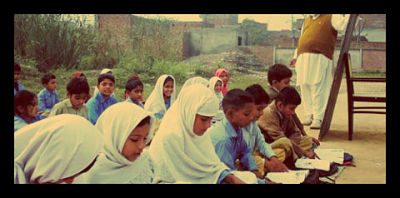
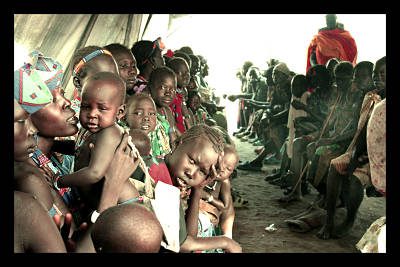
The second of these goals is to achieve universal primary education. All children, regardless of gender or socioeconomic background, deserve the opportunity to receive a high quality education. Because of concerted efforts to meet this goal, more children are attending primary school today than ever before, with 570 million children enrolled in school. From 1999 to 2006, the number of out-of-school children fell from 103 million to 73 million, and primary school enrollment in developing countries increased from 83% to 88%. Primary school enrollment continued increasing, reaching 90% by 2010. However, progress is slowing with the number of primary school aged children out of school falling by only 3 million between 2008 and 2011.

Despite significant progress, children in sub-Saharan Africa are the most likely not to attend primary school, with the net primary school enrollment ratio there increasing to only 71%. This leaves roughly 38 million children without a primary school education. On the other hand, 90% of Southern Asian children attend primary school. This represents excellent progress, although it still leaves 18 million children without the basic reading and math skills they would learn in school.

Inequities in access to primary education represent the main barrier to reaching the second MDG. The UN estimates that, without accelerated progress, 58 of the 86 countries that have yet to achieve universal primary education will not do so by the 2015 goal date. Despite progress in many areas, girls are still significantly more likely to drop out of school than boys are. Children from poorer households and from rural areas also have increased dropout rates.

It is important to note that enrollment numbers are not the only indicator of success or failure when it comes to MDG 2. There is no point in getting children to school if there are inadequate teachers or supplies, or if the learning environment is hostile. Therefore, it is vital to consider the quality of the education as well as the number of children attending school. We must ensure that teachers are trained and well equipped, and that children feel safe at school. Students that attend school on a regular basis should graduate with at least basic reading and math skills. They should also graduate on time, giving them a greater chance of attending secondary school.

Many countries have made significant progress using a variety of programs. Nine countries have increased primary school enrollment by eliminating school fees. These include Ghana, where public school enrollment in impoverished areas skyrocketed from 4.2 million to 5.4 million in 2004 alone, and Kenya, where primary school enrollment jumped by over a million students in just one year. However, abolishing school fees inevitably means less school funding, which presents challenges when it comes to providing adequate school buildings and well-trained teachers.

In Haiti, a $70,000 donation from famous soccer players Ronaldo and Zidene allowed for incredible improvements to schools in a severely impoverished area. UN agencies and NGOs partnered with the Haitian government to promote school attendance, conduct training for teachers, and provide 33 schools with necessary supplies. This positively changed the lives of 4,300 children by significantly improving the quality of their education.

Despite significant progress, 123 million youth, aged 15 to 24, still lack basic reading and writing skills. In a reflection of the persisting gender gap in primary education, 61% of these youth are female. Clearly, there is still work to be done. The UN provides several suggestions for continued efforts on this front. More funding, both from governments and from aid organizations, will be needed to achieve universal primary education by 2015. Annual aid dedicated to basic education in developing countries increased from $1.6 billion in 1999 to $5 billion in 2006, representing a step in the right direction. However, it is estimated that $11 billion will be needed annually to achieve universal primary education by 2015. These funds are needed to train teachers and to ensure that they have all the materials they need to do their job well.

In order to prevent unequal access to education based on socioeconomic status, school fees should be eliminated. At the very least, scholarships should be readily available for children from poorer families. Children should also be provided with free transportation to and from school if needed and with free meals and basic health services at school. Proper nutrition and health services will improve children’s overall well being, and these services would help reluctant children and families to see school as a worthwhile investment. An even more drastic step could be to entice low-income families with cash transfers conditional on their children’s school attendance. This could be especially useful in convincing families to educate their daughters, not just their sons.

A high quality primary school education can set children on the right track, giving them necessary skills to succeed in their personal lives and in the workplace. Primary school education has the power to break the cycle of poverty and to empower disenfranchised social groups. This makes the world’s progress towards universal primary education extremely exciting, and compels us to continue working towards this goal.

– Katie Fullerton

Sources: UN Fact Sheet, UN
Photo: Pakistan Today
August 6, 2013
https://borgenproject.org/wp-content/uploads/borgen-project-logo.svg 0 0 Borgen Project https://borgenproject.org/wp-content/uploads/borgen-project-logo.svg Borgen Project2013-08-06 04:58:262017-02-28 11:50:50MDG 2: Achieve Universal Primary Education
Children, Global Poverty, Poverty Reduction

Poverty in Kosovo

Kosovo_poverty
Since the end of the war in 1999, the Republic of Kosovo has experienced consistent economic growth. Now a lower-middle-income country, it is one of only four countries in Europe that recorded positive growth rates during the economic crisis between 2008-2012, averaging about 4.5% each year. Despite its rapid growth, Kosovo continues to struggle with high rates of poverty and unemployment.

Joblessness is estimated to be at about 40% and remains a central economic-policy challenge. Youth and women are disproportionately affected by the difficult labor market conditions, creating an environment that undermines the country’s social fabric. Kosovo is one of the poorest countries in Europe with a per-capita gross domestic product (GDP) of about €2,700 and about one-third of the population living below the poverty line and approximately one-eighth living in extreme poverty.

Recent studies by UNICEF Kosovo showed that children are at higher risk of living in poverty in Kosovo compared to the general population. The greatest risk of poverty is for children who live in households with three or more children, children between 0 and 14 years of age, children of unemployed parents, children in households receiving social assistance, and children with low levels of education. Whereas, the risk of poverty is much lower for children in a household with at least one employed parent.

The European Union is mainstreaming an effort to fight child poverty by  recognizing the multi-dimensional nature of the issue. Child poverty and exclusion have high social and individual costs. Children in poverty are at high risks of low educational attainment, poor health, and an inability to find work later in life. Investing in children, therefore, is important not only for the well being of current children living in poverty, but also for the health, productivity, and engagement of future adult citizens.

Kosovo declared independence in 2008, however only 98 of a total 193 UN member states have recognized Kosovo’s independence. The lack of agreement remains a central obstacle to achieving the country’s goals for political integration and socio-economic development.

To help reverse joblessness and build a long-term economic growth plan, the World Bank, along with ten other donors, recently awarded Kosove 61 million Euros, mostly in the form of grant money. The Sustainable Employment Development Policy Program (SEDPP) funds were disbursed from the end of 2011 to the middle of 2012. The funds have supported reforms and improved transparency throughout many sectors in the country.

– Ali Warlich

Sources: World Bank, UNICEF, World Bank
Photo: SOS Children’s Villages

August 6, 2013
https://borgenproject.org/wp-content/uploads/borgen-project-logo.svg 0 0 Borgen Project https://borgenproject.org/wp-content/uploads/borgen-project-logo.svg Borgen Project2013-08-06 04:56:512024-05-25 00:14:33Poverty in Kosovo
Children, Global Poverty, Poverty Reduction

Poverty in Uruguay

Uruguay_Poverty
18.6 % of the population is below the poverty line in Uruguay. Although the majority of this poverty in Uruguay is not extreme, it is still problematic. Like many of other South American countries, Uruguay struggles with alleviating extreme poverty for the poorest sections of its population. The country is also trying to prevent those who are only slightly below the poverty line from plummeting further into the category of the extreme poor.

The small South American nation experienced an economic boom in the early 1990’s followed by a damaging recession in 1995. This recession left a lasting impression on the economy, which to this day continues to suffer. The recession caused a widespread loss of jobs across the country and an increasingly wide income gap. The poverty is not debilitating, but it is significant enough to render notice from the international community. According to the World Bank’s 2001 report on Uruguay, “reduction in poverty is highly dependent on growth, and pockets of poverty and unemployment still exist and in recent years have shown some increase.”

Uruguay also struggles with the high number of children who are born into poverty. The World Bank reports that “children have become a significant portion of the poor with about 40% of Uruguay’s children born into poor families, pointing to a potentially serious problem of inter-generational poverty.” This threat of continuing, irreversible poverty is very concerning. The longer poverty continues to ravage Uruguay, the more entrenched it will become as it roots itself in disenfranchised communities.

The poverty problem in Uruguay is not the most dire in the world, but it requires confrontation. In order for the poverty problem in Uruguay to be eradicated, the economy must be fundamentally changed and social welfare programs must be instituted.

– Josh Forgét

Sources: The CIA World Factbook, The World Bank
Photo: Tico Times

August 6, 2013
https://borgenproject.org/wp-content/uploads/borgen-project-logo.svg 0 0 Borgen Project https://borgenproject.org/wp-content/uploads/borgen-project-logo.svg Borgen Project2013-08-06 04:31:282024-05-25 00:14:46Poverty in Uruguay
Children, Global Poverty

What Causes Child Poverty in Wealthy Nations?

Child Poverty in the United States
Today, when most people think of poverty they do not think of nations like the United States and the United Kingdom. Nonetheless, these two countries face serious problems regarding child poverty. Up to 20% of children in the U.S. live in poverty, while the United Kingdom faces some of the world’s highest child poverty rates. In spite of being two of the world’s wealthiest nations, both nations are struggling to address the causes of child poverty.


Leading Causes of Child Poverty


Of the many root causes of child poverty, most sources point to an absence of one parent, particularly the father, as having the greatest impact on a child’s future. In the U.K., 23% of children in two parent families live in poverty, while over 40% of children in single parent households fall into the same category. As women generally earn less in the same professions as men, children in single parent households where the father is absent face an even higher rate of poverty.

Children living with only their mother are

  • 5 times more likely to live in poverty
  • 9 times more likely to drop out of school
  • 37% more likely to abuse drugs
  • 2 times more likely to be incarcerated
  • 2.5 times more likely to become a teen parent
  • 20 times more likely to have behavioral disorders
  • 32 times more likely to run away

Ethnicity has also been linked to higher child poverty rates in both the U.S. and the U.K. Part of the reason for the correlation between ethnicity and child poverty in the U.S. is due to the level of crime in minority communities. Not only are families in these communities more likely to be the victims of crime, but they are also more likely to have a parent, more often the father, incarcerated than families in areas with less crime. A child whose father has been incarcerated is five to seven times more likely to be incarcerated in their lifetime.

Although unemployment is a major contributor to child poverty, it is not the only problem. In any economy, poor adults often find they are forced to take dead-end jobs, without advancement opportunities, while middle management and other placements are given to college graduates whose families could afford higher education. In these situations, the wage-earning adult from a poor family is only offered part-time work or the position they currently occupy pays too low a salary and the family suffers.

Clearly, the issues related to child poverty are not limited only to less developed nations. Indeed, child poverty rates are surprisingly high in the world’s most developed nations, including the U.S. and the U.K. If we are unable to address these issues in our own countries, how are we to act as role models for the rest of the world?

– Herman Watson

Sources: Child Poverty Action Group, The Future of Children, Fight Poverty, The Guardian, Barnardo’s

August 3, 2013
https://borgenproject.org/wp-content/uploads/borgen-project-logo.svg 0 0 Borgen Project https://borgenproject.org/wp-content/uploads/borgen-project-logo.svg Borgen Project2013-08-03 04:35:212024-05-25 00:12:10What Causes Child Poverty in Wealthy Nations?
Children, Global Poverty, Poverty Reduction

5 Facts about Child Poverty

Child_Poverty
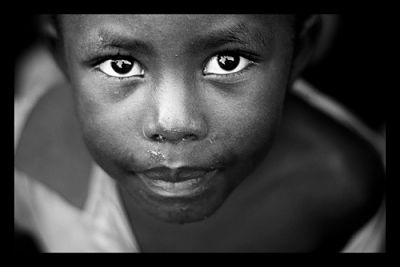
Child poverty is a multifaceted issue whose impacts are far-reaching and pervasive. While adults may fall into poverty for a period of time, children in poverty are often trapped forever. Seldom are they able to start anew because their poverty that lasts a lifetime. Furthermore the depths of child poverty often lead to greater entrenchment in social inequality. Thus governments and individuals must commit to understanding and tackling global child poverty.
Child Poverty is real and it is poses a threat to millions of children. Here are 5 key facts about child poverty.

  1. According to UNICEF, 1 billion children are living in poverty throughout the world. Of these children, 121 million are out of education and 22,000 die due to poverty each day.
  2. 30% of the children in developing nations live on less than $1 a day. Of this 30%, 270 million children have no access to health care services.
  3. The result of this dangerous poverty is extreme malnourishment. 27-28% of all children in developing countries are underweight or stunted in growth. In 2011 alone, 165 million children under the age of 5 were stunted due to hunger and starvation.
  4. Child poverty does not only affect developing nations. In a report by the United Nations Children’s Fund, the United States ranks 34th amongst 35 countries examined for child poverty rates. In fact more than one in five American children live below the poverty line today.
  5. Sadly, the Millennium Development goal to halve the proportion of underweight children will not be reached if current trends continue. The mark will be missed by 30 million children due in large part to slow progress in Southern Asia and Sub-Saharan Africa.

Though these facts are bleak, the truth is that child poverty can be fought. For example, in the year 2000 it would have cost an estimated $6 billion a year to place every child in school. Though the cost may have fluctuated since then, such a seemingly large amount was only a tiny fraction of how much the world spent on weapons alone. Eliminating child poverty is indeed a feasible goal.

– Grace Zhao

Sources: Global Issues, UNICEF, Do Something, The Washington Post
Photo: Wikimedia Commons

August 2, 2013
https://borgenproject.org/wp-content/uploads/borgen-project-logo.svg 0 0 Borgen Project https://borgenproject.org/wp-content/uploads/borgen-project-logo.svg Borgen Project2013-08-02 04:00:152024-12-13 17:49:255 Facts about Child Poverty
Children, Health, Women and Female Empowerment

What if the Royal Baby was Born in Afghanistan?

Baby_Royal_Kate_Middleton
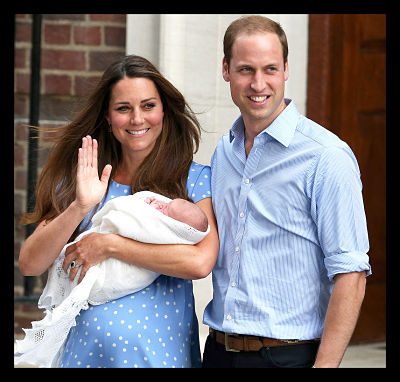
On the afternoon of July 22nd, the British commonwealth grew excited in anticipation for the arrival of the Royal baby, but what if baby George, the Prince of Cambridge, never arrived? What if complications had severed his chances of survival? Despite the joy the Royal baby received on his safe arrival, what would this baby and his mother would have done if they lived in a Third World country?

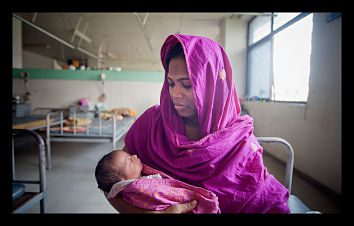
In the developing world, childbirth complications contribute to high maternal and infant mortality rates. The highest infant mortality rate comes from Afghanistan with more than 1 in every 10 newborns dying during childbirth. Around the world, nearly 3 million newborn infants die, with an additional 2.6 million born stillborn every year.

Yet, we must remember that such high figure does not take into account the mother in these events. An estimated 800 women die each day from pregnancy related causes. As it stands, 99% of these maternal deaths come from developing countries.

The greatest causes of maternal mortality include severe bleeding, infections, contaminated delivery rooms, high blood pressure, high risk abortions, and harmful diseases. Fortunately, these deaths are preventable. Unfortunately, there is much to be done in order to reduce these numbers.

Along with health issues, other challenges include “delays in seeking care, inability to act on medical advice, and failure of the health system to provide adequate or timely care” according to the WHO’s 2005 World Health Report.

However, there is a bright side; maternal deaths have been nearly halved since 1990. This improvement is due, in large part to an increase in social acceptance of midwives, adequate training of attendants, and proper implementation of health expert strategies. With a 2.4% annual rate of decline in maternal mortality, many experts agree that it proves the success of strategies and more resources must be committed.

Health experts point to success stories, such as in Rwanda. Despite genocide and destroyed infrastructure, maternal mortality has been reduced by more than half since 1990. Even more, women in Rwanda have doubled their access to skilled attendants, up to 52%. Many attribute this success to the government’s commitment to women’s health with proper planning.

But Rwanda is not the only country cutting their maternal mortality rate. Progress is being made around the world. However, more must be done in order to continue this progress. Although current strategies are proving successful, the developing and developed countries must continue committing themselves to the development of international health sectors.

– Michael Carney

Sources: AlertNet Climate, CIA World Factbook, UNFPA, WHO
Photo: US Weekly

August 1, 2013
https://borgenproject.org/wp-content/uploads/borgen-project-logo.svg 0 0 Borgen Project https://borgenproject.org/wp-content/uploads/borgen-project-logo.svg Borgen Project2013-08-01 04:36:382024-05-25 00:13:18What if the Royal Baby was Born in Afghanistan?
Children

MDG 4: Reduce Child Mortality

Child Mortality
This is the fourth in a series of posts exploring the UN’s Millennium Development Goals. The MDGs are a series of eight interconnected goals agreed upon by almost every country in the world, based on a shared commitment to improving the social, political, and economic lives of all people. These goals are to met by 2015 and, two years out from this deadline, it is time to recognize both the incredible progress we have made and the work we have left to do.

The fourth MDG is to reduce the mortality rate for children under five by at least two thirds from 1990 to 2015. The world has made amazing progress on this front. Despite population growth, the number of deaths in children under five worldwide has decreased significantly from 12.4 million in 1990 to 6.9 million in 2011. This represents 14,000 fewer child deaths every day.

This improvement has been made possible by a wide variety of programs. Vaccines are an excellent way to avoid easily preventable deaths. According to the World Health Organization, vaccine-preventable diseases accounted for roughly 17% of deaths of children under five in 2008, representing 1.5 million deaths. This figure can be diminished fairly easily by providing vaccines for diseases such meningitis, tuberculosis, and rotavirus. The measles vaccine alone has prevented more than 10 million child deaths since 2000.

Another reliable method for reducing child mortality is the education of women. Even minimal education for a mother can significantly improve her children’s likelihood of survival. A UNDP program in Malaysia is capitalizing on this opportunity by surveying 2500 single mothers. These women are faced with incredible challenges, including poverty, lack of education and job opportunities, and social stigmatization. The results of the survey will be used to better understand how best to work with these women, enabling them to find enjoyable work and care for their children.

Another successful UNDP program is taking place in Canelones, a populous and impoverished area of Uruguay where roughly 35,000 citizens are raising children in extreme poverty. As a result of a UNDP study in the area that revealed severe health risks for children in poorer areas, several organizations teamed up to create “Canelones Grows with You”. This program provides the most vulnerable families in Canelones with comprehensive training on care for young children, including nutritional supplements and information on how to use them, as well as regular pregnancy check-ups. The program also encourages a sense of community that encompasses even the poorest families, who are often unaware of or feel excluded from public health clinics, schools, and eateries. “Canelones Grows with You” was so successful in reducing rates of malnutrition, low height, low birth weight, and prematurity that it has been adopted as official government policy with a program called “Uruguay Grows with You”.

Between 1990 and 2011, child mortality has almost been cut in half, decreasing in every region. This is an incredible achievement. However, with the goal set at a two-thirds reduction of the 1990 figure by 2015, we definitely have our work cut out for us. One of every nine children in sub-Saharan Africa still dies before they reach the age of five. In Southern Asia, this figure is one of every sixteen. Children from poorer families are almost twice as likely to die before their fifth birthday than those from wealthier families. Any preventable child deaths are unacceptable, but these figures are horrifyingly so.

Every child deserves a chance to live, and all parents deserve the opportunity to provide for their child. Significant progress has been made towards this ideal, and we must continue this important work if we hope to achieve the fourth Millennium Development Goal.

– Katie Fullerton

Sources: UN Development Program, United Nations, World Health Organization

July 31, 2013
https://borgenproject.org/wp-content/uploads/borgen-project-logo.svg 0 0 Borgen Project https://borgenproject.org/wp-content/uploads/borgen-project-logo.svg Borgen Project2013-07-31 12:45:032024-05-25 00:13:53MDG 4: Reduce Child Mortality
Children, Global Poverty

5 Statistics About Child Poverty

child_poverty_statistics
Though poverty is measured according to dimensions that include mortality, morbidity, hunger, sickness, illiteracy, homelessness and powerlessness, these measures do not fully encompass the conditions of children living in poverty. Rarely differentiated from poverty in general, child poverty affects individuals at the most crucial stage of their lives, hindering not only their physical development but also their emotional development. Listed below are five statistics about child poverty.

  1. 1 billion children – more than half of those living in developing countries – suffer from one or more forms of severe deprivation, according to a study performed by the University of Bristol and the London School of Economics. Every second child suffers from deprivation of at least one of the following: nutrition, safe drinking water, sanitation, health, shelter, education and information. Furthermore, deprivation in one area often causes deprivation in another area – an estimated 700 million children suffer from two or more deprivations.
  2. 180 million children are currently engaged in child labor. Material deprivation often forces desperate children, including those subjected to war, orphaned or weakened by a condition such as HIV/AIDS, into dangerous forms of labor in order to support themselves and their families. Once engaged in child labor, children are deprived of an education and regularly abused. Many of them do not survive until adulthood.
  3. Roughly 1.2 children fall victim to human trafficking each year, and more than 2 million children are sexually exploited in the commercial sex industry each year. Material deprivation leads children to search for additional sources of income, and traffickers capitalize upon their vulnerability. Exploitation exacerbates conditions of poverty, preventing children from attending school and further deteriorating their mental and physical health.
  4. 400 million children (1 in 5) lack access to safe water, and 640 million (1 in 3) live without adequate shelter. Each year 1.4 million children die because of unsafe drinking water or inadequate sanitation.
  5. 22,000 children under the age of five die each day as a result of poverty, amounting to more than 8 million deaths per year.

– Katie Bandera

Sources: UNICEF DoSomething.org Global Issues
Photo: Flickr

July 28, 2013
https://borgenproject.org/wp-content/uploads/borgen-project-logo.svg 0 0 Borgen Project https://borgenproject.org/wp-content/uploads/borgen-project-logo.svg Borgen Project2013-07-28 05:00:072024-12-13 17:49:315 Statistics About Child Poverty
Children, Development, Family Planning and Contraception

MDG 5: Improve Maternal Health

MDG 5: Improve Maternal Health
This is the fifth in a series of posts focusing on the UN’s Millennium Development Goals. There are eight interconnected MDGs that were agreed upon by over 180 countries worldwide. These goals are to be achieved by 2015 and are based on a shared pledge to improve the social, economic, and political lives of all people. Two years out from the goal date, it’s time to consider how far we have come, as well as how much work we have left to do.

The fifth MDG is to improve maternal health. This goal comes in two parts:

  • Cut the maternal mortality ratio by two-thirds between 1990 and 2015
  • Achieve universal access to reproductive health

Significant progress has been made on both fronts. In 2010, the maternal mortality ratio was 47% of the 1990 figure. Three regions (Eastern Asia, Northern Africa, and Southern Asia) have already reached the two-thirds reduction goal, and progress has been made in every region. However, women in sub-Saharan Africa still have a 1 in 39 chance of dying from pregnancy complications, and improvements in many regions will need to accelerate substantially if the MDG is to be met by 2015.

Work towards universal access to reproductive health has made encouraging headway as well. Health care for pregnant women in developing countries is on the rise, with antenatal care increasing by almost 20% between 1990 and 2011. This reflects an admirable commitment to women’s health care in developing regions. In a reflection of changing cultural norms, the number of teenage mothers is decreasing in most developing regions, though progress on this front has slowed in recent years.

Despite the progress that has been made thus far, maternal mortality still bears the highest disparity between developed and developing countries, with 99% of maternal deaths occurring in poorer nations. The maternal mortality ratio in developing areas remains 15 times higher than in developed regions. This severe inequality points to the undeniable connection between poverty and maternal health.

The primary cause of maternal deaths in the world today is the lack of skilled health care before, during, and after delivery. Women in developing areas are seeking maternal care at an increasing rate. It is therefore absolutely vital that the care they receive is of excellent quality. Doctors must be trained, facilities must be built, and supplies must be provided in order to save the lives of these women and their children.

Women and their partners are also seeking family planning services in higher volumes. Meanwhile, the supply of these services is increasing only minimally. Family planning must be prioritized in order to meet this need. It has been estimated that fulfilling the unmet demand for family planning could cause the number of maternal mortalities to plummet by one third. Impressive progress in this area was made in the 1990s when contraceptive use in developing countries increased by almost 10%. However, this level of progress was not matched in the 2000s.

Improvements in contraceptive use, especially in developing areas, would reduce one of the leading causes of pregnancy-related death: unsafe abortions. Approximately 13% of pregnancy-related deaths can be attributed to unsafe abortions, which kill 68,000 women annually. In another example of the disparity between developed and developing nations, 97% of unsafe abortions occur in poorer countries. Preventing unsafe abortions, both by increasing knowledge and use of contraceptives and by providing adequate health care in developing countries, is absolutely necessary as we work towards improving maternal health.

The quality of maternal health care will also rise when women are more empowered. Women worldwide are often constrained by cultural norms that leave them disenfranchised. They suffer physical and sexual violence at alarmingly high rates and are often unable to hold positions of power in society. The appalling state of maternal health in many countries can largely be attributed to societal injustices against women. When such countries work towards gender equality, they will also improve maternal health.

It is important, however, to remember that maternal health isn’t just a women’s issue. Poor sexual and reproductive health is a significant contributing cause to poverty worldwide and can prevent victims and their families from fully participating in society. Furthermore, improving maternal health entails more than just providing skilled birthing assistance. Women are less likely to have pregnancy complications if they do not have sexually transmitted infections (STIs) and if they have not undergone female genital mutilation. Therefore, improving maternal health necessitates the enhancements of society as a whole. These include increasing the general public’s knowledge of and access to sexual and reproductive health care, including contraceptives and treatment for STIs.

There are copious reasons to improve developing nations’ maternal health. Poor maternal health is a human rights violation, killing roughly 250,000 women each year. It harms countries’ economies and social fabric by preventing people from fully participating in society. It contributes significantly to poverty. It contributes to the perpetuation of gender inequality. And, as we have seen, improvements can clearly be made. The world has made so much progress when it comes to maternal health. These achievements should be used as a springboard, inspiring us to keep working towards the fifth MDG up to and beyond 2015.

– Katie Fullerton

Sources: UN UN Economic and Social Affairs WHO MDG5
Photo: Flickr

July 26, 2013
https://borgenproject.org/wp-content/uploads/borgen-project-logo.svg 0 0 Borgen Project https://borgenproject.org/wp-content/uploads/borgen-project-logo.svg Borgen Project2013-07-26 04:00:202024-05-25 00:04:25MDG 5: Improve Maternal Health
Children

More than a Ball: Alive and Kicking

More than a Ball: Alive and Kicking
Sports play an essential role in the development of children. They provide structure and help teach hard work and discipline. For underprivileged kids, it may be one of the only healthy releases from the difficult lives they have. For kids in Africa, the sport that supplies this release is football, known as soccer to Americans. Yet many African children live in environments where sports equipment – such as soccer balls – is not affordable or accessible.

Thanks to Alive and Kicking, these kids have not had to worry about how they can play soccer. The only legitimate manufacturer of sports balls in Africa, Alive and Kicking has provided over 500,000 balls to impoverished children. Their impact goes far beyond simply producing sporting equipment. Below are the positive impacts Alive and Kicking has on the people of Africa.

  1. Employment: Alive and Kicking has been helpful in improving the economies of local African communities through the hiring of citizens to help manufacture balls. They have had 120 people hired to produce the balls on their manufacturing line. Each of these people has at least six family members and the wages they earn can help provide enough for their families. The employment has helped stimulate local communities with revenue as well.
  2. Healthy Lifestyle: Some children in Africa are subject to things that no developing youth should have to endure. Their ability to play soccer with their friends and be active in a normal way is extremely beneficial. Even if it helps them escape their unsuitable environment for even a few minutes, it is a success.
  3. Replacement of Makeshift Balls: Children in poor living conditions are often forced to stitch together materials and make their own ball, and these balls do not last long. Alive and Kicking provides synthetic stitched balls that will remain in good condition in any environment.

Alive and Kicking continues to make a profound impact in Ghana, Kenya, and Zambia. But they need help. Donations are instrumental in funding the production of sports balls. A generous donation of 100 dollars would provide eight soccer balls for school systems and communities, impacting the lives of many children. A much more modest donation of 15 dollars provides a child with a ball. These gifts may be small but will play an important role in a child’s life. For more information, visit Alive and Kicking’s website.

– William Norris

Sources: Alive and Kicking, CNN
Sources: Globo

July 24, 2013
https://borgenproject.org/wp-content/uploads/borgen-project-logo.svg 0 0 Borgen Project https://borgenproject.org/wp-content/uploads/borgen-project-logo.svg Borgen Project2013-07-24 07:00:292020-07-19 22:17:02More than a Ball: Alive and Kicking
Page 133 of 137«‹131132133134135›»

Get Smarter

  • Global Poverty 101
  • Global Poverty… The Good News
  • Global Poverty & U.S. Jobs
  • Global Poverty and National Security
  • Innovative Solutions to Poverty
  • Global Poverty & Aid FAQ’s
Search Search

Take Action

  • Call Congress
  • Email Congress
  • Donate
  • 30 Ways to Help
  • Volunteer Ops
  • Internships
  • Courses & Certificates
  • The Podcast
Borgen Project

“The Borgen Project is an incredible nonprofit organization that is addressing poverty and hunger and working towards ending them.”

-The Huffington Post

Inside The Borgen Project

  • Contact
  • About
  • Financials
  • President
  • Board of Directors
  • Board of Advisors

International Links

  • UK Email Parliament
  • UK Donate
  • Canada Email Parliament

Get Smarter

  • Global Poverty 101
  • Global Poverty… The Good News
  • Global Poverty & U.S. Jobs
  • Global Poverty and National Security
  • Innovative Solutions to Poverty
  • Global Poverty & Aid FAQ’s

Ways to Help

  • Call Congress
  • Email Congress
  • Donate
  • 30 Ways to Help
  • Volunteer Ops
  • Internships
  • Courses & Certificates
  • The Podcast
Scroll to top Scroll to top Scroll to top