• Link to X
  • Link to Facebook
  • Link to Instagram
  • Link to TikTok
  • Link to Youtube
  • About
    • About Us
      • President
      • Board of Directors
      • Board of Advisors
      • Financials
      • Our Methodology
      • Success Tracker
      • Contact
  • Act Now
    • 30 Ways to Help
      • Email Congress
      • Call Congress
      • Volunteer
      • Courses & Certificates
      • Be a Donor
    • Internships
      • In-Office Internships
      • Remote Internships
    • Legislation
      • Politics 101
  • The Blog
  • The Podcast
  • Magazine
  • Donate
  • Click to open the search input field Click to open the search input field Search
  • Menu Menu

Archive for category: Children

Information and stories addressing children.

Children, Food & Hunger

Marketplace for Nutritious Foods in Kenya and Mozambique

Marketplace for Nutritious Foods in Kenya and Mozambique
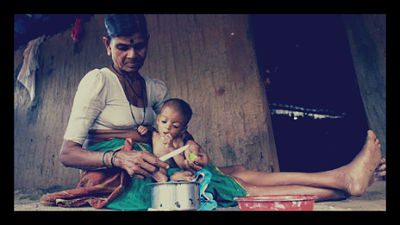
Over 925 million people are currently undernourished worldwide, and 3.5 million children under the age of five die from malnourishment every year. The problem is especially prevalent in Eastern Africa, where 23 million children will grow up stunted and likely permanently impaired. Most diets in these areas consist of simple grains and very few fruits and vegetables which contain key nutrients that are needed for proper mental and physical growth.

In the past, poverty alleviation efforts have been focused on increasing the quantity of food produced by farmers, rather than quality. But recently, more attention has been paid to what kinds of foods are reaching those in poverty, and how the crops can help them not just survive, but actually improve their quality of life. The Global Alliance for Improved Nutrition (GAIN) has created a unique plan for making nutritious foods a possibility for farmers to grow, and for consumers to buy.

The Marketplace for Nutritious Foods, which was started up with a $2.1 million grant from USAID, is up and running in both Kenya and Mozambique, with plans to go to Tanzania as well. The Marketplace works by searching for businesses that can provide affordable nutritious foods upon receipt of help from the organization in the form of funding for seeds, technical assistance, business support and networking opportunities. After receiving numerous applications, GAIN selectively chooses organizations that fit the program and gives them everything they need to get nutritious foods to the consumers. The final product, which is anything from dairy products to sweet potatoes, is fully nutritious and reaches the local markets at an affordable price for the public to consume.

As a result, the public is not only given more access to nutritious foods, but the farmers also gain an opportunity for income. The Marketplace provides the incentive farmers need to produce the healthy foods necessary for the population to thrive.

– Emma McKay

Sources: USAID

July 22, 2013
https://borgenproject.org/wp-content/uploads/borgen-project-logo.svg 0 0 Borgen Project https://borgenproject.org/wp-content/uploads/borgen-project-logo.svg Borgen Project2013-07-22 08:00:242020-07-16 18:44:58Marketplace for Nutritious Foods in Kenya and Mozambique
Children, Developing Countries, Food & Hunger, Global Poverty

6 Ways to Bring an End to World Hunger

6 Ways to Bring an End to World Hunger
The United Nations Food and Agriculture Organization estimates nearly 870 million people are suffering from chronic malnourishment despite the world producing more than enough food to feed everyone. Nearly all of these people, 852 million, live in developing countries. What can be done to solve world hunger?

1. Prevent Land Grabbing: The ugly truth of the future food supply scarcity issue is that wealthy, land-poor countries, including those in the Gulf and South Korea, are obtaining tracts of land in developing countries to use as allotments. Many African countries, including Ethiopia, Sudan, and Madagascar, have already been targeted. A reported estimate totaling an area the size of Spain has been taken from these countries leaving many families unable to feed their children. The push to end land grabbing is the main campaigning focus of the Enough Food For Everyone IF campaign.

2. Reform and Regulate: Large amounts of investment funds have flooded into the commodities markets since the 2008 financial crisis. The automated trading systems, which exploit the tiniest of flaws in the market, encourage volatility. This makes it extremely difficult for traditional traders to keep prices stable and capable of hedging against spikes in the market. Though this was a topic much discussed in the G20 and G8, an international agreement to reform and regulate the commodities markets has not yet been reached.

3. Produce Less Biofuel: With the pressure to reduce carbon emission from fossil fuels, wealthy countries have been turning sugar, corn, and other crops into ethanol and biodiesel. Burning large amounts of food in our cars reduces the amount available to eat and results in much higher food prices. If that does not sound catastrophic enough, evidence shows that many biofuels actually release more greenhouse gasses than fossil fuels. More greenhouse gasses means hotter, drier seasons, dying crops, and even more hungry people.

4. Support Small Farms: Many African farmers are less productive today than US farmers were 100 years ago. There is an agreement between NGOs and governments that supporting small farmers is the smartest solution for future food security. With a combination of aid, education in better farming methods, and the introduction of better seeds and fertilizer, a green revolution could soon be within Africa’s reach.

5. Target Infant Nutrition: Many companies and wealthy nations are backing an African government-led plan to eliminate malnutrition, and large improvements have already been made. The solution is education on good feeding techniques and getting the proper nutrients to the mother and child at the beginning of pregnancy. This aid is key because malnutrition is responsible for an 11% decrease in GDP in affected areas.

6. Reduce Poverty: No surprise here; economic growth is the key to reducing hunger. More trade, financial liberalization, and open markets will aid in the flow of food. Successful poverty-reducing methods in China have led many economists to believe that hunger in the country will be eradicated by 2020. As for the rest of the world, the UN’s Millennium Development Goals aim to end extreme poverty and hunger by 2015. If each UN-member state does its part, these goals can be achieved.

– Scarlet Shelton

Sources: The Guardian, World Hunger

July 22, 2013
https://borgenproject.org/wp-content/uploads/borgen-project-logo.svg 0 0 Borgen Project https://borgenproject.org/wp-content/uploads/borgen-project-logo.svg Borgen Project2013-07-22 04:30:292020-07-06 23:08:336 Ways to Bring an End to World Hunger
Children, Nonprofit Organizations and NGOs

Spotlight: Giving Children Hope

children_hope_education
Giving Children Hope (GCHope) is a grassroots organization that strives to do just what its name suggests: focus on the social, economic and health needs of impoverished children around the world. GCHope aims to achieve this through disaster relief, health and community development, and vocational training in developing countries.

President and CEO John Ditty and his wife developed the idea of GCHope in 1993 after deciding to make it their lives’ aims to help the world’s disadvantaged youth, both at home in the United States and internationally. Though the program started by merely delivering medical supplies to regions of developing countries with the least access to health care, the Dittys soon realized that they needed to do more.

As they recognized that children were necessarily a part of families and wider communities, the Dittys expanded GCHope to include community medical clinics and micro-enterprises, immediate disaster relief, and increased family health care coverage in some of the world’s most disadvantaged regions.

GCHope doesn’t take its mission statement lightly, and has been working tirelessly for the last 20 years to make a difference in children’s lives in every corner of the globe. In 2008, GCHope led an initiative to send cholera medicines to Zimbabwe after an outbreak.

One year later, in 2009, the group partnered with Not For Sale to establish clinic in Northern Thailand for children rescued from slavery. In order to raise funds for the latter project, GCHope teamed up with the Not For Sale campaign, International Justice Mission, and Free the Slaves to produce a documentary called Call + Response that supported human rights activism against human trafficking.

In 2010, GCHope was one of the first to respond to the Haiti earthquake and begin collecting donated supplies.

GCHope believes that it can empower “disenfranchised communities” and elevate them out of poverty by instilling hope and leadership capabilities into society’s youngest members. When the children in a community are healthy, well educated, hopeful and stable, the cycle of poverty is more likely to be broken.

If children are truly the hope of the future, organizations like GCHope may be the key to unlocking the children’s  potential.

– Alexandra Bruschi

Source: Call and Response, Giving Children Hope, OC Register
Photo: WFP

July 15, 2013
https://borgenproject.org/wp-content/uploads/borgen-project-logo.svg 0 0 Borgen Project https://borgenproject.org/wp-content/uploads/borgen-project-logo.svg Borgen Project2013-07-15 06:47:492024-05-25 00:01:15Spotlight: Giving Children Hope
Children, Human Rights, United Nations

The World’s Most Oppressed People: The Rohingya

Rohingya_people_in_Myanmar

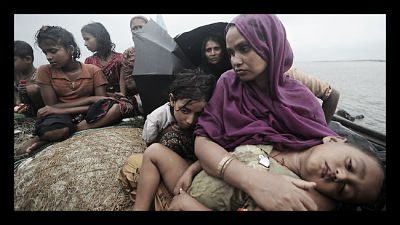
The Rohingya people represent a small Muslim minority in the Southeast Asian country of Myanmar. They are denied citizenship, forbidden from colleges, and have suffered mass killings and violence that the government has done nothing to halt. And recently, Myanmar passed a law restricting Rohingya childbirths, an action which may qualify as an act of genocide.

The Rohingya people have lived in Myanmar since the eighth century. However, their existence was wiped from official record in 1982 with the passage of a citizenship law. The law had the effect of making the Rohingya stateless peoples, illegal immigrants in their own country, with no rights or international recognition.

Rohingya people have experienced harsh violence and now will suffer an enforced two-child limit. The limitation is officially claimed as an effort to ease tensions between the Buddhist majority and Muslim minority, however the policy serves as a frightening indicator that genocide may not be far away. Genocide Watch has even gone so far as to issue a “Genocide Emergency Alert” for Myanmar, and the United Nations has also expressed similar concerns.

Genocide Watch breaks down genocides into eight distinct stages. In order, they are as follows: Classification, Symbolization, Dehumanization, Organization, Polarization, Preparation, Extermination and Denial. Myanmar is quickly ticking stages off the list.

Rohingya people are regularly forced to live in ethnic enclaves with enforced curfews. They experience intense violence which the government has done little if anything to prevent. They are becoming increasingly isolated from resources and from the outside world. If nothing is done to stop these policies, the Rohingya may be removed entirely from their country. The international community must act now to hold the Burmese government responsible and stop the eradication of the Rohingya ethnic group before it is too late.

-Caitlin Zusy

Sources: UN Dispatch, News.com
Photo: News.com

July 13, 2013
https://borgenproject.org/wp-content/uploads/borgen-project-logo.svg 0 0 Borgen Project https://borgenproject.org/wp-content/uploads/borgen-project-logo.svg Borgen Project2013-07-13 06:59:012024-12-13 17:49:27The World’s Most Oppressed People: The Rohingya
Advocacy, Aid Effectiveness & Reform, Children, Education, Foreign Aid

Child Sponsorship Works

 child-sponsorship-works-borgen-project-compassion-international_opt
When people ask how to help the poor, child sponsorship often is suggested. Indeed, for a small amount of money each month, organizations allow individuals to sponsor a child and help to provide education, food, and clothing for them. In return, the sponsors get a picture of the child and quarterly or annual updates from the organization regarding their child.  It has long seemed like an easy way to make an impact. The question many people ask, however, is does it really work? One development economist decided he was going to find out.

It seemed no one had ever been interested in finding the answer despite the fact that 9 million children are sponsored worldwide and more than $5 billion dollars per year is invested in child sponsorship programs. For organizations, obviously the stakes were high. If they allowed researchers to study the effectiveness of their programs, what would they do if they came back ineffective? After several years, one organization decided to allow themselves to be studied under one condition: anonymity.

The study initially looked at individuals in Uganda, studying 809 individuals including 188 who were sponsored as children. The results from the first study were any economist’s dream. The data clearly showed large and statistically significant impacts on the educational outcomes of sponsored children. It appeared the program was actually working! To solidify the results, the study was conducted in six other countries: Uganda, Guatemala, the Philippines, India, Kenya and Bolivia. Data was obtained on 10,144 individuals and the results were consistent with the first study. 27 to 40% more sponsored children complete secondary school and 50 to 80% more complete a college education. In addition to effects on education, the study found that sponsored children were also more likely to gain meaningful employment.

As a result of the study, the sponsorship organization removed the anonymity clause. Compassion International was the organization that allowed its program to be scrutinized; the results were clear that child sponsorship works. It helps lift kids and families out of poverty and provides them with hope. For more information about child sponsorship, visit Compassion International at www.compassion.com.

– Amanda Kloeppel
Sources: Christianity Today, Compassion International

July 13, 2013
https://borgenproject.org/wp-content/uploads/borgen-project-logo.svg 0 0 Borgen Project https://borgenproject.org/wp-content/uploads/borgen-project-logo.svg Borgen Project2013-07-13 06:00:172020-05-14 11:01:29Child Sponsorship Works
Children, Global Poverty, Health

The Cost of Hunger in Egypt

michael-kors-interview-page_bazzar_global_poverty_borgen_opt (2)
The health concerns of undernutrition are evident. But a study conducted by the Cabinet’s Information and Decision Support Center (IDSC) and the UN World Food Program (WFP), the African Union Commission, and the UN Economic Commission for Africa (UNECA) has highlighted the economic consequences of the condition. The study incorporated data from 2009 provided by the Central Agency for Public Mobilization and Statistics (CAPMAD), the Ministry of Health, and the Ministry of Education in Egypt to delve into the less obvious penalties of child undernutrition.

The results of the study were published in a report titled “The Cost of Hunger in Africa: the Social and Economic Impact of Child Undernutrition in Egypt”. The report concluded that Egypt has lost an estimated 20.3 billion pounds in 2009, or $3.7 billion, as a result of child undernutrition.

Stunting, a condition of slowed or stopped growth in height, and chronic malnutrition were found to be the primary drivers behind Egypt’s undernutrition-based economic losses. Stunting occurs when children are not supplied the necessary proteins, vitamins and minerals from conception through age five. The condition affects 40 percent of Egypt’s population. Stunted individuals are prone to poor adult health, impaired academic performance, and premature death.

The costs are incurred as a result of mounting healthcare expenses and burdens placed on the education and labor systems. In rural Egypt, where the majority of people work manual labor, it is estimated that the decreased productivity caused by the lowered physical ability of adults who had been stunted as children resulted in a $10.7 billion loss in 2009. Healthcare costs equaled $1.2 billion in economic productivity lost.

31% of Egypt’s population is under the age of 15, which places the necessity for adequate child nutrition at a top priority; to thrive tomorrow, Egypt needs to address these threats today by achieving food security. Without discovering ways to prevent child undernutrition, the costs Egypt incurs could increase 32% by 2025. The IDSC plans to disclose the study’s findings and recommendations to decision-makers in an effort to reverse this downward trend.

Egypt is not the first country to conduct the Cost of Hunger in Africa study. Uganda has already carried out their own study, and the 10 more countries following suit will be Botswana, Cameroon, Burkina Faso, Malawi, Mauritania, Ethiopia, Ghana, Kenya, Rwanda, and Swaziland.

– Dana Johnson

Sources: Bloomberg, WFP
Photo: Blogsome

July 8, 2013
https://borgenproject.org/wp-content/uploads/borgen-project-logo.svg 0 0 Borgen Project https://borgenproject.org/wp-content/uploads/borgen-project-logo.svg Borgen Project2013-07-08 07:50:362024-05-24 23:42:44The Cost of Hunger in Egypt
Advocacy, Children

Hunger Kills Every 10 Seconds: A New Campaign

hunger_opt
The UK campaign, Enough Food for Everyone If, knows how to use statistics in a way that emphasizes their message.

The statistic they are currently using is that hunger kills every 10 seconds. This is derived from the fact that three million children died from hunger in 2011. Those three million deaths spread evenly across the year equals ten seconds a death.

Some assert that this statistic is a manipulation of the data, as the real issues surrounding those three million deaths are slightly complicated. It is not as simple as people simply starving to death.

A large portion of the deaths involved in the three million per year statistic are caused by infectious diseases or other things that poor nutrition can be related to. When children aren’t given the proper nutrition in the earliest parts of their lives, their bodies are much more susceptible to infectious diseases that a normal healthy child would simply be able to fight off.

The problem isn’t only involving malnutrition in children, but also malnutrition in mothers. In many societies, women aren’t given the best food in the household, therefore they can end up being malnourished during pregnancy and breast feeding, leading to malnutrition in their children.

Malnutrition is especially prevalent in communities that rely heavily on cereals and starches for their diets. These areas tend to neglect the importance of fruits and vegetables in their diets, and sometimes it is the case that milk or meats are avoided in these areas for cultural reasons.

Despite the complexities revolving around the statistic perpetuated by the IF campaign, the campaigners rely on the ‘hunger kills every 10 seconds’ statistic to give people a concrete way to think about the magnitude of global hunger. When people hear that three million died of hunger in 2011 they tend to block it out, as it is hard to conceptualize such a large number. The Enough Food for Everyone If campaign puts this statistic in an easy to understand way that makes people identify with individuals in poverty.

Enough Food for Everyone If uses its resources to raise awareness about world hunger in order to impact governmental decisions in favor of providing more aid to developing countries. The campaign also has put out helpful ways that people can contribute to ending hunger through their consumer choices, such as buying local, in season vegetables. The campaign is exemplifying how putting data in a certain manner and context can make all the difference in the impact is has.

– Martin Drake

Source: BBC News, Enough Food for Everyone If
Photo: BBC News Images

July 6, 2013
https://borgenproject.org/wp-content/uploads/borgen-project-logo.svg 0 0 Borgen Project https://borgenproject.org/wp-content/uploads/borgen-project-logo.svg Borgen Project2013-07-06 05:20:492016-04-15 16:16:35Hunger Kills Every 10 Seconds: A New Campaign
Advocacy, Children, Education, Women and Female Empowerment

Varkey GEMS Fights for Global Education

varkey_opt
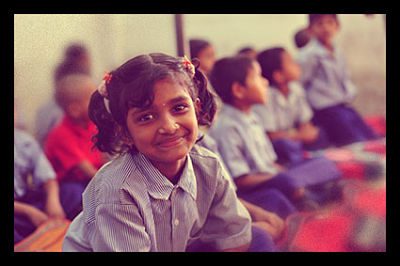
Despite the importance of global education, donor agencies and major developed countries have decreased their federal budgets and funding. Developing countries like India are working hard to get children into school and are increasing enrollment rates, but the fact remains that attendance rates and general accessibility to education in developing countries are lower than they should be.

Vikas Pota, CEO of Varkey GEMS Foundation, interprets this as “a major setback for children all over the world”, and states that “we need innovative solutions to make sure children have the opportunity to attend school”.  The Varkey GEMS Foundation attempts to imrove the standards of education for underprivileged children, with one of their major goals being to impact 100 underprivileged children for every child enrolled in a GEMS school. In order to ensure that “every child has a chance to prosper”, the foundation provides scholarships and leadership development, as well as builds schools throughout the developing world. Another core goal of the foundation is to promote gender equality and provide for girl’s and women’s education as well.

At the launch of the foundation in December 2010, Bill Clinton had this to say, “There will rarely be people who launch something with so much potential to lift the hopes and spirits and dreams of children as this Foundation has done tonight. The benefits from an educated child will affect not only the child itself, but his or her family and the wider community… the world is depending on it”. By focusing on education of underprivileged children, it is the hope of Pota and of the foundation that those children will be able to lift themselves from poverty into a life of better opportunities and independence.

Pota believes that the biggest crisis we face in education “is that of not investing enough in our teachers”. Over the next ten years, the foundation hopes to train over 250,000 teachers globally, with the help of government aid. Another problem is that the majority of aid to basic education is not allocated to the lowest income countries where the most aid is needed. Pota calls for collective responsibility and action, which starts with the citizens. Calls to congress people and legislators are the most effective way to show support, and will increase the likelihood that budgets for education-based aid will increase.

– Sarah Rybak
Source: Huffington Post, Gems Education
Photo: A Celebration of Women

July 4, 2013
https://borgenproject.org/wp-content/uploads/borgen-project-logo.svg 0 0 Borgen Project https://borgenproject.org/wp-content/uploads/borgen-project-logo.svg Borgen Project2013-07-04 04:10:582020-05-14 10:45:39Varkey GEMS Fights for Global Education
Child Soldiers, Human Rights

5 Facts about Child Soldiers

child soldiers
The subject of many a documentary, news report, and even novel, the figure of the child soldier emerged onto the global stage in the late 20th century, largely the result of publicized conflicts in places like Uganda and the Democratic Republic of Congo.  The heartbreaking and sometimes frightening images of children—almost all of them African boys—turned into violent killers captured the attention of many in the west.  Like most images, these tell only a part of the story.  Here are five important and sobering facts about child soldiers.

1. Not all child soldiers are African. The organization Child Soldiers International reports that “since 2000, the participation of these soldiers has been reported in most armed conflicts and in almost every region of the world.” No exact figures have been compiled, but some estimates put the number at 250,000 child soldiers currently fighting in conflicts around the world. Countries, where child soldiers can be found, include Afghanistan, Burma, Iraq, the Philippines, Colombia, Thailand, India, Somalia, and Yemen.

2. They do more than just fight. Child soldiers not only fight on the front lines, but they also serve as runners, spies, and in some cases human shields. Many of them are also sexually abused and exploited.

3. Not all child soldiers are boys. Girls under 18 are often recruited or captured during conflicts, and most of the time they suffer sexual abuse and exploitation. An estimated 40% of them are girls.

4. They are both recruited and forced into serving. Many soldiers are violently kidnapped and forced to serve in armies or in opposition groups.  Some, however, are drawn in because poverty and deprivation leave them vulnerable to the promise of money, food, and clothing if they take up arms. Desperation proves to be a powerful motivating force for some children.

5. They can be and have been rehabilitated. Despite the horrors they have suffered and in many cases committed, these soldiers are children forced or lured into war. Many organizations around the globe work to provide the therapy, medical attention, and education that these children need. Hundreds of former soldiers have benefited from this kind of care and been reunited with family members and loved ones.

– Délice Williams

Sources: Child Soldiers.org, Peace Direct USA
Photo: MW

July 3, 2013
https://borgenproject.org/wp-content/uploads/borgen-project-logo.svg 0 0 Borgen Project https://borgenproject.org/wp-content/uploads/borgen-project-logo.svg Borgen Project2013-07-03 16:25:372024-06-05 01:53:345 Facts about Child Soldiers
Children, Education

The Nowhere Children: Global Child Labor

The Nowhere Children: Global Child Labor
Below the boom of Asian economies are millions of child workers. These children are working in dangerous, unsanitary and often times degrading conditions. They are the “Nowhere” children. Neither enrolled in school nor officially employed, these children live in the in-between space as children in a very adult world. The International Labor Organization (ILO) estimates that there may be around 48 million of these Nowhere children.

South Asia has the largest population of children in any region. Consequently, it is also home to some of the largest numbers of children involved in underage labor and exploitation. The ILO has also estimated that there are 21.6 million children, out of a population of 300 million between the ages of 5 and 14, who are working in South Asia.

Children who do not attend any form of schooling are more likely to wind up in child labor for more than 12 hours a day, seven days a week, with very little pay. Children in these conditions are also in harm’s way as they can be easily exploited and become the victims of violence.

What causes child labor is complex and multifaceted causes. Poverty and income inequality along with the lack of education and social protection are among the key causes. Many children are also trafficked into bonded labor. Additionally, culture in South Asia often dictates that children are often perceived as adults much earlier in their lives. Thus, Children are expected to work as hard as adults when they are as young as ten years old.

For this year’s International Day Against Child Labor, the humanitarian agency World Vision has called upon governments, businesses and civil society to take action to end child labor in the Asia Pacific.

Abid Gulzar, World Vision’s Advocacy and Justice for Children Associate Director in Asia and Pacific have stated that “Child labor doesn’t just take away childhood from children, it also triggers a vicious cycle of poverty and exploitation.” Thus he calls for increased access for these “Nowhere” children to education, proper nutrition and health services.  World Vision is the Co-Chair of the South Asia Coordinating Group on Action against Violence towards children (SACG).  World Vision has worked and continues to coordinate with the United Nation agencies and international Non-profit organizations for children’s rights in South Asia.

– Grace Zhao
Source: Thomas Reuters Foundation, International Labor Organization
Photo: Sunset Blogging

July 2, 2013
https://borgenproject.org/wp-content/uploads/borgen-project-logo.svg 0 0 Borgen Project https://borgenproject.org/wp-content/uploads/borgen-project-logo.svg Borgen Project2013-07-02 04:00:312024-05-24 23:58:10The Nowhere Children: Global Child Labor
Page 134 of 137«‹132133134135136›»

Get Smarter

  • Global Poverty 101
  • Global Poverty… The Good News
  • Global Poverty & U.S. Jobs
  • Global Poverty and National Security
  • Innovative Solutions to Poverty
  • Global Poverty & Aid FAQ’s
Search Search

Take Action

  • Call Congress
  • Email Congress
  • Donate
  • 30 Ways to Help
  • Volunteer Ops
  • Internships
  • Courses & Certificates
  • The Podcast
Borgen Project

“The Borgen Project is an incredible nonprofit organization that is addressing poverty and hunger and working towards ending them.”

-The Huffington Post

Inside The Borgen Project

  • Contact
  • About
  • Financials
  • President
  • Board of Directors
  • Board of Advisors

International Links

  • UK Email Parliament
  • UK Donate
  • Canada Email Parliament

Get Smarter

  • Global Poverty 101
  • Global Poverty… The Good News
  • Global Poverty & U.S. Jobs
  • Global Poverty and National Security
  • Innovative Solutions to Poverty
  • Global Poverty & Aid FAQ’s

Ways to Help

  • Call Congress
  • Email Congress
  • Donate
  • 30 Ways to Help
  • Volunteer Ops
  • Internships
  • Courses & Certificates
  • The Podcast
Scroll to top Scroll to top Scroll to top