• Link to X
  • Link to Facebook
  • Link to Instagram
  • Link to TikTok
  • Link to Youtube
  • About
    • About Us
      • President
      • Board of Directors
      • Board of Advisors
      • Financials
      • Our Methodology
      • Success Tracker
      • Contact
  • Act Now
    • 30 Ways to Help
      • Email Congress
      • Call Congress
      • Volunteer
      • Courses & Certificates
      • Be a Donor
    • Internships
      • In-Office Internships
      • Remote Internships
    • Legislation
      • Politics 101
  • The Blog
  • The Podcast
  • Magazine
  • Donate
  • Click to open the search input field Click to open the search input field Search
  • Menu Menu

Archive for category: Children

Information and stories addressing children.

Children, Global Poverty, Health

New Study Links Hygiene and Height

Hygiene_Height_Correlation_Hand_Washing
According to a new study linking hygiene and height, soap and clean water for hand washing can help increase growth in young children. Previous medical studies have proven that better hygiene can reduce outbreaks of diarrhea among children less than five years, but the studies failed to measure its impact on a child’s height.

The most recent study showed a slight improvement in average growth by half a centimeter among children who used proper hand-washing techniques as opposed to those who did not. Researchers concluded that clean water and soap decreased stunting—when a child is too short for his/her age— by as much as 15 percent.

Further scientific evidence is also showing a connection between instances of diarrhea and a child’s development. The evidence shows that repeated bouts of diarrhea can reduce the gut’s ability to absorb nutrients that allow children to develop a healthy mind and body.

Alan Dangour, a public health nutritionist from the London School of Hygiene and Tropical Medicine and one of the study’s lead authors, said that “WASH”—water, sanitation, and hygiene—fits all the characteristics of a underlying cause of malnutrition.

Dangour and his colleagues found 14 studies conducted in low- to middle income countries that provided data on the effects of the WASH program on the growth of nearly 9,500 children. Five of the studies included control groups of children who did not receive soap and clean water, but who were similar in most other ways to the children who did.

Chronic malnutrition, which causes stunting, is a foremost cause of preventable mental disabilities in children under five-years old. It claims the lives of nearly three million young children per year.

Until now there has been no research conducted on the direct impact of WASH interventions on nutrition. Researchers believe that further, more “robust” evidence is needed. Nevertheless, these findings are significant, and they remain hopeful that WASH could be the simple ‘cure for stunting.’

– Scarlet Shelton

Sources: IRIN, The Lancet, Wiley Online Library
Photo: Examiner

October 2, 2013
https://borgenproject.org/wp-content/uploads/borgen-project-logo.svg 0 0 Borgen Project https://borgenproject.org/wp-content/uploads/borgen-project-logo.svg Borgen Project2013-10-02 20:52:122024-06-11 01:59:02New Study Links Hygiene and Height
Children, Global Poverty

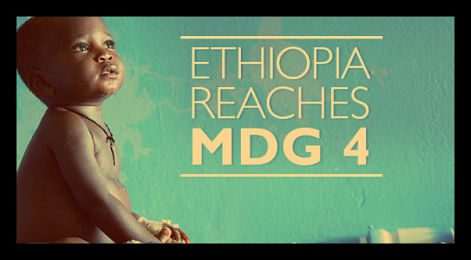
Ethiopia Slashes Child Mortality Rate, Meets MDG

Ethiopia MDG UN Child Mortality Reduction (2)
It seems that time and time again, all we hear regarding the Millennium Development Goals (MDGs) is how so many countries may not meet them by 2015. Poverty rates in Country A are actually rising. The illiteracy rate in Country B is unfortunately stagnant. The international community isn’t doing enough to make certain goals achievable.

But for some developing nations, there is a light at the end of the tunnel. For these nations, reaching the MDGs may not be too far away. In some cases, it has already been achieved. The East African nation of Ethiopia is one country that has succeeded.

As a country that used to make headlines for heart-wrenching stories of hunger and famine, Ethiopia is quickly making itself a leader in the development of African nations, and it is only beginning with its commitment to the reduction of the child mortality rate.

According to a recent report funded by UNICEF, the World Health Organization (WHO), and the World Bank, Ethiopia has recently become one of the handful of developing countries to succeed in cutting its mortality rate for children under the age of five years prior to the 2015 cutoff date. The data shows that Ethiopia has reduced child deaths by more than two thirds over the past two decades, taking the rate from 204 children in every 1,000 births that died before reaching the age of five to 68 per 1000 births.

Ethiopia’s progress in this area can be attributed to the government’s commitment to achieving the MDGs as well as its fervent allocation of resources towards healthcare programs. Poverty and fertility rates are down, and the number of children enrolled in school has doubled. The progress is not solely limited to urban areas, but rural and remote parts of the country are seeing a decrease in child mortality rates as well.

Ethiopia’s Minister off Health, Dr. Kesetebirhan Admasu, credits the country’s progress to a mixture of government policies as well as the UNICEF-trained and supported 38,000 community health workers the Government brought in and placed throughout 15,000 health posts all across Ethiopia. Dr. Kesete believes the community health workers have led the way to achieving major reductions in child and maternal mortality. He also alluded to how much of an impact an involved government and community can make on a poor country.

“With commitments of governments and the community, it is really possible to make a difference and to save the lives of millions of children and mothers across Africa,” Kesete said.

Dr. Peter Salama, UNICEF country representative for Ethiopia, agreed, praising the ongoing commitment that the Ethiopian government has had towards the development of the country. Salama added that the government-implemented programs will lead to a more sustainable Ethiopia, seeing as they are government-funded rather than donor-supported.

“The government has set some very bold and extremely ambitious targets. It has then backed them up with real resources and real commitment sustained over the last 10 years,” Salama said.

Ethiopia’s progress is a model for other African nations showing that success in reducing poverty and increasing development is possible. With Ethiopia as a leader, other African governments have come forward and pledged their commitments to increasing child survival in their respective nations, as well as taking control of their countries’ development rather than leaving it to donors.

To this end, Ethiopian leaders have been working on developing country-led roadmaps that incorporate potential policies to end preventable deaths among children under five by 2035, as well as decrease the mortality rate for children under five to under 20 for every 1000 births in all African countries.

– Elisha-Kim Desmangles
Feature Writer

Sources: The Guardian, UNICEF
Photo: USAID

October 1, 2013
https://borgenproject.org/wp-content/uploads/borgen-project-logo.svg 0 0 Borgen Project https://borgenproject.org/wp-content/uploads/borgen-project-logo.svg Borgen Project2013-10-01 06:08:312024-05-25 00:21:04Ethiopia Slashes Child Mortality Rate, Meets MDG
Children

LifeSpring: Bringing Hope and Health to Indian Mothers and Newborns

LifeSpring
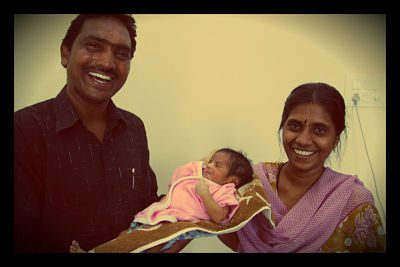
Considering that the reduction of the child mortality rate is one of the Millennium Development Goals (MDGs), it seems that with recent awareness towards public health concerns in India growing, this goal may actually become a reality in the country. India boasts the highest child mortality rate in the world, as well as the highest rate of maternal deaths globally, with the latter standing at one death every 10 minutes. Because of this, Acumen Fund, a U.S. nonprofit organization, and Indian multi-product company HLL Lifecare Limited have teamed up to create LifeSpring, a network of maternity and child healthcare hospitals that provide maternal health services to lower-income Indian families at affordable prices. In April 2010, LifeSpring became the first chain of healthcare providers to join the Business Call to Action, a global leadership effort for companies with core business initiatives to commit to meeting the MDGs. LifeSpring specifically has committed to the fifth and least progressive MDG, which focuses on decreasing the maternal death rate by 75 percent. LifeSpring opened up their first hospital in 2005, just outside the southern Indian city of Hyderabad in Moula Ali, and since then has grown to become the largest chain of maternity hospitals in South India. The hospital chain boasts nine small hospitals throughout Hyderabad with plans to expand to 30 hospitals located in Delhi, Mumbai and Ahmedabad by 2017. Due to poor health, unsafe home births, and scarce access to quality healthcare, lower-income Indian women often face damaging risks during pregnancy. In fact, more than 100,000 pregnancy-related deaths occur annually in India. Most of these deaths are preventable if a sufficient and standardized level of care is given. However, finding quality healthcare in India can be difficult for poorer individuals. The free healthcare provided to pregnant women and newborns in public hospitals lacks efficiency, transparency, and quality services. For these reasons, many Indian women choose to deliver at private hospitals, but often have to take out loans to finance the delivery. LifeSpring has become a successful alternative to this double-edged sword that exists in the public health system in India. Using a market-based approach of keeping healthcare prices low by cutting costs on infrastructure and using midwives instead of doctors, LifeSpring has been able to provide quality and affordable services to expectant mothers and newborn babies in India. The small chain of hospitals actually offers lower-income mothers the same healthcare and delivery services found at private hospitals at rates 30 to 50 percent lower than market prices. In addition to caring for the mothers during their deliveries, LifeSpring also offers prenatal and postnatal healthcare services, along with offering free vaccinations to babies at its Moula Ali hospital. The organization also engages in community outreach programs in which outreach workers and nurses go door to door within LifeSpring communities and follow up with new mothers and their newborns. – Elisha-Kim Desmangles Sources: LifeSpring, UNDP, India Today, Acumen, Forbes India Photo: Acumen

August 30, 2013
https://borgenproject.org/wp-content/uploads/borgen-project-logo.svg 0 0 Borgen Project https://borgenproject.org/wp-content/uploads/borgen-project-logo.svg Borgen Project2013-08-30 06:58:192024-05-25 00:20:04LifeSpring: Bringing Hope and Health to Indian Mothers and Newborns
Children, Education, Human Rights

Child Labor in Europe Still Exists?

Rope isolated on white background
Many people today think that child labor in Europe must not exist anymore. For such a developed area of the world, dependency on children for work seems both outdated and absurd. However in reality, child labor still maintains a hold in Europe.

According to UNESCO, 29% of children from age 7 to 14 in the country Georgia are working. Similarly, in Albania, 19% of children of that age group work. Additionally, an estimated 1 million children are laborers in Russia. Even in Italy, 5.2% of children under the age of 16 are working. There are still millions of other unreported cases of child labor across the continent.

Many of these working children in Europe work highly dangerous jobs in agriculture, construction, or small factories. In Bulgaria, child labor is fairly common in the tobacco industry, some children working up to 10 hours a day. Reports from Moldova also reveal that school directors and agricultural farm cooperatives often sign contracts that require students to work for the harvest. Reports of long hours and hard work also come from children in Portugal and even the U.K.

Work in these industries often involves use of hazardous machinery and equipment, extremely heavy loads and dangerous chemicals. Moreover, like all working children across the world, such hard labor puts each of Europe’s working children in positions of abuse and exploitation. Particularly at risk are accompanied children of migrants from developing countries.

There is speculation that austerity policies in Europe have devastated living standards so much that child labor has returned in greater force. Countries badly affected by this economic downturn and austerity include Greece, Italy, and Portugal, amongst many others. A recent article in the French Newspaper Le Monde highlights the rise of child labor in Europe. The article uses an example of how thousands of children in the Italian region of Naples have quit school to find jobs in order to feed families. It cites reports from a local government that suggested that 54,000 children left education in the year between 2005 and 2009. Of these children, 38% were less than 13 years old.

The case of these Italian children leaving school points out the desperate plight of children affected by high rates of unemployment and economic difficulty. With austerity has come decreased access to welfare benefits for the poor. Thus children in poverty are required to work harder and at a younger age to support families. Moreover, child labor is not simply an Italian question. Child labor is a problem is that all of Europe must face in the advent of economic crises. Moreover, it is a cyclical problem.

The more children work at a younger age, the more unlikely that it is that they return to education systems, perpetuating the cycle of poverty. Child labor is real and it thrives even in the most unlikely places of Europe. Most importantly, it is an issue worth addressing by both governments and individuals alike.

– Grace Zhao

Sources: World Socialist Web Site, Human Rights Comment


Facts about Child Labor


August 29, 2013
https://borgenproject.org/wp-content/uploads/borgen-project-logo.svg 0 0 Borgen Project https://borgenproject.org/wp-content/uploads/borgen-project-logo.svg Borgen Project2013-08-29 19:45:502020-07-09 21:05:06Child Labor in Europe Still Exists?
Children, Food & Hunger, Health

Prenatal Sprinkles Offer Easy Solution to Malnourishment

Sprinkles_Prenatal_Health
According to the Hunger Project, a non-profit organization that works to end global hunger, “malnutrition occurs when the variety or quality of food is insufficient to support proper development and health.”

Roughly 15 percent of babies born in developing countries are of low birth weight due to maternal malnutrition, and even those born at a healthy weight are at risk for malnutrition due to insufficient breastfeeding. Malnutrition causes one-third of global child deaths, perpetuated as undernourished women give birth in low-resource settings.

When a malnourished woman gives birth to a low-birth weight baby that has already been affected by her mother’s malnourishment, the child will suffer from a compromised immune system and will most likely stay malnourished, even when she reaches reproductive age. Her child, too, will be born malnourished, and the cycle of malnourishment will continue.

Seeking to break the cycle of malnourishment, the Hospital for Sick Children in Toronto, Canada is developing a daily microencapsulated micronutrient powder through its affiliate SickKids.

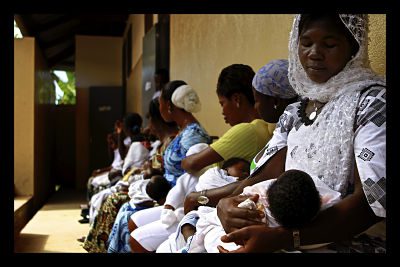
Called “Prenatal Sprinkles,” this powder contains iron, folic acid and calcium. Pregnant and lactating women in poor areas can simply sprinkle their food with this supplement in order to combat malnutrition.

Prenatal Sprinkles will help to combat anemia during pregnancy, which often leads to premature birth, and preeclampsia associated with hypertension, which often causes maternal and fetal death.

Prenatal Sprinkles can potentially lower maternal hypertensive disease related mortality by 20 percent and preterm birth by 24 percent. Previously, supplements could not contain both iron and calcium due to poor absorption, but Prenatal Sprinkles contain differential time-release nutrients that increase iron and calcium absorption and prevent calcium-iron interaction. They also have a smooth texture and a pleasant flavor, making them palatable for malnourished women.

The Hospital for Sick Children is partnering with companies in the private sector in order to finance the production of Prenatal Sprinkles, but the projected cost of mass production is very low for the supplement.

Though Prenatal Sprinkles are not yet in wide circulation, they offer a simple and cost effective solution to malnutrition, a problem that cannot be solved by food aid alone.

– Katie Bandera

Sources: Sprinkles (R) 60mg Fe for Pregnant and Lactating Women, Issues: Malnutrition
Photo: Girls’ Globe

August 19, 2013
https://borgenproject.org/wp-content/uploads/borgen-project-logo.svg 0 0 Borgen Project https://borgenproject.org/wp-content/uploads/borgen-project-logo.svg Borgen Project2013-08-19 04:24:032024-05-25 00:17:53Prenatal Sprinkles Offer Easy Solution to Malnourishment
Children

What is Comic Relief?

Comic_Relief_UK
Laughter is fr universal language, and comedy is a much broader medium, than given credit for. Laughing is disarming, warm, enjoyable, and can help unite people. It isn’t a stretch to imagine that comedy can also connect and rally people to fight intractable problems. Humor can indeed be a powerful weapon against the scourge of something like global poverty and the absences of technology and education in communities. This is the very idea behind Comic Relief, an organization operating in the United Kingdom and abroad that stands up to poverty.

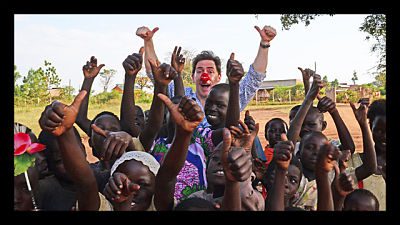
Existing officially as both a company and charity in the UK, Comic Relief began in 1985 during Christmas season at a Sudanese refugee camp. Renowned and well-meaning British comedians hoped to raise awareness of the Sudanese plight and the Ethiopian famine going on. The success of that first event spawned more live comedic appearances in Sudan and gave way to Red Nose Day in 1988, which brought much needed attention and money to the region that went directly to relief. Since that time, Comic Relief has grown in size and scope, spreading laughter and awareness of numerous other initiatives.

One of those other initiatives is Send My Friend to School (https://www.sendmyfriend.org/), a nonprofit movement in the UK working to make the Millennium Development Goal of education for all children a reality by 2015. A member of the Global Campaign for Education (GCE), the initiative boasts UK membership of over 10,000 schools and youth groups. Another initiative Comic Relief supports is the intrepid See Africa Differently (https://www.seeafricadifferently.com/) campaign, aimed at changing the world’s perception of the continent and sharing stories of real people there that aren’t covered in major news. For example, the London art scene has recently been enthralled with the works of West African artists.

A very personal and striking account of Comic Relief in action is the story of teen sisters Hazel and Hiayisani in Tembisa, South Africa. Orphaned after their mother’s sudden illness and death, older sister Hazel was now in the position of caring for herself and her sister. Poor and completely exposed to the worst of society, they were at risk of being split up by Social Services, falling into a life of crime or the world of sexual slavery. However, after finding the Bishop Simeon Trust, a Comic Relief partner in Tembisa, the girls were able to join other orphans. They now receive a stipend and care packages from the trust to live on, free education, and enjoy time at the Bishop Simeon facility with other teenagers.

Comic Relief is best known for its initial and ongoing fundraiser, Red Nose Day. Happening every few years, this international event is celebrated mainly in the UK and Africa. For those who participate, the objective is to put on a red nose and be ridiculous. Proceeds from the event go directly to initiatives like the ones mentioned above, aimed at education and the changing of negative international typecasts.

Comic Relief has shown that maybe laughter is the best medicine for social ails.

– David Smith
Sources: Comic Relief –History, Send My Friend –About, West African Art Pops Up in London, Comic Relief –Hazel and Hiayisani, Africa, Red Nose Day –What Is It?
Photo: BBC


August 18, 2013
https://borgenproject.org/wp-content/uploads/borgen-project-logo.svg 0 0 Borgen Project https://borgenproject.org/wp-content/uploads/borgen-project-logo.svg Borgen Project2013-08-18 05:02:242018-06-06 11:14:58What is Comic Relief?
Children, Women and Female Empowerment

Women’s Disempowerment in Yemen

nada_opt
In Yemen, the custom of early marriage just met a vocal challenger.

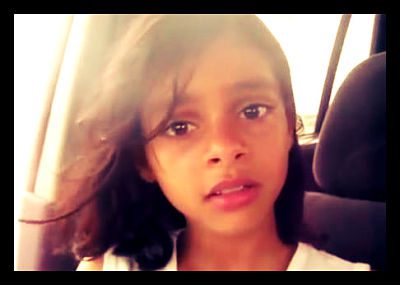
Going viral last week was a video of 11-year-old Nada al-Ahdal ranting about her parents’ decision to forcibly marry her off to a much older man. “What have the children done wrong? Why do you marry them off like that?” she asks the camera. Her powerful words have touched a delicate nerve amongst Yemenis, some of whom have upheld and continue to practice the custom of early marriange for generations. According to a 2006 joint report by the Ministry of Public Health and Population, the Pan-Arab Project for Family Health and UNICEF, this tradition is still widely practiced: 52% of Yemeni women and girls are married by the time they turn 18.

The recent video highlights Yemen’s history of early marriage laws and the government’s and society’s unwillingness to modernize conceptions of marriage. In 1994, the official age for lawful marriage stood at 15. Five years later, the law was abolished on religious grounds, eliminating a minimum age for early marriage. A brief legislative effort in 2009 to amend the situation was ultimately stalled and aborted, despite that fact that Yemen is party to multiple international treaties that require married couples to be at least 18 years old. Overall, the issue remains to be addressed, leaving countless children susceptible to premature marriage and the social and economic disadvantages that come with it.

Interviews with Yemeni girls and women reveal troubling facts. In rural areas, some girls were married off at the age of 8. Once married, women often have little power in their marriages which can also mean they have limited control over the timing and spacing of children, which increases the risk of reproductive health problems. Early marriage also diminishes the chance that wives will return to school to complete their education, putting them at a distinct social and economic disadvantage. Verbal and physical abuse against women is also prevalent in early marriages in Yemen.

In some ways, Nada al-Ahdal’s words do not just refute the practice of robbing girls of their childhood and sexual purity; they also underline the crucial “cycle of poverty and early marriage” that plagues tens of millions of women around the world. Poverty and early marriage tend to be mutually reinforcing phenomena: girls born into poverty are more likely to have mothers who ‘transmit intergenerational poverty’ and lack social assets and networks. In addition, early marriages greatly increase the chance that young girls will live in poverty. The cycle, parallel to the strong customary tradition of early marriage most prevalent in rural areas, reinforces young women’s roles as undereducated child-bearers with limited social networks.

Nada al-Ahdal eloquently defends her decision to flee from arranged marriage. But behind her words lies Yemen’s ugly reality of women’s disempowerment and its central role in the country’s greater puzzle of poverty reduction and economic growth. As one of the poorest nations on earth and a hotbed of terrorist activity, poverty in Yemen has resulted in a globally destabilizing situation. Instituting a minimum age for marriage could be a key policy for addressing women’s inequality and poverty. In doing so, Yemen would have a more solid foundation for development and more human capital to support its economy.

– Zach Crawford

Sources: BBC, Multiple Indicator Cluster Survey (MICS), Human Rights Watch, Save the Children’s “Champions for Children” report, Washington Post
Photo: Washington Post

August 9, 2013
https://borgenproject.org/wp-content/uploads/borgen-project-logo.svg 0 0 Borgen Project https://borgenproject.org/wp-content/uploads/borgen-project-logo.svg Borgen Project2013-08-09 05:28:092024-12-13 17:49:38Women’s Disempowerment in Yemen
Children, Global Poverty

Landfill Harmonic: A Recycled Orchestra

orchestra_opt
‘The world sends us garbage. We send back music,” said Favio Chávez, the conductor of the Landfill Harmonic Orchestra.

The Cateura Dump, in the Bañado Sur area along the Paraguay River, is surrounded by seven neighborhoods. 2,500 families live in these neighborhoods, and the majority rely on the landfill to survive, sorting through the 1,500 tons of waste delivered daily and reusing whatever can be found. Poverty has forced many children to work with their families instead of attending school, resulting in inadequate education and a low level of literacy. The area also faces frequent flooding, as well as problems with sanitation and clean drinking water. It is from these troubled beginnings that the Landfill Harmonic originated.

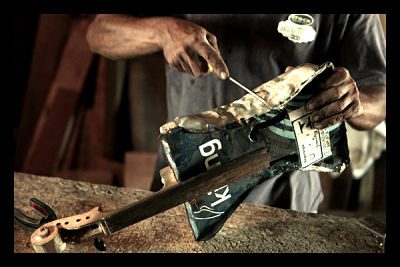
Whilst working in the area, Favio Chávez, an ecological technician decided to teach music to some of the children. Chávez had previously trained as a musician and initially used his own instruments to give lessons. But he soon had too many students and not enough instruments. It was then that the idea to create instruments from recycled materials first struck him. The result was “Los Reciclados” (the Recycled Orchestra) was born using oil cans and scavenged wood, forks and kitchen utensils to create orchestral instruments.

Since its beginnings, the Recycled Orchestra has toured the world, performing in Argentina, Brazil, and Germany, and will be the subject of an upcoming documentary, “Landfill Harmonic.” And while the orchestra may have been created to “educate the world and raise awareness,” as Chávez says, the profound impact on individual lives is very apparent. Chavez continues, “…even though these students are in extreme poverty, they can also contribute to society. They deserve an opportunity.”

One of the orchestral members stated, “My life would be worthless without music.” For children living in poverty, and in an environment where the potential for education and advancement is slim, being given the opportunity to study music and travel the world can be invaluable.

“People realize that we shouldn’t throw away trash carelessly,” Chávez says. “Well, we shouldn’t throw away people either.”

– David Wilson 

Sources: Time, Notes on the Road, UNICEF
Photo: MSNBC Media

August 7, 2013
https://borgenproject.org/wp-content/uploads/borgen-project-logo.svg 0 0 Borgen Project https://borgenproject.org/wp-content/uploads/borgen-project-logo.svg Borgen Project2013-08-07 04:06:162024-05-25 00:15:16Landfill Harmonic: A Recycled Orchestra
Children, Global Poverty

South Sudan Focuses on Reducing Youth Poverty

south_sudan_poverty
The issue of poverty in South Sudan is very complex, however, the organization Plan International is adamant that a key component to poverty reduction is concentrating on decreasing poverty among young people in the country. A 2009 Southern Sudan Household Survey disclosed that 50.6% of the population survives on less than $2 a day. In addition to income limitations, poverty also brings a lack of healthcare, food, sanitation, and clean water.

In order to improve these conditions, Nigal Champman, the Chief Executive Director of Plan International, suggests focusing on children as a financially small investment. He explained, “We all know that young people can play an important role in national development if provided with the right tools, the learning and capacity to employ those tools, and a supportive environment in which to use them.” However, these children can just as easily continue to live in the poverty cycle if they are not provided with education, healthcare or proper nutrition.

The organization has invested $30 million in South Sudan since 2006 and is planning on providing another $30 million in the next three years. Plan International will utilize this money by working with government officials to implement policies meant to keep children in school. Other ways Plan International contributes to the reduction of poverty in South Sudan is through food and clean water distribution, supporting agricultural developments, peacekeeping programs, and providing access to health services.

In a country where 50% of the population is young children or adolescents, about 60% of the poor belong to this demographic. In addition to the previously mentioned disadvantages, these young people also struggle because many are orphans of parents who have AIDS or victims of conflict or child labor. While South Sudan may be a convoluted situation, organizations like Plan International are working to ensure that poverty is a thing of the past by investing in children, who are our future.

– Mary Penn

Sources: All Africa, Youth Policy
Photo: Doctors without Borders

August 6, 2013
https://borgenproject.org/wp-content/uploads/borgen-project-logo.svg 0 0 Borgen Project https://borgenproject.org/wp-content/uploads/borgen-project-logo.svg Borgen Project2013-08-06 13:12:272024-05-25 00:15:18South Sudan Focuses on Reducing Youth Poverty
Children, Developing Countries, Development, Nonprofit Organizations and NGOs

Spotlight on INMED Partnerships For Children

children_opt
Youth around the world, primarily in Latin America, Southern Africa and the United States, have an ally with INMED Partnerships for Children. This organization is dedicated to helping children who have been devastated by “disease, hunger, abuse, neglect, violence or instability” and works with them to build a healthy and successful future. Rather than simply focusing on curing immediate threats to children, although INMED does that too, the group is adamant about treating the root causes of their struggles.

INMED transforms the lives of children in harmful environments by developing programs to target the specific needs of villages, regions, or entire countries. These programs include Health and Nutrition, Education and Skills Building, Adaptive Agriculture and Aquaponics, Youth Development, and Family Services. All of these programs create an opportunity for youth to change their lives for the better.

Children are not the only ones affected by INMED’s development programs. As children begin to change many aspects of their lives, these changes carry over to their families and communities. As these changes become dominant in communities, more and more people are lifted out of poverty and have the opportunity to create a better life. INMED calls for “sustainable change that crosses generations,” not just helping a few children for a brief amount of time.

The numerous success stories of INMED Partnership for Children show that this organization is making a difference in the world. By focusing on “long-term opportunities for children’s success in life” and community outreach, INMED is doing what all similar organizations should be striving towards: improving the future of impoverished children. INMED’s programs will likely be implemented in communities long after the organization leaves, which is the key to true progress.

– Mary Penn

Sources: Guide Star, INMED Partnerships for Children
Photo: Hands for Latin America

August 6, 2013
https://borgenproject.org/wp-content/uploads/borgen-project-logo.svg 0 0 Borgen Project https://borgenproject.org/wp-content/uploads/borgen-project-logo.svg Borgen Project2013-08-06 05:23:152024-06-05 01:53:35Spotlight on INMED Partnerships For Children
Page 132 of 137«‹130131132133134›»

Get Smarter

  • Global Poverty 101
  • Global Poverty… The Good News
  • Global Poverty & U.S. Jobs
  • Global Poverty and National Security
  • Innovative Solutions to Poverty
  • Global Poverty & Aid FAQ’s
Search Search

Take Action

  • Call Congress
  • Email Congress
  • Donate
  • 30 Ways to Help
  • Volunteer Ops
  • Internships
  • Courses & Certificates
  • The Podcast
Borgen Project

“The Borgen Project is an incredible nonprofit organization that is addressing poverty and hunger and working towards ending them.”

-The Huffington Post

Inside The Borgen Project

  • Contact
  • About
  • Financials
  • President
  • Board of Directors
  • Board of Advisors

International Links

  • UK Email Parliament
  • UK Donate
  • Canada Email Parliament

Get Smarter

  • Global Poverty 101
  • Global Poverty… The Good News
  • Global Poverty & U.S. Jobs
  • Global Poverty and National Security
  • Innovative Solutions to Poverty
  • Global Poverty & Aid FAQ’s

Ways to Help

  • Call Congress
  • Email Congress
  • Donate
  • 30 Ways to Help
  • Volunteer Ops
  • Internships
  • Courses & Certificates
  • The Podcast
Scroll to top Scroll to top Scroll to top