• Link to X
  • Link to Facebook
  • Link to Instagram
  • Link to TikTok
  • Link to Youtube
  • About
    • About Us
      • President
      • Board of Directors
      • Board of Advisors
      • Financials
      • Our Methodology
      • Success Tracker
      • Contact
  • Act Now
    • 30 Ways to Help
      • Email Congress
      • Call Congress
      • Volunteer
      • Courses & Certificates
      • Be a Donor
    • Internships
      • In-Office Internships
      • Remote Internships
    • Legislation
      • Politics 101
  • The Blog
  • The Podcast
  • Magazine
  • Donate
  • Click to open the search input field Click to open the search input field Search
  • Menu Menu

Archive for category: Children

Information and stories addressing children.

Children, Development, Extreme Poverty, Health, Sanitation

Slums, Sanitation and Misery

Slums, Sanitation and Misery

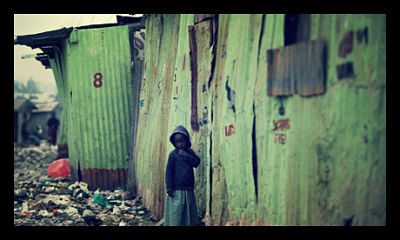
For the people living in the Korogocho slums in Nairobi, Kenya, life can be a constant struggle. The threat of disease and unclean drinking water looms in the minds of those who have no other options but to live in areas with broken sewage pipes and “flying toilets.” These unsanitary conditions put the people in Korogocho at risk for health problems and leave them vulnerable to exploitative water companies.

The typical day for someone living in the slums may involve the use of a flying toilet, a plastic bag used to dispose of human waste. While there are some pay-toilets, most people cannot afford the money to use one. As a result, these plastic bags can be found discarded in the streets of the slums among the broken sewer lines.

As the population in Nairobi grows, more slums are popping up. In Kenya, the number of people without access to toilets has risen to 20%. Access to piped water is even lower in urban areas, 38.4% (and 13.4% of the rural population). These numbers are likely to mimic the sanitation circumstances in Nairobi.

The health implications of unsanitary water systems are illnesses including malnutrition, diarrhea, cholera and typhoid fever. When water mixes with sewage, it creates a breeding ground for inimical viruses and germs. International health organizations and Kenya’s government are eager to improve sanitation in order to save lives. Currently, one in five African children dies from diarrhea before the age of five.

Simple ways to improve the sanitation system in Korogocho include mobile toilets, bucket removal, and dry composting toilets. However, even these solutions can result in human remains ending up in the Nairobi River. The Kenyan population is expected to increase by one million people every year, which will further exacerbate the struggling water and sanitation system. Until these problems are seriously addressed, Kenyans will continue to endure preventable illnesses.

– Mary Penn

Source: IRIN News
Photo: The Guardian

July 1, 2013
https://borgenproject.org/wp-content/uploads/borgen-project-logo.svg 0 0 Borgen Project https://borgenproject.org/wp-content/uploads/borgen-project-logo.svg Borgen Project2013-07-01 11:20:262020-07-12 20:50:34Slums, Sanitation and Misery
Children, Development, Education, Global Poverty

Birth Rates and Poverty in Niger

Birth Rates and Poverty in Niger
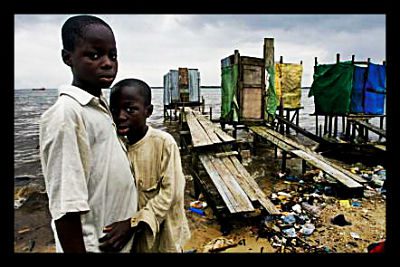
Niger is the seventh poorest country in the world. It is an example of the multitudinous effects of extreme poverty. With high political instability, high levels of gender inequality, high birth rates, high levels of malnutrition and ethnic conflict, attempts to lift Niger out of poverty have often failed because of the magnitude and multitude of problems to be faced.

The population of Niger works largely in fishing and farming. As a result, they are unusually susceptible to natural disasters and climate conditions. A 2005 drought that led to a massive food shortage had devastating effects on the people and the economy, with the IMF forgiving 100% of the nation’s debt, roughly $86 million USD. In 2010, famine wiped out many people and the country reported the outbreak of multiple diseases, with deaths due to diarrhea, starvation, gastroenteritis, malnutrition and respiratory diseases.

Education levels in Niger are among the lowest in the world, with many children unenrolled and children often forced to work instead of study. Nomadic children often do not have access to schools.

The high birth-rates in Niger are a problem, as they contribute to an expanding population whose families cannot support them. This is partly as a result of the belief that the greater the number of children one family has, the greater the chance that a family will be lifted out of poverty when one finds success.

– Farahnaz Mohammed
Source: Richest.org, DW.DE
Photo: Niger Delta Rising

June 27, 2013
https://borgenproject.org/wp-content/uploads/borgen-project-logo.svg 0 0 Borgen Project https://borgenproject.org/wp-content/uploads/borgen-project-logo.svg Borgen Project2013-06-27 06:47:152020-07-06 18:39:15Birth Rates and Poverty in Niger
Children, Global Poverty

Countries with High Rates of Child Poverty

Countries with High Rates of Child Poverty
3. Romania

After the fall of the Soviet Union in the early 1990s, Romania struggled economically. Farmers were especially vulnerable, and the impact of the USSR’s collapse is evident today in the status of Romania’s children. Children in rural areas are exceptionally poor, often not receiving the nutrition needed to maintain good health. This results in many physical problems that are left untreated. Many children in rural areas are also deprived of an education.

2. The United States
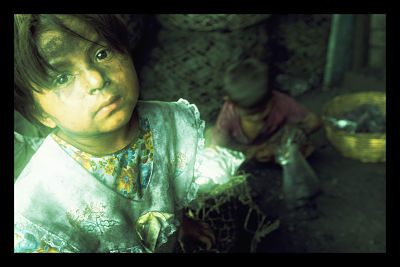
Yes, you read that correctly. The United States is second place among the developed countries of the world in the percentage of children below the poverty line. This shocking number is due to the stark income equality in America. UNICEF’s research reveals that American children are more likely to fall below the poverty line than children in any other developed country due to the growing wealth gap in the United States.

1. Bulgaria
The Southern European nation of Bulgaria is the developed nation with the highest child poverty rate in the world. Plagued by increasingly low wages and high utility prices, the children of Bulgaria are suffering in families that can no longer afford to put food on the table. The unemployment rate reached 10% in the last year, inciting a wave of protests that threaten the stability of the country. Several desperate Bulgarians, unable to feed their families, have resorted to self-immolation in dramatic protest to get the government to implement changes.

– Josh Forgét

Source: The World Bank, The Washington Post, The Economist
Photo: Press TV

June 26, 2013
https://borgenproject.org/wp-content/uploads/borgen-project-logo.svg 0 0 Borgen Project https://borgenproject.org/wp-content/uploads/borgen-project-logo.svg Borgen Project2013-06-26 04:05:272024-12-13 17:49:25Countries with High Rates of Child Poverty
Advocacy, Children, Global Poverty

Protecting Our Future: Save the Children

Save the Children
The dedicated workers of Save the Children have been affecting positive, lasting change in children’s lives for the past 81 years with no signs of slowing down. They partner with local governments and organizations in vulnerable communities to offer children support and protection from neglect, exploitation, violence, poverty, malnutrition, inferior medical care and education, and much more.

With offices spread across 120 countries, the organization has helped millions of children in Africa, Asia, America, the Middle East, Europe, Latin America, and the Caribbean. In 2012 alone, they helped more than 125 million children overcome obstacles including poverty, illiteracy, obesity, and abuse.

Save the Children focuses on the following key areas:

  • Child protection – Save the Children fosters child protection programs such as child trafficking awareness campaigns, and advocates for policy and services improvement to protect children affected by disasters, conflict, or development setting.
  • Newborn and child survival – Each year, close to 7 million children die before their 5th birthday. Save the Children works to prevent senseless deaths by training health workers to deliver inexpensive medical interventions.
  • Education – the organization coaches educators in effective teaching techniques, offer opportunities to continue education beyond the classroom, and ensures learning continues in times of crisis.
  • Emergency response – In times of natural disaster or civil conflict, the organization provides food, medical care, education, and support throughout the recovery process.
  • Health and nutrition – Save the Children works to make quality maternal and reproductive healthcare, newborn and child healthcare, nutrition education, adolescent sexual and reproductive healthcare, and emergency healthcare available to impoverished communities.
  • HIV/AIDS – the organization offers prevention education programs to stop the spread of AIDS beyond the 3.4 million children currently living with the disease. They also offer protection programs to children orphaned by the disease.
  • Hunger and livelihoods – its hunger and livelihood programs focus on increasing food supply, educating farmers to produce higher yields, teaching parents the benefits of a varied diet, and teaching children how to manage money and find work.

The organization is recognized by regulatory services as a leader among nonprofit organizations; The American Institute of Philanthropy (AIP) awarded it an A+ rating. The BBB Wise Giving Alliance has determined that Save the Children meets all of the standards for charity accountability. Charity Navigator awarded Save the Children their 11th consecutive overall 4 out of 4 stars rating in 2012. The Forbes 200 Largest U.S. Charities List rated the organization’s fundraising efficiency at 92%, and their charitable commitment at 91%. Great Nonprofits named them the recipient of a 2012 Top-Rated Award. And America’s Greatest Brands featured Save the Children as one of the strongest and most trusted humanitarian relief and development philanthropies.

The amazing work being done by Save the Children can be multiplied even further by charitable contributions to their Global Action Fund. To make a donation, please visit the Global Action Fund webpage.

– Dana Johnson

Source: Save the Children, Global Action Fund

June 22, 2013
https://borgenproject.org/wp-content/uploads/borgen-project-logo.svg 0 0 Borgen Project https://borgenproject.org/wp-content/uploads/borgen-project-logo.svg Borgen Project2013-06-22 05:30:452024-06-05 01:53:31Protecting Our Future: Save the Children
Children, Education

Adopt an ECD

Adopt an ECD
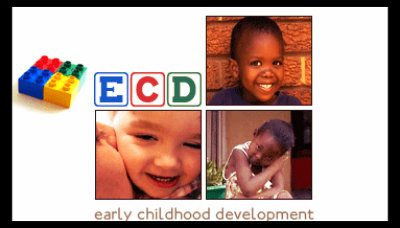
Early childhood development (ECD) is an aspect of life that kids in Africa can’t afford to take for granted. Only 43% of children under five in South Africa have access to these crucial programs either at home or in a specialized center. Exposing children to ECD programs is an important factor in their ability to grow into intelligent adults, and also plays a crucial role in lifting them out of poverty.

To change the vicious cycle of poverty, the National Development Agency is launching the Adopt an ECD campaign to allow more kids the chance to participate in early childhood development programs. The most prevalent reason children do not have access to these programs is because their families simply cannot afford them. And without early childhood development programs, most kids will grow up without the education and skills necessary to raise themselves out of poverty, thus continuing the cycle.

The Adopt an ECD campaign allows individuals and organizations to donate money, supplies, or work hours to help create more accessible programs for kids. The donations will go toward building new schools and daycare centers, buying school supplies, or renovating buildings to be more child-friendly. When individuals and businesses help contribute to the campaign, they are not only helping educate children, they’re also helping end global poverty.

– Katie Brockman

Source: Mail & Guardian
Photo: World Vision

June 22, 2013
https://borgenproject.org/wp-content/uploads/borgen-project-logo.svg 0 0 Borgen Project https://borgenproject.org/wp-content/uploads/borgen-project-logo.svg Borgen Project2013-06-22 05:00:582024-05-24 23:56:05Adopt an ECD
Children

30 Best Places To Be A Mother

Mother
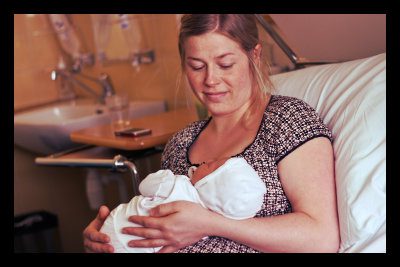
Not all countries are created equally when it comes to raising children. While some countries have better opportunities for their mothers and children, including education, day care services, and early childhood development programs, others do not have proper healthcare or other resources to help keep mothers and babies healthy.

Each year, Save the Children releases the Mothers’ Index as part of their State of the World’s Mothers report. To determine the best places to be a mother, the study examines nations to judge how well their mothers and babies are cared for based on five areas: maternal health, children’s well-being, educational status, economic status, and political status.

Here are the organization’s results of the top 30 countries to be a mother:

30. United States
29. Luxembourg
28. Poland
27. Lithuania
26. Belarus
25. Israel
24. Czech Republic
23. United Kingdom
22. Canada
21. Estonia
20. Ireland
19. Greece
18. New Zealand
17. Italy
16. France
15. Singapore
14. Slovenia
13. Portugal
12. Switzerland
11. Austria
10. Australia
9. Germany
8. Belgium
7. Spain
6. Denmark
5. Netherlands
4. Iceland
3. Norway
2. Sweden
1. Finland

Many of these countries met all five standards set by Save the Children, with high expectations for the children’s school career, outstanding medical and health care for new and expecting mothers, a high per capita income level, and many job opportunities for mothers and women, particularly in leadership roles and in the government.

– Katie Brockman

Source: Huffington Post

June 19, 2013
https://borgenproject.org/wp-content/uploads/borgen-project-logo.svg 0 0 Borgen Project https://borgenproject.org/wp-content/uploads/borgen-project-logo.svg Borgen Project2013-06-19 04:21:482017-12-12 11:31:4230 Best Places To Be A Mother
Advocacy, Children, Developing Countries, Food & Hunger

Nutrition for Growth Summit Combats Hunger

malnutrition
United Nations officials met with key country leaders at the Nutrition for Growth summit held in London last week to discuss pledged funds and political agreements in the fight against global hunger.  Millions of infants and pregnant women are at risk for stunting and deaths from malnutrition; the Nutrition for Growth summit was a key step in securing hope and help in the fight against malnutrition. UN Secretary-General Ban Ki-moon sent a video message confirming the organization’s commitment to ending hunger and malnutrition in all forms worldwide.

One in four children will grow up stunted by chronic malnutrition. In today’s world, this number must be reversed. There is no reason for children to suffer from malnutrition. Commitments of funds and political support will help millions of children and boost the economies of some of the world’s most vulnerable countries. The UN is committed to do whatever it takes to see the goals reached and hunger ended.

The Nutrition for Growth summit brought together leaders from governments, the private, and non-profit sector. It was hosted by the governments from Brazil and the United Kingdom as well as the Children’s Investment Fund Foundation (CIFF). The event resulted in renewed commitments to continue to fight stunting and malnutrition worldwide. Funds pledged at the event exceeded $4 billion.

Stunting in children robs them of their health and their ability to grow up to be productive, contributing citizens. The summit focused on eliminating that prognosis for children. UNICEF also strengthened its desire to invest in fighting malnutrition and to continue to support programs working in over 65 countries to combat malnutrition.

Also signed at the summit was the Global Nutrition for Growth Compact which formalizes commitments to make nutrition a top political and socio-economic priority for donors and countries. It will focus on scientific knowledge, innovation to nutrition, and transparency and monitoring of results. Strong nutrition is key for individuals, nations, and economies to grow and become successful and the Nutrition for Growth summit is another step towards the elimination of global hunger and malnutrition.

– Amanda Kloeppel

Source: UN News Centre

June 18, 2013
https://borgenproject.org/wp-content/uploads/borgen-project-logo.svg 0 0 Borgen Project https://borgenproject.org/wp-content/uploads/borgen-project-logo.svg Borgen Project2013-06-18 07:19:072024-06-10 03:29:02Nutrition for Growth Summit Combats Hunger
Advocacy, Children, Women and Female Empowerment

Four Steps to Ending Child Marriage

end-child-marriage

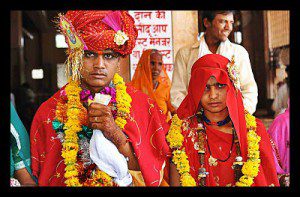
Ending the practice of child marriage is an important step in eradicating global poverty and improving global health. Countries that have a high rate of documented child marriages also rank high in infant and maternal mortality as well as perpetual poverty. Here are some key steps to ending the practice:

  1. Transform cultural norms; In many places, child marriages are considered acceptable no matter the age or age difference between prospective spouses.
  2. Establish community-based programs; Often, the groups that are the most effective in combating such issues are already rooted in the affected communities. Such grassroots efforts, when combined with enforced national laws and policies that prohibit child marriage can greatly decrease them.
  3. Increase education; Girls who have access to education are less likely to marry early than those with minimal or no schooling. Even girls who are married, however, should be to encourage their education. This will help to make them more qualified for any economic opportunities that may come their way.
  4. Provide economic opportunity; Many girls enter into marriage at a young age because of the dowry given to their family by their prospective groom. Young women are also sometimes forced into marriage by their families when they can no longer afford to take care of them, or when it appears that the groom’s family will be able to better provide for her. Thus, practices such as micro-lending, savings clubs, and job placement programs can provide other options.

– Samantha Mauney

Source: ICRW
Photo: Sulekha

June 17, 2013
https://borgenproject.org/wp-content/uploads/borgen-project-logo.svg 0 0 Borgen Project https://borgenproject.org/wp-content/uploads/borgen-project-logo.svg Borgen Project2013-06-17 08:40:092021-06-21 17:26:11Four Steps to Ending Child Marriage
Aid Effectiveness & Reform, Children, Global Poverty, Health, Women and Female Empowerment

Kenyan Girls Protected from Cervical Cancer

kenya_girls_students_smiling_cervical_cancer_opt
Every year, approximately 275,000 women lose their lives to cervical cancer. The vast majority of these women live in developing countries where it is difficult to access the necessary healthcare, and where the ability to screen, diagnose and treat the life-threatening cancer is rarely available. However, the fight against cervical cancer in developing countries received an unprecedented boost when the GAVI Alliance announced recently that it had guaranteed a record low price of $4.50 per dose for the human papillomavirus (HPV) vaccines.

For the first time, the GAVI Alliance will make the vaccination available to girls of a school age on a widespread scale, and at an affordable price. The GAVI Alliance has already begun their vaccination program in Kenya where cervical cancer is responsible for the deaths of more Kenyan women than any other cancer. In the past, most of the HPV vaccine programs have only been available in richer countries despite the fact that the need for these programs has always existed in developing countries. Dr. Seth Berkley, CEO of the GAVI Alliance, said that through their partnership with WHO and UNICEF, their support for HPV vaccines is “bridging the gap between rich and poor countries, enabling HPV vaccines to reach girls no matter where they live.”

The vaccine is distributed in three doses, and since Kenya has high enrollment rates among girls, schools will become the main centers for the HPV vaccines. With the support of community health workers, the treatment will also be available to girls who are unable to attend school, and who are often at higher risk of contracting the disease.

Seven other sub-Saharan countries will also receive support from the GAVI Alliance in the near future; Ghana, Lao PDR, Madagascar, Malawi, Niger, Sierra Leone and Tanzania. The GAVI Alliance estimates that by 2020, it will have immunized more than 30 million girls in 40 countries. In these countries, where access to diagnosis and treatment is seldom available, providing a preventative vaccine is the clearly preferred option. This news provides hope to millions of girls and women in developing countries who remain at risk of contracting cervical cancer.

– Chloe Isacke
Source: GAVI Alliance,Impatient Optimists
Photo: WUSC

June 13, 2013
https://borgenproject.org/wp-content/uploads/borgen-project-logo.svg 0 0 Borgen Project https://borgenproject.org/wp-content/uploads/borgen-project-logo.svg Borgen Project2013-06-13 04:00:092024-06-05 01:53:31Kenyan Girls Protected from Cervical Cancer
Advocacy, Aid Effectiveness & Reform, Children, Developing Countries

Middle School Students Fight Global Hunger

francisstudents
Middle school can be an unforgiving time for young people, but one group of students at St. Francis Episcopal Day School in Texas are using their middle school years to fight global hunger. Under the direction of faculty Debbie Harris, the St. Francis Wolves Against Hunger are making a global difference. The group consists of 7 eighth grade students. They participated in the World Hunger Leadership Challenge, an initiative founded by Lead2Feed with the purpose of promoting leadership among middle school students in the fight against world hunger.  It is important to develop future leaders and foster a spirit of giving back to the community especially during the tough middle school years.

The St. Francis Episcopal Day School was awarded a $25,000 check from the Yum! Brand Foundation for the work the Wolves Against Hunger did in the World Hunger Leadership Challenge.  More than 300,000 students participated from over 1,500 schools and the Yum! Foundation provided close to $250,000 in prize money grants to 140 schools. The grants will support US public charities engaged in hunger relief. The recognition ceremony was shared with another student group located in Utaar Pradesh, India. The students from St. Francis have been in close contact with the students from K.L. International (KLI) in Utaar Pradesh over the last two semesters.  The St. Francis students packed 5,100 sack lunches, collected more than 6,500 cans of food, and packed boxes at a local food back. The KLI students volunteered time at a local orphanage run by Mother Teresa Missionaries of Charity as well as created Project 365 in which at least one hungry person is fed every day of the year.

Harris had heard about the World Hunger Leadership Challenge and entered her students in the hopes of gaining them some recognition for all their hard work. She noted the students participated in events on the weekends in addition to school activities. The program began when Harris organized a campaign for World Water Day in 2012 and came in contact with Jasdeep Lamba, whose father-in-law runs KLI School. They worked together to get a Skype discussion scheduled between the students and faculty of the two schools. The next school year, they arranged for six Skype forums to be held. The forums gave the US students a greater appreciation for hunger and poverty as well as motivated both groups of students to get more involved in their respective communities.

The award money won by St. Francis will be donated to Kids’ Meals Houston, a charity working to feed children under 5. The work done by the KLI students will benefit The Earth Saviours Foundation, a local charity in New Delhi, India.

– Amanda Kloeppel
Source: Indo American News

May 28, 2013
https://borgenproject.org/wp-content/uploads/borgen-project-logo.svg 0 0 Borgen Project https://borgenproject.org/wp-content/uploads/borgen-project-logo.svg Borgen Project2013-05-28 04:00:422024-05-24 23:42:50Middle School Students Fight Global Hunger
Page 135 of 137«‹133134135136137›»

Get Smarter

  • Global Poverty 101
  • Global Poverty… The Good News
  • Global Poverty & U.S. Jobs
  • Global Poverty and National Security
  • Innovative Solutions to Poverty
  • Global Poverty & Aid FAQ’s
Search Search

Take Action

  • Call Congress
  • Email Congress
  • Donate
  • 30 Ways to Help
  • Volunteer Ops
  • Internships
  • Courses & Certificates
  • The Podcast
Borgen Project

“The Borgen Project is an incredible nonprofit organization that is addressing poverty and hunger and working towards ending them.”

-The Huffington Post

Inside The Borgen Project

  • Contact
  • About
  • Financials
  • President
  • Board of Directors
  • Board of Advisors

International Links

  • UK Email Parliament
  • UK Donate
  • Canada Email Parliament

Get Smarter

  • Global Poverty 101
  • Global Poverty… The Good News
  • Global Poverty & U.S. Jobs
  • Global Poverty and National Security
  • Innovative Solutions to Poverty
  • Global Poverty & Aid FAQ’s

Ways to Help

  • Call Congress
  • Email Congress
  • Donate
  • 30 Ways to Help
  • Volunteer Ops
  • Internships
  • Courses & Certificates
  • The Podcast
Scroll to top Scroll to top Scroll to top