• Link to X
  • Link to Facebook
  • Link to Instagram
  • Link to TikTok
  • Link to Youtube
  • About
    • About Us
      • President
      • Board of Directors
      • Board of Advisors
      • Financials
      • Our Methodology
      • Success Tracker
      • Contact
  • Act Now
    • 30 Ways to Help
      • Email Congress
      • Call Congress
      • Volunteer
      • Courses & Certificates
      • Be a Donor
    • Internships
      • In-Office Internships
      • Remote Internships
    • Legislation
      • Politics 101
  • The Blog
  • The Podcast
  • Magazine
  • Donate
  • Click to open the search input field Click to open the search input field Search
  • Menu Menu

Archive for category: Aid

Advocacy, Aid, Global Poverty, Philanthropy

Hard Rock Philanthropy: Goals, Partnerships and Products

Hard Rock Philanthropy
Raising funds for philanthropic causes around the world has been a commitment that Hard Rock pursues through the use of mottos, which can be seen in all their locations and sales.

The recognized chain of theme restaurants contributes to various humanitarian and environmental causes through the sale of original and sometimes limited edition Hard Rock products.

With the motto “LOVE ALL – SERVE ALL,” Hard Rock has been using corporate philanthropy as a business strategy that allows the corporation to support global and local communities.

According to the Hard Rock website, the corporation has been advocating and supporting humanitarian and environmental causes since its first day in 1971. The company supports various philanthropic partners, each tied to different mottos based on the causes the partners focus on:

TAKE TIME TO BE KIND

These are Hard Rock’s philanthropic partners that focus on humanitarian and human rights causes:

American Indian Veterans Memorial, American Red Cross, Amnesty International, Bombay Teen Challenge, Breast Cancer Research Foundation, Caron Keating Foundation, St. Mary’s Healthcare System for Children, Children of Restaurant Employees (CORE), City of Joy, Crossroads Center, David Lynch Foundation, Fundacion Pies Descalzos, Global Angels, Habitat for Humanity, Holster Project, Hope North, Make A Wish Foundation, MPP HAITI, Music for Relief, Musicians on Call, Music Rising, Nordoff Robbins – UK, Pathfinder Academy, Pattanarak Foundation, Peace First, Roots & Shoots, The Mercury Phoenix Trust, The Nelson Mandela Children’s Hospital Trust, TJ Martell Foundation, Vicente Ferrer Foundation and WhyHunger.

SAVE THE PLANET

These partners focus on environmental causes such as habitat and animal protection:

Arbor Day Foundation, Farm Aid, Sustainable BioDiesel Alliance, Wildlife Conservation Society and Cotton Conservation Initiative (CCI).

ALL IS ONE

These are organizations in the entertainment industry that advocate for different causes:

GRAMMYs/National Academy of Recording Arts & Sciences, Grammy Museum, LATIN GRAMMYs/Latin Academy of Recording Arts & Sciences, Country Music Awards, MusicCares, Gibson Foundation, Rock & Roll Hall of Fame and Heard The World.

Hard Rock supports all of its partners by creating awareness, funding and by educating others about the different projects and causes for which their partners advocate.

Hard Rock also creates a variety of original products that are sold with a charitable purpose.

The company created the “Signature Series” t-shirt line as a way for artists to donate and do humanitarian labor by providing an original design to Hard Rock. These designs are printed on limited edition t-shirts and are sold in every Hard Rock location, as well as Hard Rock’s online shop.

Artists select charities from around the world and proceeds from their t-shirt sales are donated to those charities.

So far, Hard Rock has released 33 “Signature Series” t-shirts created by various artists including Imagine Dragons, Kiss, Linkin Park, U2, The Who, Bon Jovi, Shakira and Queen.

Current “Signature Series” t-shirts, as well as pins, bracelets and earbuds, are available in Hard Rock stores worldwide and online. The purchase of these items contributes to donations to different philanthropic causes.

Hard Rock Philanthropy is the humanitarian side of the Hard Rock company. With the use of mottos, products and partnerships with organizations and artists, Hard Rock is advocating to make the world a better place by loving and serving all.

– Diana Fernanda Leon

Sources: Hard Rock 1, Hard Rock 2, Hard Rock 3, Hard Rock 4, Hard Rock 5
Photo: La Republica Firenze

August 27, 2015
https://borgenproject.org/wp-content/uploads/borgen-project-logo.svg 0 0 Borgen Project https://borgenproject.org/wp-content/uploads/borgen-project-logo.svg Borgen Project2015-08-27 01:30:042020-04-22 15:00:52Hard Rock Philanthropy: Goals, Partnerships and Products
Aid, Global Poverty, United Nations

UNITAID: An Innovative Poverty Reduction Strategy

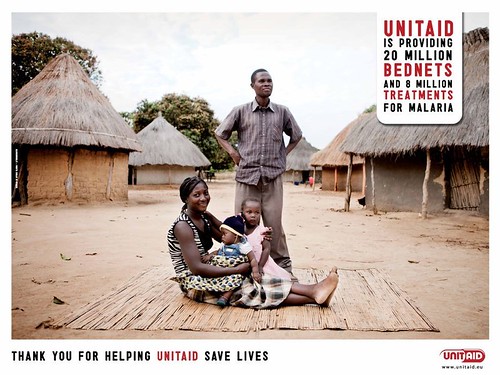
Poverty ReductionA global health organization is utilizing innovative financing to generate funding for international development. The organization, called UNITAID, is revolutionizing international development through charitable giving. Funds are currently being generated from a small surcharge added to the cost of flying out of France.
UNITAID is an organization that was originally conceived by French President Jacque Chirac and Brazilian President Lula. It is a World Health Organization global health initiative. Less than a decade ago, an airline levy was implemented through UNITAID, which adds between one and four euro to the cost of plane tickets.

Along with France, eleven other countries have adopted the new practice. In the short amount of time that the surcharge has been enacted, the levy has raised more than $2 billion. Over the course of only eight years, $2.5 billion has been raised, which is being used to improve international development in low-income countries.

More specifically, the money raised has improved access to treatments and diagnostics for HIV/AIDS, malaria and tuberculosis in less developed countries. For travelers, the small added cost is painless and relatively unnoticeable. The chairman of UNITAID, however, stresses the levy’s importance in the grand scheme of things.

Phillipe Douste-Blazy, the undersecretary-general of the United Nations, chairman of UNITAID, and mastermind behind the ticket surcharge program has stated, “With one euro, you can save children from malaria.” By breaking down the program’s significance into layman’s terms like this, he has painted the bigger picture for us.

The program’s ability to raise such a significant amount of funding in so little time has inspired Douste-Blazy to envision more potential fundraising solutions for other global crises. Namely, the funds could potentially be used to tackle the current migration crisis.

Douste-Blazy knows that disease and lack of health care options are two major factors that force migrants to seek refuge across international borders. An expansion of the current levy could bring dramatic improvements in the standards of living in migrants’ home countries.

A report released recently by the U.N.’s refugee agency revealed that most people fleeing to Europe by sea are attempting to escape conditions like war, persecution and other dangerous conflicts. Europe’s current response to deploying police and soldiers to intercept the migrants isn’t sustainable or cost-effective.

The biggest challenge of international development and poverty reduction strategies is funding. With countries facing significant debt and Greece – the number one recipient of overseas refugees – facing bankruptcy, money can no longer be appropriately allocated in traditional ways.

Douste-Blazy calls his proposed solution “painless solidarity contribution.” The process of taking small additional amounts of money out of existing financial transactions could bring money to the developing world that will not be missed anywhere else.

For the post-2015 agenda, UNITAID’s program offers an important lesson. Douste-Blazy explains, “As the needs are increasing, the money is decreasing, so we need to do something innovative.” Public engagement around the issue of poverty and international development is absolutely essential and can bring unprecedented results.

– Sarah Bernard

Sources: Huffington Post, Foreign Policy
Photo: Wikipedia

August 25, 2015
https://borgenproject.org/wp-content/uploads/borgen-project-logo.svg 0 0 Borgen Project https://borgenproject.org/wp-content/uploads/borgen-project-logo.svg Borgen Project2015-08-25 01:30:562020-04-22 17:28:57UNITAID: An Innovative Poverty Reduction Strategy
Aid, Global Poverty, Humanitarian Aid

World Humanitarian Day Celebrated August 19

World Humanitarian Day
On Aug. 19, 2003, the Baghdad headquarters of the United Nations were bombed and 22 aid workers were killed.

Aug. 19 has now been designated World Humanitarian Day, a day to pay tribute to those who have lost their lives doing humanitarian work. While it is certainly a day to pay respects to those who are gone, it is also an occasion to honor their legacy by raising awareness about humanitarian efforts around the world.

Various organizations are using World Humanitarian Day as an opportunity to gain momentum for their cause and to honor different kinds of humanitarians.

As Martin Luther King Jr. once said, “Life’s most persistent and urgent question is, ‘what are you doing for others?’” Humanitarian workers are the type of people who dedicate their lives to being able to provide detailed, confident answers to that question.

By visiting the official website for World Humanitarian Day, anyone can agree to “donate” their Facebook or Twitter feed to a cause for the day. A story will be told about a specific health worker and his or her experience in the field. This raises awareness about aid workers all across the world who dedicate their time and resources in a multitude of ways to help those who need it.

Vincent Omuga, Deputy Head of Office for the U.N. Office for the Coordination of Humanitarian Affairs, says WHD is an occasion to showcase humanitarians and “their dignity, strength and humanity to inspire us all.”

The hashtag #sharehumanity is being used to share stories about aid workers all over the international community.

We are in an age where social media is a powerful way to transmit information. It can be all-consuming, but that feature can be used to the advantage of worthwhile causes. It is the perfect way to raise awareness about worthwhile causes and the people who are fighting for them throughout the world.

It’s easy for individuals to get involved, but entire groups are getting in on it as well. All sorts of organizations are taking part in the #sharehumanity social media campaign.

The United Nations Population Fund (UNFPA) has voiced their support and involvement of the movement.

The International Red Cross and Red Crescent Movement are honoring humanitarian workers by telling stories about the aid they offer across the globe and by calling on people throughout the world to help make sure these workers are kept safe.

USAID released a statement about the five major crises that their Disaster Assistance Response Teams (DARTs) responded to this year and voiced their involvement with and support of the #sharehumanity campaign.

The World Health Organization is encouraging the use of the hashtag #thankshealthhero to pay tribute to the health workers who sacrifice their own comfort, position in society, health and sometimes even their lives trying to help others. They encourage people everywhere to use the hashtag and send messages of thanks to these heroes between now and the World Humanitarian Summit next May.

World Humanitarian Day is the perfect opportunity to jumpstart knowledge about the people who deserve immense recognition. The effects of World Humanitarian Day will, hopefully, emanate far beyond Aug. 19. It is a part of an ongoing effort to raise awareness and to honor all those who serve. In short, World Humanitarian Day will #sharehumanity.

– Emily Dieckman

Sources: International Committee of the Red Cross, ReliefWeb, UNFPA, USAID, WHO
Photo: Youth Kiawaaz

August 24, 2015
https://borgenproject.org/wp-content/uploads/borgen-project-logo.svg 0 0 Borgen Project https://borgenproject.org/wp-content/uploads/borgen-project-logo.svg Borgen Project2015-08-24 17:46:032024-05-27 09:27:36World Humanitarian Day Celebrated August 19
Activism, Aid, Global Poverty, Human Trafficking, Slavery

OUR: Modern “Abolitionists”

Modern "Abolitionists"
Tim Ballard, a former CIA Agent and Homeland Security operant from Utah, spent over a decade working to disrupt child trafficking both domestically and internationally. His passion for this work led him to form a new organization to combat the issue plaguing the world. Ballard formed the nonprofit organization Operation Underground Railroad (OUR).

OUR uses a network of former military officers, medics, nurses, cops and others to directly free children forced into the sex trade. The organization relies heavily on high-level connections for donations and for cooperation with governments and police forces abroad. Though OUR has faced the common criticisms that follow all raid based programs, Ballard and his team defend the mission, emphasizing that these children are in dire, forced circumstances and freeing them is ideal. Also, OUR uses local government and police agencies to make the actual arrests and then sets up the rescued children with some type of assistance, be it financial or through local programs.

The program has played off of the general publicity that comes with raid and rescue type intervention programs and spun it even further. The team itself is something to behold, with physically fit and mentally sharp experts in their field, they are entrancing to watch. Which is why the organization is on the verge of making a deal for a TV show accompaniment. In fact, a large part of donations come from wealthy individuals who in turn for their donations get direct access to view the raids from afar. The entertainment aspect of the program has been substantial for funding, to say the least.

The program has also gained popularity through its marketing as modern “abolitionists” and the website entices potential donors with the tag line “give a Lincoln, save a slave,” which urges donors to give a monthly five dollar membership due. By using terms that play on 1800s slavery emancipation, the organization further highlights the slavery element of the child sex trafficking world, emphasizing that this is a tremendous injustice.

Despite OUR’s success, the organization’s highly Mormon roots, entertainment element and raid styled approach have worried some experts. The strong religious association may cause further cultural resistance in certain areas and in certain groups, which could halt other efforts working to combat sex trafficking. The entertainment element and how the group is giving back to donors in the form of live raid video access brings up ethical questions. While thus far the approach has worked and brought attention to the problem of child sex trafficking, there is the risk of the organization becoming too entertainment-focused and the actual mission being overclouded. With the potential for a television show, the raids become cinematic and less real-life-nitty-gritty, making the very real problem seem far from home and even fictional.

The classic criticisms of raid style intervention programs persist with the OUR abolitionists. Common concerns are that they are doing little to help the child recover and succeed after freedom. Also, the program needs to address the fact that many members of the sex trade are not directly forced into it but arrive there because of a lack of opportunity and desperation. Also of those that are forced, as the program does try to target children, many children develop drug addictions while working that lead them back into the practice.

OUR is new and seems to have a good amount of leverage with high paying donors and political connections that could provide the means to address the problems or concerns now to develop an unstoppable force against sex traffickers. For now, the program is working on developing software that will flag computers containing child pornographic material, particularly belonging to tourists, in areas where the sex trade is prominent, to come at the problem from that angle also. Further strengthening of the current and new programs that help rescued children recover and stay away from the sex trade is essential in for OUR to make a long-term impact. The entertainment aspect of the program is an interesting new approach that seems to have short-term success but does hold some risk down the line. However the program does deserve credit for its efforts and with continued development, could become a major player in foreign assistance. OUR serves as a prime example of how small-scale efforts can transform into larger operations through raising awareness and how non-governmental and non-profit organizations can oftentimes avoid the restrictions that are unavoidable for their counterparts.

– Emma Dowd

Sources: Foreign Policy, Maxim, OUR
Photo: The Florida Villager

August 24, 2015
https://borgenproject.org/wp-content/uploads/borgen-project-logo.svg 0 0 Borgen Project https://borgenproject.org/wp-content/uploads/borgen-project-logo.svg Borgen Project2015-08-24 07:26:232024-05-27 09:26:24OUR: Modern “Abolitionists”
Aid, Global Health, Global Poverty

Financing Global Health Through UNITAID

UNITAID
Finding ways to fund global health programs can be tricky. Private sources of funding are difficult to secure, and raising taxes or increasing national budgets is sometimes politically untenable. That’s why UNITAID, a broadly supported organization that emphasizes innovative financing, is starting to gain some traction.

In early 2005, several countries including France, Germany, Brazil, Chile and Spain commissioned studies to develop efficient ways to fund the global health benchmarks set forth in the Millennium Development Goals. In September of that year, during a U.N. conference on that same topic in France, then-president Jacques Chirac declared a levy on French airline ticket sales that would finance a drug-purchasing program.

Shortly thereafter, UNITAID was founded by France, Norway, the United Kingdom, Brazil and Chile. This organization’s focus is the effective treatment of HIV/AIDS, malaria and tuberculosis via innovative financing methods. But what is innovative financing? In this context, innovative financing is essentially any low-impact, targeted tax which is aimed at funding global health programs.

The aforementioned airline ticket levy was the earliest example of such a tax. The levy is designed to be a robust, stable public funding source that doesn’t affect business. And indeed, the levy has been a great success in France. The modest €1 per ticket levy manages to raise about €160 million in revenue per year and did not experience much fluctuation after the global financial crisis in 2008. And a report by the French National Assembly in 2011 found that the levy had “no negative effect on traffic or on air sector jobs.”

Not all of the 29 states who support UNITAID have implemented an airline ticket levy (thus far only Chile, Madagascar, Mauritius, Niger and South Korea have implemented these measures). However, other measures have been proposed or implemented which achieve the same effect. For example, Norway sets aside a portion of its taxes on carbon to UNITAID.

https://www.youtube.com/watch?v=JPussmAv47Y

Another innovation developed by France in 2012 is the financial transaction tax, or FTT. The FTT is a negligible fee attached to any sale of a financial instrument such as a bond or stock. The tax is designed to have no effect on the volume of financial exchanges, yet is capable of raising huge amounts of revenue in countries who sustain many financial transactions. In fact, the idea of an FTT is not a new one; famous 20th century economist John Maynard Keynes was a proponent of implementing FTTs to discourage financial speculation. Many countries already have FTTs for this reason. UNITAID simply proposes that revenue from FTTs be applied towards financing global health initiatives.

In September 2014, UNITAID developed another financing method: the taxation of extractive resources such as oil. The Republic of Congo agreed to a tax on oil, and UNITAID hopes that other African nations will follow suit. The revenue from these taxes will be set aside to reduce malnutrition, which is a leading cause of death among children.

While finding innovative sources of funding is UNITAID’s primary role, the organization also seeks market solutions towards the more effective distribution of medicines for tuberculosis, HIV/AIDS and malaria. They accomplish this by channeling funds towards identifying and promoting improved health commodities, expanding the market potential for low-profit medicines and making their distribution more efficient and inexpensive. The idea is that medicines and medical tests need to be less expensive and easier to distribute so they can reach a greater number of people.

There are no silver bullets when it comes to financing global health. Funding needs to come from a variety of consistent sources, and it needs to be dispersed efficiently. National spending on foreign aid continues to have the greatest funding potential; the $2.5 billion raised by the airline ticket levy in 8 years just doesn’t measure up to the $30 billion that the United States spends on foreign aid every year. Even so, every bit of funding matters, and to solve global health issues, it’s going to require every innovative solution available.

– Derek Marion

Sources: Huffington Post, UNITAID, World Bank, OECD
Photo: Comunica Extend

August 21, 2015
https://borgenproject.org/wp-content/uploads/borgen-project-logo.svg 0 0 Borgen Project https://borgenproject.org/wp-content/uploads/borgen-project-logo.svg Borgen Project2015-08-21 11:30:442024-05-27 09:25:38Financing Global Health Through UNITAID
Aid, Development, Global Poverty, Health

Backpack PLUS Project Empowers Health Workers


The Backpack PLUS project was established in 2013 with the purpose of empowering community health workers (CHWs). These CHWs are the front-line workers of health delivery; they are often unpaid, volunteer workers that carry out the goals of a given health project.

When it comes to making a difference in global poverty, CHWs are absolutely vital. According to the Backpack PLUS research, a well-trained, well-deployed CHW can decrease child mortality of a community by 25 percent.

The purpose of Backpack PLUS is to “create a reference framework to gather the best practices, assess gaps and align partners to scale up existing and future CHW initiatives.” The project is more than just a tool kit for the workers; it is a system of solutions to real-world problems.

Backpack PLUS has two faces: physical and structural. The physical backpacks that CHWs receive contain key drugs, commodities, diagnostics and tools. The structural side of the program has to do with training, efficiency and thoroughness. This aspect of the program is deeply researched to maximize their results.

In 2013, the project launched into its design phase, where technical partners, policy makers, suppliers and other initiatives collaborated in search of a solution. Since 2013, the project has been focused on field research in Uganda and Senegal where they work to find the most efficient system for CHW aid relief.

The next phase of the project will be developing country plans, mobilizing resources and sharing tools, with a focus on collaboration between workers and between countries.

As of now, Backpack PLUS has partnered with UNICEF, MDG Health Alliance, Save the Children, PSI, the One Million CHW Campaign and Frog Design. This project aims to attack global poverty by empowering workers.

This project is large scale. The purpose is widespread, systematic change that will have a huge impact. Undeniably, the current health delivery system is fragmented, which is why Backpack PLUS’s goal is to unify the process.

– Hannah Resnick

Sources: Backpack PLUS, One Million CHW Campaign, UNICEF, UNICEF
Photo: Frog Design

August 19, 2015
https://borgenproject.org/wp-content/uploads/borgen-project-logo.svg 0 0 Borgen Project https://borgenproject.org/wp-content/uploads/borgen-project-logo.svg Borgen Project2015-08-19 10:36:442024-12-13 17:51:49Backpack PLUS Project Empowers Health Workers
Aid, Global Poverty, Health

Keeping Africa Polio Free: Looking Toward the Future

polio
Polio can have devastating effects on victims. Usually with little or no symptoms, the disease cripples and eventually paralyzes its victims. In a 2013-14 Polio outbreak in the Horn of Africa, 223 children were paralyzed due to Polio.

The disease is transmitted through human feces, which often gets mixed with drinking sources. According to the World Health Organization (WHO), 2.4 billion people worldwide do not have access to improved sanitation facilities.

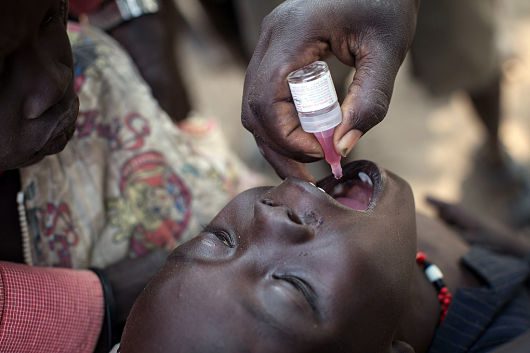
Due to this, polio has been one of the most persistent diseases to plague the developing world. Vaccines have existed for some time now and have become more and more accessible to developing nations due to aggressive world health initiatives. Since there is no cure, strategies to immunize children have been utilized to eradicate the disease.

There is hope now that complete elimination is right around the corner. On August 11, 2015, the continent of Africa celebrated being polio free for one year, with the last reported case in Somalia last year on August 11. Polio virus surveillance has improved significantly over the years and Nigeria, a hotspot for the virus, reported its last case of polio over a year ago in July of 2014.

With Africa becoming polio free for the last year, the last two remaining nations to report infections are now Afghanistan and Pakistan. With more resources now able to target those nations, protocols in Africa must continue to be implemented on a consistent basis to prevent a relapse.

For that to happen, four tasks must be implemented.

First, surveillance methods must continue to be built upon and improved. Dr Hamid Jafari, Director of the Global Polio Eradication Initiative at WHO, warns that there is no guarantee that zero reported infections means the fight is won. He is quoted saying, “in the past we have had year-long periods when we thought the polio virus had gone from the Horn of Africa and central Africa, only to find out that we were simply missing transmission because our surveillance systems were not strong enough to spot cases.”

The second task requires creating programs to reach missing children. There are still pockets of children not vaccinated in rural areas in Africa. Security issues have kept health officials from reaching them. Any child without the vaccine is vulnerable to the virus. Increasing vaccination must remain a top priority.

Thirdly, routine immunization efforts must continue to ensure no relapse. It is not enough to just immunize the current generation. Children of the future must be continuously immunized to prevent the virus from reemerging.

According to WHO this can be done “in Africa: Angola, Chad, DRC, Ethiopia, Nigeria, Somalia and South Sudan, by partnering notably with such organizations as Gavi, the Vaccine Alliance. Strengthening routine immunization in these countries will help to reach the significant numbers of children who remain unvaccinated there, giving the poliovirus less opportunity than ever to circulate.”

Lastly, strong leadership is needed to ensure that initiatives stay in place and countries stay steadfast to the cause. Key contributors such as the UK, Saudi Arabia and the United States must continue to provide aid and support local efforts in Africa. Much is still needed to completely eradicate polio in Africa, but the night is always darkest before the dawn.

– Adnan Khalid

Sources: Business Day Live, Global Polio Eradication Initiative, World Health Organization
Photo: Seattle Times

August 15, 2015
https://borgenproject.org/wp-content/uploads/borgen-project-logo.svg 0 0 Borgen Project https://borgenproject.org/wp-content/uploads/borgen-project-logo.svg Borgen Project2015-08-15 01:30:552024-12-13 18:04:47Keeping Africa Polio Free: Looking Toward the Future
Aid, Humanitarian Aid, USAID

USAID’s Camp Hope Provides Relief in Nepal

Camp_Hope
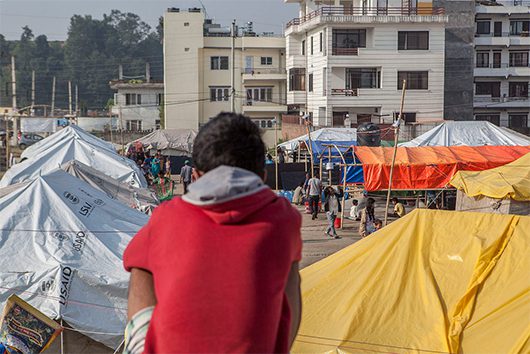
Camp Hope is giving survivors of the Nepal earthquake a beacon of light and symbol of recovery. A single square kilometer compound in Jorpati, Kathmandu, Camp Hope is composed of innumerable tents that house 330 families who once lived in five villages north of Kathmandu. Eighty-eight percent of these families had no houses to return to after the earthquake—they were utterly destroyed. This tight community is representative of the broader 500,000 Nepalese who were displaced after the earthquake last April, which shook hilly terrain that once served as housing foundations into rubble.

However, Camp Hope is permeated with a sense of, well, hope. Children laugh in the open spaces between their temporary houses, people relax in the line for the water pump, the elderly bask in the sun amid clucking chickens. Set up by the owner of the boutique hotel chain, Dwarika, the camp is full of people of all ages strengthening a community that will one day serve as a launchpad for rebuilding and recovery. Sangeeta Shrestha, founder of the camp, describes how she came to acquire the land for the camp when a local youth club donated their soccer field.

“I am lucky to have my hotel team of engineers and technicians whom I could call on to help set up the camp,” she said. The resources offered by the hotel have certainly come a long way in making the camp what it is. A kitchen tent run by the Dwarika offers residents three meals a day that often include chicken and eggs. Beyond basic medical services, housing and meals, the camp also offers its residents emotional solace. There are prayer tents, job training facilities and field trips for the 83 children enrolled in the local school.

Beyond being an awe-inspiring emblem of growth after disaster, Camp Hope also serves as a prime example of the benefits that come when public and private partnerships cooperate to further a cause. USAID stepped in to provide heavy plastic shelters that would sustain heavy rains during monsoon season. Additionally, the organization provided shelter to 310,000 families across affected regions.

There’s clearly more to be done, both within Camp Hope and beyond its walls. At the recent International Conference on Nepal’s Reconstruction, USAID pledged emergency relief and early recovery assistance totaling $130 million, with promises of more funding in the coming years. The U.S. government has also committed to helping rebuild Nepal through a number of programs, including:

  • Training Nepalis to build earthquake-sustainable houses;
  • Establishing approximately 1,000 Temporary Learning Centers for displaced children;
  • Distributing cash to the most at-risk families to help them immediately begin to reestablish their lives and strengthen the country’s agricultural system, which supports 75% of its population;
  • Protecting those who are vulnerable to human trafficking and other breaching of human rights; and
  • Planning and organizing groups that can efficiently tackle future natural disasters.

Despite the immense amount of work that lies ahead, the work of USAID in partnership with local groups such as Dwarika demonstrate how shared work between the private and public sectors can bring international resources to help build sustainable growth in at-risk communities. These efforts, like Camp Hope, are a source of inspiration for all.

– Jenny Wheeler

Sources: USAID, Dwarikas
Photo: Flickr

August 11, 2015
https://borgenproject.org/wp-content/uploads/borgen-project-logo.svg 0 0 Borgen Project https://borgenproject.org/wp-content/uploads/borgen-project-logo.svg Borgen Project2015-08-11 08:41:542020-03-20 13:26:49USAID’s Camp Hope Provides Relief in Nepal
Aid, Foreign Aid, Foreign Policy, Global Poverty

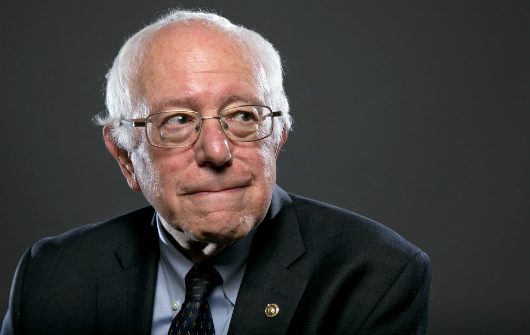
What Bernie Sanders Could Mean For Global Poverty

Bernie_Sanders
Bernie Sanders has been dubbed the “underdog Democrat” in this presidential election. As a committed ally to labor unions and the middle class, Sanders is determined to run a campaign financially unaffiliated with American billionaires.

When he announced his bid for the U.S. presidency, many doubted that he could gain enough momentum to really compete with Democrat likely, Hillary Clinton. However, after raising $15 million in 2 months and pulling 10,000 people into a campaign rally, many are seeing him as a potential threat to Clinton.

For his entire career, Sanders has dedicated himself to being the voice of the average person. He speaks for those who are not often heard due to their lack of capital. Often being described as a socialist, Sanders’ economic policy reflects his constituents’ desires, creating a world that truly gives everyone the chance to be a part of the “American Dream” regardless of race, gender, class or religious affiliation.

Because Sanders’ potential presence in the Oval Office is positive for the U.S. working class and those subject to abject poverty in America, it would also be great for global poverty abroad.

Sanders has, for a long time, rejected poverty, seeing it as something that could be eliminated by congressional help. Sanders is likely to translate his stance on American poverty to global poverty, then, under his administration, global poverty could forever change.

The Sanders administration is likely to expand its foreign aid budget, positively impacting global health and introducing proper legislation to eradicating global poverty.

To a farmer in Kenya, this could mean the ability to make a sufficient living. To women in the Philippines, this could mean greater access to family planning resources.

Bernie Sanders’ presence in the White House could not only greatly impact those living in the United States, but also those abroad. His aggressive approach to eradicating poverty would be a great asset to those subject to absolute poverty in developing countries.

– Erin Logan

Sources: Bernie Sanders, Forbes, Huffington Post 1, Huffington Post 2

Photo: Breitbart

August 8, 2015
https://borgenproject.org/wp-content/uploads/borgen-project-logo.svg 0 0 Borgen Project https://borgenproject.org/wp-content/uploads/borgen-project-logo.svg Borgen Project2015-08-08 01:30:362020-07-02 17:36:26What Bernie Sanders Could Mean For Global Poverty
Aid, Aid Effectiveness & Reform, Global Poverty, Health

5 Ways to Ensure Effective Health Aid Dispersal

Health AidNot all aid is created equal. In the fight against global poverty, ensuring sufficient funds for aid programs is only half the battle. The other half is ensuring that aid is results-oriented, transparent, expedient and cost-effective.

During the second High-Level Forum on Aid Effectiveness in Paris in 2005, the Organization for Economic Cooperation and Development (OECD) countries formulated the Paris Declaration. This declaration was meant to set benchmarks for how to measure the five key categories of effective aid: ownership, alignment, harmonization, results and mutual accountability.

While these five categories are intended to measure the effectiveness of all kinds of aid, they are particularly pertinent to health aid. Developing public health infrastructure in poorer countries is the “gift that keeps on giving,” ideally continuing to serve local populations well after aid has ceased. Thus, a robust public health outcome is an ideal metric to judge the quality of aid using the five categories of the Paris Declaration.

1. Ownership

Ownership, according to the Paris Declaration, involves partner countries exercising “effective leadership over their development policies and strategies.” This category is a measurement of how much aid recipients are involved in developing and executing programs that actually take advantage of the aid they are receiving. Aid strategies have traditionally assumed that once a country reaches middle-income status, it will have sufficient resources and self-interest to invest in public health, but unfortunately, this is not always the case.

For example, Nigeria is technically a middle-income country, but it spends less on public health than Rwanda, which a low-income country. Health aid can really only be considered effective if countries take ownership of health programs that outlive donor support as the country transitions into middle-income status.

Ownership is especially important given a recent estimate by the World Health Organization that predicts that in the next few decades, there will be a global health workforce shortage of up to 12.9 million. Aid programs need to ensure that recipients are developing adequate long-term strategies, especially when it comes to investing in health training and education.

2. Alignment

The dimension of alignment measures how well aid matches up with recipient strategies for dispersal and development. Development experts often criticize “tied” aid. This is aid that is contingent on the recipient procuring health products from the donor country, using their distribution infrastructure, employing foreign personnel or involving some other condition which is often not the most cost-effective or desirable for the recipient. Alignment essentially means “untying” aid to make sure that it aligns closely with the national development strategy of the recipient country.

A topical example of the alignment of health aid in the Global Food Security Act of 2015. This bill, currently introduced to the House and awaiting consideration, encourages local procurement of food aid for U.S. aid programs (among other things). Traditionally, food aid dispersal from the U.S. has been tied, requiring that a certain percentage of that aid be procured from the U.S. and dispersed using the U.S. merchant marine.

However, this bill seeks to do away with those requirements and favors recipient-country producers. This encourages the growth of local agriculture and health aid infrastructure, rather than out-competing them. Additionally, local procurement is faster, and in the event of a humanitarian emergency, recipient populations would not have to wait as long for foreign aid to reach them.

3. Harmonization

Harmonization involves cutting down on the plurality of programs that may have the same goal yet interfere and undermine each other. An aid recipient country may be host to dozens of organizations or programs that target public health outcomes yet do not communicate with each other, thus creating redundancies or inefficiency.

Harmonization is especially critical to public health, more so in emergencies. Currently, there is no standard system whereby donors can track and share how much and to where health aid is going, making it difficult to determine where it is most needed. The recent Ebola epidemic was a particularly disastrous indication of the need for better logistics and donor coordination; it is difficult to tell if health aid has even reached a recipient population, much less if it is redundant, or necessary.

4. Results

Just as it is important to harmonize aid efforts, tracking the progress of health programs has also been an ongoing challenge for donors and recipients. Health aid, despite good intentions, can be totally ineffective when it isn’t results-oriented. Tracking public health outcomes generally involves better data collection and census practices, which can be incredibly difficult to implement in developing countries that lack basic infrastructure.

Very recently, the Girls Count Act passed the U.S. House of Representatives. This act directs the Secretary of State as well as the United States Agency for International Aid and Development (USAID) to work with developing countries to build adequate civil registration systems as well as create economic and social policies that are deliberately inclusive of women and girls. The idea is that better demographic data and inclusive policy can help traditionally marginalized populations (such as women) take advantage of existing social safety nets. Additionally, better demographic data would lead to more effective health aid, as donors often lack access to accurate census information and thus may be unaware of vulnerable populations, or unable to determine the impact of aid.

5. Mutual Accountability

The final category calls for recipients and donors to exercise “mutual accountability and transparency in the use of development resources.” This emphasis on accountability stems from a history of aid inefficiencies due to a lack of transparency, or even outright corruption in recipient countries. For example, millions of dollars in aid money were simply pocketed by corrupt dictator Mobutu Sese Seko of the Republic of Zaire (now the Democratic Republic of Congo) during the ’70s and ’80s.

Conversely, donor countries must be transparent about where aid flows are going in order to provide recipient countries (as well as other donors) with accurate information they can present to their citizens. In general, developing genuine partnerships between donors and recipients is crucial in ensuring that resulting health and development programs are effective and long-lasting.

– Derek Marion

Sources: Reuters, Devex, Partners in Health, OECD
Photo: OECD

August 8, 2015
https://borgenproject.org/wp-content/uploads/borgen-project-logo.svg 0 0 Borgen Project https://borgenproject.org/wp-content/uploads/borgen-project-logo.svg Borgen Project2015-08-08 01:30:292024-12-13 17:51:585 Ways to Ensure Effective Health Aid Dispersal
Page 61 of 65«‹5960616263›»

Get Smarter

  • Global Poverty 101
  • Global Poverty… The Good News
  • Global Poverty & U.S. Jobs
  • Global Poverty and National Security
  • Innovative Solutions to Poverty
  • Global Poverty & Aid FAQ’s
Search Search

Take Action

  • Call Congress
  • Email Congress
  • Donate
  • 30 Ways to Help
  • Volunteer Ops
  • Internships
  • Courses & Certificates
  • The Podcast
Borgen Project

“The Borgen Project is an incredible nonprofit organization that is addressing poverty and hunger and working towards ending them.”

-The Huffington Post

Inside The Borgen Project

  • Contact
  • About
  • Financials
  • President
  • Board of Directors
  • Board of Advisors

International Links

  • UK Email Parliament
  • UK Donate
  • Canada Email Parliament

Get Smarter

  • Global Poverty 101
  • Global Poverty… The Good News
  • Global Poverty & U.S. Jobs
  • Global Poverty and National Security
  • Innovative Solutions to Poverty
  • Global Poverty & Aid FAQ’s

Ways to Help

  • Call Congress
  • Email Congress
  • Donate
  • 30 Ways to Help
  • Volunteer Ops
  • Internships
  • Courses & Certificates
  • The Podcast
Scroll to top Scroll to top Scroll to top