• Link to X
  • Link to Facebook
  • Link to Instagram
  • Link to TikTok
  • Link to Youtube
  • About
    • About Us
      • President
      • Board of Directors
      • Board of Advisors
      • Financials
      • Our Methodology
      • Success Tracker
      • Contact
  • Act Now
    • 30 Ways to Help
      • Email Congress
      • Call Congress
      • Volunteer
      • Courses & Certificates
      • Be a Donor
    • Internships
      • In-Office Internships
      • Remote Internships
    • Legislation
      • Politics 101
  • The Blog
  • The Podcast
  • Magazine
  • Donate
  • Click to open the search input field Click to open the search input field Search
  • Menu Menu

Archive for category: Aid

Advocacy, Aid, Charity, Developing Countries, Global Poverty

Six Lesser Known Organizations Addressing Poverty

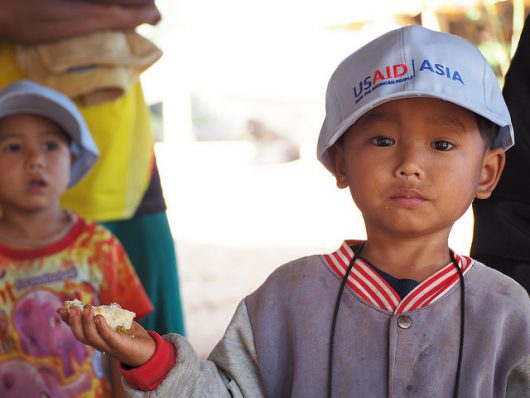
Lesser Known Organizations Addressing PovertyMany U.S.-based organizations work hard to reduce poverty internationally. Not all of them have the same name recognition or notoriety, but they are all engaging in equally important and effective work. From nonprofits to research organizations, these are just some of the lesser known organizations addressing poverty in developing nations.
Lesser Known Organizations Addressing Poverty

  1. Africare
    Africare, one of the largest African-American led organizations with an almost entirely African-American staff, focuses on community-driven development in Africa. Working with the tools of community engagement, local public-private partnerships, locally driven behavior change and capacity building, Africare seeks to improve economic development, nutrition, water and sanitation and women’s and youth empowerment. Since Africare’s founding, it has provided more than $1 billion in assistance to people across Africa.
  2. The Hunger Project
    Operating for 40 years, The Hunger Project develops women-centered, grassroots strategies to help individuals out of poverty and hunger. Working in more than 16,000 communities internationally, The Hunger Project promotes self-reliant, community-led development, and partnerships with local governments to create sustainable change in communities facing poverty. Working in 12 countries and reaching 17 million people, The Hunger Project is creating community-led development for many, representing one of many lesser known organizations addressing poverty.
  3. Trickle Up
    Trickle Up, a U.S.-based nonprofit organization seeks to help people rise out of poverty internationally, focusing on those who are disproportionately affected – refugees, individuals with disabilities, women, indigenous populations and people in rural areas. The organization uses a program called Graduation, which involves a step by step process to lift individuals out of poverty. Recipients are given a small grant to start a business and paired with other local people to create a savings group. From there, individuals are coached and taught skills to build their business, confidence and livelihoods. With 250,000 participants and more than 1 million lives impacted, this nonprofit is generating great change.
  4. The Earth Institute
    Based out of Columbia University in New York City, The Earth Institute is a group of researchers, policy experts, scientists, economists and students all seeking to guide policy towards sustainability worldwide. It works domestically and internationally on a wide variety of topics, including climate, urbanization, water and energy, but also helping individuals out of poverty. By working on sustainable and efficient policy, such as preventing flooding in developing nations, The Earth Institute creates policy that improves the quality of life of individuals worldwide.
  5. Innovations for Poverty Action
    Innovations for Poverty Action (IPA) is one of the lesser known organizations addressing poverty through dedicated evaluations of current programs designed to help impoverished populations and providing evidence showing which approaches work and which do not. IPA identified a gap in the data available and created a mission to fill it. It works closely with governments, for-profit companies, nonprofits and civil society to create evidence-based programs to help poor individuals out of poverty. The work is evaluation focused but provides a body of evidence that can be drawn upon for program design and development.
  6. Bread For The World
    Bread For The World is a Christian nonprofit that works in a bipartisan way to urge policymakers to pass policies focused on food security that improve the lives of those living in poverty both domestically and abroad. Working at the policy level, Bread For The World provides individuals with advocacy tools to help them write letters, email or call members of Congress to promote poverty reducing policy. Since its inception in 1974, Bread For The World has successfully funded foreign aid and domestic policy to reduce poverty worldwide.

The field of international development is vast, and with many different organizations trying to address poverty internationally, it can be hard to know where to look to see what is being done. In addition to the many large organizations working internationally, we cannot forget about lesser-known organizations addressing poverty in developing nations.

– Katherine Kirker

Photo: Flickr

May 3, 2018
https://borgenproject.org/wp-content/uploads/borgen-project-logo.svg 0 0 Borgen Project https://borgenproject.org/wp-content/uploads/borgen-project-logo.svg Borgen Project2018-05-03 01:30:182019-08-01 10:30:46Six Lesser Known Organizations Addressing Poverty
Aid, Foreign Aid

How the US Benefits From Foreign Aid to Bosnia and Herzegovina

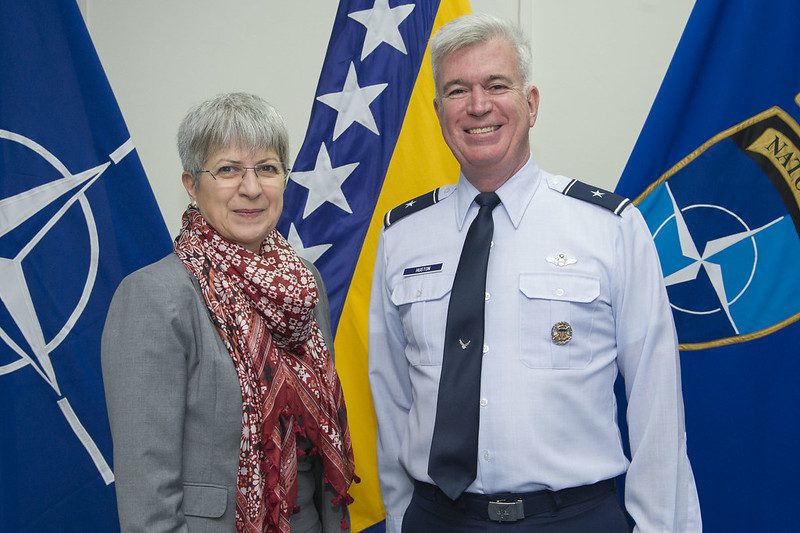
U.S. benefits from foreign aid to Bosnia and HerzegovinaBosnia and Herzegovina is a culturally and ethnically rich country situated in the western Balkan peninsula. The U.S. has contributed more than $1.7 billion in foreign aid to the country since 1996, and the country has allocated this aid to rebuilding itself as a nation after the effects of a devastating civil war.
Bosnia and Herzegovina was involved in an ethnically-motivated civil war from 1992 to 1995. It was not until 1995 that NATO intervened and a ceasefire (the Dayton Accords) was negotiated that finally ended the conflict. Today, the Dayton Accords are still in force.

How USAID Has Helped Bosnia and Herzegovina

The millions of dollars donated to the country have been allocated towards efforts of reconstruction, humanitarian assistance, economic development and military rebuilding. USAID assistance has had a large role in numerous projects and programs to get the country back on its feet and helping it become a thriving and economically stable country.

USAID has laid out in its official fact sheet its aid to the people of Bosnia and Herzegovina in the following areas:

  • Rebuild
  • Create Jobs
  • Reduce Rural Poverty
  • Develop A Better Business Environment
  • Introduce a More Efficient Justice System
  • Increase Transparency and Accountability
  • Promote Tolerance and Acceptance
  • Support Marginalized and Vulnerable Groups

In 2016, the EU accepted Bosnia and Herzegovina’s application into the EU, but member states say the country should continue with reform, “including socioeconomic reforms, reforms in the area of rule of law and public administration.” Challenges including the country’s poor governance and an effort made by the Republika Srpska to move the country to secession has made its commitment to the EU-driven package harder to accomplish. Nevertheless, economic reforms made by Bosnia and Herzegovina in order to join the EU has led to it becoming one of the fastest growing economies in Eastern Europe.

How the U.S. Benefits From Foreign Aid to Bosnia and Herzegovina

According to the Department of State, “U.S. assistance will help BiH implement this reform package and improve government accountability and efficiency, trade with Europe, and inter-ethnic dialogue and reconciliation.” The U.S. benefits from foreign aid to Bosnia and Herzegovina by securing the country’s stability in the region.

With U.S. assistance, the U.S. benefits from foreign aid to Bosnia and Herzegovina joining the EU would bring Bosnia and Herzegovina one step closer to joining NATO, creating a stronger alliance with the U.S. Bosnia and Herzegovina has been vocal since 2008 about its desire to join NATO. Not only did the country join the Partnership for Peace, but has contributed to NATO projects in Afghanistan. Bosnia and Herzegovina’s cooperation with NATO will not only provide defense for the U.S., but will also increase trade between the two countries.

Continued efforts from Bosnia and Herzegovina to reform its social, political, and economic situation in order to enter the EU would allow the EU’s organizations, such as its Common Security and Defense Policy, to ensure that the U.S. benefits from foreign aid to Bosnia and Herzegovina.

– Emma Martin

Photo: Flickr

May 2, 2018
https://borgenproject.org/wp-content/uploads/borgen-project-logo.svg 0 0 Borgen Project https://borgenproject.org/wp-content/uploads/borgen-project-logo.svg Borgen Project2018-05-02 01:30:022024-05-29 22:42:13How the US Benefits From Foreign Aid to Bosnia and Herzegovina
Aid, Developing Countries, Foreign Aid, Global Poverty

The Boomerang Effect: How Foreign Aid Gives Back

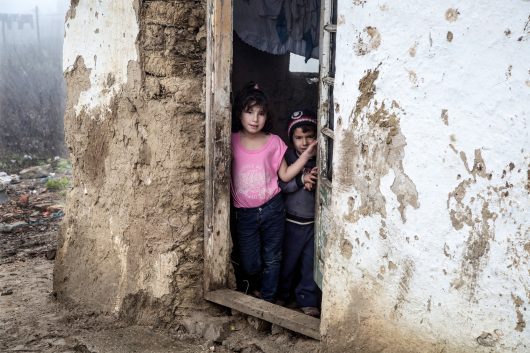
Foreign aid gives backForeign aid is too often misidentified as charity, with the implication of a one-way relationship. Like other myths surrounding aid, such as its depletion of the federal budget, a reality much different than popular belief silently survives. In truth, only one percent of the U.S. federal budget goes toward foreign aid and shrouded in much the same circumstances lies the fact that foreign aid gives back just as much, and more.
Who Gives to Whom?

According to an article by Jason Hickel, Global Financial Integrity (GFI) and the Centre for Applied Research at the Norwegian School of Economics completed a study in which they found that a much larger amount of money travels from poor countries to rich countries, rather than the other way around. As of 2015, cumulative foreign investment in the U.S. totaled more than $3 trillion.

Beyond the quantitative, the proof of return on investment manifests in countries like South Korea, Japan and Germany. All having once depended on U.S. aid in their times of need, these nations now play major roles in the global economy.

How Foreign Aid Gives Back to Developed Nations

Consider the fact that half of U.S. exports now go to developing countries and that developing countries’ economies grow three times faster than our own. The economics speak for themselves—with more new consumers to trade and do business with, more growth opportunities arise both at home and abroad. In Tennessee alone, more than 22 percent of jobs are supported by trade—that’s 830,000 reasons to continue investing in developing nations.

Beyond the wallet, though, foreign aid gives back in ways that cannot be measured. Potential new markets keep the U.S. competitive on the world stage, allowing its reputation and influence to spread. As Bill Gates points out, foreign aid even helps to keep the U.S. safe. By its nature, aid fights poverty, promotes development and largely focuses on foundational areas like healthcare, nutrition and education, which provide for a strong infrastructure.

The ultimate goal of this infrastructure-building rests in the ability to form a middle class, and by extension, find some stability. Countries that achieve this are more capable of preventing global health epidemics and are less likely to go to war. Stabilizing these nations by promoting democracy and human rights and by helping to install strong governance has far-reaching effects.

What Drawbacks Exist for Foreign Aid?

While some would argue that corruption and misuse of aid render the process futile, the results drown out the argument. Programs are in place to fight against this kind of criminality and are finding success. Foreign aid gives back in ways never thought of before now, such as:

  • Stopping diseases before they gain global reach.
  • Promoting U.S. exports.
  • Countering violent extremism.
  • Combating climate change through education.
  • Supporting overseas embassies and new allies.

Foreign aid gives back despite the stigma that claims otherwise. Experts say that cutting the U.S. foreign aid budget would do very little to reduce the federal deficit anyway. If the strongest argument against the use of foreign aid remains money, then it is time to take out the wallet and make a change.

– Daniel Staesser

Photo: Flickr

April 30, 2018
https://borgenproject.org/wp-content/uploads/borgen-project-logo.svg 0 0 Borgen Project https://borgenproject.org/wp-content/uploads/borgen-project-logo.svg Borgen Project2018-04-30 01:30:292024-05-29 22:39:36The Boomerang Effect: How Foreign Aid Gives Back
Aid, Foreign Aid

How the US Benefits from Foreign Aid to Romania

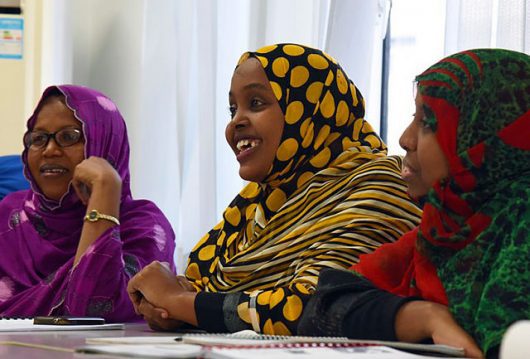
U.S. benefits from foreign aid to RomaniaRomania is a relatively small country in eastern Europe that is bordered by Ukraine to the north, Hungary to the west, Moldova to the east and both Serbia and Bulgaria to the south. Romania’s population in 2017 was 21.5 million, ranking as the 58th largest country in the world in terms of population. Romania joined the North Atlantic Treaty Organization (NATO) in 2004 and the European Union in 2007.
The projected amount of aid that will be allocated to Romania from the United States’ budget for foreign assistance is $1.5 million in 2019. The breakdown of how this money will be utilized shows that the majority of it is being earmarked for military aid to troops in nearby regions, according to foreignassistance.gov. Information shared on this site further clarifies the importance of U.S. government aid to Romania and specifies which organizations and departments receive funds, such as the Peace Corps. The information provided shows how funds are used; however, the connection between the purposes of the funding and how the U.S. benefits from foreign aid to Romania is not quite clear without examining the issues from a broader perspective.

Romania is considered to a be a key partner in NATO and allows the U.S. access to military facilities both for training purposes and for closer proximity to nearby regions to the south and east of Romania that are experiencing instability. Currently, Romania is “hosting deployment of the U.S. ballistic missile defense capabilities under the European Phased Adaptive Approach”, which is what constitutes the United States’ contribution to NATO’s ballistic missile defense. Romania is also promulgating stability and greater cooperation among its neighbors by working on improvements in areas of defense, law enforcement, energy, economic development, environment and democratic values in this particularly sensitive area of eastern Europe.

The U.S. benefits from foreign aid to Romania in part because Romania has played a major role in aiding U.S. forces to weaken the Russian threat to American soil and elsewhere in Europe. Planned assistance will therefore be partially devoted to Romanian military modernization efforts, which also serves to strengthen its relationship with the U.S. and other nearby countries. Furthermore, Romania has a prior history of providing aid when needed to Afghanistan, Kosovo and Bosnia and Herzegovina. The country’s willingness to do so is evidence of its standing as a peaceful, forward-thinking ally and worthy member of NATO.

While also addressing the sensitivities regarding the less stable regions surrounding Romania, the country of Romania and those who offer foreign assistance simultaneously work to diminish the threat of Syria, Russia and other potentially hostile nations by creating more partnerships through such benevolence. The end result is ideally improved conditions for Romania and surrounding countries. This is achievable through international efforts to work together to achieve stability, progress and modernization. A better quality of life naturally weakens hostility and thus serves as an intelligent defense for those who have the upper hand. Thus, the U.S. benefits from foreign aid to Romania, while serving the international community at large as well.

– Bridget Rice

Photo: Flickr

April 24, 2018
https://borgenproject.org/wp-content/uploads/borgen-project-logo.svg 0 0 Borgen Project https://borgenproject.org/wp-content/uploads/borgen-project-logo.svg Borgen Project2018-04-24 07:30:092024-05-29 22:42:13How the US Benefits from Foreign Aid to Romania
Aid, Foreign Aid

Understanding How the U.S. Benefits from Foreign Aid to Djibouti

U.S. benefits from foreign aid to DjiboutiA tiny, desert-like East African nation, Djibouti is more synonymous with counter-terrorism and the piracy concerns of its southern neighbor than economic ties to the U.S. However, substantial U.S. foreign aid is indirectly creating opportunities for U.S. exporters. Additionally, the U.S. benefits from foreign aid to Djibouti by securing efficient and reliable trade routes to other nearby African countries such as Ethiopia, in which the U.S. has key commercial interests.
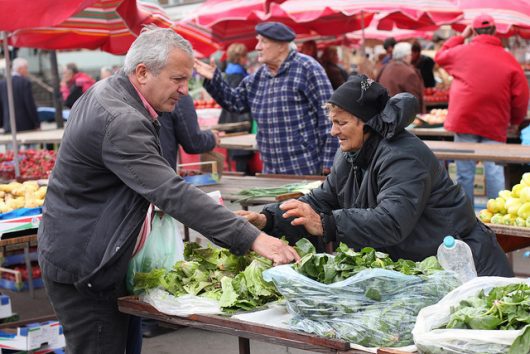
Home to roughly 875,000 people, as well as a significant U.S., German, Japanese, French and most recently Chinese military presence, Djibouti has a decidedly disproportionate amount of foreign military within its borders. The U.S. pays $60 million each year to Djibouti for the rights to maintain its only permanent sub-Saharan military base.

But, U.S. foreign aid coming into the country is equally important in Djibouti for the majority of citizens looking for work. Although U.S. investment in the country pales in contrast to that of new entrants into the region such as China, the actual workforce of Djibouti is benefiting from the more nuanced and domestically-oriented U.S. foreign aid.

New ventures in the construction of ports, pipelines, international airports and railways have somewhat failed to raise the standard of living and stimulate employment. Accounting for 70 percent of GDP, the new port projects have only added a few thousand jobs. According to the U.N., despite recent Chinese soft loans toward these various infrastructure projects, the unemployment rate in Djibouti still stands at 60 percent.

This high level of unemployment is partly due to a lack of qualified candidates in many sectors of the economy. Workers looking for jobs simply do not have the necessary skills required to fill many of the possible vacancies.

Through the Workforce Development Project (WDP), the United States Agency for International Development and Djibouti are working together to reduce unemployment and create a more modern labor force. Investments of nearly $25 million over five years (2016-2021) are aimed at increasing competitiveness by tailoring the workforce to the needs of a modern economy.

The WDP emphasizes creating stronger connections between worker training programs and employers. Specifically, through more meaningful ties between vocational education centers and businesses, the future workforce will be better suited for the demands of firms and will likely have greater hiring potential.

Although not as flashy as the new Doraleh Port or the new electrified railroad connecting Djibouti City and Ethiopia’s capital, Addis Ababa, the WDP will create thousands of new consumers to U.S. exports. This is especially promising since the soaring unemployment rate allows for ample economic improvements should this transformation of the workforce take place. USAID, centered on workforce assimilation, is therefore fostering job growth that will be more sustainable than temporary employment based on glitzy infrastructure projects.

Another way in which the U.S. benefits from foreign aid to Djibouti is by promoting ongoing access to the substantial trade flows emanating from regional neighbors. A prime example of this is Ethiopia. Much of Ethiopia’s exports—including coffee, vegetables and cosmetics—are routed through Djibouti on their way to the U.S. Meanwhile, as of 2016, 90 percent of all Ethiopian imports were brought via ports in Djibouti.

U.S. foreign aid indirectly contributes to these regional trade routes of East Africa by creating a more prosperous and modernized workforce in Djibouti. A thriving, educated and healthy Djibouti society will undoubtedly increase the opportunities for cross-border trade.

One byproduct of this increasingly interconnected region around Djibouti would be more timely and reliable shipment of goods and lower associated transportation costs. As in Ethiopia, the U.S. benefits from foreign aid to Djibouti are amplified when stability across the wider East African region is maintained.

On this last issue, there is little doubt that the military presence plays a prominent role. However, U.S. programs aiming to reduce unemployment such as the WDP, by indirectly promoting a more sustainable domestic environment in Djibouti, also contribute to regional stability. Garnering less attention than the massive infrastructure spending, transforming the country one worker at a time will lead to continued U.S. benefits from foreign aid to Djibouti

– Nathan Ghelli

Photo: Flickr

April 24, 2018
https://borgenproject.org/wp-content/uploads/borgen-project-logo.svg 0 0 Borgen Project https://borgenproject.org/wp-content/uploads/borgen-project-logo.svg Borgen Project2018-04-24 01:30:322024-05-29 22:42:11Understanding How the U.S. Benefits from Foreign Aid to Djibouti
Aid, Foreign Aid

How the US Benefits from Foreign Aid to Croatia

U.S. benefits from foreign aid to Croatia
Fewer than 30 years ago, Croatia gained its independence from Yugoslavia, and now this newly independent country is working to find its place in the world economy. With assistance from the United States, not only can Croatia solidify a position, but also the U.S. benefits from foreign aid to Croatia.

The United States’ Foreign Assistance

The United States currently spends approximately $3.4 million on foreign aid to Croatia, with the largest expense being $1.1 million going to military training, $1 million on foreign military financing, $850,000 on mine and explosive remnants of war, $274,000 on counterproliferation programs and $60,000 on humanitarian and civic assistance. This aid not only benefits Croatia but brings many benefits to the United States, including:

  1. Alliance in international organizations
  2. Opportunity for new markets for the U.S.
  3. Foreign aid to Croatia keeps the U.S. safe

International organizations such as the North American Treaty Organization (NATO), and the European Union (EU) are key institutions in coordinating foreign policy to create diplomatic relations and tie nations together.

Foreign Policy Gains

The United States actively supported Croatia’s induction to NATO in 2009, and Croatia’s inclusion to the EU in 2013. According to the U.S. Department of State, Croatia, as a part of these institutions, has taken part in peacekeeping missions in neighboring countries — a priority that aligns with the U.S.

Interestingly, it is also the sector where $3.3 million of foreign aid to Croatia is spent. The U.S. further benefits from this relationship because it gains an ally that can help implement foreign policy, be an outlet for new trade partners or target worldwide policy goals such as global warming.

Economic Benefits

The U.S.-Croatia relationship also opens new markets for U.S. This is arguably the most prominent benefit to the U.S. One of the goals that the U.S. supported upon Croatia’s independence was developing a market-oriented economy.

This support has so far held true and consistent. U.S. aid to Croatia has helped enable the country in becoming a leading partner is southeast Europe. With Croatia’s induction to the EU, the United States has gained another market opportunity for many overseas industries.

Additionally, the United States has been identified as a potential energy partner, which is particularly important given the current energy crisis in Europe.

Nonprofit Organizations and Global Allies

Foreign aid to Croatia comes not only through official government channels, but also through nonprofit organizations. For example, SOS Children’s Villages International sends humanitarian aid to Croatia from the U.S., with the goal of alleviating poverty and helping children and families flourish in the newly independent country.

This benefits the United States as the aid brings individuals in Croatia out of poverty and into educational outlets and the economy, enhancing economic opportunity for the United States.

Many of the top trading partners with the United States were once, or still are, foreign aid recipients, including China, Mexico and Brazil. While these nations receive less aid now, they still receive U.S. foreign aid and simultaneously act as great trading partners for the United States.

Interestingly, Croatia poses the same opportunity. As the nation develops its economy in a post-war era, there is opportunity for new trade opportunities for the U.S.; such a possibility highlights how the U.S. benefits from foreign aid to Croatia.

But, U.S. benefits from foreign aid to Croatia don’t end there. All of these factors — foreign aid, these relationships and numerous economic opportunities — all work together to keep America safe. Economic opportunity, increased government accountability and lessened poverty help create a more stable nation, and pose a lesser risk to both involved nations.

How the U.S. Benefits from Foreign Aid to Croatia

Foreign aid creates diplomatic ties with other nations such as Croatia, and together can work to stop the spread of disease, terrorism and poverty, all of which pose threats to national security.

In one of The Borgen Project’s articles on the benefits of foreign aid, the organization posits a similar perspective to one referenced by Time Magazine — in a powerful statement by Bill Gates, founder of Microsoft, philanthropist and humanitarian: “[Foreign aid] represents less than 1 percent of the federal budget, not even a penny out of every dollar. It is some of the best return on investment anywhere in government.”

While the relationship between the United States and Croatia is still relatively new, U.S. foreign aid to Croatia is helping a nation to become a world player, while also benefiting the U.S. economically and politically.

– Katherine Kirker

Photo: Flickr

April 22, 2018
https://borgenproject.org/wp-content/uploads/borgen-project-logo.svg 0 0 Borgen Project https://borgenproject.org/wp-content/uploads/borgen-project-logo.svg Borgen Project2018-04-22 01:30:272024-06-06 00:07:57How the US Benefits from Foreign Aid to Croatia
Aid, Foreign Aid

How the US Benefits from Foreign Aid to South Sudan

U.S. benefits from foreign aid to South SudanSouth Sudan, declared the newest African country after receiving independence from Sudan in 2011, has been torn apart by civil war and its citizens are in need of foreign assistance now more than ever. Following the secession from Sudan, violent political uprisings in the capital of South Sudan, Juba, ignited civil war in December of 2013.
A Country Devastated by Conflict

The people of South Sudan are experiencing famine and a huge economic shift due to the cessation of oil exports, a lasting side effect of cutting ties with Sudan. Last year marked the country’s fourth year in civil war, and since then about two million people have been internally displaced and another two million sought refuge in other countries. Approximately 5.3 million people faced severe food insecurity in January of 2018, a 40 percent increase from last year.

The 2013 dispute was a result of tension between President Salva Kiir and ex-vice president, Riek Machar. President Kiir and Machar are part of two of South Sudan’s largest ethnic groups, the Dinka and the Nuer, respectively. The rivalry between the two ethnic groups runs deep; in 2013, Dinka members of the presidential guard attempted to disarm the Nuer members.

This resulted in an eruption of violence across the country, with many Nuers rebelling and seizing oil-producing land and other territory. There were more violent outbursts in July of 2016 and Machar went into exile thereafter. The political unrest has also spurred looting, civilian attacks, rape and torture, among other abuses.

How the U.S. Benefits from Foreign Aid to South Sudan

In addition to moral reasons, there are economic ways in which the U.S. benefits from foreign aid to South Sudan. Studies have shown that the U.S. is one of the highest donors to South Sudan, donating $887.5 million in 2017, although the country only gives about one percent of its budget toward foreign aid.

Another way in which the U.S. benefits from foreign aid to South Sudan is through security. Cutting aid may put the security of the United States at risk as well as jeopardize valuable relationships. Vulnerable states may easily fall under the control of people who do not operate within the best interest of the U.S. Foreign assistance can ward off potential threats. In the case of South Sudan, the country has plentiful oil reserves, which are also of value.

Good relationships with vulnerable states also provide trade opportunity, which may include job opportunities. In 2016, exported goods to South Sudan totaled to about $55 million and imports around $15 million. According to the Office of the United States Trade Representative, U.S. exports of goods to Sudan sustained about 400 jobs in 2015.

USAID’s Humanitarian Work

USAID has been working diligently to alleviate hunger and displacement, provide safe drinking water and begin other initiatives in South Sudan. Its Office of Food for Peace and its partner organizations have responded particularly through food and water intervention, providing assistance to about 1.4 million people per month, as 56 percent of the country’s population faced unrelenting hunger in 2017.

With organizations like USAID and donations from others, innocent civilians caught in violent political crossfire can start to rebuild their lives. By continuing to work toward a peaceful ending to this turmoil, the U.S. benefits from foreign aid to Sudan greatly.

– Camille Wilson

Photo: Flickr

April 21, 2018
https://borgenproject.org/wp-content/uploads/borgen-project-logo.svg 0 0 Borgen Project https://borgenproject.org/wp-content/uploads/borgen-project-logo.svg Borgen Project2018-04-21 01:30:312024-05-29 22:42:11How the US Benefits from Foreign Aid to South Sudan
Aid, Global Poverty, USAID

Three Ways Foreign Aid in Uganda Has Had a Positive Impact


Humanitarians have been working for decades to assist Uganda in times of crisis. From political to social and environmental issues, residents of Uganda have seen foreign aid change the lives of many citizens in the country.

With a steadily increasing population, foreign aid in Uganda allows people in the country — who may otherwise be overlooked — to have better accessibility to the resources they need.

Uganda

Uganda has a steadily increasing population, which is commonly seen in countries affected by poverty. This increase occurs because families tend to have more children to support the family as they get older, and is often an indicator of the amount of foreign aid that is needed. In 1960, according to the World Bank Group, Uganda had a population of 6,788,241 people; between 1960 and 2016, the population rose to 41,487,965.

According to Irish Aid, 38 percent of people in Uganda live on $1.25 per day. In addition, the Human Rights Watch World Report of 2017 explains that Uganda faces many issues as far as freedoms for protesters, media officials and several forms of identity including associations people make between themselves and social organizations.

One way foreign aid in Uganda assists people is by allowing them to gain more autonomy over their lives. Better access to healthcare and improved living conditions results in more power and strength of citizens.

Refugees

USAID has been influential as far as the versatile kinds of aid the organization has offered to Uganda over the last few years. One of the forms of aid offered was assisting refugees during the Northern Uganda War.

According to USAID, 1.8 million people were displaced. Due to the foreign assistance that USAID was able to provide the organization states that, “Since 2007, all internally displaced people have returned home. USAID also assisted war-affected children and unemployed youth with tools and access to training to gain better access to income-generating activities.”

Economic Health

The Department of Foreign Affairs Irish Aid (for Uganda) recognizes the importance of agriculture to the health of economy in Uganda. Although improvements have been made as far as health and economic stability, the organization recognizes that the country could still benefit from improvement, especially as far as equal industrial opportunity:

“Most people live in rural areas and make their living from agriculture. Although Uganda has had consistently high economic growth rates and a strong record in the response to HIV and AIDS, it has struggled to ensure that all its citizens benefit equally.”

USAID has also been influential in improving the health of the economy which, according to the organization, has increased jobs for women who make up the majority of the farming population in Uganda: “USAID helped Uganda diversify their traditional crops from coffee, cotton and tea to non-traditional crops such as flowers.”

The efforts of organizations contributing to foreign aid in Uganda make a difference in improving economic stability and opportunity.

Healthcare

Healthcare is an important component of foreign aid in Uganda in numerous ways. Not only are healthcare officials able to assist refugees, but in times of political crisis, healthcare workers are able to save the lives of people who are affected by brutality and force; in Uganda, brutality is a reality that many people face.

According to the Human Rights Watch 2017 Report, the Lord’s Resistance Army’s leader “is charged with 70 counts of war crimes and crimes against humanity as part of attacks on internally displaced persons’ camps, including murder, enslavement, sexual and gender-based crimes, and the conscription of child soldiers.”

Although the government is working to address these crimes by holding leaders accountable under law, many people were still affected by this leader’s brutality before he was called for trial.

Healthcare workers and access to healthcare gives people a way to combat and bounce back from some of the brutality they fight against every day. USAID has also been influential in improving the healthcare available to people living in Uganda, including providing tools to combat insects, malaria and HIV/AIDS.

– Gabriella Evans

Photo: Flickr

April 13, 2018
https://borgenproject.org/wp-content/uploads/borgen-project-logo.svg 0 0 Borgen Project https://borgenproject.org/wp-content/uploads/borgen-project-logo.svg Borgen Project2018-04-13 01:30:582019-11-10 10:21:30Three Ways Foreign Aid in Uganda Has Had a Positive Impact
Aid, Foreign Aid, Global Poverty, USAID

How the US Benefits From Foreign Aid to the Central African Republic


Relations with the United States and the Central African Republic (CAR) began in 1960 following the nation’s independence from France. While CAR is one of the least developed nations in the world, the United States has enjoyed strong relations with CAR since it began. The U.S. benefits from foreign aid to the Central African Republic by recognizing the steps the country has taken after decades of instability and weak governance.

The United States had suspended embassy operations three times over the past 20 years, most recently in December 2012 in the CAR due to violence and the overthrow of the CAR government. The embassy reopened in September 2014 and remains open today.

Keeping the Peace

Due to the result of years of weak government and violence, the United Nations (U.N.) installed a multi-dimensional peacekeeping operation with over 10,000 peacekeepers in September 2014 to aid the transition process of a new constitution and election.

In December 2015, the country approved a new constitution and successfully held national elections for the President in February 2016 and for the National Assembly in April 2016. The U.S. benefits from foreign aid to the Central African Republic through a more stable country that enjoys greater security through improved economic growth and development.

While the CAR has a more a stable government, conflict has grown between armed groups across 2017 as have attacks against civilians, humanitarian workers and peacekeeping forces. The Assistant Secretary-General for Humanitarian Affairs and Deputy Relief Coordinator of the U.N., Ursula Mueller, has noted that 637,00 people received emergency food help and 1.4 million people received clean water assistance.

A Strong Ally

In addition to a now more stable government, the CAR does have some natural resources, with timber and diamonds dominating exports; however, transportation and electricity are extremely limited. The CAR is now the United States 187th largest goods trading partner with $37 million in total goods traded during 2015.

The U.S. Department of Commerce estimates that U.S exports of good to Central African Republic supported 100 jobs in 2014. The U.S. benefits from foreign aid to the Central African Republic through top exports, including vehicles ($23 million) and electrical machinery ($3 million).

USAID decided to step up its aid to the people of the CAR as over 60 percent of the CAR lives in poverty, population displacement continues to increase as a result of ongoing violence, and the number of internally displaced persons increased by more than 70 percent since early 2017.

Humanitarian Aid

Both the U.N. and USAID’s partners coordinate to give emergency humanitarian help to affected populations. USAID’s Office of Food for Peace continues to support the U.N. World Food Program’s distribution of food to the most vulnerable people of the CAR — an estimated $14.9 million expenditure to the U.N. agency.

USAID and other humanitarian organizations also established an early warning system that sent or received nearly 130 humanitarian alerts throughout the year, identifying areas for potential relief interventions.

The U.S. has provided over $500 million of humanitarian, development and security assistance in support of the CAR people’s efforts to find long-term stability and peace. It remains to be seen how relations between the Central African Republic and the United States continue, but so far, the two nations are mutually beneficial.

– Zachary Ott

Photo: Flickr

April 13, 2018
https://borgenproject.org/wp-content/uploads/borgen-project-logo.svg 0 0 Borgen Project https://borgenproject.org/wp-content/uploads/borgen-project-logo.svg Borgen Project2018-04-13 01:30:122024-05-29 22:42:01How the US Benefits From Foreign Aid to the Central African Republic
Aid, Aid Effectiveness & Reform, Foreign Aid, Global Poverty, USAID

Understanding the Negative Effects of Budget Cuts to USAID

cuts to USAID
Recently, the Trump administration, in collaboration with congressional leadership on Capitol Hill, has hammered out a deal to prevent a government shutdown while effectively gutting the State Department and agencies like USAID of their funding. This move not only signals a sidelining of diplomacy but marks one of the biggest budget cuts to USAID and the State Department since the early 1990s.

The effects of the budget cuts to USAID are undoubtedly going to hinder diplomatic agencies in eliminating poverty around the globe and increasing diplomatic relations with the countries that depend on us the most. The United States Agency for International Development (USAID) is the State Department’s main tool for dispensing aid to foreign countries and strengthening diplomatic relations.

USAID currently operates in roughly 100 countries, fighting the spread of poverty and disease while working to improve economic conditions worldwide. The proposed budget cuts to USAID weigh in at approximately $9 billion, a staggering defeat to those working toward the end of poverty worldwide.

The President’s proposed budget cuts to USAID amount to nearly one-third of its total budget, in what seems to be a strategic move away from diplomacy and toward military strengthening. Regardless of the President’s agenda, this move away from soft power and diplomacy has been condemned by many members of the military.

A total of 151 retired senior military commanders, including former chiefs of the Navy, Army, Air Force, Marine Corps and Special Operations Command, have warned that a reduction of this magnitude could have detrimental effects around the globe. As threats to the United States’ national security continue to grow, it is a risk to decrease diplomatic ties at such a pivotal moment.

Many civilians and government employees agree with the opinions of their military leaders. Former USAID Administrator Andrew Natsios said, when facing the 1999 budget cuts to foreign aid, that it is likely budget cuts could have detrimental effects toward the technical expertise of USAID and could mark the beginning of a disaster in the long-term.

As well as the statement above, Natsios describes budget cuts toward foreign aid and agencies such as USAID as an “evisceration of the most important tool of American influence in the developing world.” Other staffers from USAID warn of the spread of disease in the United States rising as foreign aid spending is cut. Outbreaks such as the Ebola outbreak may become much larger and harder to contain with a lack of funding to agencies such as USAID. These concerns are still relevant and even more serious today.

Agencies such as USAID are pivotal in diplomatic relations and national security. By providing funds, resources, goods and trade to other countries, the U.S. invests in itself as well as others. By providing healthcare to those in need, USAID prevents the spread of communicable diseases, prevents premature death and builds a market for low-cost medical technologies.

By providing food and farming technologies, the U.S. prevents world hunger and promotes market trading of produce and other consumable goods. By providing foreign aid, the country also helps form more efficiently-run governments and promotes democracy wherever possible. All of these efforts also prevent bigger catastrophes around the globe, such as mass migrations, food shortages and natural disasters.

At the end of March, Congress approved an omnibus appropriations bill for FY18 that will keep the government open through September 30, 2018. When it comes to funding for development and diplomacy, the omnibus overwhelmingly rejects the deep and disproportionate cuts proposed by the Administration in FY18 – highlighting the strong bipartisan support in Congress for these critical programs. Still, there is more work to be done to protect funding for the foreign aid budget in FY19 and beyond. 


Email Congress in Support of the International Affairs Budget

– Dalton Westfall

Photo: Flickr

April 12, 2018
https://borgenproject.org/wp-content/uploads/borgen-project-logo.svg 0 0 Borgen Project https://borgenproject.org/wp-content/uploads/borgen-project-logo.svg Borgen Project2018-04-12 01:30:012019-11-10 10:22:56Understanding the Negative Effects of Budget Cuts to USAID
Page 31 of 65«‹2930313233›»

Get Smarter

  • Global Poverty 101
  • Global Poverty… The Good News
  • Global Poverty & U.S. Jobs
  • Global Poverty and National Security
  • Innovative Solutions to Poverty
  • Global Poverty & Aid FAQ’s
Search Search

Take Action

  • Call Congress
  • Email Congress
  • Donate
  • 30 Ways to Help
  • Volunteer Ops
  • Internships
  • Courses & Certificates
  • The Podcast
Borgen Project

“The Borgen Project is an incredible nonprofit organization that is addressing poverty and hunger and working towards ending them.”

-The Huffington Post

Inside The Borgen Project

  • Contact
  • About
  • Financials
  • President
  • Board of Directors
  • Board of Advisors

International Links

  • UK Email Parliament
  • UK Donate
  • Canada Email Parliament

Get Smarter

  • Global Poverty 101
  • Global Poverty… The Good News
  • Global Poverty & U.S. Jobs
  • Global Poverty and National Security
  • Innovative Solutions to Poverty
  • Global Poverty & Aid FAQ’s

Ways to Help

  • Call Congress
  • Email Congress
  • Donate
  • 30 Ways to Help
  • Volunteer Ops
  • Internships
  • Courses & Certificates
  • The Podcast
Scroll to top Scroll to top Scroll to top