• Link to X
  • Link to Facebook
  • Link to Instagram
  • Link to TikTok
  • Link to Youtube
  • About
    • About Us
      • President
      • Board of Directors
      • Board of Advisors
      • Financials
      • Our Methodology
      • Success Tracker
      • Contact
  • Act Now
    • 30 Ways to Help
      • Email Congress
      • Call Congress
      • Volunteer
      • Courses & Certificates
      • Be a Donor
    • Internships
      • In-Office Internships
      • Remote Internships
    • Legislation
      • Politics 101
  • The Blog
  • The Podcast
  • Magazine
  • Donate
  • Click to open the search input field Click to open the search input field Search
  • Menu Menu

Tag Archive for: USAID

Information and news about mobile technology

Posts

Global Poverty, Hunger, USAID

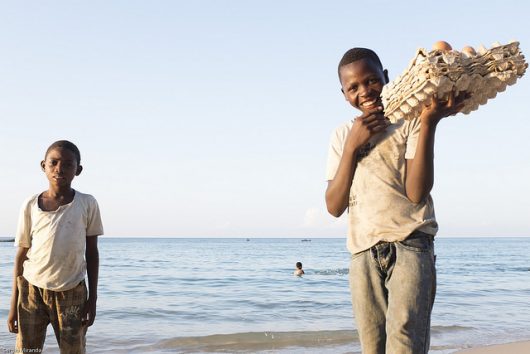
Poverty, Climate and Hunger in Mozambique


Mozambique is one of the poorest countries on a global scale. The government estimates that 54 percent of its population lives below the poverty line. Hunger in Mozambique is widespread, as 80 percent of the population cannot afford enough food for good health and 24 percent are chronically food insecure. At least 25 percent of Mozambicans are malnourished, due in part, to poor crop diversity. Almost half of children under age five are malnourished, and 42 percent have stunted growth.

Mozambique’s primary industry is agriculture: it brings in over 25 percent of the nation’s GDP and employs 80 percent of the workforce. Yet, Mozambique is also prone to severe weather such as droughts and floods. With the majority of the nation dependent on agriculture and at risk for severe weather, Mozambique is highly susceptible to chronic food insecurity and poverty.

While parts of Mozambique are prone to drought, these regions also have rivers, leaving them prone to flooding during cyclone season. In fact, two-third of Mozambicans live in regions at risk of flooding and cyclones. Mozambique experienced floods in 2000, 2001, 2007 and 2008. The country had droughts between 2002-2003, 2004-2005, 2006-2007 and 2007-2008.

Drought caused by the 2016 El Niño weather pattern reduced crop yields and left two million Mozambicans suffering food insecurity. Shortly after, in February 2017, the country experienced a cyclone which also destroyed crops.

Feed the Future, an initiative funded by USAID is working to reduce hunger in Mozambique. The USAID website notes that Mozambique also has geographical advantages and great potential to increase agriculture while reducing food insecurity. The country is a coastal country, making it ideal for growing food and supplying landlocked African countries. Furthermore, only 17 percent of the suitable land is being used for farming.

The Feed the Future Initiative is taking advantage of this potential. Research is underway to improve agriculture. More nutritious and resilient crop varieties are being developed, as are plants which produce higher yields. Ideal fertilizers are being used along with better farming practices to improve soil quality.

Of the 15 countries in Southern Africa, Mozambique is the second largest exporter of food. As such, better farming practices can allow the citizens of Mozambique to rise out of poverty. Crop production is impaired by changes in climate. Yet, if Mozambique can overcome this obstacle, it can help reduce famine throughout Southern Africa. The outlook is good. Mozambique cut hunger in half between 1997 and 2015.

If the Feed the Future Initiative and other organizations can end hunger in Mozambique, then it can possibly end hunger in Southern Africa.

– Mary Katherine Crowley

Photo: Flickr
June 3, 2017
https://borgenproject.org/wp-content/uploads/borgen-project-logo.svg 0 0 Borgen Project https://borgenproject.org/wp-content/uploads/borgen-project-logo.svg Borgen Project2017-06-03 01:30:262024-05-28 00:02:01Poverty, Climate and Hunger in Mozambique
Global Poverty, Hunger, USAID

Combating Hunger in Kyrgyzstan in the Classroom

Hunger in Kyrgyzstan
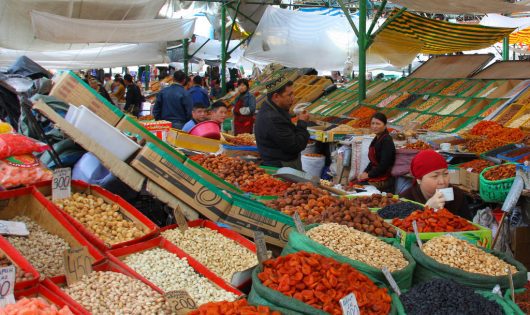
Kyrgyzstan is a small, mountainous country, landlocked amongst countries that spent most of the 20th century under Soviet rule. Hunger in Kyrgyzstan is an issue that overshadows the progress the country is making.

Of Kyrgyzstan’s six million citizens, 30 percent live in poverty. Twelve percent of the population is food-insecure with 43 percent of children under five suffering from anemia. Thirteen percent of this under five population have stunted growth from malnutrition.

Two-thirds of Kyrgyzstan’s population lives in the countryside where agriculture is the main source of income. The fragmentation of the small family farms, however, inhibits overall production from reaching the scale necessary to meet the market demand.

Farmer-to-Farmer is a five-year program introduced in 2013 by USAID designed to bring technology transfer innovations to Kyrgyzstan’s agricultural sector through short-term technical assistance. The goal of the USAID program is to generate economic growth with person-to-person assignments. The farmers of Kyrgyzstan learn such things as new pruning techniques, ways to improve cold storage management or food safety standards. The volunteers who arrive in Kyrgyzstan gain a better understanding of U.S. foreign assistance outside their country.

A bright spot in Kyrgyzstan is its 99 percent literacy rate and the fact that gross primary school participation is 100 percent. One way to conquer hunger in Kyrgyzstan, as well as childhood malnutrition, is to improve school meals. The U.N. World Food Programme funded a pilot project called School Meals Optimization, which provides culinary training and kitchen equipment to schools. It also aids in renovating school cafeterias and helps schools establish vegetable gardens to source their fruit and vegetables. By 2015, more than 62,000 primary school students in 260 schools received a nutritious, hot meal during the school day, almost six times the number of students in the project’s first year. The program has since expanded to all schools across the country.

The focus on healthy, nutritious meals is gaining momentum in this former Soviet satellite. Recently, 20 school chefs from across the country were chosen to meet in Kyrgyzstan’s capital, Bishkek, for a competition and a master class with one of Kyrgyzstan’s top chefs. They spent one day cooking vegetables, pureeing soups and making chicken fricassee among other things, all using affordable local produce. On day two, all 20 chefs competed to make a three-course meal in 90 minutes using ingredients from a mystery basket. These competing chefs can attack the issue of hunger in Kyrgyzstan in a positive and productive manner.

The students of Kyrgyzstan also emulate the healthy, nutritious meals they enjoy when they graduate from the classroom into society. They are building a foundation to help decrease hunger in Kyrgyzstan for future generations. Through their efforts, the future for Kyrgyzstan’s food security looks bright.

– Jene Cates

Photo: Flickr

May 25, 2017
https://borgenproject.org/wp-content/uploads/borgen-project-logo.svg 0 0 Borgen Project https://borgenproject.org/wp-content/uploads/borgen-project-logo.svg Borgen Project2017-05-25 01:30:122024-05-28 00:00:26Combating Hunger in Kyrgyzstan in the Classroom
Global Health, Global Poverty, USAID

The Climb Towards Eliminating the Spread of HIV/AIDs

The Climb Towards Eliminating the Spread of HIV/AIDs
Since the early 2000s, organizations such as the U.S. Agency for International Development (USAID) and the World Health Organization (WHO) have had vested interests in setting up preventative measures aimed at eliminating the spread of HIV/AIDs. Such elimination is particularly an issue in developing countries, where the disease is most prevalent.

In working towards this goal, USAID focuses on providing better resources for healthcare workers, especially in countries where professional healthcare workers are scarce and resources are incredibly low.

According to USAID, optimizing for the “effective and sustainable” delivery of services is a pivotal strategy towards eliminating the spread of HIV/AIDs in developing countries and on a global scale. Such a strategy targets various means towards the end goal, including the efficient training of healthcare workers, effectively administering antiretroviral medicine within clinics and hospitals and providing efficient laboratory training and lab systems for HIV viral load testing.

Moreover, the U.N. has initiated a “90-90-90” plan in response to the rapidly growing HIV/AIDs epidemic. Under this plan, the end goal is for 90 percent of populations infected with HIV to have received antiretroviral therapy by the year 2020.

Currently, only 60 percent of the 36.7 million individuals living with HIV are aware of their positive status, and less than half of these individuals are receiving the medical attention necessary to help prevent its spread among unsuspecting persons.

According to the WHO, more than 90 percent of persons infected with HIV live in developing countries with poor access to medical treatment. Likewise, the highest rates of infection lie in the underdeveloped countries of sub-Saharan Africa, where money and healthcare resources are extremely limited.

To help combat the spread of HIV, the WHO remains dedicated to promoting for an increased budget in HIV vaccines, easy access to testing and counseling services and providing affordable healthcare treatments for individuals living with the virus. Taken together, these measures can be utilized for eliminating the spread of HIV/AIDs in underdeveloped countries as well as on a global scale.

– Lael Pierce

Photo: Flickr

April 29, 2017
https://borgenproject.org/wp-content/uploads/borgen-project-logo.svg 0 0 Borgen Project https://borgenproject.org/wp-content/uploads/borgen-project-logo.svg Borgen Project2017-04-29 01:30:082024-05-28 00:00:09The Climb Towards Eliminating the Spread of HIV/AIDs
Global Poverty, USAID

6 Ways USAID Helps Syria


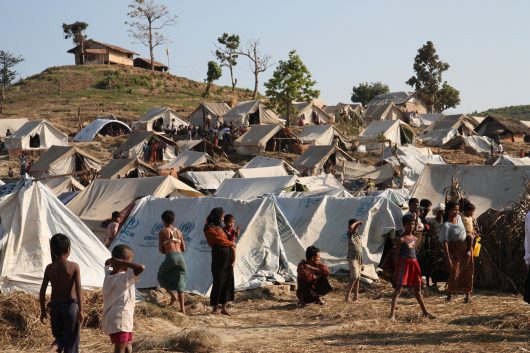
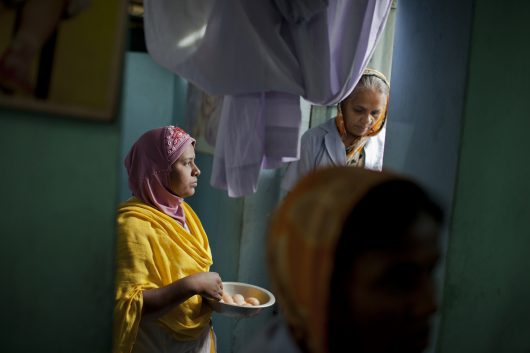
The news of the ugly, modern warfare occurring in Syria is heartbreaking. Unfortunately, there is no simple answer to the problem of Syria’s civil war. Despite obstacles, many agencies are doing their best to get humanitarian aid to civilians. In particular, USAID helps Syria by funding many organizations within the United Nations (U.N.), through non-government organizations (NGOs), and its own programs. Here are six specific groups that USAID helps fund.

6 Ways USAID Helps Syria

  1. USAID’s Disaster Assistance Response Team (DART): DART currently has teams deployed to Turkey and Jordan. They are on standby in case of a sudden and large-scale displacement of Syrian refugees, or for any other humanitarian needs caused by the conflict in Syria.
  2. USAID/Office of U.S. Foreign Disaster Assistance (OFDA): USAID/OFDA funds U.N. and NGO sponsored programs. This department has helped provide medical care to Syrians by helping the U.N.’s World Health Organization (WHO). The WHO has been able to evacuate patients out of conflict zones, as well as identify and vaccinate against a recent measles outbreak. USAID/OFDA also funded NGOs to train Syrian medical staff, provide medical supplies, and vaccinate against polio.
  3. The Crop and Food Security Assessment Mission (CFSAM): USAID is funding the U.N. World Food Program and U.N. Food and Agriculture Organization, which have been able to report on food and crop security in Syria. The CFSAM report shows that less food is being produced in Syria. With this information, the U.N. is able to respond with appropriate food deliveries.
  4. The World Food Programme (WFP): USAID gave $79,812,417 to the WFP’s work in Syria during the 2016 fiscal year. This does not include the funding given to the WFP for use in neighboring countries. In January, the WFP delivered food to 3.6 million people in Syria. The WFP has also given food assistance to conflict-isolated people in the Jordan-Syrian border towns. Finally, the WFP has given more than 1.6 million Syrian refugees food vouchers on debit cards.
  5. The U.N. Children’s Fund (UNICEF): UNICEF is helping in Syria and in neighboring countries. Within Syria, UNICEF is bringing six million liters of water daily. This is estimated to help 400,000 people in the country. UNICEF is helping Syrian refugees as well. Last November and December, they provided $28 clothing vouchers for Syrian refugee children in Jordan to buy winter clothing. These vouchers were given to 128,430 Syrian children. UNICEF is also offering psychosocial support to Syrian refugee children in Turkey. In January, they helped 7,200 children. UNICEF is also helping refugees by providing social services.
  6. Office for the Coordination of Humanitarian Affairs (OCHA): The U.N. organization, OCHA, received $3,000,000 from USAID in the 2016 fiscal year. As a result, OCHA has been able to present reports on the humanitarian crisis in Syria. As a result of this important work, the world now knows if humanitarian aid is able to get into Syria, citizens are impacted by aid disruptions and by the state of facilities and infrastructure throughout Syria.

While these examples are encouraging, Syria is still struggling to receive humanitarian aid being offered. In many cases, battles between the al-Assad regime and the rebel forces prevent aid workers from reaching citizens. In some cases, the Islamic State has deliberately blocked aid organizations from repairing infrastructure.

Yet, the world is persistent and continues to fund humanitarian aid to Syria. USAID helps Syria in even more ways than are listed here. Also, the USAID website implores people to donate to NGO’s working in Syria.

It’s dispiriting to watch what unfolds in Syria and hard to imagine how Americans can help. Another way we can help is to tell Congress to support the USAID budget. As few as seven calls from constituents have been known to impact the legislation that a congressman or senator supports.

– Mary Katherine Crowley

Photo: Flickr
April 24, 2017
https://borgenproject.org/wp-content/uploads/borgen-project-logo.svg 0 0 Borgen Project https://borgenproject.org/wp-content/uploads/borgen-project-logo.svg Borgen Project2017-04-24 01:30:012024-05-27 23:59:596 Ways USAID Helps Syria
Aid, Global Poverty, United Nations, USAID

10 Facts About the International Affairs Budget


International Affairs Budget

The Trump Administration recently released its federal budget proposal for Fiscal Year 2018 (FY18), proposing deep cuts for the International Affairs Budget. The proposal includes plans to cut State Department and USAID funding by 31 percent and the Treasury International Programs budget by 35 percent. The proposed $37.6 billion total budget cut for the State Department and USAID starkly contrasts the $54 billion increase proposed for the Department of Defense.

There has already been pushback to the proposal, including a letter signed by more than 120 retired generals and admirals against the cuts, and another opposition letter signed by more than 100 faith leaders.

Top 10 things you need to know about the International Affairs Budget

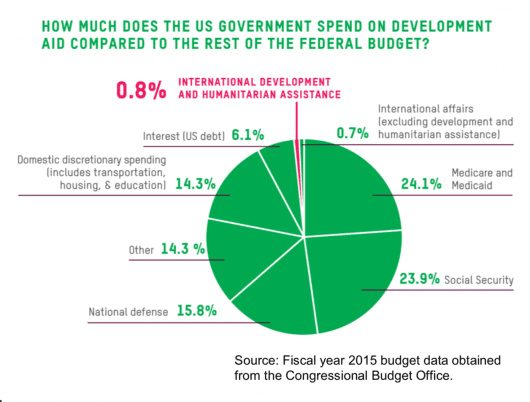
  1. It’s tiny. The International Affairs Budget accounts for less than one percent of the federal budget. The amount spent on foreign aid is often overestimated by the general public. A Kaiser Family Foundation poll published in 2015 asked respondents: “What percentage of the federal budget is spent on foreign aid?” — the average response was 28 percent.
  2. The International Affairs Budget is also referred to as the “150 account.” Foreign aid can be split into two functions: economic and development assistance (151), and security assistance (152). For FY17, the State Department requested $25.6 billion for the 151 account and $16.8 billion for the 152 account.
  3. Seven out of the top 10 recipients of economic and development assistance are African nations. Afghanistan is the largest recipient of economic and development assistance, as part of the ongoing reconstruction of the country after the U.S. military invasion in 2001.
  4. Money allocated to help alleviate global poverty is mutually exclusive from money allocated to help fund domestic poverty-reducing programs. In the overall federal budget, the International Affairs Budget is a completely separate account from the domestic expenditure. Therefore, spending money on global poverty does not have to compete with spending money on poverty here at home. Mattis Foreign Aid Quote
  5. The U.N. suggests that developed countries put 0.7 percent of their Gross National Income (GNI) toward overseas development and assistance. According to 2015 OECD statistics, the U.S. spends just 0.17 percent on overseas development and assistance — missing the U.N. target by 76 percent.
  6. The International Affairs Budget funds vital programs that have profound impacts on major global health threats. USAID assistance helped stall the recent Ebola outbreak in West Africa and continues to partner with local governments and organizations to ensure any further outbreaks are mitigated.
  7. USAID is the largest provider of food assistance in the world. Nearly 800 million people worldwide suffer from chronic hunger. Since its inception, around three billion people have benefited from USAID’s assistance programs.
  8. The International Affairs Budget has bipartisan support in Congress. U.S. Senator Ben Cardin (D-MD) led three of his bipartisan Foreign Relations Committee members in proclaiming that funding for the budget is “every bit as essential to ensuring America’s national security as funding for the Department of Defense, the Intelligence Community and law enforcement.”
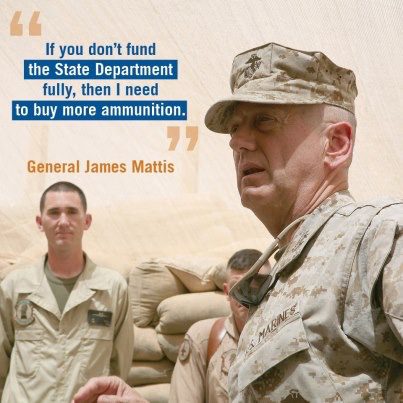
  9. The soft power of foreign assistance and development is supplementary to the hard power of the military. In 2013, U.S. Secretary of Defense James Mattis, as Commander of U.S. Central Command, remarked to Congress, “If you don’t fully fund the State Department, then I need to buy more ammunition.” Foreign aid and development can undoubtedly play a role in fostering positive growth and warm feelings toward the U.S. in societies that are at risk of succumbing to terrorist groups.
  10. Spending money on international development is not just a moral decision. In an ever-connected world, funding the International Affairs Budget creates jobs for American workers and boosts the American economy. In 1996, 39 percent of exports went to developing countries. Now, more than half of U.S. exports go to developing economies. Through aid and development, people living in developing economies are becoming more wealthy and more capable of affording American products.

The International Affairs Budget is a tiny component of the overall federal budget, but its impact in myriad areas is enormous. American jobs, economic growth, national security, and global health are just a few areas that will be affected if the proposed cuts by the Trump Administration are implemented.


– Michael Farquharson

Photo: Oxfam

April 22, 2017
https://borgenproject.org/wp-content/uploads/borgen-project-logo.svg 0 0 Borgen Project https://borgenproject.org/wp-content/uploads/borgen-project-logo.svg Borgen Project2017-04-22 01:30:402024-12-13 17:57:4510 Facts About the International Affairs Budget
Developing Countries, Disease, Global Poverty

15 Facts about Global Poverty

 Global Poverty
Most people are aware of global poverty, but oftentimes, the facts don’t sink in until people see the numbers. Here are 15 facts about global poverty.

1. The United Nations Food and Agriculture Organization estimated that from 2014 to 2016, one in nine people suffered from chronic undernourishment. Almost all of them live in developing nations.

2. Between the years 1992 and 2014, the number of undernourished people in developing nations was reduced to 43 percent. However, there is still a long way to go. The percentage of the world’s population that still suffers from hunger is 13.5 percent.

3. Sub-Saharan Africa is the region with the least amount of progress made in reducing hunger, with one in four people deemed chronically undernourished.

4. Although many Asian nations have made improvements in their poverty levels, little progress to decrease the number of chronically undernourished people has been made.

5. Undernutrition during a child’s developing years causes problems such as stunted height. In 2012, Professor Daniel Schwekendiek from Sungkyunkwan University studied the heights of children in North and South Korea. He found that poor nutrition causes North Korean children to be one to three inches shorter than South Korean children.

6. Another side effect of malnutrition is iron deficiency. Half of all pregnant women in developing countries are estimated to be anemic. About 40 percent of preschool-age children are also estimated to have anemia, which causes problems such as weakness and insomnia.

7. In the United States, a case of upset stomach and diarrhea might cause a sick day. For developing countries, a diarrheal disease could be a death sentence for a child. In 2015, diarrhea accounted for nine percent of deaths among children age five and under. This made it the leading cause of death for children in that age group.

8. Between 2000 and 2015, the number of children under five dying from pneumonia decreased by 47 percent. However, the numbers are not decreasing fast enough. In 2015, the cause of one in six childhood deaths was pneumonia.

9. The Center for Disease Control and Management estimates that 780 million people have no access to clean drinking water. This is about the same number of people who suffer from hunger and malnutrition globally. People living in rural areas are more likely to not have access to an improved water source.

10. The United Nations Children’s Fund (UNICEF) estimates that one in five primary schools girls do not have access to education. Experts say that one reason for this is because menstruating girls often do not have access to toilets in schools. Girls are also more likely to be in charge of fetching water for the family. This makes it difficult for them to stay in school.

11. Contaminated drinking water can also lead to diseases such as Guinea Worm Disease (GWD). This is a painful parasitic disease that causes worms to emerge from the body through blisters and sores.

12. Unclean water isn’t only unsafe to drink, it can also be unsafe to wash in. Contaminated water sources used in washing can lead to problems such as trachoma, the world’s leading cause of preventable blindness. Nearly 41 million people suffer from this condition.

13. According to UNAIDS, there were approximately 37 million people living with HIV/AIDS in 2015. The number of children under the age of 15 living with the disease in 2015 was 1.8 million.

14. In 2015, 150,000 children became infected with HIV. The majority of them live in Sub-Saharan Africa and became infected by their mothers through pregnancy, childbirth or breastfeeding.

15. However, people are making progress in addressing the AIDS epidemic. In 2016, there were an estimated 18.2 million HIV-infected people on antiretroviral therapy. UNAIDS hopes to increase that number to 30 million by 2020.

Most people have some general knowledge of the effects of global poverty, but the numbers make the reality more palpable. These facts demonstrate the great amount of progress made and the work that still needs to be done. The Borgen Project is helping decrease global poverty number by educating, advocating and mobilizing people. However, until poverty is completely eliminated, there is still plenty of work to be done.

– Mary Grace Costa

Photo: Flickr

April 17, 2017
https://borgenproject.org/wp-content/uploads/borgen-project-logo.svg 0 0 Borgen Project https://borgenproject.org/wp-content/uploads/borgen-project-logo.svg Borgen Project2017-04-17 01:30:272024-12-13 17:57:3415 Facts about Global Poverty
Foreign Aid, Global Poverty, USAID

“Power Africa” and the Return on Investment of USAID


On the surface, the term “foreign aid” indicates a government policy that is purely altruistic. The reality is that foreign aid is also an investment. Aid opens new opportunities for American businesses overseas and promotes domestic job growth by developing future trading partners. The Power Africa initiative is a prime example of the return on investment of USAID.

Two-thirds of people in sub-Saharan Africa do not have access to electricity. Established in 2013, Power Africa is a government-led partnership aiming to double access to electricity in sub-Saharan Africa. The initiative aims to establish 60 million new connections for homes and businesses by 2030. American firms, such as General Electric and SunEdison, sponsor and manage projects in conjunction with other international and local businesses.

Sen. David Perdue (R-GA) recently highlighted the return on investment of USAID and the Power Africa initiative. He elaborated, “USAID put $8 billion up and attracted more than $45 billion [in commitments].” According to USAID, $2.8 billion has been spent thus far and $14 billion guaranteed. That amounts to a return on investment ratio of one to five.

The return on investment of the Power Africa initiative should not solely be considered a short-term goal; USAID funding and assistance have fostered immediate short-term investments by U.S., African and other international businesses. However, the long-term ramifications of the development of the energy sector in sub-Saharan Africa have the potential for much larger returns.

Growing the energy sector and bringing more and more African citizens into the global marketplace creates new opportunities for American exports. Access to electricity boosts business growth in the local economy, improves medical care, encourages investment and creates a platform to further integrate Africa into the global economy.

Power Africa benefits current and future generations of Africans as it gives them the opportunity to become more self-reliant and less dependent on foreign subsidies. For example, South Korea received billions of dollars in U.S. foreign assistance from the 1940s through the 1970s. In 2013, South Korea was the sixth-largest trading partner of the U.S., with exports of $42 billion and imports of $62 billion.

The Marshall Plan is another notable success story of the return on investment of international development money. The Marshall Plan was a policy under President Truman in which the U.S. government spent just over $120 billion in today’s dollars to rebuild Western European economies after World War II. The policy was a resounding success. The U.S. now exports approximately $240 billion to the EU every year, and millions of Americans have jobs as a result.

Historical examples provide concrete evidence that both the recipient and donor benefit from foreign aid. Power Africa has the potential to transform the energy sector in sub-Saharan Africa and provide further evidence of the return on investment of USAID.

– Michael Farquharson

Photo: Flickr

April 13, 2017
https://borgenproject.org/wp-content/uploads/borgen-project-logo.svg 0 0 Borgen Project https://borgenproject.org/wp-content/uploads/borgen-project-logo.svg Borgen Project2017-04-13 01:30:172024-12-13 17:56:13“Power Africa” and the Return on Investment of USAID
Disease, Global Poverty

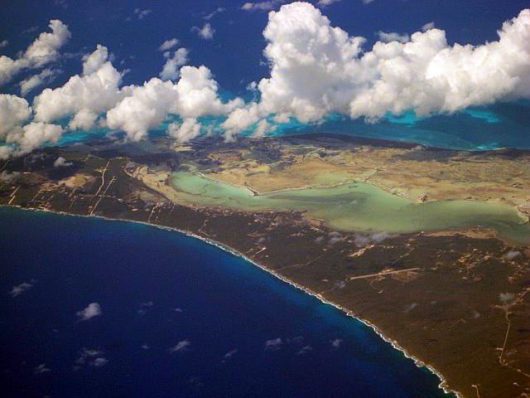
5 Top Diseases in the Bahamas

 Diseases in the Bahamas
The top diseases in the Bahamas are hypertensive disease, ischemic heart disease, cerebrovascular diseases, HIV/AIDS and diabetes. These diseases account for the high mortality rates in the country and affect the overall health of Bahamians.

  1. Hypertension was the leading cause of death for Bahamians in 2011 resulting in 215 deaths, which is a decrease in the number of deaths from 2008, which stood at 993. Hypertension preventative measures have been implemented in the Bahamas and a national campaign was launched in 2013 promoting good habits for controlling blood pressure.
  2. Ischemic heart disease, or coronary heart disease, has been considered one of the top diseases in the Bahamas and resulted in 180 deaths in 2011. The country’s department of statistics has reported that more than 24 percent of all deaths in the Bahamas are directly related to heart disease.

  3. Cerebrovascular diseases accounted for 130 deaths and have been another of the top diseases in the Bahamas, especially among women. Cerebrovascular diseases are considered more life-threatening, even though hypertensive diseases are the number one cause of death.

  4. HIV/AIDS has been prevalent in the Bahamas and ranks fifth on the list of top diseases in the Bahamas with a mortality of 121 deaths, according to a 2011 report by the Bahamas government. This is considered an epidemic, and there is currently no cure. The Bahamas, along with its AIDS Secretariat, is working vigorously to promote preventative measures and proper health measures for those living with this disease. Recently, the Linkages Project in conjunction with United States Agency for International Development (USAID) has begun the groundwork of linking across the Continuum of HIV Services for Key Populations Affected by HIV project. This project is aimed at accelerating the ability of partner governments, key population-led civil society organizations and private-sector providers to plan, deliver and optimize comprehensive HIV prevention, care and treatment services to reduce HIV transmission among key populations and help those living with the disease to live longer.

  5. Diabetes, another top disease in the Bahamas, affects 34,900 Bahamians and can lead to death, according to the International Diabetes Federation. The mortality of this disease in 2011 was 86 deaths per year. Diabetes can lead to other complications and result in similar symptoms to the other top diseases in the Bahamas.

These diseases all have a major impact on the health of the Bahamian people, and health providers continue to promote healthy lifestyles and to lobby for affordable, all-inclusive national health plans to combat their impact.

– Rochelle R. Dean

Photo: Flickr

March 30, 2017
https://borgenproject.org/wp-content/uploads/borgen-project-logo.svg 0 0 Borgen Project https://borgenproject.org/wp-content/uploads/borgen-project-logo.svg Borgen Project2017-03-30 01:30:512024-05-27 23:59:295 Top Diseases in the Bahamas
Developing Countries, Foreign Aid, Global Poverty, USAID

15 Foreign Aid Statistics


The following 15 foreign aid statistics help to understand the topic of foreign assistance. Most Americans don’t know much about U.S. foreign aid. There are many misconceptions about what foreign aid is and how much of the federal budget goes to it each year. Here are 15 foreign aid statistics.

  1. The U.S. government states, “Foreign assistance is aid given by the United States to other countries to support global peace, security, and development efforts and provide humanitarian relief during times of crisis. It is a strategic, economic and moral imperative for the U.S. and vital to U.S. national security.”
  2. The first U.S. aid program was created in the aftermath of World War II.
  3. In 1961 Kennedy signed the Foreign Assistance Act which created The United States Agency for International Development (USAID).
  4. The Kaiser Family Foundation conducted a study in 2015 and found that most Americans thought the U.S. spends too much on foreign aid. Twenty-six percent was the guess for how much of the total federal budget goes towards it.
  5. Out of the total $4.15 trillion proposed budget for 2017 by Obama, $42.4 billion was set aside for foreign assistance.
  6. $25.6 billion was set for economic and development assistance. The top three countries receiving this aid are Afghanistan, Jordan and Kenya.
  7. Economic and development assistance includes many programs, the largest being Global Health Programs, Economic Support Fund, Development Assistance and Migration and Refugee Assistance.
  8. Within Global Health Programs, most of what the U.S. gives goes towards fighting HIV/AIDS.
  9. Some of the smaller programs falling under economic and development assistance include International Disaster Assistance, Food for Peace, Millennium Challenge and The Peace Corps.
  10. About $16.8 billion was budgeted for U.S. security assistance in 2017. The top three countries receiving this aid are Afghanistan, Israel and Egypt.
  11. The main programs falling under U.S. security assistance include Foreign Military Financing, Afghanistan Security Forces Fund and Coalition Support Funds.
  12. The U.S. spent more than $14 billion from the foreign aid budget on deliveries of arms sales in 2015. According to The Washington Post, “in terms of arms sales, [the United States] controls at least half of the global market.” The top three countries receiving these deliveries were Saudi Arabia, Australia and Iraq.
  13.  Less than one percent of the entire U.S. annual budget is spent on International Development and Humanitarian Assistance.
  14.  Oxfam says three changes to U.S. foreign aid would help make it more effective: “Focus first and foremost on fighting poverty. Recognize that local citizens and governments are in charge of their countries’ futures. Put more U.S. aid resources in their hands. Continue to provide more useful information about U.S. aid.”
  15. In an interview with NPR, Phyllis Pomerantz (public policy professor at Duke University) said, “On the one hand, you can say that the U.S. is the most generous because it is one of the biggest donators to foreign aid, but on the other hand, we have one of the lowest percentages of gross national income donated to foreign aid.”

These 15 foreign aid statistics help to better understand what U.S. foreign aid is, how much money goes where and what needs to be reworked as we look towards the future.

– Shannon Elder

Photo: Flickr

March 19, 2017
https://borgenproject.org/wp-content/uploads/borgen-project-logo.svg 0 0 Borgen Project https://borgenproject.org/wp-content/uploads/borgen-project-logo.svg Borgen Project2017-03-19 01:30:172024-06-05 04:10:4415 Foreign Aid Statistics
Education, Global Poverty

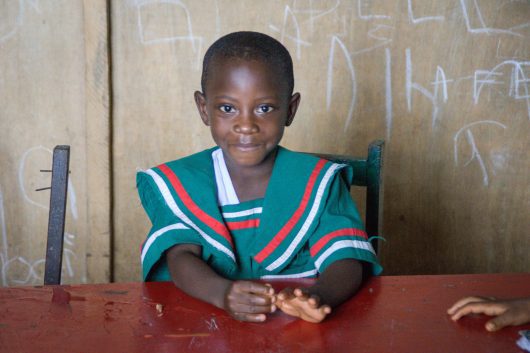
Rebuilding Education in Liberia

Education in Liberia
From 2014-2015, the Ebola virus swept through Liberia. The disease left nearly 5,000 people dead and thousands orphaned, childless or without access to education. The outbreak, combined with 14 years of civil war, weakened an already crumbling education system. In 2014, the Liberian government closed more than 4,000 schools for six months. The action left 1.5 million children without access to sufficient education. Organizations like UNICEF, USAID and the Global Partnership for Education (GPE) developed the following programs to rebuild the education system. Their hope is to provide better access to quality education in Liberia.

  1. USAID — Education Crisis Response program
    The goal: to ensure that children had access to education during school closures and to protect children from the Ebola virus after schools were reopened.
    The methodology: During the Ebola epidemic, USAID broadcast lessons on the radio for students affected by the school closures. After the Liberian government reopened schools in Feb. 2015, the organization trained teachers and administrators in Ebola prevention. USAID also assisted schools in creating response plans in case of another Ebola outbreak.
  2. UNICEF — The Education Programme
    The goal: to make education in Liberia easily accessible for children living in poverty or with disabilities.
    The methodology: UNICEF collaborates with local initiatives to make children’s physical and mental health a part of the curriculum. The program also encourages needs assessments for students and educates parents through PTA programs.
  3. Global Partnership for Education (GPE)
    The goal: to fund student scholarships and rebuilding projects.
    The methodology: After the Ebola crisis, GPE donated $40 million in grants to over 2,500 schools. GPE used the grants to supply students with textbooks, build and furnish classrooms and construct housing units for teachers. The funds were also used for teacher training and scholarships for children whose parents didn’t previously have the means to send their children to school.
    In a GPE video, Elizabeth Toe, a K2 teacher, stressed the role of education in sustaining and building communities, “They are Liberian children, and Liberia needs them. They are important. Whether you are poor or rich, you are a part of this country. And you will make a difference in your country and in your family, especially for the girls.”
  4. USAID — Education Quality and Access in Liberia
    The goal: to supply schools with a quality curriculum.
    The methodology: USAID trains teachers in a curriculum that improves literacy and numeracy in primary schools. It prepares students to continue furthering their education. Two of the programs are mentioned here:
  5. Rural Teacher Training Institute
    The goal: to certify all teachers in primary school education. According to USAID, this will “implement the national plan to ensure all children are reading by the end of Grade 3.”
    The methodology: USAID trains teachers in basic curricula, with a focus on reading and math. This training ensures that students in rural areas are receiving the same education as children in larger communities.
  1. Liberia Teacher Training program
    The goal: to assist schools with developing new administration and operations.
    The methodology: USAID trains administrators in policy-making, monitoring learning and making basic management decisions so that schools can develop sustainable practices and operate without assistance.
  2. USAID — Advancing Youth Project
    The goal: to “provide increased access to […] basic education, social opportunities, leadership development and sustainable livelihood pathways for out-of-school Liberian youth.”
    The methodology: The project is for youth who have been affected by the education crisis, who either did not attend school or had their schooling interrupted. They are able to take skill-building classes to secure an occupation and contribute to their community’s economy.
  3. USAID — Girls’ Opportunities to Access Learning (GOAL) Plus program
    The goal: to increase girls’ enrollment in school.
    The methodology: GOAL Plus grants girls in grades one through six with scholarships to ensure their enrollment and continued success in higher education in Liberia. Educating girls is often the main focus of programs like USAID’s because educated women are able to financially contribute to their communities in nations where men have traditionally been the breadwinners.
  4. USAID — Higher Education for Liberian Development
    The goal: to address Liberia’s development challenges.
    The methodology: In partnership with the University of Liberia and Cuttington University, USAID is building “Centers for Excellence.” There, students with interests in engineering and agriculture can pursue quality higher education in Liberia. Citizens with engineering and agricultural skills are crucial to rebuilding Liberia’s economy.
  5. USAID — Center for Excellence in Health and Life Sciences project
    The goal: to “improve the quality of instruction through faculty and staff strengthening, curriculum development and upgrades in instructional resources.”
    The methodology: In partnership with the University of Liberia and Indiana University, USAID created a new two-year undergraduate program for students pursuing careers in medicine, midwifery, life sciences or public health.

– Rachel Cooper

Photo: Flickr

March 11, 2017
https://borgenproject.org/wp-content/uploads/borgen-project-logo.svg 0 0 Borgen Project https://borgenproject.org/wp-content/uploads/borgen-project-logo.svg Borgen Project2017-03-11 01:30:482024-12-13 17:56:43Rebuilding Education in Liberia
Page 71 of 92«‹6970717273›»

Get Smarter

  • Global Poverty 101
  • Global Poverty… The Good News
  • Global Poverty & U.S. Jobs
  • Global Poverty and National Security
  • Innovative Solutions to Poverty
  • Global Poverty & Aid FAQ’s
Search Search

Take Action

  • Call Congress
  • Email Congress
  • Donate
  • 30 Ways to Help
  • Volunteer Ops
  • Internships
  • Courses & Certificates
  • The Podcast
Borgen Project

“The Borgen Project is an incredible nonprofit organization that is addressing poverty and hunger and working towards ending them.”

-The Huffington Post

Inside The Borgen Project

  • Contact
  • About
  • Financials
  • President
  • Board of Directors
  • Board of Advisors

International Links

  • UK Email Parliament
  • UK Donate
  • Canada Email Parliament

Get Smarter

  • Global Poverty 101
  • Global Poverty… The Good News
  • Global Poverty & U.S. Jobs
  • Global Poverty and National Security
  • Innovative Solutions to Poverty
  • Global Poverty & Aid FAQ’s

Ways to Help

  • Call Congress
  • Email Congress
  • Donate
  • 30 Ways to Help
  • Volunteer Ops
  • Internships
  • Courses & Certificates
  • The Podcast
Scroll to top Scroll to top Scroll to top