• Link to X
  • Link to Facebook
  • Link to Instagram
  • Link to TikTok
  • Link to Youtube
  • About
    • About Us
      • President
      • Board of Directors
      • Board of Advisors
      • Financials
      • Our Methodology
      • Success Tracker
      • Contact
  • Act Now
    • 30 Ways to Help
      • Email Congress
      • Call Congress
      • Volunteer
      • Courses & Certificates
      • Be a Donor
    • Internships
      • In-Office Internships
      • Remote Internships
    • Legislation
      • Politics 101
  • The Blog
  • The Podcast
  • Magazine
  • Donate
  • Click to open the search input field Click to open the search input field Search
  • Menu Menu

Tag Archive for: USAID

Information and news about mobile technology

Posts

Development, Global Poverty, USAID

What is a Bilateral Organization?

bilateral organization
Multilateral organizations are international organizations that include several nations acting together. Bilateral organizations fulfill similar missions in slightly different ways. A bilateral organization is a government agency or nonprofit organization that receives funding from its home country’s government to then be used toward a developing country. This aid is more specifically targeted than multilateral aid, which may go through an international organization such as the United Nations.

These organizations, whether large or small, have the sole intention of aiding conflicts suffered by people. From the unfortunate effects of drought to the outbreak of a deadly disease, bilateral organizations are there to provide assistance. These nonprofits give aid by providing water and supplies for treatments and vaccines. While much of its aid is used for natural disasters, the organization also tends to society’s needs as well.

Some bilateral organizations include the United States Agency for International Development (USAID), the U.S. Public Health Service and the Centers for Disease Control and Prevention (CDC). The largest bilateral organization is USAID, which works to improve global health through immunization, better nutrition and other similar programs. Along with these larger organizations, there are many smaller ones as well. The U.S. Public Health Service (USPHS), for example, promotes, protects and advances the health and safety of nations around the world. It performs research for the prevention and treatment of diseases as well as ensures effective responses to epidemics.

The Centers for Disease Control and Prevention (CDC) is the United States’ protection agency. The CDC fights diseases globally to save lives and protect Americans from health, safety and security threats.

At the simplest level, bilateral organizations are agencies and organizations from a single country that provide targeted aid to other countries. Developed countries are most armed with these helpful organizations to assist the world in times of crisis. These bilateral organizations have a large influence and are key to major developments in health and well-being around the world.

– Brandi Gomez

Photo: Flickr
July 21, 2017
https://borgenproject.org/wp-content/uploads/borgen-project-logo.svg 0 0 Borgen Project https://borgenproject.org/wp-content/uploads/borgen-project-logo.svg Borgen Project2017-07-21 07:30:552024-05-28 00:02:45What is a Bilateral Organization?
Global Poverty, USAID, Water

Sanitation and Safe Water Quality in Swaziland

Swaziland is a small landlocked country in southern Africa that borders South Africa and Mozambique. The country is known for having the highest rate of HIV/AIDS prevalence in the world. Most of the country’s 1.3 million inhabitants live in poverty, with 69 percent of people being below the poverty line. The water quality in Swaziland remains unsafe for a large part of the population.
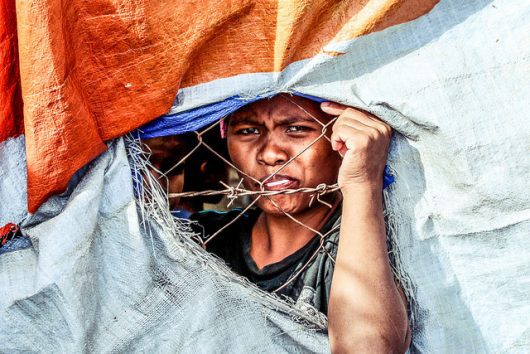
Three hundred and thirty thousand Swazis lack access to safe water, while 500,000 people do not have adequate sanitation. This is especially concerning for a country with so many HIV/AIDS patients that have weakened immune systems and therefore are more susceptible to waterborne diseases. The lack of safe water quality in Swaziland also causes the death of 200 children per year.

The Swazi government tried to offer assistance by drilling boreholes throughout the country, leaving the future management of the boreholes to its users. However, since locals could not afford to pay for the boreholes’ maintenance, the wells became dilapidated.

USAID and nonprofits such as WaterAid have taken measures in order to improve the water quality in Swaziland.

WaterAid lobbies the Swazi government to ensure that there is funding for water services to poor citizens. It also educates communities about simple and efficient ways to maintain safe water sources and toilets. In 2016, WaterAid provided 1,000 people with safe water and 1,000 people with better sanitation.

USAID has specifically focused on schools and the methods in which they obtain and use their water. They have set up programs that teach schools how to establish and maintain adequate sanitation systems. They have also provided schools access to clean drinking water. Additionally, with the introduction of new and effective methods for having safe water and good sanitation,

USAID was able to help schools create their own vegetable gardens to improve student nutrition. These programs have been set up in 57 schools and have improved the lives of around 9,000 students.

– Anna Gargiulo

Photo: Flickr

July 18, 2017
https://borgenproject.org/wp-content/uploads/borgen-project-logo.svg 0 0 Borgen Project https://borgenproject.org/wp-content/uploads/borgen-project-logo.svg Borgen Project2017-07-18 01:30:362024-06-05 02:12:15Sanitation and Safe Water Quality in Swaziland
Global Poverty, USAID

Mindanao Youth Development

Mindanao Youth DevelopmentMindanao Youth Development (MYDev) is a USAID program in the Philippines that addresses barriers to stability in areas of Mindanao. The program created Out-of-School Youth Development Alliances. These groups help youth find jobs by becoming allies with local employers and authorities.

The program is four years old. It addresses the displacement of residents, essential services and high rates of poverty and youth unemployment. Overall, Mindanao Youth Development aims for out-of-school youth to contribute to community development and the workforce.

Mindanao Youth Development works to implement livelihood skills, support access to education curricula to think critically and creatively, and provide the capacity to build development alliances. They seek to engage at least 19,000 youth in the workforce or community development activities.

Aizel Quisano, a young lady who was out of school and unemployed in Mindanao along with thousands of other young people, took part in the program. Her participation in USAID’s Mindanao Youth Development program has drastically improved her circumstances.

Quisano learned about effective communication and financial literacy, which allowed her to begin building her career. As a result, the program taught her new life skills and gave her a new job at an organic farm.

“My parents are happy because, aside from being able to earn income, I am also helping my community,” says Quisano. Since 2013, MYDev has helped over 13,000 individuals in Mindanao.

Mindanao Youth Development has organized summits to allow the youth to demonstrate their skills and present themselves professionally to employers. Consequently, this provides the youth open links to jobs and opportunities.

Like Quisano, many young people are finding more opportunities in their communities that benefit everyone. With the program’s providing curriculum for work readiness and civic engagement, there is hope for the youth to advance the community into a developing society.

– Brandi Gomez

Photo: Flickr

July 16, 2017
https://borgenproject.org/wp-content/uploads/borgen-project-logo.svg 0 0 Borgen Project https://borgenproject.org/wp-content/uploads/borgen-project-logo.svg Borgen Project2017-07-16 07:30:012024-05-28 00:02:59Mindanao Youth Development
Global Poverty, USAID, Water

Ghana’s Groundwater, USAID and Coca-Cola

Ghana's Groundwater
The Water and Development Alliance (WADA), a water management program designed by the United States Agency for International Development (USAID) and Coca-Cola, provides communities in Latin America, Middle East, Asia, and Africa with safe water access and sanitation. Since its conception in 2005, WADA has implemented 35 projects. After 10 years, WADA provided 600,000 people with reformed water access and 250,000 people with improved sanitation.

Between 2005 and 2014, WADA reached Uganda, Guatemala, Sierra Leone, El Salvador, and Ghana. WADA engages with these communities with several objectives. First, they establish participatory, sustainable water and watershed resources management to benefit people and ecosystems. Second, they increase access to community water supply and sanitation services. Third, WADA fosters improved behaviors and sanitation hygiene for positive health impacts. Finally, they promote efficient and sustainable productive use for water to protect the environment and provide economic benefits to communities.

WADA’s work in Ghana is a perfect example of the program’s endeavors. Ghana’s groundwater is the primary source of water for small rural towns, and it also has exceptionally high concentrations of fluoride. Fluoride affects calcium’s strength in the human body, a reaction that children are susceptible to. The reaction threatens the development of tooth enamel, resulting in decay, discoloration and severe pitting. The high fluoride content in Ghana’s groundwater is particularly dangerous for children. According to Water.org, “seventy percent of all diseases in Ghana are caused by unsafe water and sanitation.” The program directly improved water access for 4,000 families.

WADA also reformed five schools in Ghana’s Sekondi/ Takoradi Metropolitan Assembly. Schools often lack clean water for handwashing and latrines to properly dispose of waste. The program trained more than 40 teachers on hygiene behaviors and latrine facility maintenance. Furthermore, it created school hygiene clubs, installed 40 handwashing stations and 7 latrines. The project serviced approximately 5,400 students with safe water access and sanitation. Since 2007, WADA has serviced 8,000 schoolchildren.

Through the Water and Development Alliance, USAID and Coca-Cola has successfully changed thousands of lives around the world. This organization is a perfect example of how corporations and aid organizations can work together in order to reduce global poverty. Hopefully, other alliances such as this one can continue to improve the state of the world.

– Tiffany Santos

Photo: Flickr

July 14, 2017
https://borgenproject.org/wp-content/uploads/borgen-project-logo.svg 0 0 Borgen Project https://borgenproject.org/wp-content/uploads/borgen-project-logo.svg Borgen Project2017-07-14 01:30:442024-05-28 00:02:59Ghana’s Groundwater, USAID and Coca-Cola
Developing Countries, Foreign Aid, Global Poverty, USAID

How Foreign Aid Can Solve Instability in the Sahel Region

Instability in Sahel
The Sahel region is a large transition zone in Africa between the Sahara and Southern Africa. The countries surrounding this belt include Sudan, Niger, Nigeria, Mali and Chad. According to the Permanent Interstate Committee for Drought Control in the Sahel (CILSS), more than 100 million people will inhabit the region by the year 2020, and 200 million will live there by 2050. With such a huge influx of people in this land, the poverty-related problems and instability in the Sahel region need to be addressed.

News outlet Africa Renewal reported that in 2012, 18 million people suffered during a major food crisis in the Sahel region. Just the next year, 11 million were experiencing hunger, more than 10 percent of them being children.

In a press release published by the U.N. in June, U.N. Deputy Secretary-General Amina Mohammed spoke to the joint Economic and Social Council-Peacebuilding Commission on the instability in the Sahel region. He claims that the Sahel region continues to deteriorate due to lack of government and harsh climate conditions; these countries sit right above the equator.

Currently, more than 30 million people in the Sahel region struggle with food insecurity. Terrorism affects many more citizens, driving out law enforcement and government forces. “Efforts to address [this] should be closely coordinated with the work of the United Nations Development Group and the Resident Coordinators of Sahel countries,” stated Mohammed. Not only is he calling for action, but Mohammed explains that action is already being taken.

The U.N. Security Council is deploying a G5 Sahel joint force of 5,000 military and police personnel to collaborate with another military in the area, such as the United Nations Multidimensional Integrated Stabilization Mission in Mali (MINUSMA). Together, they will continue to protect citizens and suppress terrorist violence.

Mohammed closed his address by stating, “the Secretary-General, his senior management and I, myself, are committed to improving the efficiency and effectiveness of the United Nations response to crises around the world.”

However, the U.N. isn’t the only organization committed to helping the Sahel region. The United States Agency for International Development (USAID) funds CILSS with around $3.4 million annually. Their mission, as stated on the USAID website, is “to devote efforts towards the search for food security and combating the effects of drought and desertification for a new ecological balance in the Sahel.”

The 2030 Sustainable Development Goals and many organizations are working to end instability in the Sahel region. With the objective of government reform, we will hopefully see goals reached before the end of 2030.

– Vicente Vera

Photo: Flickr

July 13, 2017
https://borgenproject.org/wp-content/uploads/borgen-project-logo.svg 0 0 Borgen Project https://borgenproject.org/wp-content/uploads/borgen-project-logo.svg Borgen Project2017-07-13 07:30:062024-05-28 00:02:55How Foreign Aid Can Solve Instability in the Sahel Region
Education, Global Poverty, USAID, Women and Female Empowerment

Radio Used to Gain Support for Women’s Education in Malawi


The need for developing education in Malawi is continual. For example, in 2010, around 10 percent of primary aged children were not in school, and the primary school repetition rate reported in at 24 percent for boys and 29 percent for girls.

Girls in Malawi are exceptionally more vulnerable to a lack of education than boys. In fact, 32 percent of girls aged 14 to 17 are not in school compared to 23 percent of boys this age. Additionally, while 72 percent of boys 15 and older are literate, only 51 percent of women in this age group can read and write.

Part of this gap is caused by the high child marriage rate in Malawi, which is 11th highest in the world. UNICEF reports that approximately 50 percent of Malawian girls marry before they turn 18. Fortunately, this year the Malawian government moved to make marriage legal only after a woman is 18 years old.

Marshall Dyson, founder of the Girl Child Education Movement, is one of many Malawians who recognizes the need for resolution of the educational gender disparity. Dyson’s idea incorporated broadcasting an open discussion of child marriage and girls’ education over the radio. Both men and women of a variety of ages and backgrounds participated in the talk.

The discussion about girls’ education in Malawi broadcasted over Radio Islam, the only Islamic radio station in Malawi. Dyson strategically chose this platform since Muslims rested at risk of discrimination.

Dyson got his start in radio via an internship with Kumakomo Community Radio Station in Zimbabwe. There he served as the content manager of 12 volunteers.

The impact of this position is especially significant, considering that radio acts as the main source of news for most Malawians. According to USAID, the two-hour broadcast “was a collaboration across the YALI and Mandela Washington Fellows networks, and with Regional Leadership Center participants — young leaders between 18 and 35 enrolled in USAID-supported leadership training programs in sub-Saharan Africa.” Around three million people tuned in.

USAID states that “the Muslim Association of Malawi, who attended the event, agreed to open new offices in rural areas where communities can access up-to-date information about education and scholarship opportunities for girls.”

Education in Malawi still has much room for improvement, and humanitarians like Marshall Dyson act as major catalysts in that process. Through work such as his, Malawi is destined to achieve higher standards of education than ever before.

– Emma Tennyson

Photo: Flickr

July 6, 2017
https://borgenproject.org/wp-content/uploads/borgen-project-logo.svg 0 0 Borgen Project https://borgenproject.org/wp-content/uploads/borgen-project-logo.svg Borgen Project2017-07-06 01:30:352024-05-28 00:02:13Radio Used to Gain Support for Women’s Education in Malawi
Global Poverty, USAID, Water

8 Facts About Water Quality in Morocco

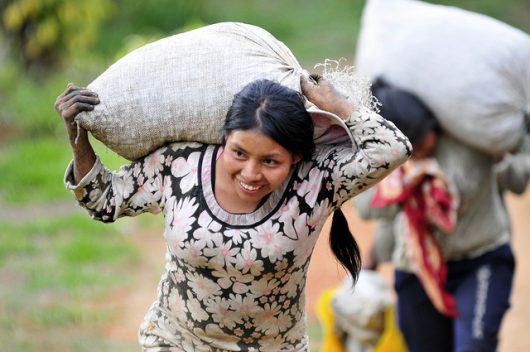
8 Facts About Water Supply in MoroccoIn Morocco, water supply and quality can be the deciding factor in the survival of a community. Today, 83 percent of Moroccans have access to improved drinking water, and 72 percent have access to improved sanitation. However, in a steadily growing population, the percentage of Moroccans lacking such access are faced with many challenges. Here are eight facts about water quality in Morocco.
8 Facts About Water Quality in Morocco

  1. In just half a century, Morocco’s population has more than tripled from 10 million to 32 million. Mass migrations have brought more than half the population to cities, giving rise to “tin cities,” or slums. These communities are located on the outskirts of urban areas, where access to clean water, electricity and sanitation services does not exist.
  2. The one-third of Moroccans without access to proper sanitation services are at high risk of waterborne diseases such as gastrointestinal infections, malaria and typhoid.
  3. Agriculture is responsible for 19 percent of Morocco’s GDP, but only 15 percent of agricultural land has access to irrigation. Due to a lack of sanitation services and inadequate wastewater treatment, the already scarce water resources for irrigation are often contaminated.
  4. Due to climate change, rainfall in Morocco is predicted to decline by as much as 50 percent by the year 2050, increasing the risk of droughts.
  5. Between 2004 and 2011, Morocco’s own Cities Without Slums urban development campaign created 100,000 new housing units in different parts of the country, providing 1.5 million people with access to water, power and sanitation.
  6. In 2016, USAID provided 336 Moroccan families with information on the best sanitation and hygiene practices. It also rehabilitated the retaining walls of a community’s water reservoir to prevent contamination.
  7. The same year, Moroccan farmers received irrigation advice for their crops from USAID through an SMS service, helping the country’s agrarian society achieve the greatest potential from limited resources.
  8. Also in 2016, the U.N. Food and Agriculture Organization teamed up with USAID to create a regional drought monitoring system that serves to maximize early warnings for droughts in North Africa and the Middle East.

While steps are being made toward a promising future, efforts of local and foreign aid to improve water quality in Morocco and strengthen resources must gain momentum in order to counter the effects of a growing population and a warming world.

– Sophie Nunnally

Photo: Flickr

June 27, 2017
https://borgenproject.org/wp-content/uploads/borgen-project-logo.svg 0 0 Borgen Project https://borgenproject.org/wp-content/uploads/borgen-project-logo.svg Borgen Project2017-06-27 07:30:242024-12-13 17:58:128 Facts About Water Quality in Morocco
Global Poverty, USAID, War and Violence

5 Ways USAID Can Help Build Sustainable Peace in Colombia


The media’s obsession with Pablo Escobar and Colombia of the 1980s fails to highlight the massive achievements Colombia had in recent decades. Legitimate progress has been made in improving basic security and economic conditions. While Colombians in previous generations lived amidst some of the worst poverty and violence in all of the Americas, this has changed over the past 15 years. In 2016, the homicide rate in Colombia dropped to its lowest level since 1974.

International aid groups working with local communities were an indispensable part of these improving conditions. This stability has allowed for the government to seek a peace agreement with the FARC jungle insurgency that has been waging a guerilla war against the government for over half of a century. Here are five ways USAID can help build sustainable peace in Colombia.

Five Ways USAID Can Help Build Sustainable Peace in Colombia

  1. Delivering the $450 million of peace aid promised by the Obama administration that was recently allocated by Congress, can help achieve a more stable community. The Secretary of State still has the power to restrict funds and the Trump administration has considered reducing the total USAID budget by 30 percent, putting Colombia’s peace funds at risk. Colombian politicians to the right of conservative President Juan Manuel Santos have even tried to appeal to the U.S. Congress to freeze aid. A bipartisan effort must be made to protect the fragile peace in Colombia by continuing to grow the return on the aid investment in the country.
  2. Peace can be reached through increased protection of persecuted groups. Although homicides have been at a 45-year low, the targeted killing of labor organizers, human rights activists and former combatants has been steadily increasing in recent years. In 2016, there were 116 human rights workers killed, and 7,000 FARC members have yet to be reintegrated back into society. These killings undermine the rule of law fundamental to democracy and silence those trying to make necessary reforms.
  3. Syria is the only place with more internally displaced people than Colombia. Whenever possible, USAID should facilitate ways to help people move back to their homes. One successful land restitution initiative depended on ensuring owners land deeds and then paying them to improve their own abandoned farms, this way poor farmers could afford to stay and invest in their home for the season.
  4. Supporting Crop Substitution Programs, like Cacao for Peace, help farmers develop a sustainable living by teaching them to cultivate alternative crops to replace the illicit drug economy. Areas deep in FARC territory were previously not eligible to receive development funds spent in “pacified areas.” The scorched earth policy of dropping pesticides on coca fields has not worked. Coca crops have increased by 38 percent since the beginning of Plan Colombia. However, USAID’s track record developing crop substitution in pacified areas has been stellar. USAID’s Nebraska Mission aimed to teach rose farming to poor farmers. Fifty years later, roses are a billion dollar vital export industry for Colombia.
  5. Displaced people in Colombia generally move from the countryside to the city. When displaced residents living in makeshift slums outside Cartagena organized for better conditions, they were able to convince USAID to purchase ground for them to build what would become known as the “City of Women.” Women learned construction techniques, built a city, and were rewarded with deeds to their own homes. This not only empowers women economically, it helps them compete in the labor market. Now, it’s a model the government wants to replicate in other parts of the country.

There are considerable challenges to building a sustainable peace in Colombia. From reintegrating FARC members from the world’s oldest guerrilla war back into society to helping the nearly seven million internally displaced Colombians find adequate housing. However, these challenges shouldn’t discourage us from acting. Critics should note that extreme poverty was halved in Colombia from 2002-2014.

In the 1980s, Colombia was a failing state, today it is a stable American ally with a growing economy and a young fragile peace.

– Jared Gilbert

Photo: Flickr

June 13, 2017
https://borgenproject.org/wp-content/uploads/borgen-project-logo.svg 0 0 Borgen Project https://borgenproject.org/wp-content/uploads/borgen-project-logo.svg Borgen Project2017-06-13 01:30:492024-12-13 17:58:035 Ways USAID Can Help Build Sustainable Peace in Colombia
Global Poverty, USAID

USAID is Funding 55 New Health Facilities in Ghana


USAID has funded a project in Ghana that will allow for the construction of 55 new community-based health planning and services (CHPS) compounds in the Northern and Volta Regions, to improve access to health care and reduce preventable maternal and child deaths.

While Ghana already has 155 existing compounds, they are run down and often overused. The health facilities simply cannot handle a number of people coming into the facilities to receive help from the surrounding communities. While USAID is funding the project, Systems for Health Project is implementing it in a collaboration with Ghana Health Services (GHS).

Four of the compounds that USAID is funding are currently under construction, due to be completed by the beginning of September. The new health facilities will be constructed in two different regions, with 28 new health facilities being in the Northern Region of Ghana, and 27 new health facilities in the Volta Region.

As part of the project to be completed by the end of next year, the 155 existing compounds including 78 in the Northern Region, and 77 in the Volta Region, would be renovated. This means that these compounds will be up to date with the new health facilities, and possibly able to handle a higher volume, as they are struggling to keep up now.

The new health facilities will be a big help to Ghana, as they are expected to improve the nutritional status of pregnant women and children, due to the nature of the facilities, watching their overall health as well as maternal. The provision of primary health care in rural areas of Ghana will also be improved by bringing healthcare to the doorstep of the underprivileged communities. The new facilities even have space where the GHS will be supporting interventions that will improve the reproductive health of women.

These classes will benefit the community and are one of the simple yet necessary needs that these communities have been struggling to provide for their population. It will be good for Ghana to continually use and maintain these facilities.

These centers will not only create high in-demand skilled jobs but will aid in lifting Ghana’s communities out of the sickness and hurt they have been experiencing for so long.

– Rilee Pickle

Photo: Flickr

June 11, 2017
https://borgenproject.org/wp-content/uploads/borgen-project-logo.svg 0 0 Borgen Project https://borgenproject.org/wp-content/uploads/borgen-project-logo.svg Borgen Project2017-06-11 01:30:072020-04-18 13:26:53USAID is Funding 55 New Health Facilities in Ghana
Global Poverty

15 Organizations Fighting Poverty in Developing Countries

15 Influential Organizations Committed to Fighting Poverty in Developing Countries Help
Naturally, The Borgen Project is our favorite organization fighting global poverty, but there are lots of amazing groups changing the world. Thanks to multilateral partnerships between nonprofit organizations, intergovernmental organizations and governments around the world, extreme poverty is down 50 percent since 1990. Below is a list of influential organizations that are fighting poverty in developing countries by working to better the lives of the world’s poor. This list is by no means exhaustive; this is just a sample of the exemplary organizations doing work in problem areas such as global health, water, sanitation, food, housing and education.

Top Organization Fighting Poverty in Developing Countries

  1. Oxfam: Oxfam is currently fighting poverty in developing countries by taking on issues of inequality, discrimination and unequal access to resources. The organization provides assistance during humanitarian crises. Oxfam is also very involved in educating the world’s poor about human rights and civic engagement in order to change the root causes of poverty at the political level.
  2. United Nations Development Program (UNDP): Founded on the belief that all people should have a chance to live with dignity, opportunity and safety, the UNDP helps countries develop policies. These lead to sustainable development, democratic governance, peace building and climate and disaster resilience. The UNDP is a giant agency that delegates country-specific activities and programs through its Resident Coordinator System with offices in 130 countries. The organization’s highest goal is to implement the Sustainable Development Goals in all countries of operation.
  3. United Nations Children’s Fund (UNICEF): UNICEF fights for children’s rights and welfare by strengthening legislation and social services. Initiatives include early childhood development, nutrition, immunization, water, sanitation and hygiene, children with disabilities and education.
  4. United Nations Office for the Coordination of Humanitarian Affairs (UNOCHA): UNOCHA is responsible for coordinating humanitarian relief efforts during natural disasters and conflict, as well as raising awareness and encouraging involvement among U.N. member states.
  5. United Nations Department of Economic and Social Affairs (UN DESA): The UN DESA creates and analyzes data pertaining to the economic and social aspects of sustainable development, which U.N. member states draw from when creating U.N. resolutions as well as drafting local policy plans in each respective home country. The UN DESA’s in-depth policy analysis has helped to resolve many of the world’s most pressing socioeconomic issues.
  6. The Borgen Project: The Borgen Project is an influential U.S.-based nonprofit fighting poverty in developing countries through civic engagement and education. The organization believes that developed countries have a moral obligation to help the world’s poor. The organization advocates on Capitol Hill for poverty reduction legislation, increasing the international affairs budget and making poverty reduction a primary focus of U.S. foreign policy.
  7. U.S. Agency for International Development (USAID): USAID facilitates development abroad by allocating the U.S. international aid budget toward projects that increase agricultural productivity, lower child mortality rates and deadly diseases, provide humanitarian assistance during a natural disaster and prolonged conflict, as well as promote democracy, economic growth, environmental resiliency and women’s empowerment.
  8. Overseas Development Institute (ODI): ODI is an independent think tank that researches a myriad of topics such as climate, energy, poverty and inequality. The institute’s goal is to facilitate international development by providing policy advice, consultancy services and training programs to fight poverty.
  9. Concern Worldwide: Concern Worldwide is a non-governmental organization (NGO) that fights poverty in developing countries by providing lifesaving humanitarian aid primarily focused on alleviating world hunger, increasing world health, and responding to emergencies and natural disasters.
  10. The Hunger Project: Two-thirds of the world’s illiterate population is female. Sixty percent of HIV/AIDS cases today affect women. The Hunger Project recognizes that poverty is sexist, and believes that empowering women is essential to ending world hunger and poverty. The project fights for clean drinking water, nutrition, and sanitation, as well as economic growth.
  11. Bill and Melinda Gates Foundation (BMGF): The BMGF has been instrumental in saving the lives of 122 million children since 1990. This is largely made possible through its efforts to increase access to healthcare and vaccinations, which have all but eradicated polio and halved malaria and tuberculosis rates around the world.
  12. World Bank Group: The World Bank Group is a crucial piece of our international development; it funds development projects around the world through traditional loans, interest-free credits and grants. The World Bank Group produces some of the world’s leading research and publications concerning development policies and programs. The group also offers policy advice, analysis and technical assistance to developing countries throughout the project application process.
  13. The Earth Institute: The Earth Institute is part of New York University and is directed by Jeffrey Sachs. It is comprised of two dozen research facilities in the fields of Earth and climate science, public health, economics, law, business and public policy. All of the organization’s research is focused on the future sustainability of our planet. The institute uses its research to develop policies and solutions to the world’s problems, especially in the areas of sustainable development and the alleviation of poverty.
  14. The Red Cross: The Red Cross in an international NGO that provides urgent assistance to those affected by disaster through vaccination campaigns, disaster preparedness and by reconnecting families separated by conflict and natural disasters.
  15. Engineers Without Borders (EWB): Engineers Without Borders is fighting poverty in developing countries by providing real-world engineering solutions to tough problems all over the world. Whether that be through increasing access to clean drinking water in rural communities or building roads and dams, EWB is committed to community-driven development by working alongside community members.

There are thousands of other organizations that are working to do their part on local and international scales. These groups are all increasing standards of living and fighting poverty in developing countries.

– Josh Ward

Photo: Flickr

June 8, 2017
https://borgenproject.org/wp-content/uploads/borgen-project-logo.svg 0 0 Borgen Project https://borgenproject.org/wp-content/uploads/borgen-project-logo.svg Borgen Project2017-06-08 01:30:132024-12-13 17:52:1015 Organizations Fighting Poverty in Developing Countries
Page 70 of 92«‹6869707172›»

Get Smarter

  • Global Poverty 101
  • Global Poverty… The Good News
  • Global Poverty & U.S. Jobs
  • Global Poverty and National Security
  • Innovative Solutions to Poverty
  • Global Poverty & Aid FAQ’s
Search Search

Take Action

  • Call Congress
  • Email Congress
  • Donate
  • 30 Ways to Help
  • Volunteer Ops
  • Internships
  • Courses & Certificates
  • The Podcast
Borgen Project

“The Borgen Project is an incredible nonprofit organization that is addressing poverty and hunger and working towards ending them.”

-The Huffington Post

Inside The Borgen Project

  • Contact
  • About
  • Financials
  • President
  • Board of Directors
  • Board of Advisors

International Links

  • UK Email Parliament
  • UK Donate
  • Canada Email Parliament

Get Smarter

  • Global Poverty 101
  • Global Poverty… The Good News
  • Global Poverty & U.S. Jobs
  • Global Poverty and National Security
  • Innovative Solutions to Poverty
  • Global Poverty & Aid FAQ’s

Ways to Help

  • Call Congress
  • Email Congress
  • Donate
  • 30 Ways to Help
  • Volunteer Ops
  • Internships
  • Courses & Certificates
  • The Podcast
Scroll to top Scroll to top Scroll to top