• Link to X
  • Link to Facebook
  • Link to Instagram
  • Link to TikTok
  • Link to Youtube
  • About
    • About Us
      • President
      • Board of Directors
      • Board of Advisors
      • Financials
      • Our Methodology
      • Success Tracker
      • Contact
  • Act Now
    • 30 Ways to Help
      • Email Congress
      • Call Congress
      • Volunteer
      • Courses & Certificates
      • Be a Donor
    • Internships
      • In-Office Internships
      • Remote Internships
    • Legislation
      • Politics 101
  • The Blog
  • The Podcast
  • Magazine
  • Donate
  • Click to open the search input field Click to open the search input field Search
  • Menu Menu

Tag Archive for: The World Bank

Posts

Electricity and Power, Employment, Global Poverty

Renewable Energy in Vanuatu

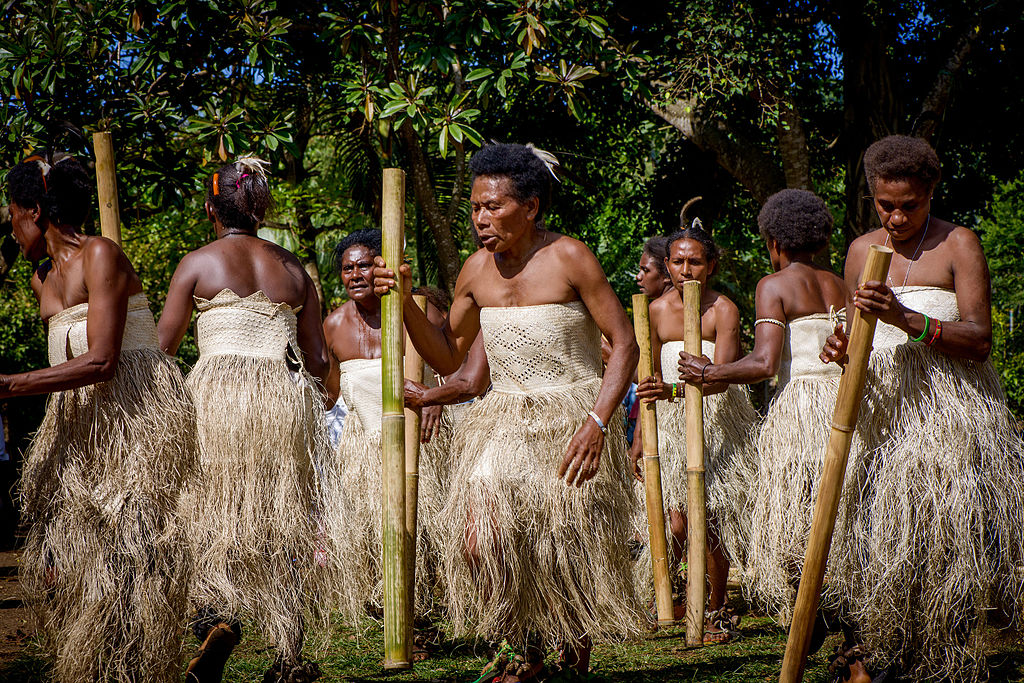
Renewable Energy in VanuatuRenewable energy in Vanuatu is becoming an important pathway towards the reduction of poverty, influx in energy access and the creation of local opportunities. The Pacific Island nation faces energy poverty with more than 70% of its population lacking reliable grid electricity, along with 80% of rural residents remaining off grid. Implementing renewable energy solutions is transforming, improving and empowering communities. 

1. Community Owned Mini Grids

Hybrid solar-hydro mini grids are bringing electricity to dozens of villages in Vanuatu. In Loltong, Pentecost Island, a system now powers hundreds of households, schools, clinics and shops. That mini grid alone is offering more than 300 people stable electricity that lowers household costs and improves quality of life. This is creating a strong example of how renewable energy in Vanuatu is linked to the broadening of energy and economic opportunity for rural communities in need.

2. Pico-Hydro for Remote Villages

Three pico-hydro stations are being installed in Pentecost Island under the Japan-funded Pacific Green Transformation Project. These will directly benefit more than 2,366 residents and create green sector job opportunities for the community. These small hydro-powered units will not only expand energy access but also create employment opportunities, helping to reduce poverty through sustainable, community based infrastructure.

3. Solar Kits for Households and Schools

The National Green Energy Fund has funded dozens of solar-powered energy kits for schools, co-ops and local governments, resulting in lighting classrooms, providing refrigeration and allowing for more communication. With half of Vanuatu’s households off grid, affordable solar kits allow for kids’ success in schooling and financial gain through replacing kerosene lamps, actively alleviating poverty.

4. Energy Access Through Rural Electrification Programs 

Projects supported by the World Bank have subsidized home solar systems for nearly 9,000 homes and 37 public buildings, granting renewable energy access to 45,000 people. These programs are significantly raising energy accessibility for lower income communities, leading to a reduction in poverty through enabling refrigeration, powering lighting and allowing cell phone usage.

5. Empowering Youth and Women

Renewable energy in Vanuatu is also contributing to social change. Youth, especially women, are receiving green skills training and leadership roles in energy planning through a regional program with UNDP. Aditionally, cooperatives led by women manage energy systems, earn income and increase community well being, boosting both gender equity and local prosperity.

6. Increased Support from Private Sectors

Donor support has allowed for a lot of progress in Vanuatu. Although the future growth will succeed with focus on private sector investment. The government backed the National Green Energy Fund ,which provides support for things like mini power grids, battery storage and energy-saving appliances. Additionally, with the government and support from World Bank, they are working with private firms to set up systems through its Rural Electrification Project (VREP I & II). These partnerships will help bring clean energy faster and support local jobs and the green economy.

Looking Ahead

Vanuatu ranks high in Pacific nations in regard to rural energy poverty and climate vulnerability. Indeed, through the increase in renewable energy in Vanuatu the country is improving in electricity access. Additionally, health standards, education, and economic opportunities also benefit. These smaller scale renewable energy initiatives are poverty alleviating and inspiring a pathway for other small developing communities. Vanuatu’s clean energy future is looking bright. By focusing on community needs, supporting youth leadership, and expanding access to new technologies, the country is setting an example for others to follow. Small island nations have the power to lead the way in sustainable development.

– Kyra Cribbs

Kyra is based in Charleston, SC, USA and focuses on Good News for The Borgen Project.

Photo: Wikimedia Commons
July 19, 2025
https://borgenproject.org/wp-content/uploads/borgen-project-logo.svg 0 0 Jennifer Philipp https://borgenproject.org/wp-content/uploads/borgen-project-logo.svg Jennifer Philipp2025-07-19 07:30:272025-07-18 13:46:46Renewable Energy in Vanuatu
elderly poverty, Global Poverty

5 Reforms Addressing Elderly Poverty in Jamaica

Elderly Poverty in JamaicaJamaica, known for its vibrant music and glistening shores, is currently experiencing the harsh reality of elderly poverty. Unknown to the vast majority of the world, seniors in Jamaica grapple with limited financial resources, inadequate health care access and social isolation. According to The Ministry of Health and Wellness, approximately 17% of Jamaica’s population will be 60 or older in 2025. This is a 12% increase from previous years, which will result in more strain on the limited resources already granted to the elderly. However, there is hope on the horizon for them. The Jamaican government is developing policy reforms, financial assistance and community programs to combat elderly poverty in their country. Here are five reforms that are addressing elderly poverty in Jamaica.

1. The Solidarity Program

Dr. Andrew Holness, the Prime Minister of Jamaica, recently announced the country’s Solidarity Program during Jamaica’s 2025 – 2026 National Budget Debate. The program aims to give $20,000 grants to vulnerable citizens in the country. For this program, vulnerable citizens include 50,000 informal workers, low-income earners, marginalized groups and elderly people.

2. Long-Term Care

The Jamaican government is supporting plans the World Health Organization (WHO) proposed to prioritize the long-term care of their elderly. Dr. Christopher Tufton announced that the plans aim to expand palliative and rehabilitative services, boosting elderly participation in routine health screenings and build community-based support systems. 

The plans will be essential to the overall wellbeing of Jamaican elders due to various environmental factors playing a role in their health. There is a growing number of communicable and noncommunicable diseases running rampant in Jamaica, so the World Health Organization’s proposed plans will give seniors a better chance at combating those diseases. The proposed plans will go into effect in the long-term for Jamaica, expanding from 2025 to 2036.

3. Elderly Care and Protection Act

The Jamaican government is also drafting The Elderly Care and Protection Act in recognition of the current laws that offer limited protection to its elderly. The act aims to address the various challenges that Jamaican elderly face in the country, while also defending their rights as aging citizens.

Various reforms aimed at improving the lives of the Jamaican elderly will go into effect if the act is passed, such as legally mandating the reporting of elder abuse. It will also establish the National Elderly Care Fund, which would help subsidize the cost of living and health care for Jamaican elders.

4. New Social Housing Program

Holness also announced that the Jamaican government is increasing the budget into its New Social Housing Program. This will result in 500 units being made for vulnerable citizens in 2024-2025, which includes Jamaican elderly.

With the cost of Jamaica housing rising, it has become almost impossible for the average resident to afford shelter, especially for the elderly. Housing stability is vital for a person’s health, even as they age, so this program will be essential in combating elderly poverty in Jamaica.

5. Social Protection

The World Bank Group is supporting Jamaica’s efforts in anti-poverty, especially for the elderly. In 2024, the World Bank’s Board of Directors approved a new investment program to strengthen Jamaica’s social protection system.

The investment program includes future unemployment benefits and job placement services for the vulnerable population. These interventions, while not exclusive to elderly people, will alleviate the financial pressures on elderly caregivers and those in multigenerational households.

Global Impact

Jamaica’s response to elderly poverty offers a valuable lesson for other developing countries. The government has implemented a multi-pronged approach to resolve the country’s elderly poverty crisis. It focused on financial aid, healthcare reform, legal protections and housing stability. These reforms offer solutions that will improve the lives of the Jamaican elderly, all within the country’s budgeting and resources.

Other countries facing similar challenges can look at Jamaica’s model for addressing elderly poverty, adapting it into their own multi-pronged approach. With focused policy action and the collaboration between various organizations, aging with dignity can become a reality for many in developing countries.

– Jaden Hartfield

Jaden is based in Charlotte, NC, USA and focuses on Good News and Celebs for The Borgen Project.

Photo: Unsplash

July 19, 2025
https://borgenproject.org/wp-content/uploads/borgen-project-logo.svg 0 0 Jennifer Philipp https://borgenproject.org/wp-content/uploads/borgen-project-logo.svg Jennifer Philipp2025-07-19 01:30:252025-07-18 13:23:265 Reforms Addressing Elderly Poverty in Jamaica
Global Poverty, UNICEF, WHO

Facts About Poverty in the Balkans

poverty balkansWithin Europe, the Balkans region often ranks the highest in terms of poverty rates and income inequality. Much of the region has only just recently begun to recover from the turmoil and violence that eclipsed the Balkans in the 1990s, and the region as a whole still lags behind the income rates and development of nations across the whole of Europe. With this in mind, to help better understand the poverty of the region, here are a couple of facts about the poverty in the Balkans.

“The Poorest Places in Europe”

When measured, the poverty in the Balkans is in the double digits. Breaking it down by country: 33% of Macedonians live in poverty; 30% of Kosovans live in poverty; and 20% of all Serbians and Croatians, or one in every five, live in poverty. The Balkan nations are some of the poorest nations in Europe. Albania, as an example, had “the lowest standard of living and the lowest per capita income in all of Europe.”

The Yugoslav Wars could be some of the reasons for poverty in the Balkans. Among other things, the war could be a catalyst for the rise in poverty, and the shrinking of the middle class the region has experienced since. The loss of previously established social services following the war’s start further exacerbates these trends.

Interestingly, despite the high poverty rate, there’s very little “youth crime,” or street/gang crime, in the region. There is also very little “common law crimes” that occur: crimes like murder, theft, and so on. However, there is still a large amount of organised crime, owing to the region’s geographic vulnerability, being in-between the markets of Europe and the Middle East.

Government Organizations Working to Combat Poverty

The World Bank provides loans to Balkan municipalities in order to improve infrastructure, and UNICEF has programs designed to support early childhood education. The European Union, meanwhile, works to reduce poverty via its “South Eastern Europe 2020 Strategy,” according to the European Western Balkans.

The Social Dimensions Initiative (SDI) is an international campaign that aims to advance social policy within Western Balkan countries. Founded by the European Fund for the Balkans (EFB), the initiative aims to advocate on behalf of social and employment policies within the Western Balkans, whilst also promoting regional cooperation, both between Balkan entities and the members of the SDI.

CARE Balkan

CARE Balkan is an initiative specific to the Balkans region, focusing on providing humanitarian assistance to the Balkans region since 1993. Its goal is “to ensure that the social, economic and political rights of vulnerable and marginalized groups are recognized and fulfilled, contributing to sustainable peace in the region.” The organization achieves this through several programs focusing on conflict prevention, peacebuilding, gender equality and prevention of gender violence.

Although poverty in the Balkans appears strong and at times overwhelming, initiatives and organizations are working to combat it. Both international organizations, such as the World Bank, UNICEF, and the European Union, work to invest in the Balkans region, whilst advocacy campaigns such as SDI work to promote and strengthen these initiatives. It is through these campaigns that poverty in the Balkans can be truly combated.

– Caelan Caukin

Caelan is based in Los Angeles, CA, USA and focuses on Global Health and Politics for The Borgen Project.

Photo: Flickr

July 17, 2025
https://borgenproject.org/wp-content/uploads/borgen-project-logo.svg 0 0 Naida Jahic https://borgenproject.org/wp-content/uploads/borgen-project-logo.svg Naida Jahic2025-07-17 03:00:222025-07-16 14:08:30Facts About Poverty in the Balkans
Economy, Global Poverty, Migration

The Divide Between Wealth and Poverty in Abuja

poverty in abujaNigeria, Africa’s most populous nation, has one of the youngest populations in the world, with more than 50% of its citizens aged less than 30. However, survival is a daily struggle for the majority due to limited opportunities and weak job creation. Nigeria’s social and economic situations have made migration attractive to the youth, with more than 3.6 million Nigerians leaving the country between 2022 and 2023.

Similarly, internal migration has become a growing trend in Nigeria, as those without the means to move abroad relocate to urban centers in pursuit of greener pastures. According to the United Nations (U.N.), approximately 49% of Nigerians now live in urban areas compared to 16% in 1960, highlighting the significant shift toward urbanization over the decades.

Internal Migration to Abuja

With terrorism, banditry and kidnappings in the north, along with separatist agitations in the southeast, internal migration to Abuja has been on the rise, especially among those who prefer it over Lagos. Abuja, Nigeria’s capital, is often seen as a city of wealth and opportunity. Skyscrapers, luxury estates and high-end shopping malls paint a picture of prosperity. However, beyond this facade lies a harsh reality for many residents. While the city continues to grow economically, this growth benefits only a small fraction of the population.

Poverty in Abuja

For the majority, poverty in Abuja is a daily struggle. Following a change in administration in 2023, Nigeria’s government removed fuel subsidies and floated the currency, increasing the nation’s inflation rate to more than 30% in September 2024. The government announced a new minimum wage of $43 per month in July 2024 to ease the financial burden on its citizens. However, it has yet to be implemented for primary school teachers and nurses in the Federal Capital Territory (FCT).

Consequently, more than 50% of people living in Abuja experience poverty, according to the Global Data Lab. Low-income earners, including cleaners and security guards, are the most vulnerable. Housing costs are exorbitant, with rents for studio apartments in Abuja ranging from $1,000 to more than $1,300 per year. Meanwhile, the average Nigerian employee earns less than $1,000 annually, forcing many into overcrowded slums or makeshift housing.

Despite Abuja’s reputation as a thriving metropolis, its wealth remains concentrated in the hands of a few, leaving the rest to struggle to make ends meet.

No Middle Ground

Abuja’s wealth gap is striking. In upscale areas like Asokoro and Maitama, luxury cars ply smooth roads, while nearby communities like Mpape and Dakibiyu struggle with poor infrastructure, scarce clean water and unreliable electricity. This stark contrast reflects the deep economic divide, where prosperity is concentrated among the few while many struggle to make ends meet.

The wealthiest 20% of Nigerians control 42% of the national income, while the most impoverished 20% share a mere 7%. This imbalance suggests that economic opportunities are disproportionately accessible to the affluent, leaving a significant portion of the population struggling to ascend the economic ladder.

Increased inflation has reduced purchasing power, making necessities harder to afford. The financial strain has sparked public outcry, with protests in major cities, including Abuja, as citizens demand relief from soaring living costs.

Can Change Come?

The Federal Government of Nigeria has implemented several economic reforms, including devaluing the Naira to stabilize the economy. However, these measures have also contributed to increased living costs, prompting debates about their efficacy and impact on the vulnerable population, especially those in the informal sector.

Therefore, nongovernmental organizations (NGOs) like Oxfam have highlighted the urgency of implementing progressive taxation and increasing social investments to bridge the widening economic divide. In pursuit of this goal, Oxfam actively works to enhance livelihoods, promote gender equality, strengthen governance and deliver humanitarian aid, all while creating sustainable economic opportunities for vulnerable populations.

Another NGO, the Ambience of Hope Exceptional Foundation, launched Operation Feed Abuja Municipal Area Council in December 2023, targeting vulnerable people in the city. The foundation distributed food items, sewing machines, generators, wheelbarrows, hair dryers, grinding machines, and more to uplift residents. Similarly, in 2024, the World Bank committed $12.2 billion to Nigeria’s economy to drive diversified growth, job creation and social inclusion, focusing on youth, women and marginalized communities.

Conclusion

While Abuja stands as a symbol of Nigeria’s aspirations and growth, it also embodies the profound challenges of economic inequality. Observing the city’s dual realities underscores the pressing need for policies that foster inclusive growth, ensuring that prosperity is accessible to all residents, reducing poverty in Abuja.

– Staff Reports
Photo: Flickr

June 27, 2025
https://borgenproject.org/wp-content/uploads/borgen-project-logo.svg 0 0 Lynsey 2 https://borgenproject.org/wp-content/uploads/borgen-project-logo.svg Lynsey 22025-06-27 07:30:092025-06-27 02:30:57The Divide Between Wealth and Poverty in Abuja
Gender Equality, Gender Wage Inequality, Global Poverty

Addressing the Gender Wage Gap in Papua New Guinea

Gender Wage Gap in Papua New GuineaPapua New Guinea is a developing country located in southwest Oceania. In 2021, U.N. Women reported the island country’s designation as a “lower middle-income country,” amassing a gross national per capita income of $2,386. Based on U.N. Women’s study, statistics show that Papua New Guinea’s income poverty sits at 28%, with 90% of those most affected living in rural environments. To complicate this further, rural women and children are among the most vulnerable under these conditions, facing many challenges to live healthy lives sustainably. Here is information about the gender wage gap in Papua New Guinea.

About the Gender Wage Gap

History has repeatedly indicated a significant disparity in power and economic allocations between women and men. In a society where men dominate the public sphere of influence, women are often disenfranchised. Due to this inequality, women are often short-sighted across sectors with limited access to power, resources, rights and wealth. A precedent of unequal pay for women in the labor market, known as the gender wage gap, often perpetuates this disparity.

The Organization for Economic Cooperation and Development (OECD) defines the gender wage gap as “the difference between the median earnings of men and of women relative to the earnings of men.”

The Gender Wage Gap in Papua New Guinea

In March 2025, the World Bank (WBG) published research showing significant increases in gender equality across landscapes in Papua New Guinea. However, research still shows gaps in employment along gendered lines. In its study, it found the following information:

  • In 2023, the value of waged and salaried female workers amounted to 15.6, more than a 10% increase from the previously recorded value.
  • Hourly earnings gaps are evident between female and male workers. Reporting a median hourly wage gap of 31.5% across all workers, irrespective of employment status, and 13.3% across wage workers. In addition to this, the mean hourly wage gap is 30.8% across all workers, irrespective of employment status and 16.3% across wage workers.
  • In Papua New Guinea, 81.9% of women are vulnerably employed (those who are self-employed and have lower labor incomes and low job security), with the remaining female population making up employers and wage and salaried workers. However, in comparison to this statistic, their male counterparts comprise 68.5% of vulnerable employment, with the remaining 27.3% fulfilling roles as employers and wage and salaried workers.

Steps in Achieving Gender Equality Globally

In the face of these wage and economic inequalities, various efforts are occurring to address these disparities. In 2024, the World Bank Group launched an initiative to accelerate gender equality, end poverty and cultivate a more livable planet. This conceptual framework will be implemented from 2024 until 20230 across the world. Its objectives include:

  • Ending gender based violence and elevating human capital
  • Expanding and enabling economic opportunities
  • Engaging women as leaders

Project Implementation in Papua New Guinea

Under the WBG’s program, selected countries like Papua New Guinea expressed a vested interest in prioritizing gender equality through various programs and reforms. The World Bank Group has outlined the following approaches.

  • The WBG is aiming to remove “barriers to women’s economic inclusion.”
  • It is prioritizing gender equality and emphasizing women’s participation in the labor force.
  • The WBG is also integrating gender analysis into the “country’s analytics to inform policy dialogue.”

This initiative leverages collective action in the interest of cultivating a world and future committed to nondiscrimination, inclusion and equality of opportunity. Furthermore, economic opportunities will experience expansion through meaningful and transformative impact. By working closely with nations through a country-engagement model, strategies to implement change through innovative financing and policy reforms will enable the advancement of public resources, support and equality for people regardless of their gender identity.

– McKenzie Rentie

McKenzie is based in Dallas, TX, USA and focuses on Celebs and Politics for The Borgen Project.

Photo: Pexels

June 21, 2025
https://borgenproject.org/wp-content/uploads/borgen-project-logo.svg 0 0 Jennifer Philipp https://borgenproject.org/wp-content/uploads/borgen-project-logo.svg Jennifer Philipp2025-06-21 01:30:322025-06-23 10:32:35Addressing the Gender Wage Gap in Papua New Guinea
Global Poverty, Health, Humanitarian Aid

Everything to Know About Poverty in Ukraine

Poverty in UkraineAs Ukraine remains in a state of conflict and continues to face challenges related to war, a momentum for change is developing, one marked by resilience, global support and notable advancement to reduce poverty.

Ukraine is actively building and laying the foundation for a better future. International organizations, local NGOs, as well as government efforts are proving that even in the darkest of times, change is feasible. When exploring everything you need to know about poverty in Ukraine, it becomes clear that despite ongoing adversity, progress is taking root in multiple areas of Ukrainian society.

Understanding Poverty in Ukraine

As of 2023, more than 29%% of Ukraine’s population, about 9 million people, lived in poverty. This number rose drastically amid the war with Russia. Since 2020, an additional 1.8 million Ukrainians have fallen into poverty due to widespread job losses and a collapsing economy. One in five adults who had employment before the invasion are now without work, and nearly a quarter of households reported struggling to afford food in June 2023. Conditions would be far worse without international aid. Especially for the United States, which has helped fund critical public services like pensions and salaries for teachers and doctors. The war has deepened economic instability, pushing many working-class families closer to the margins of survival. 

Poverty in Ukraine hits families with children the hardest, especially those with four or more children. These families face poverty rates of more than 80% and children are more likely than adults to live in poor conditions. This puts their education and development at risk. Still, the Ukrainian government has kept most health clinics open and helped nearly 89% of students keep learning, often online. Social support, like steady pension payments, has helped many families survive and avoid even worse hardship. 

Global Aid Drives Impact

In late 2024, the World Bank approved more than $2 billion in financial support for Ukraine. This initiative aims to stabilize the economy and fund essential public services. It introduces key reforms that improve transparency, expand the use of renewable energy and strengthen agricultural production, which is a considerable resolve for Ukraine.

Under the THRIVE project, to boost Ukraine’s health system, a separate $454 million package is being used. The initiative aims to improve efficiency and quality of public health care spending by strengthening national health services and expanding access for underserved communities.

Humanitarian Efforts to Address Poverty in Ukraine

In addition to major international funding, the civil society of Ukraine is playing a critical role in local recovery efforts. Razom, a U.S.-based nonprofit founded by Ukrainian immigrants, continues to make a significant impact. In 2023, the organization awarded more than $3 million in grants, reaching more than 330,000 people with support for food, shelter, education and attention to mental and trauma care.

Meanwhile, a leading example of trauma recovery emerges as the Superhumans Center located in Lviv is observed. Since its launch in April 2023, the facility has treated more than 1,000 amputees, a majority being treated for war injuries, being provided with prosthetics, reconstructive surgery and physiological care. It stands as a symbol of resilience and hope, making it more than a medical center. 

Understanding poverty in Ukraine means recognizing how both global and local actions are addressing not just economic hardship, but also the human and emotional costs of conflict. These combined efforts are helping restore lives and rebuild communities.

While poverty remains a reality for many Ukrainians, structural progress is underway. In 2024, grain and oilseed exports increased by 20%, and more than 75% of export operations resumed though Black Sea ports, an essential lifeline for the nation’s economy.

The government continues to improve digital infrastructure, expanding access to online services. For the fourth consecutive year, more government websites have met accessibility standards, allowing a greater number of Ukrainians, including those with disabilities, to access essential information and services.

Looking Ahead

Addressing poverty in Ukraine involves more than statistics. It is about the strength of people and institutions forging a path forward. While poverty remains a pressing issue, Ukraine’s path forward is progressively defined by recovery and renewal rather than survival. Efforts to rebuild a strong and inclusive society are in progress, supported by steady advantage in health care, education and economic infrastructure. Although these developments may unfold indistinctly, they are consistent and measurable. From a noticeable increase in clinics to rising export numbers, the country is making true advancements. For many Ukrainians, that gradual progress signals a shift towards stability and hope.

– Vasara Mikulevicius

Vasara is based in West Bloomfield, MI, USA and focuses on Good News for The Borgen Project.

Photo: Unsplash

June 6, 2025
https://borgenproject.org/wp-content/uploads/borgen-project-logo.svg 0 0 Jennifer Philipp https://borgenproject.org/wp-content/uploads/borgen-project-logo.svg Jennifer Philipp2025-06-06 03:00:052025-06-05 09:44:38Everything to Know About Poverty in Ukraine
Aid, Development, Global Poverty

Nepal’s Poverty Reduction Through Local Solutions

Nepal's poverty reductionNepal, a landlocked Himalayan nation, has made significant strides in poverty reduction over recent decades; however, significant challenges persist, particularly in rural and underdeveloped regions. According to the Fourth Nepal Living Standards Survey (NLSS) 2022–23, the national poverty rate stands at 20.27%. Rural areas are disproportionately affected, with a poverty rate of 24.66%, compared to 18.34% in urban regions. Contributing factors include limited access to essential services such as education, health care and clean drinking water. Youth unemployment remains a pressing issue, with more than 19% of young people unemployed, a figure significantly higher than the national average. This has led to increased migration, both internally to urban centers and externally abroad, as youths seek better employment opportunities.

Government Initiatives

The Nepalese government has implemented several programs aimed at poverty alleviation. The 15th Periodic Plan (2019–2024), developed by the National Planning Commission, focuses on achieving sustainable development goals and transitioning Nepal to a middle-income country. Key objectives include economic diversification, infrastructure development and social inclusion. Another significant initiative is the Prime Minister Employment Program (PMEP), which seeks to provide short-term employment opportunities to unemployed individuals, particularly in rural areas. The program aims to enhance skills and increase income levels among marginalized populations.

International Aid and Partnerships

International organizations have played a crucial role in supporting Nepal’s poverty reduction efforts. USAID has been instrumental in sectors such as education, agriculture and health through financial aid. However, recent budget cuts have led to the suspension of several projects, raising concerns about the continuity of essential services.

The World Bank’s Rural Access Improvement and Decentralization Project has improved rural infrastructure, facilitating better access to markets and services. Similarly, the United Nations Development Programme (UNDP) has supported climate resilience and local governance initiatives, including the implementation of Local Adaptation Plans of Action (LAPAs) that empower communities to address climate change impacts.

Community-Based Efforts

Grassroots organizations have been vital in addressing poverty at the local level. READ Nepal, part of the READ Global network, organizes Community Library and Resource Centers that offer educational resources, vocational training and women’s empowerment programs. These centers have reached millions in rural communities, fostering literacy and economic development while reducing income inequality. The Federation of Community Forestry Users, Nepal (FECOFUN) empowers local communities to manage forest resources sustainably. By providing employment opportunities and generating income from selling forest products, FECOFUN promotes environmental stewardship and economic development.

The Role of Remittances

Remittances from Nepalese working abroad account for a significant portion of the country’s GDP. In 2023, remittances totaled more than $11 billion, accounting for more than 25% of the GDP. These funds have been instrumental in reducing poverty, improving household incomes and contributing to economic stability.

Moving Forward

Nepal’s comprehensive approach to poverty reduction—combining government policies, international aid and community initiatives—demonstrates the effectiveness of collaborative efforts in addressing economic challenges. Continued support and investment in these areas are essential for sustaining progress and achieving long-term development goals.

– Giovanni Garcia

Giovanni is based in Long Beach, CA, USA and focuses on Good News and Politics for The Borgen Project.

Photo: Flickr

May 12, 2025
https://borgenproject.org/wp-content/uploads/borgen-project-logo.svg 0 0 Precious Sheidu https://borgenproject.org/wp-content/uploads/borgen-project-logo.svg Precious Sheidu2025-05-12 01:30:272025-05-11 12:38:15Nepal’s Poverty Reduction Through Local Solutions
Global Poverty, Women's Empowerment, Women's Rights

World Bank Decreasing Women’s Poverty in Latin America

Women’s Poverty in Latin AmericaAcross Latin America, poverty and gender inequality trap women in cycles of financial dependence and vulnerability. Women in Latin America are five times more likely to be unemployed than men. Hence, nearly 28% of women living in Latin America experience poverty. The World Bank is tackling women’s poverty in Latin America through targeted initiatives that empower women economically and reduce their risk of gender-based violence.

Honduras’s Safe Municipalities Project

The World Bank’s Safe Municipalities Project in Honduras aims to make Honduran cities safer. First, the project empowers law enforcement locally and nationally. Second, it tackles the underlying causes of rising crime. Finally, the initiative increases the government’s ability to respond to criminal threats quickly and efficiently. Although this project aims to improve Honduran municipalities, it uniquely helps women who are the most affected by crime in Honduras.

More than a quarter of Honduran women experience physical or intimate partner violence in their lifetimes and Honduras has one of the highest global rates of femicide. Often, poverty is at the root of this, prompting the circumstances that put women at risk. However, the Safe Municipalities Project is decreasing women’s poverty in Latin America by supporting women financially and building legal systems that protect their livelihoods.

Peru’s Promoting Gender Equality Program

The World Bank is working to decrease gender-based violence in Peru in collaboration with the Ministry of Women and Vulnerable Populations. To increase awareness and response to gender-based violence, the organizations have pursued four avenues:

  • Increasing teen education on gender inequality through accessible content.
  • Creating a university class on sexual harassment prevention.
  • Endorsing Yanapp, a new platform to help victims of gender-based violence.
  • Supporting ALEGRA centers, offering legal advice to women.

Women in Peru have already seen improvements in equality, including many more women joining the workforce and receiving higher education. Despite this, they face challenges in combating societal stigma and achieving beyond the traditional framework. Therefore, this World Bank initiative is giving women more ability to report violence and introducing developmental ways of limiting gender-based violence.

El Salvador’s Integrated Social Protection Project

The Integrated Social Protection project helps the Red Solidaria program create a new conditional cash transfer system in El Salvador. This system is aimed at helping families access capital to get necessities for their children and uplift underprivileged groups. In tandem with its finance-oriented approach, the program combines social protection measures with gender-based violence prevention. It provides women with financial assistance and links them with services to escape violence, like vocational training and legal assistance.

Women are given unique access to the cash transfer system, allowing them to temporarily limit financial abuse and gain independence. Only 29% of women in El Salvador have access to a financial account, compared to 45% of men, highlighting a significant gender gap in financial inclusion. Therefore, this cash transfer system plays a vital role in bridging that divide by providing women with the same financial access as men. Economic independence is often a key factor in escaping gender-based violence and the Integrated Social Protection Project is gradually dismantling this barrier, empowering women with greater financial security and autonomy.

Brazil’s Recife Urban Upgrading Project

In Brazil, particularly in urban areas, most of the population lacks adequate housing. More than 8% of Brazilians reside in favelas or urban communities with insufficient infrastructure. To address some of the challenges associated with urban poverty, the World Bank launched the Recife Urban Upgrading Project.

The project will improve favelas with roads, drainage, sanitation and formalized housing. By supporting the government in assisting people experiencing poverty in urban areas, the World Bank is also advancing opportunities for women. In Brazil, women are disproportionately affected by homelessness and its consequences. More than one-third of Brazilian women over the age of 16 experience gender-based violence at some point in their lives, with homelessness being a significant contributing factor.

The Recife Urban Upgrading Project gives women access to housing services they would not otherwise access. Through housing and the expansion of welfare services, women gain more protection from poverty-driven violence. Through formal homeownership, women gain a foothold and financial leg up to compete with men and they are connected with new employment opportunities to improve economic stability.

Conclusion

The World Bank’s initiatives across Latin America are breaking cycles of poverty and gender inequality by improving financial inclusion, protection and opportunities for women. While challenges remain, these programs pave the way for a more equitable future.

– Divya Beeram

Divya is based in San Antonio, TX, USA and focuses on Technology and Politics for The Borgen Project.

Photo: Flickr

April 7, 2025
https://borgenproject.org/wp-content/uploads/borgen-project-logo.svg 0 0 Lynsey 2 https://borgenproject.org/wp-content/uploads/borgen-project-logo.svg Lynsey 22025-04-07 07:30:112025-04-07 07:08:04World Bank Decreasing Women’s Poverty in Latin America
Global Poverty, Human Rights, Legislations and Policies

Fragility and Rule of Law in Colombia 

Fragility and Rule of Law in Colombia
In international relations, the rule of law is a principle of governance that holds all parties, including the government itself, accountable to the same rules. Colombia, however, has faced challenges in fairly upholding this principle, leading to political instability and violence. This article will focus on the fragility and rule of law in Colombia. While significant progress has occurred in recent years, major challenges remain. Overcoming these challenges and strengthening the rule of law will require continued legislative reforms, domestic activism and sustained international support. Although an uphill battle, there is hope for Colombia’s legal system.

Understanding the Roots of the Problem

Colombia has a simple legal structure, featuring a legislative, executive and judicial branch. The country elects a president every four years. A Supreme Court (Corte Suprema de Justicia) establishes legal precedent, and a Constitution serves as the foundation for addressing the fragility and rule of law in Colombia. In theory, everything should function smoothly. However, corruption, dysfunction and inequality plague the judicial system. Several factors have contributed to these conditions:

  1. Armed Conflict: Since the 1960s, civil war among rebel guerrilla groups and right-wing paramilitary groups has ravaged Colombia. Millions have been displaced or murdered, and this five-decade-long conflict significantly weakened legal institutions and fostered criminal activity, particularly in rural areas.
  2. Organized Crime: Human trafficking, drug cartels and illegal economies thrive in Colombia. This activity fuels violence and significantly undermines state authority. 
  3. Government Corruption: Elected officials frequently accept bribes from cartels, rebels and businesses to manipulate the law. These powerful figures are rarely held accountable, perpetuating a cycle of inequality.
  4. Dysfunctional Judicial System: Colombia’s judicial system itself is inherently flawed. Understaffing leads to a majority of crimes going unpunished. Legal professionals often face large bribes or violent threats, hindering their ability to administer justice. Furthermore, most poverty-stricken areas lack access to adequate legal institutions.

Impact on Citizens

The fragility and rule of law in Colombia has had a debilitating effect on its citizens, as one can see through citizens distrust of their government and the widespread poverty that runs rampant. Here is information about how fragility and rule of law in Colombia has increased distrust and poverty.

  • Distrust in Government: The World Justice Project’s 2022 survey reveals some shocking opinions that Colombian citizens hold:
    • Only 22% believe government officials would be held accountable for breaking the law.
    • Only 27% of citizens feel that local government officials are elected fairly.
    • A staggering 88% believe that most or all members of Congress are corrupt.
    • Only 36% believe the judicial system is effective in prosecuting criminals.
    • Over 70% believe most or all legal officials are corrupt.
    • Only 26% feel the police act lawfully, and a mere 25% trust the police.
  • Poverty: Corruption significantly hinders development and exacerbates poverty. In fact, as reported by the U.S. Department of State, Colombia lost more than $115 million (meant for infrastructure) to bribes and kickbacks. This irresponsible usage of resources prevents the government from providing essential services to the public, disproportionately affecting poor citizens that rely on the assistance. Furthermore, according to the World Bank, 39.3% of Colombians lived below the national poverty line in 2022. Put simply, corruption wastes resources that could be used for poverty reduction programs, infrastructure development or education, further entrenching Colombia’s citizens in a cycle of poverty.

Progress Towards Equality

While the situation is challenging, the statistics above actually represent growth compared to previous years, particularly regarding perceptions of corruption. This indicates that, albeit slowly, Colombia is making strides toward stability.

Several factors have contributed to this progress, including legislative reforms and international efforts:

  • International Bar Association’s Human Rights Institute (IBAHRI): This group actively works to restructure the Colombian Judicial System. The IBAHRI has conducted fact-finding missions, provided training to judges and lawyers and advocated for legal reform.
  • Colombian Government: Technology is being implemented to streamline judicial processes. One example is the “Justicia XXI” program, which aims to digitize court records and implement electronic case management systems. 
  • The United States: Since 2017, the United States has donated roughly $1.5 billion to Colombia to assist in “peace accord implementation.” These programs have contributed to the resolution of civil war, reduction of poverty and a crackdown on drugs.
  • The World Bank: The World Bank has provided Colombia with two DPFs. A DPF (or a Development Policy Financing) is a type of loan/grant that aims to support poverty reduction. In Colombia, specifically, the money has gone towards the creation of policy that “improves fiscal sustainability, increases productivity and improves economic/social integration of migrants.” 
  • European Union: The European Union Trust Fund for Colombia, established in 2016, supports projects such as the Land Restitution Unit, which helps victims of armed conflict restore their territory, and the Rural Development Project, which looks to increase living standards in underserved regions of the country.
  • Legislative Reforms:
    • In 2022, Colombia passed Law 2195 to eliminate corruption between the public and private sectors.
    • In 2023, a 10-Year Drug Policy, based on international standards, was introduced to reduce drug trafficking nationwide. 
    • In 2025, Colombia’s Supreme Court will replace four of its nine judges, a decision aimed at ensuring equality in the nation’s highest tribunal.

A Plan for the Future

To maintain this positive trajectory, Colombia will need to continue its anti-corruption campaign by continuing to reform the judicial system, implementing technology and expanding access to justice, particularly in rural and marginalized communities. Furthermore, the country needs to improve security measures, specifically by increasing police accountability and trustworthiness. In doing so, Colombia should be able to combat organized crime, one of the largest issues that the country faces. 

Although domestic reform is critical, Colombia cannot act alone. It will need support from the international community. Currently, the United States, the World Bank and the European Union all provide financial aid, and it would be beneficial for more institutions to follow suit. If Colombia can capitalize on international support, reduce corruption and reform its judicial system, a brighter future is within reach. The fragility and rule of law in Colombia will no longer be a burden, but a testament to peace, democracy and equality.

– Josh Weinstein

Josh is based in Chester Springs, PA, USA and focuses on Politics for The Borgen Project.

Photo: Flickr

March 27, 2025
https://borgenproject.org/wp-content/uploads/borgen-project-logo.svg 0 0 Jennifer Philipp https://borgenproject.org/wp-content/uploads/borgen-project-logo.svg Jennifer Philipp2025-03-27 07:30:292025-03-26 05:58:29Fragility and Rule of Law in Colombia 
Global Poverty, Poverty Reduction

Multidimensional Approach to Reducing Poverty in Thailand

Multidimensional Approach to Poverty Reduction in ThailandThailand, home to more than 70 million people, has made significant progress in poverty reduction. The country has the lowest Multidimensional Poverty Index (MPI) among ASEAN nations, reflecting its commitment to addressing poverty through targeted policies and economic reforms. In 2012, 909,000 people in Thailand were living in multidimensional poverty. By 2019, this number fell to 416,000; as of 2022, it had dropped further to 352,000. Thailand’s approach focuses on nutrition, housing, clean energy, education and infrastructure, leading to substantial improvements in quality of life.

Understanding Multidimensional Poverty

Multidimensional Poverty is an indicator that assesses poverty across three categories: monetary poverty, education and basic infrastructure services. The MPI measures the intensity of poverty by evaluating how individuals experience deprivation. Within these categories, specific indicators include nutrition, housing, clean water, education and sanitation. In the 2024 MPI report, the United Nations Development Programme (UNDP) and the Oxford Poverty and Human Development Initiative (OPHI) chose not to classify countries as rich or poor. Instead, they identified 10 ways people experience poverty within the categories of monetary poverty, education and infrastructure. This approach allows officials to implement targeted reforms based on regional needs.

Challenges in Addressing Poverty

Poverty reduction strategies vary based on regional disparities. While Thailand has lowered poverty rates nationally, poverty remains concentrated in rural and remote areas. In urban centers, challenges include job insecurity and the high cost of living, whereas in rural areas, limited infrastructure and access to quality education are key concerns. Recognizing these differences, Thailand has adopted a multidimensional approach to poverty alleviation, tailoring programs to regional needs.

Strategies for Reducing Poverty in Thailand

  • Cash Transfer Programs. Thailand introduced a cash transfer program in September 2024, helping to reduce poverty and improve economic growth. The World Bank reported that Thailand’s poverty rate fell to 8.2% in 2024, partially due to this program. The government plans to allocate 305 billion baht to expand the program in 2025. However, concerns remain about the potential increase in public debt if funding is not managed effectively.
  • NXPO’s Sandbox Program for Targeted Assistance. The National Higher Education Science Research and Innovation Policy Council (NXPO) introduced a sandbox program targeting seven of Thailand’s poorest regions, tailoring poverty reduction strategies to local needs. The initiative focuses on strengthening community-led support networks through Poverty Eradication and Life Cycle Development Centers, which promote cooperation and resource sharing among residents. Collaboration with local institutions plays a crucial role in refining poverty reduction policies, ensuring they are data-driven and responsive to the challenges faced by different communities. The program also expands state benefits and reforms the welfare card system, making assistance accessible to individuals who were previously ineligible. A centralized database has been created to track poverty trends and measure the effectiveness of these policies, allowing for continuous adjustments to maximize impact. Additionally, the initiative encourages community-driven business models, providing residents with tools and opportunities to generate stable income and support local economic growth.

Looking Ahead

Thailand’s commitment to poverty reduction has yielded significant progress, but ongoing efforts are needed to ensure long-term economic stability. Expanding cash transfer programs, improving infrastructure and refining data-driven policy strategies could be key to sustaining these gains. The country’s multidimensional approach serves as a model for other nations striving to reduce poverty through holistic, targeted interventions.

– Ella Burke

Ella is based in Lawrence, KS, USA and focuses on Good News and Celebs for The Borgen Project.

Photo: Flickr

March 8, 2025
https://borgenproject.org/wp-content/uploads/borgen-project-logo.svg 0 0 Precious Sheidu https://borgenproject.org/wp-content/uploads/borgen-project-logo.svg Precious Sheidu2025-03-08 07:30:242026-04-16 09:57:05Multidimensional Approach to Reducing Poverty in Thailand
Page 6 of 51«‹45678›»

Get Smarter

  • Global Poverty 101
  • Global Poverty… The Good News
  • Global Poverty & U.S. Jobs
  • Global Poverty and National Security
  • Innovative Solutions to Poverty
  • Global Poverty & Aid FAQ’s
Search Search

Take Action

  • Call Congress
  • Email Congress
  • Donate
  • 30 Ways to Help
  • Volunteer Ops
  • Internships
  • Courses & Certificates
  • The Podcast
Borgen Project

“The Borgen Project is an incredible nonprofit organization that is addressing poverty and hunger and working towards ending them.”

-The Huffington Post

Inside The Borgen Project

  • Contact
  • About
  • Financials
  • President
  • Board of Directors
  • Board of Advisors

International Links

  • UK Email Parliament
  • UK Donate
  • Canada Email Parliament

Get Smarter

  • Global Poverty 101
  • Global Poverty… The Good News
  • Global Poverty & U.S. Jobs
  • Global Poverty and National Security
  • Innovative Solutions to Poverty
  • Global Poverty & Aid FAQ’s

Ways to Help

  • Call Congress
  • Email Congress
  • Donate
  • 30 Ways to Help
  • Volunteer Ops
  • Internships
  • Courses & Certificates
  • The Podcast
Scroll to top Scroll to top Scroll to top