The Journey To Renewable Energy in Micronesia
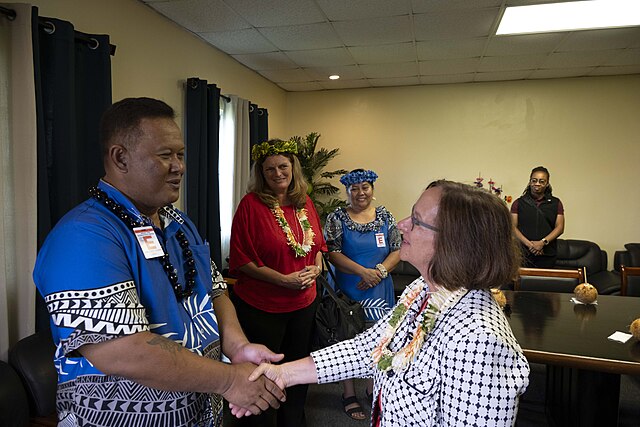 Micronesia (or the Federated States of Micronesia) is a small country located in the continent of Oceania. A large advocate of environmental policy, renewable energy in Micronesia has a long history behind it. Through many years of struggle and advancements, Micronesia has made its intentions for a clean future clear.
Life in Micronesia
While Micronesia’s environment is beautiful, living there isn’t easy. In 2013, 41.2% of the population lived below the national poverty line, a statistic that the World Bank Group estimates to be higher post-COVID-19. Due to its isolated geography, poor mineral deposits and lacking economy, opportunities can be slim.
Electricity is a scarce resource in Micronesia; most of the country is reliant on diesel generators that power a central grid. Most communities do not have day-long access to electricity. Individual households are not the only parties affected by a lack of energy; hospitals have to work with a less-than-ideal power supply as well.
For those with more reliable access to electricity, another problem rears its head. Aging infrastructure causes many power grids to be vulnerable to intense weather like typhoons. This leads to frequent power outages as the grids fail to hold under the conditions.
Fossil Fuels in a Changing World
As an island country, Micronesia experiences some of the highest rates of sea-level rise per year on the planet. A reliance on diesel generators, which produce more pollutants than gasoline engines, exacerbates the issue. Its economic reliance on fisheries and farming causes a unique need to halt the unsustainable fossil fuels use as weather patterns rapidly intensify.
Micronesia’s reliance on diesel generators is more than just an environmental issue however, it is also a financial one. Micronesia has a severe lack of local fossil fuel deposits, this includes resources to fuel these generators. Due to this, Micronesia must outsource its entire fuel supply.
The U.S. used to pay for these fuel imports, but that stopped in 2004. As Micronesia locally lacks typical energy sources, the cost for a fossil fuel economy is too great for Micronesia to handle.
A Plan To Help
In 2004, Micronesia implemented a Strategic Development Plan to outline the goals and benchmarks of renewable energy in Micronesia up until 2023. This plan detailed multiple advancements towards green energy, such as providing sustainable funding for environmental programs and would outline the approach towards green energy for the coming years.
This plan provided an outline that would pave the way for climate and disaster policy, as well as the formation of new climate committees. Through this new focus, renewable energy in Micronesia has grown into a larger force. Solar energy has become prevalent in the country, playing a large role in the hopeful eventual phasing out of the reliance on diesel.
A Green Future
Renewable energy in Micronesia still has a long way to go. The country still has an overwhelming reliance on diesel generators, and most households are still without electricity. However, through actions both past and present, there is undeniable progress ahead.
The World Bank’s recent ARISE Project is set to be a significant boon for the country. The project aims to increase solar construction, creating both mini-grids and home systems. It also aims to strengthen the older grid’s infrastructure to make them more resilient to natural events. This project will help more than 3,000 people gain electrical access.
The FSM recently launched its National Energy Policy through 2050. This policy outlines a future of independent power production as well as public private partnership. It also calls for studies into clean energy sources such as wind, the implementation of hydropower and advancements in architecture for solar.
Looking Ahead
With weather patterns steadily intensifying over time, renewable energy’s steady traction and momentum and an ambitious goal of net zero emissions by 2050, a green future is not only necessary, but inevitable for Micronesia.
– Cayle Harrison
Cayle is based in West Columbia, SC, US and focuses on Global Health and Politics for The Borgen Project.
Photo: Wikimedia Commons
