• Link to X
  • Link to Facebook
  • Link to Instagram
  • Link to TikTok
  • Link to Youtube
  • About
    • About Us
      • President
      • Board of Directors
      • Board of Advisors
      • Financials
      • Our Methodology
      • Success Tracker
      • Contact
  • Act Now
    • 30 Ways to Help
      • Email Congress
      • Call Congress
      • Volunteer
      • Courses & Certificates
      • Be a Donor
    • Internships
      • In-Office Internships
      • Remote Internships
    • Legislation
      • Politics 101
  • The Blog
  • The Podcast
  • Magazine
  • Donate
  • Click to open the search input field Click to open the search input field Search
  • Menu Menu

Tag Archive for: The World Bank

Posts

Global Poverty

Global Poverty Reduction: A Century-Long Challenge

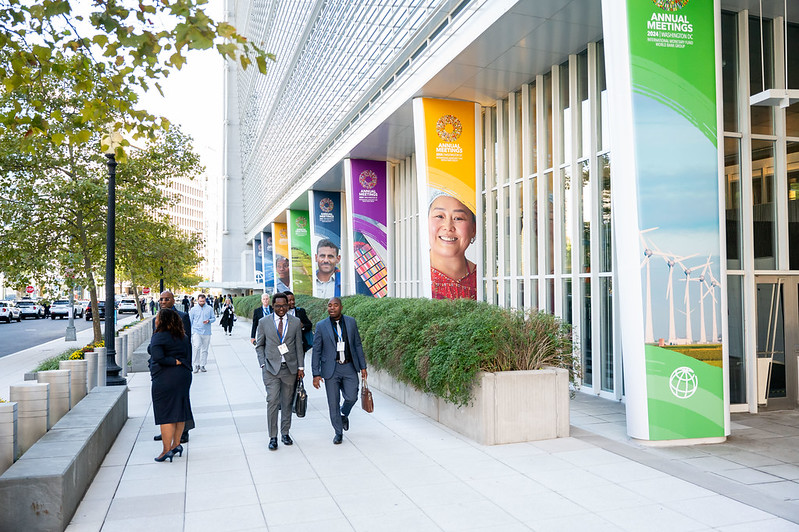
Global Poverty ReductionThe World Bank’s 2024 report, “Poverty, Prosperity and Planet,” presents a sobering forecast for global poverty reduction efforts. At the current rate, lifting half of the world’s population out of poverty could take over a century. This projection underscores the urgent need for effective international development strategies to address global poverty reduction challenges.

The report reveals that nearly 40% of the global population lives below $6.85 a day, with recent economic setbacks worsening this outlook. Limited access to education, job opportunities and resources creates significant barriers to economic advancement for many individuals, hindering global poverty reduction progress.

Global Poverty Reduction: Challenges

Recent economic challenges have disproportionately affected low-income countries, impacting global poverty reduction efforts. Inflation and rising public debt have limited essential investments in social services. The World Bank reports that 26 of the poorest countries are in their worst financial shape since 2006.

Conflict-prone regions, particularly in sub-Saharan Africa, face persistent disruptions that prevent consistent social services and undermine economic resilience. These challenges make it difficult for affected populations to achieve stability and progress, hampering global poverty reduction efforts.

Debt Relief Efforts and Direct Support Programs

The World Bank, in partnership with the International Monetary Fund (IMF), continues to implement the Heavily Indebted Poor Countries (HIPC) Initiative and the Multilateral Debt Relief Initiative (MDRI). These programs have provided around $99 billion in debt relief to 37 countries since their inception. In December 2023, Somalia reached the HIPC Initiative Completion Point, receiving $4.5 billion in debt relief.

The World Bank supports various cash transfer and social safety net programs. For example, the Debt Management Facility (DMF) is a multi-donor trust fund that assists low-income countries in developing sustainable debt management frameworks.

Education, Workforce and International Collaboration

The World Bank invests in human capital development through various education projects. While specific examples aren’t provided in the search results, the World Bank emphasizes the importance of education and skill development in breaking the cycle of poverty.

It also works closely with other international organizations to address poverty. For instance, the Common Framework, endorsed by the G20 and Paris Club in November 2020, aims to deliver long-term, sustainable solutions to lower-income country debt vulnerabilities.

Positive Developments

While the overall projection is concerning, there have been notable successes in poverty reduction efforts:

Between 2015 and 2018, the number of people living in extreme poverty globally fell from 741 million to 689 million. Several countries, including Bangladesh and Kenya, have made significant progress in reducing poverty rates through targeted interventions and economic reforms.

Innovative technologies and digital solutions are emerging to address various aspects of poverty, from mobile banking to agricultural improvements.

Global Poverty Reduction: The Future

The World Bank’s findings highlight the need for significant, coordinated global action to address poverty. While the challenge of global poverty reduction is immense, there are reasons for optimism. With targeted investments, strategic policy shifts, and international cooperation, progress can be accelerated. Organizations worldwide are committed to ensuring that every individual has the opportunity to rise out of poverty, working towards a more equitable and prosperous future for all.

– Isabel Gallagher

Isabel is based in Dorset, UK and focuses on Politics for The Borgen Project.

Photo: Flickr

December 8, 2024
https://borgenproject.org/wp-content/uploads/borgen-project-logo.svg 0 0 Naida Jahic https://borgenproject.org/wp-content/uploads/borgen-project-logo.svg Naida Jahic2024-12-08 01:30:382024-12-07 12:08:45Global Poverty Reduction: A Century-Long Challenge
disability and poverty, Global Poverty, Health

Disability and Poverty in Jamaica

Disability and Poverty in Jamaica Disability and poverty in Jamaica are intertwined, perpetuating a cycle of hardship. Despite the enactment of the 2014 Disabilities Act, which aims to eliminate discrimination and ensure equal rights for persons with disabilities, many still struggle with maintaining a decent quality of life due to systemic barriers and economic instability. Approximately 200,000 Jamaicans live with a disability and they disproportionately suffer from poverty and unemployment. Census data from 2001 revealed that just over 6% of Jamaica’s population or about 160,000 people, identified as living with a disability. Yet, fewer than 1% of these individuals are in paid employment, highlighting the extreme vulnerability of the disabled community in Jamaica.

Challenges for People with Disabilities in Jamaica

Surviving in Jamaica is particularly challenging for people with disabilities who live in poverty. About 15% of the Jamaican population lives with a disability, yet many lack access to high-quality education and employment opportunities. In 2019, the unemployment rate among disabled individuals in Jamaica reached 90%, severely limiting their ability to maintain a satisfactory standard of living. This high unemployment rate restricts their financial ability to afford food and essential items, trapping them in a cycle of poverty. Consequently, many people with disabilities struggle to achieve independence due to insufficient income and barriers to securing housing. Additionally, accessing many public places remains physically challenging for disabled people.

Globally, half of the people living with disabilities cannot afford health care and among those who can access practitioners, more than double report finding their medic’s skills inadequate for their needs. In Jamaica, access to health care, like many other public services, varies widely based on the individual’s location, the nature of their disability, their mobility and ability to communicate with health care professionals. Consequently, certain groups do not receive the necessary level of treatment and fall through the cracks.

Disability Support Initiatives in Jamaica

  • Jamaica Council for Persons with Disabilities (JCPD). JCPD advocates for disabled rights and promotes participatory policies, providing vocational training for persons with disabilities (PWDs). Its programs create pathways out of poverty by improving employability for PWDs.
  • Mustard Seed Communities. The organization provides accommodation, care and vocational training to persons with disabilities, helping them gain independence and learn marketable skills. Its projects focus on engaging participants through practical training in agriculture and construction. Currently, the organization supports more than 440 Jamaicans, including children affected by HIV and teen mothers with their infants.
  • The World Bank. The World Bank has collaborated with Jamaica to enhance the economic inclusion of persons with disabilities through social protection programs. This effort involves collecting data on disabilities to better tailor responses.

Looking Forward

Breaking systemic barriers remains crucial to improving the lives of people with disabilities in Jamaica. Efforts to enhance vocational training, expand employment opportunities and strengthen social protection systems are essential to reducing the socioeconomic disparities they face. By fostering inclusion and accessibility, these ongoing initiatives aim to address the root causes of inequality, offering individuals the chance to lead independent and dignified lives.

– Georgia de Gidlow

Georgia is based in Watford. UK and focuses on Global Health for The Borgen Project.

Photo: Flickr

December 4, 2024
https://borgenproject.org/wp-content/uploads/borgen-project-logo.svg 0 0 Precious Sheidu https://borgenproject.org/wp-content/uploads/borgen-project-logo.svg Precious Sheidu2024-12-04 07:30:402026-04-16 09:59:41Disability and Poverty in Jamaica
Africa, Global Poverty, Mental Health

Mental Health in Benin: Challenges and Progress

Mental Health in Benin
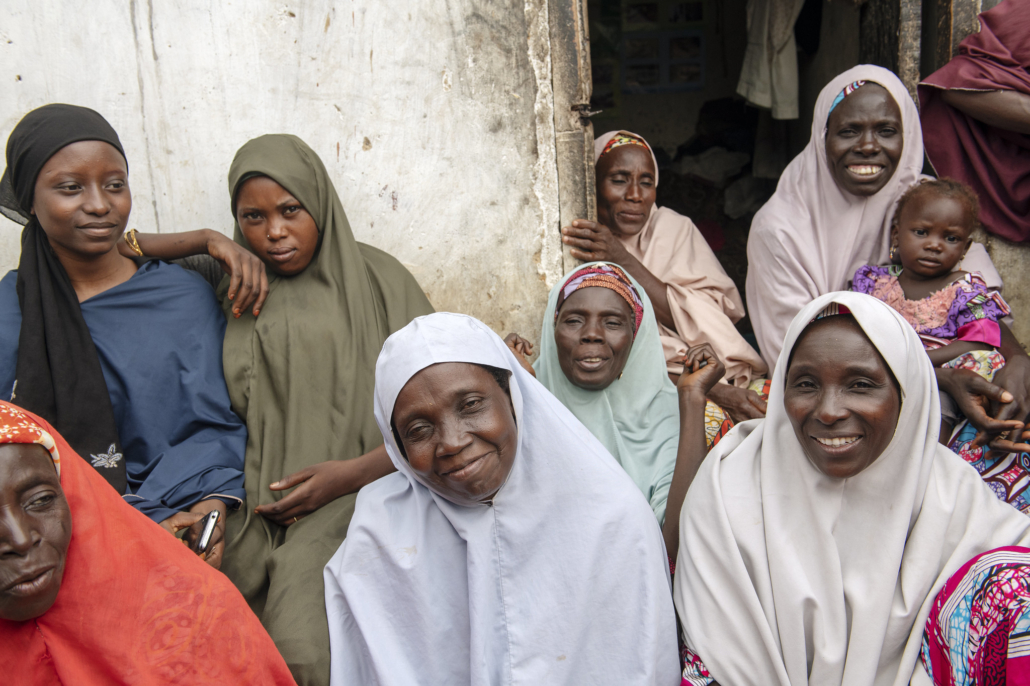
Poverty and mental health are deeply intertwined in Benin, where nearly 38.5% of the population lives below the poverty line. Poverty exacerbates mental health issues, creating barriers to accessing necessary care. Mental health disorders such as anxiety and depression disproportionately affect individuals in low-income settings due to stress, lack of support, and stigma. These findings echo broader trends seen in other low- and middle-income countries, as outlined by the World Bank, which identifies the lack of infrastructure as a key impediment to effective mental health interventions.

Challenges in Mental Health Accessibility

Access to mental health services in Benin is limited, with the majority of specialized care facilities located in urban centers like Cotonou and Porto-Novo, leaving rural populations underserved. According to the World Health Organization (WHO), the country faces critical shortages in mental health professionals, with fewer than one psychiatrist per 100,000 people. Additionally, there are only a handful of psychiatric hospitals, and mental health care is often integrated into general hospitals, which lack the necessary resources and trained personnel. This imbalance between urban and rural health care access is further exacerbated by societal stigma, which discourages individuals from seeking treatment, and the absence of a comprehensive national mental health strategy.

Role of Poverty in Amplifying Mental Health Issues

From a human rights and social justice perspective, this cycle of poverty and poor mental health represents a critical ethical issue. According to the International Covenant of Economic, Social and Cultural Rights, “everyone has a right to the highest attainable standard of physical and mental health”. However, as Paul Farmer notes, the needs of the world’s poor are often overlooked, and the structural inequalities that perpetuate mental health disparities are frequently neglected by global health and foreign policy communities. Addressing these inequalities requires integrating human rights frameworks into public health strategies, emphasizing beneficence, autonomy, and resource equity to empower marginalized populations and break the cycle of poverty and mental illness.

Progress Through Community-Based Interventions

Efforts in Benin such as the “Saint Camille Solution” have made strides in addressing mental health challenges through community-based interventions. These include awareness campaigns, support groups and partnerships with international NGOs for resource mobilization. Such programs highlight the importance of addressing both societal stigma and resource allocation.

Moving Forward: Policy and Investment Needs

While some progress has been made, significant work remains to fully integrate mental health into Benin’s healthcare system. Strengthening the system requires a multifaceted approach, beginning with the training and deployment of specialized mental health professionals across the country, particularly in underserved areas. Existing professionals will need to receive continuous training, supervision, and evaluation to enhance their effectiveness. 

– Olivia Barker

Olivia is based in London, UK and focuses on Global Health for The Borgen Project.

Photo: Flickr

November 15, 2024
https://borgenproject.org/wp-content/uploads/borgen-project-logo.svg 0 0 Jennifer Philipp https://borgenproject.org/wp-content/uploads/borgen-project-logo.svg Jennifer Philipp2024-11-15 01:30:002024-11-28 08:15:17Mental Health in Benin: Challenges and Progress
Education, Global Poverty, Inequality

Poverty Reduction in Seychelles 

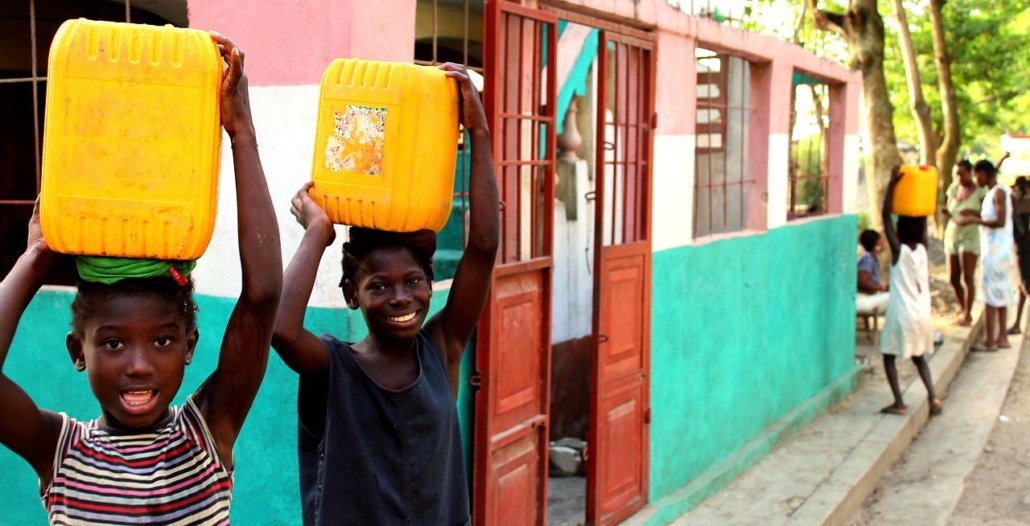
Poverty Reduction in SeychellesThose experiencing poverty in Seychelles live on less than $6.85 a day, which was estimated to be nearly 5.6% of the population in 2023. The majority of poverty is concentrated in certain districts of Mahé, the largest island. Issues like substance abuse and teenage pregnancy affect people in poverty – these can hinder efforts in poverty reduction, though they are taking steps.

Foreign Investment and Tax Reform

The government is utilizing its newest Fitch Rating to create more employment opportunities. A Fitch Rating evaluates an entity’s ability to pay back loans, keep promises and generally be a sound investment for a financial institution. This will lead to more FDI, allowing the government to further invest this money in creating employment. Recent increases in employment have been shown to reduce poverty in Seychelles from 5.9% to 5.6% from 2022 to 2023—this is vital for poverty reduction.

By reducing the tax from 30% to 25% for profits of more than 1 million SCR, the 2022 reform reduces strain on businesses in Seychelles and equally facilitates more Seychellois businesses.  Businesses below the 1 million threshold now also benefit from a 15% tax on profits, down from 25% before 2022. This is promising for smaller business owners who may experience levels of poverty.

Regional Disparities

One challenge to poverty reduction in Seychelles is a high level of income inequality. However, the government is helping to address this intra-regional inequality by investing in the education system. Currently, Seychelles spends 10% of its GDP on education. It has also invested in health care and created social safety nets; an example of this is how it increased pensions and the minimum wage.

The World Bank

In 2021, the World Bank gave Seychelles a loan of $30 million for reforms on its social protection system, which is important for poor Seychellois as it covers pensions, welfare and help for those with disabilities. The World Bank estimated that the COVID-19 pandemic halted efforts in poverty reduction. This resulted in the percentage increasing from 25% to 37%, which was essential for further poverty reduction.

Multidimensional Poverty Index Report

Seychelles released its 2019 MPI report, a useful resource to help understand poverty within the country. The Seychelles’ Poverty Alleviation Department created this report as a way to produce a guideline for future policies for poverty reduction in Seychelles. This makes it easier to understand the situation of the poorest Seychellois and understand the challenges they face.

Despite these challenges, the future is bright for Seychelles. It has demonstrated economic growth and investment in its workforce even after 2020. By securing foreign investment, a future is secured for the poorest and most vulnerable of the Seychellois.

– Callum Bennett

Callum is based in Colchester, Essex, UK and focuses on Global Health and Politics for The Borgen Project.

Photo: Flickr
November 12, 2024
https://borgenproject.org/wp-content/uploads/borgen-project-logo.svg 0 0 Jennifer Philipp https://borgenproject.org/wp-content/uploads/borgen-project-logo.svg Jennifer Philipp2024-11-12 01:30:012024-11-12 00:23:00Poverty Reduction in Seychelles 
Developing Countries, Global Poverty, Technology

5 Ways Renewable Energy Can Transform Developing Countries

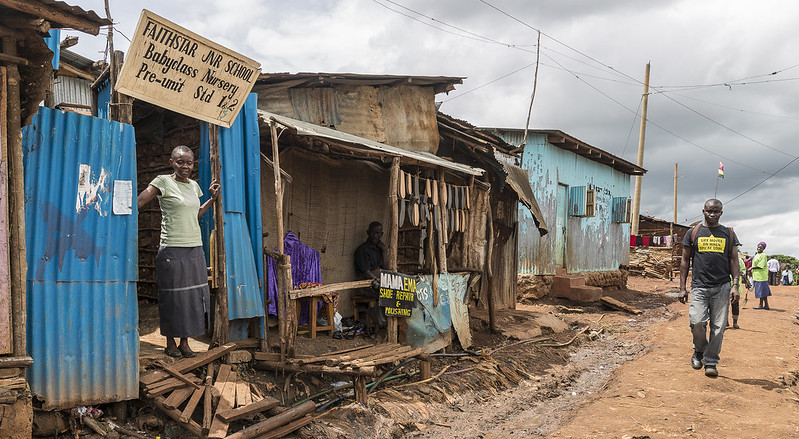
5 Ways Renewable Energy Can Transform Developing CountriesAccording to Bloomberg New Energy Finance (BNEF), 2017 saw an unprecedented global rise in demand for renewable energy. Renewable energy production in developing countries has now surpassed the capacity generated by fossil sources. Focusing on Goal 7 (affordable and clean energy), Leonardo Souza from the Statistics Division of the Department of Economic and Social Affairs (DESA) highlighted key points from the special edition of the Secretary-General’s report on progress toward the SDGs. He reported that nearly 2 billion people will still rely on polluting fuels and technologies for cooking by 2030. He also noted that renewable sources comprised 19% of global final energy consumption in 2020, with two-thirds coming from modern renewable energy sources.

Global Efforts for Sustainable Energy

Moving toward sustainable modern energy will require renewable sources to constitute 60% of power generation by 2030, supporting resilient industry and infrastructure in developing countries. The World Bank, which currently has a $10 billion portfolio in energy projects, supported Nigeria’s electrification program that has transformed the country. Accelerating global electrification will necessitate a fundamental shift in the conception of energy access.

5 Ways Renewable Energy Transforms Developing Countries

  1. Economic Growth. Renewable energy positively impacts economic growth in developing countries by enhancing sustainable development and energy security. The clean development mechanism, as part of the Kyoto Protocol under the UNFCCC, promotes the deployment of renewable energy technologies, which helps mitigate greenhouse gas emissions. Developed nations fund these renewable energy programs, facilitating the adoption of green technology in developing regions. This transition not only reduces dependency on fossil fuels but also creates job opportunities and stimulates local economies. Despite challenges such as higher manufacturing costs and lack of financial resources, increasing the reliance on renewable energy sources is crucial for developing countries’ growth and economic stability.
  1. Create Employment Opportunities. Renewable energy positively impacts job creation in developing countries by fostering labor-intensive industries and providing numerous employment opportunities. Unlike traditional fossil fuels, renewable energy sources such as solar and wind power require more labor per megawatt of energy produced. This increased labor intensity translates to more jobs in producing and maintaining renewable energy infrastructure. Energy efficiency improvements, which often rely on unskilled labor in the construction sector, can further boost employment. These opportunities are particularly attractive for developing countries, where job creation is crucial for economic growth.
  1. Improve Health Outcomes. Studies reveal that increased renewable energy consumption enhances the quality of life in low-income African countries. This improvement can be attributed to the environmentally friendly nature of renewable energy. Alternative energy sources can reduce pollution and mitigate climate change, leading to better health conditions. By incorporating a substantial amount of renewable energy into their energy mix, these countries can achieve sustainable development goals related to good health and well-being. This, in turn, encourages economic growth, as healthier populations are more productive and can contribute more effectively to the economy. Thus, renewable energy not only supports environmental sustainability but also drives economic development by enhancing public health.
  1. Reduce Environmental Impact. By exploiting clean energy sources like solar, wind and geothermal, countries are decreasing their reliance on fossil fuels. Furthermore, this also leads to a significant reduction in greenhouse gas emissions. This not only improves air quality by reducing pollution and associated health issues but also contributes to global climate change mitigation. Additionally, the implementation of renewable energy helps preserve natural resources and promotes a more sustainable use of the environment, which is crucial for long-term sustainable development.
  1. Enhance Energy Security. By adopting renewable energy sources such as hydroelectric power, developing countries have reduced their dependence on imported fossil fuels, which are often subject to price volatility and supply disruptions. This shift not only ensures a more consistent energy supply but also supports economic stability and growth. Additionally, renewable energy projects create local jobs, stimulating economic development and providing employment opportunities. The environmental benefits, such as reduced greenhouse gas emissions, further contribute to the sustainability of these nations. Renewable energy systems are more resilient to natural disasters. Indeed, they can be deployed in remote areas, ensuring reliable energy access to underserved communities.

Looking Ahead

Renewable energy holds significant transformative potential for developing countries. By adopting solar, wind and hydroelectric power, these nations can drive economic growth. Furthermore, initiatives will create jobs, improve health outcomes, reduce environmental impact and enhance energy security. As these countries seek sustainable solutions for their energy needs, renewable energy emerges as a promising and transformative approach that can potentially lead to a brighter and more sustainable future.

– Maria Urioste

Maria is based in Maspeth, NY, USA and focuses on Good News for The Borgen Project.

Photo: Flickr
November 2, 2024
https://borgenproject.org/wp-content/uploads/borgen-project-logo.svg 0 0 Precious Sheidu https://borgenproject.org/wp-content/uploads/borgen-project-logo.svg Precious Sheidu2024-11-02 07:30:122024-11-02 02:48:215 Ways Renewable Energy Can Transform Developing Countries
Agriculture, Development, Global Poverty

A Look at Sustainable Agriculture in Bolivia

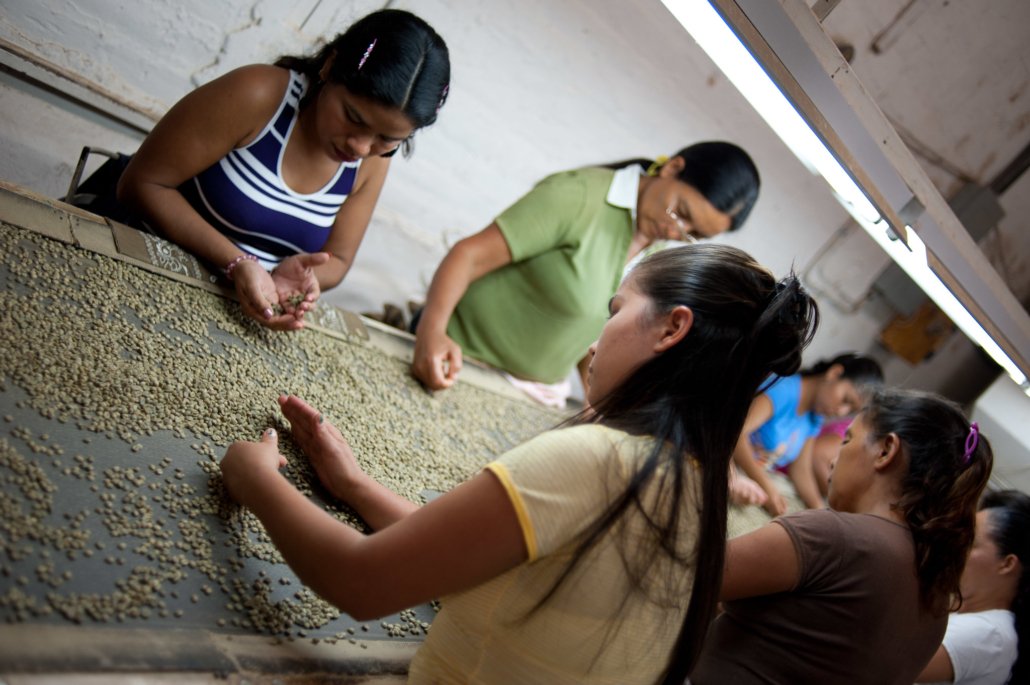
A Look at Sustainable Agriculture in BoliviaBolivia is nestled between Peru, Brazil and Chile in South America. The country derives 14% of its GDP from agriculture in 2020, while hydrocarbon production and mining contribute significantly more, being four and two times more lucrative, respectively. The country’s small-scale farmers often struggle with limited access to financing, training, technology and support for natural disasters. In response, a project has been implemented to help agriculture in Bolivia adopt more sustainable practices that benefit both people and the planet.

Introduction of the Rural Alliances Project

The Rural Alliances Project (PAR), was launched in 2006 with backing from the World Bank Group. The project aims to foster sustainable solutions that reduce poverty and promote shared prosperity in developing countries. This project’s goal is to refine a model that enhances market access for impoverished rural producers in select pilot regions. The success of PAR hinges on four main pillars: fostering productive alliances across different economic sectors, strengthening rural producers through the development of self-managed grassroots organizations, enhancing access to productive assets and technology and supporting the creation of effective, responsive and accountable local service organizations.

Implementation and Impact of PAR in Bolivia

Participants in the project were selected based on their economic potential and the extent of poverty in their area. Initially, 54 municipalities were chosen, 77% of which had significant Indigenous populations. Later records revealed that 90% of the beneficiaries belonged to these Indigenous groups. The selection criteria included the ability of participants to contribute financially to the subprojects, which served as an indication of their “productive potential.” This approach also provided a means to test the project’s model for improving market access.

PAR Bolivia: Outcomes and Future Prospects

The project identified six key outcomes and learning components:

  1. Small farmers produced higher quality and quantity of crops.
  2. Producer groups managed finances directly with systematic record-keeping and public account presentation, which built trust with the bank.
  3. Stringent quality control during staff and participant selection enhanced project management.
  4. Technological support proved most effective when customized to specific project needs rather than a one-size-fits-all approach.
  5. Government funds distributed via direct deposit fostered greater trust.
  6. Appointing a national coordinator improved the completion rate of project objectives.

These outcomes, validated by surveys of 86 randomly selected producer groups, demonstrate the project’s success. The project led to improvements in product quality and quantity, increased labor productivity, enhanced organizational tactics, higher net incomes and expanded market access. Notably, agricultural sales grew from 28% to 39% on average. Building on this success, the project has secured $300 million to launch another phase of the PAR. The next phase will support approximately 130,000 producers in rural Bolivia. This new phase will focus on food security, introducing innovative practices for resilient and sustainable agriculture and boosting the involvement of female producers.

Looking Ahead

The PAR has equipped rural farmers with new technology and structures, enabling them to adopt more sustainable practices that benefit both the planet and their quality of life. As the project expands, it can potentially empower more producers to succeed and strengthen the rural economy. This growth opens opportunities for other projects to take root, enhancing support for addressing climate challenges and expanding networks of small farmers.

– Isabella Chavez

Isabella is based in Swampscott, MA, USA and focuses on Technology and Solutions for The Borgen Project.

Photo: Flickr

October 5, 2024
https://borgenproject.org/wp-content/uploads/borgen-project-logo.svg 0 0 Precious Sheidu https://borgenproject.org/wp-content/uploads/borgen-project-logo.svg Precious Sheidu2024-10-05 01:30:532024-10-04 13:54:33A Look at Sustainable Agriculture in Bolivia
Agriculture, Global Poverty

Agricultural Subsidies: Mitigating Food Insecurity in Tunisia

Food Insecurity in TunisiaPersistent political and socio-economic challenges have led to social tensions and delayed economic recovery in Tunisia. This has caused high unemployment rates and regional conflicts, contributing to food insecurity in Tunisia. According to the World Food Programme (WFP), 16.6% of Tunisians live below the poverty line, while 30% of children under 5 and pregnant and nursing women suffer from anemia. Furthermore, Tunisia’s high dependence on agricultural imports, exacerbated by economic challenges and a high inflation rate, has led to food shortages. The ongoing drought has strained agriculture, decreasing harvest and diminishing dairy production. Agricultural subsidies have been crucial in addressing these ongoing challenges, shaping the country’s food production landscape and influencing socioeconomic dynamics. 

Tunisia’s agricultural policies have evolved drastically since its independence in 1956. With an initial focus on self-sufficiency, the country gradually shifted toward an export-oriented approach which led to increased reliance on food imports. This has caused implications for Tunisia’s food security and has made it vulnerable to global market fluctuations. 

Types of Agricultural Subsidies

To assist in its agriculture, the Tunisian government has multiple subsidy mechanisms. These aim to boost domestic production, stabilize food prices and support rural livelihoods.

  • Input subsidies. Covers fertilizers, seeds and machinery.
  • Price support. Ensures minimum prices for specific crops and financially protects farmers against crop losses due to natural disasters, pests or other unforeseen events. 
  • Credit subsidies. Provides low-interest loans to farmers
  • Irrigation subsidies. Supports water management infrastructure.

Impact on Domestic Food Production

Agricultural subsidies have significantly influenced Tunisia’s food production patterns. While they have helped maintain production levels of certain crops, it has led to changes in crop choices which has implications for both food and environmental sustainability. It is clear that Tunisia’s agricultural model based on water-intensive hybrid seeds is unsustainable, thus farmers have moved to a more practical and sustainable approach of using local seed varieties known as “Mahmoudi seeds.” The seeds are better suited to the Tunisian climate and therefore are a necessity to adapt to climate change. Spreading awareness of the local seeds can increase the shift toward using said seeds, support the agriculture sector and reduce food insecurity in Tunisia

Benefits of Agricultural Subsidies

The primary benefits of Tunisia’s agricultural subsidy system include:

  • Price stabilization. Subsidies help support consumers from global price fluctuations, particularly for staple foods such as flour, vegetable oil, rice and sugar. 
  • Rural livelihood support or poverty reduction. By providing stable income for farmers, subsidies help maintain rural economies. A study by the Friedrich-Ebert-Stiftung found that using Proxy Means Testing (PMT) in Tunisia results in significant errors in both excluding eligible recipients and including ineligible ones. This is due to infrequent household surveys and the large informal economy in Tunisia and similar developing countries. The research determined that food and energy subsidies are more effective at reducing poverty than the targeted cash transfers provided by Tunisia’s National Program of Assistance to Needy Families.
  • Food availability. Subsidies ensure a consistent food supply, even during periods of global market instability.

International Aid and Cooperation

International support plays a significant role in agricultural subsidies and Tunisia’s agricultural sector. 

  • European Investment Bank. As of 2022, the EIB has provided loans to finance the rehabilitation and construction of silos and cereal reserves in Tunisia. This aims to increase Tunisia’s cereal storage capacity and support permanent working capital. This responded to the grain supply shock caused by the Russian invasion of Ukraine. This contributes to the country’s food security and ensures public health. 
  • World Bank. In 2022, the World Bank approved a $130 million loan for Tunisia to address food security issues. This was part of an emergency response package with other donors, supporting short-term importation of wheat, barley and agricultural inputs for domestic grain production. This aimed to strengthen Tunisia’s responses to potential future food crises and provide assistance to modernize the food subsidy system.
  • USAID. In 2023, USAID, alongside the World Bank, announced financing for the purchase of 25,000 metric tons of American durum wheat to help Tunisia weather multiple crises and ensure essential food supplies.

Moving Forward

Agricultural subsidies remain a critical tool in reducing food insecurity in Tunisia. The future of food security in the country potentially depends on the balance between the support for domestic production, management of import dependencies and the promotion of sustainable agricultural practices. By doing so, as well as creating climate-smart approaches, Tunisia could enhance food security and build a more resilient agricultural sector.

– Hannah Ravariere-Moakes

Hannah is based in London, UK and focuses on Politics for The Borgen Project.

Photo: Flickr

September 18, 2024
https://borgenproject.org/wp-content/uploads/borgen-project-logo.svg 0 0 Precious Sheidu https://borgenproject.org/wp-content/uploads/borgen-project-logo.svg Precious Sheidu2024-09-18 07:30:092024-09-18 00:51:09Agricultural Subsidies: Mitigating Food Insecurity in Tunisia
Development, Global Poverty

Debanking in Nauru: Protecting Countries Amid Bank Closures

Debanking in Nauru: Protecting Countries Amid Bank Closures Debanking is threatening economic security and safety across Nauru and several other Pacific Island countries. This term describes the closure of banks or bank accounts when they pose economic or reputational risks to banking operations.

Debanking across Pacific Island Countries is becoming common. This has been onset by the small populations and remote locations of many of the islands, as well as concerns over organized crime in the region, making banking relatively unprofitable. Between 2011 and 2022 the Pacific Islands Region lost 60% of its correspondent banking relationships. A correspondent banking relationship allows financial institutions like banks to provide services abroad in foreign currencies, which can be crucial for trade and the provision of humanitarian assistance.

The closure of Western banks in Pacific Island Countries further limits their access to the global financial system, threatening the flows of trade, tourism and aid. The continued flow of disaster aid is significant for a region that is at high risk for natural hazards like cyclones, floods, volcanic eruptions and droughts. 

Debanking in Nauru

A World Bank data from 2023 shows Nauru’s population at 12,780, ranking it among the world’s smallest nations. A key challenge in Nauru is the inconsistent access to freshwater, making the region heavily reliant on rainwater collection which is unreliable and leads to frequent droughts. Furthermore, the country’s only bank, the Australian-based Bendigo Bank, initially planned to cease operations by Dec. 2024. This closure has been postponed to June 2025, but the impending withdrawal continues to pose significant economic risks, threatening the financial security of the country.

The World Bank’s $68 Million Fund

The World Bank recently approved a $68 million project to shield Pacific Island countries from economic instability. This initiative promises to sustain trade, aid and tourism by establishing a cross-border transactions service, should any country lose its final banking connection. Each Pacific Island country involved will receive $9 million. World Bank President Ajay Banga, highlighting the significance of this move during his historic visit to Fiji—the first by a World Bank president in 50 years—underscored the importance of maintaining these nations’ access to the global financial system. The project targets seven countries: Fiji, Kiribati, the Republic of the Marshall Islands, Samoa, Tonga, Tuvalu and Vanuatu. It also supports members of the Pacific Islands Forum, which includes smaller island nations like Nauru and the Cook Islands.

Ensuring Future Economic Stability in the Region

Debanking in Nauru and other Pacific Island Countries has created financial uncertainty and risks the flows of humanitarian aid in a region where natural disasters are common. The World Bank’s approval of a $68 Million project to protect cross-border transactions is a crucial first step. While Nauru will benefit from the funds allocated to the Pacific Islands Forum, securing direct funding for other Pacific Island Countries in future projects is equally vital. Moreover, developing a permanent solution to keep Pacific Island countries connected to the international financial system continues to be a priority.

– Joshua Marriott

Joshua is based in Cardiff, Wales and focuses on Technology and Politics for The Borgen Project.

Photo: Flickr

September 18, 2024
https://borgenproject.org/wp-content/uploads/borgen-project-logo.svg 0 0 Precious Sheidu https://borgenproject.org/wp-content/uploads/borgen-project-logo.svg Precious Sheidu2024-09-18 01:30:432024-09-23 11:18:43Debanking in Nauru: Protecting Countries Amid Bank Closures
Developing Countries, Electricity and Power, Global Poverty

China and the World Bank Address Energy Security in Ethiopia

Energy Security in EthiopiaEnergy security is a constant concern for sub-Saharan African countries: out of the 20 countries with the largest energy deficits in the world, a staggering 18 are found in the region. At the same time, the area is home to about 80% of the global population lacking access to electricity.

Energy Security in Ethiopia

According to the World Bank, Ethiopia has the third largest energy deficit in Africa, with about half of the population unable to access reliable electricity. There is also a stark rural-urban divide: as of 2022, only 40% of rural households had reliable access to electricity, compared to 93% of urban households. Ethiopia has been making strides on this issue and recently expanded the electricity grid to cover almost 60% of towns and villages.

The main challenge, however, is the lack of adequate energy infrastructure rooted in a broader shortage of resources. Fortunately, several international actors have recently stepped up to help address Ethiopia’s energy gaps, including China’s Belt and Road Initiative (BRI) and the World Bank’s International Development Association (IDA).

China

China has been heavily involved in Ethiopia’s development for more than a decade now, reflected by the fact that Ethiopia is China’s second-largest debtor on the continent. Ethiopia was an early signee to China’s BRI, which has resulted in several multi-million dollar infrastructure projects in the country, including a flagship $5 billion railway from Addis Ababa to Djibouti.

Ethiopia doubled down on this partnership by joining BRICS+ in late 2023. This will grant the country access to BRICS’ multilateral financing institutions, thus paving the way for easier access to Chinese funding in the future. One program with particular appeal for Ethiopia is China’s “Africa Solar Belt” program, which aims to provide solar power to 50,000 African households. Ethiopia also plans to import more than 100,000 electric vehicles and 5,000 electric buses from China in the coming years in a bid to upgrade the country’s transportation infrastructure.

The World Bank

While China has often been Ethiopia’s main development partner, the country also cooperates extensively with the World Bank, primarily on financing. In the realm of energy security, the World Bank recently unveiled a program called Power Sector Reform, Investment and Modernization in Ethiopia (PRIME). This program provides Ethiopia with a “financing envelope” of $1.5 billion, disbursed in multiple phases in the next 10 years, to upgrade its energy sector.

The program focuses on investing in critical energy infrastructure and expanding electricity access more broadly. In an attempt to diversify and stabilize Ethiopia’s energy supply, PRIME will only invest in non-hydropower renewable energy sources since 96% of Ethiopia’s electricity is currently derived from hydropower. Almost all of the funding comes from the IDA, the World Bank’s fund for least-developed countries, with the remainder coming from a green energy trust fund, leaving none of the funding burden on Ethiopia.

Final Thoughts on Energy Security in Ethiopia

While energy security in Ethiopia remains an entrenched issue, the situation is improving: for instance, access to electricity has more than quintupled in the last two decades, rising from about 10% in 2001 to 55% in 2022, according to the World Bank. Furthermore, with Ethiopia’s new membership in BRICS+ and its 10-year financing deal with the World Bank, chances are good that energy security in Ethiopia will continue to improve.

– Kipling Newman

Kipling is based in Denver, CO, USA and focuses on Good News and Global Health for The Borgen Project.

Photo: Flickr

September 16, 2024
https://borgenproject.org/wp-content/uploads/borgen-project-logo.svg 0 0 Lynsey 2 https://borgenproject.org/wp-content/uploads/borgen-project-logo.svg Lynsey 22024-09-16 07:30:082024-09-16 01:28:57China and the World Bank Address Energy Security in Ethiopia
Africa, Education, Global Poverty

Poverty Reduction in Madagascar 

Poverty Reduction in Madagascar 
In 2022, 75.2% of Madagascar’s population was in poverty. There has been a steady decline in poverty within rural areas however, poverty within urban areas has ripened, seeing an increase of 31.5% over the past decade. This shocking growth in poverty within Madagascar’s urban areas is due to several factors with the COVID-19 pandemic and a large quantity of cyclones being the main causes. Fortunately, efforts for poverty reduction in Madagascar are underway and making a difference.

Food Insecurity

This level of poverty has led to a ripening level of food insecurity, seeing 204,000 of the Madagascan population in the highest level of severity (IPC phase 4) and 859,000 in the second highest level of severity (IPC phase 3) in 2020.

In response to this, the Madagascan government received $227 million credit in April 2023 from the World Bank and the French Development Agency to restructure rural infrastructure. This restructuring and development program aims to aid approximately 165,000 farmers and 150,000 homes by implementing training on forms of agriculture to cope with their climate. In addition to blockchain input vouchers and 30,000 hectares of watersheds, it aims to help reduce food insecurity and further develop the rural economy.

Roads and Transport

In addition to tackling food insecurity, the Madagascan government are also rehabilitating roads, with 40 KM of the RN44 already complete and with work on rural roads not yet finished. This may have a knock-on effect on the education sector. As the restructuring is halving the travel time, it is allowing more children to attend school, helping to increase the completion of primary school from 62% for girls and 57% for boys. This will likely allow these children to grasp more skills and attain a higher-level job later in life. It may also benefit trading, as markets would become more accessible to the public allowing more local trade to occur. UNESCO’s research proves this, which infers that world poverty could be reduced by half if all adults finished high school.

Energy Access

Another aspect of Madagascar’s poverty reduction plan is to increase accessibility to electricity as, currently more than 18 million people currently lack electricity. It is crucial to improve the accessibility to electricity to facilitate the growth of enterprises, which is necessary to provide a better job market. Atou Seck, the World Bank Country Manager for Madagascar, has addressed this issue as a crucial aspect to provide improvement as he states, “Addressing poverty in Madagascar requires bold pro-growth reform that will improve the business climate, promote competition as well as build human capital, invest in connectivity, access to energy and digital infrastructure.”

In terms of initiatives, the Madagascan government has been approved for a $400 million credit for the Digital and Energy Connectivity for Inclusion in the Madagascar Project (DECIM). This project will likely increase energy access in Madagascar from 33.7% to 67% and add 3.4 million internet users, helping further Madagascar’s connectivity as a nation and allowing businesses to develop and generate larger profits, thus aiding poverty reduction in Madagascar.

In conclusion, Madagascar is one of the most impoverished countries in the world. However, there are several initiatives helping develop and further Madagascar’s economy, while aiding poverty reduction in Madagascar.

– Max O’Shea

Max is based in Chester, UK and focuses on Business and Technology for The Borgen Project.

Photo: Flickr

September 11, 2024
https://borgenproject.org/wp-content/uploads/borgen-project-logo.svg 0 0 Jennifer Philipp https://borgenproject.org/wp-content/uploads/borgen-project-logo.svg Jennifer Philipp2024-09-11 03:00:352024-09-10 22:47:50Poverty Reduction in Madagascar 
Page 8 of 51«‹678910›»

Get Smarter

  • Global Poverty 101
  • Global Poverty… The Good News
  • Global Poverty & U.S. Jobs
  • Global Poverty and National Security
  • Innovative Solutions to Poverty
  • Global Poverty & Aid FAQ’s
Search Search

Take Action

  • Call Congress
  • Email Congress
  • Donate
  • 30 Ways to Help
  • Volunteer Ops
  • Internships
  • Courses & Certificates
  • The Podcast
Borgen Project

“The Borgen Project is an incredible nonprofit organization that is addressing poverty and hunger and working towards ending them.”

-The Huffington Post

Inside The Borgen Project

  • Contact
  • About
  • Financials
  • President
  • Board of Directors
  • Board of Advisors

International Links

  • UK Email Parliament
  • UK Donate
  • Canada Email Parliament

Get Smarter

  • Global Poverty 101
  • Global Poverty… The Good News
  • Global Poverty & U.S. Jobs
  • Global Poverty and National Security
  • Innovative Solutions to Poverty
  • Global Poverty & Aid FAQ’s

Ways to Help

  • Call Congress
  • Email Congress
  • Donate
  • 30 Ways to Help
  • Volunteer Ops
  • Internships
  • Courses & Certificates
  • The Podcast
Scroll to top Scroll to top Scroll to top