• Link to X
  • Link to Facebook
  • Link to Instagram
  • Link to TikTok
  • Link to Youtube
  • About
    • About Us
      • President
      • Board of Directors
      • Board of Advisors
      • Financials
      • Our Methodology
      • Success Tracker
      • Contact
  • Act Now
    • 30 Ways to Help
      • Email Congress
      • Call Congress
      • Volunteer
      • Courses & Certificates
      • Be a Donor
    • Internships
      • In-Office Internships
      • Remote Internships
    • Legislation
      • Politics 101
  • The Blog
  • The Podcast
  • Magazine
  • Donate
  • Click to open the search input field Click to open the search input field Search
  • Menu Menu

Archive for category: Natural Disaster

Global Poverty, Natural Disaster

Disaster Relief in Jamaica Acts Fast Following Hurricane Melissa

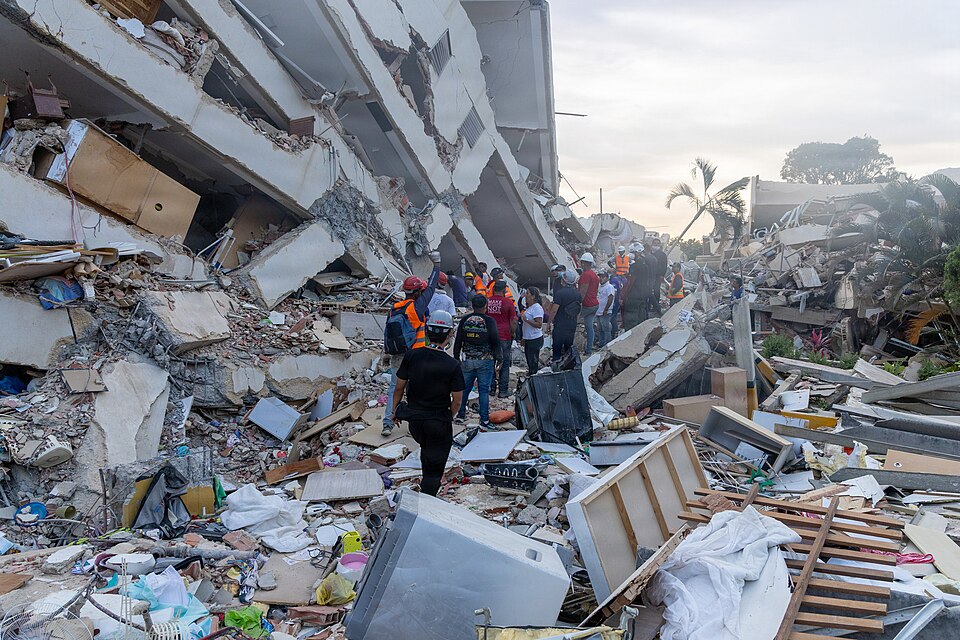
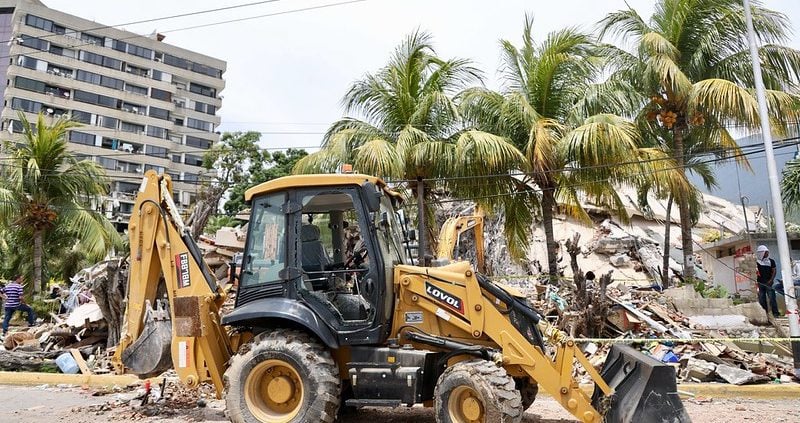
Disaster Relief in JamaicaHurricane Melissa impacted several countries across the Caribbean, including Jamaica. Melissa first made contact with New Hope, Jamaica, off its west coast on October 28, 2025, and caused mass devastation and destruction across the island. By that time, Melissa had become a Category 5 storm, which is the most severe and dangerous designation for hurricanes on the Saffir-Simpson Hurricane Wind Scale. The National Hurricane Center (NHC( approximates the winds of Category 5 storms to reach 157 mph or higher and cause the following catastrophic damage:

“A high percentage of framed homes will be destroyed, with total roof failure and wall collapse. Fallen trees and power poles will isolate residential areas. Power outages will last for weeks to possibly months. Most of the area will be uninhabitable for weeks or months,” NHC stated.

Response

The U.S. promptly responded to the devastation caused by Hurricane Melissa; President Trump authorized the Department of State to send immediate disaster relief in Jamaica to support the country’s most impacted communities. Secretary Rubio deployed urban search-and-rescue squads from a regional Disaster Assistance Response Team within hours of Melissa’s ending.

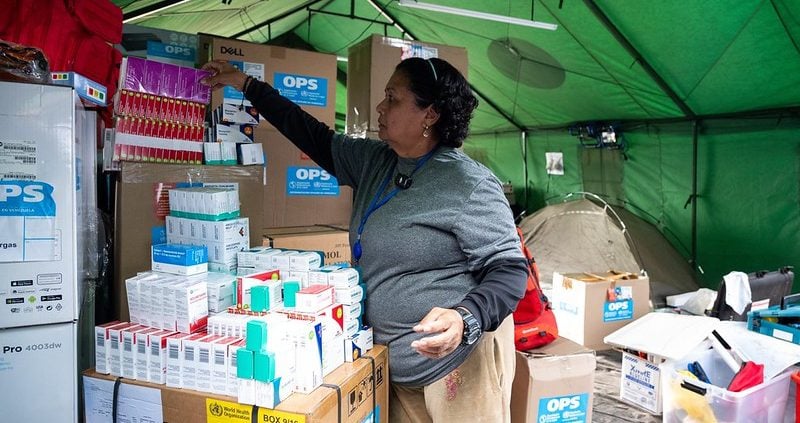
Other foreign-aid relief efforts include the State Department and U.N. joint deliveries of essential supplies, including food and water, medical and hygiene supplies and temporary shelters. The Government of Jamaica has also established a dedicated relief fund for the devastation.

Economy

In 2024, Jamaica’s economy had made significant strides towards improvement; the rate of public debt decreased from 140% in 2012 to 64.9% in 2024. However, the impacts of Hurricane Melissa in 2025 and those of Hurricane Beryl in 2024 destabilized this progress. In anticipation of Hurricane Melissa making contact with the island, Jamaica put several measures in place to soften the economic disruption it would bring about. These pre-crisis measures include widespread macroeconomic management, disciplined fiscal policy ratification, and multi-layer disaster risk financing.

Relief Efforts

In the fall of 2025, disaster relief in Jamaica following Hurricane Melissa became a focus of many non-profits. Red Lightning, a disaster aid NGO, delivered generators and Starlink units to reinstate communication across the island and internationally.

Groups like All Hands & Hearts, the International Federation of Red Cross and Red Crescent Societies (IFRC) and the Salvation Army mobilized to conduct evacuations, prepared for cleanup and recovery efforts, and supported local readiness through providing supplies to about 60,000 impacted households across Jamaica.

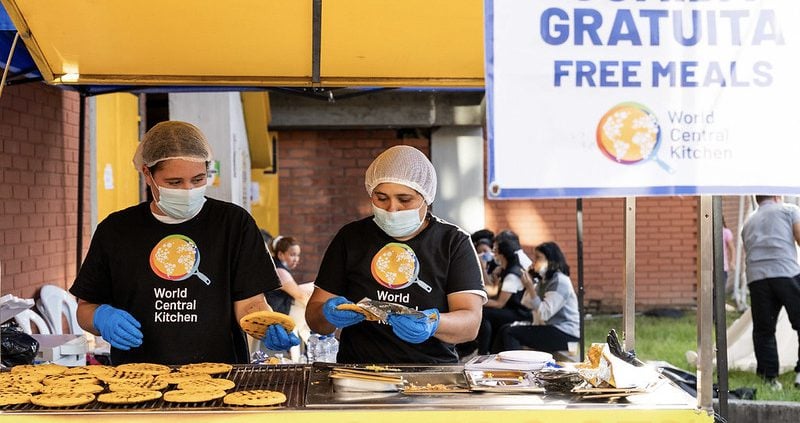
In addition, the U.N. World Food Program (WFP) and the World Central Kitchen (WCK) donated thousands of meals to Jamaican evacuees, first responders, and other impacted communities across the Caribbean.

The Future

Jamaica’s economy is still at risk of suffering long-term effects from Hurricane Melissa. The country’s main industries are tourism and agriculture. The widespread catastrophic damage that Melissa caused put these industries at risk; Jamaica is reliant on the steady stream of tourists and its ability to farm and export produce.

The aftermath of Melissa severely threatened both of these industries. More specifically, the storm killed 32 people and negatively impacted an estimated 1.5 million of the country’s 2.8 million total population. Despite the degree of destruction caused by the storm and the economic precarity left in its wake, the rapid disaster relief in Jamaica is a testament to the networks of support that came together following the strongest Atlantic hurricane to ever strike the island. These relief efforts bode well for Jamaica’s ability to swiftly recover and heal following Melissa’s devastating impact.

– Natalie Naylor

Natalie is based in New York, NY, USA and focuses on Good News and Global Health for The Borgen Project.

Photo: Flickr

June 12, 2026
https://borgenproject.org/wp-content/uploads/borgen-project-logo.svg 0 0 Naida Jahic https://borgenproject.org/wp-content/uploads/borgen-project-logo.svg Naida Jahic2026-06-12 01:30:332026-06-11 15:52:00Disaster Relief in Jamaica Acts Fast Following Hurricane Melissa
Global Poverty, Natural Disaster

2024 Landslide in PNG and The Next Natural Disaster

2024 Landslide in PNG Two years after the catastrophic 2024 landslide in Papua New Guinea’s (PNG) Enga Province, the Highlands remain one of the most vulnerable regions in the world to weather‑driven disasters. As the 2026 rainy season brings another round of intense downpours, humanitarian agencies warn that the conditions that triggered the deadly 2024 collapse have not improved, and in some areas, have in fact worsened.

Increasingly volatile rainfall patterns, driven by warmer weather, continue to destabilise already fragile mountain slopes. NASA’s Earth Observatory has documented how extreme rainfall events linked to cyclones and shifting weather systems are becoming more frequent across PNG’s mountainous interior, raising the likelihood of future landslides

Vulnerability to Landslides

The 2024 PNG landslide revealed the structural fragility of many Highland communities. Villages are often built on steep, erosion‑prone slopes where even moderate rainfall can trigger soil movement. When days of heavy rain saturated the ground in May 2024, entire sections of the mountainside collapsed, burying homes under metres of mud and rock. Local authorities struggled to determine how many people were missing because the terrain remained unstable for days. Rescue teams were forced to navigate treacherous slopes, and in many cases, villagers used shovels and their bare hands to search for survivors.

One survivor, Rocky Peter, told ABC News: “A rock has rolled down from the mountain up there, and there was a big bang … For those of us who heard the sound, we were able to escape. But the ones who didn’t hear were buried in their sleep.”

The 2024 disaster exposed the logistical challenges of delivering aid in the Highlands. Many communities are accessible only by narrow mountain roads that wind through unstable terrain. When these roads collapse, entire districts become unreachable for days or even weeks. Helicopter access is limited, and unpredictable weather often grounds flights. Even when national authorities mobilise quickly, the physical geography of the Highlands slows every stage of the response. These conditions were widely reported during the 2024 event, which affected more than 4,000 people and destroyed critical infrastructure.

Entire Communities Become Invisible

The humanitarian consequences of PNG’s landslides extend far beyond the initial collapse. In 2024, blocked roads left families unable to reach clinics, markets or relief centres. Many communities in Enga and Hela rely on a single unpaved road for food and medical supplies, that once blocked, escalate shortages rapidly. UNDP assessments from earlier landslides highlight the same challenges, namely unstable terrain, dangerous rescue conditions and the near‑impossibility of deploying heavy machinery to remote sites.

Children also faced particular risks as families fled damaged homes and sought temporary shelter. UNICEF reports show that PNG’s landslides often disrupt schooling and expose children to heightened protection risks.

Schools frequently double as evacuation centres, suspending education for weeks at a time. The 2024 humanitarian situation report for Enga documented how displacement compounded existing vulnerabilities in communities already facing poverty, limited health care access and chronic underinvestment in basic services.

The long‑term consequences were equally severe. IFRC documentation of the 2024 Enga landslide describes prolonged displacement, blocked waterways and repeated slope failures,  conditions that increase the likelihood that communities will face recurring crises without sustained international support. Two years later, many of these structural vulnerabilities remain unchanged.

Revealing the Cost of Weather Extremes

Two years on, the 2024 PNG landslide stands as a stark reminder of how weather extremes magnify existing inequalities. Remote highland communities, already facing limited state presence, poor road networks and under‑resourced clinics, remain on the front line of increasingly volatile weather patterns. When disasters strike, these communities could lack the buffers that wealthier or more connected regions rely on, such as emergency shelters, stocked health posts, reliable communications and rapid‑response teams. The invisibility of these crises on the global stage compounds the problem. While major cyclones in Fiji or Vanuatu often receive international coverage, slow‑onset or geographically isolated disasters in PNG rarely break through. This lack of visibility contributes to chronic underfunding for disaster‑risk reduction and climate adaptation, despite PNG being one of the most hazard‑exposed nations in the world.

Strengthening Disaster Relief in PNG’s Highlands

As the rainy season approaches, preventing another tragedy like the 2024 PNG landslide depends on ongoing investment in climate‑resilient infrastructure, early‑warning systems and community‑level preparedness. The UNDP continues to support Highlands provinces with all‑weather roads, reinforced bridges and slope‑stabilisation projects to keep communities connected during extreme rainfall events.

Humanitarian agencies such as UNICEF are also expanding pre‑positioned supplies and stocked health posts, proven measures that reduce casualties and displacement during natural disaster emergencies. Sustained international support remains vital to help PNG strengthen its disaster‑response capacity and protect vulnerable highland communities

The 2024 PNG landslide revealed how weather extremes deepen existing vulnerabilities, yet the country’s ongoing relief efforts do show resilience in motion. From UNDP’s infrastructure projects to SPC’s hazard‑mapping initiatives and UNICEF’s community‑based response networks, these programs demonstrate that PNG is building disaster preparedness piece by piece. As global attention often drifts elsewhere, these sustained efforts stand as proof that even in the world’s most remote highlands, coordinated humanitarian action can turn isolation into strength.

– Max Kenway

Max is based in London, UK and focuses on Technology and Politics for The Borgen Project.

Photo: Flickr

May 31, 2026
https://borgenproject.org/wp-content/uploads/borgen-project-logo.svg 0 0 Naida Jahic https://borgenproject.org/wp-content/uploads/borgen-project-logo.svg Naida Jahic2026-05-31 07:30:002026-05-30 12:04:492024 Landslide in PNG and The Next Natural Disaster
environment, Global Poverty, Natural Disaster

How Climate Instability Affects Pastoralism in the Sahel Region

Pastoralism in the Sahel RegionClimate instability is slowly but consistently making life in the Sahel harder for herders, whose livelihoods depend on rainfall, pasture and mobility. Rising temperatures, erratic rains and longer dry seasons are shrinking grazing land, drying water points and forcing pastoralists to move farther and more often in search of survival.

A Fragile Way of Life

For centuries, pastoralism has been a strategy for adapting to the dry environment of the Sahel region. Herders move livestock across wide areas so animals can find new pasture and the land can recover. However, that system only works when mobility remains possible and water is not scarce.

Changing climatic conditions in the Sahel are disrupting both. Rainy seasons are less predictable, droughts are becoming more severe and springs and streams that once sustained herds are disappearing. These changes do not just reduce income; they threaten an entire social and economic system.

In the Sudano-Sahel region, more than 20 million people depend on pastoralism for survival and livestock is often the main source of food, cash and status. When grass fails or water holes dry up, families lose animals, nutrition worsens and their ability to recover from shocks weakens. These difficulties affect not only people who live off livestock but also farmers who grow crops for the animals.

Drought and Loss

The human and economic costs of drought can be devastating. One major drought in Niger in 2010 killed more than 4.8 million cattle, roughly a quarter of the country’s herd, causing losses of more than $700 million. For herding families, such losses are not abstract statistics. 

They translate into lower school fees, less milk for children and the collapse of savings built up over years, if not generations, through entire flocks. Pastoralism in the Sahel region is also harmed by diseases and herd weakness caused by climate stress. As animals are concentrated into smaller areas with less fodder, they become more vulnerable to illness and malnutrition.

At the same time, governments may impose tighter controls on animal movement due to concerns about livestock disease, making it even harder for herders to follow the rains and preserve their herds. Additionally, longer transhumances may expose animals to stress, disease vectors (such as ticks and flies) and consequential zoonotic diseases. This is not only an issue for animal health but also for humans, increasing the transmission of infectious diseases such as brucellosis and tuberculosis.

Tensions Over Land

As pasture disappears, herders are increasingly pushed into zones where farming is expanding, especially in the southern Sahel. This creates competition over land and water between farmers and herders, a pressure that can turn local disputes into small armed conflicts when land-use rules are weak or unenforced. Climate emergency does not cause every conflict in the Sahel, but it intensifies competition over scarce resources and makes peaceful coexistence more difficult.

Mobility, once a strength of pastoral systems, is becoming harder to sustain. Fragmented landscapes, insecurity and armed groups on transhumance routes can trap herders in unsafe or overused areas. This is further worsened by the growing availability of weapons and by political entities in the region exploiting these issues. 

When families can no longer move freely, they face more grazing pressure, more conflict and fewer ways to adapt.

The PRAPS-2 Strategy 

Sahelian governments and regional stakeholders are already collaborating to address shared environmental and economic challenges that endanger pastoralism in the Sahel. In addition to flagship efforts like the Great Green Wall, smaller-scale initiatives such as the Lake Chad Basin Commission and the Lake Victoria Basin Commission aim to improve the management and restoration of transboundary natural resources.

The most important of these initiatives, specifically designed to address pastoral needs, is the PRAPS-2 project. It is based on strengthening national responses while reinforcing regional coordination. Its objective is twofold. First, it seeks to enhance regional coherence in natural resource governance, support the implementation of national regulations and facilitate cross-border trade.

Second, it aims to generate and disseminate scientific and technical knowledge that supports sustainable pastoral practices and informs both national and regional strategies, recognizing their economic, social and environmental significance. Regionally, the program is implemented by the Permanent Interstate Committee for Drought Control in the Sahel (CILSS). The CILSS oversees coordination under the political leadership of the Economic Community of West African States (ECOWAS) and the West African Economic and Monetary Union (WAEMU). 

At the national level, implementation is led by the relevant ministries responsible for livestock or rural development across the six participating countries. PRAPS-2 is structured around five core components:

  • Improving animal health and veterinary drug control
  • Promoting sustainable landscape management and governance
  • Strengthening livestock value chains
  • Enhancing social and economic inclusion, particularly for women and youth
  • Supporting project coordination, institutional capacity and crisis prevention and response

Progress is being made, but this crisis highlights how rising temperatures can deepen insecurity and instability in already fragile regions, making the protection of pastoral livelihoods essential for sustaining resilience, dignity and peace.

– Riccardo Chiaraluce

Riccardo is based in London, UK and focuses on Politics for The Borgen Project.

Photo: Pexels

May 7, 2026
https://borgenproject.org/wp-content/uploads/borgen-project-logo.svg 0 0 Hemant Gupta https://borgenproject.org/wp-content/uploads/borgen-project-logo.svg Hemant Gupta2026-05-07 11:27:242026-05-07 11:27:24How Climate Instability Affects Pastoralism in the Sahel Region
Global Poverty, Natural Disaster, Women

Women’s Life Centers in Türkiye

Women's Life Centers in TürkiyeThe devastating earthquakes that struck southern Türkiye in February 2023 displaced millions of people and caused widespread destruction across several provinces. Many families lost their homes, schools and access to essential services. Women and children have faced particularly severe challenges during the recovery period, including economic hardship, interrupted education and psychological trauma.

In response, Women’s Life Centers in Türkiye have emerged as important community hubs supporting women and families as they rebuild their lives after the disaster.

Safe Spaces for Women and Girls

Women’s Life Centers in Türkiye provide safe environments where women and girls can access protection services, counseling and community support. According to U.N. Women, the centers offer psychosocial support, referral services and information on protection programs for women facing vulnerabilities following the earthquake. These services are especially important in crisis recovery settings when women and girls may face increased risks of violence, displacement and poverty.

The centers also host workshops, group discussions and social activities that allow women to connect and rebuild social networks. Strengthening community relationships plays an important role in disaster recovery, helping individuals access resources, share information and regain a sense of stability after experiencing significant loss.

Supporting Children’s Well-Being and Learning

Children also benefit from programs organized within the centers. Activities designed for young people focus on emotional well-being, social interaction and the maintenance of routines after traumatic experiences. Structured activities and safe learning environments help children cope with stress and continue their development during periods of disruption following disasters.

UNICEF reports that child-friendly spaces and temporary learning environments are an important part of the earthquake response in Türkiye. These programs provide safe areas where children can play, learn and receive psychosocial support while communities rebuild homes and schools. Maintaining access to educational and social activities helps children regain a sense of normalcy during long recovery periods.

Strengthening Women’s Economic Resilience

Women’s Life Centers in Türkiye also focus on strengthening long-term resilience by supporting women’s economic participation. The centers offer skills development programs, information sessions and community initiatives that help women explore employment opportunities and rebuild livelihoods disrupted by the earthquake. Economic recovery is an essential part of reducing long-term poverty risks following natural disasters. 

According to the World Bank, disasters can significantly affect vulnerable households by disrupting employment and access to services. Programs that support women’s economic participation and financial stability can therefore contribute to stronger community recovery and long-term resilience.

Community-Driven Recovery

Community initiatives such as Women’s Life Centers in Türkiye demonstrate how locally grounded support systems can help families recover after major crises. By providing protection services, psychosocial support and opportunities for social and economic engagement, the centers address several challenges faced by women and children following disasters.

As recovery efforts continue in earthquake-affected regions, programs that prioritize the well-being of women and children remain essential. Women’s Life Centers in Türkiye highlight how community-based support can strengthen resilience, promote stability and help vulnerable families rebuild their futures after disaster.

– Isil Ertas Senturk

Isil is based in Oakville, Ontario, Canada and focuses on Good News for The Borgen Project.

Photo: Flickr

April 17, 2026
https://borgenproject.org/wp-content/uploads/borgen-project-logo.svg 0 0 Hemant Gupta https://borgenproject.org/wp-content/uploads/borgen-project-logo.svg Hemant Gupta2026-04-17 03:00:062026-04-16 10:43:34Women’s Life Centers in Türkiye
Global Poverty, Natural Disaster, Nonprofit Organizations and NGOs

Emergency Backpacks and Flood Relief in Bangladesh

Flood Relief in BangladeshOn March 31, 2025, the day of Eid al-Fitr, a massive flood hit Satkhira, Bangladesh, covering seven villages in the region and displacing more than 15,000 people. Many citizens, still in their Eid clothing, built makeshift dams and dug holes to divert the water, but the tide was too overwhelming, and all 15,000 people in the area became stranded. In addition, most businesses were not working due to the holiday, so almost no local emergency services were available to help. CARE, an anti-poverty organization and a pioneer in flood relief in Bangladesh, foresaw this potential disaster and was still able to make life-saving materials available to the flood victims

Flooding and Poverty in Bangladesh

Bangladesh has a poverty rate that has fluctuated significantly in recent years. In 2022, the poverty rate dropped to 18%, but as of 2025, it has risen to 28%. More than a quarter of the population suffers from increasing amounts of infrastructure vulnerability, food insecurity and chronic illness. A huge reason for this recent rise in poverty rate is due to floods brought about by climate change.

In recent years, Bangladesh has been the country that became significantly vulnerable to natural disasters, since its geographical location makes it particularly prone to floods. This is due to nearby basins that receive massive amounts of rain year-round. The rain pools in basins and then washes through Bangladesh into the Bay of Bengal. Plus, the location of the country’s residential infrastructure is placed right in the way of the flood path. The facts make Bangladesh’s future seem daunting, but hope is not lost.

CARE and Emergency Backpacks

In the midst of the flood, no help could get in to those in need because of the harsh conditions, except CARE, which had planned ahead of time. It placed 500 emergency backpacks in easy-to-access places, so that when the need arose, emergency tools would be available. In addition, CARE operated to distribute more packages to those most in need, even during holiday hours.

These CARE packages are compact, lightweight tube-shaped backpacks that consist of essential hygiene products, first aid materials, and emergency equipment personalized to the needs of each individual. They may contain any of the following:

  • Water purifiers, purification tablets, and collapsible buckets
  • Stoves and kitchen utensils
  • Menstrual pads, soaps, and underwear
  • A solar-powered light and solar-powered chargers
  • Tarps and ropes
  • An instruction packet that explains how to optimize each tool

During post-effort surveys, CARE recorded some inspiring metrics. Women specifically reported that the menstrual hygiene products provided were extremely helpful, improving their wellbeing in ways beyond just cleanliness. 66% of women used the kits mainly because of their hygiene products. Solar-powered technology was also among the most used items; 72% of households used solar power to restore use of their mobile devices to contact help and find crucial information. Sixty four percent of people reported that solar-powered lights helped them remain safe and calm at night.

Overall, backpacks helped 336 households, and 99% of those who received the packages reported their satisfaction with the tools provided. Thanks to this success, CARE has been able to implement CARE packages in Nepal, Malawi, the Philippines, and Mozambique in addition to Bangladesh. CARE has even partnered with The Coca-Cola Foundation to expand the production and distribution of the packages.

CARE’s flood relief aid in Bangladesh is a beacon of hope for poverty eradication. If projects like this continue to be well-funded and backed by influential donors like Coca-Cola, positive change is on the horizon.

– Lucas Cain

Lucas is based in Pittsburgh, PA, USA and focuses on Good News and Technology for The Borgen Project.

Photo: Flickr

April 16, 2026
https://borgenproject.org/wp-content/uploads/borgen-project-logo.svg 0 0 Naida Jahic https://borgenproject.org/wp-content/uploads/borgen-project-logo.svg Naida Jahic2026-04-16 03:00:452026-04-15 12:50:11Emergency Backpacks and Flood Relief in Bangladesh
Electricity and Power, Global Poverty, Natural Disaster

Renewable Energy in Antigua and Barbuda

Renewable Energy in Antigua and BarbudaEnergy and climate crises are pushing insular countries, such as Antigua and Barbuda, to the frontlines. Rising fuel costs, combined with hurricanes and a tourism-dependent economy are exposing how fragile a state’s fossil-fueled energy system can become. For years, imported fossil fuels generated electricity entirely, leaving communities vulnerable to fluctuations of the global oil markets.

Now, a different future is being sketched across these islands. It is common for government plans and regional forums to center on renewable energies projects. Rather than being treated as a distant ideal, green energy is increasingly being framed as a matter of survival — economically, environmentally and socially. 

Antigua and Barbuda, as many small island developing states, is seeing the transition away from fossil fuels as the pathway to keeping the coasts protected and the economy afloat. Here is more information about the promotion of renewable energy in Antigua and Barbuda.

Antigua and Barbuda

Nestled in the eastern Caribbean’s Leeward chain, Antigua and Barbuda is a twin-islands nation that squeezes a population of nearly 95,000 onto 440 square kilometers of low coral atolls and limestone ridges — Antigua’s volcanic hills peak at just 405 meters, while Barbuda’s pancake-flat expanse is waterless and boasts pink sands.

When it comes to demography, a peculiar distribution characterizes Antigua and Barbuda: nearly all residents — 98% — crowd onto Antigua, with 60% living in St. John Parish and another 26% crammed into the capital and port city of St. John’s.

Having been a check point for the slave trade routes in the 17th century, most islanders (87% of the total) are of African descent navigate a youthful, female-skewed demographic with life expectancy hovering near 79 years.

Green Energy Targets

Antigua and Barbuda is aiming at one of the most ambitious targets in renewable energy among Small Island Developing States (SIDS), targeting 86% of electricity from local renewables by 2030 and 100% for water management essentials like desalination. This vaults it into the ninth spot among the best SIDS for expected MW capacity by 2030 — eyeing 483 MW — despite a population of less than 100,000, far outpacing per capita efforts by giants like Fiji or Cuba, home to millions of inhabitants. This green energy strategy crosses three main sectors: geothermal, wind and solar power, not all equally viable and the current share of renewable energy is only at 7%.

Although a country of very small size, geothermal power could leverage the nation’s perch on the Caribbean Plate. A 2018 pact with Polaris Energy scouts baseload potential on the territory and the government has recently expressed the intention of entering the geothermal market of St. Kitts and Nevis, a neighbor small island country, to strengthen regional energy cooperation.

At an initial look wind may seem like a source perfectly suiting an oceanic nation. However, this power proved to be a double-edged sword: trade winds whip reliably, but 2017’s Hurricane Irma — obliterating 95% of Barbuda — canceled the efforts of erecting resilient turbines, stalling ambitious sites.

It is solar power that steals the spotlight as the most reliable source of green energy, dominating almost 100% of current renewables. Bathing in year-round Caribbean sun, Antigua and Barbuda benefits from more than 4,300 hours of sunlight, making it the perfect spot for accumulating solar energy. A key feature of the sector is the shift from rooftop systems to off-grid systems. Projects like the hurricane‑resistant solar and battery plant on Barbuda are designed not just to generate clean power, but to keep the lights on after storms and also attract foreign capitals.

Changing Weather Patterns

Poverty remains a persistent challenge in Antigua and Barbuda, worsening under the strain of changing weather patterns. Those already on the margins face increasing threats from extreme weather, disrupted livelihoods and limited access to essential services such as health, transport and communications. The combined effects of hurricanes and the lingering fallout from COVID‑19 continue to erode social and economic stability.

Women are disproportionately affected, forming the majority in tourism and public sectors while shouldering household leadership. A UN Women and IISD survey urged retraining of public employees and stronger integration of gender concerns into climate policies. Many women rely on microfinance after disasters, while health risks — from waterborne diseases to mental stress — intensify vulnerabilities.

Expanding renewable energy in Antigua and Barbuda is vital to reversing these trends. Clean energy projects can lower costs, create stable jobs and strengthen climate resilience, ensuring that development benefits vulnerable groups more equitably. For instance, the International Renewable Energy Agency estimated that in a scenario where Antigua and Barbuda make it to 100% renewable energy, including the use of hydrogen and the proliferation of electric vehicles as variables, the cost of energy would decrease from USD 0.15 kWh to USD 0.09.

Why Are SIDS Obsessed With the Green Transition?

SIDS like Antigua and Barbuda, Mauritius, Nauru and others champion the green transition despite contributing a minuscule slice of global GHG emissions — less than 1% collectively, for 39 countries falling into this category.

Changing weather patterns hit them first before any other country in the world: sea-level rise erodes shorelines, hurricanes wreck homes and economies, coral die-offs cripple tourism and fish stocks.

Climate-resilient infrastructure and innovation are advancing at the national level among all SIDS. For instance, the Maldives and Tuvalu are experimenting with adaptive urban designs such as floating cities and artificial islands, adapting to rising sea levels. Collectively, SIDS are speaking out through the Alliance of Small Island States, urging stricter emissions targets and fair financial mechanisms for climate impact mitigation at the international level.

– Riccardo Chiaraluce

Riccardo is based in London, UK and focuses on Technology and Politics for The Borgen Project.

Photo: Flickr

April 4, 2026
https://borgenproject.org/wp-content/uploads/borgen-project-logo.svg 0 0 Jennifer Philipp https://borgenproject.org/wp-content/uploads/borgen-project-logo.svg Jennifer Philipp2026-04-04 03:00:502026-04-03 13:20:36Renewable Energy in Antigua and Barbuda
Global Poverty, Natural Disaster

Gift of the Givers: How Disaster Relief Can Reduce Global Poverty

Gift of the GiversAfter declaring the torrential rains and severe flooding as a national disaster on January 18, 2026, South Africa’s National Disaster Management Center initiated a coordinated response to provide aid, evacuate civilians and rebuild destroyed infrastructure. Numerous humanitarian organizations supported the government’s work. Among them, Gift of the Givers played a key role in coordinating relief efforts with the government.

Gift of the Givers

Founded by Dr Imtiax Sooliman on August 6, 1992, Gift of the Givers focuses on reliable disaster response, hunger alleviation, water provision and human development through education. Guided by the philosophy that the “best among people are those who benefit mankind”, the organization provides food, shelter and medical care to vulnerable populations and maintains large donation reserves to enable rapid emergency responses.

The work of organizations like Gift of the Givers is critical because disasters, even when they do not affect everyone directly, can have long-lasting economic and social effects. These effects can hinder both national development and affect vulnerable communities. According to the World Bank, in 2024 alone, global economic losses from disasters reached record levels, hitting poorest countries hardest. Between 2019 and 2023, natural disasters caused economic losses of more than 5% of GDP and, in some cases, exceeded 30-50%.

These economic losses not only disrupt livelihoods but also erode infrastructure and strain public services, further worsening poor living conditions. This emphasizes why effective disaster risk management works close with growth, fiscal stability and job creation. By providing immediate relief and ensuring access to essential resources, including clean water, the work of Gift of the Givers demonstrates how disaster relief can reduce global poverty and save lives.

Water Provision

One of the most direct ways disaster relief reduces poverty is through ensuring access to essential resources, including clean water, which is a key focus of Gift of the Givers. Water is vital, serving as a foundation for growth and development. However, Dr Sooliman notes how it is dwindling in many areas of the world. During disaster relief efforts, Gift of the Givers secures access to clean drinking water and hygienic sanitation facilities through borehole drilling and rainwater harvesting systems. Access to clean water after disasters could improve public health, prevent disease outbreaks and support economic stability and growth in affected communities.

Education and Health Developments

Besides water provision, disaster relief can reduce global poverty by investing in education and health. Education is a major catalyst for poverty reduction through increased job opportunities and skill development, according to the World Bank. It also promotes health due to improved socioeconomic status, healthier lifestyles, higher cognitive abilities and better access to health care. As such, efficient investments in education, research, development and infrastructure projects could lead to long-term economic development that builds human capital and maximizes growth across the globe.

Humanitarian organizations tackle disruptions to essential educational and medical institutions in different ways. Some bring search and rescue teams, tools for agricultural self-sustainability, money, water, food and medical equipment. Others focus on the reconstruction of educational and medical facilities, Dr Imtiaz Sooliman said in a 2025 podcast.

Gift of the Givers had previous projects, including bursaries, entrepreneurship, job creation and the establishment of primary healthcare clinics that can act during crises. Disaster relief could reduce global poverty through investments for transport, energy, housing, health, education and urban development.

Regarding many crises, especially the hunger crisis in South Africa, they alleviate short-term suffering while providing long-term solutions that empower communities, improve food security and strengthen social cohesion.

Importance of Dignity

In January 2026, Dr Sooliman spoke in an interview about his plans moving forward. His biggest concern is friction among individuals. He believes that by bringing people together and focusing on shared needs and values, they can fix their country, their continent and the world together.

In 2025 alone, Gift of the Givers responded to 130 fires and floods, finding tens of thousands of people who had been starving even before disaster struck, he said. Impoverished individuals have less support and, thus, struggle even more to recover. Dr Sooliman acknowledges that no one can control the weather patterns. He then emphasizes the importance of dignity and preserving it through discretion, allowing them to recover without shame: “We got transport, we bought the books, and in the classes, we collapsed because we didn’t have food. We don’t go to collect food. We’re afraid of our dignity.”

If an entire community becomes more resilient, then they have established solidarity. With greater unity and collaboration, as Dr Sooliman emphasizes, societies could address inequality and global poverty more effectively.

Moving Forward

Effective disaster relief can reduce global poverty by acting as a social safety net, allowing vulnerable communities to build healthier, more resilient lives. Gift of the Givers demonstrates that with dignity, solidarity and support for human development, aid can empower survivors and create solutions.

– Cindy Nguyen

Cindy is based in Albuquerque, NM, USA and focuses on Good News and Global Health for The Borgen Project.

Photo: Flickr

March 24, 2026
https://borgenproject.org/wp-content/uploads/borgen-project-logo.svg 0 0 Naida Jahic https://borgenproject.org/wp-content/uploads/borgen-project-logo.svg Naida Jahic2026-03-24 01:30:262026-03-24 01:36:24Gift of the Givers: How Disaster Relief Can Reduce Global Poverty
Global Poverty, Natural Disaster, Nonprofit Organizations and NGOs

Gift of the Givers: Response to the Flood in South Africa

Gift of the GiversAfter weeks of relentless torrential rain beginning Jan. 18, 2026, South Africa officially declared a national disaster caused by devastating floods that killed at least 30 people, destroyed thousands of homes, roads and bridges and forced the closure of Kruger National Park.

The floods hit the northern provinces, particularly Limpopo and Mpumalanga, hardest, adding to the deadly pattern of floods that has plagued the country for years. Many residents remain missing, the floods have destroyed many communities and survivors are reluctant to leave their homes behind. However, the national disaster declaration enabled a coordinated disaster response to the flood in South Africa from the government and other organizations. These groups are working together to provide for both immediate humanitarian needs and long-term recovery for people and their homes.

Government Efforts

Before the national disaster declaration, multiple government officials personally assessed flood-affected areas alongside disaster management services.

For example, Minister Willie Aucamp visited the closed Kruger National Park before confirming the establishment of SANParks’ Kruger Recovery Fund, which supports the park’s long-term sustainability through local and international donations. Public support for the fund has been widespread among individuals ranging from pensioners to youth.

Minister of Cooperative Governance and Traditional Affairs (CoGTA) Velenkosini Hlabisa emphasized the importance of decisive leadership in safeguarding lives and strengthening community resilience through the mobilization of adequate resources for both relief and recovery efforts. The government had previously set aside R20 million to rebuild infrastructure and offer assistance to impacted households following floods in 2011.

Now, officials estimate that R500 million is needed to rebuild the park. Search and rescue teams also coordinated with the National Disaster Management Institute and the South African Air Force, with approximately half a dozen South African military helicopters deployed to deliver emergency aid and locate stranded residents.

National Level

At the national level, the National Executive assumed primary responsibility for the coordinated disaster response to the flood in South Africa.

The government aims to strengthen disaster management structures, provide for basic survival needs, create contingency plans, submit progress reports to the National Disaster Management Center and ensure the growth of resilience.

The Department of Water and Environmental Affairs has also assigned teams to assess water and dam monitoring equipment whenever a flood occurs. For example, dam safety specialists worked to prevent the collapse of local earthen dams and the development of future disasters.

At the community level, local radio stations utilized early warning systems in collaboration with risk management committees to spread critical information. However, rescue efforts were initially paralyzed due to a lack of resources and means of rescue.

The floods left many survivors homeless and afraid.

Gift of the Givers

Multiple organizations have previously aided South Africa during the aftermath of violent floods. For example, GlobalGiving project No. 55975 managed to raise $4,180 in 2022.

However, a key organization in the 2026 floods is Gift of the Givers. It delivered much-needed flood relief to affected households, including food, shelter, bedding and medical supplies, establishing a coordinated disaster response to the flood in South Africa with the government.

Gift of the Givers aims to assist in disaster responses, promote human development and address global hunger. During the floods, the organization visited 130 households in Mkondo, Mpumalanga and completed distributions with support from the Mkondo Disaster Team despite damaged roads and continuous rain.

The organization also supported search and rescue teams, disaster management and helicopter pilots by providing meals to ensure effective, sustained emergency responses.

Minister Hlabisa, Mpumalanga Premier Mandla Ndlovu and MEC Speed Mashilo acknowledged these efforts while assessing more than 1,000 households together.

Looking Ahead 

First responders, disaster management teams, the police force, the National Defense Force and humanitarian organizations have been essential to restoring normality and infrastructure, according to government officials. While residents remain missing and many communities are still recovering, Gift of the Givers and the South African government have corroborated their efforts for a coordinated disaster response to the flood in South Africa.

– Cindy Nguyen

Cindy is based in Albuquerque, NM, USA and focuses on Good News and Global Health for The Borgen Project.

Photo: Flickr

February 7, 2026
https://borgenproject.org/wp-content/uploads/borgen-project-logo.svg 0 0 Precious Sheidu https://borgenproject.org/wp-content/uploads/borgen-project-logo.svg Precious Sheidu2026-02-07 07:30:222026-02-07 03:22:34Gift of the Givers: Response to the Flood in South Africa
Global Poverty, Natural Disaster, Tourism

Everything To Know About Poverty in the Maldives

Poverty in the MaldivesThe Republic of the Maldives is an archipelago located in South Asia in the northern Indian Ocean. While its population is only approximately 530,000, the Maldives receives almost 2 million tourists per year. Since its first resort opening in the 1970s, the Maldivian economy has grown significantly thanks to its popularity amongst international tourists. However, poverty in the Maldives is an ongoing issue that requires attention.

Recent Progress 

Over the last decade, there has been a significant decline in poverty in the Maldives. From a 65% poverty rate in 2009 to an 11.7% poverty rate in 2016, improving quality of life due to flourishing tourism characterized the pre-pandemic Maldivian economy. Its ‘enclave economy’ means that each island has a specific use, for example, some islands are restricted to resorts, while others are strictly for certain industrial activities.

Alongside this, policies like mandating that at least 51% of a resort’s workforce must be Maldivian have resulted in a growth of the tertiary sector and an increase in wage employment. Not only have these developments significantly grown government revenue, but they have also improved the quality of life of most Maldivians. This is due to a greater number of households experiencing a stable source of income and growing welfare policies from the government. In fact, the government has strived to redistribute this wealth through infrastructure investment, like airports and public housing. 

Despite great economic progress in recent years, the COVID-19 pandemic revealed how fragile the Maldivian economy is; travel bans as a result of the pandemic caused a fall in real GDP by 33.6% in 2020, showing how the country’s economy was reliant on international tourism. In fact, resort-based tourism contributes to approximately 23% of GDP, meaning that it is at the mercy of factors beyond its control.

Environmental Threats

Tourism is not the only external factor threatening the economic stability of the Maldives; due to the islands’ low elevation above sea level, the country is extremely vulnerable to changing weather patterns. For example, a tsunami in 2004 caused damages worth 62% of GDP alongside unquantifiable damages like soil erosion and damage to fisheries, which had long-term effects on the recovery of the economy.

The unpredictable and inescapable nature of such events poses a constant threat to the Maldivian population. As a result, the Maldivian government has adapted its policies to strive for long-term security against these issues. An example of this, which the 2005 tsunami reinforced, is the construction of Hulhumalé, an artificial island currently being built 8 km from the capital city. With this, the government hopes to not only reduce overcrowding in Male, but also protect residents from the threat of coastal erosion – a dilemma that many smaller atolls are currently facing. With the Housing Development Corporation capping house prices and the coastline set 2 meters above sea level, its residents are protected from both economic and geological dangers.

On top of government policies, many NGOs have also contributed to assisting those living in poverty in the Maldives. For example, the Maldivian Red Crescent, founded in 2009, is the largest humanitarian organization in the Maldives, striving to protect the population from the socioeconomic challenges that arise from natural disasters. In 2024, it took significant steps in enhancing its emergency response resources, like organizing Anticipator Action workshops and signing a grant contract with the Japanese Embassy for the provision of emergency support vehicles. In fact, one can see the extent of its success in the Maldives through its recognition as an official member of the International Federation of Red Cross and Red Crescent Societies in 2011.

Geographical Inequality 

The greatest factor that seems to be limiting the reduction of poverty in the Maldives is the socio-economic disparity between the capital Male’ and the atolls. Although all Maldivians have access to basic health care and education, the more advanced facilities are located in the capital, creating inequalities that translate to poorer job prospects and thus income disparity. In fact, approximately 10% of Maldivians in atolls are living under the international poverty line compared to only 1% in Male’.

Not only is there inequality between Male’ and the atolls, but even between the atolls themselves, some clusters experience much higher levels of poverty than others. For example, some atolls rely on fisheries as their main source of income, yet their profitability is limited by their poor infrastructure, such as a lack of storage and processing facilities. Even when considering non-monetary metrics, there is a clear disparity between the islands; Maldivians living in the atolls experience fewer years of schooling and lack access to basic resources like safe drinking water and sewer systems. 

Therefore, despite the responsiveness of the Maldivian government to the challenges faced, it continues to be an economy at the mercy of geographic and environmental factors. Furthermore, inequality between Male’ and the atolls is the main factor limiting the government’s ability to eliminate poverty in the Maldives. 

– Vittoria Cortese

Vittoria is based in Washington, DC, USA and focuses on Technology and Global Health for The Borgen Project.

Photo: Flickr

February 2, 2026
https://borgenproject.org/wp-content/uploads/borgen-project-logo.svg 0 0 Jennifer Philipp https://borgenproject.org/wp-content/uploads/borgen-project-logo.svg Jennifer Philipp2026-02-02 01:30:172026-02-01 23:32:52Everything To Know About Poverty in the Maldives
Global Poverty, Humanitarian Aid, Natural Disaster

How the Philippine Red Cross Helps Typhoon Victims

How The Philippine Red Cross Helps Typhoon Victims In Nov. 2025, the Philippine Red Cross (PRC) delivered medical aid to hundreds of families across the country that Typhoon Tino and Super Typhoon Uwan left devastated.

Philippine Red Cross

The Philippine Red Cross is a humanitarian organization that has existed since 1899 and has been officially active since 1947. Since its beginnings, PRC has been dedicated to supporting citizens who have endured tragic events and disasters across the Philippines. From emergency care to raising donations, PRC is committed to helping the vulnerable.

Following the destruction of Typhoon Tino and Super Typhoon Uwan, PRC delivered medical aid and support to thousands of victims in highly affected communities. Hundreds of staff and volunteers from PRC supplied families with emergency services such as first aid, disease prevention, welfare assistance, sanitation and more.

Typhoon Tino

Typhoon Kalmaegi, or Typhoon Tino, affected the country from Nov. 2 to Nov. 6. In just four days, it left a trail of destruction across eight regions. Islands in the Visayas were among the most highly affected areas. As of Nov. 11, the National Disaster Risk Reduction and Management Council (NDRRMC) reported about:

  •  232 deaths
  •  112 missing
  •  523 injured
  •  1.2 million families affected
  • 5.4 million individuals affected
  • 270,000 damaged homes
  • 42,000 destroyed homes

Cebu was the most affected area, recording many casualties due to severe, abundant flooding, landslides and vigorous winds. The storm left hundreds of thousands of families displaced after homes and farms were ruined.

On Nov. 4, following Typhoon Tino, PRC delivered health services to the highest affected areas through first aid stations to assist the sick and injured. The organization held disease prevention and hygiene promotion sessions for 620 people, raising awareness to protect the health of citizens. PRC also responded to an emergency childbirth.

Aside from medical resources, PRC extended welfare support as it set up welfare desks to provide emotional and psychological first aid. Volunteers also provided 1,642 hot meals to families affected by Typhoon Tino.

The chairman and CEO of PRC, Richard Gordon, expressed his faith in PRC’s volunteers to help and support those affected by Typhoon Tino.

“Every person reached by our staff and volunteers is someone who is given hope and care in the midst of disaster,” Gordon shared. “The Philippine Red Cross remains committed to responding swiftly wherever there is a call for help.”

Typhoon Uwan

Just days after Typhoon Tino left the Philippines, Super Typhoon Fung-wong, or Uwan, hit Luzon from Nov. 8 to Nov. 10. The 16 regions affected included Catanduanes, Aurora and Isabela. NDRRMC reported about:

  •  33 deaths
  •  One missing individual
  • 52 injured
  •  2.1 million families affected
  •  7.6 million individuals affected
  •  1.5 million people evacuated
  •  270,000 damaged homes
  • 25,000 destroyed homes
  • 130 villages flooded

The destruction caused extreme flooding, intense wind and mudslides, leaving many people displaced and sheltering with loved ones or in evacuation centers.

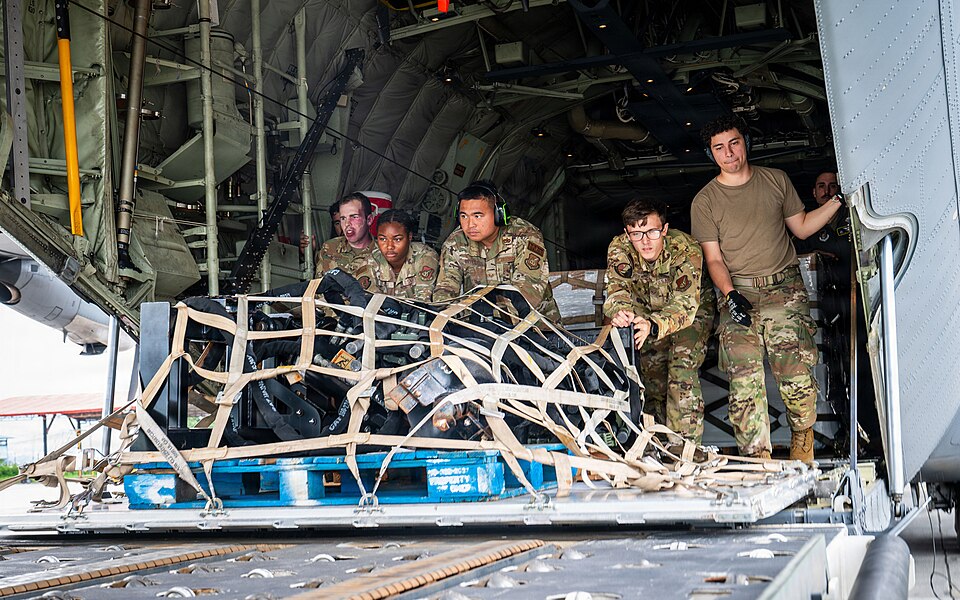
Following the devastation from Super Typhoon Uwan, PRC gathered hundreds of volunteers to reach more victims through medical services such as first aid stations that treated hundreds of patients. The humanitarian organization sent out ambulances for medical transport and rescue operations. PRC assigned three doctors and 25 nurses to provide medical consultations, medicines and antibiotics for hundreds of people in several regions.

Volunteers transported more than 200 individuals to evacuation centers from hazardous zones. PRC also provided psychological support through welfare desks and distributed meals from food trucks, delivering 8,753 hot meals to affected families. PRC used radios to allow communication in distant areas without Wi-Fi or data.

To PRC staff and volunteers, Gordon shared his appreciation for their extensive labor and dedicated effort.

“People often think that our work is limited to handing out relief boxes, but we have been working non-stop preparing hot meals and holding meetings 24/7,” Gordon said. “Thanks to everyone’s sacrifices here, the PRC can truly be always first, always ready, and always there.”

Moving Forward

In the face of the life-threatening typhoons that devastated millions of people in November, PRC remained dedicated to immediate aid for communities in need across the Philippines. PRC reached Filipino victims in the areas most affected, despite rising water levels and powerful winds. Along with accommodating the health of hundreds of people, PRC supported the well-being of families who lost everything. The people of the Philippines faced disaster, loss and grief, but PRC’s humanitarian relief provided care and support during recovery.

– Caydie Tampac

Caydie is based in Las Vegas, NV, USA and focuses on Good News for The Borgen Project.

Photo: Wikimedia Commons
January 24, 2026
https://borgenproject.org/wp-content/uploads/borgen-project-logo.svg 0 0 Precious Sheidu https://borgenproject.org/wp-content/uploads/borgen-project-logo.svg Precious Sheidu2026-01-24 07:30:342026-01-24 02:46:00How the Philippine Red Cross Helps Typhoon Victims
Page 1 of 6123›»

Get Smarter

  • Global Poverty 101
  • Global Poverty… The Good News
  • Global Poverty & U.S. Jobs
  • Global Poverty and National Security
  • Innovative Solutions to Poverty
  • Global Poverty & Aid FAQ’s
Search Search

Take Action

  • Call Congress
  • Email Congress
  • Donate
  • 30 Ways to Help
  • Volunteer Ops
  • Internships
  • Courses & Certificates
  • The Podcast
Borgen Project

“The Borgen Project is an incredible nonprofit organization that is addressing poverty and hunger and working towards ending them.”

-The Huffington Post

Inside The Borgen Project

  • Contact
  • About
  • Financials
  • President
  • Board of Directors
  • Board of Advisors

International Links

  • UK Email Parliament
  • UK Donate
  • Canada Email Parliament

Get Smarter

  • Global Poverty 101
  • Global Poverty… The Good News
  • Global Poverty & U.S. Jobs
  • Global Poverty and National Security
  • Innovative Solutions to Poverty
  • Global Poverty & Aid FAQ’s

Ways to Help

  • Call Congress
  • Email Congress
  • Donate
  • 30 Ways to Help
  • Volunteer Ops
  • Internships
  • Courses & Certificates
  • The Podcast
Scroll to top Scroll to top Scroll to top