Renewable Energy in Vanuatu
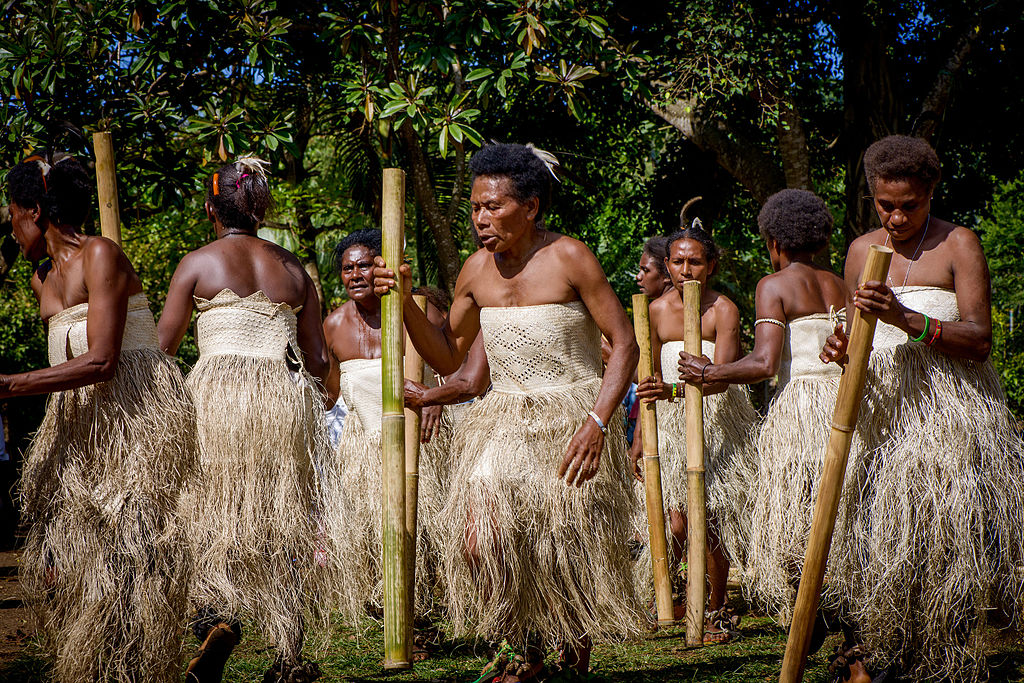 Renewable energy in Vanuatu is becoming an important pathway towards the reduction of poverty, influx in energy access and the creation of local opportunities. The Pacific Island nation faces energy poverty with more than 70% of its population lacking reliable grid electricity, along with 80% of rural residents remaining off grid. Implementing renewable energy solutions is transforming, improving and empowering communities.
1. Community Owned Mini Grids
Hybrid solar-hydro mini grids are bringing electricity to dozens of villages in Vanuatu. In Loltong, Pentecost Island, a system now powers hundreds of households, schools, clinics and shops. That mini grid alone is offering more than 300 people stable electricity that lowers household costs and improves quality of life. This is creating a strong example of how renewable energy in Vanuatu is linked to the broadening of energy and economic opportunity for rural communities in need.
2. Pico-Hydro for Remote Villages
Three pico-hydro stations are being installed in Pentecost Island under the Japan-funded Pacific Green Transformation Project. These will directly benefit more than 2,366 residents and create green sector job opportunities for the community. These small hydro-powered units will not only expand energy access but also create employment opportunities, helping to reduce poverty through sustainable, community based infrastructure.
3. Solar Kits for Households and Schools
The National Green Energy Fund has funded dozens of solar-powered energy kits for schools, co-ops and local governments, resulting in lighting classrooms, providing refrigeration and allowing for more communication. With half of Vanuatu’s households off grid, affordable solar kits allow for kids’ success in schooling and financial gain through replacing kerosene lamps, actively alleviating poverty.
4. Energy Access Through Rural Electrification Programs
Projects supported by the World Bank have subsidized home solar systems for nearly 9,000 homes and 37 public buildings, granting renewable energy access to 45,000 people. These programs are significantly raising energy accessibility for lower income communities, leading to a reduction in poverty through enabling refrigeration, powering lighting and allowing cell phone usage.
5. Empowering Youth and Women
Renewable energy in Vanuatu is also contributing to social change. Youth, especially women, are receiving green skills training and leadership roles in energy planning through a regional program with UNDP. Aditionally, cooperatives led by women manage energy systems, earn income and increase community well being, boosting both gender equity and local prosperity.
6. Increased Support from Private Sectors
Donor support has allowed for a lot of progress in Vanuatu. Although the future growth will succeed with focus on private sector investment. The government backed the National Green Energy Fund ,which provides support for things like mini power grids, battery storage and energy-saving appliances. Additionally, with the government and support from World Bank, they are working with private firms to set up systems through its Rural Electrification Project (VREP I & II). These partnerships will help bring clean energy faster and support local jobs and the green economy.
Looking Ahead
Vanuatu ranks high in Pacific nations in regard to rural energy poverty and climate vulnerability. Indeed, through the increase in renewable energy in Vanuatu the country is improving in electricity access. Additionally, health standards, education, and economic opportunities also benefit. These smaller scale renewable energy initiatives are poverty alleviating and inspiring a pathway for other small developing communities. Vanuatu’s clean energy future is looking bright. By focusing on community needs, supporting youth leadership, and expanding access to new technologies, the country is setting an example for others to follow. Small island nations have the power to lead the way in sustainable development.
– Kyra Cribbs
Kyra is based in Charleston, SC, USA and focuses on Good News for The Borgen Project.
Photo: Wikimedia Commons
