Poverty Eradication in Sierra Leone: Secondary City Development
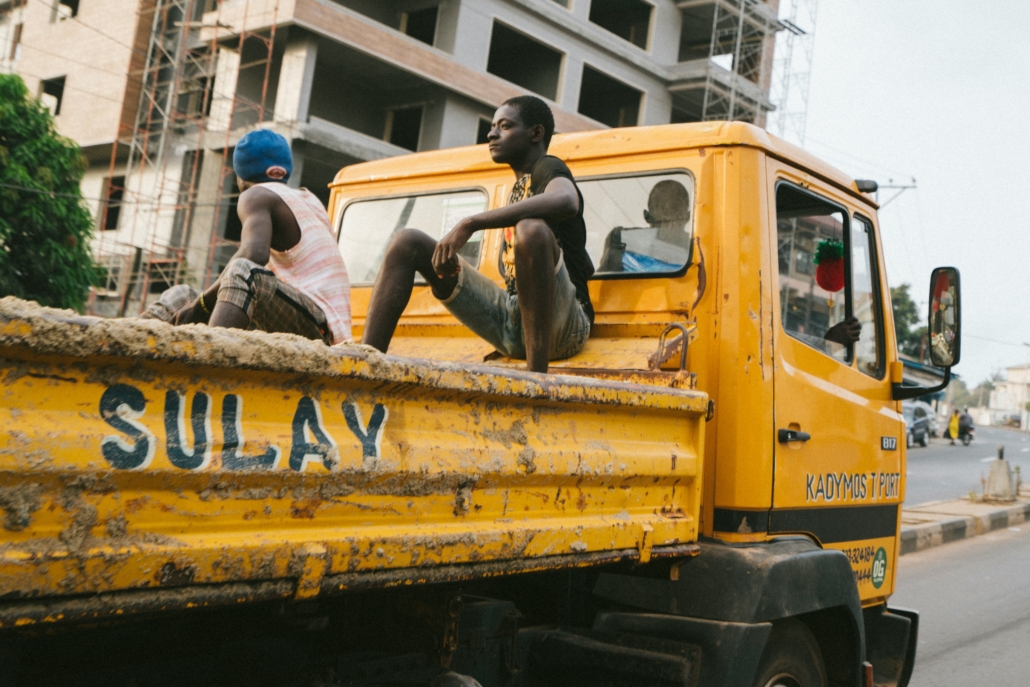 Since emerging from a civil war in 2002, Sierra Leone has experienced positive social and economic growth. The nation’s GDP has more than tripled, and maternal, infant and child mortality rates have largely decreased. However, poverty remains a threat to the country despite these improvements. Almost 60% of the population lives below the national poverty line, living on only $3 a day, and many lack access to food and safe water. Here is information about some innovations in poverty eradication in Sierra Leone.
Major Development Push Across Sierra Leone
However, extreme poverty is concentrated mainly in rural areas of the nation. Outside the capital city of Freetown, nearly 60% of the population lives below the poverty line, compared to just 20% within the capital’s limits. These stark figures reveal a clear imbalance in development and highlight the urgent need for change. In response, the government of Sierra Leone, backed by a £74 million investment from the World Bank, is turning its focus to the country’s often-overlooked secondary cities in an effort to work toward poverty eradication in Sierra Leone.
The cities of Bo, Bonthe, Kenema, Koidu, Makeni and Port Loko, as well as areas of Freetown, are experiencing major development projects in an ambitious effort to decentralize opportunity and reduce regional inequality. With the right infrastructure and investment, secondary cities could serve as drivers of development, raising living standards, expanding access to essential services, and creating new opportunities which could lift many Sierra Leoneans out of poverty.
Resilient Urban Sierra Leone Project
In June 2021, the World Bank launched the Resilient Urban Sierra Leone Project (RUSLP), allocating a budget of $74 million in an attempt to enhance the lives of residents in underdeveloped areas of the nation. The plan presents a transformative vision for the western areas of the country. It lays the groundwork for sustainable urban development through the implementation of improved transportation networks, enhanced disaster preparedness, waste management systems and climate support.
Setting the Development Plan Into Motion
The project’s first major development briefings took place in Kissy, Freetown, on April 10th, 2025. Local government representatives, stakeholders and prospective bidders met to identify the necessary actions to improve the current urban landscape.
The Project Management Unit (PMU) of the RUSLP organized the session and a four-year developmental plan was laid out, with three high-risk communities being identified including Coconut Farm, Moyiba and Portee/Rokupa. Work is to immediately begin, as major environmental and flooding risks threaten these communities.
During the session, technical specifications, bidding procedures, evaluation criteria and social and environmental safeguarding requirements were outlined and discussed. The meeting provided a forum where those involved could ask questions and seek clarification on the project. Under this plan, it is hoped that all secondary cities will see new development, and work will begin at a later stage.
Bridging Cities and Citizens
According to project planners, the benefits of these developments extend beyond physical infrastructure. Roads will link people to jobs, markets and services, aiding poverty eradication in Sierra Leone. Water pumps and improved drainage systems will boost sanitation levels, improving public health immensely and lighting infrastructure across the cities will enhance the safety and accessibility of the population.
These improvements will especially benefit those who live beyond the boundaries of the capital, providing opportunities through connection due to new transportation infrastructure. The aim is to ensure all citizens have access to the same economic prospects and improved living conditions, and urban development is the first step in ensuring this.
– Niamh Trinder
Niamh is based in Leicester, UK and focuses on Good News and Global Health for The Borgen Project.
Photo: Unsplash
