Food Systems in Pakistan
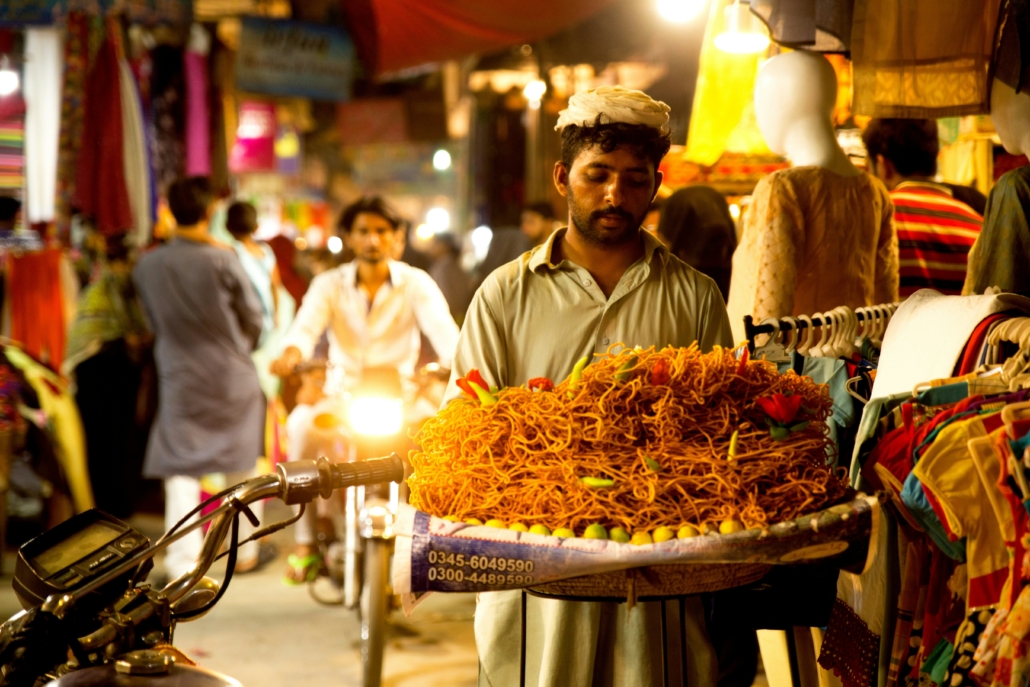 From inefficient supply chains to outdated frameworks, food systems in Pakistan are under significant strain. Behind spoiled harvests and empty shelves is a configuration of a fractured food crisis, where millions go hungry because of these vulnerabilities. More than 11 million people in Pakistan’s rural areas are facing these challenges, with 1.7 million in emergency conditions. Addressing the urgency of Pakistan’s systemic challenges may help reform a more sustainable infrastructure to transform the food system.
Pakistan’s Agricultural Sector
Agriculture drives Pakistan’s economy with around 44% of the labor force and contributing nearly a quarter of the country’s GDP. Aside from this sector being vital for economic stability, 67% of rural households also rely on agriculture for their livelihoods. However, challenges arise within environmental and systematic divisions, including chemical fertilizer overuse, poor irrigation techniques and outdated farming methods that have led to soil degradation, salinity and waterlogging.
However, agricultural abundance does not automatically translate into national food security. As an example, Pakistan has produced bumper wheat crops in recent years, greater than 23 million tons in 2006 alone, yet millions still suffer from food insecurity due to poor distribution networks. The imbalance between production and access showcases a deep-rooted problem within the food system in Pakistan: a discrepancy between supply and sustainable delivery. Climate shocks, infrastructure gaps and a lack of investment in rural supply chains further exacerbate this disconnect. To ensure long-term food security, Pakistan must go beyond crop yields and focus on building a resilient and equitable food system. Addressing inefficiencies in the distribution of the food supply chain and ensuring that sustainable agricultural practices are supported from farms to households is not just a logistical challenge but a moral imperative.
Distribution of the Food Supply Chain
The distribution of food systems in Pakistan is facing challenges impacting farms and consumers. The causes of substantial post-harvest losses, from perishable fruits, vegetables and dairy are due to inadequate rural roads, lack of cold storage, unreliable transportation and market access barriers. About 30–40% of these goods never make it to the market, which threatens food availability, resulting in an annual economic loss of millions.
Yet, within these challenges lie opportunities. Investments in rural infrastructure and more localized supply chains may reduce spoilage and stabilize food prices; one major issue is the highly unequal distribution of land and water; only 37% of rural households own land, and most of those own fewer than five acres, which limits the ability of small farmers to benefit from agricultural growth. To address this, Pakistan has introduced programs aimed at improving rural infrastructure, such as expanding rural road networks and electrification projects, which may help reduce transport costs and increase access to markets. However, many rural enterprises still face frequent power outages and limited credit access, hindering productivity. Policies that invest in human capital and support both farm and non-farm rural sectors to build a more inclusive and resilient food system in Pakistan must complement these efforts.
Upgrading Infrastructure for Sustainable Food Systems
Action Against Hunger, for example, is a non-government organization that began working in Pakistan in 2005 to combat hunger and malnutrition, especially in vulnerable rural areas. The organization focuses on improving food security by supporting home gardens, promoting climate-resilient agriculture and distributing livestock and fish to boost access to nutritious food. In the Sindh province, where child malnutrition is highest, it has helped more than 314,000 people in the past year through programs like Farmer Field Schools and vertical gardening. Its efforts have led to more diverse diets, increased crop yields and promoted better nutrition for families across 10 districts.
– Hibah Iqbal
Hibah is based in Houston, TX, USA and focuses on Global Health for The Borgen Project.
Photo: Unsplash
