• Link to X
  • Link to Facebook
  • Link to Instagram
  • Link to TikTok
  • Link to Youtube
  • About
    • About Us
      • President
      • Board of Directors
      • Board of Advisors
      • Financials
      • Our Methodology
      • Success Tracker
      • Contact
  • Act Now
    • 30 Ways to Help
      • Email Congress
      • Call Congress
      • Volunteer
      • Courses & Certificates
      • Be a Donor
    • Internships
      • In-Office Internships
      • Remote Internships
    • Legislation
      • Politics 101
  • The Blog
  • The Podcast
  • Magazine
  • Donate
  • Click to open the search input field Click to open the search input field Search
  • Menu Menu

Tag Archive for: The World Bank

Posts

Agriculture, Global Poverty, World Bank

World Bank Support: Strengthening Agriculture in Sri Lanka

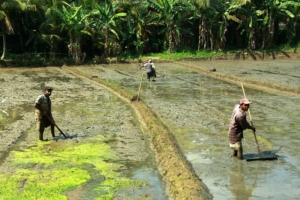
Agriculture in Sri LankaRecently, the World Bank has pledged to support Sri Lanka’s economic recovery, committing to a $1 billion initiative over three years. Of this, $185 million is allocated for solar and wind projects, $200 million toward supporting tourism through protecting cultural and natural assets and generating employment and another $200 million for regional infrastructure. However, one of the most important investments that the World Bank is making in Sri Lanka is the $100 million for agriculture to help farmers adopt new technologies and attract private capital.

Agriculture in Sri Lanka

To become a stronger player in the global food trade, Sri Lanka must improve efficiency in handling its top exports: mangoes, cinnamon, coconut and seafood. More robust systems are needed to ensure these products meet international standards and to reduce food loss. The World Bank is investing in Sri Lanka’s National Quality Infrastructure (NQI), a behind-the-scenes system that guarantees exported food is safe, traceable and up to code for global markets. To catch up with some of the higher-grossing nations worldwide, the NQI provides digital systems for tracking products, labs for testing and agencies for certification.

Sri Lanka is one of the most impoverished countries in the world, with less than $5,000 GDP per Capita. However, the World Bank’s investment will strengthen the country’s local industry, expanding economic opportunity and attracting private capital to support long-term growth. “This support from the World Bank Group is an investment in the people of Sri Lanka,” President of Sri Lanka, Anura Kumara Dissanayake, said. “It will help create jobs, support small businesses and open new opportunities across the country. We are committed to ensuring this partnership delivers real change for our communities.”

World Bank Backs Sri Lanka as a Trusted Global Exporter

The $100 million agricultural investment will help farmers and agribusinesses access markets, attract private capital and adopt new technologies. It will benefit more than 38,000 people, including 8,000 agri-food producers and is expected to gain $17 million in private financing. In 2017, agriculture provided a living for 2.1 million Sri Lankan households. It represented more than 26% of the GDP, which is only forecasted to increase with the World Bank’s assistance.

The World Bank’s support for Sri Lanka’s agribusiness aims to strengthen its position as a trustworthy exporter. Plans include reviewing laboratory systems and developing digital tools to improve efficiency. Indeed, these tools will streamline compliance processes for traders, speed up regulatory approvals and make product tracking easier. A strong NQI, a key World Bank focus, establishes clear standards and communicates them to producers and processing facilities, ensuring high-quality food delivery.

Conclusion

Ultimately, strengthening Sri Lanka’s NQI will raise the standard of agricultural exports and improve the quality of food imports, which is crucial for households struggling to afford nutritious meals. Though largely behind the scenes, lab testing, digital tracking and equipment upgrades reshape the country’s agricultural system. Backed by a sizable World Bank investment, these reforms promise to boost profitability in the sector while creating countless jobs, positioning Sri Lanka for a stronger, more resilient economy.

– Gregory Walker

Gregory is based in York, PA, USA and focuses on Global Health for The Borgen Project.

Photo: Flickr

September 10, 2025
https://borgenproject.org/wp-content/uploads/borgen-project-logo.svg 0 0 Lynsey 2 https://borgenproject.org/wp-content/uploads/borgen-project-logo.svg Lynsey 22025-09-10 03:00:182025-09-10 01:24:31World Bank Support: Strengthening Agriculture in Sri Lanka
Development, Economy, Global Poverty

How Debt Restructuring in Ghana Creates Room for Development

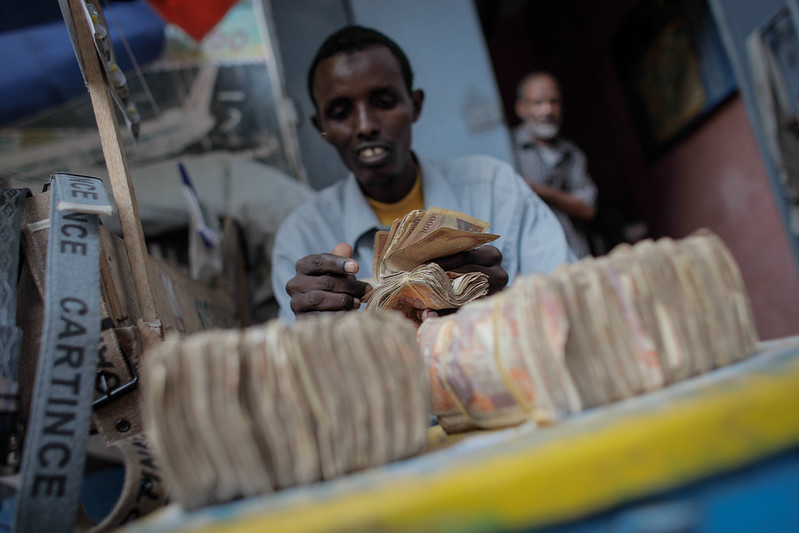
Debt Restructuring in GhanaGhana has dealt with a debt crisis since the early 2000s, originating from a long history of colonialism. Although it was one of the first African countries to gain independence in 1957, Ghana continues to depend on the export of raw materials such as gold, oil and cocoa. When global commodity prices declined in the ’80s and ’90s, countries in the Global South relied on the International Monetary Fund (IMF) and the World Bank’s advice to expand production to pay debts. As a result, the price of commodities remained low for 20 years.

The HIPC Initiative and Debt Relief Successes

In 2002, the Ghanaian government granted the central bank autonomy to use monetary policy as a tool to promote economic growth and deal with inflation. Falling from 30% to 10% by 2007, fiscal policy enacted under the joint IMF-World Bank debt relief program, the Heavily Indebted Poor Countries Initiative (HIPC), was key in taming the country’s economic problems.

After part of the country’s debt was cancelled during the program’s implementation, Ghana’s external debt fell by $4.3 billion between 2006 and 2003, from $6.6 billion to $2.3 billion. Debt relief proved to be a successful means of fighting poverty and increasing the potential for development. Improvements in health care and education followed, with money being invested in social services for Ghanaian citizens.

One of the most important features of the government’s budgetary operations under the HIPC Initiative was its positive impact on poverty reduction. The Ghana poverty reduction strategy document emphasized integrated rural development, economic growth, expanded employment opportunities and improved access to public services. To achieve these goals, the government would have to implement sound monetary and fiscal policies made possible through debt relief.

New Debt Restructuring Framework in Ghana

However, the country’s continued reliance on the export of commodities has led it into another debt crisis. When the price of raw materials rose in the 2010s, more countries became willing to lend to Ghana. However, after another fall in the cost of commodities in 2013, the African country became unable to repay loans and started accumulating debt. Debt now places a new, significant burden on Ghana’s economy and society, which could lead to stagnation and higher poverty rates.

Recently, Ghana’s parliament approved a $2.8 billion debt restructuring framework for 25 creditor countries. Although the deal is not yet final, debt relief would again allow the country to invest in social services instead of using its revenues to pay off lender countries. In the 2000s, debt restructuring was critical in restoring macroeconomic stability; by rescheduling debt payments due between 2022 and 2026 to 2039 – 2043, there is hope that the country can break its cycle of debt.

The newly created Agenda for Jobs II (2022–2025) aims to develop further Ghanaian life’s economic, social and environmental dimensions. It focuses on expanding education and health care initiatives. The agenda also seeks to broaden the coverage of the Livelihood Empowerment Against Poverty (LEAP) Program.

Conclusion

In collaboration with international partners, new debt restructuring efforts in Ghana have opened a new chapter in the country’s economic development. The potential ratification of these new agreements will free up significant public funds that can be invested in public sectors such as health care, education and infrastructure, contributing to the country’s fight against poverty. Debt restructuring allows for future economic growth, catalyzing social progress.

– Rafaela Paquet

Rafaela is based in Montreal, Canada and focuses on Politics for The Borgen Project.

Photo: Wikimedia Commons

September 2, 2025
https://borgenproject.org/wp-content/uploads/borgen-project-logo.svg 0 0 Lynsey 2 https://borgenproject.org/wp-content/uploads/borgen-project-logo.svg Lynsey 22025-09-02 03:00:452025-09-01 13:28:35How Debt Restructuring in Ghana Creates Room for Development
Education, Global Poverty, Water

Progress in Fighting Poverty in Balochistan

Fighting Poverty in BalochistanBalochistan is Pakistan’s largest province. While it is nearly half of Pakistan’s territory, it is home to roughly 6% of the Pakistani population, 14.8 million. Poverty and a lack of economic development have exacerbated systemic issues of insecurity and nationalist tensions. Thanks to the international community and local government initiatives, there has been major progress in fighting poverty in Balochistan.

The World Bank has helped the Pakistani government to address the two main sources of poverty: water insecurity and a lack of education, both of which contribute to violence and the ongoing Baloch insurgency. These solutions help address much of the core issue and have integrated local communities in the implementation, which has been critical to sustainable success.

Poverty in Balochistan

Fighting poverty in Balochistan is a critical security issue in the region. Yunas Samad, professor at the University of Bradford and research fellow of Political Science at the Lahore University of Management Sciences, points out that Balochistan is neglected and instead is mostly treated as a place to extract resources, in particular minerals and natural gas. Despite its critical location for mining and the important Gwadar Port, the region remains impoverished.

The province has been subjected to resource extraction. Yet, locals and the provincial government receive minimal benefits or returns, even though mining and energy extraction are constitutionally designated as provincial and not federal subjects. The region has been earmarked as crucial to the new China-Pakistan Economic Corridor (CPEC). However, its Human Development Index (HDI) is 0.421 below the national average of 0.562.

This has resulted in a poverty rate of more than 71% in 2015, well above the national average of 38%. This is despite the region being home to the Suri Gas Field, one of Pakistan’s largest reserves. This systemic poverty and neglect have created the conditions for a new phase in the Balochistan conflict. Imtiaz Baloch, a journalist and researcher focusing on Balochistan, notes that the region’s marginalization has always been the fuel for the conflict.

The Baloch Insurgency

The Baloch insurgency began when the region joined Pakistan in 1948, with major outbreaks throughout the 20th century as the Islamabad government centralized control over provinces like Balochistan. Although major insurgent factions declared a ceasefire in 2018, significant attacks, including recent hijackings and suicide bombings in 2025, continue to occur.

After relative calm in the ’90s, the fifth phase of the conflict emerged from escalating tensions between weakened Baloch nationalist parties, unable to form a united political front and the Pakistani state over persistent social and economic inequalities. The Baloch people’s demands for greater political rights, resource control and increased autonomy intensified.

Ironically, increased economic investment from the Pakistani and Chinese governments has only deepened Balochistanis’ feelings that they are being exploited. This sense of isolation and disempowerment created a new insurgency movement, one that has spread beyond Pakistan to other Baloch regions in nearby Iran and Afghanistan.

Armed factions like the Baloch Liberation Army – Jeeyand (BLA-J) use this disempowerment to conduct suicide attacks on Gwadar Port facilities, the Pearl Continental Hotel in Gwadar and especially on foreign investment in Balochistan. Unlike previous phases, the new Baloch insurgency has focused on economic targets.

Despite its economic potential, CPEC has intensified the Baloch insurgency, exacerbating grievances over resource control, marginalization and cultural erosion. The growing sophistication and frequency of attacks on CPEC-related targets underscore the persistence of the insurgency. These threats endanger regional stability and the project’s success if left unaddressed through inclusive development and dialogue.

Fighting Poverty in Balochistan

The Baloch provincial government recently started a new initiative. It will focus on increased water security, energy infrastructures and agricultural development for the Baloch people to create new opportunities. A partnership from the World Bank has matched this effort. In 2025, the World Bank pledged $94 million to the Balochistan Water Security and Productivity Improvement Project. It aims to provide improved water access and irrigation to more than 500,000 additional people.

In addition to these efforts, the international organization also focuses on the future through increased access to education. The World Bank is providing an additional $100 million for the Getting Results: Access and Delivery of Quality Education Services in Balochistan (GRADES-Balochistan) program, which will educate 250,000 students and 5,000 teachers. Inga Afanasieva, Team Leader for the project, calls the program “a strategically important initiative that addresses critical gaps in access to and quality of pre-primary and primary education in the province.”

More importantly, this new progress is focusing on integrating local communities directly. The Pakistan Poverty Alleviation Fund is tackling the issue of providing more schools and enrolling nearly 8,000 students in Balochistan, through its Balochistan Education Initiative. These coordinated efforts are important, as only 40% of Baloch children and only 20% of Baloch women are educated. Dr Shahnawaz Khan, Chief Executive of the Balochistan Rural Support Program, highlights these new models as the ones that will be a “foundation for change.”

Conclusion

The Balochistan insurgency is a thorny issue that impacts the lives of millions of people in the wider region. Decades of central government neglect, ethnic tensions and economic marginalization have created a conflict that, without action, shows little signs of stopping. Yet a coalition of governmental and private organizations is finally creating change. Baloch society can finally move past the violence by fighting poverty in Balochistan and providing education and economic opportunities.

– Joseph Laughon

Joseph is based in Sacramento, CA, USA and focuses on Good News amd Politics for The Borgen Project.

Photo: Wikimedia Commons

September 1, 2025
https://borgenproject.org/wp-content/uploads/borgen-project-logo.svg 0 0 Lynsey 2 https://borgenproject.org/wp-content/uploads/borgen-project-logo.svg Lynsey 22025-09-01 01:30:482025-08-31 14:02:51Progress in Fighting Poverty in Balochistan
Aid, Global Poverty, Humanitarian Aid

Helping Others Helps Us: The Domestic Case for UK Aid

U.K. AidThe primary motivation for giving aid should always be to help rescue the world’s poorest from the desperate clutch of poverty. However, in political discourse, people regularly frame the British government’s giving of aid as an entirely altruistic pursuit that has no tangible benefits for the people of Britain. 

This has led to a severely warped public perception of how the government was spending their money and its knock-on effects. The rise of political voices calling for reductions in U.K. aid, framed as an effortless money-saving measure, ignores the substantial economic returns that said aid generates for Britain. 

The Moral Case for Aid

Before considering the domestic benefits, it is important to remember that aid exists first and foremost to save lives and offer hope in communities where prosperity is scarce and scarcity is the norm. Estimates that the U.K. Department for International Development suggest that U.K. funding has helped to immunize 76 million children globally and thus saved about 1.4 million lives.

Between 2010 and 2015, U.K. aid supported 11 million children in primary and secondary education, 62.9 million people saw better sanitation and access to clean water and emergency food assistance reached more than 13 million people.

One may view these figures as just numbers but it is key to recognize the lived realities they represent. U.K. aid has transformed millions of lives across the globe. The scale of this impact is hard to ignore and should be central to the case for U.K. aid.

Impact on Trade

Aid can be viewed as a zero-sum game. However, trade is a key area that can grow domestically when aid supports and grows the economy of low-income countries. On an individual level, aid can improve people’s purchasing power, opening up communities as new markets for British products and services. More broadly, aid can stabilize national economies and promote competent economic governance.

Economic and political stability creates stronger trading partners and fosters long-term partnerships that can lead to trade agreements. The Aid for Trade initiative specifically promotes commerce between donor and recipient countries while supporting economic growth and development. 

A report from the National Institute of Economic and Social Research has reinforced such benefits. It found that cuts that the Johnson Ministry made to the Official Development Assistance budget cost between £322 million and £423 million in lost U.K. exports. This indicates that, rather than providing savings to the treasury, cuts to U.K. aid actually come at a cost to the U.K. economy.

The Independent Commission for Aid impact found that between 2015 and 2021, the U.K. spent more than $638 million on trade focused programs, with 44% directed to African countries and 20% to Asian countries. This funding has significant potential to open new markets for U.K. businesses. In the U.K., such exports also support around 6.5 million jobs which a government report found to be 21% more productive and 7% better paid than the national average. So, not only does international aid open new markets for businesses, it also provides better paying, more productive jobs that drive innovation, efficiency and long-term economic growth. 

Aid Keeps Us Safer

The use of aid as part of interventions to ensure political and economic stability abroad have much more nuanced outcomes and remain highly controversial. Such interventions usually consist of two components: capacity building, which involves building up the capabilities of a state so it can fulfill its primary functions and legitimacy building, which focuses more on ensuring the people view said government as a legitimate actor.

Such practices can form in the aftermath of military interventions or can be more effectively utilized before such a state failure can occur. The World Bank estimates that for every $1 invested in prevention, about $16 is saved in potential long-term costs. Investing aid before conflict arises can prevent costly military interventions and heavy-handed state-building that often ignores local sociopolitical dynamics. Strengthening pre-existing state structures saves donor countries money and helps prevent conflict, creating a safer, more stable world.

Final Thoughts

Before judging aid based on political convenience, it is important to consider the moral implications and assess where this money can do the most good. The case for increasing international aid must always be framed in these terms. Existing research highlights the inaccuracy of framing such issues in terms of an “us versus them” divide.

When the U.K. government gives aid, it is not wasting money, nor is that money lost to the U.K. forever; it has tangible economic and security benefits that too often go ignored. This reality is key to any political dialogue moving forward to ensure cutting aid is not used as a money-saving political football. 

– Adam Walsh

Adam is based in Burnley, UK and focuses on Good News and Politics for The Borgen Project.

Photo: Pixabay

August 31, 2025
https://borgenproject.org/wp-content/uploads/borgen-project-logo.svg 0 0 Lynsey 2 https://borgenproject.org/wp-content/uploads/borgen-project-logo.svg Lynsey 22025-08-31 21:16:412025-11-15 02:19:31Helping Others Helps Us: The Domestic Case for UK Aid
Global Poverty, Sustainable Development Goals

Ending Extreme Poverty by 2050

Ending Extreme PovertyEnding extreme poverty globally is not a new goal. The United Nations set in motion the formal goal of Sustainable Development Goal 1 (SDG 1) to “end poverty in all its forms everywhere” by 2030. The World Bank has upheld this hope with the goal of reducing extreme poverty to 3% or less of the globe by 2030, which is no longer feasible.

Some experts contend that broadening the horizon to end extreme poverty by 2050 could provide a more feasible pathway forward to overcome structural inequalities, climate pressures and economic impediments. Similarly, 2050 provides countries additional time to enact systemic changes that include enhancing health care access to education, increasing infrastructure development and improving climate adaptation, all of which are important steps toward sustainable poverty reduction.

Global Poverty

According to the World Bank’s Poverty and Shared Prosperity 2022 report, almost 700 million people still live on less than $2.15 a day. This is even after a historic low since 1990, which has lifted more than one billion people out of extreme poverty. Climate instability is one of the biggest threats to people and livelihoods while also impacting economies, especially in low-income countries.

Weather disasters such as extreme weather, flooding and droughts primarily affect low-income countries. Environmental disruptions can easily push economic growth in countries where communities have shown economic growth back into extreme poverty. Income inequality is another complex challenge to global, regional and local progress.

As the wealthy in a region benefit from growth, the vulnerable become further entrenched in poverty. Public health systems and preventive care remain weak, even as income levels rise. Meanwhile, billions of people still lack access to clean water and sanitation.

Issues such as high energy prices, the war in Ukraine, global conflicts and rising inflation can stall poverty reduction and strain both public and private resources. This underscores the need for leaders to consider how national strategies can be supported and extended into long-term sustainable initiatives.

Organizations Driving the Fight Against Poverty

Many organizations are working to address these challenges. The United Nations (U.N.) continues to lead global efforts through its 17 SDGs. The World Bank provides funding, technical assistance and progress measurement. UNICEF works to expand access to education, health care and clean water for children in developing countries. Meanwhile, the World Food Programme (WFP) delivers food assistance to more than 150 million people each year, targeting hunger as one of the root causes of poverty.

Regional development banks, NGOs and private foundations also contribute funding, expertise and innovation to programs that support livelihoods and foster inclusive economic growth. Yet it is concrete collective action, from these actors and others, that has made it clear that ending extreme poverty is not only a moral necessity but also a global economic and political priority.

Final Remarks

Investments in renewable energy, climate-resilient development, infrastructure and universal education will all be integral to establishing systems that permanently move people out of poverty.

The benefits of achieving this goal would be global: stronger economies, larger markets, greater social stability from a better-educated citizenry and improved health for all.

– Sophia Scelza

Sophia is based in Lindenhurst, NY, USA and focuses on Good News and Technology for The Borgen Project.

Photo: Flickr

August 29, 2025
https://borgenproject.org/wp-content/uploads/borgen-project-logo.svg 0 0 Lynsey 2 https://borgenproject.org/wp-content/uploads/borgen-project-logo.svg Lynsey 22025-08-29 01:30:582025-09-16 00:08:21Ending Extreme Poverty by 2050
Development, Global Poverty

Poverty Eradication in Sierra Leone: Secondary City Development

Poverty Eradication in Sierra LeoneSince emerging from a civil war in 2002, Sierra Leone has experienced positive social and economic growth. The nation’s GDP has more than tripled, and maternal, infant and child mortality rates have largely decreased. However, poverty remains a threat to the country despite these improvements. Almost 60% of the population lives below the national poverty line, living on only $3 a day, and many lack access to food and safe water. Here is information about some innovations in poverty eradication in Sierra Leone.

Major Development Push Across Sierra Leone

However, extreme poverty is concentrated mainly in rural areas of the nation. Outside the capital city of Freetown, nearly 60% of the population lives below the poverty line, compared to just 20% within the capital’s limits. These stark figures reveal a clear imbalance in development and highlight the urgent need for change. In response, the government of Sierra Leone, backed by a £74 million investment from the World Bank, is turning its focus to the country’s often-overlooked secondary cities in an effort to work toward poverty eradication in Sierra Leone.  

 The cities of Bo, Bonthe, Kenema, Koidu, Makeni and Port Loko, as well as areas of Freetown, are experiencing major development projects in an ambitious effort to decentralize opportunity and reduce regional inequality. With the right infrastructure and investment, secondary cities could serve as drivers of development, raising living standards, expanding access to essential services, and creating new opportunities which could lift many Sierra Leoneans out of poverty.

Resilient Urban Sierra Leone Project

 In June 2021, the World Bank launched the Resilient Urban Sierra Leone Project (RUSLP), allocating a budget of $74 million in an attempt to enhance the lives of residents in underdeveloped areas of the nation. The plan presents a transformative vision for the western areas of the country. It lays the groundwork for sustainable urban development through the implementation of improved transportation networks, enhanced disaster preparedness, waste management systems and climate support.

Setting the Development Plan Into Motion

The project’s first major development briefings took place in Kissy, Freetown, on April 10th, 2025. Local government representatives, stakeholders and prospective bidders met to identify the necessary actions to improve the current urban landscape.

The Project Management Unit (PMU) of the RUSLP organized the session and a four-year developmental plan was laid out, with three high-risk communities being identified including Coconut Farm, Moyiba and Portee/Rokupa. Work is to immediately begin, as major environmental and flooding risks threaten these communities.

During the session, technical specifications, bidding procedures, evaluation criteria and social and environmental safeguarding requirements were outlined and discussed. The meeting provided a forum where those involved could ask questions and seek clarification on the project. Under this plan, it is hoped that all secondary cities will see new development, and work will begin at a later stage.

Bridging Cities and Citizens

According to project planners, the benefits of these developments extend beyond physical infrastructure. Roads will link people to jobs, markets and services, aiding poverty eradication in Sierra Leone. Water pumps and improved drainage systems will boost sanitation levels, improving public health immensely and lighting infrastructure across the cities will enhance the safety and accessibility of the population.

These improvements will especially benefit those who live beyond the boundaries of the capital, providing opportunities through connection due to new transportation infrastructure. The aim is to ensure all citizens have access to the same economic prospects and improved living conditions, and urban development is the first step in ensuring this.

– Niamh Trinder

Niamh is based in Leicester, UK and focuses on Good News and Global Health for The Borgen Project.

Photo: Unsplash

August 19, 2025
https://borgenproject.org/wp-content/uploads/borgen-project-logo.svg 0 0 Jennifer Philipp https://borgenproject.org/wp-content/uploads/borgen-project-logo.svg Jennifer Philipp2025-08-19 07:30:482025-08-18 12:58:35Poverty Eradication in Sierra Leone: Secondary City Development
Global Poverty, Poverty Eradication

Reducing Poverty in Laos

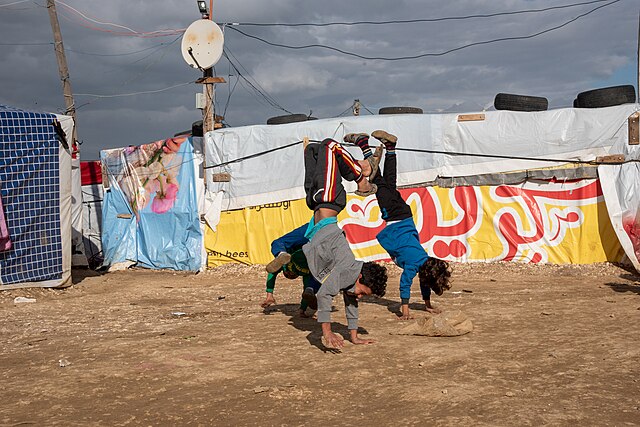
Poverty in LaosLaos is on a bold path to eliminate poverty and graduate from its least developed country (LDC) status by 2026. The country has made measurable strides with ambitious government-led programs and critical international partnerships. Yet, the journey is far from over. While thousands of families have been lifted from poverty, fiscal constraints and a high foreign debt burden still pose serious threats to progress in Laos.

A National Commitment To Ending Poverty in Laos

The government of Laos has embedded poverty reduction into its core national development agenda. Through the National Growth and Poverty Eradication Strategy (NGPES), the country has aimed to reduce poverty rates and build a self-reliant economy since 2003. The latest five-year socioeconomic development plan continues this vision with a renewed focus on green and sustainable development.

Several districts, including Xay in Oudomxay, Xieng Ngeun in Luang Prabang and six in Champasack Province, have been officially declared “poverty-free.” They met benchmarks for infrastructure, clean water, health care and education. In 2024 alone, 31,232 families were lifted out of poverty, achieving 89% of the annual goal.

Investing in Infrastructure for Poverty Reduction in Laos

Physical infrastructure plays a pivotal role in reducing poverty in Laos. Road networks, railways, clean water access and health care centers directly improve rural livelihoods. In Xay District, 95% of residents now have access to clean water and major infrastructure investments have made 79 of its 94 villages poverty-free.

The government has also expanded the Village Development Fund, distributing 500 million Lao kip (approximately $23,00) per district to support rural families. Targets for 2025 include lifting 100,000 families, 1,000 villages and 25 districts out of poverty.

Partners Drive Development

Key multilateral institutions, namely the World Bank, Asian Development Bank (ADB) and the United Nations Children’s Fund (UNICEF), are instrumental in reducing poverty in Laos. These partners provide direct financial aid and help the nation build systems that can sustain long-term development.

The World Bank’s Community Livelihood Enhancement and Resilience (CLEAR) Initiative targets 450 rural villages with small-scale infrastructure projects and resilience-focused interventions. In parallel, the $37 million Reducing Rural Poverty and Malnutrition Project focuses on cash transfers and nutrition support for more than 85,000 people.

UNICEF supports Laos in strengthening its social protection systems. Since 2020, the National Social Protection Strategy has aimed to ensure all citizens’ access to health care, social security and welfare. Programs like the Mother and Early Childhood Grant provide monthly payments to low-income mothers, directly supporting child nutrition, education and health.

Furthermore, the ADB’s gender-responsive graduation approach helps ultra-poor households transition into sustainable livelihoods. The ADB also invests $65.8 million in Laos’ agrifood system to improve climate resilience, nutrition and household incomes, focusing on export-driven crops like bamboo, tea and coffee.

Economic Growth vs. Debt Burden

While Laos’ gross domestic product (GDP) grew 4.1% in 2024 and inflation dropped to 8.3% by May 2025, economic progress is threatened by high debt. Public debt is roughly 99% of GDP, with China being the largest creditor. Much of this debt is tied to infrastructure projects meant to transform Laos into a “land-linked” economy. However, these projects, like hydropower and railways, have delayed profitability, complicating the nation’s fiscal outlook.

Green Growth for a Sustainable Future

Laos’ National Green Growth Strategy till 2030 seeks to balance environmental protection with poverty eradication. The plan emphasizes clean infrastructure, vocational training for women, organic farming and green urban planning. This holistic approach ensures that poverty reduction in Laos aligns with climate resilience and inclusive economic growth, which are key for a lasting development transition.

Laos is making significant strides toward its 2026 LDC graduation goal with strong indicators of success in rural development, international collaboration and infrastructure investment. Still, deep structural challenges, particularly high debt, could slow progress. 

– Cameron Jones

Cameron is based in Hendersonville, TN, USA and focuses on Good News and Politics for The Borgen Project.

Photo: Flickr
August 8, 2025
https://borgenproject.org/wp-content/uploads/borgen-project-logo.svg 0 0 Lynsey 2 https://borgenproject.org/wp-content/uploads/borgen-project-logo.svg Lynsey 22025-08-08 07:30:452025-08-08 05:20:03Reducing Poverty in Laos
Electricity and Power, environment, Global Poverty, Natural Disaster

The Journey To Renewable Energy in Micronesia

Renewable Energy in MicronesiaMicronesia (or the Federated States of Micronesia) is a small country located in the continent of Oceania. A large advocate of environmental policy, renewable energy in Micronesia has a long history behind it. Through many years of struggle and advancements, Micronesia has made its intentions for a clean future clear.

Life in Micronesia

While Micronesia’s environment is beautiful, living there isn’t easy.  In 2013, 41.2% of the population lived below the national poverty line, a statistic that the World Bank Group estimates to be higher post-COVID-19. Due to its isolated geography, poor mineral deposits and lacking economy, opportunities can be slim.

Electricity is a scarce resource in Micronesia; most of the country is reliant on diesel generators that power a central grid. Most communities do not have day-long access to electricity. Individual households are not the only parties affected by a lack of energy; hospitals have to work with a less-than-ideal power supply as well.

For those with more reliable access to electricity, another problem rears its head. Aging infrastructure causes many power grids to be vulnerable to intense weather like typhoons. This leads to frequent power outages as the grids fail to hold under the conditions.

Fossil Fuels in a Changing World

As an island country, Micronesia experiences some of the highest rates of sea-level rise per year on the planet. A reliance on diesel generators, which produce more pollutants than gasoline engines, exacerbates the issue. Its economic reliance on fisheries and farming causes a unique need to halt the unsustainable fossil fuels use as weather patterns rapidly intensify.

Micronesia’s reliance on diesel generators is more than just an environmental issue however, it is also a financial one. Micronesia has a severe lack of local fossil fuel deposits, this includes resources to fuel these generators. Due to this, Micronesia must outsource its entire fuel supply.

The U.S. used to pay for these fuel imports, but that stopped in 2004. As Micronesia locally lacks typical energy sources, the cost for a fossil fuel economy is too great for Micronesia to handle.

A Plan To Help

In 2004, Micronesia implemented a Strategic Development Plan to outline the goals and benchmarks of renewable energy in Micronesia up until 2023.  This plan detailed multiple advancements towards green energy, such as providing sustainable funding for environmental programs and would outline the approach towards green energy for the coming years.

This plan provided an outline that would pave the way for climate and disaster policy, as well as the formation of new climate committees. Through this new focus, renewable energy in Micronesia has grown into a larger force. Solar energy has become prevalent in the country, playing a large role in the hopeful eventual phasing out of the reliance on diesel.

A Green Future

Renewable energy in Micronesia still has a long way to go. The country still has an overwhelming reliance on diesel generators, and most households are still without electricity. However, through actions both past and present, there is undeniable progress ahead.

The World Bank’s recent ARISE Project is set to be a significant boon for the country. The project aims to increase solar construction, creating both mini-grids and home systems. It also aims to strengthen the older grid’s infrastructure to make them more resilient to natural events. This project will help more than 3,000 people gain electrical access.

The FSM recently launched its National Energy Policy through 2050. This policy outlines a future of independent power production as well as public private partnership. It also calls for studies into clean energy sources such as wind, the implementation of hydropower and advancements in architecture for solar. 

Looking Ahead

With weather patterns steadily intensifying over time, renewable energy’s steady traction and momentum and an ambitious goal of net zero emissions by 2050, a green future is not only necessary, but inevitable for Micronesia.

– Cayle Harrison

Cayle is based in West Columbia, SC, US and focuses on Global Health and Politics for The Borgen Project.

Photo: Wikimedia Commons

July 31, 2025
https://borgenproject.org/wp-content/uploads/borgen-project-logo.svg 0 0 Jennifer Philipp https://borgenproject.org/wp-content/uploads/borgen-project-logo.svg Jennifer Philipp2025-07-31 07:30:072025-07-31 02:12:03The Journey To Renewable Energy in Micronesia
Food Insecurity, Global Poverty, Hunger

Everything To Know About Hunger in Dominican Republic

Hunger in Dominican RepublicDespite decades of stable economic growth, hunger in the Dominican Republic remains an issue. Almost 5% of the population experiences undernourishment (ranking 92nd), and approximately 35% of the population faces moderate food insecurity. However, the rate of undernourishment has been on a steady decline for decades falling from 23% in 2004.

The Facts

In 2024, the Dominican Republic ranked 41st out of 127 countries on the Global Hunger Index. The index gave the Dominican Republic a score of 7.8 which they consider to be a “low” ranking. The hunger index is calculated using a weighted score of four categories: undernourishment, child stunting, child wasting and child mortality. The Dominican Republic has steadily decreased their Global Hunger Index score falling from a “moderate” hunger score of 15 in the year 2000.

The percentage of undernourished increases among those under the age of 5 to 7%. Anemia affects 61% of children aged between 6 and 11 months. Children have a higher health risk when exposed to the dangers of malnutrition. It can have many long-term effects on developing children, and in severe cases even cause death.

The World Food Programme (WFP) estimated that one out of three households in the Dominican Republic lacked access to a nutritious diet. However, food insecurity is most intense among those households facing extreme poverty, or the immediate fallout of a natural disaster.

The Why

Poverty, a weak agricultural structure, and natural disasters are the driving factors of hunger in the Dominican Republic. There is a strong correlation between poverty and food insecurity. Impoverished individuals often forgo meals in order to provide for children, pay bills or simply due to a lack of access. Natural disasters disrupt an already tenuous food system on the Caribbean island by destroying crops, flooding agricultural lands and drought.

Facts About Poverty in the Dominican Republic

The Dominican Republic is an upper-middle-income country and ranks 98 out of 189 countries on the Human Development Index. About 23% of the population lives on less than $6.85 USD per day. Approximately 3% of the population is living in extreme poverty. The financial strain of poverty exacerbates the difficulties of food insecurity by reducing purchasing power.

Natural Disasters

The Dominican Republic has experienced extreme storms and hurricanes, sometimes followed by intense droughts. This extreme weather destroys crops, and disrupts their food system. The global Climate Risk Index ranked the Dominican Republic number eight out of the 10 countries most at risk of extreme climatic events.

The country’s poor are the most vulnerable to these extreme weather events because they rely on small-scale agriculture for their livelihoods and sustenance. For example 90% of the direct-victims of storms Olga and Noel were under the poverty line.

The Good News

The Dominican Republic has experienced significant economic development in recent years averaging 5% growth in the last five years. This has lifted almost 3 million people out of poverty within the country.

The World Bank expected the Dominican Republic’s economy to grow by 4% in 2025. This economic growth is going to be key in the country’s financial ability to ameliorate the effects of increasing extreme weather events, and continuing to reduce poverty.

Solutions

Hunger in the Dominican Republic has been on the decline in recent decades. This is due, in no small part, to the work of NGOs like the World Food Programme (WFP). The WFP has a strategy of investing in the country to improve in three key sectors. It is:

  • Improving the quality of basic public services such as energy, water, social protection and health.
  • Increasing the number of high-quality jobs.
  • Increasing climate resilience.

The entire WFP budget for Dominican Republic programs it implements amounts to $1.89 billion. This funding has had a massive impact on hunger in the Dominican Republic by alleviating poverty and providing basic services. Since 2017, 1.3 million households have received cash assistance for health care, cement has replaced 9,000 dirt floors and 27,000 Dominicans have received job/business training.

Foreign aid, and the work of NGOs, are essential to the continued economic growth of the Dominican Republic. Sustaining a growing economy within the Dominican Republic is the key to eliminating hunger in the Dominican Republic.  

– Justin Doyle

Justin is based in Kamloops, BC, Canada and focuses on Global Health and Politics for The Borgen Project.

Photo: Unsplash

July 31, 2025
https://borgenproject.org/wp-content/uploads/borgen-project-logo.svg 0 0 Jennifer Philipp https://borgenproject.org/wp-content/uploads/borgen-project-logo.svg Jennifer Philipp2025-07-31 01:30:242025-07-31 01:25:28Everything To Know About Hunger in Dominican Republic
Disease, Global Poverty, Health

Organizations Advancing Disease Prevention in Serbia

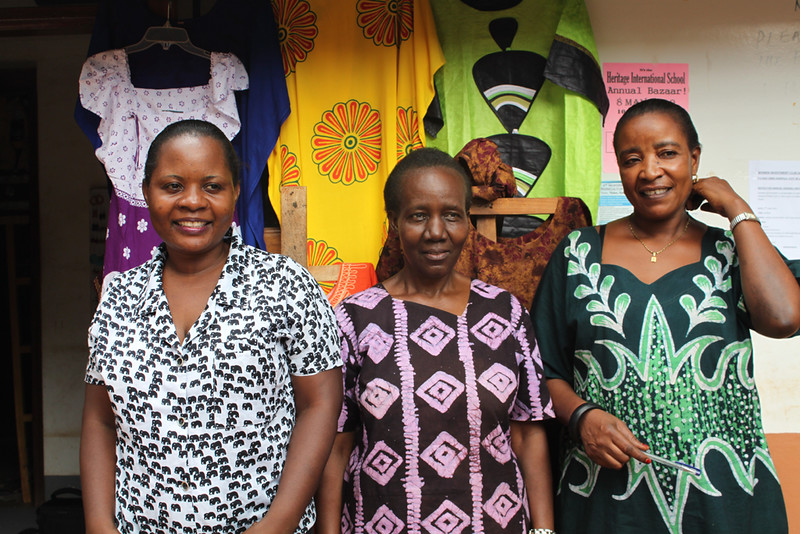
Disease Prevention in SerbiaSerbia, a country in the Western Balkans between Southeastern and Central Europe, faces many diseases. It is suffering from the dual burden of communicable and noncommunicable illnesses to the growing threat of antibiotic-resistant bacteria spreading across Europe. Health organizations are working relentlessly to strengthen disease prevention efforts in Serbia.

European Center for Disease Prevention and Control

Over the past few months, the European Center for Disease Prevention and Control (ECDC) has visited Serbia. It aims to better understand the strengths and weaknesses of Serbia’s handling of communicable diseases, antimicrobial resistance (AMR) or antibiotic-resistant bacteria.

AMR is a major global concern as antibiotic use continues. Within the European Union (EU) alone, 35,000 people die each year from antimicrobial-resistant bacteria. The visits by ECDC experts ensure that roadmaps can be produced to follow AMR trends across the country, focusing on important sectors such as public safety, human and animal health.

The ECDC organized these visits using a “One Health” approach. The approach is a collaborative, multi-sectoral goal to achieve positive health for humans, animals and the environment, recognizing that the health of these three groups is interconnected. Using the approach, the EU hopes to increase disease prevention in Serbia and throughout Europe.

In addition to supporting the One Health initiative, the ECDC visited Serbia to help strengthen the surveillance of communicable diseases. On March 18, 2025, the agency released a report on its visit outlining several key recommendations:

  • Case definition revision. Revise case definitions within Europe’s most recent legal framework to understand “notifiable” diseases at the EU level in 2025.
  • Decrease surveillance burden for data providers. An automatic “integration of clinical and laboratory data” will decrease the chance of error within the system.
  • Improve notification timelines. Hold more meetings with stakeholders to collect overviews of notifications, which will aid in the surveillance of diseases.

The World Bank Group

The World Bank Group began a Noncommunicable Disease Prevention and Control Project for Serbia to aid in improving the Serbian health system. Efforts within the project include five main goals:

  • Improving the competence of providers.
  • Increasing accessibility to services.
  • Strengthening clinical and public health services.
  • Supporting project management, monitoring and assessment.
  • Improve government response in cases of emergency.

The World Bank Group initiated the project in December 2024. Efforts in the project are primarily focused on health facilities and construction, with a secondary focus on health and a tertiary focus on public administration. While the completion ratings and results have yet to be reported, the World Bank Group has reported “satisfactory” reviews for its management and progress in achieving the project goals.

Conclusion

The initiatives taken by groups like the ECDC and the World Bank Group are the first but the most important steps in securing a healthy future for the people in Serbia and worldwide. Suppose projects like the One Health approach improve Serbia’s prevention and control of disease. In that case, the broader application of this method can improve health systems in other developing countries.

– Matthew Perduk

Matthew is based in Chantilly, VA, USA and focuses on Good News and Global Health for The Borgen Project.

Photo: Flickr
July 28, 2025
https://borgenproject.org/wp-content/uploads/borgen-project-logo.svg 0 0 Lynsey 2 https://borgenproject.org/wp-content/uploads/borgen-project-logo.svg Lynsey 22025-07-28 07:30:272025-07-28 01:48:33Organizations Advancing Disease Prevention in Serbia
Page 5 of 51«‹34567›»

Get Smarter

  • Global Poverty 101
  • Global Poverty… The Good News
  • Global Poverty & U.S. Jobs
  • Global Poverty and National Security
  • Innovative Solutions to Poverty
  • Global Poverty & Aid FAQ’s
Search Search

Take Action

  • Call Congress
  • Email Congress
  • Donate
  • 30 Ways to Help
  • Volunteer Ops
  • Internships
  • Courses & Certificates
  • The Podcast
Borgen Project

“The Borgen Project is an incredible nonprofit organization that is addressing poverty and hunger and working towards ending them.”

-The Huffington Post

Inside The Borgen Project

  • Contact
  • About
  • Financials
  • President
  • Board of Directors
  • Board of Advisors

International Links

  • UK Email Parliament
  • UK Donate
  • Canada Email Parliament

Get Smarter

  • Global Poverty 101
  • Global Poverty… The Good News
  • Global Poverty & U.S. Jobs
  • Global Poverty and National Security
  • Innovative Solutions to Poverty
  • Global Poverty & Aid FAQ’s

Ways to Help

  • Call Congress
  • Email Congress
  • Donate
  • 30 Ways to Help
  • Volunteer Ops
  • Internships
  • Courses & Certificates
  • The Podcast
Scroll to top Scroll to top Scroll to top