The Connection Between Disability and Poverty in Micronesia
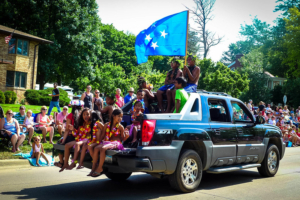 The Federal States of Micronesia (FSM) is an island nation in Oceania that gained its independence from the U.S. in 1986 with the signing of The Compact of Free Association. This agreement cemented the FSM as a sovereign nation while ensuring that the U.S. would continue financially assisting their government. Since then, U.S. aid to Micronesia has continued to develop. In 2004, the U.S. signed an Amended Contract with the FSM, which includes “provisions related to governmental relations, immigration, and defense and security matters.” Despite these foreign aid agreements, the net change in Micronesia’s poverty rates have been strikingly negative. Additionally, there is a significant correlation between disability and poverty in Micronesia.
A Quick Look at the Numbers
In 1993, the Household Income and Expenditure Survey showed that 30% of Micronesian households fell below the poverty line, and in 2013, a survey that the World Bank did showed that 41.2% of the population fell under the poverty line.
This 11.2% increase in poverty rates over the span of only 20 years is not a random phenomenon. In 2003, the Micronesian federal government interviewed citizens from three of the country’s four states, Chuuk, Yap and Pohnpei, in a “Participatory Assessment of Hardship.” This assessment found that “landlessness, increasing drug and alcohol abuse, overcrowded households, and natural disasters” along with “the deterioration of customs and traditions… [and] restrictions brought by traditional beliefs” are the largest factors impacting poverty rates and hardship in the FSM.
What Does This Have to Do With Disability?
Disability and poverty in Micronesia are intrinsically tied. The largest markets in the FSM’s economy are farming and fishing, but because of the dispersed quality of the country’s geography and population, it is very difficult to make a profit selling produce and goods without commuting. Individuals who are unable to travel are often also unable to make an income. In a testimony taken by the Asian Development Bank, one woman explained: “I decided to start a small farm. The hardest part is finding transportation to bring the produce to sell in the capital. Sometimes I walk from my village to another village just to look for a boat. Sometimes I can’t find one and then my produce gets wasted and rotten.”
As sustenance farming has become less and less of a reliable way to make a living, those who reside in the rural outer islands have started to move to the country’s few urban hubs, leaving those unable to make the trip behind. Furthermore, Micronesia is in an area that is prone to natural disasters and is extremely vulnerable to the impacts of changing weather patterns and rising sea levels. In the case of a natural disaster, there is not infrastructure to ensure the safety of disabled peoples.
On June 11, 2009, the Micronesian government made the following statement regarding disability and poverty in Micronesia: “The FSM has approximately 10,000 people with some form of disability and the available programs and services for disabled persons are currently very limited. The number of disabled people in the FSM is increasing year after year and the limitation of available services suggests a moral and legal obligation to develop adequate programs to promote and protect their interest and wellbeing.”
Solutions
Although the situation with poverty and disability in Micronesia may seem bleak, there are many organizations and pieces of legislation that are continuing to help provide aid to this vulnerable demographic. One incredible organization to highlight is the Pohnpei Consumer Organization. With branches in all four Micronesian states, they work to support the disabled population and raise awareness about their struggles. One project that they took on was creating a “disaster tool-kit,” in order to provide villages with all of the resources necessary to support the disabled members of their community in the case of natural disaster. With hard work and support from foreign aid, it is more than possible to decrease the impacts of disability and poverty in Micronesia.
– Helena Birbrower
Helena is based in Davis, CA, USA and focuses on Global Health and Politics for The Borgen Project.
Photo: Flickr
