• Link to X
  • Link to Facebook
  • Link to Instagram
  • Link to TikTok
  • Link to Youtube
  • About
    • About Us
      • President
      • Board of Directors
      • Board of Advisors
      • Financials
      • Our Methodology
      • Success Tracker
      • Contact
  • Act Now
    • 30 Ways to Help
      • Email Congress
      • Call Congress
      • Volunteer
      • Courses & Certificates
      • Be a Donor
    • Internships
      • In-Office Internships
      • Remote Internships
    • Legislation
      • Politics 101
  • The Blog
  • The Podcast
  • Magazine
  • Donate
  • Click to open the search input field Click to open the search input field Search
  • Menu Menu

Tag Archive for: Education

Posts

Children, Development, Education, Global Poverty, Health

Social Justice Helps to Fight Social Challenges

Social Justice Helps to Fight Social ChallengesAccording to the Pachamama Alliance, social justice is defined as “equal access to wealth, opportunities and privileges within a society.” Social challenges are defined as “an issue that relates to society’s perception of people’s personal lives. Different societies have different perceptions and what may be “normal” behavior in one society may be a significant social issue in another society.”

After defining terms, now the question raised must be addressed: how can social justice helps to fight social challenges? Social justice can help to fight social challenges by providing society with equal opportunities to overcome its problems.

Social justice and education

For instance, poverty is considered a social challenge because it relates to how society views people’s lives. One way to help reduce poverty is to provide greater and more equal education opportunities since many find themselves living in poverty due to a lack of education. From the years of 2002 to 2007, about 40 million more children around the world were able to attend school, due largely in part to the lowering of costs and the increase in investment. Programs like these are examples of social justice and the impact it can have on addressing social problems like global poverty.

Social justice and access to clean water

Another factor that influences poverty rates is a lack of access to clean potable water and nutritious foods. Although having access to these resources is a basic human right, many people around the world do not have access to clean water and food. To be more specific, according to The Water Project one in nine people worldwide do not have access to clean and safe drinking water, as a result, people find themselves without the ability to “grow food, build housing, stay healthy, stay in school, and keep a job.” By implementing programs such as building wells in rural communities and bringing access to potable water within a half-mile of villages across the globe, social justice in the form of providing people with equal access to privileges within a society, the social challenge of global poverty is being addressed.

Social justice and job development

Another important aspect is the economy and how job development can help to eradicate poverty. In China, 700 million people have been raised out of poverty due to several different programs being put in place by the government, one of which is its focus on the creation of jobs and the economic development of rural areas. Additionally, by providing underdeveloped areas with officers to regulate the poverty-alleviation programs, Chinese citizens were able to rise up out of the inhumane living conditions they were surviving in.  Through the government’s efforts in the job and economic development, China’s poor population has been given the same opportunities to achieve wealth and change their situation, which just goes to show that social justice can make a difference in how social challenges are addressed.

In conclusion, in terms of how social justice can help to fight social challenges, one could say that through the implementation of programs that offer the same opportunities to the underprivileged, social justice helps to fight social issues like global poverty.

– Laura Rogers
Photo: Flickr

October 20, 2019
https://borgenproject.org/wp-content/uploads/borgen-project-logo.svg 0 0 Kim Thelwell https://borgenproject.org/wp-content/uploads/borgen-project-logo.svg Kim Thelwell2019-10-20 02:35:212019-11-11 06:21:30Social Justice Helps to Fight Social Challenges
Children, Education, Global Poverty, Technology

Enhancing Digital Education in Kenya

Digital Education in Kenya

Despite Kenya’s large economy and rapid digital and technological growth, the country still suffers a vast digital gap. This gap is especially apparent in Kenya’s primary schools. As of 2015, Kenya spent 95.7 percent of its total education expenditure on primary public institutions. But, there is still only one teacher for every 47 students, the majority of whom do not have access to the internet. Tech-start ups and pilot projects are trying to close this gap by creating innovative programs that are helping students to earn a digital education in Kenya.

Opportunity for Everyone

In 2016, Kenya’s Ministry of Information, Communications and Technology created the Digital Literacy Programme (DLP). The project promised to deliver 1.2 million digital devices to 21,718 primary public schools nationwide. The launch was successful and by 2018 the roll-out provided 19,000 schools with more than 1 million laptops, tablets and mobile devices pre-programmed with interactive, educational materials for students.

According to the ICT Authority of Kenya, 89.2 percent of public primary schools have been supplied with these devices. Since its launch, teachers involved with the DLP have also reported increased student alertness, boosted attendance and reported an overall increase in student admissions. The DLP has also created 11,000 employment opportunities in ICT support centers, local laptop assembly plants and digital education content development.

Despite the DLP’s successful roll-out of devices, experts in the field speculated that teacher-engagement combined with access to materials is the most effective way to ensure students’ success. The Inter-American Development Bank carried out a study in 2012, reporting that 860,000 computers supplied to Peruvian schools made teachers feel disengaged from students and did not improve student test scores. The DLP and projects like it looking to innovate digital education in Kenya took note of this and put more emphasis on teacher training. The DLP alone has trained 91,000 teachers to deliver digital learning content through the project since its launch.

Combating Educational Imbalance

Despite the overwhelming contributions provided by the DLP, obstacles still remain in terms of digital education in Kenya. Students in rural areas rarely have access to traditional libraries and textbooks. Then, there is also the issue of not having enough teachers to cover the multitude of students in each classroom. These same areas also suffer from regular power outages, making it difficult to keep devices charged throughout the school day. This, on top of an overall lack of internet access, creates a significant imbalance in the quality of resources provided to students and a system that can’t ensure equal opportunities for every child to be successful.

BRCK, a tech company based in Nairobi, aims to combat this imbalance with an innovative solution called the Kio Kit. The kit provides 40 tablets per school, that can be charged wirelessly, a wifi hotspot and a small server packed with educational content. The Kio Kit is connected to the cloud, making its server self-updating. The kit’s self-updating capabilities ensure that students and teachers utilizing its platform receive the most diverse and up-to-date information that BRCK’s content providers, like TED Education, Khan Academy and the like have to offer. The kit’s wide-ranging content also enables teachers to identify learning techniques that are unique to each student and apply them in the classroom.

Kenya still faces many challenges in quality education for all students. But, innovative tech projects like the DLP and the Kio Kit are working to combat these issues by ensuring both teachers and students have access to the best tech and resources available and helping to make great strides toward strong, digital education in Kenya.

– Ashlyn Jensen
Photo: Flickr


October 12, 2019
https://borgenproject.org/wp-content/uploads/borgen-project-logo.svg 0 0 Kim Thelwell https://borgenproject.org/wp-content/uploads/borgen-project-logo.svg Kim Thelwell2019-10-12 08:01:432024-05-29 23:13:06Enhancing Digital Education in Kenya
Global Poverty, Human Rights

Human Rights in the Dominican Republic

Human Rights in the Dominican Republic

The Dominican Republic is best known globally as a tropical getaway with Americans making up the majority of the tourism income. Travel and tourism alone made up 17.2 percent GDP and 16.0 percent of employment last year in the Dominican Republic. Despite its beauty, human rights in the Dominican Republic do not match the freedoms that Americans are accustomed to back in their homeland. Here are the top 10 facts about human rights in the Dominican Republic.

Top 10 Facts About Human Rights in the Dominican Republic

  1. Police Brutality: The National Human Rights Commission (NHRC) reported more than 180 extrajudicial killings by police forces through 2017. Reports from a top-level prosecutor and the National Commission for Human Rights implicate large amounts of corruption in the police force as a cause for the wrongful murders, nearly 15 percent of all homicides committed are done by the police.
  2. Incarceration: Corruption of the police force has contributed to the eroded human rights in the Dominican Republic.  The United States Bureau of Democracy, Human Rights and Labor reported that there were credible allegations that prisoners paid bribes to obtain early release on parole in 2017. In the same report, prisons were said to range from acceptable conditions to awful conditions, with poor sanitation, and poor access to health-care services in severely overcrowded prisons.
  3. Freedom of Speech: While citizens are allowed to criticize the government of the Dominican Republic freely, there have been reports of journalists being intimidated by the government. Journalists are threatened when investigating organized crime or corruption within the government and when researching in more remote or rural locations.
  4. Privacy: Article 44 of the constitution of the Dominican Republic grants “the right to privacy and personal honor.” No one may enter the homes of citizens unless the police are in pursuit of a criminal blatantly committing a crime. Article 44 also grants the right to private correspondence. However, there have been reports of homes being wrongfully raided by police in impoverished areas.
  5. Child Labour: According to the U.S. Department of Labor Bureau of International Affairs, 28 percent of children in the Dominican Republic had to work in the agricultural sector in 2017. The government is making reforms to end the severe abusive child labor such as over-working and sex-trafficking. The government increased the Labor Inspectorate’s budget from $3.3 million to $4.8 million in 2018 and approved the National Action Plan against Human Trafficking and Illicit Smuggling of Migrants and put forth funding for more after-school programs.
  6. Right to Protest: Citizens of the Dominican Republic have a right to assembly, without prior permission, in lawful protest. Successful protests have occurred, such as the protest against extending the presidential term limit in order to keep President Danilo Medina from running for a third term. There was also a protest called Con Mis Hijos Te Metas (Don’t Mess With Our Children) against the Dominican’s Republic Department of Education on teaching school children about gender ideology, the proper roles for men and women in society.
  7. Education: The World Bank has officially approved funding of up to $100 million USD to help implement education reforms. Their main goal is to improve student learning outcomes. When the last Assessment was done 27 percent of third-grade students had reached acceptable levels in math. Through multiple new programs, the students will soon be able to compete internationally and further invest, as education is an important human right in the Dominican Republic.
  8. Public Healthcare: A universal healthcare system is considered among human rights in the Dominican Republic. Services provided by the public hospitals are free, but medications are not. Health insurance is taken by many of the hospitals and the Pan American Health Organization reports that in 2015, 65 percent of the population was enrolled in the Family Health Insurance system. State financing of the Family Health Insurance system aims to achieve universal coverage. 20 years since the launch of the idea of universal has been slow-going.
  9. Clean Water: The World Bank reports that 74 percent of inhabitants of the Dominican Republic have access to clean water. Those living in rural areas suffer without clean water, resulting in horrible illness, for example, diarrhea is causing half the deaths of children under the age of one.
  10. Foreign Aid: The United States has an important relationship with the Dominican Republic, especially in trade and democracy. While there is a declining poverty rate, inequalities among citizens is high. There is not enough room for growth, the U.S. continues to help address the human rights issues in the Dominican Republic.

–  Nicholas Pirhalla

Photo: Pixabay

October 6, 2019
https://borgenproject.org/wp-content/uploads/borgen-project-logo.svg 0 0 Lynsey Alexander https://borgenproject.org/wp-content/uploads/borgen-project-logo.svg Lynsey Alexander2019-10-06 23:06:002024-06-06 00:32:48Human Rights in the Dominican Republic
Global Poverty

Education For The Youth In El Salvador

El Salvador

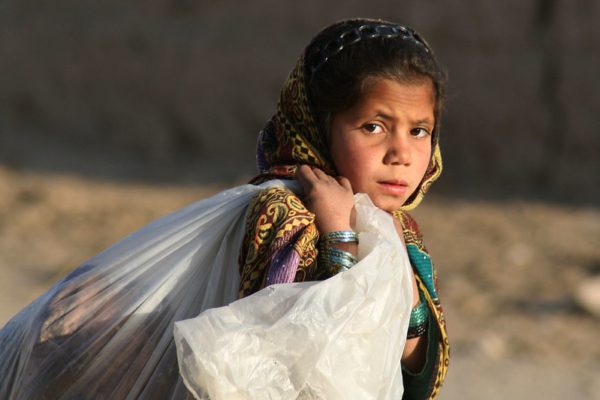
The youth in El Salvador, one of the world’s most violent countries, face a lot of obstacles when it comes to getting an education. With the poverty rate at 31 percent and teen pregnancy on the rise, going to school and getting an education in El Salvador is not a simple feat. Avoiding gang violence, affording transportation and supplies, finding employment or valuable training after high school are all challenges that the youth in El Salvador face when it comes to receiving an education.

However, there are several companies and organizations aimed at improving the quality of education in El Salvador. These innovative companies develop programs and projects with the purpose of bettering the lives of the young. These programs help students with job training, English-language learning skills, sex education, brain education and education for students with disabilities.

IBREA and Brain Education

IBREA is a nonprofit organization founded in 2008, aimed at spreading knowledge about the relationship between the brain and body. Ilich Lee, the founder of IBREA believes that through holistic education like meditation, artistic expression and group work, people can achieve peace within themselves and eventually within their communities. IBREA has offered educational programs, seminars and carried out several projects in countries around the world including Liberia, Costa Rica, Sierra Leone and El Salvador.

IBREA began working in El Salvador in 2011 and is currently present in one-fourth of the country’s schools. IBREA has made a notable impact on a school in the district of Distrito Italia. This district is one of many deeply affected by gang violence and poverty in El Salvador. Students, teachers and principals alike have said that since the beginning they have noticed significant improvements in their physical health, stress levels, and motivation in IBREA programs. Other improvements include better peer relations, clarity, decision-making and emotion regulation. The IBREA Foundation is continuing to make strides in El Salvador and Ilich Lee has even received the “Jose Simeon Cañas” award from the previous president of El Salvador Salvador Sánchez Cerén for the positive impact IBREA has had on schools in El Salvador.

FULSAMO and Vocational Training

FULSAMO is a nonprofit organization based in El Salvador aimed at improving the lives and creating opportunities for at-risk youth in El Salvador. Through various programs located in Community Centers throughout El Salvador, FULSAMO works to keep the youth of El Salvador away from gang violence by offering training programs that help them find employment. Currently, FULSAMO has four locations in Soyapango, a municipality in El Salvador.

FULSAMO is currently offering training sessions for work in call centers. The course is six months long, and students are offered help finding relevant employment upon its completion. Unemployment for the youth in El Salvador is nearly 12 percent, but only 7 percent for El Salvador’s general population. Since youth are more at risk for joining gangs, programs like FULSAMO are vital for the betterment of the community. Aside from training opportunities, FULSAMO also offers programs centered on arts, music and leadership.

“Comunidades Inclusivas” for Children with Disabilities

“Comunidades Inclusivas” is a project created by an Education Professor at the University of Maryland. The goal of this project is to make education in El Salvador more accessible to people with disabilities. Through small programs and networks, Comunidades Inclusivas works to have people with disabilities more socially involved in their communities so these connections can be used as a means to more access to education.

In developing nations, it is likely that children living in poverty, who can’t afford supplies such as uniforms, will drop out of school. For children with disabilities who may need more or different resources and supplies than students without disabilities, their likelihood of dropping out is increased. According to the Global Citizen, 90 percent of children living with disabilities are not in school, and 80 percent of people with disabilities, live in developing countries. The El Salvadorian government has made an effort to improve the lives of those living with disabilities and has had previous laws protecting their rights to public transportation and employment in place for decades. In 2018 the El Salvadorian government also passed an act that allowed the Basic Solidarity Pension Fund to apply to people with disabilities.

Through a partnership with International Partners, a nonprofit organization, Comunidades Inclusivas developed “Circulos de Amigos.” This is an initiative that connects people in a community who support and aid people with disabilities. Members of Circulos de Amigos support people with disabilities and their families by providing assistance during home visits, building ramps, and other specific needs. By improving the connection between people with disabilities and their community, Comunidades Inclusivas raises awareness and builds support systems for people with disabilities and their families. This ultimately makes education in El Salvador more of a possibility for people with disabilities.

Sex Education in Centro Escolar

Although teen pregnancy is prevalent in El Salvador, some educators aim to teach their students about sex education despite cultural stigmas. Females between 10 and 19 years old account for one-third of all pregnancies in El Salvador. In Panchimalco, a district south of El Salvador’s capital, San Salvador, educators are taking the risk of teaching sex education, but do it in a way that avoids scrutiny.

Because sex education in El Salvador is sometimes associated with contraceptives and abortion, certain teachers (whose real identities are hidden) in Panchimalco take a different approach when trying to inform students about sex education to avoid ridicule from people in the community. For example, the courses inform students about gender rights and gender equality. This is especially important since the homicide rate for females is 12 for every 100,000 people and over 60 percent of females over the age of 15 have experienced some form of abuse by a male. Sex education courses help students recognize sexual violence, report sexual violence, recognize their rights, and plan for the future.

Although sex education is just in its beginning stages, if it continues, the bravery from teachers will make a difference in student’s lives.

– Desiree Nestor
Photo: Flickr
October 5, 2019
https://borgenproject.org/wp-content/uploads/borgen-project-logo.svg 0 0 Kim Thelwell https://borgenproject.org/wp-content/uploads/borgen-project-logo.svg Kim Thelwell2019-10-05 09:52:222019-12-17 14:23:37Education For The Youth In El Salvador
Global Poverty, Health, Life Expectancy

8 Facts About Life Expectancy in Malawi

Facts About Life Expectancy in Malawi

The landlocked country of Malawi has a life expectancy rate of 60.2 years for males and 64.3 years for females. While this is much lower than the global average of 69.8 years for males and 74.2 years for females, it represents an improvement from previous years. These eight facts about life expectancy in Malawi will help shed light on the reasons for the low rate as well as what the country has done, and can still do, to improve it:

8 Facts About Life Expectancy in Malawi

  1. HIV/AIDS: As of 2017, an estimated 1 million people in Malawi were living with HIV/AIDS which places the country at 10th in the world in terms of the number of people living with HIV/AIDS. In addition, there were also 13,000 deaths from the virus in the same year. Still, the government has made major strides to curb the epidemic in the last 10 years. Part of its strategy includes providing free condoms as well as educating young people. As of 2018, 78 percent of all people living with HIV in Malawi are on medication. There was also a decline in the number of new infections from 55,000 in 2010 to 38,000 in 2018.
  2. Maternal Health: In 2015, maternal mortality stood at 634 deaths for every 100,000 live births. This is considerably higher than the global average of 216 deaths per 100,000 live births. However, it represents a significant improvement as the government along with support from USAID has been able to reduce maternal mortality by 53 percent between 1990 and 2013. Today, more expectant mothers in both rural and urban areas are now receiving prenatal care as well as skilled birth assistance.
  3. Child Health: Great improvements have also been made in terms of child health, as most children under 5 in both rural and urban areas are vaccinated. This has helped reduce deaths from communicable childhood diseases such as measles, tetanus and pneumonia. The Ministry of Health has also implemented strategies like deworming and has also distributed vitamin A supplements to deal with other major causes of childhood death.
  4. Fertility Rate: In the 1980s Malawian women had about seven children per woman. Today, that number is at 5.5 children per woman. The high fertility rate affects life expectancy in Malawi as it puts pressure on the government to provide adequate social amenities in order to improve people’s lives.
  5. Population Growth: According to a 2018 census, Malawi’s population is 17.6 million people. By 2020 this is projected to hit 20.2 million, before doubling by 2050. This rapid population growth puts a lot of pressure on the country’s land, water and forest resources and threatens life expectancy as most Malawians derive their income from agriculture. The Third Malawi Growth and Development Strategy (MGDS III) sets out a number of policies including promoting family planning and sexual and reproductive health rights as a means to slow population growth, and better managing migration and urbanization.
  6. Infectious Diseases: Malawians are at very high risk of contracting infectious diseases. Food and waterborne diseases include diarrheal diseases and typhoid fever. In order to deal with diarrheal deaths, Malawians are in need of nutritious food as well as an unpolluted environment. Other diseases include malaria, dengue fever and rabies from animal contact. The country has been dealing with malaria by subsidizing mosquito nets. Additionally, Malawi is one of the three African countries taking part in a malaria vaccine pilot. The pilot aims to reach 360,000 children each year across Kenya, Ghana and Malawi.
  7. Water and Sanitation: One in three Malawians do not have access to clean water while 9.6 million people do not have a decent toilet. This affects the life expectancy in Malawi as it leads to an increase in diarrheal diseases. With the support of UNICEF and organizations such as Water Aid, the government of Malawi has made significant progress in reducing the number of people who lack access to safe water. Additionally, the rate of open defecation has declined from 29 percent in 1990 to four percent in 2015.
  8. Education: Malawi introduced free primary education in 1994 which put a strain on the education system. This is because the infrastructure, number of teachers and number of teaching and learning materials were inadequate when compared to the number of students who enrolled. It resulted in poor performance by the students, especially in terms of literacy.  The government of Malawi has been making an effort to improve the education sector by allocating more than 20 percent of the national budget to education.  It has also partnered with bodies such as USAID and UNICEF to improve literacy levels as well as student enrollment and completion rates. An educated and skilled population will help increase Malawi’s economic growth. Educational reforms will help reduce the unemployment rate which is currently more than 20 percent.

Malawi is considered one of the poorest countries in the world, and a lot still needs to be done to improve the lives of its people. It is however clear that the government is working with the support of nonprofit organizations around the world to make life better for its people.

– Sophia Wanyonyi
Photo: Flickr

September 26, 2019
https://borgenproject.org/wp-content/uploads/borgen-project-logo.svg 0 0 Kim Thelwell https://borgenproject.org/wp-content/uploads/borgen-project-logo.svg Kim Thelwell2019-09-26 01:30:392024-06-11 03:08:238 Facts About Life Expectancy in Malawi
Education, Foreign Aid, Global Poverty

8 Facts About Education in Tonga

Read more
September 20, 2019
https://borgenproject.org/wp-content/uploads/borgen-project-logo.svg 0 0 Jennifer Philipp https://borgenproject.org/wp-content/uploads/borgen-project-logo.svg Jennifer Philipp2019-09-20 07:48:182025-09-19 17:02:348 Facts About Education in Tonga
Developing Countries, Education, Global Poverty

Poverty Among the Romani in Albania

Poverty Among Romanians in Albania
Albania, a country located east of the heel of Italy and bordering a chunk of the Adriatic Sea, receives millions of Euros each year. However, Albania invests next to nothing, if even that, in the ghettos where a majority of the Romani population live. The result is a continuous cycle of poverty among the Romani in Albania.

Estimates determine that Romani people migrated from Northern India to Eastern Europe in the 1400s. Upon arriving, Eastern Europeans discriminated against the Romani people due to their nomadic lifestyles. Romani people lived in tribes and worked as craftsmen. Being further developed when it came to technology, the Eastern Europeans used this to justify why they treated the Romani as “less than” or “untouchables.” In Albania, this treatment is still present today.

A Large Population

Although no one seems to have accurate data of how many Romani people live in Albania, the majority of sources seem to estimate somewhere between 50,000 to 100,000. Of this amount, 80 percent of the Romani in Albania have no job and live in extreme poverty. While this is a vast percentile, the Albanian government is still not fully addressing the issue of poverty among the Romani in Albania. For instance, the country’s social services such as welfare and economic aid make it difficult, sometimes impossible, for the Romani people to access them. Because most Romani people in Albania do not register at their local municipality, the government uses this to justify them as ineligible for the social services. However, the reason Romani in Albania do not register at their local municipality is due to the discrimination they face. This causes them to live on unclaimed land, move frequently and/or bear children at home rather than in a hospital.

Issues of Education

In Albania, 52 percent of the Romani population has no education. Of the other 48 percent who do attend school, 14 percent complete elementary school, three percent complete secondary school and four percent graduate from a college or university. Because of the lack of education, many Romani are not eligible to access employment which further contributes to their poverty.

Romani children tend to not attend school for the following reasons:

  1. They have to work to help their family survive because the average monthly income of Romani households is 68 Euros. The Romani people make less than half the monthly income of non-Romani households living in the same neighborhoods.
  2. Some schools refuse to register Romani children because they do not have birth certificates. This is despite the fact that it is the law in Albania to accept all Romani students into public schools whether they have a birth certificate or not.
  3. Romani parents choose to keep their kids home from school due to their claim that the teachers discriminate against their children because of their ethnicity.

Temporary Work

Because many Romani people in Albania are unable to find a stable source of income, they often resort to small, temporary jobs in different trades such as construction and agriculture, and most of these are low pay. While the government does provide economic aid to the unemployed, very few Romani benefit from this aid, and if they do, they do not receive it for as long as they need it. On top of all of this, Romani people are continuously denied their rights to adequate housing and lack of access to clean drinking water, and often experience ill-treatment from local police for no reason other than being of Romani descent.

The ERRC

In 1996, the European Roma Rights Centre (ERRC) emerged out of recognition of the discrimination Romani people face in multiple countries including Albania. It uses two methods to establish equal rights and opportunities for all Romani people:

  1. Strategic Litigation: In order to eliminate the discrimination against Romani people that prevents them from moving out of poverty, the ERRC fights whoever is implementing these discriminatory acts in court. It is able to do so in both domestic and international courts.
  2. Advocacy and Research: The ERRC believes that one of the best things anyone can do in order to help prevent poverty among Romanians in Albania as well as in other countries is to get the word out. One requires awareness and education of the issue in order for change to be possible.

An ERRC Victory

The ERRC completed its latest project in Albania on December 12, 2018. Due to discrimination, Romani citizens of Fushe Kruje, a city in Albania that has been home to a Romanian community since 1990, were suffering from lack of clean drinking water. While numerous Romani organizations took action to prevent this for the past 20 years, next to nothing has changed. The ERRC stepped in and went to court to fight the local municipality in Fushe Kruje for refusing to address the community’s limited access to clean water. The ERRC won the case, and the court declared that the local municipality would have to fix this issue within 30 days or receive a fine.

The ERRC envisions a world in which Romani people and non-Romani people in Albania are able to work together to challenge the racism that exists. By doing so, poverty among the Romani in Albania will end, thus, allowing them to receive access to proper education, steady employment, and ultimately, better healthier lives.

– Emily Turner
Photo: Flickr


September 11, 2019
https://borgenproject.org/wp-content/uploads/borgen-project-logo.svg 0 0 Kim Thelwell https://borgenproject.org/wp-content/uploads/borgen-project-logo.svg Kim Thelwell2019-09-11 01:30:002024-12-13 18:01:49Poverty Among the Romani in Albania
Children, Education, Global Poverty, Technology

Edtech in India Helps Improve Education

EdTech in India
Education Technology, also known as EdTech, is a current driving force for major improvements to education in India. The information and communication technology placed in school systems throughout the country helps bring outside knowledge to classrooms that would have been previously inaccessible. Edtech has recently dropped in pricing, making the equipment and technology easily accessible in less developed areas and easier to implement in impoverished schools.

Four Key Facts About India’s Educational System

  1. India has one of the largest populations of school-age children, with an estimated 270 million children between the ages of 5 to 17.
  2. The country has four main levels for education: pre-primary from ages 3 to 6, primary from ages 6 to 10, secondary from ages 11 to 17 and tertiary from ages 18 to 22.
  3. Children must attend school from ages 6 to 13.
  4. School systems have seen a major increase in student enrollment in recent years, with a 15.37 percent increase of total gross enrollment in secondary education between 2009 and 2016.

While enrollment has increased, education in India is still behind with teaching methods and test scores. Many students test poorly in math and reading skills and teaching quality decreases in rural areas. In 2015, the mean achievement scores for math at a national level for rural areas was 247, while the urban score was 256. Urban areas also scored 19 points higher in English, with a mean score of 263. With less access to teachers and educational materials, the rural school systems face more deficits than urban areas.

Education technology is a relatively new concept for foreign countries, but the benefits to technology-infused classrooms are well known. Below are three benefits of increasing EdTech usage in Indian school systems.

Three Benefits of Increasing EdTech Usage in Indian Schools

  1. EdTech Bridges the Gap Between Rural and Urban Education: EdTech incorporates text, audio and video to teach and elaborate on classroom subjects. This technology fills in knowledge gaps when teachers are absent or less educated with certain materials. The language in these materials is also more streamlined, making topics easier to understand for a multitude of students. Video lessons make classes more consistent in all schools, eliminating the variation of teaching materials around the country. These programs also make student data more accessible to teachers, with some methods collecting and compiling data on student progress for teachers to be able to track progress and note areas that need improvement.
  2. EdTech Programs Emphasize Specialized and Individual Learning Plans: Education in India has previously been less effective at aiding students individually; through the implementation of EdTech, schools are better able to cater to students’ needs and adapt specific programs to better suit individual learning styles. Mindspark, an Indian based company that delves into education through videos, games and questions, is working to pique students’ interest in non-traditional ways. The software takes the basic values of comprehension for each student and adapts lesson plans to better fit their needs. The company recently worked with over 600 students in Delhi, citing increases in understanding of math and Hindi.
  3. EdTech Forms a Collaborative Space for Education: As more teachers begin to incorporate the newer technologies into the classroom, lesson plans will become more consistent in each region. Teachers will also be able to share effective teaching strategies using newer technology to benefit classrooms with less access to EdTech. This technology also makes information about students’ success more accessible to parents. Automated messaging to parents regarding progress can increase test scores for students overall.

While Edtech is benefitting education in India, foreign investments heavily fund the current ventures. Further development into education technology would require extensive partnership with the government, but some are taking steps to bring more technology into Indian classrooms. Prices for tablets and computers have decreased in recent years, making these educational programs more accessible to the multitudes. Many state-run schools have some access to these newer programs, and India is making more strides towards providing EdTech for students in all regions.

– Kristen Bastin
Photo: Flickr

September 8, 2019
https://borgenproject.org/wp-content/uploads/borgen-project-logo.svg 0 0 Kim Thelwell https://borgenproject.org/wp-content/uploads/borgen-project-logo.svg Kim Thelwell2019-09-08 01:30:482024-06-06 00:26:17Edtech in India Helps Improve Education
Children, Developing Countries, Education, Global Poverty

Beca 18: An Educational Program that Brings Hope

scholarships
Lack of educational opportunity is one of the principal reasons why people may get stuck in the cycle of poverty. In many places, people are at least required to have a high-school level of education to get a minimum wage job. Most high-paying positions, however, expect people to have a college degree education, something that for many low-income Peruvians, is very hard to obtain.

In the year 2015, Peru ranked 64 out of 70 on the International Programme for Student Assessments: A standardized test that measures student’s performance on academics. The problems don’t lie within the lack of teachers or a good infrastructure; it lies within the fact that most Peruvians don’t have access to a decent education. Most of the most competitive schools and colleges are in major cities, and with usually high tuition costs.

This difference is prevalent in the countryside where some children have to walk for hours to go to school. In the Peruvian Andes, children are less likely to go beyond high-school education and much less pursue a college degree. As of the year 2017, only 16 percent of young adults were pursuing a college degree, principally because of the inability to pay the high tuition. Fortunately, a governmental program called Beca 18 (Scholarship 18) may soon change that.

The Story of Beca 18

Beca 18 is not the first program that has given scholarships to well-deserved students. The National Institute of Scholarships and Educational Loans, was founded in 1972 and lasted until 2007. While they did offer necessary scholarships and loan payments, they only centered in Lima. After 2007, the new Office of Scholarships and Educational Loan opened, with a more polished selection of students and with a clear focus on trying to reach scholars located on problematic areas of the country, but by all merit have achieved academic excellence.

The Office of Scholarships and Educational Loan worked until 2012, the year on which the former president Ollanta Humala “upgraded” it, becoming the National Program of Scholarships and Educational Loans, also known as Beca 18. The program works as an administrative unit of the Peruvian Ministry of Education with 24 regional offices, giving around 52 236 scholarships around 25 regions from 2012 to 2016. Most of the students that benefited were living in extreme poverty.

How the Program Works

The first thing that applicants have to know is if they meet all the appropriate requirements. For Beca 18, a student’s living conditions have to be below the poverty line, attending the last year of high school or have recently graduated and been on the honor roll. The Scholarship has other ramifications that cater to different students, like Beca Albergue, that centers around students that lived in foster care.

After meeting the requirements, the next step is applying to the National Exam, which can be done by just accessing the scholarships webpage during the call-up time, that happens around December each year. Each student needs to present their essential legal documentation; however, depending on what portion of Beca 18 the student is interested in they may submit additional paperwork. After taking the exam, hosted by many public and private schools around the country, each student receives guidance to get into their desired college. Once accepted, the process of applying for the Scholarship can begin, only students with satisfactory grades on both the National Exam and their college entrance exam, are granted the scholarships.

What Costs Are Covered

Depending on each of the holder’s family and economic situations, the scholarships cover the costs of the admissions exam, full tuition and other work materials, such as a laptop. If needed, the awards include accommodations, transportation, and pocket money. A private tutor is also an option but only for public universities, as privates often offer that service to its students. These, of course, help students that either came from the Andean of Rainforest Regions of the country or lived in an extreme poverty situation.

Famous Recipients

As mentioned before, Beca 18 is an excellent opportunity for many people that couldn’t afford higher education but had exceptional academic abilities. Like Omar Quispe, a recipient that now is a developer for ElectroPeru. He is currently working on a project that could bring good quality electricity to his native Huaylas, a district surrounded by extreme poverty. Another famous case is of Abel Rojas Pozo, that upon graduation started to help local guinea pig farmers spend their business. These efforts were to make his hometown one of the centers of guinea pig exports.

With an educated population, the chances of escaping poverty are higher. And like the recipients of Beca 18, they can use their new-found knowledge to help their families and their communities.

– Adriana Ruiz
Photo: Wapa

August 26, 2019
https://borgenproject.org/wp-content/uploads/borgen-project-logo.svg 0 0 Kim Thelwell https://borgenproject.org/wp-content/uploads/borgen-project-logo.svg Kim Thelwell2019-08-26 15:12:562019-09-14 05:48:20Beca 18: An Educational Program that Brings Hope
Global Poverty

What You Need to Know about People with Disabilities in Liberia

Disabilities in Liberia

Liberia is a West African country comprised of 4.98 million people. Exact statistics about disability in Liberia are out of date but according to a UNICEF study from 1997, 16 percent of the population has a disability. Of that 16 percent, 61 percent struggle with mobility, 24 percent are visually impaired, seven percent are deaf and eight percent have an intellectual or psychosocial disability. The Swedish International Development Cooperation Agency (SIDA), estimated in 2014 that due to the devastating civil war that ended in 2003 and the Ebola outbreak in 2014, the population of people with disabilities in Liberia is likely closer to 20 percent.

Background

People with disabilities tend to be marginalized, stigmatized and excluded from education, skills training and income-generating opportunities. Because they have a limited voice in politics and society, their issues are not included in national policies, especially in poverty reduction initiatives causing their living conditions to continue to deteriorate in a “vicious cycle”. According to SIDA, 99 percent of people with disabilities in Liberia live in extreme poverty.

Liberia is taking steps to improve the lives of those living with disabilities. In 2012, the nation signed and ratified the U.N. Conventions on the Rights of Persons with Disabilities as well as other treaties that reference the rights of people with disabilities like the U.N. Convention on the Rights of the Child, the African Charter on Human and People’s Rights, the Convention on the Elimination of All Forms of Discrimination against Women. It also formed a national commission on disability and is reviewing its constitution to address the rights of people with disabilities. While the country is working to improve their rights and conditions, there is still much to be done. The lives and health of people with disabilities in Liberia can be improved in three key-ways: education, mental health and job opportunities.

Education

One important tool for lifting people out of poverty is education. The Liberian government has free and compulsory education for children but students with disabilities are often left behind. In 2009, even though an estimated 92,000 of 600,000 school-age children have disabilities, only four percent was allocated for children with disabilities. While there are schools for the visually impaired and the hearing impaired, they mostly reach a small urban population. Rural areas are lacking in resources for their students with disabilities.

There are, however, organizations working to improve access to education. AIFO-Liberia, for example, is working to ensure that people affected by leprosy can receive their educations, largely through a Community Based Rehabilitation strategy.

Mental Health

The Liberian people have been through much in the past 50 years. Approximately 40 percent of its citizens suffer from post-traumatic disorder from the civil war and there is only one practicing psychiatrist in the country. While not all people with disabilities have a mental illness, mental illness itself can become a disability. Those who have mental illnesses such as schizophrenia and depression are often stigmatized as witches.

The Carter Foundation is working to train 450 mental health professionals and create an anti-stigma campaign to improve understanding of mental illnesses. Meanwhile, AIFO-Liberia implemented a program that provides psychosocial support for those affected by the Ebola virus in addition to a destigmatizing campaign to improve mental health.

Job Opportunities

People with disabilities in Liberia are often excluded from job skills training, work, and income-generating opportunities. While the Liberian government and activists are working to put accommodation and anti-discrimination laws on the books, disability is often seen as divine retribution for a person’s misdeeds. Organizations like AIFO-Liberia have implemented a startup project that will increase job opportunities and improve social inclusiveness. Ending the social stigma, working to improve health care access and workplace accommodations, will help lift people with disabilities in Liberia out of poverty.

While the country has made great legislative strides in signing on to international commitments and in creating legislation, it still has a long way to go in improving the state of people with disabilities in Liberia. The stigma around these conditions prevents people with disabilities from having a voice and escaping extreme poverty. With the help of activists, NGO’s, and the Liberian government, the lives of people with disabilities can be improved.

– Katharine Hanifen
Photo: Flickr

July 24, 2019
https://borgenproject.org/wp-content/uploads/borgen-project-logo.svg 0 0 Kim Thelwell https://borgenproject.org/wp-content/uploads/borgen-project-logo.svg Kim Thelwell2019-07-24 18:26:282024-05-29 23:10:05What You Need to Know about People with Disabilities in Liberia
Page 15 of 67«‹1314151617›»

Get Smarter

  • Global Poverty 101
  • Global Poverty… The Good News
  • Global Poverty & U.S. Jobs
  • Global Poverty and National Security
  • Innovative Solutions to Poverty
  • Global Poverty & Aid FAQ’s
Search Search

Take Action

  • Call Congress
  • Email Congress
  • Donate
  • 30 Ways to Help
  • Volunteer Ops
  • Internships
  • Courses & Certificates
  • The Podcast
Borgen Project

“The Borgen Project is an incredible nonprofit organization that is addressing poverty and hunger and working towards ending them.”

-The Huffington Post

Inside The Borgen Project

  • Contact
  • About
  • Financials
  • President
  • Board of Directors
  • Board of Advisors

International Links

  • UK Email Parliament
  • UK Donate
  • Canada Email Parliament

Get Smarter

  • Global Poverty 101
  • Global Poverty… The Good News
  • Global Poverty & U.S. Jobs
  • Global Poverty and National Security
  • Innovative Solutions to Poverty
  • Global Poverty & Aid FAQ’s

Ways to Help

  • Call Congress
  • Email Congress
  • Donate
  • 30 Ways to Help
  • Volunteer Ops
  • Internships
  • Courses & Certificates
  • The Podcast
Scroll to top Scroll to top Scroll to top