• Link to X
  • Link to Facebook
  • Link to Instagram
  • Link to TikTok
  • Link to Youtube
  • About
    • About Us
      • President
      • Board of Directors
      • Board of Advisors
      • Financials
      • Our Methodology
      • Success Tracker
      • Contact
  • Act Now
    • 30 Ways to Help
      • Email Congress
      • Call Congress
      • Volunteer
      • Courses & Certificates
      • Be a Donor
    • Internships
      • In-Office Internships
      • Remote Internships
    • Legislation
      • Politics 101
  • The Blog
  • The Podcast
  • Magazine
  • Donate
  • Click to open the search input field Click to open the search input field Search
  • Menu Menu

Tag Archive for: Education

Posts

Children, Developing Countries, Education, Global Poverty

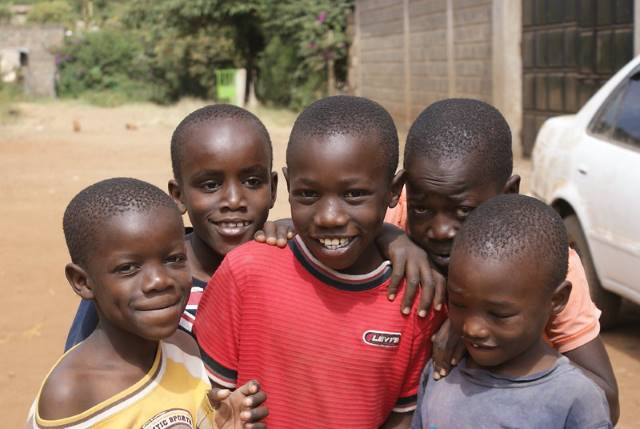
How Tanzania is Improving its Education

Tanzania is Improving its EducationTanzania has faced difficulty in promoting its own economic development in the past. While Tanzania has made progress, its progress has slowed over the past decade. As a result, Tanzania is improving its education to reduce poverty in the country.

Challenges and Progress in Tanzania

Tanzania is a country that has experienced severe poverty levels throughout its history. Yet over the past decade, the country has also made significant strides in reducing its poverty rate. While in 2007 Tanzania had a poverty rate of 34.4%, with more than a third of the population living under the poverty line, that number had fallen to 28.2% by 2012 and again to 26.4% by 2018.

This data shows a clear improvement in Tanzania’s poverty levels but it also reveals a slowing of the progress being made in fighting poverty in the country, with a roughly 6% reduction of the poverty rate between 2007 and 2012 and a roughly 2% reduction of the poverty rate from 2012 to 2018. Nearly 50% of Tanzania’s population still fall below the extreme poverty income line, meaning they are living on less than $1.90 a day.

While Tanzania’s economic progress had already been slowing in the last few years, the arrival of the COVID-19 pandemic is on track to hinder the country’s economic development even further. Both the formal and informal economies of Tanzania have been impacted by the effects of the pandemic, with Tanzania’s tourism industry being especially crippled.

The Tanzanian government estimates that only about 437,000 people will visit Tanzania from outside the country this year, which is a significant reduction from the 1,867,000 tourists estimated in 2019. It is predicted that Tanzania will lose around 146,000 jobs due to this drop in tourism.

Education Challenges in Tanzania

Yet, Tanzania is improving its education to reduce poverty among its poorer populations. In an effort to reduce poverty, the Tanzanian government has made investments in education over the past decade. Since 2007, Tanzania’s government has worked to provide free education for all its people and from 2011 to 2016, it increased its education spending budget by more than half. This led to a sharp increase in the rate of primary education enrollment but by 2012 this rate had fallen by nearly 20%.

While the efforts of Tanzania’s government to make education free have been broadly effective, many impoverished communities in Tanzania still struggle to access formal education. The cost of the tuition itself is only part of the total cost of education and many impoverished people in Tanzania are unable to afford the costs of traveling to and from school. In some rural parts of Tanzania, students have to travel nearly 15 miles every day just to receive an education.

As a result, many people in Tanzania choose to forgo formal education, with more than half of Tanzania’s rural population being illiterate.

Possible Solutions to Improve Education

Investing more in transportation systems for students may help to alleviate some of the financial burdens that impoverished communities face. Investing in teachers may also help Tanzania overcome its low education rate, as many public schools in Tanzania have many more students than available teachers. According to UNICEF, for every trained teacher at the pre-primary level of public education in Tanzania, there are roughly 131 students, meaning that many public schools in Tanzania end up being understaffed. By investing more funding into training teachers, the Tanzanian government could further improve its public education systems, which would improve career opportunities among its poorest communities.

Taking Action

Tanzania’s government has recognized the need to improve education among its populace. Currently, UNICEF is working with Tanzania’s President’s Office Regional Administration and Local Government to bring increased education opportunities to more communities throughout the country. By working with the government, UNICEF hopes to develop policies that will allow for more effective and accessible systems of education to be established within the next year.

Tanzania’s economic development has faced significant roadblocks in the past, with the COVID-19 pandemic being especially detrimental. However, it is clear that Tanzania is improving its education to reduce poverty among its population. To reduce poverty rates and improve career opportunities, the Tanzanian government is investing in better education for its citizens. With the help of organizations such as UNICEF, Tanzania may see a lower poverty rate than ever before.

– Marshall Kirk
Photo: Flickr
December 8, 2020
https://borgenproject.org/wp-content/uploads/borgen-project-logo.svg 0 0 Kim Thelwell https://borgenproject.org/wp-content/uploads/borgen-project-logo.svg Kim Thelwell2020-12-08 07:36:402020-12-08 07:36:40How Tanzania is Improving its Education
Children, Developing Countries, Education, Global Poverty

Tennessee Titans’ Player Builds Schools in Kibera

Tennessee Titans’ PlayerIn 2017, Tennessee Titans’ player, Kenny Vaccaro, traveled to Kibera, a division of Kenya, to help build schools. Alongside him was Kansas City Chiefs’ player and friend, Alex Okafor. Together, the two joined the Blessed Hope Project’s mission to make education more readily available to all children in the Kibera slums. Vaccaro’s journey does not stop there, though, as his time in Kibera sparked what is now his personal devotion to creating educational opportunities for African children.

Blessed Hope Project and the Kenny Vaccaro Foundation

The Blessed Hope Project’s roots began in 2012 after Elsa Atieno founded the Blessed Hope Primary School, where she is now the school’s principal.  In 2016, after former New Zealand rugby player, Michael Hobbs, volunteered at the school, the rugby player’s vision for the Blessed Hope Project came to life. Shortly after his visit in 2017, Tennessee Titans’ Vaccaro became an official team member of the Blessed Hope Project. In the same year, Vaccaro founded the Kenny Vaccaro Foundation, which he uses to raise money for various causes but primarily, the Blessed Hope Project. Atieno, Hobbs and Vaccaro jointly make up the Blessed Hope Project’s team.

The goal of Hobbs was to build a higher quality school than the one at which he originally volunteered, which had dirt floors, iron walls and limited space. With the help of the money raised by the Kenny Vaccaro Foundation, the team accomplished this goal in January 2019 and built a solid structured, fully serviced primary school that can accommodate over 300 children. Not only does the Blessed Hope Project team plan to build more schools in Kenya but they have also placed 100% sponsorship of all students and a sports academy on the agenda as well.

Poverty Conditions in Kibera

Atieno recognized that many children from the slums of Kibera were staying at home during the day, sometimes by themselves, rather than attending school. This is not uncommon as Africa has the highest rates of marginalized education in the world. On top of that, Kibera is the largest slum in Africa. Not only are many children excluded from school but their families are living on less than $1 a day. For some children, going to school is how they are ensured a meal for the day. Kibera also faces high unemployment rates.

How Can Education Reduce Poverty?

Increasing high-quality educational access in Kibera can aid in all of the aforementioned issues by providing children with social interaction, food and the teaching of crucial skills for their futures. Specifically for reducing poverty, the United Nations Educational, Scientific and Cultural Organization (UNESCO) released a policy paper that outlines how the global poverty rate could be cut in half through completion of secondary schooling. As it pertains to the sub-Saharan African and South Asian regions, poverty could be reduced by nearly two-thirds. This prediction comes from UNESCO’s 45-year study on the “average effects of education on growth and poverty reduction in developing countries.”

Humanitarian support like that of the Blessed Hope Project and the Tennessee Titans’ Player, Vaccaro, plays a crucial role in eradicating global poverty as educational opportunities pave the way for families to rise up from poverty all over the world.

– Sage Ahrens-Nichols
Photo: Flickr

December 8, 2020
https://borgenproject.org/wp-content/uploads/borgen-project-logo.svg 0 0 Yuki https://borgenproject.org/wp-content/uploads/borgen-project-logo.svg Yuki2020-12-08 05:34:552020-12-08 05:34:55Tennessee Titans’ Player Builds Schools in Kibera
Children, Developing Countries, Education, Global Poverty, Hunger

3 NGOs Feeding School Children in East Africa

Feeding School Children in East AfricaDespite leading the continent in incorporating students into primary and secondary systems of education, East Africa retains acute socio-economic problems. More than 55 million extremely poor people inhabit just the three nations of Uganda, Kenya and Tanzania. This situation cannot improve without addressing poor school attendance by children whose family circumstances customarily pressure them into prioritizing work over education and not obtaining the valuable knowledge and skills that could help them secure higher-paying jobs and bid farewell to poverty. NGOs are working on feeding school children in East Africa to improve attendance rates and simultaneously target issues like hunger and malnutrition.

School Attendance Rates in East Africa

In Kenya, 92% of those aged between 7 and 14 were receiving education in 2008. A decade later, UNICEF continued to record 1.5 million prospective primary schoolers missing out on learning. In other East African countries, the issue is direr. In Tanzania, from ages 5 to 6, the school attendance rates already drop by nearly 10%.

Feeding School Children in East Africa

Nonprofit organizations are actively altering this dynamic. By routinely feeding school pupils, the organizations demonstrate that enrolment in school can also involve getting adequate nutrition. It is a win-win situation as students simultaneously gain important academic and professional insights and receive a much-needed meal. Moreover, this work shows that education may improve one’s living standards not only in the long run but in the short run as well.

Food4Education

This Kenyan organization feeds young students locally sourced meals in the nation’s Kiambu and Nairobi counties at a subsidized rate of $0.15. Having started with only 25 food recipients, it has already served around one million meals, helping children enhance their school attendance and performance in class and in examinations. It hopes to reach out to all the primary school children in Kenya in the future.

In addition to attracting donations and using a mobile app, Tap2Eat, for parents to pay to subsidize their children’s low lunch fee, Food4Education also manages a restaurant in the country’s capital. Some of its revenue is used to fund school lunches and increase the NGO’s output.

The group’s impact remains localized but its recognition suggests that its efforts are sizeable. In June 2020, Wawira Nijru, the Food4Education’s founder, joined the prestigious Ford Global Fellowship Program. As part of this scheme, the United States-based Ford Foundation will invest in the NGO and offer advice to amplify its contribution in Kenya.

East African Children’s Fund

Operating in Kenya with a reported budget of $170,000, the organization supplies more than 1,000 schoolchildren in impoverished areas with a mixture of fruits, vegetables, meat and fish. By procuring these products from the local communities, this organization likewise guarantees that the funding utilized in the process stays with the people needing it the most. The organization also distributes clothes and mosquito nets among schoolchildren and helps ensure that they are vaccinated. After all, missing school due to illness is equally a problem in a country, where more than three million people contract malaria each year.

The East African Children’s Fund’s purview extends into supporting sustainable farming techniques and projects in Kenya by, inter alia, promoting beekeeping and teaching young villagers to harvest rainwater and prevent water loss during field irrigation.

In 2019, it served close to 570,000 school meals, thereby causing an 80% reduction in local infirmary visits by schoolchildren. Between 2017 and 2019, more than 10,000 rural Kenyans received training in nutrition techniques from the group as well.

Mary’s Meals

This Scottish-registered charity is alleviating hunger in Malawi, Uganda and Kenya. In the former, it boasts a network of 80,000 volunteers who serve low-cost meals to as many as 30% of the nation’s primary school students in 20 different districts. In the other two nations combined, as many as 80,000 students are benefitting from school meals. A large proportion of them inhabit areas, such as the Kenyan town of Eldoret, where every second household falls below the poverty line.

Besides relying on volunteers, the group has full-time employees based in the target countries. Their task is to ensure compliance with hygiene standards and food quality by conducting regular school visits and compiling data on pupil and teacher satisfaction.

Based on approximately 4,000 responses collected in 2016, the number of Malawi pupils experiencing hunger during the school day decreased sixfold within fewer than 12 months. A comparable household survey registered a similarly impressive 64% decline in the number of adult respondents believing that their children were hungry at school. Most importantly, many more teachers have stopped describing classroom hunger levels as worrying. Considering that all the relevant parties are recognizing a difference, the NGO’s contribution is certainly worth mentioning.

Feeding school children in East Africa also mitigates malnourishment among the locals and facilitates the process of climbing out of poverty, since, through education, children could acquire the skills to qualify for better-paid jobs and escape reliance on subsistence farming.

– Dan Mikhaylov
Photo: Flickr

December 8, 2020
https://borgenproject.org/wp-content/uploads/borgen-project-logo.svg 0 0 Kim Thelwell https://borgenproject.org/wp-content/uploads/borgen-project-logo.svg Kim Thelwell2020-12-08 02:18:212024-05-30 07:52:593 NGOs Feeding School Children in East Africa
Children, Developing Countries, Education, Global Poverty, Health, Poverty

Addressing Childhood Blindness

Childhood BlindnessFounded by West Virginian Doctor VK Raju, the Eye Foundation of America responds to the ubiquity of childhood blindness. Though less common in industrialized nations, blindness affects many societies throughout the world. Globally, 2.2 billion people cope with cases of vision impairment or blindness, 12 million of which are preventable. According to the foundation, combating childhood blindness may be the most cost-effective health intervention.

Eye Foundation of America

Most instances of vision impairment result from eye conditions. When eye conditions obstruct the visual system and one or more of its functions, if not treated quickly and effectively, vision impairment leads to permanent blindness.

Dr. Raju, the creator of Eye Foundation of America (EFA), grew up in Rajahmundry, Andhra Pradesh, India. His medical career in ophthalmology brought him to his current residence of Morgantown, West Virginia. Following his journey from east to west, Dr. Raju strengthened his ties to India and other developing countries through EFA.

Childhood vision impairments have an impact on education as learning is done 80% through vision. Therefore, EFA revolves around a singular mission: eradicating childhood blindness. The principles of service, teaching and research, underscore operations of the foundation. EFA sets up medical clinics across the world focused on training staff on ophthalmological procedures, screening local populations for eye conditions and maintaining a functional vision for the youth.

In four decades, EFA made notable strides in combating childhood blindness and overall blindness. In 30 countries across the world, EFA trained and educated more than 700 doctors and medical staff, conducted three million vision screenings and saved the vision of more than 350,000 people through essential procedures.

Early Intervention Prevents Blindness

In an interview with The Borgen Project, Dr. Raju affirms the importance of proper sight for children, without which “the child becomes a problem to themselves, a problem to the family and a problem to society.”

Reducing childhood blindness requires early intervention. If health care personnel identify eye conditions in a child’s first two years of life, the visual cortex still has time to develop and function properly. Conversely, if doctors neglect vision problems during this critical period of growth, the brain cells may never learn to see.

Disparities Between Access and Affordability

Dr. Raju traces the pervasiveness of childhood blindness to accessibility and affordability rather than incidence. He offers his home state of West Virginia as an example. In 2018, the U.S. Census Bureau documented the West Virginia poverty rate at 17.8%, which is 6% above the national rate of 11.8%. Despite relative poverty, Dr. Raju asserts that West Virginia residents enjoy excellent health care and ophthalmological treatment, regardless of whether they have insurance.

Two-thirds of the 1.4 million cases of childhood blindness occur in developing countries where Dr. Raju sets up the majority of EFA’s clinics. Accordingly, The World Health Organization (WHO) reports, “The burden of visual impairments and eye conditions tends to be greater in low and middle-income countries and underserved populations, such as women, migrants, indigenous peoples, persons with certain kinds of disability and rural communities.”

Vision Impacts Global Poverty

Mahatma Gandhi once famously declared, “Be the change you wish to see in the world.” For Dr. Raju, the change is to see. Though often taken for granted, vision enables children to read, write and learn through seeing. Vision impacts education and education impacts poverty. Dr. Raju’s foundation addresses overall global poverty by addressing childhood blindness.

– Maya Gonzales
Photo: Flickr

October 20, 2020
https://borgenproject.org/wp-content/uploads/borgen-project-logo.svg 0 0 Kim Thelwell https://borgenproject.org/wp-content/uploads/borgen-project-logo.svg Kim Thelwell2020-10-20 03:15:082020-10-20 03:15:08Addressing Childhood Blindness
Global Poverty, Nonprofit Organizations and NGOs

The Value of Small Nonprofits: Maasai American Organization

The Value of Small Nonprofits: Maasai American Organization
Lea Pellet, one of the delegates at the 1996 United Nations Women’s Conference in China, was very interested when nonprofit success was discussed. “One of the issues that came forth there was the recognition that big organizations were doing phenomenal work throughout the world, but there were a lot of pieces that really could only be handled by small groups. A church to a church, a school to a school, a women’s group to another women’s group.” With that thought, the Maasai American Organization (MAO) was born. Starting with domestic needs and then transitioning to international aid in health and education, MAO has flipped the script regarding non-profits.

Founder of MAO

Lea Pellet is a Wisconsin native and holder of multiple sociology and social work degrees from the College of William and Mary, Hampton University, Norfolk State University and Old Dominion University. She has served as a chair of the Department of Sociology, Social Work and Anthropology at Christopher Newport University from 1970 to 2006 and has also spent time as an Anthropology Field School Coordinator. Pellet founded the Maasai American Organization in 2000 and since then, the non-profit has worked with countries around the world. The organization’s name however, comes from their focus on helping the Maasai people of Kenya.

Domestic to International Efforts

The Maasai American Organization is a 501(c)(3) nonprofit originally run through Christopher Newport University in Virginia. As the program grew, it began to focus on international interests; this began with a grant from the School of Public Health of Mexico. The budding  idea was to find indigenous groups with a handful of educated or skilled people within the community, like teachers and doctors. MAO would then pair these people with groups from the United States in a fashion that values person to person interaction and connection.

On a trip to Kenya with her husband, Pellet met a woman who was once part of a UN program. Pellet asked her to consider setting her sights on the Maasai people by providing them with both aid and education. Pellet went with a team into the most remote areas of the Maasai territory and encountered their incredible pieces of art. Later, it was sold to African American museums in the United States. From there, Pellet got serious about becoming an NGO (instead of remaining university-based) and renamed the organization the Maasai American Organization.

Maasai Communities of Kenya

MAO put 300 Maasai girls through primary and secondary school in a culture that has historically not approved of education for girls. The organization’s focus was on educating girls who would return to the Maasai Mara and help improve their communities. Many of these girls would become nurses, teachers, entrepreneurs and social workers. MAO also helped build 10 preschools in remote areas, allowing some of the 300 graduated girls to be hired there as teachers. Most of the children coming to school have never heard Kiswahili or English. The children are typically taught by teachers from the urban area who have never heard KiMaa, the Maasai language. To eradicate language barriers, MAO teaches teachers to begin in native languages and then bridge to national languages if possible.

Most Maasai women were walking more than two hours to gather water from polluted streams. As a result, MAO put additional focus on the community’s acquisition of clean water. The organization installed deep wells where feasible and taught water purification techniques if wells could not be dug. Those wells made it possible for women to plant crops and even raise small herds of goats. Consequently, these changes improved the nutrition and health of children. MAO also constructed and staffed three family clinics, providing health officials until the educated girls were ready to take over.

Mayan Communities of Guatemala

Alongside her focus on Kenyan communities, Pellet felt the need to bring her work to Guatemala. MAO focused on educating Mayan girls to help build and staff health clinics. It also focused on developing markets for indigenous craft products and teaching women how to operate group craft businesses. The organization has built and supported a preschool and have moved approximately 50 Mayan girls on to successful school careers. One of the most significant contributions has been moving 80-100 women into entrepreneurship as glass bead weavers and jewelry makers.

Pellet personally oversees the most recent projects in Guatemala. She makes yearly trips there with a team to implicate different initiatives and work with the education and healthcare projects there. Her efforts have halted with the pandemic. She hopes to resume in the future when it is safe to do so.

Advantages of Small-Scale Nonprofits

Small nonprofits can have an incredible impact when working with low-resource communities. Here are a few ways that small initiatives like the Maasai American Organization can differentiate themselves from larger organizations:

  • Unique message or incentive
  • Flexibility and innovation
  • Less red tape
  • Cost-effective
  • Personal presence
  • Community-driven
  • Proximity

There are many situations where personal interaction and one-on-one aid is more helpful than sending a dollar amount. Lea Pellet’s Maasai American Organization is a great example of a small nonprofit that has made a world of difference in the past, present and future of the Maasai and Mayan peoples.

– Savannah Gardner
Photo: Flickr

October 12, 2020
https://borgenproject.org/wp-content/uploads/borgen-project-logo.svg 0 0 Kim Thelwell https://borgenproject.org/wp-content/uploads/borgen-project-logo.svg Kim Thelwell2020-10-12 01:30:052020-10-07 09:45:55The Value of Small Nonprofits: Maasai American Organization
COVID-19, Education, Global Poverty

Innovations in Poverty Eradication in China

Poverty AlleviationFor the past four decades, the Chinese government has viewed poverty alleviation as integral to its economic development. The government’s efforts against poverty have intensified under the leadership of President Xi Jinping who proposed ambitious measures to eliminate poverty by the end of 2020.

China has made tremendous progress in alleviating poverty through the government’s efforts, as the number of people living in poverty in China has fallen from 750 million in 1990 to just 16.6 million in 2019. However, obstacles remain ahead of China’s efforts to completely eradicate poverty and improve the standard of living for its residents.

Poverty Eradication Under Xi Jinping

In 2014, China’s government implemented a strategy of Targeted Poverty Alleviation, which allows the government and local officials to address the needs of individuals and households rather than entire villages. Local officials use data from a local registration system containing information from more than 128,000 villages to identify and provide support to poverty-stricken areas. According to China’s President Xi Jinping, Targeted Poverty Alleviation follows an approach based on policies in five areas:

  • Industrial development
  • Social Security
  • Education
  • Eco-compensation
  • Relocation

 At a local level, the Targeted Poverty Alleviation program employs the pairing-up strategy, which enables impoverished families in western provinces to receive support from the more affluent eastern provinces. Officials who exclusively support rural inhabitants support impoverished households, including those in ethnic minority areas. The government supports the local industry by establishing internet commerce centers in rural areas known as Taobao villages. In Taobao villages, rural residents can support themselves by selling crops and local products online. By 2015, Taobao villages supported 200,000 shop owners and employed one million people.

The Targeted Poverty Alleviation campaign has also implemented nationwide initiatives to facilitate industrial development. In 2019, China spent 19 billion dollars on a variety of infrastructure initiatives. Through these initiatives, China has been able to build or renovate more than 124,000 miles of roads and provide 94% of rural villagers with internet access.

China also uses a resettlement program to help elevate rural residents from poverty. Under this program, the government encourages residents in remote and ecologically vulnerable rural regions to relocate to areas closer to the cities. By one estimate, over nine million people have been resettled by this initiative between 2016 and 2020. Increased economic opportunities in cities and reforms that allow greater internal migration in China have also encouraged resettlement. These migrations have resulted in China’s urbanization rate rising from 17.92% in 1978 to 57.3% in 2016.

Metrics of Success

China’s efforts to alleviate poverty have been judged as tremendously successful by most measures. Between 2014 and 2019, 68 million rural residents have risen from poverty. China’s reforms to its economy has enabled 730 million people to emerge from poverty over the past four decades, accounting for nearly three-fourths of global poverty accomplishments from this time period. According to the UN Millennium Global Development Report, China’s policies have enabled the international community to meet the UN’s goal of reducing extreme global poverty by 50%.

China’s economic success has enabled it to address disparities between its urban and rural populations in healthcare. Urban and rural populations have both witnessed infant mortality rates decline below 1%, and maternal mortality rates for urban and rural mothers have declined and attained parity at the level of two per million in 2019.

Obstacles

Despite China’s progress in eliminating poverty, the nation continues to face obstacles in attaining its ambitious standards and supporting the needs of poor residents. Local officials’ administration of financial support is often arbitrary or impeded by stringent bureaucratic procedures, which has resulted in some poor households being denied or receiving insufficient financial support. The increased funds invested in poverty alleviation efforts has also contributed to significant “corruption and mismanagement.”

China’s Central Commission for Discipline Inspection (CCDI) reported that 730 yuan (112.21 million USD) in poverty alleviation funds were misappropriated in 2018 through violations, such as embezzlement, fraud and bribery. The government uses the CCDI to maintain oversight on how its funding is used, and officials who fail to accomplish poverty reduction in their region face expulsion from the Communist Party and “career oblivion.”

The government’s poverty alleviation efforts have also been criticized for its emphasis on the rural poor while ignoring those in urban areas who are struggling to meet high living costs. China’s poverty alleviation campaign invited high polluting industries, such as those that have been associated with reduced air and water quality in impoverished regions, causing many to question whether China’s progress is sustainable. The relocation program has also been controversial as many rural residents often relinquish their land for little compensation, only to subsequently struggle to find work in the cities. Government officials have also expressed impatience with residents who were unwilling to relocate.

The progress of the poverty alleviation campaign was also complicated by the COVID-19 pandemic. During the initial four months of 2020, unemployment rose to 6.2% and one expert calculates that 80 million people in China were unemployed when rural villagers and migrant workers were included in the calculation. Despite the economic effects of the pandemic, Beijing has not relented in its endeavor to eliminate poverty, and experts doubt that China will admit to having failed to meet its goal for 2020, regardless of the state of the economy. Regardless of whether China attains its goal for 2020, experts doubt that it will abandon its endeavors to improve its people’s standard of living.

China’s efforts towards eradicating poverty have yielded tremendous success, yet the government and the country’s people will be responsible for ensuring that its progress is sustainable and results in tangible improvements to the standard of living of people in urban and rural areas.

– Bilal Amodu
Photo: Pixabay

October 3, 2020
https://borgenproject.org/wp-content/uploads/borgen-project-logo.svg 0 0 Jennifer Philipp https://borgenproject.org/wp-content/uploads/borgen-project-logo.svg Jennifer Philipp2020-10-03 17:41:142024-05-30 07:52:08Innovations in Poverty Eradication in China
Education, Global Poverty, Women and Female Empowerment

Technology Closing the Gender Gap in Malawi

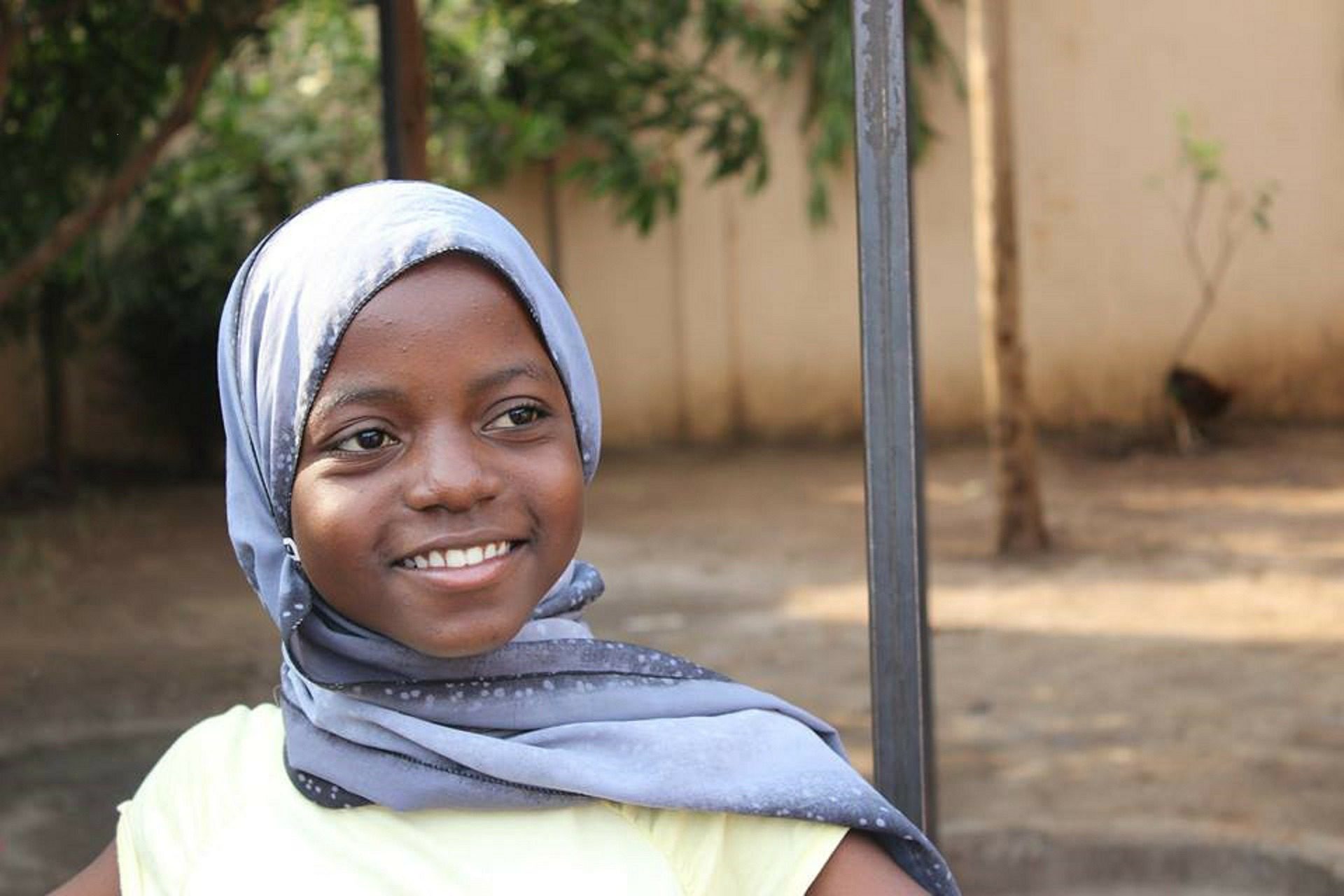
gender gap in malawiFemale education has been an ongoing challenge for the East African country of Malawi. With 50.7% of the population living below the poverty line, the nation is one of the poorest in the world, and a large percentage of the poor are women. A significant reason why is that girls often fall behind early in their education especially in areas like math and reading and end up dropping out. Also, the average elementary classroom in Malawi has 76 students meaning faculty are frequently overburdened and unable to address the delicate situation many young women find themselves in.  The London based nonprofit organization Onebillion has developed the Onecourse technology that is closing the education gender gap in Malawi.
A Girl’s Challenge

While both boys and girls face high dropout rates in Malawian schools, girls are less likely to return due to factors such as labor demands at home, being discriminated against as the perceived weaker gender, absence of female role models and harassment by male teachers and fellow students. With typical teaching practices concerning math and reading in Malawi early grade schools, boys usually pull ahead of girls in math by second grade while girls pull ahead of boys in reading, but this advantage in reading disappears by sixth grade and girls are behind in both subjects.

The Onecourse Experiment

Onecourse is unique in its approach in that it is an all-digital platform where students are guided by a virtual teacher through a strategically crafted set of activities. Students are given a Onetab tablet loaded with Onecourse apps in their native language. For Malawian students this was Chichewa. One of the biggest challenges for developer Onebillion is to prove in trials that significant learning can happen in the absence of a teacher. “For the Onebillion trial, children were taken out of their huge classes, put in groups of 25 and given tablets loaded with math software; similar-sized groups were given tablets without the math software, to control for the possibility that children might benefit from any instruction given in smaller groups.”

Promising Results

Onebillion’s software has helped Malawian girls make significant advances. Evaluations by the University of Nottingham and the University of Malawi demonstrate that digital intervention can not only educate students but prevent girls from falling behind in their learning. Specifically, eighteen 30 minutes sessions with Onecourse early grade math apps prevent girls from falling behind early in mathematics. Early mathematics intervention may also promote girls more likely going to Science, Technology, Engineering and Mathematics courses in the future.

Final Thoughts

Overall, Onecourse technology is closing the gender gap in Malawian early education. Digital learning platforms like Onebillion’s Onecourse have helped aid undertrained and over burned faculty in many developing countries like Malawi, Uganda and Tanzania and is also being used to help marginalized children in the United States. The Onebillion organization, in a tie with the Kitkit school (a similar digital program developer), was awarded the Global Learning Xprize that promotes organizations that create programs allowing children to educate themselves in reading, writing, and math. This program, and others like it, will be essential in ending the educational gender gap in Malawi.

– Joseph Maria
Photo: Flickr

September 24, 2020
https://borgenproject.org/wp-content/uploads/borgen-project-logo.svg 0 0 Kim Thelwell https://borgenproject.org/wp-content/uploads/borgen-project-logo.svg Kim Thelwell2020-09-24 08:20:472024-05-29 23:23:30Technology Closing the Gender Gap in Malawi
Education, Food Security, Global Poverty

5 Facts About Transportation in Impoverished Areas

transportation in impoverished areas
Transportation plays a major role in the development of a region. A lack of transportation impacts a large population of the global poor, from those in rural regions looking for urban jobs to students who need to commute to school. There is great potential for transportation in impoverished areas to stimulate growth and increase opportunities for underserved communities. Here are five facts about transportation in impoverished areas.

5 Facts About Transportation in Impoverished Areas

  1. Access to Transportation: Though a seemingly simple topic, transportation is quite complex for many people across the globe. There are many potential obstacles to accessing transportation. For example, public transport remains unaffordable to many poor people. Relatively high fares make public transportation unattainable for the bottom 20% of the income pyramid.
  2. Increased Job Opportunities: In developing regions, a large portion of economically disadvantaged people live in rural areas. Transport conditions are frequently difficult and draining for these rural poor. A study found that transportation services in rural sub-Saharan Africa actually helped reduce poverty and encourage growth. Improved transportation generally increases access to opportunity for the poor, potentially leading to increased income and ownership of assets. Eventually, these improvements support sustained economic growth for individuals, spurring generational change.
  3. Access to Education: Many students in impoverished areas find that commuting to and from school takes a toll on their physical and mental capacity to learn. In many cases, students drop out of primary school because they have to walk long distances to reach school. In fact, in the absence of paved roads, only 21% of rural girls and 58% of rural boys attend school. On the other hand, if a paved road exists, school enrollment rates increase to 48% for girls and 76% for boys.
  4. Food Security: Access to food and the risk of hunger remain major threats to the global poor. Although rural economies in developing countries are predominantly agrarian, approximately 45% of land area in low-income countries is located more than five hours away from the main market. Without proper infrastructure, farmers cannot sell their produce to a larger market. For instance, poor road links were shown to raise transport costs of bananas in Kenya by 14%. Better transportation systems improve the efficiency of food distribution by connecting regions, while also lowering vehicle damage.
  5. Gender Disparities: There is an obvious gap between the number of men and women in poverty. Despite increasing their participating in the labor force, women end up with lower salaries, often working in the informal sector. Unequal access to transportation perpetuates this trend. In Pakistan, where 75% of women engaged in non-agriculture jobs in the informal economy, a lack of access to public services adversely impacted women’s economic security. Due to fear of violent street crime and abuse, a disproportionate share of women’s commutes in cities are walking trips.

Transportation is a necessary investment to fight global poverty and lift living conditions for those abroad. Governments must work hard to improve access to transportation in impoverished areas. However, foreign aid stands to elevate local governments’ abilities to meet citizens’ basic needs.

– Elizabeth Qiao
Photo: Flickr

September 16, 2020
https://borgenproject.org/wp-content/uploads/borgen-project-logo.svg 0 0 Kim Thelwell https://borgenproject.org/wp-content/uploads/borgen-project-logo.svg Kim Thelwell2020-09-16 17:22:122020-09-16 17:22:115 Facts About Transportation in Impoverished Areas
Gender Equality, Global Poverty

Flaviana Matata Foundation Aids Girls’ Education in Tanzania

Flaviana Matata FoundationInternational fashion model Flaviana Matata survived malaria and studied electrical engineering in college. In 2007, Matata was the first-ever Tanzanian woman to compete in the Miss Universe pageant. In 2016, after learning that house paint is often passed off and sold as nail polish in Tanzania, she founded Lavy Products, a nontoxic nail polish company whose products appear online and in stores and salons across Tanzania. As she breaks records and embarks upon entrepreneurial endeavors, Matata has made philanthropy a priority, founding the Flaviana Matata Foundation in 2011.
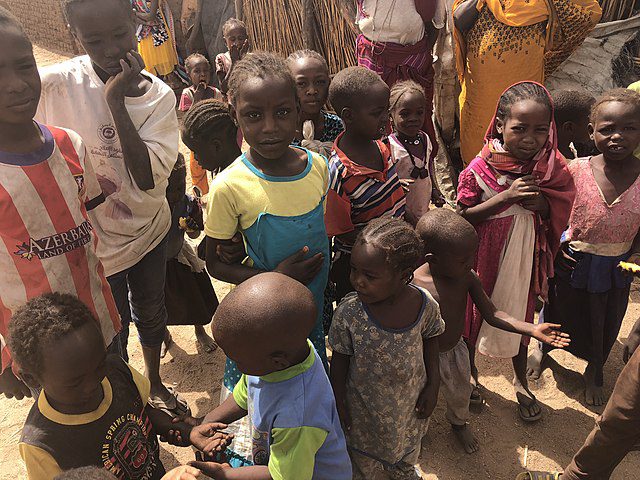

Matata’s foundation is a nongovernmental organization that supports women’s education in Tanzania. The foundation also helps women establish their own businesses and find employment opportunities.

Education in Tanzania

In Tanzania, less than 56% of children move onto secondary school after completing their primary school education. While the Tanzanian government abolished school fees for primary and secondary school education in 2015, costs such as transportation, lunch and exams still make it three times less likely that students from poor families will attend primary school when compared with children from wealthy families. As of 2016, the poverty rate in Tanzania is estimated to be 26.8%, meaning that more than 13 million Tanzanians live in poverty.

“A lot of kids do very well in school but have to quit or stop because they can’t afford school fees, uniforms or even books—the little things we take for granted,” Matata said in an interview for the Diamond Empowerment Fund, which has helped sponsor many of the Flaviana Matata Foundation’s initiatives.

The Foundation’s Approach to the Gender Gap

Girls are less likely than boys to receive a secondary-level education in Tanzania. The literacy rate for adult women in Tanzania was approximately 67% in 2009. Laws banning child marriage and fee-free education at the secondary level have been important steps toward increasing access to education in Tanzania, but more progress still needs to be made.

The Flaviana Matata Foundation aims to achieve this progress and make education in Tanzania more accessible for women. To date, the Flaviana Matata Foundation has helped over 5,000 students in Tanzania, providing school supplies, improving school infrastructure, adding desks and giving toiletry boxes for girls to use while on their menstrual cycles.

Ongoing Activism

The foundation has prioritized various projects since 2011. The Clean and Safe Water Project, completed in 2018, provides 319 students and teachers with a supply of clean water. The Stationery Back to School Project, completed in early 2020, equipped 304 students with stationery kits to last the academic year. The foundation’s ongoing project, Education Sponsorship for Young Girls, currently sponsors 25 girls from secondary school to college or university age with full scholarships and vocational and educational training.

Matata, whose Instagram following is 1.5 million as of July 2020, regularly shares information about Lavy Products and the Flaviana Matata Foundation online. Her work proves that social media can be used to make a positive impact and combat education inequality. As 24 million girls in sub-Saharan Africa remain unable to afford an education, the Flaviana Matata Foundation’s initiatives continue to play a crucial role in bridging education gaps.

– Zoe Engels
Photo: Pixabay

August 28, 2020
https://borgenproject.org/wp-content/uploads/borgen-project-logo.svg 0 0 Kim Thelwell https://borgenproject.org/wp-content/uploads/borgen-project-logo.svg Kim Thelwell2020-08-28 10:55:442024-12-13 18:02:08Flaviana Matata Foundation Aids Girls’ Education in Tanzania
Global Poverty

Addressing Child Labor in South Sudan

Child Labor in South Sudan
South Sudan is an East-Central African nation considered to have one of the worst cases of child labor in the world. The crisis of child labor has been amplified by the outbreak of civil war in 2013, spreading violence and insecurity nationwide. Child labor in South Sudan is a complex issue that negatively affects children’s health and education. However, UNICEF is working to end child labor in the nation.

4 Causes of Child Labor in South Sudan

  1. The civil war has increased the number of displaced persons vulnerable to recruitment by armed group or abduction for forms of child labor including spies, messengers, child soldiers and prostitutes.
  2. Many communities in South Sudan have inadequate access to schools and overall poor quality of education. Thus, much of the population does not see education as a viable alternative to work.
  3. Embedded cultural traditions and social attitudes increase rates of child labor by perpetuating ideas, such as work building character and girls being better suited to domestic work than education. Furthermore, many children in South Sudan are expected to follow their parent’s career paths and learn their trade from an early age, resulting in family sponsored child labor over child education.
  4. Poverty is arguably the most significant factor contributing to child labor globally, with South Sudan being no exception. Child’s incomes are often understood to be necessary for the survival of the household, with 91.9% of South Sudan living in multidimensional poverty. The mass impoverishment of South Sudan has been amplified by the civil war that has devastated the economy, and thus fueled child labor.

Formal vs. Informal Sector

Data on child labor can only be effectively collected from children working within the formal sector. As of 2019, nearly 46% of children aged 10-14 work in the formal sector. About 60% of these children find themselves working in agriculture, over 38% percent in industry and nearly 2% in services. While these ratios of children engaged in formal labor are large, even more children likely work in the informal sector, including jobs such as child soldiers and prostitutes.

Impact on Education and Health

Poor education in South Sudan increases participation in child labor. As a result, only 31.5% of children aged 6-14 were enrolled in school in 2019. Despite the fact that education is free, the rate of primary school completion sits at just 25.7%. Consequently, as of 2019, only about 27% of the adult population in South Soudan is literate. Not only does a lack of education stunt individual children’s development, health and economic opportunities, but also those of communities in which they live.

South Sudan also has a poor healthcare structure. This is reflected in the national life expectancy of 57.6 years, which is only worsened by the institution of child labor. Children working in the informal sector are placed at great risk: these jobs are life-threatening and drastically reduce life expectancy. However, children working in the informal sector are not the only children at risk. Jobs in the formal sector, such as construction and mining, are labor heavy and place great strain on children’s bodies. Journalist Losika Losepio reported in 2018 that an 8-year-old girl in South Sudan working in the mines said “It’s hard work digging and the shovel is heavy. I just want to be in school,” while holding an infected wound on her elbow. In the best of cases, child labor only takes children out of school; in the worst of cases, they are injured by their labor and potentially even killed.

The Good News

UNICEF is a United Nations agency responsible for providing humanitarian and developmental aid to children. Programming by UNICEF has made great progress in regard to child labor in South Sudan. In 2018, UNICEF freed over 1,000 children, many of whom were child soldiers for various armed groups. Additionally, UNICEF combats the root causes of child labor, such as lack of education. In 2018, the organization helped to rehabilitate schools damaged by conflict by leading teacher training and providing necessary classroom supplies. Through such efforts, UNICEF also helped 550,000 children re-enroll in school in 2018.

Children everywhere have a right to education, health and safety. Child labor in South Sudan serves as an obstacle to each of these rights and must be counteracted. Progress has been made through organizations such as UNICEF, but the situation remains dire: these efforts must not only continue but expand across the nation.

– Lily Jones
Photo: Wikimedia

August 19, 2020
https://borgenproject.org/wp-content/uploads/borgen-project-logo.svg 0 0 Kim Thelwell https://borgenproject.org/wp-content/uploads/borgen-project-logo.svg Kim Thelwell2020-08-19 15:52:392020-08-19 15:52:38Addressing Child Labor in South Sudan
Page 13 of 67«‹1112131415›»

Get Smarter

  • Global Poverty 101
  • Global Poverty… The Good News
  • Global Poverty & U.S. Jobs
  • Global Poverty and National Security
  • Innovative Solutions to Poverty
  • Global Poverty & Aid FAQ’s
Search Search

Take Action

  • Call Congress
  • Email Congress
  • Donate
  • 30 Ways to Help
  • Volunteer Ops
  • Internships
  • Courses & Certificates
  • The Podcast
Borgen Project

“The Borgen Project is an incredible nonprofit organization that is addressing poverty and hunger and working towards ending them.”

-The Huffington Post

Inside The Borgen Project

  • Contact
  • About
  • Financials
  • President
  • Board of Directors
  • Board of Advisors

International Links

  • UK Email Parliament
  • UK Donate
  • Canada Email Parliament

Get Smarter

  • Global Poverty 101
  • Global Poverty… The Good News
  • Global Poverty & U.S. Jobs
  • Global Poverty and National Security
  • Innovative Solutions to Poverty
  • Global Poverty & Aid FAQ’s

Ways to Help

  • Call Congress
  • Email Congress
  • Donate
  • 30 Ways to Help
  • Volunteer Ops
  • Internships
  • Courses & Certificates
  • The Podcast
Scroll to top Scroll to top Scroll to top