• Link to X
  • Link to Facebook
  • Link to Instagram
  • Link to TikTok
  • Link to Youtube
  • About
    • About Us
      • President
      • Board of Directors
      • Board of Advisors
      • Financials
      • Our Methodology
      • Success Tracker
      • Contact
  • Act Now
    • 30 Ways to Help
      • Email Congress
      • Call Congress
      • Volunteer
      • Courses & Certificates
      • Be a Donor
    • Internships
      • In-Office Internships
      • Remote Internships
    • Legislation
      • Politics 101
  • The Blog
  • The Podcast
  • Magazine
  • Donate
  • Click to open the search input field Click to open the search input field Search
  • Menu Menu

Tag Archive for: Economic Growth

Information and news about economic growth

Posts

Global Poverty

Sustainable Agriculture in Uzbekistan Addressing Mistakes of the Past

sustainable agriculture in UzbekistanUzbekistan is the most populous nation in central Asia, with over 32 million citizens. It is a landlocked country with little precipitation (3.9 to 7.9 inches annually), but its landscape includes two rivers and the salty Aral Sea. Despite the dry area’s water sources, decades of misuse of the rivers and sea have led to degraded land and Uzbekistan’s high reliance on exported crops like cotton. A new generation of citizens now counters the mistakes of its predecessors as they strive toward sustainable agriculture in Uzbekistan.

Cotton – Profit Over Environment

Uzbeki leadership employed poor practices, originally implemented by Soviet leadership in the 1950s, to cultivate the cotton crop through large-scale chemical use, inefficient irrigation systems and poor drainage systems. Each variable contributed to soil degradation and high soil salinity (salt content of the soil).

The higher the soil’s salinity, the harder plants must work to absorb water. Even if the soil is at proper saturation, if the salt content is high enough, plants will wilt or even die from the high expense of energy. The process of diverting water from the Amu Darya and Syr Darya rivers that fed the Aral Sea led to the desertification of what was once the fourth largest saline lake in the world. The extremely high concentration of salt in the small body of water left behind affects the soil of its boundaries with a high level of salinity.

The sea is now less than 10 percent of its former size and the eastern basin, which dried up completely, is now known as the Aralkum Desert.

“Modern Slavery”

Further, Uzbekistan employed even poorer labor practices. The cotton industry saw state workers directed away from their occupations during harvest season and out to the fields picking cotton. The practice met the definition of “modern slavery” as outlined by the Global Slavery Index, as the workers received little to no compensation for their extra work and were under the alleged threat of expulsion from their state jobs if they did not participate in the harvest.

Labor and agricultural policies were enforced under the leadership of President Islam Karimov, elected in 1991 after Uzbekistan declared independence from the Soviet Union. Shavkat Mirziyoyev became the nation’s second president in 2016 following the death of Karimov. Mirziyoyev has since publicly denounced the traditional labor practice and initiated reforms across the labor and agriculture sectors.

Time for Crop Diversification

A 2013 study on the possible outcomes of developing land for crops besides cotton found a high potential for more efficient water use, as well as farm income for the area’s dryland citizens. The multiyear study indicated that crop diversification would also assist farmers in wetland areas that will be affected by the climate-driven decline water availability. The article concluded that crop diversification was key to sustainable agriculture in Uzbekistan.

That same year, the World Bank financed the Sustainable Agriculture and Climate Change Mitigation project. The project objectives are to introduce renewable energy and technology for energy efficiency to the agriculture (agribusiness and farms) sector, and to improve the degraded irrigated land and water conservation practices.

The project looks to secure the objectives by implementing three components:

  • Promotion of renewable energy technologies, especially by supporting the circulation of knowledge and information through training and goods
  • Promotion of best practices and technology to mitigate the irrigated land degradation
  • Advisory services and project management

Horticulture Development

In 2014, the Horticulture Development Project initiated the shift in focus from heavily relied-upon exports like cotton to sustainable agriculture in Uzbekistan. By growing its own fruits and vegetables, the nation will realize growth in sector-crossing agribusiness and through its more diverse economy.

The project’s three main components include agricultural support services, access to credit and project management. The World Bank partners with the International Finance Corporation for the project to develop solutions to implementing food safety practices, improving competitiveness, agricultural lending and understanding the supply chain.

Uzbekistan must overcome the inheritance of neglectful policies, rising above the mandates of 1950s Soviet Russia and the heavy-handed culture of the Kamirov-led 1990s and 2000s. Through aid and the drive to emerge victorious, Uzbeki will citizens create sustainable agriculture on their way to creating a fully sustainable nation.

– Jaymie Greenway

Photo: Flickr

February 18, 2018
https://borgenproject.org/wp-content/uploads/borgen-project-logo.svg 0 0 Borgen Project https://borgenproject.org/wp-content/uploads/borgen-project-logo.svg Borgen Project2018-02-18 07:30:432019-12-18 13:36:17Sustainable Agriculture in Uzbekistan Addressing Mistakes of the Past
Global Poverty

Infrastructure in Malawi

infrastructure in MalawiMalawians have faced many obstacles to the growth and development of their country. Malawi has struggled with successful infrastructure development due to economic and natural disasters and currently has plans in effect to reduce poverty and increase urbanization for its people. Because of its rapid population growth, urbanization and infrastructure in Malawi are crucial for the nation’s survival and success.
Scandal

Malawi’s poverty rate has barely changed from 2010 to 2016, falling from 70.9 percent to 69.6 percent. In 2014, Malawi faced an economic scandal known as “cashgate” in which government officials were laundering millions from government reserves. The cashgate scandal caused many donors to withdraw their funding, which resulted in more detriment to the nation because 40 percent of Malawi’s wealth comes from independent donors. While it was very publicized, it was not the first time donors withdrew from the Malawian government due to the corruption within it. This kind of scandal has affected Malawians, as well as infrastructure in Malawi.

Flood Crisis

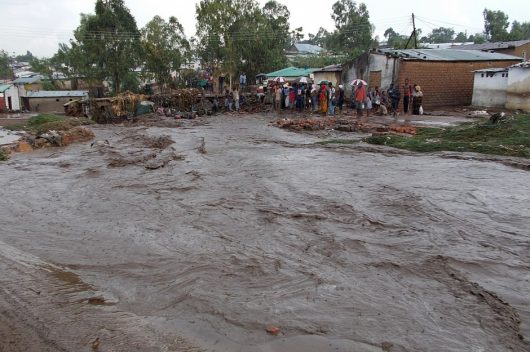
Infrastructure in Malawi faced a large-scale flood in January 2016 which severely impacted the country’s development. The widespread flood wiped out several villages and much of the country’s agriculture. This has left Malawi in the largest food crisis in a decade. With a significant amount of damage to the country’s people and agriculture (part of country’s economic gains), the economy in Malawi has struggled to prioritize infrastructure development. Many solutions included providing short-term shelter for Malawians who had suffered from the disaster.


Non-Agricultural Development

While efforts to reboot the economy and its agricultural efforts continue, Malawi cannot keep up with its steady population growth. Due to the increasing population, farms are shrinking and limiting economic productivity. As agricultural jobs decrease, infrastructure in Malawi leans toward the creation of non-agricultural jobs in education, finance, and energy. Malawi currently uses hydro-power, and due to climate change and sporadic rain, the country often experiences water shortages and blackouts. Creating more infrastructure, especially providing additional resources for electricity, will benefit Malawi and increase the economy. The plans to develop in the non-agricultural sector will speed up the urbanization process for Malawians.


MGDS

The creation of jobs encourages the creation of infrastructure and vice versa. To combat the nation’s poverty, The Malawi Growth and Development Strategy (MGDS) was created in 2006. The goal of the MGDS is to encourage continued economic growth and infrastructure in Malawi. The MGDS is meant to create long-term jobs for Malawians in mining, trade, and tourism and culture. Another goal is to encourage the use of the environment and natural resources. Utilization of Malawi’s culture and wildlife will increase tourism to create more economic growth. Creating jobs within Malawi’s government, such as in the health and safety sectors, will also provide more growth for the nation’s economy and help the people of Malawi to overcome poverty. In addition to practical job creation and tourism growth, the MGDS will consist of urban improvements such as in airports, more media/telecommunications sources, and housing developments.

While the recent history of Malawi has not been hopeful, the country’s prospects predict a brighter tomorrow for Malawians.

– Courtney Hambrecht

Photo: Flickr

February 17, 2018
https://borgenproject.org/wp-content/uploads/borgen-project-logo.svg 0 0 Borgen Project https://borgenproject.org/wp-content/uploads/borgen-project-logo.svg Borgen Project2018-02-17 14:35:282019-12-05 09:26:03Infrastructure in Malawi
Global Poverty

Sustainable Agriculture in Turkey

Sustainable Agriculture in TurkeyBetween Europe and the Asian continent is the Republic of Turkey, therefore, it is considered an intercontinental country. Two seas surround the territory: the Black Sea in the north and the Mediterranean Sea in the south. Climate varies depending on the part of the territory. Cities near the coast have a Mediterranean climate that is warm, humid and ideal for agricultural purposes. Turkey’s economy grew based on agricultural sector activity. Now, such a sector is not the primary economic source for the country anymore and the need for sustainable agriculture in Turkey arises.


Barriers to Sustainable Agriculture in Turkey

Up to 20 percent of the Turkish population still works cultivating the land. Nowadays, up to 50 percent of the land is used for agricultural purposes. Regardless, the government has yet to take a step forward towards sustainable agriculture in Turkey.

Pesticides, fertilizers and soil erosion of the arable land, are the three main issues within the agricultural sector. Extreme drought is a fourth, but lesser issue in the Eurasian country. “Anatolian plateau” is the name given to the central part of the Turkish region that suffers most droughts due to its geographical positioning.

The interior part of the territory suffers from a dryer climate. Such conditions can have a significantly prejudicial impact on the arable land and rural economy in its entirety. This is taking a toll by making it a challenge to keep sustainable agriculture as an ongoing achievable goal.

The following affect sustainable agriculture in Turkey:

  • a rapid population growth
  • a loss of arable land due to extreme droughts
  • and the recurrent use of degraded land.

These augment the pollution levels in the water, the emission of greenhouse gases, and the loss of organic matter within the soil.


Recent Increase in Sustainable Agriculture

Even though multiple issues have emerged, sustainable agriculture in Turkey has increased over the past two years. The use of mineral fertilizers and pesticides has gone up, thus helping sustainability within the rural economic sector.

The agricultural sector is now undergoing a series of initiatives that will hopefully further increase sustainable agriculture in Turkey during the next few years. The Turkish government has provided training in order to create awareness on sustainable agriculture as well as spread new rural techniques that can help farmers with productivity. Sustainable agriculture in Turkey has already been improved, and during the next decades will have an even better and bigger impact that will benefit productivity, the soil, and the Turkish population.

– Paula Gibson

Photo: Flickr

February 17, 2018
https://borgenproject.org/wp-content/uploads/borgen-project-logo.svg 0 0 Borgen Project https://borgenproject.org/wp-content/uploads/borgen-project-logo.svg Borgen Project2018-02-17 13:05:022024-05-28 00:00:19Sustainable Agriculture in Turkey
Global Poverty

Credit Access in Sri Lanka

Credit Access in Sri LankaSri Lanka and its citizens can benefit greatly from credit access. As an island country in South Asia of many languages and ethnicities, it has, of course, been a product of dispute for many years. A democratic republic, political unrest and ethnic divide have been a main source of disarray as noted by its thirty-year civil war which ended in 2009. But besides political issues, Sri Lanka is an economically stable country in South Asia, with a high Human Development Index rating and a per capita income that ranks highest among South Asian countries. Its main economic sectors are tourism, textiles, rice products, and tea, of which it is the second-largest exporter in the world. Similar to most countries, however, while there is certainly stability, Sri Lanka does have its issues.

Sri Lanka still has a large number of citizens who live in poverty. While only 1.8 percent of Sri Lankans live in abject poverty, nearly 45 percent live on $5 or less a day. It is difficult to maintain a stable income, especially in rural areas. It is even more difficult to achieve personal growth when income covers expenses and there is little left over.

Credit Access in Sri Lanka

That’s why credit access in Sri Lanka, especially in rural communities, is an important stage in its continued development. In a report from 2005, the World Bank Group discusses the best methods of increased access for the rural poor. For example, enhanced remittances and payment services, and long-term saving instruments are highly useful for the poor and can be implemented in small and rural enterprises.


Remittances

Remittances, particularly, have grown rapidly in Sri Lanka. As the report states, Sri Lanka should move from an informal, unsafe network to a formal financial institution with better services, such as savings and insurance. This improvement in credit access in Sri Lanka will allow citizens to manage their financials with lower risks.


Loan Access

A 2011 assessment by the World Bank concluded that only 35 of Sri Lankan small firms can access a loan or a line of credit. Then, in 2013, Sri Lanka’s Credit Information Bureau (CRIB) and the World Bank agreed to boost credit access by making it easier to use movable assets as collateral. The World Bank will help CRIB to develop a legal framework that allows small businesses to mortgage inventory and equipment to bypass the traditional loan agreements.


Loans to Boost Credit Access

And in 2016, the Asian Development Bank (ADB) and LOMC (the nation’s leading microfinance institution) inked a $25 million loan agreement to boost credit access in Sri Lanka, specifically for small businesses and individuals. Under the agreement, LOMC will use the loan as funds for lending to micro-businesses and will improve financial products and outreach to remote farmers. LOMC hopes to improve access to banking, as 70 percent of citizens do not have any access, and, because the deal lasts five years, have the sources for long-term loans.

Sri Lanka continues to grow, and with these credit-based programs and findings, it will do so in a stable and financially viable direction. Hopefully, within the next decade, a majority of the population will have access to banking, and credit will allow for the rural poor to lead more economically independent lives.

– Nick McGuire

Photo: Flickr

February 17, 2018
https://borgenproject.org/wp-content/uploads/borgen-project-logo.svg 0 0 Borgen Project https://borgenproject.org/wp-content/uploads/borgen-project-logo.svg Borgen Project2018-02-17 11:01:212019-11-07 03:44:30Credit Access in Sri Lanka
Global Poverty

The Promotion and Increase of Sustainable Agriculture in Kyrgyzstan

Sustainable Agriculture in Kyrgyzstan
Kyrgyzstan lies in central Asia with much of its land consisting of rugged and mountainous terrain. The country faces harsh winters and hot, arid summers because of its height above sea level that ranges anywhere from 1,000 meters to 3,000 meters. Kyrgyzstan’s land and climate mean there are very few arable locations suitable for growing and sustaining seasonal crops.

With much of their communities being rural, Kyrgyzstan is reliant on their agricultural products as a source of sustenance and income with around 40 percent of laborers focused in agriculture.

Crops

A variety of crops grown in Kyrgyzstan are best-suited for the land and climate, including wheat, barley, maize, potatoes, vegetables and fruits, while sugar beets, cotton and tobacco are grown for export.

Kyrgyz focus more on keeping pastures and maintaining herds of livestock for food because of the small amount of land for farming. Livestock mainly consists of sheep, goats and yak, but some regions can support cattle, pigs and chickens.

Agricultural Practices

Both the agricultural practices of the Kyrgyz and the increasing amount of agricultural production needed for the population make sustainable agriculture in Kyrgyzstan a growing and serious issue.

Due to how rural much of the country is, farmers tend to only have access to the most basic of tools, and often lack the knowledge of proper farming methods, meaning what little land there is to be farmed is being dramatically degraded. The herding of livestock has had a similar effect on the land in the form of desertification in overused pastures.

Nutritional Deficiencies

The lack of farmable and healthy pasture land is not the only issue regarding sustainable agriculture in Kyrgyzstan. Kyrgyz can only grow hearty, starchy crops to survive the harsh conditions of the country, and as a result, many are affected by nutritional deficiencies; children can have stunted growth because of a lack of essential vitamins and minerals found in fairer weather crops.

Nutritional deficiencies can also be contributed to rural Kyrgyz simply not being able to afford food — many have low salaries compared to the cost of food from Kyrgyzstan and imports to the country.

Foreign Aid

Kyrgyzstan often depends on foreign aid to provide what it cannot due to poverty and the agricultural issues the nation faces. Although this aid does fund some food relief programs to provide for Kyrgyz who need it the most, much of the projects and programs focus on the agriculture itself.

USAID programs in the country tend to focus on both making agricultural practices more sustainable, such as how the land is managed and how produce is stored, and on making the agricultural economy of Kyrgyzstan more viable by aiding in the production of in-demand crops for export.

This, in turn, provides farmers with the money needed to purchase better tools and infrastructure for more sustainable practices.

Sustainable Agriculture in Kyrgyzstan

For the time, sustainable agriculture in Kyrgyzstan is a struggle both economically and environmentally, and lack of proper nutrition has a negative impact on the population.

There is hope on the horizon, though, from a variety of programs funded by foreign aid in an attempt to not only provide Kyrgyz with proper nutrition but also make their agricultural practices so sustainable that they will be able to advance themselves in the future.

– Keegan Struble

Photo: Flickr

February 17, 2018
https://borgenproject.org/wp-content/uploads/borgen-project-logo.svg 0 0 Borgen Project https://borgenproject.org/wp-content/uploads/borgen-project-logo.svg Borgen Project2018-02-17 07:30:492019-12-09 05:56:06The Promotion and Increase of Sustainable Agriculture in Kyrgyzstan
Global Poverty

Female Farmers Improve Sustainable Agriculture in Montenegro

sustainable agriculture in Montenegro

Montenegro, like many of the Western Balkan countries, relies heavily on agriculture as a source of economic productivity and is eagerly searching for ways to make its agricultural sector more competitive while preparing to contend with the realities of climate change. The U.N. and the World Bank have worked extensively to promote sustainable agriculture in Montenegro. One important component of this work has been a realization of the need to make these efforts explicitly inclusive of female farmers, who are often overlooked.

The U.N. Food and Agriculture Organization, in particular, has a long history of working to promote competitive, sustainable agriculture in Montenegro that actually improves the circumstances of Montenegrin farmers. In addition to the focus on agriculture, the FAO has also put in place rural development initiatives and helped the Montenegrin government to ensure the sustainable management of the country’s natural resources.

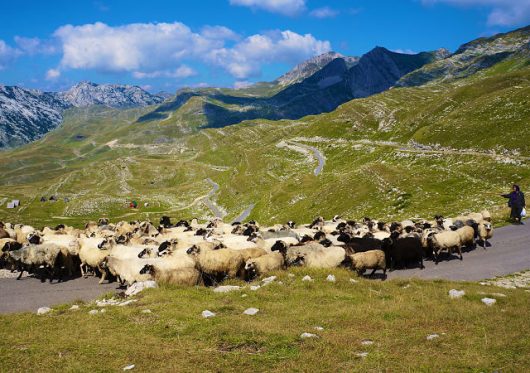
There are some areas where the FAO has been particularly successful. Together with the Montenegrin government, it was able to improve the sustainability and management of the country’s forests, which is important as wood is still a key source of fuel, especially in rural areas. Montenegro has also made strides in recent years in managing its fisheries on the Adriatic coast. The focus now is on bringing Montenegrin agriculture in line with E.U. regulatory standards and ensuring that small farmers can compete on the international market in anticipation of Montenegro eventually entering the European Union.

Rarely, however, do these kinds of initiatives make a point of being inclusive of female farmers. In the Western Balkans, strict gender roles persist and farming is not seen as something that concerns women. But female farmers in Montenegro account for 13 percent of landholders and 65 percent of the agricultural workforce, indicating that perhaps these gender roles are becoming out of date. Female farmers have recently had success securing grants from the World Bank’s MIDAS program, but too often farmers, especially women, are not made aware that these programs exist to help them.

Now, finally, these women are being addressed and reached out to as a real constituency. The Ministry for Agriculture and Rural Development hosted a workshop exclusively for female farmers that allowed them to network and learn about options for assistance that many of the women did not know they had.

Sustainable agriculture in Montenegro, and in the Balkans more broadly, is ultimately going to be about more than eliminating ecologically harmful practices and increasing crop yields in an ecofriendly way. It will also consist of leveling the playing field and improving equity in the industry across all demographics and of producing more and wasting less.

– Michaela Downey

Photo: Flickr

February 16, 2018
https://borgenproject.org/wp-content/uploads/borgen-project-logo.svg 0 0 Borgen Project https://borgenproject.org/wp-content/uploads/borgen-project-logo.svg Borgen Project2018-02-16 01:30:562024-05-24 23:52:07Female Farmers Improve Sustainable Agriculture in Montenegro
Global Poverty

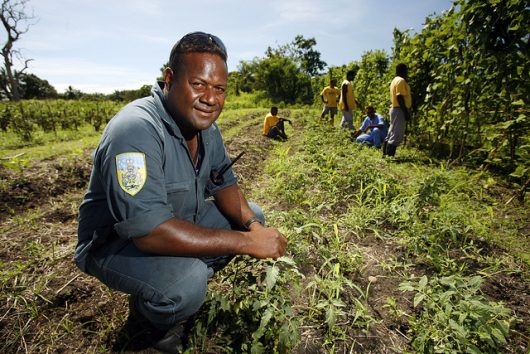
Sustainable Agriculture in the Solomon Islands

sustainable agriculture in the Solomon Islands

Sustainable agriculture in the Solomon Islands is not as big a concern as it is in regions where domestic agriculture is the main source of food and income. The Solomon Islands does have a small agricultural sector, but for the most part, the nation is very dependent on imported food. Some projects in the country have focused on creating more sustainable agricultural practices, but most focus on disaster preparedness.

Help from Multinational Organizations

Since the Solomon Islands is a Pacific Island country, it is very susceptible to natural disasters, particularly with the increased volatility of climate change. These disasters typically threaten food security and make it very difficult to consistently import food into the country. Organizations like the Food and Agriculture Organization of the United Nations (FAO) have worked with the government of the Solomon Islands to improve disaster preparedness and response. Additionally, the FAO has worked with the Ministry of Health to improve standards of sanitization for imported foods and other food control systems.

The Khaled bin Sultan Living Oceans Foundation also operates in the Solomon Islands. A major project conducted by the organization was the Sustainable Seaweed Farming project. Seaweed farming is a common practice on the islands, and with increased pollution, it is important that practices for sustainable agriculture in the Solomon Islands are in use. This project helped manage overharvesting and helped reduce damage to the coral reef ecosystems.

Government Policy Focused on Agriculture

The Solomon Islands does have its own ministries and departments that manage agricultural issues on the islands. The Ministry of Agriculture and Livestock creates and disseminates policy regarding plans for sustainable rural development, food security and improved livelihoods. These policies are very transparent and easily accessible.

Additionally, these policies are comprehensively broken down into four categories:

  • Farmers/Private Sector/Industry
  • Government and Policymakers
  • Women, Youth and NGOs
  • Development Partners

These categories show a good understanding by the government of who has a stake in the agriculture industry. It shows participation by the government in rural communities, in which almost 80 percent of the population lives. Most of these people additionally rely on agriculture for a portion of their income.

Ultimately, sustainable agriculture in the Solomon Islands is doing quite well, despite it not being a major focus for the island. Through the diligence of the government and projects run by independent organizations the Solomon Islands has implemented green farming and development practices and hopefully will continue to do so in the future.

– Liyanga de Silva
Photo: Flickr

February 15, 2018
https://borgenproject.org/wp-content/uploads/borgen-project-logo.svg 0 0 Borgen Project https://borgenproject.org/wp-content/uploads/borgen-project-logo.svg Borgen Project2018-02-15 13:30:092024-05-29 22:39:18Sustainable Agriculture in the Solomon Islands
Global Poverty

Port Infrastructure in Sao Tome and Principe Key to Nation’s Growth

Infrastructure in Sao Tome and Principe

Sao Tome and Principe, Africa’s smallest country in terms of geographical size, relies heavily on the production of cocoa, which has been steadily declining due to droughts and mismanagement. Despite the decrease in production, the economy has been growing at a rate of around 4 percent, but it is not enough to alleviate the country’s widespread poverty. An estimated 62 percent of the population lives in poverty.

About 100,000 people, almost half of the island nation’s population, live without electricity and one-third of the available roadways remain unpaved, which makes road travel difficult.

Investing in projects like paved roads and other areas encompassed by infrastructure in Sao Tome and Principe has the potential to jumpstart the alleviation of poverty across the country. Improving the country’s infrastructure opens up other doors for Sao Tome and Principe’s economy to grow and flourish. The World Bank and the government of Sao Tome and Principe are working together to introduce a multitude of reforms promoting growth in the financial sector and infrastructure.

The Urban/Rural Divide

The urban/rural divide is often a driving force for inequality. As countries urbanize, many people move towards the cities and leave rural areas behind. The people left in rural areas often have trouble keeping up with the shift and fall into a pattern of poverty. This is the case for Sao Tome and Principe.

Infrastructure in Sao Tome and Principe is worst in rural areas, but many initiatives have been implemented to improve the infrastructure so that it is equal to urban areas. The African Development Bank Group, a development finance institution, has a goal to diversify rural infrastructure to keep up with Sao Tome and Principe’s growing agriculture strategy.

Sao Tome and Principe’s Location

Oftentimes, poor developing countries fall into a poverty trap based on their geographical location. Many of the most impoverished countries in the world are landlocked. Sao Tome and Principe, being an island nation, is in a much better position to escape poverty than many other countries with a less fortunate geographic location. The islands are situated in a strategic location for international trade via waterways.

Sao Tome and Principe’s government is seeking international investors for the creation of a deepwater port. The government hopes that with the emergence of the deepwater port, Sao Tome and Principe will become an international shipping point connecting central Africa with the United States, Asia and Europe.

The International Development Association

The International Development Association (IDA) is the World Bank’s sector dedicated to helping the world’s poorest countries. Nearly 50 percent of the IDA’s funds go towards programs in Africa. Currently, in Sao Tome and Principe, the IDA is funding projects that total $22 million. The projects are currently focused on the country’s social support sector, advocating for equality for all citizens of Sao Tome and Principe.

Despite its size, infrastructure in Sao Tome and Principe has the potential to make the country a major player on the world’s stage. Continued development in this area can help the country improve living conditions for its most vulnerable citizens.

– Sonja Flancher

Photo: Flickr

February 15, 2018
https://borgenproject.org/wp-content/uploads/borgen-project-logo.svg 0 0 Borgen Project https://borgenproject.org/wp-content/uploads/borgen-project-logo.svg Borgen Project2018-02-15 07:30:362024-05-29 22:28:01Port Infrastructure in Sao Tome and Principe Key to Nation’s Growth
Global Poverty

Bettering Citizens’ Lives With Infrastructure in Swaziland

infrastructure in Swaziland

Swaziland is a small, middle-income country in southern Africa that was once heavily influenced by British and Dutch rule in the nineteenth and twentieth centuries. Since it was granted its freedom in 1968, the Swazi government has worked hard to create a stable and thriving community for its inhabitants, one of its main focuses being infrastructure in Swaziland.

Swaziland has a GDP of approximately $3.73 billion and a population of 1.1 million. It is estimated that 63 percent of the Swazi population lives under the poverty line and lives in areas that lack adequate access to basic needs, such as reliable roads and a constant food source. To address these issues surrounding citizen well-being, the Board of Directors of the African Development Bank Group (AfDB) drafted a Country Strategy Paper (CSP) for 2014 to 2018 that focuses on promoting economic growth and improved quality of life in Swaziland.

This document, while tenacious, hopes to address the country’s status as a lower-income country with moderate to high poverty and inequality rates. The board drafted two main goals in its legislature:

  1. Supporting Infrastructure Development for Sustainable and Inclusive Growth
  2. Strengthening Governance and Institutional Capacity

Within the first goal of the legislature, the board’s plan was to address infrastructure in Swaziland by improving the country’s amenities to match those of surrounding countries. This was meant to aid the integration of disadvantaged groups of society by giving them better access to opportunities coming from improved infrastructure. Since the CSP was drafted in 2014, there have already been progressive steps taken in addressing these issues.

First, in 2014, the Board of Executive Directors of the AfDB approved a $47 million loan to improve the quality of the Manzini-Mbadlane highway, a highly trafficked roadway. This job not only provided 250,000 Swazis with economic benefits regarding reduced travel cost and time, but it also provided a more stable route to and from South Africa, a popular tourist destination and stable trading partner.

Additionally, in May 2016, Swaziland received a $63 million loan in order to finance the second phase of the Lower Usuthu Smallholder Irrigation Project in the southeastern part of the nation. This loan provided an opportunity for small, poorer farmers to use the natural resources provided by the Lower Usuthu River Basin to get involved with the commercial agriculture sub-sector, which is an excellent opportunity for both the underserved citizens of Swaziland as well as the country’s overall economy.

However, contrary to the active work being done to improve infrastructure in Swaziland, the country has not seen much development in terms of official action being taken to strengthen governance and institutional capacity. But, in recent years, the country’s lawmakers have drafted plans that focus on bettering healthcare and the decentralization of hospitals in Swaziland.

The Swaziland Ministry of Health National Health Sector Strategic Plan, which was drafted for 2014 to 2018, has outlined some key procedures surrounding the improvement of responsiveness, sustainability and creating a distinctive organizational culture within Swaziland’s healthcare sector. These plans will be funded by the World Bank and the European Union, and are being led by the Health Partners Southern Africa, which will be working with the Health Information Systems Program, the Institute for Health Measurement as well as the Strategic Development Consultants. The hope is that the goals stated in these drafts will come into effect in the next few years.

While there is still a long way to go in terms of improving infrastructure in Swaziland, the country’s lawmakers are working with their economic resources to find ways to better the lives of their country’s inhabitants. With loans and foreign support, the hope is that Swaziland will acquire the means to reach its goal of becoming a first world country.

– Alexandra Dennis

Photo: Flickr

February 15, 2018
https://borgenproject.org/wp-content/uploads/borgen-project-logo.svg 0 0 Borgen Project https://borgenproject.org/wp-content/uploads/borgen-project-logo.svg Borgen Project2018-02-15 01:30:252024-05-29 22:39:22Bettering Citizens’ Lives With Infrastructure in Swaziland
Global Poverty

Sustainable Agriculture in St. Vincent and the Grenadines

sustainable agriculture in St. Vincent and the Grenadines
These beautiful rocky islands are home to approximately 109,000 citizens who can benefit from an increase of sustainable agriculture in St. Vincent and the Grenadines, personally and economically. The Grenadine islands consist of Bequia, Mustique, Canouan, Mayreau and Union, which form a chain of landmasses leading to Grenada.

Only a portion of the island’s 150 square miles is being utilized, with a large part dedicated to agriculture (25 percent) while the majority is forest (68 percent). Despite much of the land being used for agriculture, it only makes up about 7 percent of their Gross Domestic Product (GDP).

With most of the population centered around the nation’s capital, Kingstown, much of the agriculture comes from small family farms outside of the capital. But two crops, bananas and arrowroot, in particular, have the potential to change the country’s economic condition and future circumstances for the good.


Bananas

Despite the recent threat, plans to encourage the farming of bananas have come in the form of the Banana Accompanying Measures (BAM) for the sustainable agriculture in St. Vincent and the Grenadines.

In 2010, BAM was created by the European Union as an initiative to help developing countries export bananas better; of the developing countries, African, Pacific and other Caribbean nations were chosen. Essentially designed to create economic opportunities, competitiveness and diversification of sustainable agriculture in St. Vincent and the Grenadines, the initiative involved EC$18 million to install.

BAM is based on minimizing poverty through strategic investing that increases banana production along with other crops, such as root vegetables. So far, the financial packages have established a food science lab at the St. Vincent and the Grenadines Community College and other infrastructural add-ons that aid in banana production, specifically, such as upgrades to packing facilities.


Arrowroot

This root vegetable alone has the potential to significantly reduce the poverty of whoever grows it. The sustainable agriculture in St. Vincent and the Grenadines is unique for being one of the only producers of the starchy tuber, producing 95 percent of the world’s arrowroot. Arrowroot flour is used in a variety of Caribbean dishes for its starchy texture and gluten-free characteristics, but these are not the only aspects of the root vegetable that make it profitable.

Once ground into flour, arrowroot can be mixed with chemicals like sodium chloride and citric acid to create a dressing for paper, making it extremely water resistant. Print photographers originally used this kind of paper for its water resistance, but the practice became outdated. Since then, arrowroot has made a revival due to the technology boom and the abundant use of printers. The root vegetable is now crucial in the manufacture of carbon-less paper.

The Permanent Secretary in the Ministry of Agriculture, Raymond Ryan, said the desire for this form of sustainable agriculture in St. Vincent could get higher with “100,000 pounds of [the] starch per year” acting as the potential. This fact, along with the “growing demand of gluten-free products,” means arrowroot and its starch have a good chance of elevating St. Vincent and the Grenadines’ growing popularity.


The Uplifting Effects of Bananas and Arrowroot

Both of these crops have the potential to pull St. Vincent and the Grenadines to the high standards that a global economy demands. However, arrowroot has many profitable niches that bananas have already overblown, indicating that the root vegetable’s potential is arguably greater for the island.

The fact that St. Vincent is the main supplier of arrowroot is an overall positive for the country. Formerly dependent on only bananas, this root offers a second chance at economic growth for sustainable agriculture in St. Vincent and the Grenadines.

With this kind of agricultural diversity on the horizon, the Caribbean nation can compete on a global economic scale and turn small rural family farms into big agricultural businesses that financially impact their communities as much as their country.

– Toni Paz

Photo: Pixabay

February 14, 2018
https://borgenproject.org/wp-content/uploads/borgen-project-logo.svg 0 0 Borgen Project https://borgenproject.org/wp-content/uploads/borgen-project-logo.svg Borgen Project2018-02-14 07:30:582024-05-29 22:39:16Sustainable Agriculture in St. Vincent and the Grenadines
Page 14 of 44«‹1213141516›»

Get Smarter

  • Global Poverty 101
  • Global Poverty… The Good News
  • Global Poverty & U.S. Jobs
  • Global Poverty and National Security
  • Innovative Solutions to Poverty
  • Global Poverty & Aid FAQ’s
Search Search

Take Action

  • Call Congress
  • Email Congress
  • Donate
  • 30 Ways to Help
  • Volunteer Ops
  • Internships
  • Courses & Certificates
  • The Podcast
Borgen Project

“The Borgen Project is an incredible nonprofit organization that is addressing poverty and hunger and working towards ending them.”

-The Huffington Post

Inside The Borgen Project

  • Contact
  • About
  • Financials
  • President
  • Board of Directors
  • Board of Advisors

International Links

  • UK Email Parliament
  • UK Donate
  • Canada Email Parliament

Get Smarter

  • Global Poverty 101
  • Global Poverty… The Good News
  • Global Poverty & U.S. Jobs
  • Global Poverty and National Security
  • Innovative Solutions to Poverty
  • Global Poverty & Aid FAQ’s

Ways to Help

  • Call Congress
  • Email Congress
  • Donate
  • 30 Ways to Help
  • Volunteer Ops
  • Internships
  • Courses & Certificates
  • The Podcast
Scroll to top Scroll to top Scroll to top