• Link to X
  • Link to Facebook
  • Link to Instagram
  • Link to TikTok
  • Link to Youtube
  • About
    • About Us
      • President
      • Board of Directors
      • Board of Advisors
      • Financials
      • Our Methodology
      • Success Tracker
      • Contact
  • Act Now
    • 30 Ways to Help
      • Email Congress
      • Call Congress
      • Volunteer
      • Courses & Certificates
      • Be a Donor
    • Internships
      • In-Office Internships
      • Remote Internships
    • Legislation
      • Politics 101
  • The Blog
  • The Podcast
  • Magazine
  • Donate
  • Click to open the search input field Click to open the search input field Search
  • Menu Menu

Tag Archive for: Economic Growth

Information and news about economic growth

Posts

Global Poverty

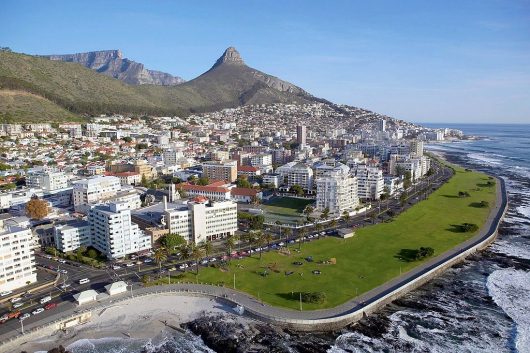
How Credit Access in South Africa Can Change Lives

credit access in South Africa
In order to have a stable and profitable economy, a country must rely on instilling credit options for its citizens. This comes with some downfalls, such as the ability to spend more than one earns, and can lead to debt.
Credit access in South Africa became a struggle for its citizens, and in 2001, about 57 percent of the country lived below the poverty line. More often than not, it’s poor people that lack credit for loans and other ways to get funds.


Accessing Financial Services

During apartheid, many South Africans were denied access to simple financial services like being able to establish credit. Whether caused by social barriers or policies, the people living in the country strived for change once the divisive political system came to an end.

South Africans were able to pass the National Credit Act in 2005, an act that allows for the promotion and advancement of “the social and economic welfare of South Africans, and also promotes a fair and transparent credit market and industry to protect consumers,”  according to the Banking Association of South Africa. 


A Decade of Results

In the decade after the law was passed, there has been a significant increase in job retention, income and even the quality of food being grown and purchased. South Africans’ lives were affected in positive ways as a direct result of having a credit score. Credit access in South Africa also helped people feel that they still had ways to support their families, even during times of job insecurity.


Lulalend

Lulalend is a South African based lending company that aims to help small businesses reach their potential growth levels and caters to what they call small and medium enterprises (SMEs). Founded in 2014, the organization aims to make a difference for businesses “too small to receive credit from traditional commercial banks, yet too large to receive credit from micro-financing businesses.”

Lulalend helped with credit access in South Africa in a major way because the application and review process is so quick. However, it has come with some drawbacks: in a 2015 World Bank report, South Africans were the world’s biggest borrowers and also managing their debt poorly.


A Brighter Future

As long as credit providers are willing to work with the borrowers, the economy may become stable enough to support the country without a large market crash. Efforts such as improved credit access are the crucial routes necessary to changing this region’s economic status.

– Nikki Moylan

Photo: Wikimedia Commons

February 13, 2018
https://borgenproject.org/wp-content/uploads/borgen-project-logo.svg 0 0 Borgen Project https://borgenproject.org/wp-content/uploads/borgen-project-logo.svg Borgen Project2018-02-13 01:30:232024-05-29 22:39:20How Credit Access in South Africa Can Change Lives
Global Poverty

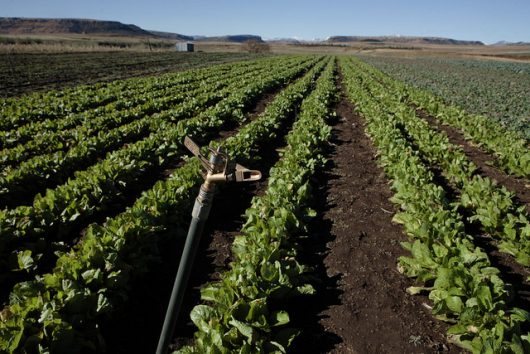
How Organizations Are Building Sustainable Agriculture in Lesotho

sustainable agriculture in Lesotho

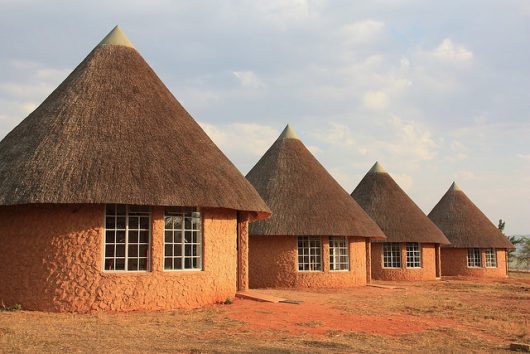
The Kingdom of Lesotho is a mountainous country in sub-Saharan Africa. Only around 10 percent of lands have agricultural potential, but most of them are degraded. Frequent droughts, irregular rainfall, occasional flooding and the severe climate conditions significantly influence the ability to produce sustainable agriculture in Lesotho.

Due to water and soil erosion, overgrazing and severe land degradation, at the end of 2017, Lesotho needed external food assistance. Extreme weather lowered the annual agricultural productivity. Food security has thus become one of the most crucial issues in Lesotho. In recent years, various international institutions, such as the World Bank, the Food and Agriculture Organization of the United Nations (FAO) and the International Fund for Agricultural Development (IFAD), have been continuously offering help to improve sustainable agriculture in Lesotho.

On Sep. 29, 2017, the World Bank financed Lesotho’s Smallholder Agriculture Development Project with $10 million to develop market output in Lesotho’s agriculture sector. The World Bank and the Global Environment Facility implemented the project in 2011. This project aims to aid smallholder farmers in exploring the agriculture market and boosting productivity.

In an interview with Lesotho Times in October 2017, Mahala Molapo, the Minister of Lesotho Agriculture and Food Security, said Lesotho’s agriculture sector was at a turning point. Molapo said the nation has made a mega-plan, which focuses on the chain process from agricultural input supply to the market. Lesotho would cooperate with different stakeholders to further develop sustainable agriculture in Lesotho.

“The ministry understands that our agricultural sector is vulnerable to the effects of climate change,” Molapo said. “Through our extension services, we will continue working with partners to support climate-smart agriculture.”

In the 1950s, Joseph J. Machobane developed a sustainable agricultural system called the Machobane Farming System (MFS), which is a simple, low-input technique based on an intercropping and localized application of organic manures. In 1991, the FAO incorporated MFS into its two agricultural programs in Lesotho. Under the traditional agricultural system, the general family needs 1.2 hectares to assure food security. Under MFS, however, the average family only needs less than 0.5 hectares to solve food problems.

In December 2004, IFAD implemented the Sustainable Agriculture and Natural Resource Management Program in Lesotho. This program aimed to improve food security and family nutrition, and it has trained farmers in field crop, fodder, pest and disease control and irrigation techniques.

In October 2012, Lesotho suffered a food insecurity crisis, which caused 725,215 people to need food aid. In response to this crisis, the FAO and the Ministry of Agriculture and Food Security launched a three-year cycle program named the Emergency and Resilience Program to promote conservation agriculture and ameliorate nutrition in Lesotho. From 2012 to 2014, this program supported more than 18,500 households.

For next steps, the FAO, IFAD and the World Bank will work to continuously strengthen sustainable agriculture in Lesotho, including:

  • Monitoring frameworks for Integrated Water Catchment Initiatives.
  • Applying the mega-plan as a long-term blueprint.
  • Training more farmers conservative agriculture.

Sustainable agriculture in Lesotho can be achieved with the persistent efforts of organizations like these. As Molapo says, “We are at a turning point and I believe with hard work, partnerships, strong systems and innovation, the vision of a food-secure Lesotho is within reach.”

– Judy Lu

Photo: Flickr

February 13, 2018
https://borgenproject.org/wp-content/uploads/borgen-project-logo.svg 0 0 Borgen Project https://borgenproject.org/wp-content/uploads/borgen-project-logo.svg Borgen Project2018-02-13 01:30:182024-05-29 22:39:25How Organizations Are Building Sustainable Agriculture in Lesotho
Global Poverty

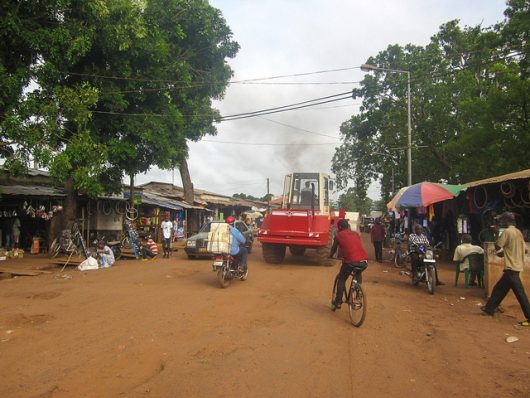
Projects to Improve Infrastructure in Guinea-Bissau

infrastructure in Guinea-Bissau
Since the early 1980s, one of Guinea-Bissau‘s main goals has been to develop and improve its fundamental facilities and services. Some of the needs for successful infrastructure in Guinea-Bissau include improvements to:

  • Transportation
  • Electricity Access
  • Telecommunications


Transportation

With 2,734 miles of roads in Guinea-Bissau, only 10 percent are paved. This has attracted foreign aid in the form of sealing the main road to the northern border and constructing a major bridge at Joao Landin.

Guinea-Bissau has many rivers that can be accessed for coastal shipping, but the water transport needs major improvement. Bissau is the main port, and there have been plans for a European Union-sponsored deep-water port that will specialize in minerals and link to Guinea by rail.

Since the elimination of the privatized national airline, Guinea-Bissau has had to rely on foreign-owned carriers. The Guina-Bissau civil war that lasted from June 7, 1998, to May 10, 1999, severely disrupted flights and the main airport reopened in July 1999. In 2000, the country had about 29 airports but only three with paved runways.


Electricity

Guinea-Bissau has one of the lowest electrification rates in Africa. This rate indicates the number of people with electricity access as a percentage of the total population. Electricity is not accessible to a large part of the population, mostly due to corruption and inefficiency. The country is completely dependent on petroleum products, despite its own high energy potential, especially in hydroelectric power.


Telecommunications

The government of Guinea-Bissau announced its intention to liberalize the telecom industry, extend telecommunications to the whole country and introduce a cellular network. The internet access for the network would be provided by the U.S. Agency for International Development (USAID). In 1997, there were 8,000 telephones in the country, and in 2000, there was one internet service provider with about 1,500 internet users. As of July 2016, less than 1 per 100 people in Guinea-Bissau had a fixed phone line, but more than 70 percent of people had a mobile cell phone. The country now has five internet service providers and about 66,000 internet users.


Rehabilitation Projects

The World Bank conducted various projects to improve the infrastructure of Guinea-Bissau. The goal of its Social and Infrastructure Relief Project (SIRP) was to improve job opportunities and financial status for low-income workers through the support of activities with high social and economic benefits. The bank committed $15 million to the project.

Results for the SIRP in Guinea Bissau were satisfactory. There continues to be a need for assistance in the development of more detailed procedures and in fully implementing the introduction of the accounting system.

The purpose of the bank’s Multi-Sector Infrastructure Rehabilitation Project (MIRP) was to improve the access to power, water and road infrastructure services. The World Bank committed $5 million to the project, but the results were not as successful as the SIRP.

Initially, the program leadership expected the private sector to participate and contribute to the energy and water sectors. However, the willingness of the private sector to get involved in a volatile political environment was overestimated and unrealistic. Additionally, there was an imbalance of supervision between project groups. 

With continued efforts to improve the infrastructure in Guinea-Bissau, the country is headed for advancement and progress.

– Julia Lee

Photo: Flickr

February 12, 2018
https://borgenproject.org/wp-content/uploads/borgen-project-logo.svg 0 0 Borgen Project https://borgenproject.org/wp-content/uploads/borgen-project-logo.svg Borgen Project2018-02-12 13:30:052024-12-13 17:58:36Projects to Improve Infrastructure in Guinea-Bissau
Global Poverty

Credit Access in Belarus

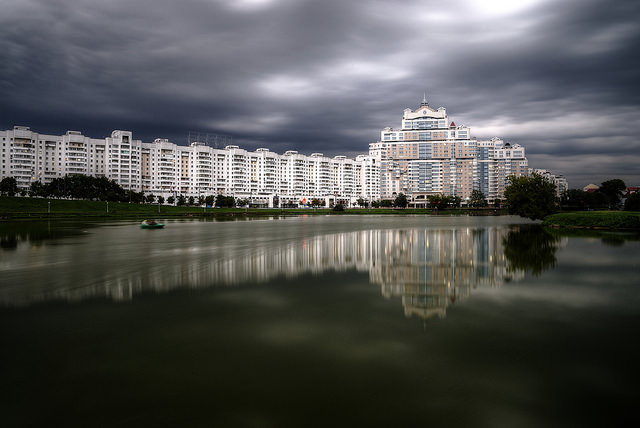
credit access in BelarusFor emerging economies, ensuring as many people as possible have access to credit is an important step in promoting economic activity. Improved credit access in Belarus will encourage economic growth as more people are able to start businesses. It will also give people greater confidence in the economy and encourage them to spend more money.
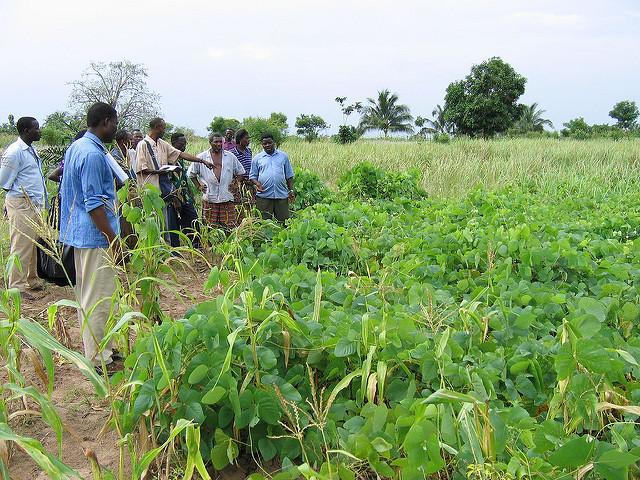
The Belarus economy struggles primarily with financial inclusion. This means that although the Belarusian economy has the financial infrastructure in place to offer people financial products, many people do not take advantage of them. Surveys have indicated that this is primarily due to low levels of financial literacy in Belarus, as well as the financial system’s inability to reach people in rural areas as easily as their urban counterparts. However, some of the results have indicated that Belarusian banks just do not lend liberally enough to ensure full credit access in Belarus.

International Involvement

This is where the international community can and does step in. Belarus is a country that stands to benefit from greater access to microloans, which are often provided by international actors such as the U.S. Agency for International Development (USAID) and the European Union.

The European Investment Bank (EIB) is currently contemplating a major contribution to improving credit access in Belarus. The EIB is considering providing the equivalent of a $100 million credit line for small and medium-sized enterprises. This line of credit will be used in conjunction with loans provided by Belarusian banks. The EIB funds are to be used to provide half of the financing requested by borrowers, with the World Bank, the European Bank for Reconstruction and Development, or local banks covering the rest. The EIB loans also come with a five year grace period during which no payments are due on the principal of the loan.

Making this financing available will greatly improve credit access in Belarus for would-be business owners and will enable many more people to start their own businesses. This project is notable because it will prioritize making capital available to those wishing to use it for projects that will promote broader economic development.

Financial History

Steps are also being taken to improve financial literacy along with credit access in Belarus. USAID is working with local nonprofits who provide microloans to organize training for borrowers to ensure that they understand the terms of their loans and are able to pay them back.

Additionally, the Belarusian credit registry has recently moved to give all Belarusians access to their credit reports via the internet. Previously, this information was only available to customers of one particular bank. Now, any Belarusian is entitled to view their credit report once a year free of charge. People can view their report additional times for a nominal fee.

Giving people greater access to their credit history is a major accomplishment and has the potential to promote greater credit access in Belarus. It can encourage more people to engage with the financial system and give them a clearer picture of where they stand, enabling them to make informed decisions about their finances. With increased financial knowledge, people could potentially be encouraged to take out loans they previously would not have thought themselves eligible for. All of this, in turn, will generate more economic activity.

Belarus is an emerging market that will benefit greatly from improved credit access. Ensuring full credit access is an easy way to promote economic development and improve quality of life. Thanks to both local and international actors, Belarus is making major strides in this area.

– Michaela Downey
Photo: Flickr

February 11, 2018
https://borgenproject.org/wp-content/uploads/borgen-project-logo.svg 0 0 Borgen Project https://borgenproject.org/wp-content/uploads/borgen-project-logo.svg Borgen Project2018-02-11 13:30:192024-06-05 23:55:38Credit Access in Belarus
Global Poverty

Addressing the Lack of Sustainable Agriculture in Togo

sustainable agriculture in TogoTogo is a West African nation on the Gulf of Guinea known for its palm-lined beaches and hilltop villages. With 32 percent of the population living below the poverty line, there have been efforts made toward improving sustainable agriculture in Togo.

Togo’s small sub-Saharan economy is dependent on both commercial and subsistence agriculture, with cocoa, coffee and cotton generating about 40 percent of export earnings. Additional products include beans, cassava, fish, livestock, maize, millet, rice, sorghum and yams. Of the nation’s total land area, 44 percent is used for cultivated crops and two percent for permanent crops like fruit- and nut-bearing trees.

The organization Fly for Life is a nonprofit with the mission to promote sustainable tourism and organic farming by improving the environment, education and incomes of farming communities. Jeremies Pimzi, a social entrepreneur, founded Fly for Life. With help from eco-volunteers, the organization has been able to successfully provide more sustainability in Togo, such as training programs in organic methods, sustainability education and financial management.

Eco-volunteers provide skills and training on increasing sustainable tourism and organic farming. In exchange, the volunteers gain firsthand knowledge about the local customs and culture and develop close relationships with the Togolese. Some of the funding from volunteers has also supported education in the small farming communities of Havu and Soumdina Mountain Village, helping families afford school for their children.

Over 90 percent of the small communities that Fly for Life engages with are dependent on agriculture for their livelihoods. Environmental issues in Togo include deforestation due to slash-and-burn agriculture, the use of wood for fuel and water pollution. The nonprofit aims to transition the nation from unsustainable farming practices to organic methods.

Another key project that addressed sustainable agriculture in Togo was USAID WAFP, or West Africa Fertilizer Program, which occurred from 2012-2017. The project was meant to improve the supply and distribution of appropriate and affordable fertilizers in West Africa. The project broadened its reach to have regional impact across the West Africa sub-region, benefiting 15 ECOWAS (Economic Community of West African States) countries as well as Mauritania and Chad.

To accomplish its goal, WAFP focused on creating a conducive policy for increased investment in the fertilizer business. It facilitated access to business, investment and financing information that allowed the private sector to deliver quality and affordable fertilizers to farmers.

Because of the work of organizations and the implementation of eco-friendly ideas and practices, there can be better, more sustainable agriculture in Togo.

– Julia Lee

Photo: Flickr

February 11, 2018
https://borgenproject.org/wp-content/uploads/borgen-project-logo.svg 0 0 Borgen Project https://borgenproject.org/wp-content/uploads/borgen-project-logo.svg Borgen Project2018-02-11 07:30:252024-05-29 22:39:12Addressing the Lack of Sustainable Agriculture in Togo
Global Poverty

Credit Access in Cuba: Cuentapropistas Are in Need

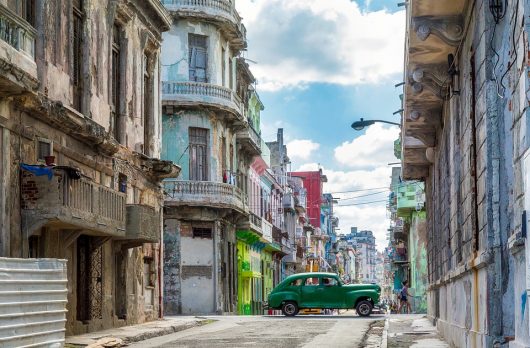
credit access in CubaCuentapropistas, small and medium-sized Cuban private enterprises, do not have access to the assets they need in order to continue to prosper in Cuba. Since the initiation of President Raúl Castro, the amount of private business owners has tripled and the number of nonagricultural co-ops and individuals renting property has also continued to grow. For a continuous trajectory, credit access in Cuba for these cooperative enterprises and individuals needs investments and working capital.
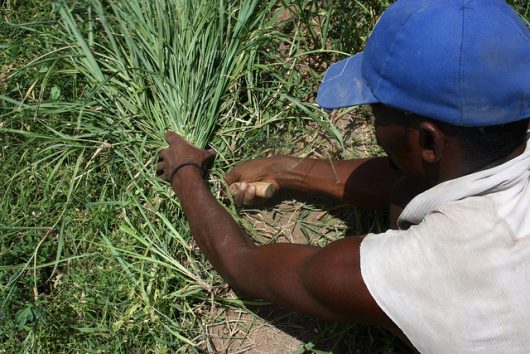
There are over half a million legally registered cuentapropistas in Cuba and the numbers are still rising. These Meso, Small and Micro Enterprises (MSMEs) are an important economic asset to both Cubans and travelers, providing them with a wide variety of goods and services, creating employment and generating income.

Although microfinance lending has widened, it is still very limited. Statistics collected from the Central Bank of Cuba showed that in the wake of the government banking reform in 2011, 378,011 people received financing worth $135 million between the years 2012 and 2014. Only 34 percent of lending went to sole farmers and small enterprises, while micro enterprises accounted for about 2.6 percent. 63 percent of the loans that were lent went toward financing the construction of homes and renovating businesses.

Microcredit has been available in Cuba solely through local banks, as opposed to international banks or NGOs, which has presented a number of disadvantages to its success. Many Cubans lack a credit history, which has ruined the credibility and creditworthiness of borrowers. Another obstacle hindering credit access in Cuba is the lack of knowledge of the usage of credit among business owners primarily due to the many years of the nation’s state-owned and-operated political and economic system.

However, this has not stopped Credit4Cuba, a nonprofit foundation established in the year 2015 in the Netherlands by Marije Oosterhek and Dennis Schmidt. This organization is making a difference for cuentapropistas by supporting small and growing enterprise development in Cuba. Credit4Cuba works closely with existing groups in Cuba by providing the proper practical training and coaching assistance to entrepreneurs hoping to enter the world of cuentapropistas in order to expand their existing business.

Aside from offering training and coaching, Credit4Cuba aims to set up a social impact hub in Havana. It hopes to create a social community where entrepreneurs can meet to interchange experiences and collaborate on ideas in order to create opportunities and join efforts toward developing their businesses. In the near future, Credit4Cuba will work to connect cuentapropistas with social investors, entrepreneurs and trainers worldwide, provided that all participants will contribute toward the Sustainable Development Goals and work to create a positive influence in Cuba.

Microfinance organizations similar to Credit4Cuba, like the Grameen Bank and Kiva, are not only helping the economy for developing countries to prosper, but they are also contributing to the reduction of poverty. Credit access in Cuba for small business owners is slowly moving in the right direction.

– Zainab Adebayo

Photo: Pixabay

February 11, 2018
https://borgenproject.org/wp-content/uploads/borgen-project-logo.svg 0 0 Borgen Project https://borgenproject.org/wp-content/uploads/borgen-project-logo.svg Borgen Project2018-02-11 07:30:062019-12-09 06:16:16Credit Access in Cuba: Cuentapropistas Are in Need
Global Poverty

Efforts to Improve Levels of Sustainable Agriculture in Djibouti

sustainable agriculture in Djibouti
Sitting at a major waterway entrance to the gulf-states region, Djibouti is a critical gatekeeper in the international economy. However, despite this status, the country has an extremely low quality of life and agricultural opportunity. Sustainable agriculture in Djibouti is a long-term project, but thankfully one that is making major headway in the region.

There are several projects focused on sustainable agriculture in the area, including projects through the Djibouti Ministry of Agriculture, Water, Fisheries, Livestock and Marine Resources (MAWFLM), the World Bank Group and the African Development Bank Group. These projects are diverse and focus on everything from economic sustainability to increasing clean water supply, and will have both short-term capability and long-term effects on sustainable agriculture in Djibouti.


The Djibouti Ministry of Agriculture, Water, Fisheries, Livestock and Marine Resources

Sustainable agriculture in Djibouti is not a quick fix. According to a report from the MAWFLM, currently there is nearly no available land with access to clean water on which to farm. Since the landscape is so dry and barren, the MAWLFM has encouraged farmers to begin digging deeper wells so they can access clean underground reservoirs to irrigate their crops. The MAWFLM, in conjunction with the Japanese government, has been working to determine the most effective source of irrigation in the region.

During their research, MAWFLM discovered that shallow wells are likely going to be the most cost-effective form of irrigation, but that groundwater will be most useful for off-season irrigation. This research is imperative for increasing the number of agricultural products grown in Djibouti, and MAWFLM is continuing research in sustainable and economically efficient forms of water sustainability.


The World Bank Group

An integral part of growing a sustainable agriculture market in Djibouti is acquiring the ability to power any machinery needed. For the World Bank Group, electrification of rural areas was a major investment for Djibouti. The group began researching the best way to electrify Djibouti for farmers in 2017, so as a fairly new project, it hasn’t seen many results as of yet.

However, the plan is to invest nearly $23.4 million total in building not only facilities to increase power connectivity but to also teach technicians and electricians how to work with the new technology.

While it is yet to be determined how the World Bank Group’s electrification project will work, it’s a huge step toward modernization in Djibouti.


The African Development Bank Group

The African Development Bank Group is one of many groups working to improve infrastructure, but they stand out among the rest because they are based and run out of African nations. The group works to not only improve the quality of infrastructure in African countries, but to also advocate for long-term relief in many different areas of sustainability.

The Bank Group has advocated for Djibouti’s sustainable agriculture progress since 2004, and are continuing to lead in legislative advocacy for climate change and agriculture growth.

There are plenty of groups working to improve sustainable agriculture in Djibouti, and there are also other international organizations working to help provide for the many who are still affected by agriculture infertility in the area. Sustainable agriculture in Djibouti is a long-term project, but it is one that is being thoroughly pursued.

– Molly Atchison

Photo: Flickr

February 10, 2018
https://borgenproject.org/wp-content/uploads/borgen-project-logo.svg 0 0 Borgen Project https://borgenproject.org/wp-content/uploads/borgen-project-logo.svg Borgen Project2018-02-10 01:30:142019-12-09 06:20:23Efforts to Improve Levels of Sustainable Agriculture in Djibouti
Global Poverty

Crucial Developments in Sustainable Agriculture in Sierra Leone

Sustainable Agriculture in Sierra Leone
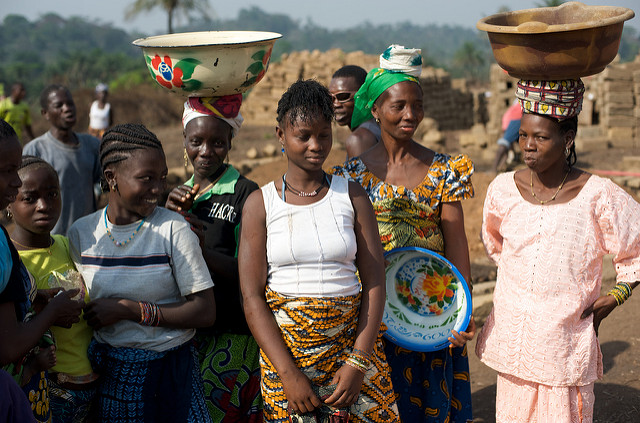
Agriculture is the economic and cultural mainstay of Sierra Leone — rice and cassava, drought-tolerant crops, are staples in a typical Sierra Leonean diet. Although agriculture is crucial, sustainable agriculture in Sierra Leone is unfortunately inadequate.

USAID expresses agriculture as the “pillar of economic and cultural relevance” in Sierra Leone. About 60 percent of the labor force is based in subsistence farming, a system in which farmers grow enough food to feed their own families. Sustainable agriculture in Sierra Leone is behind due to lack of diversification, labor shortages and soil infertility. Fortunately, investing in sustainable agriculture can be accomplished through integrated agriculture systems.


Integrated Agricultural System

The integrated agricultural system, according to the Food and Agriculture Organization, adopts a mixture of diverse crucial crops (from pasture to fish), increases production and improves access to markets. Sustainable agriculture in Sierra Leone will benefit people as diversification of farming and fishing practices will stabilize food security and decrease malnutrition.


Diversification of Staple Foods

Rice is an important staple in Sierra Leone meals. To establish sustainable agriculture in Sierra Leone, people need to ease their dependency on rice and alternate it with other crops, such as yams, sweet potatoes and cassava. The reason for this diversification is to decrease food imports in hopes of promoting local and sustainable alternatives. The high consumption of rice is not produced fast enough to meet demand, hence the emphasis of other crops can help reduce malnutrition, boost food security and decrease dependency on neighboring countries for money.


Sustainable Agriculture Outcomes

By promoting sustainable agriculture in Sierra Leone, diversifying agriculture and improving infrastructure, food security in the nation will most likely improve. Improving infrastructure in Sierra Leone will also allow rural communities to access urban areas and food security.

The Food and Agriculture Organization (FAO) seeks to establish sustainable agriculture in Sierra Leone through responsible development. According to the World Health Organization (WHO), Sierra Leone has very high potential in fostering agricultural production that can decrease malnutrition and promote food security. In order for Sierra Leone to achieve such aspirations, both the community and government need to strengthen ties and develop resources and responses to food demands.


Sustained Effort

WHO also suggests utilizing the terrain and planting new crops that will provide nutrients for the people, educating communities on practical agricultural knowledge and fostering skills to increase access to markets.

There is much-needed reform and plans to establish sustainable agriculture in Sierra Leone, and the development and implementation of these agendas can bolster the country against poverty and malnutrition. With several organizations, communities and government officials working towards sustainable agriculture, Sierra Leone will most likely witness beneficial (and substantial) progress.

– Jennifer Serrato

Photo: Flickr

February 10, 2018
https://borgenproject.org/wp-content/uploads/borgen-project-logo.svg 0 0 Borgen Project https://borgenproject.org/wp-content/uploads/borgen-project-logo.svg Borgen Project2018-02-10 01:30:002024-05-29 22:39:14Crucial Developments in Sustainable Agriculture in Sierra Leone
Global Poverty

Sustainable Agriculture in Myanmar Could Improve Economy

sustainable agriculture in MyanmarIn 2015, the FAO recognized Myanmar as one of 72 countries that cut its population of people suffering from hunger in half, one of the Millennium Development Goals set by the U.N. The agriculture industry in Myanmar accounts for a majority of the country’s income and is its largest source of employment, so it makes sense that there are dozens of opportunities for growth in sustainable agriculture in Myanmar.

The potential for Myanmar’s agriculture to improve is strong. Though the country has one of the lowest yields in Southeast Asia, Myanmar also has some of the lowest labor costs. In order to capitalize on the opportunities provided by the current economic climate, Myanmar’s government has created a set of agricultural policies to “establish a peaceful, modern and developed country.” The 12 policies focus on furthering development, protecting and educating farmers and reducing poverty through the agriculture industry.

Sustainable agriculture in Myanmar is pioneered by a large population of small-scale rural farmers. Approximately 70 percent of the country’s population depends on agriculture for food and income, and the government is making an effort to support this population through The Law of Protection of the Farmer Rights and Enhancement of their Benefits. The law was enacted in 2013 and a Leading Body was appointed to assist Burmese farmers and enforce the regulations under the law. The Leading Body is in charge of giving loans, ensuring that farmers get reasonable payment for their products and importing technology, fertilizers, seeds, pesticides and other necessary provisions.

At this time, Myanmar’s biggest agricultural export is rice. According to the Ministry of Commerce, the demand for rice produced in Myanmar is the highest it has been in 50 years. However, other major rice exporters in Southeast Asia—such as Thailand and Cambodia—are taking advantage of the rising demand for high-quality rice. Myanmar has previously capitalized on exporting to low-quality markets and thus has a history of outputting low-quality products. Going forward, sustainable agriculture in Myanmar will only continue to improve if the quality of the industry’s products improves. As the industry evolves, new strains of higher-quality rice and other cereals are slowly being introduced to Burmese farms.

Many opportunities are arising to continue the development of sustainable agriculture in Myanmar. As working conditions improve and the industry grows, Myanmar’s residents are looking at an improvement of the country’s overall economic wellness.

– Anna Sheps

Photo: Flickr

February 9, 2018
https://borgenproject.org/wp-content/uploads/borgen-project-logo.svg 0 0 Borgen Project https://borgenproject.org/wp-content/uploads/borgen-project-logo.svg Borgen Project2018-02-09 07:30:422024-05-29 22:39:13Sustainable Agriculture in Myanmar Could Improve Economy
Global Poverty

Infrastructure in Montenegro Benefiting from Green Technology

infrastructure in Montenegro

The Balkan nation of Montenegro has undergone rapid economic development in recent years. While Montenegro has been largely successful in the 10 years since it declared independence from Serbia, infrastructure in Montenegro continues to face problems of inefficiency. Nowhere are these problems more apparent than in the highway system and the building stock. That being said, steps are being taken to address these problems and ensure that these issues do not hinder Montenegrin progress as time goes on.

The first major issue is the fact that Montenegro’s roads and highways are not all up to the task of connecting all the areas of the rapidly developing country. Existing roads are in disrepair and often take long or inefficient routes to connect two points. Additionally, there remain certain areas of the country that are not yet serviced by major road networks.  This wastes fuel and makes travel to other parts of the country virtually impossible for some Montenegrins.

The European Bank for Reconstruction and Development aims to fix these issues by providing a total of €25 million to, directly and indirectly, support an overhaul of the country’s roads and highways. These improvements will make travel safer, easier and more accessible to more of the Montenegrin population.

The second challenge that Montenegro will face going forward is its aging building stock. Montenegrin cities are often full of Soviet-era “panelak” or panel-style buildings. These were almost all built prior to 1990 and were only built to last for about 30 years, and many of the buildings were already in varying states of disrepair by the time the regime collapsed.

These buildings are also incredibly inefficient to heat. While replacing them all at once is virtually impossible, alternative ways to retrofit them, prolong their lifespans and make them more energy-efficient are taking hold. Along with traditional improvements, adding green roofs to these buildings is becoming popular.

In addition to being nice amenities, studies have shown that green roofs are able to significantly reduce the amount of heat that radiates from a building via the roof. This helps to keep most of the heat in the residences, where it should be, and reduce overall energy usage. This promises to go a long way towards promoting green infrastructure in Montenegro as well.

Some infrastructure in Montenegro has a long way to go before it catches up with the rest of the country. That being said, improvements are underway. While still less than ideal, Montenegrin infrastructure can be expected to undergo major improvements as the economy continues to develop, making it more environmentally friendly while still improving everyday life and bringing greater convenience to many Montenegrins.

– Michaela Downey

Photo: Flickr

February 9, 2018
https://borgenproject.org/wp-content/uploads/borgen-project-logo.svg 0 0 Borgen Project https://borgenproject.org/wp-content/uploads/borgen-project-logo.svg Borgen Project2018-02-09 07:30:342024-05-24 23:52:07Infrastructure in Montenegro Benefiting from Green Technology
Page 15 of 44«‹1314151617›»

Get Smarter

  • Global Poverty 101
  • Global Poverty… The Good News
  • Global Poverty & U.S. Jobs
  • Global Poverty and National Security
  • Innovative Solutions to Poverty
  • Global Poverty & Aid FAQ’s
Search Search

Take Action

  • Call Congress
  • Email Congress
  • Donate
  • 30 Ways to Help
  • Volunteer Ops
  • Internships
  • Courses & Certificates
  • The Podcast
Borgen Project

“The Borgen Project is an incredible nonprofit organization that is addressing poverty and hunger and working towards ending them.”

-The Huffington Post

Inside The Borgen Project

  • Contact
  • About
  • Financials
  • President
  • Board of Directors
  • Board of Advisors

International Links

  • UK Email Parliament
  • UK Donate
  • Canada Email Parliament

Get Smarter

  • Global Poverty 101
  • Global Poverty… The Good News
  • Global Poverty & U.S. Jobs
  • Global Poverty and National Security
  • Innovative Solutions to Poverty
  • Global Poverty & Aid FAQ’s

Ways to Help

  • Call Congress
  • Email Congress
  • Donate
  • 30 Ways to Help
  • Volunteer Ops
  • Internships
  • Courses & Certificates
  • The Podcast
Scroll to top Scroll to top Scroll to top