• Link to X
  • Link to Facebook
  • Link to Instagram
  • Link to TikTok
  • Link to Youtube
  • About
    • About Us
      • President
      • Board of Directors
      • Board of Advisors
      • Financials
      • Our Methodology
      • Success Tracker
      • Contact
  • Act Now
    • 30 Ways to Help
      • Email Congress
      • Call Congress
      • Volunteer
      • Courses & Certificates
      • Be a Donor
    • Internships
      • In-Office Internships
      • Remote Internships
    • Legislation
      • Politics 101
  • The Blog
  • The Podcast
  • Magazine
  • Donate
  • Click to open the search input field Click to open the search input field Search
  • Menu Menu

Tag Archive for: Economic Growth

Information and news about economic growth

Posts

Global Poverty

Sustainable Agriculture in Macedonia Boosted by Training Programs

sustainable agriculture in Macedonia

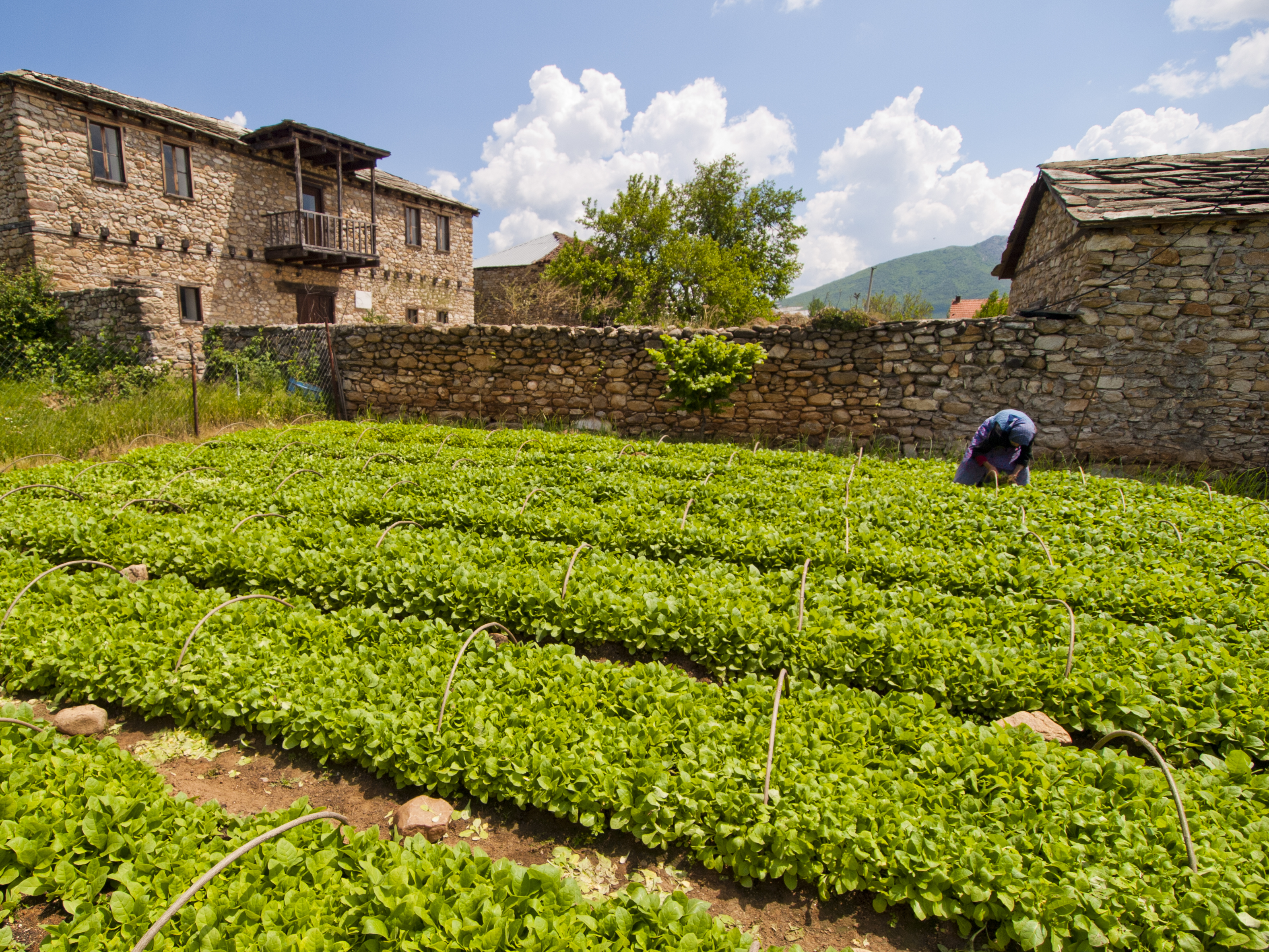
Sustainable agriculture in Macedonia has generated major interest recently. The country’s varied and often rugged terrain means that farming can be rather unpredictable, but it also means that many farmers are eager to learn about new techniques and technologies that can make their lives easier and help to improve crop yields.

There are, of course, some obstacles to promoting sustainable agriculture in Macedonia, but they are comparatively few. The main issue is that pastureland is state-owned and tends to be in poor condition. The other major obstacle is that the vast majority of farms are relatively small, and so it is often difficult for farmers to attain economies of scale that can help them compete and save them money.

That being said, the United Nations Development Programme and other actors are taking many steps to promote sustainable agriculture in Macedonia. The high degree of international involvement has created what is essentially a multi-pronged approach.

The U.N. recently organized a series of training programs for farmers from Macedonia and other Eurasian countries to introduce them to more sustainable practices, such as selecting crops that are appropriate for the environment and relying less on wasteful irrigation practices. The training also included tips on how to save money and stay competitive in the global economy, even for very small farms.

Many of those present said that not only did they appreciate the advice they were being given, but also the chance to connect with farmers from other countries and share their experiences. Notably, some of the techniques that the farmers were trained in were actually developed by fellow attendees.

The farmers were also educated about grants and subsidies available to them if they are interested in implementing more sustainable practices. The availability of financial assistance will prove key to promoting sustainable agriculture in Macedonia, as the main obstacle for many of these farmers is the high cost of switching to some of these practices.

In addition to international actors, there are also many NGOs working to promote sustainable agriculture in Macedonia. Sustainable Agriculture for Sustainable Balkans is one such organization. Working together with the EU, it focuses primarily on collecting and distributing information that can help farmers make informed decisions about which techniques they might like to implement on their own farms.

CeProSARD is another key player promoting sustainable agriculture in Macedonia. Its mission is rural development, and in a country like Macedonia, that goes hand in hand with agriculture. In addition to funding research on best practices, CeProSARD also networks with farmers and other key stakeholders and advocates for meaningful change.

Macedonia is a good example of a country where external support can really help to promote change. The case of Macedonia demonstrates that key stakeholders are more often than not aware of an issue and want to rectify it, but may need guidance or support in order to do so. Supporting these actors is an easy way for the international community to bring about major improvements quickly and easily.

– Michaela Downey

Photo: Flickr

February 9, 2018
https://borgenproject.org/wp-content/uploads/borgen-project-logo.svg 0 0 Borgen Project https://borgenproject.org/wp-content/uploads/borgen-project-logo.svg Borgen Project2018-02-09 07:30:192024-05-29 22:39:12Sustainable Agriculture in Macedonia Boosted by Training Programs
Global Poverty

Efforts Towards Sustainable Agriculture in West Bank and Gaza

sustainable agriculture in West Bank and Gaza
The West Bank is a landlocked territory near the Mediterranean coast of Western Asia, the majority of which is under Israeli control; Gaza, on the other hand, is on the eastern coast of the Mediterranean Sea. Palestinians consider the West Bank and Gaza Palestinian territories that together constitute the State of Palestine.


Agriculture

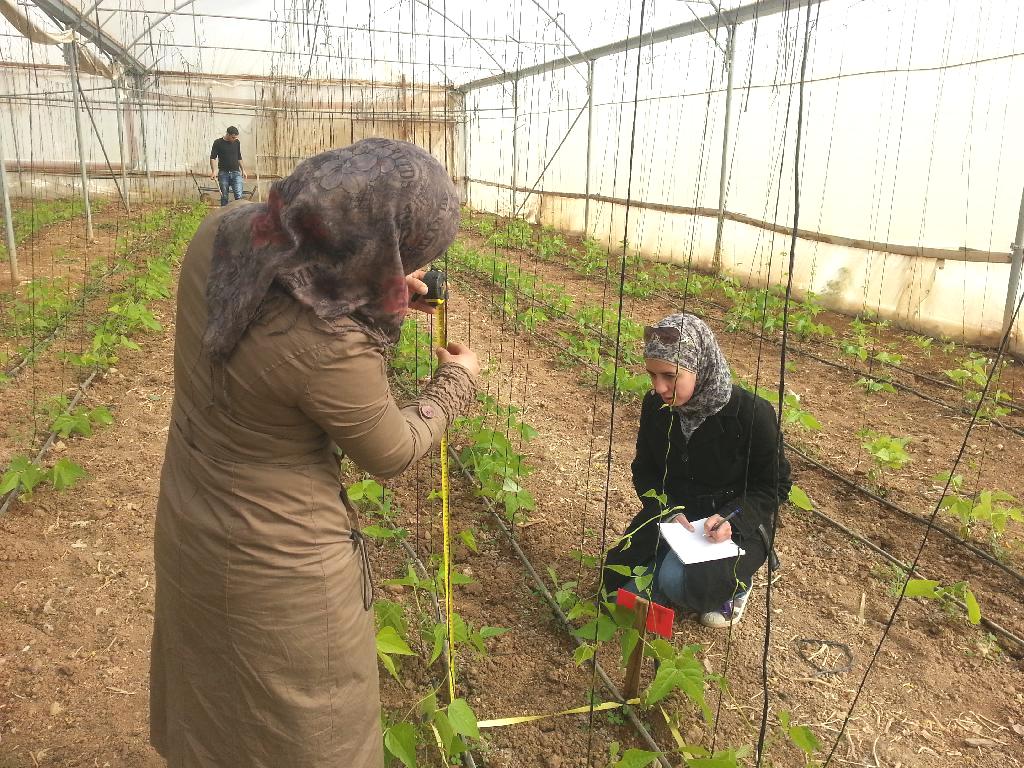
Agriculture is one of the most crucial sectors for Palestine as it “contributes significantly to income, exports, food security and job creation.” However, due to the ongoing violence, political instability and land loss in these regions, Palestinian farmers have been unable to meet even their basic necessities, let alone earn a higher income. Consequently, developing sustainable agriculture in West Bank and Gaza is crucial right now.


Water

Limited access to water and land loss prevents Palestinian farmers from making a living. High costs of livelihood inputs such as fertilizers reduce farmers’ profits, locking people in these regions in poverty. The Food and Agriculture Organization (FAO) of the United Nations recognizes the challenges Palestine faces in this sector and has set out to work towards building sustainable agriculture in both the West Bank and Gaza.

For instance, in order to address water scarcity that prevents efforts to grow crops and raise livestock in these regions, the FAO is collaborating with partners “to build and repair cisterns to collect rainwater.” Additionally, the FAO is building grey wastewater treatment units that recycle water daily, thereby “providing supplementary irrigation for rangeland and home gardens.”

In order to help communities improve farming, FAO introduces innovative techniques of producing food such as “establishing vegetable gardens on the tops of buildings and fishponds that recycle nutrients and moisture to sustain crops – maximize the use of limited space and resources.” Additionally, the FAO also provides high-quality seeds and other inputs in order to ensure that people can obtain more food and gain higher income from their plots.


Education

The FAO also invests in people, by supporting junior farmer field and life schools (JFFLSs) that teach “agricultural, life and entrepreneurial skills” to school girls and boys. These schools cover essential topics such as food production and preservation, nutrition, and business management. The goal of these schools is to instill confidence in the young population and develop their potential in this sector.


FAO-Led Change

There is hope for sustainable agriculture in West Bank and Gaza since past projects led by the FAO in these regions have made significant contributions to this sector. For instance, the FAO-led project called Market-Oriented and Sustainable High-Value Crops Development in the West Bank and Gaza Strip was implemented from 2013 to 2016 and managed to:

  • Improve the capacity of high-value crops (HVC) farmers to apply “cost-efficient and product quality-based improved agricultural practices throughout the entire HVC production chain”.
  • Support 1,489 farmers to “efficiently and sustainably adopt GAPs through the cultivation of HVCs in 4,063 dunums.
  • Produce 2,490 tonnes of GLOBAL G.A.P. certified high-value crops (HVC) for local and external markets.
  • Reduce water consumption for high-value crop (HVC) production by 15 percent from 2015-2016 and energy consumption by 20 percent.

This project’s success indicates that sustainable agriculture in West Bank and Gaza can be achieved with continued investment in this sector. Hopefully, projects like these will help more Palestinian people attain food security and rise out of poverty.

– Mehruba Chowdhury

Photo: Flickr

February 8, 2018
https://borgenproject.org/wp-content/uploads/borgen-project-logo.svg 0 0 Borgen Project https://borgenproject.org/wp-content/uploads/borgen-project-logo.svg Borgen Project2018-02-08 01:30:502024-05-29 22:39:10Efforts Towards Sustainable Agriculture in West Bank and Gaza
Global Poverty

Infrastructure in Tonga Focused on Urban Development

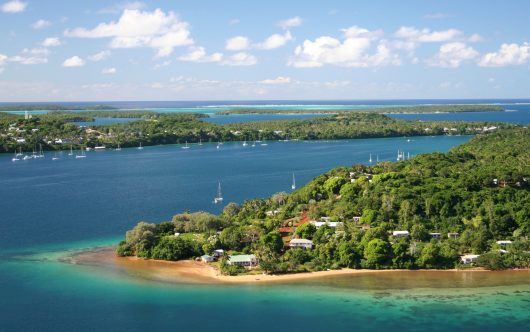
infrastructure in TongaTonga is an archipelago of more than 170 islands in the South Pacific Ocean. This Polynesian country, formerly known as the Friendly Islands, relies on agriculture, fishing and remittances from Tongans living abroad, many of them in New Zealand. Unemployment is high, while the main source of income is in the developing tourist industry.

The island’s small size and geographical isolation result in limited internal, regional and international transport and communication linkage. With few natural responses and vulnerability to external economic shocks, these areas are crucial to Tonga’s economic development and social well-being. Its roughly 105,000 people face decaying infrastructure in Tonga, which when combined with financial constraints poses a challenge of meeting domestic and international transport safety security requirements.


The Ministry of Infrastructure

The Ministry of Infrastructure was created to assist the government with improving infrastructure in Tonga. It began as the Ministry of Transport, whose goal to improve compliance of the civil aviation and maritime entities with international safety and security standards. It was then merged with the Ministry of Works to form the Ministry of Infrastructure. So far, the Ministry of Infrastructure’s successes have included:

  • The creation of a domestic road contracting industry for Tonga which employed 88 people, including 12 women, working on road maintenance throughout Tonga.
  • A total of 171 km of roads maintained or rehabilitated.
  • Improved safety standards for passenger vessels under an improved regulatory framework with the government of Tonga’s Marine and Ports Division.
  • Improved infrastructure in Tonga, including the fire station at the airport and an extension to the airport transit lounge.
  • The establishment of a Road Maintenance Fund to ensure sustainable financing of future investments.


Urban Development Sector Project

Another source of aid to infrastructure in Tonga is the Integrated Urban Development Sector Project, funded by the Asian Development Bank, who stated that rapid population growth has put pressure on the infrastructure in Tonga’s capital, Nuku’alofa. Along with the Australian government aid agency AusAID, this multi-million dollar project focused on six different components of Nuku’alofa’s urban services, including water supply, solid waste services and development of roads and drains. Its goal is also to raise awareness in the community about issues such as household management of solid waste and public health benefits for safe waste disposal. Since 2016, 30 kilometers of expressways, national highways, fully access-controlled roadways and provincial, district and rural road networks have been built or upgraded.

The improvement of infrastructure in Tonga will aid the country a great deal in its economic development. Infrastructure plays such a vital role in every nation and with the projects working hard to sustain Tonga, there is a chance for employment rates and incomes to rise.

– Kailey Brennan

Photo: Flickr

February 7, 2018
https://borgenproject.org/wp-content/uploads/borgen-project-logo.svg 0 0 Borgen Project https://borgenproject.org/wp-content/uploads/borgen-project-logo.svg Borgen Project2018-02-07 01:30:462024-05-29 22:39:08Infrastructure in Tonga Focused on Urban Development
Global Poverty

Sustainable Agriculture in Moldova Key Part of Economic Growth

Sustainable Agriculture in Moldova

Moldova, officially the Republic of Moldova, is a landlocked country surrounded by Romania and Ukraine in eastern Europe. Previously part of the Soviet Union, Moldova was then one of the richest countries in Europe. Nowadays, despite its progress in recent years, Moldova remains the poorest country in Europe.

Moldova is mainly an agricultural country, with about 75 percent of its land utilized for farming and agriculture. However, Moldova still suffers from food insecurity and an unstable economy. The economy in Moldova is thwarted by high government spending and low government integrity. Moldova is nearly completely reliant on agricultural exports to other countries.

Recently, Moldovans have introduced initiatives to create sustainable agriculture in Moldova and to enhance the competitiveness of the agro-food sector.

In 2012, the World Bank funded the Moldova Agriculture Competitiveness Project. The goal of this project is to enhance the competitiveness of the agro-food sector by modernizing food safety management, increasing market access for farmers and creating sustainable land management. This will increase Moldovan agricultural exports to other countries, which will lead to future economic growth. Moldova received over $20 million in funding from the World Bank for the project, including additional funding in 2015 and 2016. The project is set to close in 2019.

The Moldovan non-governmental organization EcoVisio was created in 2017. The aim of the organization is to increase awareness and education for sustainable development in Moldova, specifically in establishing sustainable agriculture in Moldova. The organization has a goal of education in the fields of organic agriculture and eco-construction. This will help create food security in Moldova.

The Food and Agriculture Organization (FAO) of the United Nations has also implemented initiatives within Moldova. Since 2015, the United Nations has spent more than $1 million on creating and strengthening sustainable agriculture in Moldova. In accordance with the Technical Cooperation Program, the FAO has been working to strengthen the food safety system in Moldova. By growing safer and healthier food, Moldovans will be able to create better food security for their country.

Another way that the FAO is trying to create sustainable agriculture in Moldova is through pest control. In particular, the United Nations initiative focuses on integrated pest management, the disposal of obsolete and harmful pesticides and enabling other conditions specific to food safety.

Many of these initiatives have already started to help stabilize the economy. The GDP in 2016 was over $6 million, which, while still low, is slowly rising. Unemployment was also down to just over 4 percent in 2016.

Moldova still has a long way to go before it has a completely sustainable agriculture system. These programs and projects have created a great starting place and have laid the groundwork for Moldovans to build on for many years to come. By creating sustainable agriculture in Moldova, the Moldovan economy will have a better opportunity to stabilize and prosper further.

– Courtney Wallace

Photo: Flickr

February 7, 2018
https://borgenproject.org/wp-content/uploads/borgen-project-logo.svg 0 0 Borgen Project https://borgenproject.org/wp-content/uploads/borgen-project-logo.svg Borgen Project2018-02-07 01:30:422024-05-27 23:59:25Sustainable Agriculture in Moldova Key Part of Economic Growth
Global Poverty

Sustainable Agriculture in American Samoa

sustainable agriculture in American SamoaSustainable agriculture in American Samoa is a long-term project but is making major headway in the region. The land and agricultural abilities of American Samoa are quite limited. However, with isolation from the rest of the world and a lacking capability to be interconnected with trade, it is necessary that American Samoans are able to make use of the land they have.

Discovered in the early 18th century, the archipelago sits between Hawaii and New Zealand. According to the CIA World Factbook, the total population in American Samoa is 51,504, spread out among seven islands. 

Several sustainable agriculture projects in American Samoa are conducted through three organizations:

  1. Western Sustainable Agricultural Research and Education (SARE)
  2. Women in Business Development Inc. (WIBDI)
  3. U.S. Department of Agriculture’s National Institute of Food and Agriculture (NIFA)

Sustainable Agriculture Research and Education

SARE reports that several projects in western American Samoa have been extremely successful. The American Samoa community college network attended many different courses during the past year, in which they learned about sustainable development and ways the school system can educate local farmers about options for more sustainable agriculture in American Samoa.

One of SARE’s major focuses during the courses was to teach farmers about food safety. Several of the points made revolved around the improvement of soil health, effective and integrated insect control and proper crop selection. SARE provided many opportunities, and sustainable farming and agricultural improvement in American Samoa is on the rise with the knowledge SARE provided to the college system.


Women in Business Development Inc.

WIBDI is helping build sustainable agriculture in American Samoa. One of their newest investments is the growth of organic farming groups. Small villages have been training grounds for a new group of farmers who focus on making sustainable choices possible with American Samoan land.

According to their website, WIBDI is in the process of teaching 600 American Samoan farmers to become certified organic farmers. They are taught how to work in a more economically beneficial way. The goal of the operation is to create a completely insecticide-free environment and to increase the ability of farmers to export goods like coconut oil, dried bananas and skincare products. Through smart business investments and a growing organic community, WIBDI is building a more agriculturally friendly community.


National Institute of Food and Agriculture

The United States Department of Agriculture’s NIFA is the third of the organizations involved in American Samoan sustainable agriculture. According to their website, they specialize in the organization and regulation of farming in American Samoa. Sustainable agriculture in American Samoa is growing because of the regulation of crop rotation, grazing rotations and water quality, among other things.

The American Samoan people are working to build a self-sustaining ecosystem within their small territory. NIFA is dedicated to observing and helping grow a more institutionalized organic market for food production and conservation.

Sustainable agriculture in American Samoa is growing steadily, although there has been instability in the climate as of late. Organizations like SARE, WIBDI and NIFA, among others, are assisting in the growth of the American Samoan economy.

– Molly Atchison

Photo: Flickr

February 6, 2018
https://borgenproject.org/wp-content/uploads/borgen-project-logo.svg 0 0 Borgen Project https://borgenproject.org/wp-content/uploads/borgen-project-logo.svg Borgen Project2018-02-06 13:30:152024-12-13 17:58:35Sustainable Agriculture in American Samoa
Global Poverty

Water Shortages Challenge Sustainable Agriculture in Yemen

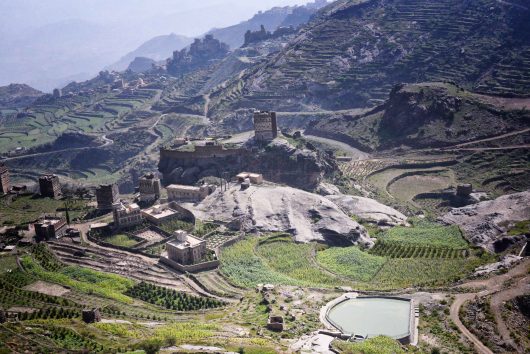
sustainable agriculture in YemenYemen is in a state of crisis. As of March 2017, about 60 percent of Yemen’s total population has been estimated to be food-insecure. Malnutrition has increased by 57 percent since 2015. Areas of conflict have left about 13.4 million, half the population, in potential danger, internally displaced or in need of humanitarian assistance.

Since Yemen is a predominantly rural country, with 68 percent of its population living in rural areas, irrigated agriculture is the main source of income, employment and economic activity. Thus, when a rapid drop in groundwater resources occurs, sustainable agriculture in Yemen suffers greatly.

Water scarcity in Yemen has put a huge constraint on food production. Almost 90 percent of water use is for agriculture. A large proportion of scarcity is due to inefficient irrigation techniques and the expansion of qat cultivation, which alone counts as 30 percent of the water use. Qat cultivation is six times more profitable than most food crops and relatively easy to cultivate. It has expanded at the expense of food crops, contributing to the dependence on food imports.

However, due to its profitability, year-round cultivation and high domestic demand, the water supply is dwindling. According to New Agriculturists, “water is being extracted from the Sana’a basin four times quicker than it is being replenished and, with a population growth rate of seven percent, Sana’a could become the first capital city to run out of water.” Without support to create sustainable agriculture in Yemen, this water shortage could devastate the region.

In response to this growing water scarcity, the U.K.’s Department for International Development (DFID) has been funding water harvesting projects in Sa’adah province in the village of Al-Qatab. Hand-pumps and precipitation tanks have been provided to this mountain-top community with a reliable source of water.

Additional aid has come from the International Fund for Agricultural Development (IFAD) which has been working with farmers to help them conserve their soil and water resources through terrace rehabilitation, wadi bank protection and improving irrigation systems. With activities like milk processing and beekeeping, IFAD seeks to enable farmers to diversify their agricultural production and improve processing overall.

In addition, the Groundwater and Soil Conservation Project has been working to improve irrigation water use efficiency, which will increase farmer returns to water and create conditions that will allow farmers to reduce pumping from aquifers.  

There has been some success, as many of the farmers assisted by this project have received substantial benefits. These benefits help to reduce costs and improve yields. In addition, this project’s investments have saved 80 million cubic meters of groundwater per year and have significantly improved the lives of farmers and their families. These changes will drastically improve sustainable agriculture in Yemen and help save the nation’s water resources.

– Kailey Brennan

Photo: Flickr

February 6, 2018
https://borgenproject.org/wp-content/uploads/borgen-project-logo.svg 0 0 Borgen Project https://borgenproject.org/wp-content/uploads/borgen-project-logo.svg Borgen Project2018-02-06 01:30:522019-11-08 01:57:10Water Shortages Challenge Sustainable Agriculture in Yemen
Global Poverty

System Improvements: Sustainable Agriculture in Cameroon

sustainable agriculture in Cameroon
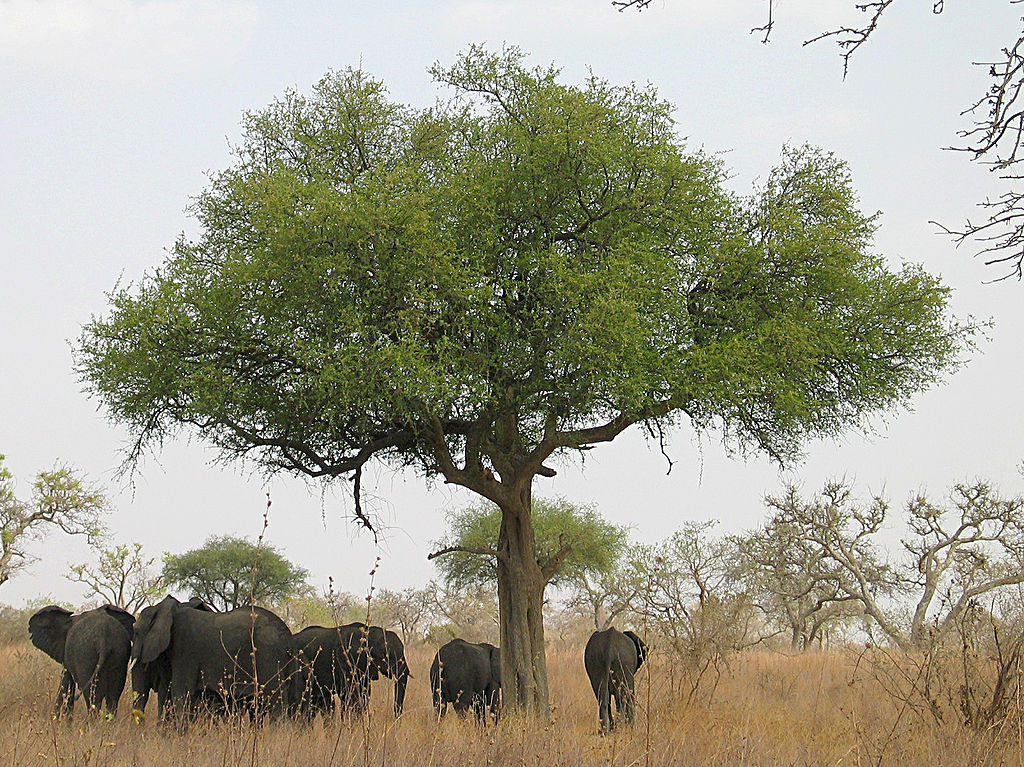
In 2008, Cameroon was the scene of hunger-related protests and protesters asking for cuts in fuel and food prices. In April 2010, a new initiative launched and was set to last for seven years; this act was known as the Agricultural Competitiveness Improvement Project (PACA), which led to major improvements for Cameroon’s food market and food security.

Financed by the government of Cameroon and an $82 million loan from the World Bank’s International Development Association, PACA was created to encourage young people to become farmers through the development of rural infrastructure facilities and the investment in value chains such as rice and maize cultivation, and pork and poultry.


Sustainable Agriculture and the Fruits of PACA Labor

By 2016, the project had already increased crop yields by 16 percent for rice, 98 percent for maize and 220 percent for plantain. Regarding the production of broiler meat, numbers doubled with a 122 percent increase for the average annual pig live weight, 257 percent for the average annual poultry live weight and 141 percent for the average annual egg production.

In fact, sustainable agriculture in Cameroon represents more than half of the country’s non-oil export revenues, and constitutes a field of high employment, with 60 percent of the country’s working population having a job in the sector. The project not only helps address the challenge of agricultural competitiveness, but it also brings food security, income generation and job creation in rural Cameroon.


Sustainable Agriculture and Women

Sustainable agriculture in Cameroon also proved to be a way for women in certain villages to improve their livelihoods. Joshua Kankonko is one of the founders of those eco-villages — in Bafut (a village in Cameroon), he implemented “permaculture,” an innovative system of sustainable agriculture and design principles that replenishes the soil and maximizes yields on small plots.


Systemic Improvements in Sustainable Agriculture

This system achieves better management of soil and environmental resources through natural and mechanical erosion control; one can use plans to hold soil and moisture together and the other uses natural materials such as bamboo to create barriers. From improving family incomes to restoring the natural environment, this project is successful at benefiting the overall well-being of Bafut’s community.

From large projects such as PACA, to smaller and locally-sourced projects like the one in Bafut, there has been a number of efforts to make sustainable agriculture in Cameroon a tool for higher productivity, higher incomes and better job opportunities.

– Sarah Soutoul

Photo: Wikimedia Commons

February 6, 2018
https://borgenproject.org/wp-content/uploads/borgen-project-logo.svg 0 0 Borgen Project https://borgenproject.org/wp-content/uploads/borgen-project-logo.svg Borgen Project2018-02-06 01:30:472019-12-06 07:43:04System Improvements: Sustainable Agriculture in Cameroon
Global Poverty

Improving Levels of Sustainable Agriculture in Tajikistan

Sustainable Agriculture in Tajikistan
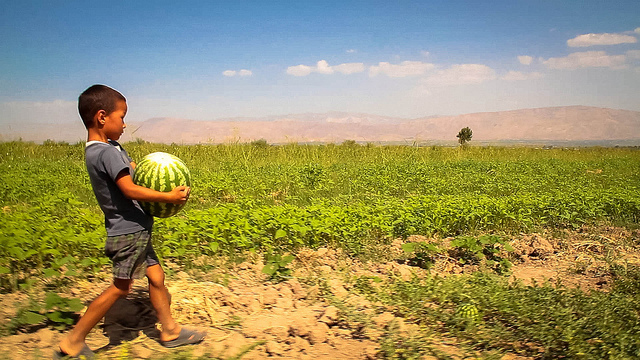
Since its independence, Tajikistan has made great strides in reducing poverty. Between 2000 and early 2009, poverty fell from over 83 to about 47 percent; between 2012 and 2016 it fell further from 37 to 30.3 percent; and since 2012, the poorest regions of the country have made the most progress in poverty reduction. Despite these successes, though, there are still substantial issues regarding sustainable agriculture in Tajikistan.

For instance, Tajikistan suffers from chronic food insecurity. Agriculture accounts for 75 percent of total employment and about a quarter of total GDP; however, just 7 percent of Tajikistan’s land surface is arable. This is a problem as approximately 70 percent of the population lives in rural areas where often the only paid jobs are seasonal agricultural labor on cotton farms or unpaid work tending household farms.


Feed the Future

With lack of sustainable agriculture in Tajikistan as the root cause of hunger, USAID has created the Feed the Future initiative to accelerate agricultural development and improve nutrition for Tajiks. The Feed the Future strategy is focused on the Khatlon Province in the southwest region of the country along the border with Afghanistan, as it is a key region for agricultural production. This area contains a large number of people living below the poverty line and the highest rate of undernutrition. With Khatlon’s irrigated lands and cotton production, this site is a promising start to affect water and land reform to create sustainable agriculture in Tajikistan.

This effort has improved agricultural productivity for farmers and agribusiness and contributed to over $2 million in increased farm revenue in 2011. USAID programs trained 30,000 rural residents on land-use rights and provided one-on-one legal aid consultations on land rights to 12,000 people. Understanding their rights to farm has allowed the people more control over crops and land.


Sustainable Agriculture and Water Management Project

Additional support aided in producing sustainable agriculture in Tajikistan. According to the World Bank, the objectives of the Additional Financing for the Second Public Employment for Sustainable Agriculture and Water Management Project for Tajikistan seek to:

  • Provide employment to food-insecure people through the rehabilitation of irrigation and drainage infrastructure
  • Increase crop production in response to improved irrigation and infrastructure
  • Support the development of improved policies and institutions for water resource management

These measures will ideally improve food availability and allow food access for low-income people in rural areas. Additional funds from this project will be used to fund public works to help employment for low-income and food insecure population, including migrant workers returning to Tajikistan.

With poverty rates decreasing and projects such as these funding the production of sustainable agriculture in Tajikistan, this nation is hopefully on its way to becoming a safer, stronger and more sustainable country.

– Kailey Brennan

Photo: Flickr

February 6, 2018
https://borgenproject.org/wp-content/uploads/borgen-project-logo.svg 0 0 Borgen Project https://borgenproject.org/wp-content/uploads/borgen-project-logo.svg Borgen Project2018-02-06 01:30:322024-05-29 22:39:08Improving Levels of Sustainable Agriculture in Tajikistan
Global Poverty

Increasing Financial Inclusion and Credit Access in Thailand

credit access in ThailandThailand, a country in Southeast Asia which borders the Andaman Sea and the Gulf of Thailand, is interestingly the only country in the region to not have been colonized by a European power. Generally speaking, during the last few decades, Thailand has been able to reduce poverty and bolster economic growth with low levels of unemployment and inflation and increased government spending. Credit access in Thailand has become relatively widespread.

A 2013 study conducted by FinScope revealed that 74 percent of the adult population had access to a bank account, with 23 percent using other formal financial services and only 1 percent using informal services. Thus, credit access in Thailand is considered to be quite inclusive and available. However, there are still improvements that can be made in regard to broadening financial access for the remaining 1 percent. Thus, financial inclusion and widespread accessibility do not necessarily account for the whole adult population spanning across all levels of incomes.

Thailand was highly affected by the Asian financial crisis in 1997 and this caused the Bank of Thailand and the Ministry of Finance to largely invest in stable, low-risk bank operations while tightening lending regulations, which evidently excluded the low-income populations working in the informal sector who were considered to be high-risk. Thus, the United Nations Capital Development Fund argues that the main area for improvement could be through widening access for insurance and credit products for various groups of individuals working within this informal sector.

There are several challenges to widening financial inclusion and credit access in Thailand, which include:

  • Limited access to credit for individuals living in rural communities due to proximity
  • The pervasiveness of informal credit services that are available
  • Individuals lacking the necessary documentation to comply with formal financial institutions, especially with an estimated 2.5 million undocumented migrants living in Thailand
  • Lack of literacy and financial knowledge

This has resulted in individuals and small businesses in Thailand having to resort to less credible and desirable forms of money lenders. Another major barrier seems to stem from the laws that surround commercial banks acquiring credit information. Currently, the law prohibits banks to inquire about a guarantor from the National Credit Bureau (NCB) even with consent, but instead, the guarantor must go to the NCB and then submit their credit information to the bank, which is inefficient and time-consuming for both parties.

The Asia-Pacific Financial Inclusion Summit held in October of 2015 outlined some policy recommendations to improve credit access in Thailand, which include:

  • Increasing options for distributing micro-insurance
  • Raising public awareness and support for the improvement of low-income households to interact with financial services through community-level financial education
  • Improving and shaping public policy in regards to financial inclusion.

Although credit access in Thailand has been steadily broadening, there is a portion of the population, albeit small, that is falling outside of this growing financial inclusive sphere. But with ongoing research by various institutions and an increasing awareness of this issue throughout the country, credit access will hopefully become available for everyone in Thailand.

– Miho Kitamura

Photo: Pixabay

February 5, 2018
https://borgenproject.org/wp-content/uploads/borgen-project-logo.svg 0 0 Borgen Project https://borgenproject.org/wp-content/uploads/borgen-project-logo.svg Borgen Project2018-02-05 07:30:592019-11-08 02:02:46Increasing Financial Inclusion and Credit Access in Thailand
Global Poverty

Sustainable Agriculture in Romania and Economic Growth

sustainable agriculture in RomaniaRomania, a former communist country of 20 million people located in Eastern Europe, has one of the highest poverty rates in the European Union, according to the World Bank. Agriculture has historically been a pillar of the Romanian economy; going forward, an increasing prevalence of sustainable agriculture in Romania can help grow the economy and reduce poverty rates.


History of Agriculture in Romania

Throughout time, agriculture has been important in Romania, as more than 14.7 million hectares (one hectare is about 2.5 acres) of land serve agricultural purposes. Of that land, about two-thirds are suitable for farming. During the first half of the 20th century, farmlands were reallocated to peasant farmers from larger landowners. However, the rise of communism in the mid-20th century resulted in collective agriculture, followed by questions of ownership in the years since communism’s end. Despite accounting for more than 25 percent of the Romanian workforce, in the early 2000s, the agriculture industry (including forestry and fishing) was less than 10 percent of Romania’s GDP. Today, the majority of farms in Romania are run by small landowners and are less than five hectares.


The World Bank Waste Management Project

The World Bank has worked since the early 2000s to help promote economic growth and sustainable agriculture in Romania, leading to it becoming the fastest growing economy in the EU in 2017. Currently, the Integrated Nutrient Pollution Control Project (INPCP) is working to promote a cleaner and safer environment. Many of the small agricultural production sites in Romania lack proper equipment for waste management. Contamination from that waste can lead to groundwater pollution, causing health risks to people and damaging the environment. INPCP works to manage the waste by providing rural farmers with the tools necessary to safely dispose of the waste contaminants.


Organic Farming

Organic farming could be a key tenet of sustainable agriculture in Romania in future years. As of 2016, organic farming practices saw large growth: over a five-year span the land area increased by 40 percent and the number of certified organic farmers increased fourfold. Organic farming strives for sustainability in all aspects, from the soil to the crop to the consumer. Organic farming practices are increasing globally, and Romania has much room for future growth in this sector — only 2 percent of the total agricultural land area is used for organic growing.


Urban Agriculture

Currently, the majority of the Romanian population lives in rural areas. However, as countries experience economic growth (such as the growth occurring in Romania), people often begin to move toward cities. Within cities, the green space for gardening is often minimal and creative gardens are necessary. Kaufland Romania, a food retailer, is investing over $350,000 to create community urban gardens on its rooftops, in its parking lots and in Bucharest schools. These gardens not only provide local food in a big city but also create environmental benefits through pollution reduction. According to a survey by Kaufland, in Romania, seven out of 10 respondents already practice urban agriculture by growing food in their own homes. The new larger urban gardens will allow for the sharing of techniques, social gathering and community education.

As the economy continues to grow, projects in sustainable agriculture in Romania will further bolster the economy and reduce poverty. Not only do these projects benefit the economy, but they also improve the environment and can create a sense of community.

– Hayley Herzog

Photo: Adam Jones

February 5, 2018
https://borgenproject.org/wp-content/uploads/borgen-project-logo.svg 0 0 Borgen Project https://borgenproject.org/wp-content/uploads/borgen-project-logo.svg Borgen Project2018-02-05 07:30:022019-11-08 02:03:46Sustainable Agriculture in Romania and Economic Growth
Page 16 of 44«‹1415161718›»

Get Smarter

  • Global Poverty 101
  • Global Poverty… The Good News
  • Global Poverty & U.S. Jobs
  • Global Poverty and National Security
  • Innovative Solutions to Poverty
  • Global Poverty & Aid FAQ’s
Search Search

Take Action

  • Call Congress
  • Email Congress
  • Donate
  • 30 Ways to Help
  • Volunteer Ops
  • Internships
  • Courses & Certificates
  • The Podcast
Borgen Project

“The Borgen Project is an incredible nonprofit organization that is addressing poverty and hunger and working towards ending them.”

-The Huffington Post

Inside The Borgen Project

  • Contact
  • About
  • Financials
  • President
  • Board of Directors
  • Board of Advisors

International Links

  • UK Email Parliament
  • UK Donate
  • Canada Email Parliament

Get Smarter

  • Global Poverty 101
  • Global Poverty… The Good News
  • Global Poverty & U.S. Jobs
  • Global Poverty and National Security
  • Innovative Solutions to Poverty
  • Global Poverty & Aid FAQ’s

Ways to Help

  • Call Congress
  • Email Congress
  • Donate
  • 30 Ways to Help
  • Volunteer Ops
  • Internships
  • Courses & Certificates
  • The Podcast
Scroll to top Scroll to top Scroll to top