• Link to X
  • Link to Facebook
  • Link to Instagram
  • Link to TikTok
  • Link to Youtube
  • About
    • About Us
      • President
      • Board of Directors
      • Board of Advisors
      • Financials
      • Our Methodology
      • Success Tracker
      • Contact
  • Act Now
    • 30 Ways to Help
      • Email Congress
      • Call Congress
      • Volunteer
      • Courses & Certificates
      • Be a Donor
    • Internships
      • In-Office Internships
      • Remote Internships
    • Legislation
      • Politics 101
  • The Blog
  • The Podcast
  • Magazine
  • Donate
  • Click to open the search input field Click to open the search input field Search
  • Menu Menu

Archive for category: Women’s Empowerment

Education, Global Poverty, Women and Female Empowerment, Women's Empowerment

5 Companies that Enable Consumers to Fight for Female Education

enable consumers to fight for female education
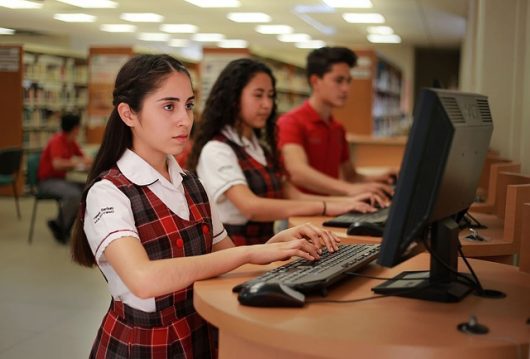
There is a proven link between lack of education and rises in poverty numbers. People around the world struggle with poor school systems, denied scholastic access and few academic resources. Illiteracy is directly correlated to poverty, and creates a cycle that is hard to break. The difficulties associated with this crisis are large scale and ones that few individuals feel that they can fix by themselves.


The Female Plight

At the brunt of this battle is the female population. Due to gender-based violence, negative stigma within communities and higher rates of poverty, women globally lack education opportunities that are often provided to men.  

Many citizens believe that there is nothing that they can do to help, and rely on the bigger voices to take the lead. But there are companies working to change that and to enable consumers to fight for female education as well.

These companies work to help individuals make a global difference and improve the lives of women and girls who are deprived of an education. Consumers can join the fight to educate, empower and break the cycle of poverty created by females’ lack of schooling and access to it.

Here are a five of the most impactful companies that are working towards educating the world.


1. Conscious Step

This sock company supports many different global causes, including their non-profit partner, “Room to Read.” For every pair of “socks that give books” sold, a school book is given to a child in one of a list of targeted countries that struggle with education.

The company especially focuses on communities that need gender equality in their school systems, and work towards enabling girls to achieve an education alongside their male counterparts. Conscious Step also enables consumers to fight for female education through beautiful socks that everyone loves.


2. Sseko Designs

The apparel company, which specializes in sandals, works with young women in Uganda to ensure that many can receive a college education. Sseko Designs employs local girls during the nine-month period between the end of high school and potential beginning of college.

The organization then provides the pre-collegiate girls with employment and scholarship opportunities. For each month of their nine months,  50 percent of the girls’ earnings go into a savings fund for college. This savings account not only allows these driven women to further their education, but it also deters them from caving to social pressures to give the money away to family and friends, which would thus continue the poverty cycle.

At the end of employment terms, Sseko provides the involved girls with scholarships matching the amount of their savings by 100 percent. Thanks to their employment opportunities, the company has already sent 87 girls to college, so far.


3. Out of Print

A business that sells literature themed products, Out of Print not only donates to literacy programs but for every piece purchased, the company also sends one book to a community in need.

Many of these communities have low female attendance in education due to extremely high rates of gender violence. These products help improve these struggling communities and encourage girls to receive an education so that they can rise above poverty and illiteracy.

The book based company work to enable consumers to fight for female education, bring literacy into poorer communities and spread awareness about the difficulties in high illiteracy rates.


4. Bloom and Give

With a specialty in handmade bags, this company sends girls in India to school. The company works to help girls fight against social views and norms that deter them from attending class, and enable them to become educated even through cultural protests. The company donates half of their profits to programs and grassroots movements that work directly with in-need communities.

Bloom and Give’s vibrant bags and other products serve as a way for shoppers to give back globally and also help Indian communities educate girls.


5. Naja

This underwear and lingerie company helps educate Colombian children and aid mothers to return to work. Naja, through its “Underwear for Hope” line, employs local single mothers, or female heads of household, and provides their children with books, uniforms, school supplies and all school meals.

The company strives to change the dialogue that makes mothers choose between childcare and employment, and helps its female employees to educate their children. On top of that, two percent of Naja’s revenue goes towards local charities that fund continuing education for these women.

Naja empowers not only Colombia’s women and children to become educated but also empowers consumers to help in the process through their purchases.


Every Person Counts

While the education crisis is a global one, each person can make a difference. Educating women does not have to solely ride on the backs of the wealthy and the well-connected. The average person can send a girl to school, teach a girl to read and send a woman to college through conscious purchasing and globally-minded companies.

– Emily Degn

Photo: Pixabay

February 14, 2018
https://borgenproject.org/wp-content/uploads/borgen-project-logo.svg 0 0 Borgen Project https://borgenproject.org/wp-content/uploads/borgen-project-logo.svg Borgen Project2018-02-14 01:30:122024-06-10 02:26:195 Companies that Enable Consumers to Fight for Female Education
Global Poverty, Violence Against Women, Women and Female Empowerment, Women's Empowerment

PAXI, the Pink Taxi: Pakistan’s First Taxi Service for Women

taxi service for women
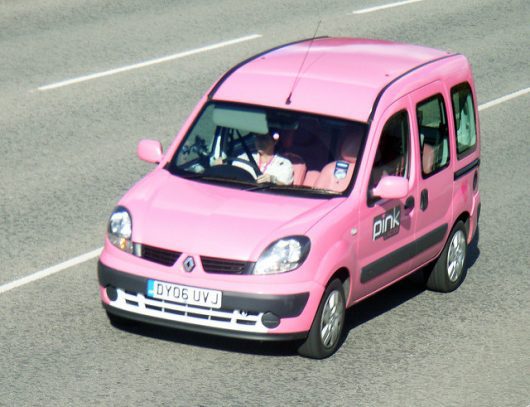
A study by the International Labor Organization isolated a lack of safe transportation as a major contributor to the low number of Pakistani women participating in the workforce. Pink Taxi is Pakistan’s first taxi service for women, and ‘Paxi’ aims to create a safe environment for both its female passengers and female drivers through its Pink Taxi service.

Paxi offers three services: bikes with male drivers for short distances, the Paxi Taxi with male drivers and the Pink Taxi with female drivers. Pink Taxis are Paxi’s women-exclusive car service — the cars will not pick up male passengers between the ages of 12 and 70.

Pink Taxi launched in March 2017 and has been growing in popularity. Two months after launch, the service received approximately 50-60 more requests for rides per day.


A Safe Form of Transportation

Karachi’s Urban Resource Center recently released a study that found that 55 percent of women commuting by public bus in Karachi felt uncomfortable and faced sexual harassment. Public buses have large men’s areas and small women’s areas, but separation is oftentimes not enforced.

Syed Nasir Hussain Shah, Minister for Transport in Sindh (the province where Karachi is located) supports safe alternative transportation for women. He says: “Having a mode of public transport catering to [the women] alone can solve many of their transport issues.”


Call a Cab via an App

The taxi service for women can be called with the Paxi app. To accommodate less tech-savvy customers, Pink Taxi users can also dial a call center or use SMS texting to find a car. The rides can also be hailed on the road. To make the taxis recognizable to passengers, the cars are heavily branded and drivers wear special uniforms.

In addition, Pink Taxi drivers are given free driving and self-defense lessons and extensive communication training. Female drivers might face harassment and threats on the job, but Paxi teaches its female employees how to mitigate these situations.


Cost of a Paxi

Each ride is slightly more than a traditional taxi service, with a base fare of Rs. 150 and an additional Rs. 15/km. Other taxis start at a base fare of Rs. 100. Taxis are substantially more expensive than bus fare — a one-way bus ticket costs Rs. 20.

For professional women, Pink Taxis offer a welcome alternative to male-driven taxi cabs; however, the price can exclude lower-income women who rely on the bus for their daily commute.


Paxi’s Unifying Goals

Paxi aims to bring its taxi service for women to other cities in Pakistan such as Sukkur and Peshawar — Peshawar, for instance, is deeply conservative and observes strict purdah (seclusion of women), so Paxi would be extremely useful to the women in these areas. In fact, Paxi’s founder, Shaikh M. Zahid, argues that bringing Pink Taxis to Peshawar can give the large number of highly-educated women increased mobility throughout the city. This idea is encouraged by the positive response he’s received in informal talks with religious leaders and women in the community. 

For now, though, Paxi will continue increasing its fleet of women drivers in Karachi to meet growing demand, all while looking to expansions of its services in the future.

 – Katherine Parks

Photo: Flickr

February 13, 2018
https://borgenproject.org/wp-content/uploads/borgen-project-logo.svg 0 0 Borgen Project https://borgenproject.org/wp-content/uploads/borgen-project-logo.svg Borgen Project2018-02-13 07:30:092024-05-29 22:39:18PAXI, the Pink Taxi: Pakistan’s First Taxi Service for Women
Global Poverty, Women and Female Empowerment, Women's Empowerment, Women's Rights

President Michelle Bachelet: A Champion for Women’s Rights in Chile

women’s rights in Chile
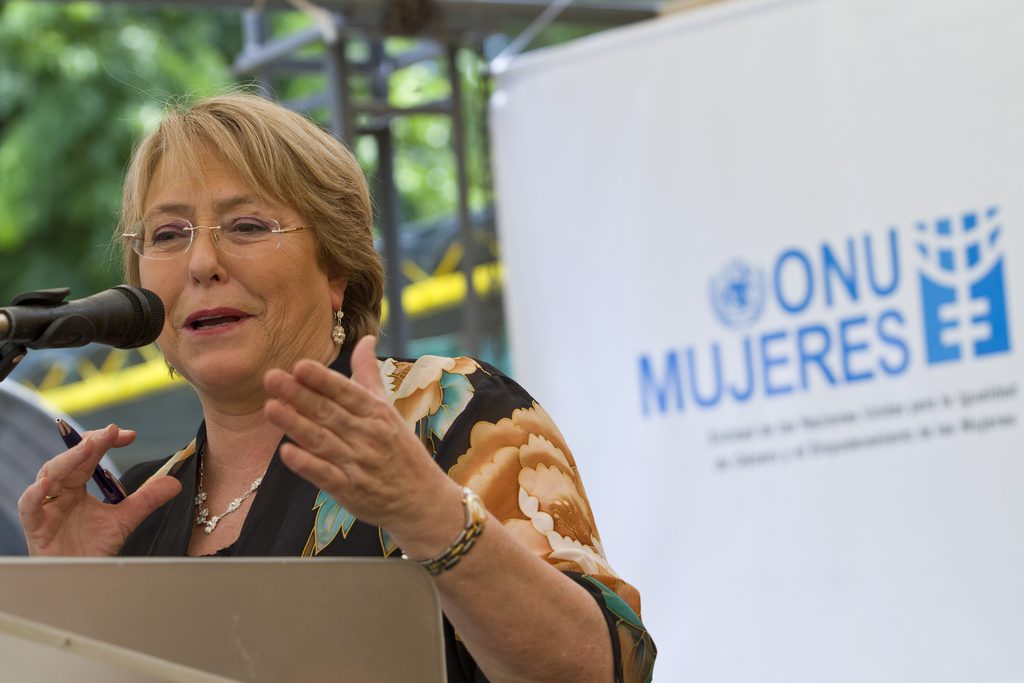
President Michelle Bachelet of Chile leaves office in March 2018. During her two terms as president, Bachelet worked tirelessly to advance women’s rights in Chile. She leaves a legacy of legislative victories in the fight for gender equality.

Bachelet entered government as an advisor in the Health Ministry. She served as Chile’s first female health minister in 2002 and its first female defense minister in 2002. She became Chile’s president in 2006. Her victory depended on the support of women — Bachelet’s victory was the first time a majority of women in Chile supported a left-of-center presidential candidate.


Time in Office

During her first term as president, Bachelet championed legislation to further women’s rights in Chile. She passed protections for victims of domestic violence, fought workplace discrimination, reformed the pension system to be fairer to women, gave low-income mothers better access to childcare and introduced universal access to emergency contraception. 

Chile’s conservative governing coalition strongly opposed Bachelet’s plan to expand availability of emergency contraception. Bachelet avoided Congress by issuing executive orders to mandate that public clinics offer free emergency contraception. Her conservative congressional challengers won an appeal in the Constitutional Court, causing Bachelet to instead pursue legislative approval. The bill was popular with the public and supported through mass demonstrations against the court’s ruling. Bolstered by public approval, Bachelet fast-tracked the bill and it was approved in 2010. 


Between Presidencies

Bachelet left office in 2010, unable to run for a second consecutive term due to constitutional limitations. She became the first Executive Director of the newly created U.N. Women. As the head of the organization, Bachelet worked to realize U.N. Women’s agenda — ending violence against women, economically empowering women, including women in global peace and security planning, increasing the number of women in leadership positions and influencing countries to focus national policies and budgets on increasing gender equity.


Return to Politics

Bachelet then returned to politics, winning a second term as president of Chile in 2013. In her second term, Bachelet created the Ministry of Women and Gender Equality. She also passed legislation requiring that women make up 40 percent of candidates running for an elected office.

In 2017, the Constitutional Court of Chile ruled in favor of a reproductive rights bill introduced by Bachelet. The bill legalizes abortions in extreme cases — abortions were previously illegal in all instances. Bachelet’s bill was bolstered by public support — 70 percent of Chileans approved of the legislation.


A Strong Legacy and Continued Impact

After exiting office in March 2018, Bachelet will start as Board Chair of the World Health Organization’s (WHO) Partnership for Maternal, Newborn and Child Health where she will continue to advocate for women’s rights in Chile.

“Promoting progress towards building a more equitable and just world, that guarantees the rights of women and girls, is more than a challenge,” says Bachelet. “It’s a necessity and an obligation.”

 – Katherine Parks

Photo: Flickr

February 8, 2018
https://borgenproject.org/wp-content/uploads/borgen-project-logo.svg 0 0 Borgen Project https://borgenproject.org/wp-content/uploads/borgen-project-logo.svg Borgen Project2018-02-08 01:30:592024-05-29 22:39:11President Michelle Bachelet: A Champion for Women’s Rights in Chile
Global Poverty, Women and Female Empowerment, Women's Empowerment

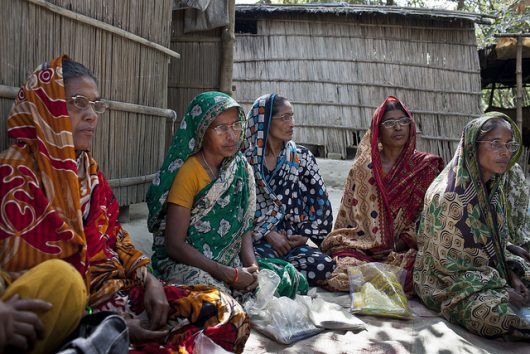
How OneGirl is Empowering Sierra Leonean Women

empowering Sierra Leonean women
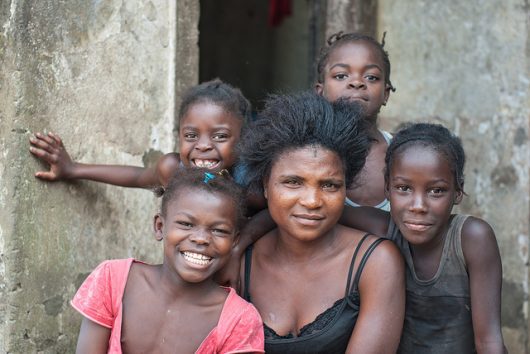
Sierra Leone is considered one of the worst places to be a girl, but the nonprofit OneGirl is revolutionizing this status by empowering Sierra Leonean women through its program LaunchPad.

Women’s rights are a profound issue in Sierra Leone — poor conditions and social norms create immense vulnerability for girls and often inhibit them from choosing their own path. As a result, a girl’s fate is typically determined by three things: being sold into marriage, having an early or forced pregnancy and poverty.


Marriage and Pregnancy

In Sierra Leone, 44 percent of girls are married off to an older man by the time they are 18 years old. They are essentially owned by their husbands, and this often inhibits them from continuing their education. UNICEF reports that 68 percent of sexually active teenage girls in Sierra Leone become pregnant. Considered a nation-wide problem, early and forced pregnancies are the main reason why girls in Sierra Leone stop attending school; these pregnancies can occur as a result of rape, prostitution and not using contraceptives.


Poverty in Sierra Leone

More than 70 percent of Sierra Leoneans live in extreme poverty, managing to survive on less than two dollars a day. Consequently, education is not a top priority for families — if a family can afford to educate a child, it is almost always a boy.

After meeting Brenda — an African girl trying to escape a fate of poverty and lack of schooling by collecting 40 dollars to attend school — the founders Chantelle Baxter and David Dixon became inspired to create OneGirl. OneGirl is based in Australia and has big plans: to send 1 million girls to school.


OneGirl’s Impact

OneGirl’s LaunchPad program is making big strides toward empowering Sierra Leonean women to stay in school and educating them about business opportunities. They are accomplishing this in an amazing way — selling feminine hygiene products. The company has already sold more than 17,400 boxes of pads, and although selling pads may seem minuscule, it has had profound impacts.

To understand why this is so impactful, it is important to know the cultural perceptions surrounding menstrual cycles in Sierra Leone. Girls primarily use a cloth to soak up menstrual blood; when cleaning these, girls typically do not have access to sanitary water. Further, girls cannot dry their cloth properly because there is a taboo surrounding menstrual blood in Sierra Leone. Ultimately, this results in girls developing rashes, infections and diseases. OneGirl states that menstrual complications can result in a girl missing up to 12 weeks of school, but thankfully, LaunchPad solves this problem.


LaunchPad

LaunchPad makes it possible for women to have cheap access to sanitary biodegradable products, while also keeping in mind of cultural considerations. For instance, the company does not sell reusable cloths or tampons because clean water is limited and female genital mutilation makes tampon-use painful.

LaunchPad has made more than just health and educational strides — the organization has opened a new market in which Sierra Leonean women can participate. LaunchPad has worked with Restless Development Sierra Leone to train female community leaders across the country to sell their product; these women are known as LaunchPad Champions.

LaunchPad champions earn a profit from their work, and because of their service, women across Sierra Leone are more educated about their menstrual health and have higher chances of staying in school.


Female Champions

One LaunchPad champion named N’Mah Fofonah went above and beyond her call of duty by involving her neighboring community in LaunchPad’s efforts. The two groups of women joined together in their endeavors to put all their profits toward helping their community members.

Efforts such as those accomplished by OneGirl demonstrate the lengths of positivity and change that can occur by empowering Sierra Leonean women. Sierra Leone is just another example that when you empower women, they empower others.

– Mary McCarthy

Photo: Flickr

February 8, 2018
https://borgenproject.org/wp-content/uploads/borgen-project-logo.svg 0 0 Borgen Project https://borgenproject.org/wp-content/uploads/borgen-project-logo.svg Borgen Project2018-02-08 01:30:162024-05-29 22:39:10How OneGirl is Empowering Sierra Leonean Women
Education, Global Poverty, Women's Empowerment, Women's Rights

The Link Between FGM and Education

FGM and educationAccording to the World Health Organization, female genital mutilation (FGM) refers to any procedure that involves “partial or total removal of the external female genitalia, or other injury to the female genital organs for non-medical reasons.”

There is no health benefit for girls or women and possible medical complications include severe bleeding, cysts, infections, difficulty urinating and issues with childbirth. The practice is especially dangerous because it is rarely performed in a medical setting.

More than 200 million girls and women from 30 different countries have been cut, and UNICEF estimates that 30 million more could be cut in the next 10 years if current trends do not change. The practice is concentrated in countries in Africa, the Middle East and Asia, with a 90 percent prevalence rate in Somalia, Guinea, Djibouti and Egypt.


Why is it difficult to stop?

Female genital mutilation is a deeply entrenched cultural practice that is often considered a coming-of-age rite of passage and is therefore performed near the start of puberty. It is believed to make girls cleaner, to improve marriage prospects, to preserve virginity and also has religious undertones. Due to the depth of its cultural significance, it is very difficult to convince practitioners – typically midwives or other locals – to cease the practice.

Those who perform the procedure also have another reason to continue – it is their livelihood. Unless NGOs and anti-FGM organizations can provide an alternative way for them to make a living, practitioners have little incentive to stop.


What is the link between FGM and education?

Regarding FGM and education, program advisor for USAID Somalia MaryBeth McKeever said that advocacy should be focused on community education communities. “These communities are composed of parents, students, teachers, school administrators and traditional/religious leaders and each school has one. The CECs have been instrumental in increasing girls’ education and can help girls and women make informed choices on decisions that will impact their health, education and lives,” McKeever said.

The connection between FGM and education is twofold: education and awareness about the practice and its risks and general educational attainment. Teaching young girls and women about the dangers of FGM is a powerful tool in changing public opinion and reversing the trend. However, the importance of overall education may seem less clear.

The International Center for Research on Women published a report on FGM and education that stated that, while more research needs to be done, “emerging evidence illustrates that basic education can be an effective instrument for abandoning the practice of FGM.”

This research shows that women are less likely to have their daughters cut as their level of education rises. In addition, a higher level of education also makes fathers less likely to support FGM.

Education exposes students, male and female, to a variety of competing ideas and concepts and a broader worldview. This allows them to make more informed decisions regarding their own reproductive health and agency.


What is being done?

UNICEF’s education initiatives with local governments – such as their support of mobile schools and boarding schools, improved sanitation facilities and better quality curriculums – all contribute to ending the practice of female genital mutilation.

Programs in Egypt aim to introduce information on FGM to medical and nursing schools because the practice is highly medicalized there. Healthcare personnel play a key role in continuing the practice and therefore could play a key role in ending it. School-based interventions across the world focus on integrating information on FGM into compulsory science curriculums.

The Global Women PEACE Foundation, a joint American and Liberian NGO, devised their own curriculum for teachers and administrators to teach them how to have conversations about FGM and reproductive rights with their students. The Tostan Education Program targets the students with a four-part plan that teaches human rights, reproductive health, hygiene and problem-solving. Safe Hands for Girls, an American and Gambian initiative, also implements outreach and advocacy training in schools.

The emphasis on school-based interventions highlights the link between FGM and education, and the important role that schools can play in ending this dangerous practice.

– Olivia Bradley

Photo: Flickr

February 7, 2018
https://borgenproject.org/wp-content/uploads/borgen-project-logo.svg 0 0 Borgen Project https://borgenproject.org/wp-content/uploads/borgen-project-logo.svg Borgen Project2018-02-07 07:30:142024-05-29 22:39:11The Link Between FGM and Education
Global Poverty, Women and Female Empowerment, Women's Empowerment

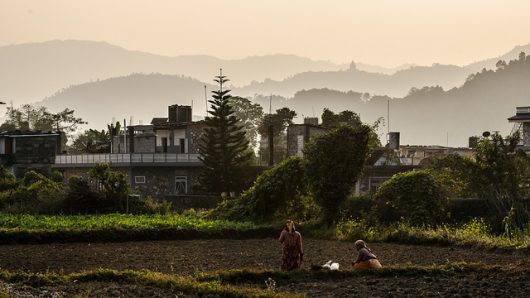
Women’s Empowerment in Sao Tome and Principe


Sao Tome and Principe is a very small country comprised of two islands situated off the coast of Africa in the Gulf of Guinea. The nation is one of the poorest African countries with half its population living on less than two dollars a day.

The country acquired its independence from Portugal in 1975, enacted democratic reforms in 1980 and currently has no institutions for higher education; as a result of this environment, women’s empowerment in Sao Tome and Principe took a back seat.

Women in Sao Tome and Principe

Constitutionally, women in Sao Tome and Principe have equal rights in politics, education, business and government positions; but in reality, gender inequality is prominent throughout the nation. Domestic violence and abuse against women is widespread, but since the society is extremely traditional, women are not very vocal about the injustices committed against them.

In June 2003, Sao Tome and Principe gave formal consent to the convention on the Elimination of All Forms of Discrimination against Women (CEDAW), and in February 2010, it also signed the Protocol to the African Charter on Human and Peoples’ Rights on the Rights of Women in Africa (The Maputo Protocol). Despite these supposed moves in the right direction, the nation’s government has failed to comply with the details of the protocols.

However, organizations such as The United Nations Educational, Scientific and Cultural Organization (UNESCO) have taken innovative steps in women’s empowerment in Sao Tome and Principe by engaging women effort in the preservation of bio-diversity. In addition, women have also taken a distinct position in the fish trade of the country.

Empowering Women through Biodiversity

In the district of Lobata, turtle egg collection, turtle meat consumption, turtle shell trading and cutting trees for firewood are all part of the illegal practices that negatively impact Sao Tome and Principe’s biodiversity.

In 2009, the Ministry of Education (under the supervision of Madam Helena Bonfim) engaged women in this region to help in turtle, bird and forest preservation. Three hundred women aged between 15 and 36 were divided in 12 different groups and organized to learn about turtle conservation and other environmental aspects.

UNESCO, along with non-profit government organizations, took the initiative of educating women in this region; in fact, the organization helped the women acquire skills in food processing and other fields like fashion, design and environmental protection.

Empowering Women through Fish Trading

Almost 17 percent of the total population of Sao Tome and Principe is involved in the fish business where women play a unique role — they are involved in many of the main acts of fishing such as:

  • Unloading the boat
  • Buying fish directly from fishermen
  • Transporting to the market and selling them
  • Processing them into dried and salted fish

Fish saleswomen are known as “palayes” in the local language; palayes make up an extremely powerful group of the population, and some of them are even important members of the fisherman association.

The members of the palayes association try to reduce cost of the enterprise by sharing fish-drying sheds and buying salts in bulk for fish processing. Some of the successful palayes even lend money to the fisherman for buying fishing accessories.

Other Business Prospects

The women of Sao Tome also generate income through:

  • Piggery and poultry farming
  • Selling eggs, chicken and bartering surplus meat
  • Growing banana and indigenous crops

Despite high levels of poverty, illiteracy and gender inequality, women’s empowerment in Sao Tome and Principe is taking progressive steps. The Ministry of Education and organizations like UNESCO are making every effort to support and motivate this extremely important cause of women’s empowerment in Sao Tome and Principe.

– Mahua Mitra

Photo: Flickr

January 23, 2018
https://borgenproject.org/wp-content/uploads/borgen-project-logo.svg 0 0 Borgen Project https://borgenproject.org/wp-content/uploads/borgen-project-logo.svg Borgen Project2018-01-23 01:30:032024-05-29 22:38:45Women’s Empowerment in Sao Tome and Principe
Gender Equality, Global Poverty, Inequality, Women and Female Empowerment, Women's Empowerment

A Look Into How Gender Inequality Hurts Countries

How Gender Inequality Hurts Countries
From religion to social norms, there are many different reasons why gender inequality and the suppression of women’s voices occurs in various communities; however, none of these reasons account for how gender inequality hurts countries financially, socially and politically.

According to the World Economic Forum’s 2017 Global Gender Gap Report, the gender gap in countries across the world has risen to 32 percent — a figure up one percent from last year’s 31 percent. This trend means that the average economic gap between women and men, whether in personal finances or in political representation and commerce, generally results in a substantial difference in the amount of money and support women receive in their communities.

Women in Yemen

For instance, Yemen was ranked the worst country for gender equality since 2006, not only because it’s economic stability is practically nonexistent, but also because they possess significant education issues. Yemen has an overall literacy rate of 96 percent among males, however their female literacy rate of 76 percent leaves a gap that causes a good portion of the female disenfranchisement in the region.

For these women, the lack of educational sustainability is one of the biggest inhibitors of their economic success. It’s evident how gender inequality hurts countries such as Yemen because without academic access and the capability to further learning, women are extremely inhibited in their opportunities for economic independence.

Women and Education

According to a study published by Frontiers in Psychology Journal, women in academic situations have a higher chance of success than men do. When put in learning groups, girls tended to be more capable of task-accomplishing, self-regulation and focusing by deciding on a goal and completing it. Males, on the other hand, tended to focus on avoidance activities in order to make the task seem less daunting.

The female’s method is much more successful in most academic and work-related situations, and is a strong indicator of a woman’s capability in educational settings and the workplace; however, in countries such as Yemen where the academic retention rate is much lower for females, the opportunity to demonstrate these self-regulation skills becomes short-changed when a woman drops out of education. 

Social Norms

The reason for dropout rates, and another example of how gender inequality hurts countries in Yemen, refers mainly to the social norms placed on women by their community: most women are expected to be educated enough to read and write, and once this criteria is met, they are taken back to their home to prepare for the household duties that will serve as their main vocation upon marriage and for the rest of their lives. An article published by the World Bank states that even one more year of schooling could benefit a woman’s health, safety and decrease the amount of child marriages in countries across the world.

For places like Yemen, which tend to lean heavily on societal norms to dictate their country’s success, gender inequality hurts the country’s economic stability, limits growth for communities and families and causes women to be more likely to be subjugated to child marriages, dangerously young pregnancies and a more rapid spread of STIs such as HIV/AIDS. Not only does this display exactly how gender inequality hurts countries, it also shows how gender inequality hurts the women who lack financial and social freedoms. 

The process made thus far incites hope that countries’ across the globe will continue to work on solutions to stop gender inequality, once and for all.

– Molly Atchison

Photo: Flickr

January 21, 2018
https://borgenproject.org/wp-content/uploads/borgen-project-logo.svg 0 0 Borgen Project https://borgenproject.org/wp-content/uploads/borgen-project-logo.svg Borgen Project2018-01-21 01:30:272024-05-29 22:38:44A Look Into How Gender Inequality Hurts Countries
Education, Global Poverty, Women's Empowerment, Women's Rights

Female Education in Lesotho Highest in the World

female education in lesotho
The gender gap favoring males in education is largest in low-income countries. But in Lesotho, a small, poor, landlocked country surrounded by South Africa, the gender gap in education favors females. The ratio of female-to-male enrollment rates in secondary education is the highest in the world, with 1.6 females enrolled for every male.

“This is really, really unusual in the developing world,” says Theresa Ulicki, a professor of Gender and Development Studies at Dalhousie University.

Female education in Lesotho is a result of male outmigration to South Africa, which was triggered by high unemployment and poverty. In the late 20th century, over half of the Basotho male population emigrated to South Africa for better wage-earning opportunities. Because cross-border migration to South Africa was almost exclusively male — with most Basotho males staying in South Africa from adolescence to retirement — women outnumbered men in the general population by a ratio of four-to-one.

Employment rates of Basotho men in South Africa have since declined, but the same norms govern gender differences in education and labor force participation. Most males of primary school age are involved in cattle-herding— a practice that requires young boys to withdraw from school and tend cattle for their families — and many male adolescents withdraw from school to find employment in South Africa.

Equal access to education and employment does not necessarily result in gender equality. In Lesotho, the gender gap in education is in some sense evidence of the lower perceived value of women. Women’s literacy rates and other levels of education are higher than those for men, yet most Basotho women work jobs that have lower status and pay.

Other indications of gender inequality in Lesotho include gender‐based violence and related developmental problems. Gender-based violence is a serious problem in Lesotho, where females are marginalized, making them susceptible to HIV/AIDS, abuse and rape. In 2011, the rate of sexual assault in Lesotho was among the highest in the world, with 88.6 rape cases per 100,000 female inhabitants. In 2016, Lesotho had one of the highest numbers of new HIV infections worldwide. Illegal marriages are also prevalent, with 19 percent of Basotho females under age 18 being forced into illegal marriages, often with older men.

Education is a central element in economic development and social progress. However, female education in Lesotho shows that ensuring equal access to education is an important but insufficient step toward social development.

– Gabrielle Doran

Photo: Flickr

January 20, 2018
https://borgenproject.org/wp-content/uploads/borgen-project-logo.svg 0 0 Borgen Project https://borgenproject.org/wp-content/uploads/borgen-project-logo.svg Borgen Project2018-01-20 01:30:242024-05-29 22:38:42Female Education in Lesotho Highest in the World
Global Poverty, Women and Female Empowerment, Women's Empowerment

10 Fascinating Facts About the Women’s Suffrage Movement

10 Fascinating Facts About the Women's Suffrage MovementThe women’s suffrage movement was an essential emphasis of the women’s rights movement. At Seneca Falls, New York, the first women’s rights conference was organized in 1848. These 10 fascinating facts about the women’s suffrage movement illuminate the battle for equal rights that continues to be fought today.

  1. Saudi Arabia gave women the right to vote in 2015, leaving Vatican City as the only place where women’s suffrage is still denied today.
  2. Women did not have the right to vote in the early democracies of Greece and the Roman Republic.
  3. The 19th Amendment to the U.S. Constitution, giving women the right to vote in America, was first proposed and rejected in 1878, then reintroduced every year for the next 41 years. In 1984, Mississippi became the last state to ratify it.
  4. The U.N. first explicitly named women’s suffrage as a human right in 1979.
  5. The women’s suffrage movement sprung from the abolition movement.
  6. In 1893, New Zealand became the first self-governing nation to give women a lasting right to vote. It did not, however, give women the right to hold office in Parliament. The Corsican Republic actually gave women the right to vote much earlier, in 1755, but this right was curtailed after the nation was colonized by France.
  7. Finland became the first European country to give women the right to vote, in 1906. Women had previously been allowed to vote there under both Swedish and Russian rule. Finland was also the first country to allow women to take office in Parliament.
  8. Wyoming was the first U.S. state to give women the right to vote. Women there had been voting since 1869 in Wyoming Territory, which only agreed to join the Union if this right was maintained. Congress threatened to deny statehood over the issue, but Wyoming wouldn’t back down.
  9. The original 1776 constitution of New Jersey gave “all inhabitants” who were “worth 50 pounds” the right to vote. This was vague, so in 1797, women with 50 pounds or more to their names were explicitly allowed to vote. This right only applied to single women. Married women did not count since their husbands legally controlled all the property they owned. In 1807, the law was changed once again, restricting the vote to only free white male citizens.
  10. Not all suffragists were women, and not all anti-suffragists were men. Numerous men were committed suffragists, and some were imprisoned and force-fed just like their female comrades. Many prominent women also proclaimed disapproval for the suffrage movement, arguing that women did not want to vote and that it would mean competition with men rather than cooperation.

Great strides have been made in the fight for equal rights, as evidenced by these 10 fascinating facts about the women’s suffrage movement. Women persevered and endured great hardships to ensure the granting of rights that many today take for granted. In the words of Margaret Mead, “Never doubt that a small group of thoughtful, committed citizens can change the world. Indeed, it’s the only thing that ever has.”

– Anna Parker

Photo: Flickr

January 19, 2018
https://borgenproject.org/wp-content/uploads/borgen-project-logo.svg 0 0 Borgen Project https://borgenproject.org/wp-content/uploads/borgen-project-logo.svg Borgen Project2018-01-19 01:30:532024-05-29 22:30:1510 Fascinating Facts About the Women’s Suffrage Movement
Global Poverty, Women and Female Empowerment, Women's Empowerment

Success for Women’s Empowerment in Macedonia

women’s empowerment in MacedoniaSince Macedonia’s independence, equal opportunity for both men and women has been at the forefront of the government agenda. In 2013, the Macedonian Women’s Rights Center organized an event, “Woman Has the Power,” to address economic discrimination and violence against women, ultimately trying to boost women’s empowerment in Macedonia. The event criticized the current economic injustices and financial insecurities that women face.

These insecurities stem out of the traditional role that men play in the Macedonian society. Women still cannot inherit property, which hinders the ability to access bank loans for businesses and entrepreneurship advances. “Woman Has the Power” introduced participants to U.N. agencies and E.U. mission representatives. In the case of successful women, this event enabled them to reach out to other women to give guidance and help.

In 2011, successful actress and movie producer Labina Mitevska, through Women Unlimited Macedonia, advocated against drug addiction, violence, corruption and prostitution in regards to women. Women Unlimited Macedonia was a platform created with the help of The Art of Living Macedonia for women to network, to discuss and gain support and to practice yoga and meditation. These efforts in individual organizations fueled government involvement and initiatives.

Implementation to create equal rights for both men and women continued in the government of the former Yugoslav Republic of Macedonia’s commitment to end discrimination and violence against women. The National Strategy for Prevention and Protection against Domestic Violence, adopted by the government, focuses on domestic violence and placement of women in the social and economic sphere of society.

The National Strategy’s aim is to strengthen the capacities for courts to handle cases regarding violence against women, establish services for victims of such crimes and educate parents and children on prevention. These efforts were signed into the National Strategy for Gender Equality 2013-2020, in accordance with Step It Up for Gender Equality. The movement did not stop there to enhance women’s empowerment in Macedonia.

The International Foundation for Electoral System (IFES) works to promote women for candidacy for Parliament and local government positions. Fighting violence against women who attempt candidacy, both the IFES and the Club of Women promote the presence of women in the government. One of the significant success efforts of the Club of Women was a mandatory quota of no less than 30 percent of candidates be women running for Parliament and municipal councils.

Successes such as these provide hope for women in Macedonia. Progress is not perfect and women are still the less represented gender, but through organizations’ efforts, there is potential for improving women’s empowerment in Macedonia.

– Bronti DeRoche

Photo: Flickr

January 14, 2018
https://borgenproject.org/wp-content/uploads/borgen-project-logo.svg 0 0 Borgen Project https://borgenproject.org/wp-content/uploads/borgen-project-logo.svg Borgen Project2018-01-14 01:30:182019-12-06 12:47:50Success for Women’s Empowerment in Macedonia
Page 47 of 54«‹4546474849›»

Get Smarter

  • Global Poverty 101
  • Global Poverty… The Good News
  • Global Poverty & U.S. Jobs
  • Global Poverty and National Security
  • Innovative Solutions to Poverty
  • Global Poverty & Aid FAQ’s
Search Search

Take Action

  • Call Congress
  • Email Congress
  • Donate
  • 30 Ways to Help
  • Volunteer Ops
  • Internships
  • Courses & Certificates
  • The Podcast
Borgen Project

“The Borgen Project is an incredible nonprofit organization that is addressing poverty and hunger and working towards ending them.”

-The Huffington Post

Inside The Borgen Project

  • Contact
  • About
  • Financials
  • President
  • Board of Directors
  • Board of Advisors

International Links

  • UK Email Parliament
  • UK Donate
  • Canada Email Parliament

Get Smarter

  • Global Poverty 101
  • Global Poverty… The Good News
  • Global Poverty & U.S. Jobs
  • Global Poverty and National Security
  • Innovative Solutions to Poverty
  • Global Poverty & Aid FAQ’s

Ways to Help

  • Call Congress
  • Email Congress
  • Donate
  • 30 Ways to Help
  • Volunteer Ops
  • Internships
  • Courses & Certificates
  • The Podcast
Scroll to top Scroll to top Scroll to top