• Link to X
  • Link to Facebook
  • Link to Instagram
  • Link to TikTok
  • Link to Youtube
  • About
    • About Us
      • President
      • Board of Directors
      • Board of Advisors
      • Financials
      • Our Methodology
      • Success Tracker
      • Contact
  • Act Now
    • 30 Ways to Help
      • Email Congress
      • Call Congress
      • Volunteer
      • Courses & Certificates
      • Be a Donor
    • Internships
      • In-Office Internships
      • Remote Internships
    • Legislation
      • Politics 101
  • The Blog
  • The Podcast
  • Magazine
  • Donate
  • Click to open the search input field Click to open the search input field Search
  • Menu Menu

Archive for category: Women’s Empowerment

Global Poverty, Women's Empowerment

10 Solutions to Global Poverty That Can Be Implemented Today

solutions to global poverty
Nearly half of the world’s population lives at or below the poverty line; out of the 2.2 billion children in the world, one billion of them live in poverty. Though this issue may not be as prevalent or visible in the U.S., it is an issue that affects everyone. Small steps can be taken to better this problem, leading to possible solutions to global poverty.

  1. Properly Identifying Issues
    One of the largest issues involving poverty is the inability to properly identify contributing factors at the micro and macro level. Many organizations assume that local aid alone will better the problem, but it is only with the combined efforts of local, state and national governments that poverty will lessen.
  1. Allocating Proper Time and Resources
    Preventable diseases such as pneumonia claim the lives of nearly two million children per year. Without proper planning, which includes allocating enough time, money and volunteer work, global poverty will continue to exist. Currently, the U.S. spends only about one percent of the federal budget on foreign aid. By creating detailed plans and projects aimed at helping other nations, global poverty will begin to lessen.
  1. Creating organizations and communities to work locally
    Enacting policy is not the only solution to global poverty, as policy often does not affect those suffering directly. As previously stated, efforts must come from both local and federal domains. Essentially, while policy is created to change legislation, local organizations enact the changes, directly helping those in need. On top of that, working with entire communities instead of specific individuals has been proven to be more effective.
  1. Creating Jobs
    Creating jobs in poverty-ridden communities allows individuals to pull themselves out of poverty. This solution to global poverty is arguably one of the most effective. Federal governments can achieve this by rebuilding their infrastructures, developing renewable energy sources, renovating abandoned housing and raising the minimum wage.
    By raising the minimum wage in existing jobs, companies would combat recent inflation in both developed and developing countries. This change in the states (in places such as Seattle and Washington) has been shown to reduce poverty.
  1. Providing Access to Healthcare
    Unpaid medical bills are the leading cause of bankruptcy. Having access to free or affordable healthcare would allow families to allocate the money they would normally spend on healthcare elsewhere.
  1. Empowering Women
    Female empowerment in developing countries often comes from organizations that work to reduce poverty by allowing them to take leadership positions and advance socially and economically.
  1. Microfinancing
    Microfinancing provides improvements to socioeconomic status by providing access to more, larger loans, providing better repayment rates for women, as they are less likely to default on their loans than men and extending education programs for loan-payers’ children. It can also improve health and welfare by providing access to clean water and better sanitation, create new jobs and teach developing countries to be more sustainable.
    Microfinancing continues to prove that even the smallest amounts of credit can be one of the many solutions to global poverty.
  1. Provide paid leave and paid sick days
    Paid maternal and paternal leave allows families to save money after childbirth, as having a child is a leading cause of economic hardship. Furthermore, giving workers paid sick days allows them to properly get over their illness without worrying about missing a paycheck or receiving a paycheck with fewer funds than normal.
  1. Supporting equal pay for men and women
    Closing the wage gap between men and women would reduce 50 percent of poverty experienced by women and their families. This would also add money to the nation’s gross domestic product.

Global poverty has proven to be an unruly, frustrating cycle, but eradicating it is within our means. These solutions to global poverty can and should be implemented to begin the end of poverty.

– Chylene Babb

Photo: Flickr

March 30, 2018
https://borgenproject.org/wp-content/uploads/borgen-project-logo.svg 0 0 Borgen Project https://borgenproject.org/wp-content/uploads/borgen-project-logo.svg Borgen Project2018-03-30 01:30:162024-05-29 22:39:5610 Solutions to Global Poverty That Can Be Implemented Today
Global Poverty, Women & Children, Women's Empowerment, Women's Rights

Nine Ways Poverty Is Sexist

10 Ways Poverty is SexistProminent figures in the world of advocacy, including Bono and Melinda Gates, claim that poverty is sexist in nature. This is also referred to as the feminization of poverty. Global poverty disproportionately affects women in several ways. Women and girls are more likely to be impoverished, less likely to have access to educational opportunities and more likely to struggle with health issues.
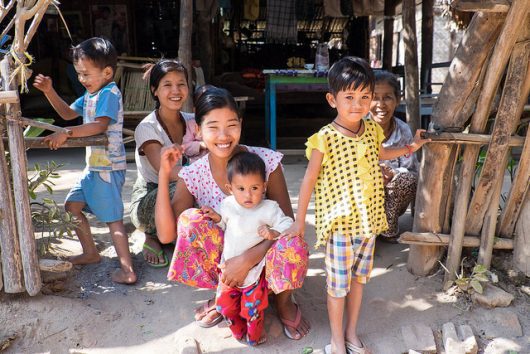
How Poverty is Sexist

  1. Girls have less access to education over their lifetime, one of the major ways poverty is sexist. Education helps girls defy traditional gender roles and encourages them to pursue job opportunities.
  2. Attacks on girls’ schools and education discourage parents from sending their daughters to school, fearing for their safety. In countries engrossed in domestic armed conflict, girls’ education often faces targeted attacks using threats, acid, explosives, gunfire, kidnappings or school closings.
  3. Women spend twice as much time as men doing unpaid work such as cooking, cleaning and caring for children. This kind of domestic labor restricts the time women can spend working for wages, finishing their education, learning new skills or opening new businesses. The traditional gender roles are more prominent in developing nations, so this gap is even larger.
  4. Child marriage, which is often driven by poverty, traps girls in a cycle of poverty. Child brides are less likely to finish their education, making them less likely to earn a safe and adequate income. In communities where child marriage is common, girls’ education is often not valued over their roles as wives and mothers.
  5. Women are more prone to poor nutrition over the course of their life, which makes them more susceptible to diseases. Poor maternal health and nutrition feed down from mother to child, resulting in a vicious cycle of lack of nutrition and provisions against diseases.
  6. Land is a crucially valuable asset in rural areas of the world, yet almost 70 percent of the world’s population does not have access to land registration systems. Women are disproportionally affected by land title ambiguity, making them more likely to suffer from poverty and economic insecurity.
  7. Women face significantly greater challenges in gaining access to financial services than men. In developing countries, women are 20 percent less likely to hold accounts at a formal financial institution than men and often face restrictions that require a male family member’s permission to open a bank account.
  8. A lack of access to sexual and reproductive health services and reproductive rights is a form of sexual discrimination that puts women and girls at a higher risk of poverty and limits their economic empowerment. Approximately 225 million women do not use safe and effective family planning methods, most of whom live in 69 of the world’s poorest countries.
  9. Data about global poverty in some of the poorest countries in the world is incomplete and lacking in gender-disaggregated data. There is a major need for gender-disaggregated data in order to understand how poverty is sexist, where and how women and girls are being left behind and how to fix it.

These are only a handful of the many ways in which poverty is sexist. The need for further study of the relationship between poverty and sexism is vital to level the playing field between men and women in the progression of economic and social opportunities.

– Sydney Lacey

Photo: Flickr

March 10, 2018
https://borgenproject.org/wp-content/uploads/borgen-project-logo.svg 0 0 Borgen Project https://borgenproject.org/wp-content/uploads/borgen-project-logo.svg Borgen Project2018-03-10 07:30:592019-11-05 01:33:28Nine Ways Poverty Is Sexist
Global Poverty, Women and Female Empowerment, Women's Empowerment

Women Can Do It: Myanmar’s Push for Women in Government

Myanmar
In 2011, Myanmar, the Southeast Asian country formerly known as Burma, began to transition to a democratic form of government after previously being under military rule for decades. This transition to a civilian-led government encouraged leaders of Myanmar’s economy to open their borders to foreign investment and reintegrate the country into the global economy.

Myanmar’s Isolated Past

Despite the country’s best efforts to catch up economically, Myanmar remains one of the poorest countries in Asia. Roughly 26 percent of the population’s 55 million people lives below the poverty line. This is a result of the isolationist policies that existed for years prior to the country opening its borders to the rest of the world. As a result, Myanmar suffers from poor infrastructure, underdeveloped human resources and deeply embedded government corruption.

As the country moves to a democratic form of rule, women have been finding ways to participate in a political system that was historically headed by men. A recent push for women in government in Myanmar’s last two elections in 2010 and 2015 shows the potential for more women representation and equality for women across the country.

Women in Government

On paper, Myanmar appears to be one of the most progressive countries in Asia when it comes to women in government. In 1935, women were given equal political participation rights in the constitution. Additionally, in 1995, Myanmar endorsed the Beijing Declaration and Platform for Action. This aimed to remove obstacles for women in both the public and private spheres of life.

However, women’s ability to participate in Myanmar’s government has been relatively limited. Sixty years of military rule kept women from participating in any capacity in the decision-making process. Even today, though Myanmar appears to be progressive when it comes to gender equality, the reality is that there are relatively few women in government compared to men. In the 2010 elections, only 6 percent of national parliamentarians were women.

It is essential to include women in the government decision-making process as Myanmar attempts to address issues of poverty within their borders. Female representatives can bring new perspectives as the country continues to develop. Many groups exist to promote the inclusion of women in politics of Myanmar. One of the many active groups is Women Can Do It.

Women Can Do It

Women Can Do It (WCDI) is an organization dedicated to raising awareness and building self-confidence in women. Across the country, women influenced by this organization are encouraged to run for office and become change-makers for their communities.

Created in 2001, well before the country’s transition to democracy, WCDI is working to create a just, peaceful and gender-equitable society in Myanmar. One of its key goals is to get women involved in the government decision-making process on issues of peace and development nationwide. This includes some of the aforementioned issues like addressing poor infrastructure, inadequate human resources, and fighting corruption.

WCDI works in five primary sectors:

  • Capacity Building
  • Research and Advocacy
  • Campaign
  • Media and Publication
  • Sisterhood Bonding

By focusing on these five sectors, WCDI educates women and pushes for more women in government across the country. The organization uses these five areas to give women a springboard from which to advance and become more involved in their communities. These efforts have great potential to improve the quality of life not only for its women, but for all of Myanmar’s citizens.

– Sonja Flancher

Photo: Flickr

March 9, 2018
https://borgenproject.org/wp-content/uploads/borgen-project-logo.svg 0 0 Borgen Project https://borgenproject.org/wp-content/uploads/borgen-project-logo.svg Borgen Project2018-03-09 01:30:012024-06-05 23:55:39Women Can Do It: Myanmar’s Push for Women in Government
Global Poverty, Women and Female Empowerment, Women's Empowerment

Merry-Go-Strong Encourages Women’s Development in Kenya

UW-Madison Grassroots Encourages Women's Development in KenyaIt doesn’t take an organization with hundreds of thousands of members to make a difference in the world. At the University of Wisconsin-Madison, there is a group known as Merry-Go-Strong (MGS). MGS is a nonprofit dedicated to supporting children and women’s development in Kenya through the expansion of both minds and resources.
Women’s Development in Kenya

Back in the spring semester of 2012, Professor Lesley Sager challenged her students to use design thinking processes to artistically create shelters for people displaced from natural disasters.

The students created a structure based on cardboard. Susan Miller, a designer, saw value in cardboard structures being brought to Kenya. Sager and Miller teamed up and decided to journey to Kenya to see if there was any viability in promoting cardboard houses for families there.

Aside from the architect side of the trip, Sager had a deep interest in bringing education opportunity to the children (specifically girls) in Kenya.

Sager’s Journey in Gatunga

When she arrived in Gatunga, a small village in Tharaka Nithi County, Sager met Aniceta Kirigata, the founder of the Tharaka Women’s Welfare Program (TWWP) and the Alternative Rite of Passage (ARP). ARP is designed to protect girls from female genitalia mutilation (FGM). TWWP receives its funding through a scholarship with the Women’s Global Education Project (WGEP). Many girls are forced to drop out due to lack of money to pay for fees, or they must remain out of school in order to work; therefore, a scholarship like one from WGEP is a huge deal.

Once she realized there was an immense lack of income generating options for women and children, Sager decided to take a different approach to helping women’s development in Kenya.

The Origins of Merry-Go-Strong

In fall of 2014, Sager offered the first of four sequential design thinking courses at UW-Madison. These courses would focus on using student’s own ingenuity to create projects and tools that would be useful to the women in Kenya. These projects range from product development, to solar power, beekeeping and other options.

And one of these projects is how MGS was born. The members within this organization partner with TWWP in the village of Gatunga, a project that supports women by providing materials to create viondo (aka bags/purses). The purses are then bought from their Kenyan makers to be sold in the United States where there is a much bigger consumer market.

MGS’ Impact

The profits from the purses are used to fund future projects and create scholarships for girls to continue to attend ARP and finish proper schooling. This approach to supporting women’s development in Kenya is empowering because it provides for self-sustainability both among women and the community in Gatunga; these lives will be positively impacted in the upcoming future.

Sager still continues to go to Kenya once or twice a year to follow up on the progress of Merry-Go-Strong’s efforts in empowerment and ending FGM (Big Ten Network, 2017). With this type of resiliency and consistency, women’s development in Kenya will hopefully experience leaps and bounds.

– Caysi Simpson

Photo: Flickr

March 4, 2018
https://borgenproject.org/wp-content/uploads/borgen-project-logo.svg 0 0 Borgen Project https://borgenproject.org/wp-content/uploads/borgen-project-logo.svg Borgen Project2018-03-04 01:30:412019-11-29 14:49:17Merry-Go-Strong Encourages Women’s Development in Kenya
Global Poverty, Women and Female Empowerment, Women's Empowerment, Women's Rights

New Laws Address Women’s Rights in Timor-Leste

Women's Rights in Timor-Leste

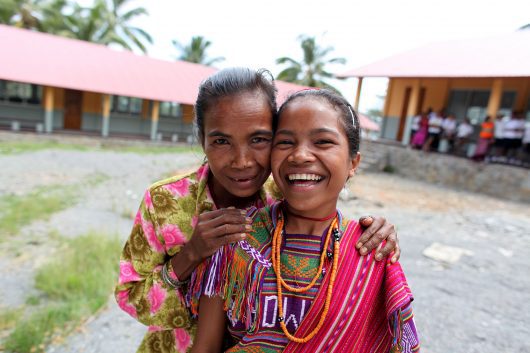
The Democratic Republic of Timor-Leste, a country located in Southeast Asia, gained its independence from Indonesia on May 20, 2002. This came after a popular vote in favor of becoming independent on August 30, 1999. As one of the world’s youngest and poorest nations, it is facing numerous social, political and economic issues. The country is not ignoring its issues but is instead working to improve them daily. One subject that is currently being brought to public attention is women’s rights in Timor-Leste, or the lack thereof.

Women in Timor-Leste face daily challenges that their male counterparts do not face to the same degree. One of these challenges is of an economic nature. Many women in Timor-Leste do not have the same training opportunities as men, which limits their job options. This limited access to jobs became a large issue after the conflict that Timor-Leste faced following the vote for independence in 1999 and before it was declared a sovereign state in 2002. During this time, nearly half of Timorese women were widowed due to widespread violence. These women became the sole provider in many households, and with economic options greatly limited for women in the country, many were left in poverty.

The government of Timor-Leste has recognized the economic challenges faced by women in the country. It is for this reason that Timor-Leste’s 2014 Country Gender Assessment includes an area dedicated to laying out a framework for advancing the economic opportunities of women. This framework includes increasing women’s participation in the labor market by improving training opportunities and implementing the Secretariat of State for Professional Training and Employment Policy’s gender mainstreaming strategy. These efforts will help to increase the number of financially independent women in Timor-Leste. In this area, women’s rights in Timor-Leste are advancing tremendously.

Another area of women’s rights in Timor-Leste that the country has struggled with is domestic and gender-based violence. Domestic violence is the most reported crime to the Vulnerable Persons Unit of the National Police by Timorese women, showing that this is a serious issue that is being faced by numerous women in the country. The government of Timor-Leste is determined to end this cycle of domestic violence. In addition to including women’s rights in the new constitution, the nation has also passed violence-specific legislation. This includes the Law Against Domestic Violence, which was passed in 2010 and defines domestic violence as a public crime. Timor-Leste also adopted the National Action Plan on Gender-Based Violence, which provides a strategy of prevention for domestic violence, as well as a number of services for survivors of gender-based violence and domestic violence.

In addition to the legislative actions being taken to reduce domestic violence in Timor-Leste and promote the economic advancement of women, government officials are also speaking out on the subject of women’s rights in Timor-Leste. The Prime Minister of Timor-Leste, Rui Maria de Araújo, made a statement at the Global Leader’s Meeting on Gender Equality and Women’s Empowerment in 2015. He stated that Timor-Leste is fully committing to “achieving gender equality and empowering all women and girls.” There is hope in this statement, and the lives of the citizens of Timor-Leste can only continue to improve as the rights of women continue to increase.

– Nicole Stout

Photo: Flickr

March 2, 2018
https://borgenproject.org/wp-content/uploads/borgen-project-logo.svg 0 0 Borgen Project https://borgenproject.org/wp-content/uploads/borgen-project-logo.svg Borgen Project2018-03-02 07:30:022024-05-29 22:39:37New Laws Address Women’s Rights in Timor-Leste
Global Poverty, Nonprofit Organizations and NGOs, Women's Empowerment

5 Nonprofits Helping Women and Girls in Nigeria

5 Nonprofits Helping Women and Girls in Nigeria

Traditional religious and cultural beliefs have hindered the growth and development of women and girls in Nigeria. Often faced with opposition, this particular demographic does not have any support. As the economy of Nigeria continues to worsen, many programs that aid women and girls are likely to be cut. However, most remain strong and continue to provide assistance to Nigerian females through various institutions. These are five nonprofits helping women and girls in Nigeria.

Kudirat Initiative for Democracy

Based in Lagos, Nigeria, Kudirat Initiative for Democracy (KIND) works on projects focused on eliminating barriers for women’s public participation in social, economic and political development and ending violence against women.

KIND is just one of the many nonprofits helping women and girls in Nigeria by providing them with the information and skills needed to take part as service leaders at all levels of society.

One of KIND’s leadership programs, Kudra, is offered at higher institutions of learning in Nigeria. This program works with young women at universities, supplying them with leadership tools and life-building skills. These young women are encouraged to engage in changing their communities through community engagement, building businesses and mentoring others, thereby boosting the development of a generation of women leaders in Nigeria.

Wellbeing Foundation Africa

The Wellbeing Foundation Africa is a maternal, newborn and child health group in Africa, noted for being one of the first established nonprofits in Nigeria and the backbone of the larger Wellbeing Group.

Through strategic collaboration with preeminent global providers of maternal and child health products, with the hopes of sealing the cracks in health infrastructure, Wellbeing Universal Health organizes the expedition and accessibility of life-saving supplies to expectant and new mothers in Africa.

Working to Advance Science and Technology Education for African Women (WAAW Foundation)

Founded in 2007, WAAW Foundation is an international organization that works to enhance the pipeline of African women entering the science and technology workforce.

WAAW Foundation’s STEM strategy underlines how the use of computer science, technology and programming can be used to solve the energy and clean water crisis occurring in Africa through the use of an integrated inquiry-based learning experience.

They are able to give girls an opportunity to seek STEM training while also introducing them to technologies that use available resources to solve massive issues in their own local communities.

Women in Management, Business and Public Service (WIMBIZ)

WIMBIZ is a Nigerian nonprofit created by individuals who recognized a major issue of few women in leadership roles in workplaces and businesses.

This organization helps women manage the many conflicts they face in the workplace by motivating them to achieve their potential and be meaningful contributors to economic development. Its goal is to increase the success rate of women entrepreneurs and progressing the number of women in senior levels at corporations and empowering women to secure leadership positions in management, businesses and public service positions.

Stand to End Rape Initiative

Stand to End Rape Initiative is a youth-led nonprofit organization advocating against sexual assault by offering prevention methods and psychological services for survivors. They advocate for rape survivors who find it difficult to speak out because of social stigma and also utilize varying platforms to teach the communities sexual violence and abuse.

With these five nonprofits helping women and girls in Nigeria, the opportunity for other organizations to contribute their resources toward addressing social problems will hopefully alleviate societal issues within this specific demographic.  

– Zainab Adebayo

Photo: Flickr

February 28, 2018
https://borgenproject.org/wp-content/uploads/borgen-project-logo.svg 0 0 Borgen Project https://borgenproject.org/wp-content/uploads/borgen-project-logo.svg Borgen Project2018-02-28 01:30:252024-05-29 22:39:325 Nonprofits Helping Women and Girls in Nigeria
Health, Women's Empowerment

Bollywood’s ‘Padman’ Tackles Issues of Women’s Health in India

Women's Health in IndiaOn Feb. 9, 2018, the Bollywood movie “Padman” was released to the largest film market in the world. “Padman” is exactly what it sounds like: a film about a man who creates pads. The Bollywood film chronicles the true story of Arunachalam Muruganantham, India’s pioneer of a revolutionary method of producing cost-effective sanitary pads for women and girls across the country.

The film is more than just a story about someone with a good idea; it is also challenging the stigma that surrounds menstruation and women’s health in India. “Period Poverty” is a global phenomenon that describes a woman’s inability to buy proper feminine hygiene products. In India in particular, the effects of period poverty hinder many girls’ abilities to stay in school. In India, one in four girls miss one day or more of school due to menstruation.

In lower and middle income countries, poor sanitation facilities are one thing that keep girls from attending school while on their period. Many schools in lower income countries also do not have the puberty education necessary to educate girls about menstruation. A recent study found that 71 percent of girls in India have no knowledge about menstruation prior to their first period.

Most cultures around the world also have a major stigma surrounding menstruation. In India in particular, a lot of taboo surrounds the topic of periods and women’s health in general. Restrictions for women on their period include not being able to enter religious shrines or come into contact with food, further keeping girls from school. Many girls are nervous about asking for help in the event of stained clothing due to improper feminine hygiene care.

Another thing keeping women from proper feminine hygiene care is cost. Until recently, 70 percent of Indian women could not afford to buy pads for their family. Instead, families resorted to using and reusing rags which quickly become unsanitary as breeding grounds for disease. In rural areas, materials other than rags were often used like sawdust or ash.

There are currently many NGOs operating around the world with the goal of creating affordable solutions for women suffering from period poverty. Many of these organizations are dedicated to solving issues of women’s health in India.

Innovator Arunachalam Muruganantham has created a machine that makes sanitary pads that are sold mostly to NGOs along with women’s self-help groups. The machine comes in two different types, a manual version and a semi-automated version. Each machine can make 200 to 250 pads a day and is designed to be user-friendly for women living in rural areas.

The pads sell for about 2.5 rupees, almost half of what it would be to buy them commercially. This system not only provides proper sanitary products for women, but also creates jobs for women living in rural areas as they learn how to use and operate the machine. Muruganatham has expanded his efforts well beyond India and is now working in 106 countries around the world.

An organization created in 2008 called Days for Girls is dedicated to improving women’s health around the world. The organization aims to provide girls with invaluable health education and provide its recipients with a Days for Girls kit. Each kit contains sanitary napkins, washcloths, soap, a menstrual chart and underwear. This is just one example of the many organizations fighting to end the stigma surrounding periods.

India is the largest film market in the world, with 2.2 billion movie tickets sold in 2016. Hopefully, the recent film, “Padman,” will reach a wide variety of audiences and bring more attention to issue of women’s health in India.

– Sonja Flancher

Photo: Flickr

February 26, 2018
https://borgenproject.org/wp-content/uploads/borgen-project-logo.svg 0 0 Borgen Project https://borgenproject.org/wp-content/uploads/borgen-project-logo.svg Borgen Project2018-02-26 01:30:172024-05-29 22:39:33Bollywood’s ‘Padman’ Tackles Issues of Women’s Health in India
Global Poverty, Women, Women & Children, Women's Empowerment

Further Improvements to Women’s Healthcare in Afghanistan

women’s healthcare in Afghanistan

The years of Taliban control have decimated Afghanistan’s healthcare system. Since the Taliban’s fall in 2001, civil wars and internal conflict have made it difficult for the Afghan system to rebound. Almost 800 medical care centers have closed in the past ten years due to strife, and surveys indicate that 40 percent of people living in Afghanistan are unable to access healthcare services. While the struggle for adequate healthcare affects everyone in Afghanistan, it hits women the hardest. In order to strengthen the country’s infrastructure, it is crucial to improve women’s healthcare in Afghanistan.

Under the Taliban, male doctors and nurses were only allowed to touch female patients above their clothing and women were not educated in any facet, especially regarding healthcare practices. While the Taliban has since fallen, these practices still remain ingrained in the culture of Afghanistan. Many people still consider women’s healthcare in Afghanistan the worst worldwide. The projected lifespan for an Afghan woman is about 52 years, which is decades lower than the projected lifespan for a female living in the United States.

The most pressing issue regarding women’s healthcare in Afghanistan consistently remains healthcare during pregnancy and childbirth. Living in one of the most dangerous countries to give birth, around half a million Afghan women die in childbirth every year. This is a result of poor healthcare, a lack of access to healthcare services and a large number of child mothers. Additionally, around 20 percent of women are malnourished, which often results in a premature delivery. The low quality of women’s healthcare in Afghanistan impacts Afghan children as well, and 396 out of 100,000 babies do not survive.

These statistics are incredibly discouraging, but a closer inspection of the numbers can provide much hope for women’s healthcare in Afghanistan. From 2000 to 2010, the death rate of mothers giving birth plummeted from 1,600 deaths per 100,000 births to 327 deaths per 100,000 births. The mortality rate of children under the age of five dropped from 257 deaths per 1,000 children born alive to 97 deaths per 1,000 children born alive. Life expectancy, access to vaccinations and access to clean drinking water has also improved. The statistics are still grim but show substantial progress and encouragement for the healthcare initiatives that have taken place in Afghanistan since the fall of the Taliban.

There are several reasons for the improvements to Afghanistan’s healthcare system. The government has worked with the European Union, the U.S. Agency for International Development, and the World Bank to provide better healthcare to the Afghan people. Through their funding, women’s access to healthcare in Afghanistan has improved substantially from the zero percent that could access it a little over a decade ago.

The Ministry of Public Health in Afghanistan has also made significant strides through SEHAT, the System Enhancement for Health Action in Transition. This program trains women to be nurses and midwives, empowering them to serve their community and reducing the number of women who die because their husbands will not let them be treated by male healthcare workers.

Several other organizations have also funded projects to support health in Afghanistan. The Red Cross sponsors clean water and healthy food initiatives throughout rural provinces. UNICEF funds and supports healthcare teams that travel throughout the country in order to provide care for women, particularly those living in rural areas, who cannot travel to a hospital.

It is important to understand that the healthcare crisis in Afghanistan is incredibly real, and action needs to be taken to save the lives of the Afghan people who are dying because of inadequate access to healthcare, a large number of whom are women. However, the progress that has been made in Afghanistan over the last twenty years provides proof that things can and will get better through continued healthcare initiatives.

– Julia McCartney

Photo: Flickr

February 19, 2018
https://borgenproject.org/wp-content/uploads/borgen-project-logo.svg 0 0 Borgen Project https://borgenproject.org/wp-content/uploads/borgen-project-logo.svg Borgen Project2018-02-19 07:30:162024-05-29 22:39:27Further Improvements to Women’s Healthcare in Afghanistan
Global Poverty, Women and Female Empowerment, Women's Empowerment

Her Farm Offers Hope and Prosperity to Children and Women in Nepal

Her Farm Offers Hope to Children and Women in Nepal
Women in Nepal own land and pursue new occupations. 
A small village in Nepal, Mankhu, has a unique program for women’s empowerment — Her Farm — where women are in a position to pursue their dreams, learn how to drive a motorbike, learn English, work in radio, study film and photography and so much more.


Women in Nepal

Even though the women in Nepal run the house, most women still depend on male family members for financial stability. This pattern often leaves many women unable to escape abusive circumstances and limits them from pursuing their passions.

A village program with a group of 30 people, mainly women and children, focuses on allowing women to own land and pursue their dream jobs outside of just traditionally female areas of occupation like handicrafts or food production.

The people come from very different backgrounds with some from the village, some escaping from abusive relationships and some coming from mental-health facilities or broken homes.


Violence and Gender Inequality

In a survey from the Ministry of Health and Population of Nepal in 2011, 28 percent of women between the ages of 15 and 49 said they had experienced violence from their partner at least once in their partnership; 14 percent had experienced it in the last year.

Women who do not have an occupation often have no choice but to stay in an abusive relationship.

The government of Nepal recognizes this problem has offered significant tax cuts if land is registered in a woman’s name, but little progress has resulted. Her Farm is responding to this issue by offering a safe place for women.

The country ranks 115th in the Gender Inequality Index by the United Nations Development Program, and child marriage also remains a problem. Her Farm provides education so all the children in the village can go to school every day.


Women Farmers

A joint program by U.N. Women and partners in Nepal has also improved women farmers’ agricultural production and income, as well as changed many of the gender-discriminatory attitudes of their male counterparts.

An irrigation system was built to bring fresh water closer to homes and water the crops through support from the Rural Women’s Economic Empowerment Joint Program and was implemented by U.N. Women, the Food and Agriculture Organization, the International Fund for Agricultural Development and the World Food Programme. Such developments are funded by a consortium of donors that focus on economic empowerment.

Rural women in Nepal lack recognition for their roles, making up a large proportion of the agricultural labor force and sustaining nearly 80 percent of the population.


Ending Discrimination

Women farmers face discrimination with unequal pay and lack of access to resources and markets. Fortunately, though, the narrative is changing as women’s agricultural production improves and the program increases their income, food security and independence.

As women in Nepal take up leadership positions, their children can follow their footsteps and have women to look up to as they change the climate for women in Nepal.

– Julia Lee

Photo: Flickr

February 17, 2018
https://borgenproject.org/wp-content/uploads/borgen-project-logo.svg 0 0 Borgen Project https://borgenproject.org/wp-content/uploads/borgen-project-logo.svg Borgen Project2018-02-17 01:30:062019-12-09 05:53:20Her Farm Offers Hope and Prosperity to Children and Women in Nepal
Education, Global Poverty, Women and Female Empowerment, Women's Empowerment

Four Ways Educating Women Reduces Poverty

4 Ways Educating Women Reduces Poverty

While global poverty affects people of all ages, races and genders, one truth can be agreed on: poverty disproportionately affects women. Researchers claim that 60 percent of hungry people are women, and women own less than 20 percent of privately-owned land. The global education statistics mirror the statistics concerning poverty. Two-thirds of the 796 million people who are illiterate are women. Is this a coincidence? It’s not likely, and here’s why.

Education is key to lifting individuals and families out of poverty and stimulates economic growth in a community. Girls are systemically denied education more often than boys, resulting in more impoverished women. While these statistics are discouraging, they actually provide a tangible step to ending global poverty: educating women. Here are four ways educating women reduces poverty.

  1. Improving the Health of Mothers and Babies

    One-third of girls in developing countries are married off before the age of 18, and most have children within a few years. Most of these marriages are arranged, and this can be incredibly dangerous as more girls between the ages of 15 and 19 die from pregnancy complications than anything else. Educated women tend to get married later and give birth to healthier babies. In Egypt, the children of educated mothers are half as likely to die as the children of uneducated mothers. Educating women reduces poverty by resulting in healthier mothers and babies. Growing up without a mother increases the chances of living in poverty, especially for females, and education is a tangible way to combat this issue.

  2. Increasing Wages

    Educated people are almost always paid more than uneducated people. Educating women reduces poverty by empowering them to seek more ambitious work opportunities. Research has shown that an additional year of schooling can increase a woman’s earnings by almost 25 percent. An increase in employment results in economic growth, which decreases the poverty levels in a community.

  3. Halting Generational Poverty

    Poverty is a cycle, an unwanted gift handed down from generation to generation. Poor families tend to live near each other, creating an impoverished community. When parents are well-educated, they tend to bring in more money and give their children more educational opportunities. Women also tend to spend more money on food and education for their children than men do, and educated women are more likely to value education. Educating women increases the chances that their children will be educated, and education is the number one tool to lift people out of poverty. Essentially, anything done to benefit the mother in a family will automatically trickle down to benefit her children.

  4. Investing in Communities

    Women are more likely to remain in their communities, and education better equips them to give back. It is estimated that some countries sustain more than $1 billion in losses as a result of inadequately educating girls. Educating women reduces poverty by empowering them to rise into leadership roles and make decisions that better their communities.

The research on the subject asserts that educating women reduces poverty, and this offers hope for a brighter future. If governments prioritize female poverty, they will be able to see a tangible improvement in the status of global poverty.

– Julia McCartney

Photo: Flickr

February 16, 2018
https://borgenproject.org/wp-content/uploads/borgen-project-logo.svg 0 0 Borgen Project https://borgenproject.org/wp-content/uploads/borgen-project-logo.svg Borgen Project2018-02-16 01:30:532024-12-13 17:51:57Four Ways Educating Women Reduces Poverty
Page 46 of 54«‹4445464748›»

Get Smarter

  • Global Poverty 101
  • Global Poverty… The Good News
  • Global Poverty & U.S. Jobs
  • Global Poverty and National Security
  • Innovative Solutions to Poverty
  • Global Poverty & Aid FAQ’s
Search Search

Take Action

  • Call Congress
  • Email Congress
  • Donate
  • 30 Ways to Help
  • Volunteer Ops
  • Internships
  • Courses & Certificates
  • The Podcast
Borgen Project

“The Borgen Project is an incredible nonprofit organization that is addressing poverty and hunger and working towards ending them.”

-The Huffington Post

Inside The Borgen Project

  • Contact
  • About
  • Financials
  • President
  • Board of Directors
  • Board of Advisors

International Links

  • UK Email Parliament
  • UK Donate
  • Canada Email Parliament

Get Smarter

  • Global Poverty 101
  • Global Poverty… The Good News
  • Global Poverty & U.S. Jobs
  • Global Poverty and National Security
  • Innovative Solutions to Poverty
  • Global Poverty & Aid FAQ’s

Ways to Help

  • Call Congress
  • Email Congress
  • Donate
  • 30 Ways to Help
  • Volunteer Ops
  • Internships
  • Courses & Certificates
  • The Podcast
Scroll to top Scroll to top Scroll to top