• Link to X
  • Link to Facebook
  • Link to Instagram
  • Link to TikTok
  • Link to Youtube
  • About
    • About Us
      • President
      • Board of Directors
      • Board of Advisors
      • Financials
      • Our Methodology
      • Success Tracker
      • Contact
  • Act Now
    • 30 Ways to Help
      • Email Congress
      • Call Congress
      • Volunteer
      • Courses & Certificates
      • Be a Donor
    • Internships
      • In-Office Internships
      • Remote Internships
    • Legislation
      • Politics 101
  • The Blog
  • The Podcast
  • Magazine
  • Donate
  • Click to open the search input field Click to open the search input field Search
  • Menu Menu

Archive for category: Water

Activism, Global Poverty, Water

Top 6 Water NGOs in Latin America

Top 6 Water NGOs in Latin America

A number of countries in the Latin America and Caribbean region are experiencing water crises which present an obstacle in achieving the U.N.’s Sustainable Development Goal of universal access to clean water access by 2030. Fortunately, there are a number of organizations actively working to help them get there as quickly as possible. Keep reading to learn more about the top six water NGOs in Latin America.

Top 6 Water NGOs in Latin America

  1. Founded in 2007, Water Charity’s first project focused on improving the health of garbage dump workers by providing water filters in Guatemala City. Since then, the NGO has executed numerous water missions throughout 12 Latin American countries, among other projects worldwide. Each of its projects is innovative and tailored toward the specific needs of the communities in which they work. For instance, through the Dajabon Latrine Project in rural northwestern Dominican Republic, 110 families now have access to safe and sanitary latrines. Moreover, the initiative strives to educate families on the importance of health and hygiene given Dajabon’s poor education system.
  2. Living Water International in Mexico has been working to improve water access, hygiene and sanitation throughout the country’s poorest and often most rural communities. With operations spanning from water systems to hygiene education, the organization aims to focus on the marginalized regions of southern Mexico. Living Water’s “Lazos de Agua” program from 2013 to 2016 promoted WASH (“water, sanitation and hygiene) services to 68,000 beneficiaries in Oaxaca and Puebla. The organization’s projects, such as a new initiative to serve beneficiaries in 65 Mexican rural communities, continue to emerge across the nation and beyond.
  3. blueEnergy knows that the most efficient way to create change is through community consultation and working with local actors. Recognizing the context of a changing climate, blueEnergy has delivered water and sanitation to more than 30,000 people in marginalized regions of Nicaragua. Regarding a recently built water filter, Victorio Leon, a resident of Bluefields, Nicaragua only had positive feedback. “This filter has helped me economically and helped me avoid being sick a lot of the time… now we know we can drink this water with confidence.” Indeed, according to the World Bank, lack of water and sanitation results in a loss of 0.9 percent of Nicaragua’s GDP. Promoting health, and ultimately economic opportunity is among blueEnergy’s primary goals.
  4. WaterStep recognizes that making a true difference in developing countries requires planning for the long-term. For this reason, the nonprofit educates vulnerable communities on why and how to use safe water solutions such as bleach making as well as how to use WaterStep’s on-the-ground technologies. One of its ongoing projects includes that in Ecuador, which began following the country’s 7.8 magnitude earthquake in 2016. Thousands of Ecuadorian survivors were misplaced and lacked any source of clean water. WaterStep responded to the situation by implementing water technologies and training people in refugee settlements on how to use this equipment.
  5. Water For People has targeted Honduras’ marginalized and rural regions such as Chinda and San Antonio de Cortés, since 1997. The NGO invests in public and private sectors alike to provide proper water and sanitation solutions. Since the nineties, Honduras has seen success not only in meeting the Millennium Development Goal of reducing the percentage of people lacking clean water by 50 percent. Moreover, at least 84 percent of the rural population now have access to improved water. Grassroots efforts such as those by Water For People are making clear steady strides towards achieving SDG goal six: providing clean and safe water to all regions.
  6. Solea Water acknowledges the clear inequalities between rural and urban Panama. While Panama City has seen outstanding economic growth in recent years, in marginalized indigenous areas, extreme poverty affects nine in 10 inhabitants. Consequently, clean water access remains a critical issue in these regions. One of the organization’s many projects includes work in Sinai, Panama, where seven in 10 people lack safe drinking water. In addition to implementing a municipal water system which utilizes sustainable technologies to pump water, the organization has supported WASH education to locals. Solea Water’s goals of better health, education and overall improved standards of living within regions like Sinai are made a reality through the organization’s tireless dedication.

What Happens Now?

While access to water has improved in poor and marginalized regions in-line with the decrease in global poverty, disparities remain. These disparities are clear between regions, where 94 percent of citizens in the United States and Europe have access to safe drinking water compared to 65 percent in Latin America and the Caribbean. Moreover, even larger disparities can be seen within a given region, such as the gap between urban and rural regions within Latin America. While 96 percent of citizens living in the Dominican Republic’s cities can obtain piped water, less than 25 percent of Dominicans in rural areas have this same access.

While the fight to universalize access to clean water and sanitation remains a pressing matter, these top six water NGOs in Latin America present the importance of civil society’s proactive planning, hard work and progress.

– Breana Stanski
Photo: Flickr
 

September 29, 2019
https://borgenproject.org/wp-content/uploads/borgen-project-logo.svg 0 0 Kim Thelwell https://borgenproject.org/wp-content/uploads/borgen-project-logo.svg Kim Thelwell2019-09-29 04:44:252019-12-16 13:47:47Top 6 Water NGOs in Latin America
Food Security, Global Poverty, Refugees, Water

The Biggest Global Issues Facing Humankind

Biggest Global Issues
Hundreds of millions of people around the world experience insufficient living conditions due to environmental factors, displacement, disease, poverty or some combination of the four. Here is a list of the biggest global issues that plague humankind.

The Biggest Global Issues Facing Mankind

1. Food and Malnutrition

  • Food and nutrition are essential for just about every life form on the planet, especially humankind. Although countries such as China, India, Brazil and the United States produce vast amounts of food for the world, about one in nine people will not eat enough food today. Malnourishment leads to the inability of about 795 million people to lead active and healthy lives around the globe.

  • Malnutrition leads to poor health and can stunt development in education and employment. According to The Food Aid Foundation, 66 million school-aged children will go to school hungry today. Consistent hunger in schools is linked to a lack of concentration.

  • World hunger has decreased by about 219 million people within the past two decades. It is through the innovative and ambitious work of organizations like the World Food Programme, in partnership with governments and communities, that the world can fill empty stomachs and provide communities with the resources to fill their own stomachs without aid, overtime.

  • The World Food Programme provides the Home Grown School Feeding Programme to counter the effects of consistent hunger in schools. One model of the  Home Grown School Feeding Programme in Kenya provides school meals to over 600 million schoolchildren. The organization purchases the meals from local farmers which helps boost Kenya’s agriculture-dependent economy. Constant meals in school serve as an incentive for poor families to send their children to school every day and enhance the quality of children’s education by reducing hunger.

2. Access to Clean Water

  • Water covers about 70 percent of planet Earth. Inadequate water supply, water supply access and lack of sanitation kill millions of people annually. Used for drinking and hygiene practices, lack of water sanitation is a leading cause of child mortality around the world.

  • Two days of the year educate the world about one of the biggest global issues facing humankind: the global water crisis. World Water Day and World Toilet Day are reminders that 700 million people around the globe could be facing displacement due to decreased access to fresh water by 2030. Severe droughts are a major reason for displacement. When there is no more water for drinking or for crops and livestock, people must leave their homes in search of a place where there is an adequate supply of water.

  • Within the past two decades, the percentage of countries without basic sanitation services decreased by 17 percent. Forty countries are on track to receive universal basic sanitation services by the year 2030. In the meantime, 88 countries are progressing too slowly in their sanitation advancements and 24 countries are decreasing in their advances toward universal sanitation coverage.

  • The Water Project is committed to providing safe water to Africa. It builds wells and dams to provide access to safe water. The project also delivers improved technology for more sanitary toilets that keep flies away. The Water Project provides and monitors 157 water projects in Sierra Leone including wells, dams and sanitary toilets. The Water Project builds these projects in schools and communities in the Port Loko region of Sierra Leone, serving some 7,000 Sierra Leoneans. The Water Project’s save water initiative impacts over 40,000 people on the continent of Africa.

3. Refugee Crisis

  • The refugee crisis is one of the biggest global issues facing humankind today. Refugees are seeking asylum from persecution, conflict and violence. A grand total of 68.5 million people have been forcibly displaced from their home countries. Some 54 percent of those displaced are children.

  • Developing countries host a third of the world’s refugees. Many refugees reside in the neighboring countries of those they left behind. Turkey, Jordan, Pakistan and Lebanon lead the world in hosting refugees.

  • Asylum seekers from Syria, Democratic Republic of Congo and South Sudan continuously flee ongoing persecution, conflict and violence in their home countries. More recently, four million Venezuelans have fled their home country, 460 thousand of whom are seeking asylum in Spain, Central America and North America.

  • Venezuelans are fleeing dire political unrest and hyperinflation. Shortages in food, water, electricity and medicine also afflict the country. The Red Cross now provides at least $60 million worth of aid to Venezuela, reaching at least 650,000 Venezuelans. The World Vision Organization delivers aid to Venezuelan refugees in Venezuela’s neighboring countries. For example, in Colombia, World Vision provides economic empowerment, education, food and health essentials to some 40,000 refugees.

4. AIDS Epidemic

  • Acquired immunodeficiency syndrome (AIDS) is a longstanding global issue. With at least 36.9 million AIDS or HIV (the virus that causes AIDS) infections around the world, the disease is one of the biggest global issues facing humankind. Since 2004, AIDS-related deaths have been reduced by over half. In 2004, almost two million people worldwide died of AIDS-related illnesses, compared to 940,000 in 2017.

  • Organizations like the International AIDS Society, UNAIDS, Kaiser Family Foundation and PEPFAR are dedicated to stopping the spread of HIV/AIDS. These organizations help to ensure that infected people have access to treatment and the opportunity to live healthy lives. Adolescent girls and young women (AGYW) are 14 times more likely to contract HIV than boys. The DREAM initiative by PEPFAR and partners prioritizes the safety of AGYW against new HIV infections. PEPFAR is reaching at least 144,000 AGYW in Kenya, one country where HIV infections are most prevalent.

  • Although there is currently no cure, UNAIDS has a Sustainable Development Goal of bringing the number of new HIV infections down to zero by the year 2030. The Kaiser Family Foundation conducts research and analyzes data regarding U.S. AIDS policy and funding, both domestic and globally. It serves as a source of information about AIDS and other global health issues for U.S. policymakers and the media.

5. Eradicating Poverty

  • Poverty is the lack of income necessary to access basic everyday needs and/or living below a specific country’s standard of living. Living in poverty can result in malnutrition,  poor health, fewer opportunities for education and increased illness. With an estimated 783 million people living in poverty, eradicating poverty is one of the biggest global issues facing humankind.

  • Malnutrition, contaminated water, the refugee crisis and the AIDS epidemic all contain some aspects of poverty. Organizations like the United Nations and the Bill and Melinda Gates Foundation focus on sustainable development strategies to alleviate global poverty. The number of people living in poverty has decreased by half, thanks to the U.N.’s Millennium Development Goals. The Millennium Development Goals have lifted at least one billion people out of extreme poverty within the last two decades.

  • The Gates Foundation is proving that poverty can be ameliorated through Agricultural Transformation. Increasing a country’s food production can counter malnutrition and boost the country’s economy by increasing farmer’s crop productivity. Poverty in Ethiopia has decreased by at least 45 percent since the Gates Foundation first started investing in agricultural development there in 2006. Ethiopia, one of the poorest countries in the world, is witnessing an overall increase in its economy.

With the help of innovative organizations partnered with governments, the world is implementing practical techniques to help eliminate hunger, water scarcity, AIDS/HIV and poverty from the list of the biggest global issues facing humankind. Eliminating these problems will improve the living conditions of millions of people around the world, including refugees and internally displaced people.

– Rebekah Askew
Photo: Flickr

September 10, 2019
https://borgenproject.org/wp-content/uploads/borgen-project-logo.svg 0 0 Jennifer Philipp https://borgenproject.org/wp-content/uploads/borgen-project-logo.svg Jennifer Philipp2019-09-10 01:30:162024-05-29 23:09:51The Biggest Global Issues Facing Humankind
Global Poverty, Water, Water Quality, Water Sanitation

How AquaSafi Can Provide Access to Clean Water

Provide Access to Clean Water
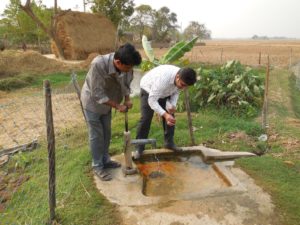
Back in 2011, the creator of AquaSafi, Kevin Cluff, wanted to provide a solution to those 800 million people in the world who do not have access to clean water. He then created water purification systems to place in developing countries to provide people with access to clean water. Cluff and AquaSafi partnered with NGOs in India to bring the systems to the country due to how expensive the systems are. AquaSafi has already provided over 100,000 people with access to clean water and helped communities in other ways too.

Water Purification Systems

Having access to clean water is arguably the biggest necessity in developing countries. Clean water access is crucial because, without it, people can contract waterborne diseases such as polio, malaria, cholera and diarrhea. Diarrhea alone causes 2.2 of the 3.4 million deaths from waterborne diseases a year because developing countries often do not have access to modern medicine. Unfortunately, having access to clean water is becoming harder when people are polluting more and more of the water supply.

Luckily, AquaSafi has provided a potential solution to this widespread problem. The water purification systems that AquaSafi has created utilize reverse osmosis systems, which is a process that uses pressure to eliminate contaminants from water. Because the systems use only pressure, they require little electricity, water and space to operate.

Clean Water at an Affordable Price

To bring its systems to developing countries, AquaSafi partners with NGOs in those areas. By gaining the investments from organizations like H2O for Humanity, AquaSafi opened up stores in India where people can buy 20 liters of water for 3 cents. This affordable pricing is essential in making this an effective solution, as those living in extreme poverty are frequently living under $1.90 a day.

Other Benefits of AquaSafi

Through opening these stores, communities have benefited in ways that one might not think. Before, up to 4,000 children died every day due to waterborne illnesses. Now, in the communities with AquaSafi, the child death rate has dropped so much that school attendance is up. Additionally, the removal of fluoride from water sources has made cramps and joint pains go away for many people. Lastly, by opening up stores in the communities that most need them, AquaSafi has provided employment opportunities for locals. The organization trains those people on how to operate the system and perform maintenance when necessary.

By providing the solution of its water purification systems, Aquasafi has helped provide access to clean water to hundreds of communities. To lower the price per 20 liters, AquaSafi partnered with NGOs like H2O for Humanity so that those living in extreme poverty can afford it. The stores placed in these communities have also allowed those living in extreme poverty to gain employment opportunities which allow for the money spent on the water to go back into the communities. Overall, these water purification systems can save thousands of lives at an affordable cost as well as benefit the communities financially, which could potentially start to uproot people out of extreme poverty.

– Ian Scott
Photo: Wikipedia Commons

September 8, 2019
https://borgenproject.org/wp-content/uploads/borgen-project-logo.svg 0 0 Kim Thelwell https://borgenproject.org/wp-content/uploads/borgen-project-logo.svg Kim Thelwell2019-09-08 14:47:082024-05-29 23:11:08How AquaSafi Can Provide Access to Clean Water
Disease, Global Poverty, Water

What is Davos? Alleviating Poverty

What is Davos
For the last 50 years, world leaders have been flying across the world to take part in the World Economic Forum’s (WEF) facilitated conversations that might leave people wondering what is Davos, exactly? The small Swiss town, Davos, is home to the annual meeting held by WEF where invited elite address global issues and how to solve them.

In 2019, there were 3,000 people that joined together in the Swiss Alps to propose new initiatives for various issues, including how to help those in developing countries. The organization has been present in the creation of successful initiatives to provide vaccines and water to those in poverty as well as in the development of a project to prevent sickle cell disease in Ghana.

Gavi the Vaccine Alliance

Nearly two decades ago, Gavi the Vaccine Alliance launched at Davos, an organization that aims to provide vaccines and immunizations to children living in poverty. The Bill and Melinda Gates Foundation provided $750 million to get the organization running.

The World Health Organization (WHO) also founded Gavi and began partnering with the United Nations Children’s Fund (UNICEF) in 2008. UNICEF distributes vaccines and immunizations on behalf of Gavi, having spent $1 billion in 2014. In 2018, UNICEF distributed products to nearly 70 countries for Gavi, and plans on doing the same in 2019, according to its shipment plans.

Gavi’s goal is to immunize 300 million children between 2016 and 2020, already having provided 700 million children with immunizations. When people living in poverty receive vaccines to common diseases, it removes a financial burden and could eventually allow them to alleviate their poverty, according to a Harvard Health Policy Review article.

Water.org’s Clean Water Initiative

At the 2017 Davos meeting, Matt Damon and Gary White, founders of Water.org, announced the organization’s partnership with Stella Artois in providing water to 3.5 million people. According to WHO, 2.1 billion people lack access to clean, safe water in their home which can lead to the spread of diseases and death. To combat this phenomenon, Water.org is selling Stella Artois chalices and using a portion of the profits for WaterCredit, a system that allows local communities to take out loans to improve their water situation. This can mean different solutions for different communities allowing them a choice that best serves their needs, according to NPR. This partnership is just one of the initiatives in place by Water.org; Water.org and Stella Artois have been working together since 2015 and have helped over 1.7 million people gain access to clean water.

Sickle Cell Screening in Ghana

At the 2019 Davos meeting, the government of Ghana signed a five-year Memorandum of Understanding (MOU) with Novartis, a Swiss pharmaceutical company, to treat sickle cell disease within the country. Two percent of Ghanian newborns are born with sickle cell disease, according to a 2005 study of over 200,000 newborns. Director of Ghana Health Service, Dr. Anthony Nsiah-Asare, stated at Davos that he hopes that the MOU will allow for the placement of treatment centers in all regional hospitals and the screening of every newborn while also collecting and analyzing data on the disease.

As of March 2019, 5,600 doses of Hydroxyurea, a daily drug treatment for the disease, went to Ghana for sale at a reduced price, according to Ghana Business News. By September 2019, 40,000 more doses should enter the country.

In answering the question, “what is Davos?”, it is a small city where big leaders have been working towards making changes for more than 20 years, like the alleviation of poverty through acts such as providing vaccines, clean water services and disease screenings to countries in need. At varying levels of success, these initiatives have reached millions of people suffering from poverty and seem to be maintaining momentum.

– Makenna Hall
Photo: Flickr

September 5, 2019
https://borgenproject.org/wp-content/uploads/borgen-project-logo.svg 0 0 Kim Thelwell https://borgenproject.org/wp-content/uploads/borgen-project-logo.svg Kim Thelwell2019-09-05 11:34:232024-05-29 23:10:46What is Davos? Alleviating Poverty
Disease, Global Poverty, Life Expectancy, Water

10 Facts About Life Expectancy in Fiji

10 Facts About Life Expectancy in Fiji
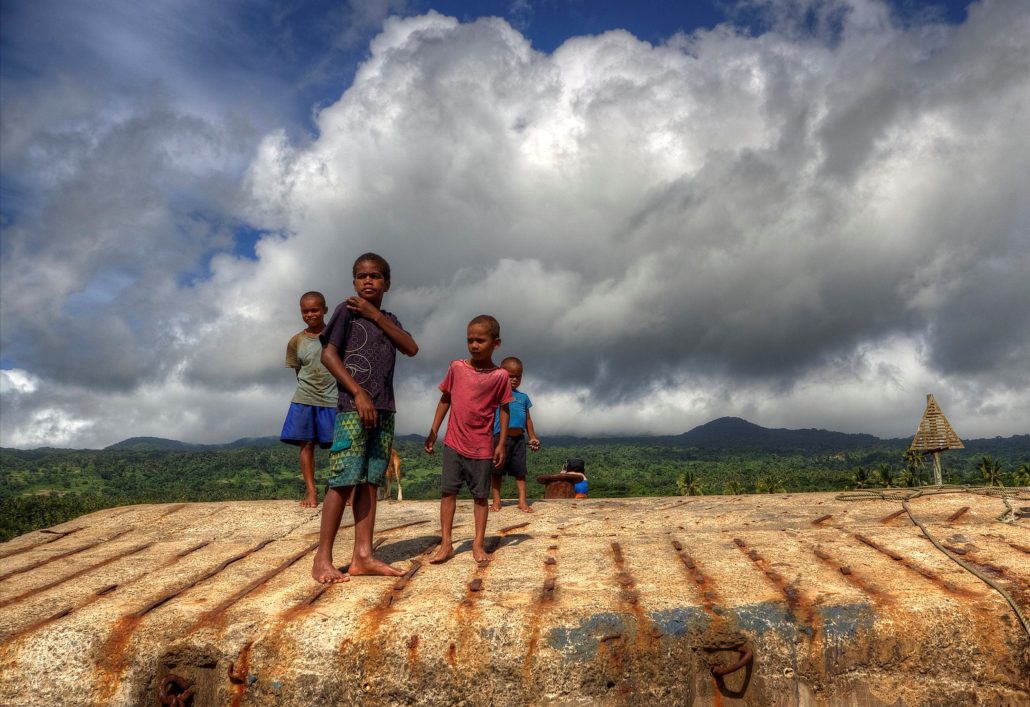
Fiji is an island that attracts tourists with its beautiful beaches and humble hosts but is one of the top 100 countries when it comes to short life expectancy. Here are 10 facts about life expectancy in Fiji.

10 Facts About Life Expectancy in Fiji

  1. In 2017, 25 out of every 1,000 babies died before their fifth birthday. Malnutrition is one of the primary causes of such a high under-five mortality rate. UNICEF reported that in 2004, over 40 percent of children in Fiji were malnourished and parents did not have the funds to buy their children the food they needed to survive.
  2. In 2013, 28 percent of the population lived below the poverty line. Currently, over 250,000 of the 900,000 people in Fiji are in poverty. Due to a lack of income, many people that live in rural areas moved to urban areas in order to increase livelihood and potentially live longer.
  3. Neonatal mortality was at 11 per 1,000 births in 2017. Neonatal mortality was another reason the death rate was high in Fiji. Premature births, birth defects and low birthweight were the leading causes. According to UNICEF, lack of access to food due to economical shortages contributed to early childhood deaths.
  4. Fiji had 49 tuberculosis incidents per 100,000 of its people in 2017. People who lived in urban areas were susceptible to tuberculosis due to pollution and overcrowding.
  5. In 2016, there was a 31 percent mortality rate due to heart disease, cancer, diabetes or chronic respiratory disease. Obesity is one of the leading causes of heart disease, diabetes and chronic respiratory disease. In 2016, there were 81 percent of women and 55 percent of men who were overweight.
  6. Fiji has both private and public health care facilities, but both suffer from limited access to medication. According to a survey by the National Center for Biotechnology Information, this is due to affordability, as unemployed patients can not always afford their required medication. Based on the survey, 16 out of 48 people were unable to receive medication due to lack of funds. Fiji is trying to improve this through better water infrastructure, more centralized resources and community aid.
  7. Dengue fever is a common illness in Fiji. Dengue fever is a mosquito illness that causes flu-like symptoms. The symptoms can be fatal if it goes untreated. The death rate spiked due to how common the illness is and doctors’ inability to treat patients in rural areas. Estimates determine that 100 million cases occur each year, especially during the summer. Fiji destroyed mosquito habitats and recommended avoiding mosquito bites to combat this.
  8. Statistics estimate that Fijians should live until age 73. As of 2018, rankings placed Fiji at 141 out of 223 countries, which made life expectancy in Fiji the 82nd worst country. Diseases, lack of medicine and poverty are the main reasons why Fijians do not live longer.
  9. Sixty-eight percent of Fiji’s population drink unsafe tap water in urban areas. In some cases, the people who lived in the urban areas of Fiji became sick because they had to rely on rivers for fresh water. Organizations like UNICEF and the World Health Organization worked on the development of Fiji’s water quality by training environmental health officers to test water supplies and make sure it was safe to drink.
  10. In 2016, the death rate was seven per 1,000 people. Noncommunicable diseases accounted for 84 percent of these deaths. Others included physical violence toward women, infant deaths and malnutrition.

These 10 facts about life expectancy in Fiji should not be a cause for concern, because, despite Fiji’s low life expectancy, it has improved over the years. Poverty was at 35 percent in 2009 and it is now at 28 percent. As long as the government continues to find ways to increase the stability of people in rural areas, Fiji’s life expectancy should continue to increase.

– Reese Furlow
Photo: Flickr
September 5, 2019
https://borgenproject.org/wp-content/uploads/borgen-project-logo.svg 0 0 Jennifer Philipp https://borgenproject.org/wp-content/uploads/borgen-project-logo.svg Jennifer Philipp2019-09-05 01:30:112024-05-27 23:59:5210 Facts About Life Expectancy in Fiji
Global Poverty, Water, Water Sanitation

Top 10 Facts About Living Conditions in Timor-Leste

Living Conditions in Timor-Leste
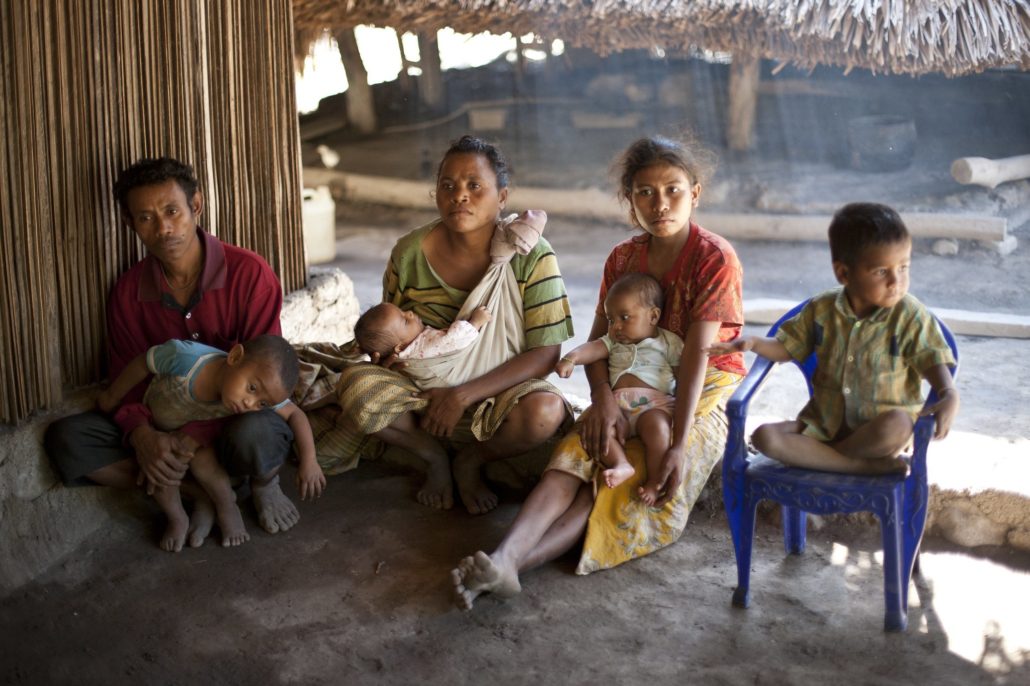
Timor-Leste or East Timor, a small island between Indonesia and Australia, has struggled with gaining independence since its colonization in the 16th century. The long-standing political turmoil which placated the country throughout much of its history has impacted its economy. The overarching lack of access to raw materials, such as clean water, also depicts the nation’s struggling economy. Below is a list of 10 facts about living conditions in Timor-Leste.

Top 10 Facts About Living Conditions in Timor-Leste

  1. Housing: World Bank estimates from 2016 assumed that Timor-Leste’s economy and its building of national infrastructure would increase steadily over the subsequent three years. It predicted that the growth of the nation would decrease to four percent in 2017, bounce back up to five percent in 2018 and hit six percent in 2019. Unfortunately, the situation concerning Timor-Leste’s housing has remained stagnant. Most people’s houses consist of bamboo, wood and a thatched roof. People that live in urban areas are able to use concrete, which shows a divide in the living conditions in Timor-Leste.
  2. Education: Approximately 20 percent of preschool-aged children in Timor-Leste attend school and nearly 37 percent of young adults living in rural areas are illiterate compared to the six percent in urban areas. Sanitation and access to clean, drinkable water are sorely lacking in schools alone. In 2008, UNICEF began partnering with local agencies to end this issue. It advocated for the establishment of the Basic Law of Education in 2008, the Basic Education Law in 2010 and the National Policy Framework for Preschool Education in 2014 among others.

  3. Agriculture: Agriculture accounts for 80 percent of Timor Leste’s income; its main products include maize, rice and cassava. Very few of the farmers have access to sustainable technologies or practices that are necessary for efficient agricultural production. USAID implemented a plan to address this developmental disparity from 2013 to 2018 through its partnership with Developing Agricultural Communities (DAC). This partnership works with local sectors to teach horticulture technologies and the 349 participating farmers saw great results. Original participants saw their production increase by 183 percent and total revenue by 186 percent, while farmers new to the DAC increased production by 466 to 517 percent.

  4. Access to Food: Due to the heavy reliance on agriculture for survival and income, droughts and shortages of food production can result in high levels of starvation. The 2017 Global Hunger Index classifies Timor-Leste as suffering from high levels of malnutrition. Since 2001, the number of undernourished people has remained stagnant at 300,000. The Sustainable Agriculture Productivity Improvement Project (SAPIP) aims to improve incomes in addition to food and job security to the rural areas of Timor-Leste. It has a six-year-plan agreed upon by the World Bank and government in 2016 and predictions dictate that it should impact 16,500 households and approximately 100,000 people.

  5. Employment: While a majority of the population’s jobs consist of agriculture and farming, there is a huge job market in the science and technology fields. The employment rate is one of the highest that the country has seen in 10 years at 97 percent. This illustrates that while Timor-Leste may be a poor country, it has a lot of untapped potential.

  6. Medicine: Access to doctors and basic medicine has improved over recent years, but many rural communities still seek basic services. New organizations are currently emerging to improve supply chain management of pharmaceutical supplies. There are only 175 doctors that serve the entire population of Timor-Leste. Similar to the United States, citizens have a choice of whether to invest in private or public health care and the government monitors both.

  7. Mosquito-Borne Diseases: Although water surrounds Timor-Leste, the water conditions are poor which make it very easy to contract diseases. The lack of sanitation and regular garbage collection contribute to attracting mosquitoes. Dengue fever and malaria are two of the most common mosquito-borne diseases in Timor-Leste and both have a high mortality rate. Currently, there is no treatment for dengue fever in the area, but there are multiple courses of medical treatment available for malaria.

  8. Water Conditions: Timor-Leste is an island nation, but there is an overall lack of access to clean water that plagues much of the population. Access to clean water and toilets remain a constant issue in Timor-Leste as 353,000 people do not have access to clean water. Subsequently, over half of the population does not have a decent toilet which can lead to major health major issues. In fact, 65 children die each year from dirty water and unsanitary toilets. Women also suffer from managing menstruation, which can greatly inhibit their academic achievements and widen the blatant gender inequality within the country. WaterAid Australia is working tirelessly with the government to make clean water, toilets and good hygiene a part of daily life. The program, which started in 2015, has grown to support WASH delivery service projects in over 180 countries, providing services to approximately 25,000 people.

  9. Plan International: This organization works with various communities across Timor-Leste to provide access to clean water as well as to raise awareness of the importance of handwashing and waste management. Since 2011, it has built 32 village water supply systems which have benefited over 9,000 individuals.

  10. UNFPA Timor-Leste: Maternal health is an issue that has largely slipped through the cracks. In 2010, reports stated that for every 100,000 births in the country, 150 died from complications involving childbirth and pregnancy. Hemorrhaging, anemia, infections/sepsis, labor obstructions and unsafe abortions are the major causes of maternal death. Below are the four pillars that UNFPA works hard to ensure are available to all women:

    1. Modern Contraceptives: Birth control, condoms, etc.

    2. Antenatal care: Routine health screenings of pregnant women without symptoms in order to diagnose diseases or complicating obstetric conditions.

    3. Safe Delivery: A delivery in a medical setting or by a midwife, in which health professionals monitor both the mother and baby.

    4. Emergency Obstetric Care: Basic emergency obstetric and newborn care is critical to reducing maternal and neonatal death.

With the increase of birth rates and access to clean water and food, there is no question that progress is occurring in Timor-Leste. Improvements are slowly diminishing the fatal health issues in the country as these 10 facts about living conditions in Timor-Leste have illustrated.

– Joanna Buoniconti
Photo: Flickr

September 4, 2019
https://borgenproject.org/wp-content/uploads/borgen-project-logo.svg 0 0 Jennifer Philipp https://borgenproject.org/wp-content/uploads/borgen-project-logo.svg Jennifer Philipp2019-09-04 07:30:562024-06-05 02:12:20Top 10 Facts About Living Conditions in Timor-Leste
Global Poverty, Water

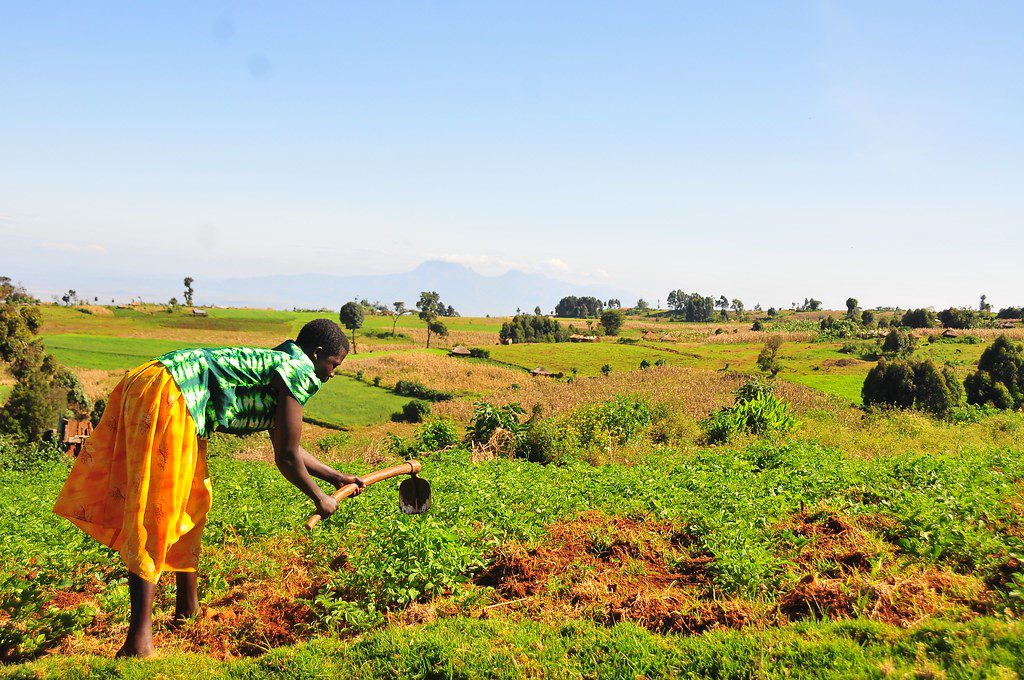
The Threat that Water Scarcity Poses to Farmers

Water Scarcity Poses to Farmers
How is it possible to grow more food with less water without hurting small-scale subsistence farmers? This was a joint question in 2013 from the U.S. Agency for International Development (USAID), the Swedish International Development Cooperation Agency (Sida), the Ministry of Foreign Affairs of the Kingdom of the Netherlands, and later on, the Department of Science and Technology of the Government of South Africa. The result was the establishment of Securing Water for Food (SWFF) to address the increasing threat that water scarcity poses to farmers, particularly those in poverty.

Securing Water for Food

Securing Water for Food is beneficial to reducing the threat that water scarcity poses to farmers. The program operates as a grantmaker, meaning that it awards business grants to social entrepreneurs based on the viability of their idea and the ability to positively impact individuals in the agricultural community.

Between smallholder farms, families and other customers, SWFF has benefitted more than 6.25 million individuals. It has done this by teaching efficient methods of irrigation, crop rotation and technology to grow more food while using less water. According to USAID, SWFF has exhibited an extremely high return on investment. Each $1,000 of donor funding spent impacted more than 240 end users, enhanced water management on 685 hectares (~1,273 acres), decreased the consumption of water by more than 1.2 million liters (~317,000 gallons), produced more than 400 tons of produce and created more than $350 in future sales. In total, more than five million acres have benefited from improved methods of agricultural production, water storage and management.

SWFF’s Impact

Local innovators have improved lives across Latin America, Europe, Africa and Asia, and particularly in areas that are at higher risk for droughts and inconsistent precipitation. Advances such as turning organic waste into renewable energy have benefitted farmers in Uganda. Meanwhile, the adoption of sustainable cattle ranching practices in South Africa have impacted local communities and allowed women to obtain jobs as eco-rangers.

 USAID estimates that approximately 70 percent of all water used goes toward agriculture. This is why the main focus of SWFF revolves around producing higher volume crops more efficiently and with less water. Across the program, farmers have experienced a variety of yield increases—some as high as 186 percent. They have also aggregately reduced water consumption by 18.6 billion liters (~4.9 million gallons) in comparison to traditional practices and bettered water storage capacity by 16.9 million liters (~4.9 million gallons).

SWFF assessments place 63 percent of innovation end-users at or near the poverty line. Additionally, 65 percent of the innovations that SWFF gave grants to aim to reduce poverty. Of the beneficiaries surveyed, 95 percent reported greater water efficiency, 90 percent stated improved access to water, 82 percent reported increased income and 72 percent displayed increased agricultural productivity.

All of these statistics illustrate how Securing Water for Food is effectively fighting to reduce poverty. As evidenced, SWFF has produced success for farmers, but it also provides new opportunities for investments and technological innovation, both of which can go towards further reducing poverty in the future. Innovators from SWFF have used their platform to leverage partnerships with outside organizations, which reduces the amount of funding they will require from aid programs in the future.

Innovators gained $350 in sales from every $1,000 of aid, which shows that aid is not static and provides dynamic benefits after the initial disbursement. Securing Water for Food is an effective example of reducing the threat that water scarcity poses to farmers, and it is just one of the many programs that USAID funds with less than one percent of the federal budget.

– Evan Williams
Photo: Flickr

September 3, 2019
https://borgenproject.org/wp-content/uploads/borgen-project-logo.svg 0 0 Jennifer Philipp https://borgenproject.org/wp-content/uploads/borgen-project-logo.svg Jennifer Philipp2019-09-03 01:30:342019-09-07 20:53:18The Threat that Water Scarcity Poses to Farmers
Global Poverty, Water

Water Access in Angola: The Value of Investment

water access in Angola

Almost half the population in Angola does not have proper access to clean water according to a report by UNICEF.

A country endowed with some of Africa’s most precious natural resources, Angola is frequently victim to external shocks to the market. Oil accounts for roughly one-third of GDP and more than 95 percent of exports. Reliance on a market like oil, which is particularly prone to shocks, means that Angola’s economy is directly affected by external fluctuations. In fact, growth in GDP continues to fall years after a drop in oil prices in 2014. According to the World Bank, annual GDP growth in 2018 was -2.1 percent.

At-Risk Populations

Water access in Angola is an important metric in understanding the distortionary economic effects felt by low-income individuals, women and children. Without clean water and sanitation, too many Angolans are more prone to water-borne diseases like cholera which can kill someone within hours if left untreated.

Outbreaks are more common in rainy seasons when it is easy for the cholera bacteria to survive. Between February and August of 2018, there were 1,046 cases of cholera in Angola, including 21 deaths.

Programs and Initiatives that Increase Water Access in Angola

Luanda, Angola’s capital city, has a population of 7 million, 37 percent of whom rely on connected water service. Private tanker truck services account for 25 percent, public standpipes for 22 percent and illegal water connections or untreated river sources for 16 percent. Increased water access in Angola will contribute directly to labor productivity, economic growth, reduced vulnerability and an overall reduction in poverty.

The valuation of water is incredibly unique—at high quantities, it is an elastic good, but at low quantities it is inelastic. Simply put, it is a basic resource, so when water is unavailable it also becomes invaluable. Investment in water projects can help Angolans reduce time and money spent on acquiring water—especially from tanker truck services which tend to take advantage of the inelasticity of water during a shortage. A number of global organizations are working to increase water access in Angola in order to help provide people with this basic human right.

USAID Development Grants Program

From 2016-2017, the Development Grants Program focused specifically on water and sanitation in Angola. It strived to create affordable water options for consumers, and increase the maintenance of infrastructure. Initiatives such as this help local people reliably manage public resources.

The Institutional and Sustainability Support program began in 2015 to support urban water supply and sanitation services. It proposed infrastructure and development goals with the intention of helping 4.5 million people in seven provinces. This program is ongoing and specifically focuses on those provinces with the highest need for water services: Cabinda, Lunda Norte, Lunda Sul, Kuanza Sul, Bengo, Namib and Cunene.

The World Bank Projects

The most recent World Bank project supports inclusive growth, social protection and water services in Angola. One of its 2019 programs, called the Luanda Bita Water Supply Project, invested $500 million to mobilize government financing for clean water access. Another $500 million was given specifically to protect the poor and vulnerable.

This project comes after a 2017 loan of $200 million to provide 950,000 individuals with piped water services and a 2018 investment of $150 million for the 1.2 million people living in regional cities of Angola.

Women and girls are the focus of many of these investments since reducing their time spent collecting water will allow them to give back to the economy in more productive and impactful ways.

Support from these and other global organizations will help Angola to lower the risk of contracting water-borne illnesses, decrease time spent by women and children collecting water and positively impact the overall economy as a result. A basic resource such as water is often taken for granted by people living in countries with reliable water infrastructure. For those living in Angola who spend a disproportionate amount of time and money on safe water, investments in infrastructure and water supply programs are incredibly impactful. Providing the appropriate resources to aid in water access will help Angolans protect themselves from economic shocks, and give back to the global economy.

– Tera Hofmann
Photo: Wikimedia

September 2, 2019
https://borgenproject.org/wp-content/uploads/borgen-project-logo.svg 0 0 Kim Thelwell https://borgenproject.org/wp-content/uploads/borgen-project-logo.svg Kim Thelwell2019-09-02 09:51:042024-05-29 23:11:08Water Access in Angola: The Value of Investment
Global Poverty, Water, Water Sanitation

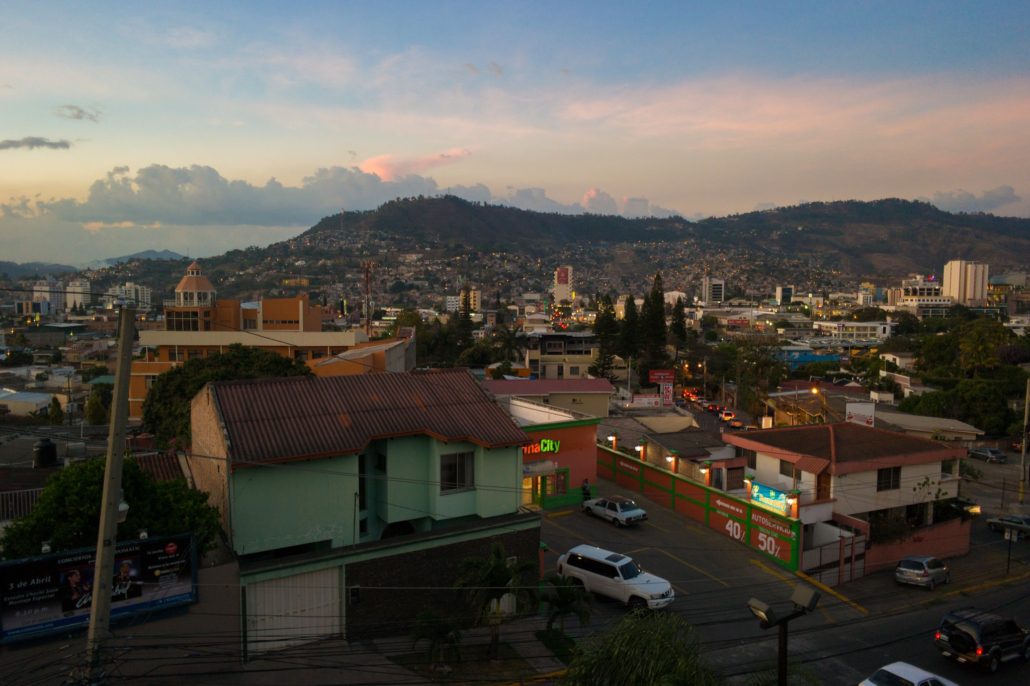
10 Facts About Poverty in Central America

10 Facts About Poverty in Central America
Recent news has increasingly mentioned the Northern Triangle, which includes Honduras, El Salvador and Guatemala, and its migration crisis. Each of these countries have economic systems that have similar financial agreements with outside countries. These 10 facts about poverty in Central America will identify issues, solutions and trends that lead back to Central America’s poverty crisis.

10 Facts About Poverty in Central America

  1. The Economy: The political economy of Central America has parallelled that of the world for the past five decades. A combination of factors such as a vulnerable bureaucratic system, a shifting population and aggressive globalization are causing Central America to experience gentrification on a national level, creating more significant gaps between economic classes.
  2. Climate Change: Changes in nature such as unusually warm temperatures, nutrient-poor water and the comeback of the southern pine beetle are occurring throughout the region of Central America. This insect is a result of a change in climate where the ocean temperature rises significantly, placing additional demand on presently strained water reserves.
  3. Population: In the past five decades, Central America’s population has continued to increase with the most considerable change occurring up to the mid-1970s, after which the difference in community numbers became highly sporadic. As the population continues to increase, resources like infrastructure and the economy struggle to match demand. As a result, the levels of poverty and extreme poverty have increased by approximately one percent between 2014 and 2017 and extreme poverty increased two percent between 2014 and 2016. Congresswoman Alicia Barcena mentioned the need for public services such as social security and labor inclusion, and how pairing these resources with increased wages could lessen the amount of poverty.
  4. Legislation: Central American countries are making efforts through previous legislation to alleviate their economic hardships. Since 2004, the Dominican Republic-Central America Free Trade Agreement has promoted stronger trade and stability throughout these regions. FTA reduces the barriers that countries previously had to access U.S. exports. As a result, traded goods all originate between Mexico and Canada with the exceptions of agricultural commodities. These areas give considerable attention to the conditions and the rights of workers in their countries. Countries are currently updating NAFTA to address additional concerns such as how to verify labor standards and eliminate the time restraint on labor violations.
  5. Clean Water Accessibility: Nicaragua is the only country in the region that has substantial access to waterways but the surrounding countries, like Honduras, Guatemala and Peru, do not due to the steep terrain that can make up significant portions of their countries. These collections of water are rarely safe for consumption even if they are accessible. For many households, accessing water is a timely chore that can take hours traveling back and forth between sources of water and homes, and limit people’s ability to attend work or school. For example, around 63 percent of Honduras’ population is living below poverty and those who live in rural areas work as farmers; as a result, their earnings rarely go to education, but rather daily tasks like water collection. To help with water accessibility, Doc Hendley started Wine to Water. Wine to Water is a nonprofit organization that works to bring clean water to underserved communities. It has served over half a million people in over 300 communities, across five continents. To date, it has worked in Honduras within eight communities and aided over 11,000 people.
  6. Literacy: Many regions have limited water supplies that are safe or close in the distance, meaning that in a single day, a trip for a container of water takes several hours. As a region, Central America has lower literacy rates with an average of 79.4, compared to the global average of 83.7. The countries in Central America with the highest literacy rates are Costa Rica and Panama, while the country with the lowest is Guatemala.
  7. The Northern Triangle: The Northern Triangle is a subregion in Central America between El Salvador, Honduras and Guatemala. These countries have a secure connection with each other economically due to legislation that passed during the 1980s and 1990s. The majority of those changes, however, have had macroeconomic effects on the region leaving large portions of the population enduring unequal access to resources and encouraging many to migrate elsewhere, working against stimulating its economy. The House Committee of Foreign Affairs introduced legislation to address the causes of migration and authorized $577 million in foreign assistance for the years 2020.
  8. Women in Central America: Central American women are facing challenges to raise their economic status while being met with social obstacles. For example, some women in El Salvador meet with sexism, fragile protection and few rights. These challenges, along with limited assets, the possibility of extortion and insufficient education about business management and finances make some businesswomen wary of growing or succeeding with their activities.
  9. Migration: Many people have made efforts to migrate to other countries due to the rising concern of survival. Droughts, economic instability, increased violence between gang members and civilians, corrupt legal systems and a weak government have made daily life challenging.
  10. Violence: The violence in Central America has been on the rise for decades, causing hundreds of thousands of migrants out of the region. Of those who remain in the area, the violence, extortion and corruption are frequent. Legislation such as the Global Fragility Act of 2019 prevents and addresses the primary causes of violence in various countries.

These 10 facts about poverty in Central America emphasize the point that poverty is a broad issue with a number of solutions. While situations in Central America may seem dire, the efforts by nonprofits like Wine to Water and legislation like the Global Fragility Act of 2019 should aid in improving the area’s conditions.

– Kimberly Debnam
Photo: Flickr

August 29, 2019
https://borgenproject.org/wp-content/uploads/borgen-project-logo.svg 0 0 Jennifer Philipp https://borgenproject.org/wp-content/uploads/borgen-project-logo.svg Jennifer Philipp2019-08-29 01:30:452024-06-06 00:26:2410 Facts About Poverty in Central America
Global Poverty, Water, Water Sanitation

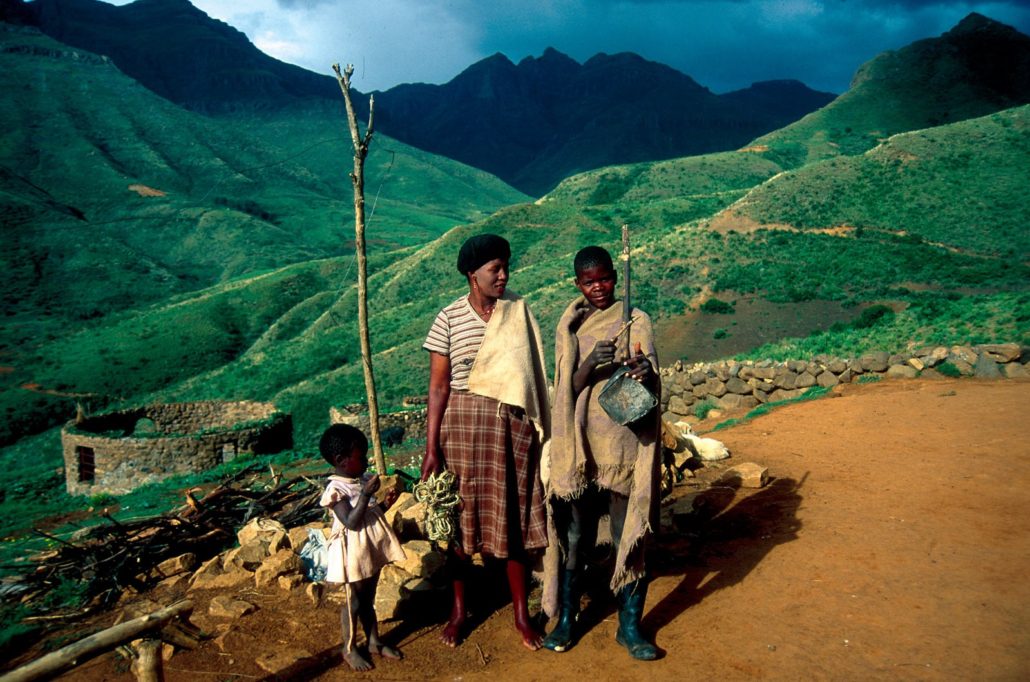
10 Facts About Life Expectancy in Lesotho

10 Facts About Life Expectancy in Lesotho
For those living in the landlocked country of Lesotho, life is far shorter than it is in most of the world. Here are 10 facts about life expectancy in Lesotho that help reveal the reasons for its low life expectancy, as well as what the country has done and needs to do to improve the lives of those in Lesotho.

10 Facts About Life Expectancy in Lesotho

  1. HIV/AIDS: By far the most important of the 10 facts about life expectancy in Lesotho is that it has the second-highest rate of HIV/AIDS in the world. Health services are difficult to access and poor quality once received, contributing to an increase in the disease. Sentebale, a nonprofit created by Prince Harry, works in Lesotho to provide holistic care for children with HIV and those who have been orphaned as a result.
  2. Unemployment: Landlocked in Southern Africa, Lesotho has always depended on neighbors for employment. A majority of the working population traveled to South African mines for work, but recent retrenchment has left 24 to 28 percent of people jobless and without income. There have been few domestic opportunities to offset this deficit and improvement in Lesotho’s private sector will be crucial to creating much needed local jobs.
  3. Low Agricultural Output: Only a small portion of Lesotho’s land is arable enough for steady crop growth. This combined with recent droughts has created intense food scarcity. Some progress is happening as the Elizabeth Glaser Pediatric Aids Foundation has created several Nutrition Corners that help parents find nutritious food for their children’s development, despite limited quantities. The World Food Programme has also planned to distribute food to 103,000 beneficiaries and additional food to nearly 5,000 children by 2024. This should greatly improve life expectancy by providing for the most basic of needs.
  4. Natural Disasters: The effects of climate change are evident in the 10 facts about life expectancy in Lesotho as the country continues to experience floods, droughts and other intense weather. This jeopardizes Lesotho’s material security, further disrupting the Basotho people’s lives. In response, the United Nations Development Programme has designed several projects to restore degraded landscapes and enhance climate resilience.
  5. Gender Roles: The HIV/AIDS crisis disproportionately affects women in Lesotho because they often must take in sick relatives or community members on top of performing existing domestic responsibilities. This amount of pressure forces women to pursue risky work such as prostitution or human trafficking. These jobs often damage women’s wellbeing and make it hard for them to live long and healthy lives.
  6. Few Social Services: One of the most interesting 10 facts about life expectancy in Lesotho is that Lesotho has a relatively large population of elderly citizens despite the HIV/AIDS crisis. The country created its Old Age Pension to provide each citizen over 70 years old with roughly $40 per month. While the social service has had a tremendous impact by making elderly people stable caregivers for their families, including orphaned grandchildren, it is one of the only social services in Lesotho. More programs of this caliber would drastically improve the total health of the population and thus increase Lesotho’s life expectancy as well.
  7. Improving Education: Education has been a consistent priority for Lesotho, and one that has yielded substantial results. After implementing free primary education, enrollment among children increased from 65 percent to 85 percent in three years. The next goal for Lesotho is to decrease the price of secondary school, as many children cannot currently afford to enroll. The best chance for the Basotho people to raise their life expectancy is to become educated, empowered and informed people.
  8. Water and Sanitation: Several people in Lesotho (18.2 percent) do not have access to dependably clean water despite several dams present. The water is instead transported to South Africa for profit which leaves local people thirsty. Organizations such as The Water Project are building wells, water catchments and other water solutions for the people of Lesotho.
  9. Few Accessible Doctors: Lesotho has one doctor per 20,000 people, compared to the one per 400 in the United States. This makes health care inaccessible and costly for most of Lesotho. Lesotho recently added a residency program in family medicine, which will hopefully increase the retention rate of doctors and create a reasonable ratio of doctors to patients.
  10. Infant, Child and Mother Mortality Rates: An important cause of the reduced life expectancy in Lesotho is an infant mortality rate of 44.6 deaths per 1,000 births and a maternal mortality rate of 487 deaths per 100,000 births. This is largely due to preterm birth complications that come from the frequently poor living conditions of mothers. Both infant and maternal health outcomes are looking much better after Lesotho’s hospitals introduced free deliveries, providing a safe place for mothers to deliver cost-free.

Lesotho is attempting to make the lives of the Basotho people better. Free primary education, enhanced feeding programs and efforts at improving the health sector bring new hope and promise for the country. Though Lesotho needs to do more to fully help its people, its people’s lives are slowly growing longer and their quality of life should continuously improve.

– Hannah Stewart
Photo: Flickr

August 27, 2019
https://borgenproject.org/wp-content/uploads/borgen-project-logo.svg 0 0 Kim Thelwell https://borgenproject.org/wp-content/uploads/borgen-project-logo.svg Kim Thelwell2019-08-27 01:30:562024-05-29 23:11:0110 Facts About Life Expectancy in Lesotho
Page 23 of 57«‹2122232425›»

Get Smarter

  • Global Poverty 101
  • Global Poverty… The Good News
  • Global Poverty & U.S. Jobs
  • Global Poverty and National Security
  • Innovative Solutions to Poverty
  • Global Poverty & Aid FAQ’s
Search Search

Take Action

  • Call Congress
  • Email Congress
  • Donate
  • 30 Ways to Help
  • Volunteer Ops
  • Internships
  • Courses & Certificates
  • The Podcast
Borgen Project

“The Borgen Project is an incredible nonprofit organization that is addressing poverty and hunger and working towards ending them.”

-The Huffington Post

Inside The Borgen Project

  • Contact
  • About
  • Financials
  • President
  • Board of Directors
  • Board of Advisors

International Links

  • UK Email Parliament
  • UK Donate
  • Canada Email Parliament

Get Smarter

  • Global Poverty 101
  • Global Poverty… The Good News
  • Global Poverty & U.S. Jobs
  • Global Poverty and National Security
  • Innovative Solutions to Poverty
  • Global Poverty & Aid FAQ’s

Ways to Help

  • Call Congress
  • Email Congress
  • Donate
  • 30 Ways to Help
  • Volunteer Ops
  • Internships
  • Courses & Certificates
  • The Podcast
Scroll to top Scroll to top Scroll to top