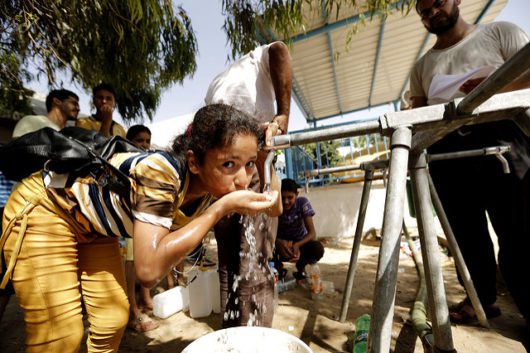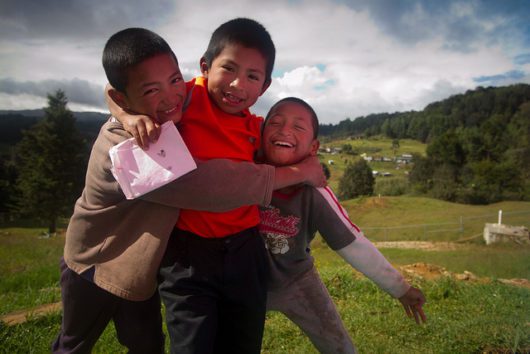
On May 24, 2019, thousands of residents from poor neighborhoods in Lima, Peru protested business litigation that has been obstructing their access to drinking water. The demand for safe drinking water, a necessity for any lifeform to thrive, is, unfortunately, a common obstacle in South America. Several countries struggle in providing this vital resource to its citizens, especially in rural areas with poorer communities. However, other countries are successfully paving a path to ensuring access to drinking water and sanitation facilities. Here are a few facts about safe drinking water throughout South America.
Access to Safe Drinking Water in South America
- Peru: Thirty-one million people live in Peru, but 3 million don’t have access to safe drinking water, and 5 million people don’t have access to improved sanitation. While more than 90 percent of Peruvian residents have access to improved drinking water, in rural areas, access drops to below 70 percent. Likewise, urban areas offer sanitation facility access to 82.5 percent of the population, but barely over 50 percent of people in rural communities, highlighting the drastic disparity between socioeconomic and regional populations.
- Brazil: Similarly, shortcomings in providing safe, quality drinking water exist in South America’s largest country, Brazil. With a population of 208 million, 5 million Brazilians lack access to safe drinking water, and 25 million people, more than 8 percent of the population, don’t have access to sanitation facilities. While 100 percent of the urban population has access to drinking water, in rural areas the percentage drops to 87. The numbers take another hit when it comes to access to sanitation facilities. Eighty-eight percent of the urban population has this access, but almost half of the people in rural populations lack proper sanitation facilities.
- Argentina: A similar narrative occurs in Argentina, where urban populations might have decent access to safe, quality drinking water and sanitation facilities, but the numbers drop off concerning rural and lower socioeconomic communities which struggle in having their needs and demands addressed by the government. Typical causes for low-quality drinking water include pollution, urbanization and unsustainable forms of agriculture.
- Uruguay: In stark contrast, Uruguay has available safe drinking water for 100 percent of urban populations, almost 94 percent in rural populations, over 96 percent for improved access to sanitation facilities for urban populations and almost 94 percent for rural populations. The World Bank participated in the success of transforming Uruguay’s access to drinking water, which suffered in the 1980s, by offering loans to the main utility provider. The World Bank and other developers financially assisted Obras Sanitarias del Estado (OSE), the public utility that now provides drinking water to more than 98 percent of Uruguayans, in addition to providing more than half of the sanitation utilities in Uruguay. In addition to finances, these partners aid in ensuring quality operation standards such as upholding accountability, preventing unnecessary water loss, implementing new wastewater treatment plants in rural areas and protecting natural water sources such as the Santa Lucia river basin.
- Bolivia: Like Uruguay, Bolivia made recent strides in improving access to safe, quality drinking water. They began by meeting the Millenium Development goal of cutting in half the number of people without access to improved drinking water by 2015. President Evo Morales, “a champion of access to water and sanitation as a human right,” leads to a path for the next step which is to achieve universal access to drinking water by 2020 and sanitation by 2025. Bolivia also recently invested $2.9 billion for drinking water access, irrigation systems and sanitation. In 2013, Morales addressed the United Nations calling for access to water and sanitation as a human right. Dedicated to his cause, he leads Bolivia in surpassing most other countries on the continent in ensuring these essential amenities to his constituents.
Unfortunately, the progress of Bolivia and Uruguay doesn’t transcend all borders within South America, as millions still feel neglected by their governments due to not having regular, affordable, safe, quality access to clean drinking water.
– Keeley Griego
Photo: Flickr
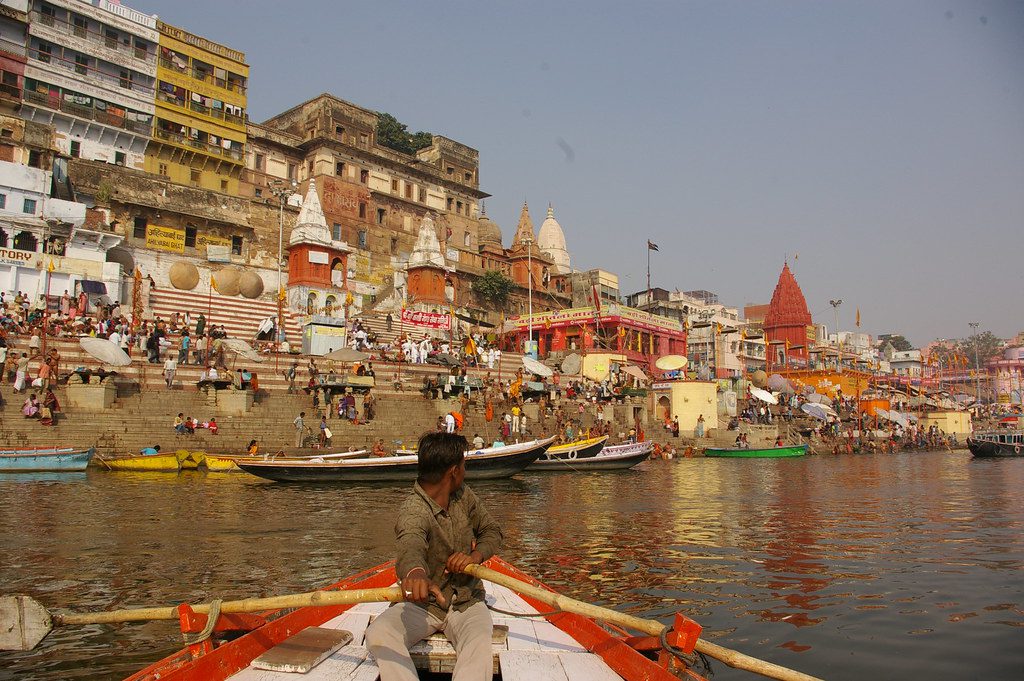
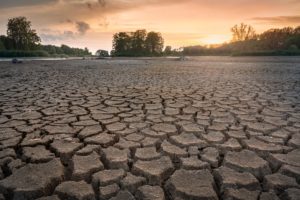 Recent efforts to stem corruption and promote economic growth have caused many to proclaim that India has a bright future ahead. However, India’s current drought poses a grave threat to their future. From 2001 to 2011, India’s annual per capita water availability decreased by 15 percent and most estimates have projected it to fall by almost 30 percent by 2050. In addition, India’s ever-growing population is expected to grow to 1.8 billion by 2050, making the already difficult task of providing clean water throughout the country that
  Since podcasting began to take off, this audio medium has really carved out a significant space for itself in American media with its on-demand, radio-like content. According to Edison Research’s 2018 podcast statistic report,
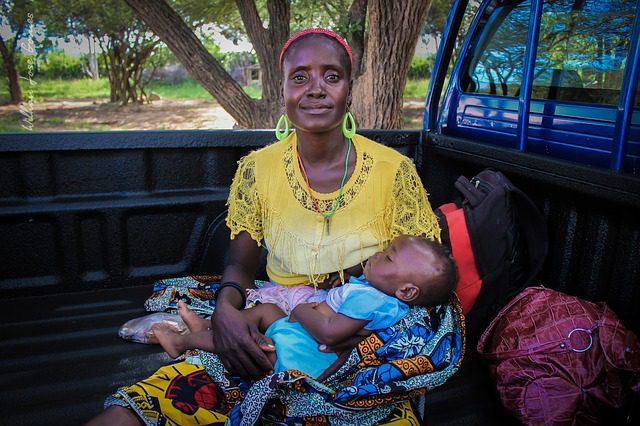
 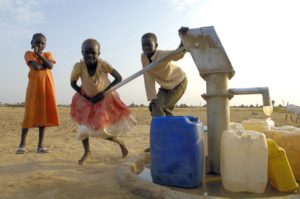 Water is the source and sustainer of life everywhere, but that does not mean it is readily available everywhere. Developing countries and communities often have limited or difficult access to water, and even then it may not be clean enough to safely drink. With so many people needing help, and the situation different in each community, the question remains: what are some available ways to provide clean water to the poor? Fortunately, many have explored this question
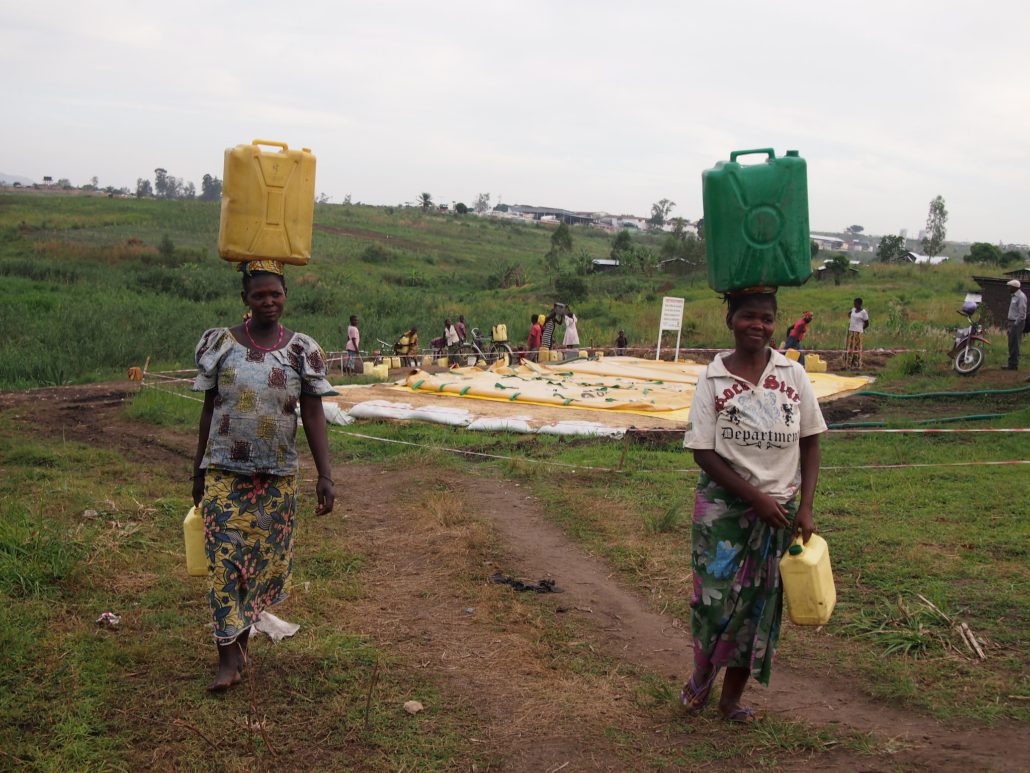 Over 600 million people struggle to access clean water for drinking and sanitation worldwide. While for many this is a communal problem, the burden of finding and collecting water often falls onto women. In developing nations, gender inequality becomes apparent when observing water management within communities. Women are responsible for this vital resource, yet often excluded from larger water management decisions. Engaging women in community water management solutions empowers them and establishes greater equity in developing communities.
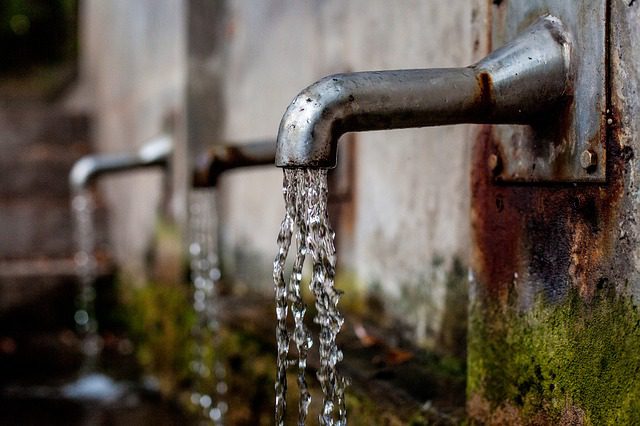 While water might seem like a basic necessity, more than 650 million people worldwide lack easy access to clean water. Every year, the United Nations sponsors World Water Day. World Water Day raises awareness about global water crises, demonstrating the need for water in developing nations. Take a look at these interesting facts about how the U.N. celebrated World Water Day 2019.
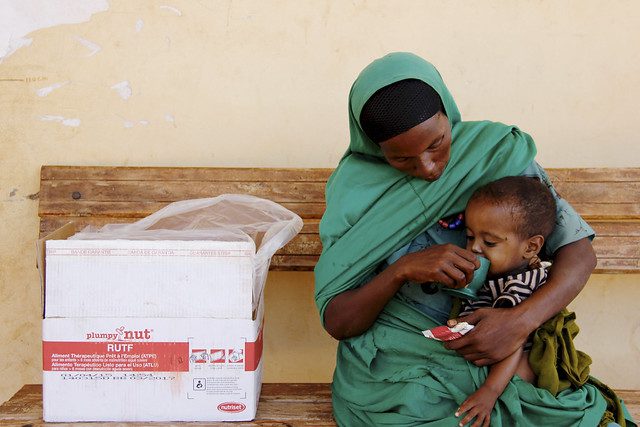 Ethiopia — located in the horn of Africa — is the most populated landlocked country on earth with 102 million citizens. It is incredibly ecologically diverse, with mountains, river valleys, highlands and deserts existing side by side. There are