• Link to X
  • Link to Facebook
  • Link to Instagram
  • Link to TikTok
  • Link to Youtube
  • About
    • About Us
      • President
      • Board of Directors
      • Board of Advisors
      • Financials
      • Our Methodology
      • Success Tracker
      • Contact
  • Act Now
    • 30 Ways to Help
      • Email Congress
      • Call Congress
      • Volunteer
      • Courses & Certificates
      • Be a Donor
    • Internships
      • In-Office Internships
      • Remote Internships
    • Legislation
      • Politics 101
  • The Blog
  • The Podcast
  • Magazine
  • Donate
  • Click to open the search input field Click to open the search input field Search
  • Menu Menu

Archive for category: Water

Global Poverty, Sanitation, Water

10 Facts About Sanitation in Guyana

Sanitation in Guyana
Despite Guyana having the image of being a land of many waters, the country underfunds and underregulates its litter, sewer and waste management, thus compromising sanitation in Guyana. The country, however, shows excellent foundations for sanitary progress with controlled landfills, water and sewer improvements.

10 Facts About Sanitation in Guyana

  1. Underfunded Waste Management: Foundations for Guyana’s Solid Waste Management exist within The Municipal and District Councils Act as it designates the maintenance of sanitary services, including the removal and destruction of trash to the Mayor and City Council. Likewise, individuals must appropriately dispose of trash in receptacles. However, services remain underfunded due to inadequate tax collection. For example, in Georgetown (Region Four) and Linden (Region 10), the collection is respectfully at 70 and 20 percent. Thus, waste collection and transportation are constrained, resulting in irregular pickups.

  2. Unregulated Waste Management: National and regional regulations exist for sanitation, like penalties for illegal littering and dumping at G$5,000-$20,000. However, the Ministry of Health, municipalities, the police force and the EPA follow through on monitoring and enforcement duties at a minimal level. For example, due to a lack of sensitization in waste management, police refuse to see littering as a real issue.

  3. Littering Increases Plastic in Waterways: Littering and dumping persist due to minimal monitoring and enforcement. Data from a 2018 study focused on Guyana’s coastal regions, including Corriverton, 63 Beach, Rossignol, Mahaicony and Georgetown. It indicated that the highest concentration of litter including plastic bags, bottles and fragments was at 48.2 percent. Combined with an underfunded and unregulated waste management system and the forecasted Guyanese waste generation of 0.77 kilograms per person a day by 2024, non-biodegradables in waterways will continue to increase, resulting in blocked drains and exacerbating flooding.

  4. Sewage Access and Wastewater Management: Only 13 percent of the Guyanese population, mostly within the main Georgetown area, have access to modern sewage of flushable toilets, septic tanks, latrines or compostable toilets. As a result, untreated waste contaminates already flooding waters as both the Georgetown and Tucville sewage systems release untreated waste into the Demerara River and Laing Canal, compromising sanitation in Guyana.

  5. Disease from Disposal and Flooding: Due to litter and untreated sewage, flies, rodents and mosquitoes spread deadly diseases including typhoid, cholera, dysentery, leptospirosis, dengue, yellow fever, malaria and filariasis. On the other hand, contaminated water spreads diarrhea, typhoid, cholera, hepatitis, gastroenteritis and dysentery. For example, from 1996 to 1998, gastroenteritis deaths increased from 2,200 to 8,604. However, the country shows excellent improvement given that although such diarrheal diseases ranked number two for causes of death in Guyana at 8.9 percent in 1990, and that by 2010 it was number 12 at 2.9 percent of total deaths.

  6. Contaminated Water: Drinking water contamination is mostly due to improperly disposed of waste, including household, animal, agricultural, industrial, chemical and untreated sewage. Despite water contamination, safe drinking water is more accessible than previously. In 1994, only 88 percent of the population had such access as opposed to 98.3 percent in 2015. Such success is in part due to initiatives like the 2008 Turn Around Plan with Guyana Water Inc (GWI), that completed the rehabilitation of 100 kilometers of networked pipes and 24 Tucville sewer pumping stations. To further TAPs’ success, the 2012-2016 Water and Sanitation Strategic Plan increased Hinterland water coverage to about 80 percent, treated water coverage to 50 percent and invested $1.5 billion in new meters, pumps, motors and panels.

  7. Legal Disposal in EPA Landfills: While illegal methods of disposal threaten sanitation in Guyana, legal methods exist as a remedy. For example, the Environmental Protection Agency approved controlled dumping sites in at least six out of 10 regions because it intends to protect the environment from contaminants in the disposed waste.

  8. Improved Sewage in Georgetown: Local systems in Stevedore Postal Housing Scheme, Wortmanville, Werk-en-Rust and Albouystown to Queenstown received maintenance thanks to aid from GWI in 2016. For instance, the organization invested a part of its G$80 million capital to reduce blockages that illegal dumping caused.

  9. Upgraded Sanitary Facilities Outside of Georgetown: In 2016, loans from the Caribbean Investment Facility of EUR$10.6 million and the Inter American Development Bank of $16.8 million aided in The Water Supply And Sanitation Infrastructure Improvements Project of upgrading sanitary facilities. About 1,000 families across Georgetown and outer areas of Cornelia Ida, DeKendren, West Coast Demerara, Diamond, Herstelling, East Bank, Demerara, No. 19 Village Corentyne, Sheet Anchor, Good Bananen Land, East Canje and Berbice benefitted from Sanitary upgrades, signifying an important step as only 13 percent of the population had access to sanitary services before.

  10. GWI Sustainable Development Goal: GWI seeks sustainable water and sanitation management by 2030. Thanks to the loans this article discussed above, the free installation of 335 septic tanks in September 2019 should ensure that progress. The initiative favored those of low economic standing, including single mothers, teen girls, elderly and disabled, thus providing these demographics with an important human right.

These 10 facts about sanitation in Guyana show that it is on a progressive path. Developments such as legal disposal, improved sewage and sanitary facilities, eradicate water contamination and instead allow for Guyana to work on being the land of abundant clean water.

– Elizabeth Yusuff
Photo: Flickr

November 28, 2019
https://borgenproject.org/wp-content/uploads/borgen-project-logo.svg 0 0 Jennifer Philipp https://borgenproject.org/wp-content/uploads/borgen-project-logo.svg Jennifer Philipp2019-11-28 01:30:292024-06-06 00:32:4910 Facts About Sanitation in Guyana
Global Poverty, Water, Water Sanitation

6 Facts About Urbanization in Nepal

Urbanization in Nepal
Nepal is located in South Asia with a population of roughly 29 million people. It is currently one of the 10 least urbanized countries in the world with approximately less than 20 percent of the nation being urbanized. However, at the same time, it is also one of the 10 fastest urbanizing countries not only in the Asia Pacific region but in the world. Here are six quick facts about urbanization in Nepal over recent years.

6 Facts About Urbanization in Nepal

  1. A natural population increase is one of the primary reasons for the gradual transition from rural to urbanization. Natural population increase occurs when the infant mortality rate decreases and when people bear more healthy children. It can also occur as more people move from small villages to bigger cities.

  2. People in predominantly rural countries, such as Nepal, are choosing to move to more urban areas for many different reasons. For example, wars may force many to move to places with better access to food, water and shelter for the safety of themselves and their families.

  3. Towns and rural areas in Nepal are seeing urbanization increase between 5 and 7 percent each year. This is even more than the country’s capital, Kathmandu, with a 4 percent increase every year, and Pokhara, with a growing urbanization rate of 5 percent per year.

  4. The most populated urban region of the country is Kathmandu Valley, consisting of 24 percent of Nepal’s urban population. In addition, Kathmandu Metropolitan City consists of 9.7 percent of the urban population.

  5. There are three classifications of ecological regions in Nepal. Of them, the hill region has the highest percentage of urbanization at 21.7 percent, followed by the Terai region at 15.1 percent and the mountain region at 2.8 percent.

  6. While the push for urbanization comes with benefits in efforts to create a higher standard of living for people, it is not without challenges. For example, slums populate many urban cities, which have very low-quality living conditions. Overcrowding, limited sanitation and limited access to clean water cause these poor conditions. This results in people having to use open sewers to use the bathroom, leading to other issues.

With urbanization becoming a more common trend worldwide, it can be easy to understand why the concept is appealing to many people who are from traditionally urban nations such as Nepal. The push to urbanize developing nations has positive intentions to not only help the individual citizens but to build countries’ economies so they can be a world power. However, it is also imperative that the country makes efforts to ensure that its citizens in more urbanized regions have access to adequate living conditions, as the act of urbanization alone does not guarantee this.

As demonstrated, many cities, such as the ones that have been recently urbanized in Nepal, lack clean sewage, acceptable air quality and proper shelter. In order to create a prosperous metropolis where Nepalese people can enjoy a high quality of life, people must take all these factors into account.

– A. O’Shea
Photo: Pixabay

November 25, 2019
https://borgenproject.org/wp-content/uploads/borgen-project-logo.svg 0 0 Kim Thelwell https://borgenproject.org/wp-content/uploads/borgen-project-logo.svg Kim Thelwell2019-11-25 07:30:002024-06-06 00:32:496 Facts About Urbanization in Nepal
Developing Countries, Development, Global Poverty, Health, Water

Top 10 Countries That Lack Access to Clean Water

lack access to clean water
About 2.1 billion people around the world do not have access to clean running water and sanitation facilities. Another 2.3 billion people do not have the luxury of accessing toilets. Clean water is important because it is directly linked to “better health, reductions in parasitic infections, increased child growth and lower morbidity and mortality.” Here are 10 countries that lack access to clean water.

10 Countries That Lack Access to Clean Water

  1. Afghanistan: With only 22 percent of its population having access to clean water, Afghanistan has one of the lowest rates of clean water access in the world. About 87 percent of the nation’s water is contaminated.
  2. Cambodia: Since the majority of the population is dependent on catching and storing rainwater, it leaves an estimated 84 percent of the population with no access to water. This leaves 5 percent of the population dependent on water deliveries.
  3. Congo: 75 percent of the country’s 51 million people do not have access to clean water. About 21 percent of people in rural areas can not reach pure water, which is double the level it was five years prior.
  4. Pakistan: Pakistan is known for having the biggest gap between the rich and poor when it comes to basic hygiene. This leaves 22 million people, or 64 percent of the nation, with no access to clean water.
  5. Uganda: About 40 percent of the population has to travel more than 30 minutes to reach drinkable water. A little over 61.1 percent of the 42.3 million population has access to safe drinking water.
  6. Ethiopia: The high mortality rate in Ethiopia is linked to the quality of water in the country. Due to poor water management and water-intensive farming, 60.9 percent of people have no access to water.
  7. Somalia: Water delivery systems have been destroyed due to post-war problems. This has left 60 percent of the population with no basic access to water and 11.7 percent of people consuming untreated surface water.
  8. Nigeria: Even though Nigeria is one of the fastest-improving countries in regards to water sanitation, 15 percent of its residents have no access to this vital resource.
  9. Chad: Chad has a square mileage of 800,000, which is three times the size of California. But only 15,000 square miles of the country has water. This leaves 33 percent of the nation’s population with the struggle of accessing clean running water.
  10. Syria: The Syrian conflict is hindering humanitarian aid agencies from delivering water and supplies. As of right now, only 10 percent of people lack access to water.

NGOs Helping On The Ground

While these populations of people are suffering due to their lack of access to safe, clean, drinkable water, there are many foundations and NGOs helping to fight this issue.

Water.org is an NGO focused on helping people find a way to be able to attain safe clean drinking water. The organization offers small and affordable loans called WaterCredit to help families obtain sanitized water. Water.org has helped more than 223,000 Ethiopians with improved water, sanitation and hygiene services. WaterCredit has also reached 40,000 people, providing them with clean water for five years.

UNICEF along with the Ministries of Rural Rehabilitation and Development, Public Health and Education, as well as local and global partners have come together to resolve the water crisis in Afghanistan. The plan is to end open defecation by 2025 by using their Community-Led Total Sanitation approach. This approach is a combination of “shock, shame, disgust and pride” to motivate people to build their own toilets. In 2017, the partnership has helped 300,000 Afghans reach clean and safe water. This initiative has also helped girls stay in school by installing washrooms so that they can manage their periods and feminine hygiene needs in school instead of staying home.

– Isabella Gonzalez
Photo: Flickr
November 18, 2019
https://borgenproject.org/wp-content/uploads/borgen-project-logo.svg 0 0 Jennifer Philipp https://borgenproject.org/wp-content/uploads/borgen-project-logo.svg Jennifer Philipp2019-11-18 08:14:092024-06-07 05:08:00Top 10 Countries That Lack Access to Clean Water
Developing Countries, Development, Global Poverty, Health, Water, Water Quality, Water Sanitation

10 Facts About Sanitation in Africa

Sanitation in Africa

According to rehydrate.org, “One flush of your toilet uses as much water as the average person in the developing world uses for a whole day’s washing, cleaning, cooking and drinking.” This is the case in the second largest continent on Earth: Africa. It is home to bountiful wildlife, hot sun, and cultural life; but unfortunately, clean water and sanitation are not as boundless of a commodity. Here are 10 facts about sanitation in Africa to explain the depth of the issue.

10 Facts About Sanitation in Africa

  1. One of the starkest of the 10 facts about sanitation in Africa is just how widespread the problem is. Of the 54 countries in Africa, 16 have less than 25 percent sanitation coverage. While statistics vary depending on the country, the bottom line is that it isn’t an isolated issue. Nearly 45 percent of all people in Africa will face unclean sanitation conditions in their life.
  2. Not only is this an uncomfortable way of life, poor sanitation is a key cause in many of the prevalent diseases in Africa. Diarrhea, cholera, dysentery and typhoid are all transmitted by unclean water and account for a large majority of infant deaths. More than 315,000 children in Africa die annually from diarrheal diseases that result from a lack of sanitation. Providing clean water and proper sanitation could reduce diarrhea by 15 to 20 percent.
  3. A lack of clean drinking water causes more than disease. Multiple problems like swelling of the brain, seizures, kidney failure, and comas are extreme results of continuous dehydration. Additionally, daily life becomes much harder to live when basic needs like hydration are not first fulfilled. It’s hard to think and perform at your best when you are constantly thirsty.
  4. When water is available in most rural African villages, it is often in far away locations. This leaves children and women forced to walk many miles a day in order to access water. The United Nations estimates that Africa loses nearly 40 billion hours per year due to collecting water- roughly equivalent to a whole year of labor from France’s entire workforce. This is time that could be dedicated to education or pursuing careers if enough clean water was easily accessible for all.
  5. Most of Africa has yet to see a strong private sector develop for water and sanitation. Having a sturdy and ethical private sector would lead to a growth in affordable sanitation services for many people.
  6. Many issues with poor sanitation lie in the age-old cultural practices common in rural regions of Africa. Open defecation is one of the biggest of these. Though this is largely because of a lack of toilets and waste management systems, even when these systems are put into place, people’s beliefs must change with the infrastructure. Proper education and awareness is necessary to overcome sanitation habits ingrained in many people’s daily routine.
  7. Ultimately, governments of each individual African country must prioritize providing clean water and sanitation to their population for largescale progress to be made. It is encouraging to note that South Africa has made this a high priority goal and has already seen an improvement of 62 percent to 82 percent of households gaining access to improved sanitation.
  8. Having a lack of clean water makes life physically unbearable. Finding clean water takes precious time of out people’s lives. Drinking unclean water causes diseases and more physical discomfort. As a result, poverty in areas of poor sanitation remains stubborn. People cannot escape the vicious cycle of poverty without first having their basic needs met. Only when clean water becomes freely available can people in these places of Africa have enough time, energy and health to pursue a poverty-free future.
  9. One of the greatest bright spots in 10 facts about sanitation in Africa is the Reinvent the Toilet Challenge. Created by Bill and Melinda Gates, the Reinvent the Toilet Challenge asks innovators to create affordable solutions to poor sanitation in developing countries. As a result, 20 different engineering companies created low-cost and sanitary toilets. These projects still need work being implemented on a large scale, but nevertheless they offer hugely promising results for our future world.
  10. Along with this hopeful initiative, other improvements to sanitation in Africa have been made. Open defecation has dropped from 32 percent in 1990 to 25 percent in 2006. Additionally, between the years of 1990 and 2006, 146 million people in Africa gained access to sanitation. Finally, in 2006, 354 million of the 1.2 billion people in Africa used an improved sanitation facility.

– Hannah Stewart
Photo: Wikimedia

November 12, 2019
https://borgenproject.org/wp-content/uploads/borgen-project-logo.svg 0 0 Kim Thelwell https://borgenproject.org/wp-content/uploads/borgen-project-logo.svg Kim Thelwell2019-11-12 08:01:582024-05-29 23:13:0910 Facts About Sanitation in Africa
Activism, Developing Countries, Development, Global Poverty, Health, Water, Water Quality

8 Companies Working to End the Global Water Crisis

Global Water CrisisWater is a fundamental resource for the sustainment of human life. The accessibility of clean water throughout many underdeveloped countries is rapidly becoming a detrimental humanitarian problem, a direct result of exponential population growth. And with such swift consumption, usable water sources are quickly drying up and diminishing. Over the past couple of years, daily conservation of water has become a global plea to help preserve water sources for future generations. This may seem like a bleak issue, but there is hope. Many corporations and nonprofit organizations around the world are invested in ending to the global water crisis. Here are eight companies working to end the global water crisis.
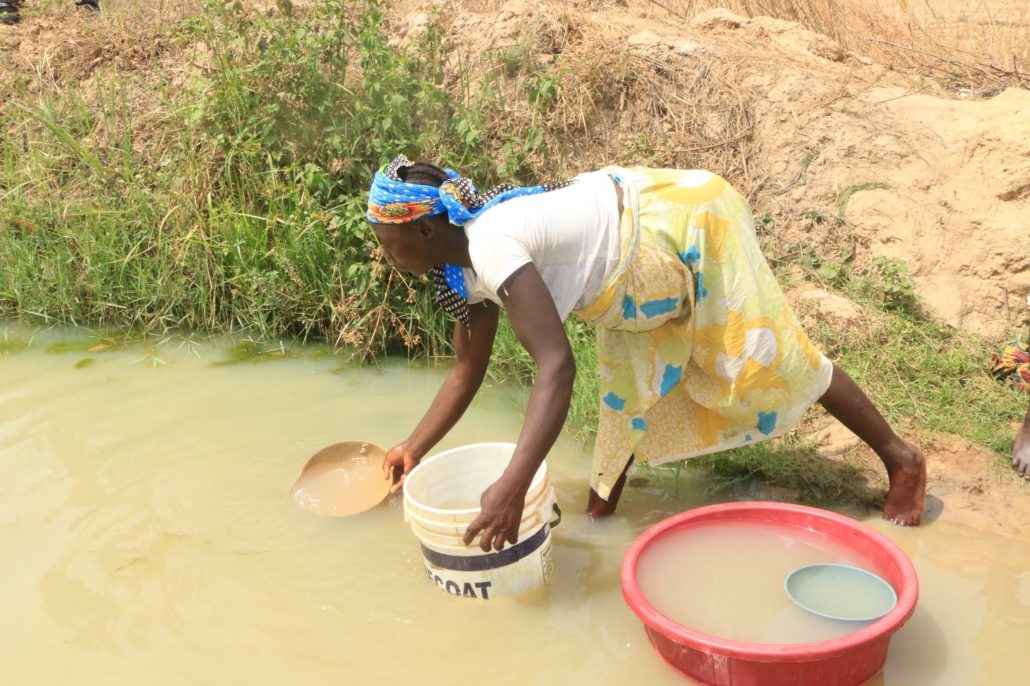
8 Companies Invested in Putting an End to the Global Water Crisis

  1. charity: water – Founded in 2006, this nonprofit organization is working to end the global water crisis by providing clean drinking water to citizens in 24 developing countries. charity: water focuses on three methodologies for providing clean water to communities in need: hand-dug wells, drilled wells and rainwater catch equipment that collects the water and sanitizes it. In addition, by collaborating with a number of local partners, the organization has funded more than 24,000 successful water projects as of 2018. Instead of just accepting donations, charity: water inspires people to start their own campaigns to raise money for clean water. Overall, the organization’s efforts have benefitted approximately 8.2 million people and counting.
  2. Global Water Challenge – The Global Water Challenge, also known as the GWC, is part of a leading team of organizations heavily invested in bringing clean water, for both consumption and hygiene purposes (WASH Sustainability Program), to each corner of the globe. While the GWC’s programs benefit entire communities, women’s empowerment is an important area of focus. After all, women are typically responsible for spending a huge portion of their days gathering water to sustain their families. Thanks to its public-private partnerships, the organization has reached more than 1 million individuals to date.
  3. water.org – The organization’s WaterCredit Initiative works with local businesses to provide loans to people who lack adequate water and sanitation resources. The organization mainly works with people through financing safe access to water in efforts to diminish the global water crisis, more sustainable methods and have effectively enabled more than 25 million people to obtain access to clean water and sanitation services.
  4. Drop in the Bucket – Similar to the previous organization, Drop in the Bucket also operates on a community loan basis to fund wells.  The organization has built 300 wells in schools in East Africa since its founding in 2006, recognizing this area as one in need when seeking to address the global water crisis.
  5. PepsiCo – Through partnerships with NGOs such as WaterAid and 2030 Water Resources Group of the World Bank, Pepsi has made it a priority to invest in ending the global water crisis. The company is focused on helping developing communities in the United States, Latin America, India and China by offering strategic grants that teach various methods for effectively conserving water. As of the middle of 2018, the company has donated $40 million to these organizations.
  6. The Nature Conservancy – One of the biggest charitable environmental organizations in North America, the Nature Conservancy concentrates its efforts on the preservation of land and water sources. The organization works in three continents — specifically focusing on Europe, as well as in Latin America and India. With more than one million members actively working to conserve natural landscapes through science and technological means, this group instills hope for future generations.
  7. UN Water – An arm of the United Nations, this agency works in more than 30 countries to provide clean water and sanitary techniques to assist the underprivileged. UN Water uses a data-driven approach to effect change in the countries where it operates.
  8. World Resources Institute – The World Resources Institute (WRI) is focused on the “mapping, measuring and mitigating global water challenges.” One of the organization’s current projects utilizes aqueduct systems as a method for preserving and sustaining water sources. The group is also working to rehabilitate ecosystems, to lessen the burden on diminishing water sources. The WRI is active in more than 50 countries and has global offices in Brazil, China, Europe, India, Indonesia, Mexico and the United States.

– Joanna Buoniconti
Photo: Flickr

November 11, 2019
https://borgenproject.org/wp-content/uploads/borgen-project-logo.svg 0 0 Kim Thelwell https://borgenproject.org/wp-content/uploads/borgen-project-logo.svg Kim Thelwell2019-11-11 12:39:192024-05-29 23:13:108 Companies Working to End the Global Water Crisis
Activism, Developing Countries, Development, Global Poverty, Health, Water, Water Quality

Rotary Club’s Water Relief in Haiti

Water Relief in Haiti

Political corruption and unstable governments can be a huge problem for organizations trying to bring aid to a developing country. On top of the already difficult logistics, corrupt governments can heap on restrictions, red tape and, at times, cause violence. The 2008 Transparency International’s Corruption Perception Index ranked Haiti at number four of the most corrupt nations in the world. This same Index also ranked Haiti as the most corrupt country in the Caribbean region in a 2013 study. This political corruption was the main difficulty faced by Brian Merriam and his Rotary Club Chapter when they tried to aid efforts for water relief in Haiti in 2014.

The Rotary Club’s Contribution

For more than 110 years, Rotary Club International and its 1.2 million members have prided themselves in bringing aid to impoverished countries around the globe. With more than 35,000 chapters, Rotary Club is able to make a lasting worldwide change. Brian Merriam, a third-generation member of Rotary Club International, discussed his initial motivation and the challenges involved in helping Haiti.

Merriam took to heart something that his father always said, “find the greatest problems in your community and find a way to solve them.” It was this motto that led him to first visit Haiti in 1999 with the Episcopalian organization, Food For The Poor. What Merriam saw shocked him, “I traveled the world when I was fifteen,” said Merriam “I’ve seen poverty but never the amount of Haiti.” With 59 percent of the country surviving on less than $2 a day, Haiti it the poorest country in the Western Hemisphere.

A Lack of Clean Drinking Water

After a few more visits to the country, Merriam knew something had to be done. Getting everyone from his Rotary Chapter to help was the easy part. Having been to Haiti several times Merriam knew the problems facing the nation and how to help. “Haiti isn’t lacking water,” said Merriam, “it’s lacking clean drinking water.” More than 90 percent of the country has been deforested, leading to poor soil quality. This combined with the country’s predominantly porous limestone bedrock makes the water that comes up from the earth unfiltered and unhealthy to drink.

The condition of the water supply is made only worse by the nation’s poverty. People wash themselves and their clothes in Haiti’s waterways, further contaminating the water. With more than two-thirds of the population unemployed, many families can’t afford bottled water. They are forced to drink from these polluted bodies of water instead. With this in mind, the Rotary Club Schenectady Chapter brought filtration systems to the community of Matogou in 2014 in order to boost water relief in Haiti.

Political Instability

Along with the many natural factors, an increase in political protests and the proceeding violence have further crippled the country’s ability to distribute aid. This has made it more difficult for organizations to facilitate water relief in Haiti. Large mobs, vandalism and blocked roads make it harder to get basic goods out to Haiti’s most needy.

The tumultuous protests are a reaction by the Haitian people to both the corruption of President Jovenel Moise’s and the ineptitude of the Haitian parliament. According to Haiti’s senate, President Moise and his predecessor, Michel Martelly, embezzled as much as $2 billion. That money was supposed to go to Haiti’s poor to improve their infrastructure, health and education systems. Adding to the instability, the Haitian parliament failed to ratify a government or appoint a new Prime Minister after the ousting of their last one, Jean-Henry Ceant.

Merriam knows firsthand the difficulties this kind of political instability can cause. The largest problem for the Rotary Club was not financial, nor was it logistical. Getting the water filtration systems to the intended people intact was the real difficulty. Merriam recalls having to sneak the filtration systems past customs, “We have to smuggle them into the country. Not cause they’re illegal but because I’ll get extorted at the airport if they know I have them.” After getting the filtration systems past customs, Rotary Club was ready to bring them into the communities that desperately needed water relief in Haiti.

One Success Story

The Rotary Club Schenectady Chapter has changed lives for the better by increasing water relief in Haiti. The water filtration systems Rotary installed have a shelf life of 10 years and can filter out 99.99 percent of bacteria from 1,000,000 gallons of water. Each system can provide clean water to 40 people per day. The organization shows communities how to maintain and clean the filtration systems. Rotary club exceeded its goal in providing 24-hour clean water to Matogou.

It is Merriam’s belief that people born into good fortune have to social obligation to help those less fortunate than themselves. “We are on this one globe and if we don’t make it better, we’ve squandered it,” said Merriam. It is this attitude that has led him to fight for the people of Haiti for 20 years. His actions through the Rotary Club have provided much-needed water relief in Haiti.

– Henry Burkert
Photo: Wikimedia

October 27, 2019
https://borgenproject.org/wp-content/uploads/borgen-project-logo.svg 0 0 Jennifer Philipp https://borgenproject.org/wp-content/uploads/borgen-project-logo.svg Jennifer Philipp2019-10-27 07:30:432020-01-18 14:37:37Rotary Club’s Water Relief in Haiti
Education, Water

Top 10 Facts About Living Conditions in Qatar


Qatar borders Saudi Arabia and the Persian Gulf in Asia. From villages to a booming urban sector, it promotes sustainable development across a gradient continuing to flourish. Here are the top 10 facts about living conditions in Qatar.

Top 10 Facts About Living Conditions in Qatar

  1. Oil: As the third-largest reservoir of natural resources Qatar makes up 14 percent of worldwide oil production. The reserves endure 25 trillion cubic meters. Predominantly obtaining resources in The North Field, petroleum accounts for more than half of GDP.
  2. Mowsalat: A government organization, Mowasalat, operates public transportation, limo and taxi services. It has headquarters in Doha and works throughout various communities within the region. It provides dispatch services under Karwa technologies and a variety of telecommunication amenities with regards to living conditions in Qatar.
  3. Water: Desalination contrives 99 percent of the domestic water supply. The majority of the population has access to clean drinking water and sanitation facilities. Groundwater is one of the main freshwater resources. The country has no rivers or lakes.
  4. People: With a population of approximately 2 million, the median age of Qatar’s inhabitants is 33 years old. Non-Arab immigrants comprise the majority with Pakistanis, Indians, Iranians and other various ethnic backgrounds. Arabic is the official language and English is a close second.
  5. Women’s Rights: Personal status laws victimize women in child custody, marriage and divorce. Male frontrunners must approve of women’s’ rights to marry. Boundaries contiguous with divorce provide unilateral rights only to men.
  6. Kafala: Kafala is a sponsorship program for migrant workers that the International Labor Organization (ILO) brought forth. Labor laws prohibit workers from leaving the country without permits with regards to living conditions in Qatar. It implements reforms for increasing minimum wage, procedures surrounding recruitment and elements against human trafficking.
  7. Reforms on Education: Reform is continually taking place in Education City to bolster and enhance sustainable development amidst Qatar’s youth and higher education. Increasing motivation and factors stem from region-specific tradition to import best practices, globalization and transnational education, global competition, local education reform policies and liberalization.
  8. Health Care: With an increasing population, free health care offerings extend to all people in the country. Life expectancy stands at approximately 79 years as of 2005. The government regulates planning and infrastructure among initiatives.
  9. Municipalities: Qatar has 10 municipalities including Jarayan al Batinah, Madinat Ash Shamal, Messaieed, Umm Salal, Ad Dawhah, Al Ghuwayriyah, Al Jumayliyah, Al Khawr, Al Wakrah and Ar Rayyan. The Ministry of Municipal Affairs controls urban planning and economic development. Municipalities are responsible for answering to councils within their region.
  10. Tourism: Doha and surrounding cities have been renovating tourism for the preparation of the 2022 FIFA World Cup. Tourist attractions such as Al Wakra Museum and Aspire Park provide cultural identification for living conditions in Qatar. In previous years, it has been hosting the 2006 Asian Games and the 2011 Pan Arab Games.

Rapid economic and industrial expansion began at the price of reform. Qatar has the highest per capita GDP in the world largely due to the discovery of petroleum. As a syndicate of the Gulf Cooperation Council, the country continues to develop at an alarming pace. From the racing of camels to the vastness of their sand dunes the culture derives from nomadic Bedouins.

– Zach Erlanger
Photo: Flickr

October 25, 2019
https://borgenproject.org/wp-content/uploads/borgen-project-logo.svg 0 0 Jennifer Philipp https://borgenproject.org/wp-content/uploads/borgen-project-logo.svg Jennifer Philipp2019-10-25 10:10:242024-06-07 05:07:59Top 10 Facts About Living Conditions in Qatar
Global Poverty, Health, Water, Water Quality, Water Sanitation

Improving Water Quality in Nigeria

Water Quality in Nigeria
Nigeria is in a water crisis and water quality in Nigeria is suffering. The country has access to surface water and also water that comes from underground. Nigeria seemingly has enough access to water supplies, but in reality, only 19 percent of the Nigerian population has access to adequate drinking water. This is due to the fact that Nigeria is in a state of economic water scarcity. Economic water scarcity is the inability to protect and/or use water sources for socioeconomic development and environmental sustainability.

Water Disparities

This economic disparity is distorting the access to basic water supply for those living in impoverished areas in Nigeria. According to stats that The Conversation collected in 2017, about 80 percent of wealthy Nigerians have access to a basic water supply and healthy drinking water, while only 49 percent of poor Nigerians have this access.

Journalist Dele Sobowale researched the increases in the Nigerian population and found that the population is increasing by 6 million a year. Additionally, out of the 6 million, 80 percent lack access to safe drinking water. This means that the water they currently have access to does not meet Nigeria’s standards for safe drinking water. Nigeria determines if water passes its standards by testing for taste, smell, bacteria and E. coli.

The results of the tests concluded that 64 percent of Nigerian households have access to clean water sources, such as piped water, boreholes and collected rainwater. However, the results also showed that about 90 percent of Nigerian households consumed E. coli contaminated water at some point, either from the clean water sources or non-clean water sources.

Although all of this has been occurring, many are making efforts to counteract this crisis. Many organizations have been working to improve water quality in Nigeria.

Organizations and Efforts on the Ground

USAID has been trying to improve access to clean water and sanitation in Nigeria by partnering with local governments and private sectors. It understands that lack of access is contributing to the “high prevalence of waterborne diseases, threatens the livelihoods of smallholder farmers and contributes to low levels of school enrollment.”

The Corporate Accountability Global Campaign is another invite that is helping improve Nigeria’s water system. It partnered with the Environmental Rights Action/Friends of the Earth, Nigeria (ERA) to create a campaign that would captivate people and urge local officials to not turn the water system to private sectors. It has especially been working in Lagos, Nigeria to fight for water justice. Its goal is to stop private water corporations from interfering with the public water system all around the globe. It started with Lagos but it is part of a movement for global water justice.

UNICEF is also fighting for access to clean water sources in Nigeria, specifically for young children. Young children in Nigeria are suffering the worst from the water crisis because it is increasing mortality rates for children under 5. According to UNICEF’s data, “The use of contaminated drinking water and poor sanitary conditions result in increased vulnerability to water-borne diseases, including diarrhea which leads to deaths of more than 70,000 children under 5 annually.” Children are dying and access to clean water sources is disproportionate among poorer children in this country.

In order to fix this injustice, UNICEF came up with a few solutions that will help reduce the amount of harm contaminated water is causing in Nigeria. These solutions include preparation for equal access to water, sanitation and hygiene services (WASH), strengthening the government’s efforts to stop the practice of open defecation, expanding the capacity of national and subnational bodies to create equal gender-sensitive WASH policies and ensuring the rural communities have sustainable water sources.

Conclusion

Water is a basic need for human existence and there are some countries that do not have access to clean and healthy water. The help of organizations like the ones above can help fix the water quality in Nigeria. With one step at a time, people could eradicate insufficient water quality across the world.

– Jessica Jones
Photo: Flickr

October 21, 2019
https://borgenproject.org/wp-content/uploads/borgen-project-logo.svg 0 0 Jennifer Philipp https://borgenproject.org/wp-content/uploads/borgen-project-logo.svg Jennifer Philipp2019-10-21 11:35:382020-01-07 06:19:16Improving Water Quality in Nigeria
Global Poverty, Water

Hydroelectric Power in Kyrgyzstan

Hydroelectric Power in Kyrgyzstan
The increasing demand for centralized electrical power has put growing pressure on the government to modernize Kyrgyzstan’s hydroelectric capacity. 1“’s government has sanctioned the expansion of its energy infrastructure to mitigate extreme poverty and improve access to fundamental necessities in rural communities. As a focal point of its export economy, hydroelectric power modules supply 76 percent of its electricity. With lowering water inflow and deteriorating infrastructure, Kyrgyzstan faces a unique problem in mitigating and expanding its hydroelectric import/export industry while balancing the rampant poverty and income inequality among rural and urban communities. The surrounding Kyrgyzstan economy relies mostly on agricultural cultivations and the cotton export industry. With the increased development of modules of hydroelectric power in Kyrgyzstan, the controlled water supply offers the potential for massive growth in the agricultural industry. As a renewable energy source, hydroelectric energy provides the potential to control the rate at which the water flows and of the amount used, which is crucial to energy production.

Socioeconomic Implications

Traditional agricultural methods that rural communities commonly practice create the potential for extensive economic growth through the implementation of an updated hydroelectric system. Through a controlled system, the irrigation of various crops is more efficient with a renewable energy source that has less pollution. With substantial economic implications, hydroelectric power in Kyrgyzstan encourages more commercial enterprises to migrate to agrarian areas where people cannot access basic public services like running water and education as easily.

With 32 percent under the poverty line, the need for a centralized hydroelectrical grid can have vast socioeconomic implications, with an improved water supply system and improved access to basic health necessities. With Kyrgyzstan’s main hydroelectric infrastructure outdated and in need of a sufficient upgrade the inconsistency attached to this older hydroelectric module creates insecurity in basic necessities. With access to basic social programs tentative on ideal weather conditions in urban communities, the expansion of clean renewable energy sources can potentially create an influx of economic prosperity and improve energy efficiency throughout the country.

A focused effort toward improving consistent energy output will allow the quality of life to improve and give the impoverished a promising start toward economic mobility with increasing hydroelectric power in Kyrgyzstan. Reducing toxic chemicals put into the air from traditional cooking/heating methods in rural communities can allow room for a more comprehensive hydropower infrastructure. Rural communities on average tend to use more fossil fuels with more than 60 percent using those perishables due to inconsistencies within hydroelectric distribution and no updated grid system that would make those other methods obsolete.

Government Legislation

Since its independence, Kyrgyzstan established a network of standard practice in energy distribution with a comprehensive legislative agenda. People are underutilizing the potential for an increased hydroelectric presence as a larger kinetic energy source with geographically crucial bodies of water producing 5-8 billion kW·h per year and the country only using 3 percent. A more consistent hydroelectric grid is necessary for Kyrgyzstan’s economy to boost its agricultural sector. The government introduced the National Energy Program that assists in renovating abandoned hydropower plants and initiates constructing new ones. Additionally, government sectors have committed to actively work on the cultivation of Kyrgyzstan’s massive untapped energy sector. Along with a growing private sector and updated technology to improve the essential food and health infrastructures hydroelectric power in Kyrgyzstan will increase the capacity of its economy.

– Adam Townsend
Photo: Flickr

October 6, 2019
https://borgenproject.org/wp-content/uploads/borgen-project-logo.svg 0 0 Jennifer Philipp https://borgenproject.org/wp-content/uploads/borgen-project-logo.svg Jennifer Philipp2019-10-06 07:30:582024-05-29 22:27:21Hydroelectric Power in Kyrgyzstan
Global Poverty, Life Expectancy, Water

10 Facts About Life Expectancy in Austria

10 Facts About Life Expectancy in Austria
The Republic of Austria is a nation wedged within Central Europe. Many consider its water quality as one of the highest in Europe and several NGOs are working towards bringing the nation’s economic and environmental sustainability up to par with the EU. Here are 10 facts about life expectancy in Austria.

10 Facts About Life Expectancy in Austria

  1. Since 2000, life expectancy in Austria has increased by three years. Currently, the life expectancy average in Austria is 82-years-old which is more than the OECD average of 80-years-old. However, averages between women and men differ as the average for women is 84-years-old and the average for men is 79-years-old.
  2. Despite the World Health Organization’s guideline limit of 10 micrograms per cubic meter of PM2.5 air pollutants, Austria exceeds it by 6.3 micrograms. According to a 2017 WHO publication, the fact that Austrian residents often heat with wood and coal contribute to the nation’s pollution. As a result, affected Austrians experience respiratory problems, cardiovascular disease and lung cancer. Lower respiratory problems are the sixth highest cause of death in Austria.
  3. In order to improve the nation’s air quality, VCÖ-Mobilität mit Zukunft works to bring efficient mobility to the country. Founded in 1988, VCÖ develops projects with Austria’s decision-makers aimed at lowering emissions. Since its inception, VCÖ has produced publications arguing for climate-friendly transportation. Moreover, in 2018, VCÖ conducted a railroad test with 10,000 Austrians to exemplify that Austrian railroads need new offerings to improve the nation’s air quality.
  4. Adding to the 10 facts about life expectancy in Austria, about 92 percent of residents in Austria are satisfied with their water quality. In 1959, due to the nation’s high levels of wastewater, the Austrian federal government implemented the Austrian Water Act. The Act included initiatives that work to reduce wastewater. In order to achieve this mission, the Austrian government established monitoring programs to test the nation’s bodies of water for pollutants. As a result of running these tests and implementing wastewater purification plants and a larger sewage system, Austria reduced its waste-water and improved the nation’s water quality.
  5. When it comes to security, the majority of Austrians feel safe in their country. Around 81 percent of Austrians say they feel safe at night. Austria’s homicide rate of 0.5 ranks as one of the lowest rates in the OECD.
  6. A recent report from WHO states that the leading causes of death in Austria are cardiovascular disease and cancer. Diabetes and dementia rates have also increased and worked their way up into the top 10 causes of death. Despite the rise in various diseases, however, around 70 percent of Austrians believe the are in good health.
  7. Around 99.9 percent of Austrians receive health-care coverage. In 2012, the Federal government covered 29 percent of Austrians’ health expenditures while health insurance funds covered 44.8 percent. Given that the majority of Austrians’ have covered health care, Austrians have a strong access to health care that contributes to their health and life expectancy.
  8. Following a 2009 GDP fall, Austria’s household capacity plateaued while basic living costs increased. As a result, Austria’s impoverished population increased through 2015. Due to a lack of resources, impoverished Austrians are less likely to afford health care, and therefore, are at risk for poor health. In order to find solutions for impoverished Austrians, Austria ASAP launched in 2013 and worked toward enhancing academics’ impact on poverty. Since its inception, Austria ASAP has released publications debunking social presumptions about Austrians living in poverty.
  9. In comparison to other European countries, Austria’s public spending on health is low. In 2015, Germany and Sweden spent between 18 and 21 percent of total government spending on health care. Meanwhile, Austria only utilized 15.1 percent of its total government spending. Given the public spending is lower in Austria than in other nations, Austrians experience less financial security and are at a higher risk of impoverishment due to health care costs.
  10. Amongst the countries in the EU, Austria is below average in resource productivity. Austria produces EUR 1.79 per kilogram in comparison to the EU average of EUR 2.04 per kilogram. Therefore, in March 2018, several NGOs launched the Circular Futures Platform to transition Austria into a circular economy. The Circular Economy Action Plan mission intends to eventually put an end to lower residual waste and reduce the toxins polluting the environment and attributing to 3,000-4,000 Austrian deaths every year.

Through an analysis of increasing life expectancy and high health insurance coverage, these 10 facts about life expectancy in Austria demonstrate why the nation ranks high on the Better Life Index. With increased efforts to improve the economy and air quality, Austria can become a model nation for the world.

– Niyat Ogbazghi
Photo: Flickr


September 30, 2019
https://borgenproject.org/wp-content/uploads/borgen-project-logo.svg 0 0 Jennifer Philipp https://borgenproject.org/wp-content/uploads/borgen-project-logo.svg Jennifer Philipp2019-09-30 15:17:362024-05-29 23:13:0310 Facts About Life Expectancy in Austria
Page 22 of 57«‹2021222324›»

Get Smarter

  • Global Poverty 101
  • Global Poverty… The Good News
  • Global Poverty & U.S. Jobs
  • Global Poverty and National Security
  • Innovative Solutions to Poverty
  • Global Poverty & Aid FAQ’s
Search Search

Take Action

  • Call Congress
  • Email Congress
  • Donate
  • 30 Ways to Help
  • Volunteer Ops
  • Internships
  • Courses & Certificates
  • The Podcast
Borgen Project

“The Borgen Project is an incredible nonprofit organization that is addressing poverty and hunger and working towards ending them.”

-The Huffington Post

Inside The Borgen Project

  • Contact
  • About
  • Financials
  • President
  • Board of Directors
  • Board of Advisors

International Links

  • UK Email Parliament
  • UK Donate
  • Canada Email Parliament

Get Smarter

  • Global Poverty 101
  • Global Poverty… The Good News
  • Global Poverty & U.S. Jobs
  • Global Poverty and National Security
  • Innovative Solutions to Poverty
  • Global Poverty & Aid FAQ’s

Ways to Help

  • Call Congress
  • Email Congress
  • Donate
  • 30 Ways to Help
  • Volunteer Ops
  • Internships
  • Courses & Certificates
  • The Podcast
Scroll to top Scroll to top Scroll to top