• Link to X
  • Link to Facebook
  • Link to Instagram
  • Link to TikTok
  • Link to Youtube
  • About
    • About Us
      • President
      • Board of Directors
      • Board of Advisors
      • Financials
      • Our Methodology
      • Success Tracker
      • Contact
  • Act Now
    • 30 Ways to Help
      • Email Congress
      • Call Congress
      • Volunteer
      • Courses & Certificates
      • Be a Donor
    • Internships
      • In-Office Internships
      • Remote Internships
    • Legislation
      • Politics 101
  • The Blog
  • The Podcast
  • Magazine
  • Donate
  • Click to open the search input field Click to open the search input field Search
  • Menu Menu

Archive for category: Water

Global Poverty, Sanitation, Water, Water Sanitation

10 Facts About Freshwater and Sanitation in Bahrain

Facts About Freshwater and Sanitation in Bahrain
Bahrain’s name comes from the Arabic al-bahrayn, which means two seas. Two kinds of water surround the country, sweet water and salty water. Meanwhile, Bahrain is located in the Arabian Gulf – one of the largest oil-producing regions of the world.

Despite the surrounding countries’ high oil supply levels, Bahrain has small stores of oil. Instead of oil drilling, the country imports crude oil from its surrounding countries. The country processes crude oil and exports the refined product.

Bahrain has gained increasing wealth from its refined oil exports. This wealth attracts migrants to come and settle in Bahrain as well as other Gulf Cooperation Council states including Saudi Arabia, Kuwait, the United Arab Emirates, Qatar and Oman. The level of migration resulted in a 48 percent migrant population and the growing population is increasing strains on the country’s freshwater and other sanitation resources.

Despite the struggle to keep pace with migration, Bahrain’s government says it is making strides toward improving, upgrading and expanding sanitation facilities for its growing population. Below are 10 facts about freshwater and sanitation in Bahrain.

10 Facts About Freshwater and Sanitation in Bahrain

  1. Improving Sanitation: Ninety-five percent of Bahrain’s populace connects to a central sewage network. This is because the country adopted sanitation facilities before many of the other countries in the region. Bahrain’s sewage system structure is old with sanitation facilities dating to the 1970s and making the facilities for wastewater treatment inadequate. To combat this inadequacy, Bahrain added new treatment plants and expanded existing ones. Bahrain plans to construct a deep gravity sewer project to cover large areas of the country. Gulf Construction online stated that the country is making progress with its sewage treatment plant in Muharraq and that it was in the commissioning phase as of 2014.
  2. Oil Pollution: Bahrain developed its oil industry without concern for its fertile land. This lack of concern resulted in the oil pollution of natural groundwater reservoirs. Pollution from this oil development increased during the Persian Gulf War, which resulted in damage to oil facilities in the Gulf Region.
  3. Freshwater: Bahrain contains the lowest endowments of freshwater resources in the world, which affects its freshwater availability. Bahrain’s average annual rainfall hovers around 80 mm and its evapotranspiration hovers around 1850 mm. There are no rivers, continuously flowing streams or lakes. The country obtains groundwater from the lateral underflow of the Dammam aquifer. Freshwater share among Bahrain’s populace is in decline. The share went from 525 m3 per year in 1970 to 100 m3 per year in 2001, placing the country’s freshwater share less than the 500 m3 per year capita water poverty line. These levels are likely to further decline and even halve due to the country’s continual population increase.
  4. Water Salination: Bahrain’s groundwater suffers from degradation in quantity and quality from over-extraction, seawater invasion, oil spills and other industrial discharges. The over-utilization of the Dammam aquifer by Bahrain’s agricultural and domestic sectors causes water salination. As a result, desalination provides at least 60 percent of Bahrain’s freshwater.
  5. Desalination: Desalination plants pose a threat to the environment. The seawater used contains high quantities of boron and bromide. The process used to desalinate removes calcium and other essential minerals. The salt leftover from desalination goes into the ocean increasing the salinity of the water. The increased salinity causes harm to the environment and is among the costliest ways to produce water because of the high amount of energy required. Therefore, higher water and energy costs can also pose a challenge to the people who need it.
  6. Basic and Improved Sanitation Availability: Ninety-nine percent of Bahrain’s population uses basic sanitation resources. Bahrain’s government claims 100 percent of its population is using improved and safe drinking water sources, 100 percent of the population benefit from improved sanitation services and 100 percent of the wastewater receives safe treatment. The CIA said Bahrain improved sanitation access for 99 percent of its population. Index Mundi claimed that the country’s freshwater access improved from 94 percent of the country having access in 1990 to 100 percent having access in 2015.
  7. Unequal Freshwater Access: The Bahraini people’s access to freshwater is unequal. The cleanliness of the water is dependent upon how close or far away the water sources are from the Alkalifa family, the ruling family of Bahrain. East Riffe, the location of the Alkalifa family palace, contains cleaner water than Sitra, Ma’ameer, Duraz and Bani Jamra. These are areas where the Baharna community, a community that has faced a long history of discrimination in the region, live. When the people of these areas drink the water there is a high chance of contracting long-term diseases and other health-related problems.
  8. Water Scarcity and The Green Climate Fund: Since Bahrain is located in an arid environment, estimates determine that water scarcity will increase as the temperature of the planet increases due to sea-level rise. Sea-level rise causes surrounding seawater to intermix with the ground freshwater, which decreases freshwater availability. Bahrain applied to the Green Climate Fund – a fund within the United Nations Framework Convention on Climate Change to assist developing countries to take steps to prevent climate change – to address the problems that climate change poses.
  9. Rising Population: Bahrain contains one of the highest population densities in the world and its population is increasing. Eighty-nine percent of Bahrain’s population lives in urban areas. The population level and the continual population increase created a demand for freshwater that exceeds the country’s natural resources.
  10. Waste Generation and Government Initiatives: Bahrain generates above 1.2 million tons of solid waste per year making the country one of the world’s leading per capita solid waste generators. Estimates determine that daily garbage production exceeds 4,500 tons. Waste accumulation increases at a rapid pace. The waste is likely to affect the quality of air, soil and groundwater in Bahrain. Bahrain’s government launched recycling initiatives, a waste-to-energy project and a public awareness campaign in response to combat waste accumulation.

While the rising population and aging sewage system strain the availability of resources, Bahrain’s government is making efforts to address a number of the 10 facts about freshwater and sanitation in Bahrain. Bahrain’s works ministry invited companies to bid for a contract to build new sewage treatment plants in the country in 2014. U.S. companies could also help build effective waste management facilities by bringing ideas on how to improve each of the 10 facts about freshwater and sanitation of Bahrain.

– Robert Forsyth
Photo: Flickr
December 26, 2019
https://borgenproject.org/wp-content/uploads/borgen-project-logo.svg 0 0 Jennifer Philipp https://borgenproject.org/wp-content/uploads/borgen-project-logo.svg Jennifer Philipp2019-12-26 01:30:522024-06-07 05:08:0210 Facts About Freshwater and Sanitation in Bahrain
Global Poverty, Sanitation, Water, Water Sanitation

10 Facts About Sanitation in Afghanistan

Sanitation in Afghanistan
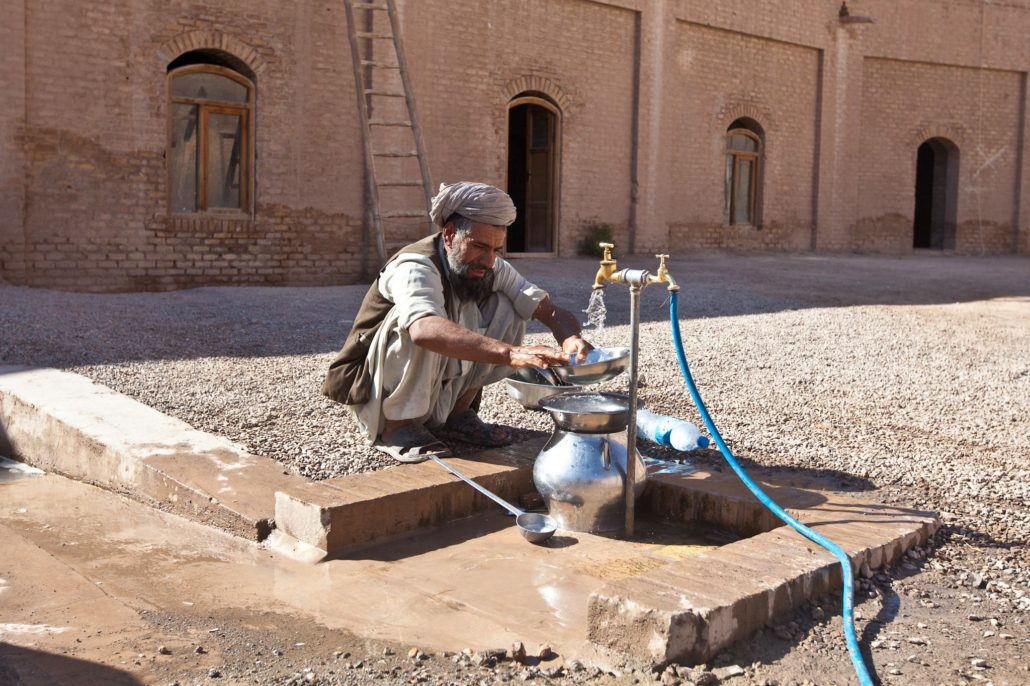
Following decades of civil war and negligence, Afghanistan has been experiencing a crisis regarding clean water and sanitation. The lack of an internal plan and a water infrastructure deficit had elicited urgent consequences such as various waterborne diseases and diarrhoeal diseases. Many organizations such as UNICEF took notice and decided to address this issue at its core. By providing funding and necessary resources, there has been evident progress within Afghanistan towards clean water and better sanitation. Here are 10 facts about sanitation in Afghanistan.

 10 Facts About Sanitation in Afghanistan

  1. Limited Sanitation: According to the State of the World’s Toilets 2007 report, about 92 percent of Afghanistan’s estimated 26.6 million population did not have access to proper sanitation. Meanwhile, the number reduced to 61 percent by 2017. With this being said, poor sanitation exposes people, mainly children and elders, to life-threatening diseases. This issue also affects women and girls, putting them at risk for both physical and psychological damage. It affects menstrual, pregnancy and postnatal periods and creates an unsafe environment when in these periods.

  2. Turmoil: One can see the increasing number of cases surrounding poor sanitation as a direct consequence of the damage inflicted by years of war. Beginning in 1992, constant fighting between different mujahidin groups left cities such as Kabul in ruins, further damaging the water infrastructure. Following in 1996, the Taliban took over but did little to nothing to improve the already damaged water infrastructure, including necessary water pumps. Afghanistan, to this day, is still in turmoil, leaving no priority for local governments to improve sanitation and increase access to clean water.

  3. Lack of Reservoirs, Canals and Infrastructure: One major aspect as to why Afghanistan has a difficult time accessing clean water is the evident lack of water infrastructure. Geographically, Afghanistan is a landlocked nation that automatically creates a difficult landscape to receive clean water; therefore, Afghanistan depends on the natural flow of the snow runoff coming from the mountains. There are reservoirs to collect this water, but it is just not enough. Because of the lack of proper water infrastructure, only 30 percent of the water derived from the runoff stays in Afghanistan. Investment towards improving infrastructure is also scarce as the government does not see it as a prominent issue.

  4. Open Defecation: Open defecation is an issue that many countries face on a daily basis; however, it has been an astonishingly prevalent issue in Afganistan. It places many of the individuals and families leaving near waterways in much danger as human waste spreads disease quickly. To combat this issue, UNICEF alongside the Ministries of Rural Rehabilitation and Development, Public Health and Education have partnered to end open defecation by 2025. They are pushing for the Community-Led Total Sanitation approach which advocates for people to build and use their own latrines.

  5. Increase Water Supply: In addition to implementing a plan against open defecation, UNICEF and the Ministries of Rural Rehabilitation and Development, Public Health, and Education have been working to increase water supply to impoverished communities. They aim to steer the public to get clean water through the reliance of rivers, streams, wells, etc. Also, UNICEF aims to increase the government’s capacity to construct local water supply systems. Because of this new agenda, more than 300,000 new people living in Afghanistan received clean water in 2017.

  6. Water Systems: UNICEF is prioritizing gravity-fed piped drinking water systems or systems with solar pumps instead of regular boreholes with handpumps. These methods should provide more water, easy maintenance and close proximity even though they are slightly more expensive. Right now, most of the water comes from the five major rivers in Afghanistan, but this system brings water in an efficient and sustainable way.

  7. Action Within Schools: An important place to advocate for proper sanitation would be in the school environment, and UNICEF has done just that. Working with the Ministry of Education, UNICEF has aimed to create clean school environments and provide proper hygiene information in Afghanistan. This plan includes providing clean water, separate bathrooms and new handwashing stations in schools. This program is growing and is starting to enter more schools.

  8. Sanitation Efforts Aimed at Women: Some have also taken action towards improving sanitation conditions within schools and workplace settings for women and girls. By installing separate bathrooms for males and females, it provides women the opportunity to manage menstruation in a clean environment. Also, the ongoing introduction of curricula surrounding menstrual hygiene promotes rehabilitation and helps girls all around Afghanistan.

  9. Proper Sanitation in Emergencies: Launched in 2005, UNICEF created the WASH emergency center in Afghanistan. This group of various organizations respond during emergencies and help provide clean water, hygiene education and sanitation facilities to the people. For example, they gave hygiene kits to displaced families in the village of Kamalpoor. The kits included soap, detergent, towels, sanitary pads and a plastic bucket to collect water.

  10. Health Centres: Most importantly, UNICEF has aimed to make sure that hospitals and health centers are in proper condition to treat patients. The WASH program implemented focused on improving infection programs and patient safety. It is important to pay attention to the health of patients and to decrease as many cases of disease and death as possible, especially in the case of women and children.

Although Afghanistan still has some way to go, it has made tremendous improvements to its sanitation systems. With continued aid from organizations like UNICEF, it should only continue its progression towards clean water and sanitation for all.

–  Srihita Adabala
Photo: Flickr

December 22, 2019
https://borgenproject.org/wp-content/uploads/borgen-project-logo.svg 0 0 Jennifer Philipp https://borgenproject.org/wp-content/uploads/borgen-project-logo.svg Jennifer Philipp2019-12-22 01:30:062019-12-16 12:03:3210 Facts About Sanitation in Afghanistan
Water

Clean Water in Papua New Guinea

Clean Water in Papua New Guinea
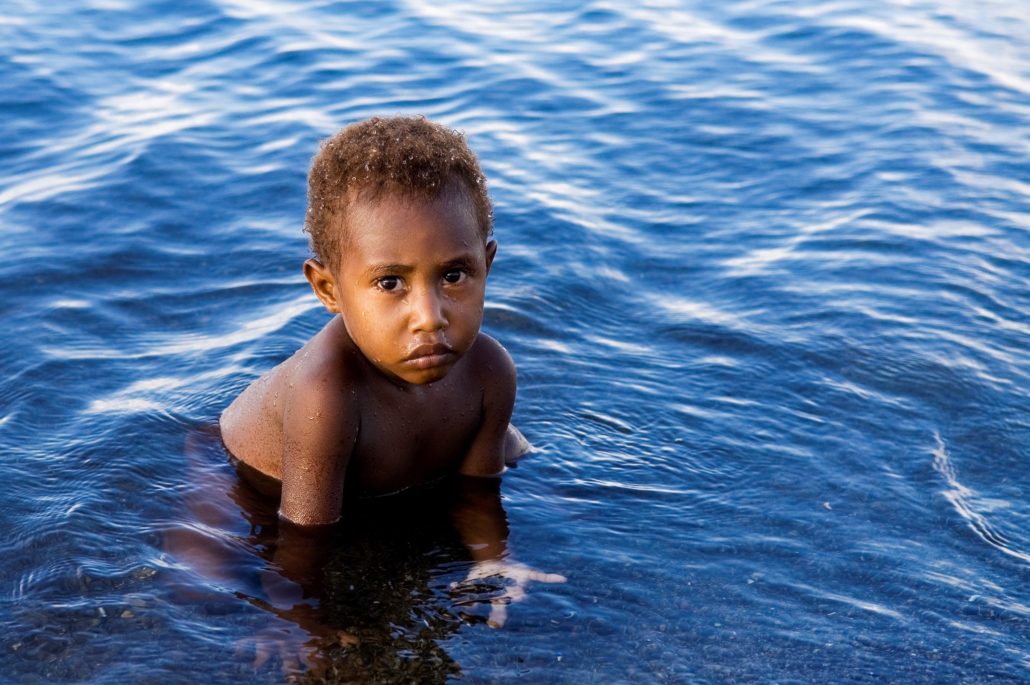
Nestled on the eastern coast of the Island of New Guinea, just north of Australia, Papua New Guinea is home to the third-largest rainforest, over 839 spoken languages and countless commodities like cocoa, coffee and palm oil. The country boasts a diverse topography ranging from coastal towns and river valleys to mountainous highlands. The tribal communities within its borders are as diverse as the landscapes they inhabit. However, there is a lack of clean water in Papua New Guinea.

Lack of Clean Water and Sanitation Facilities

Despite its ecological diversity and recent economic development, the country still lacks one of the most vital resources of all: clean water. The consequences of the clean water and improved sanitation facility shortage are both dire and systematic. This affects current populations and the future prosperity of the country. The country ranks second-lowest in access to safe water in the world because of its wide range of challenging geographies which make accessing some rural areas nearly impossible. According to the World Bank Systematic Diagnostic, only 13 percent of rural areas have access to improved facilities. In addition, only 33 percent of rural areas have access to clean water in Papua New Guinea.

Consequences

Rural areas experiencing substantially lower levels of access are more vulnerable to waterborne illnesses such as dysentery, cholera, malaria and diarrhea. These illnesses are leading causes of the high infant mortality rate, which according to UNICEF’s most recent estimate is about 38 deaths per 1,000 live births. According to 2016 estimates, the mortality rate of diarrheal diseases from exposure to unsafe WASH services is 16.3 per 100,000.

Even in less severe instances, these shortcomings cause malnutrition and stunted growth. It is also a cause of socioeconomic obstacles such as lack of education due to infection. Additionally, this leads to reduced social mobility for communities in rural areas.

Water Access

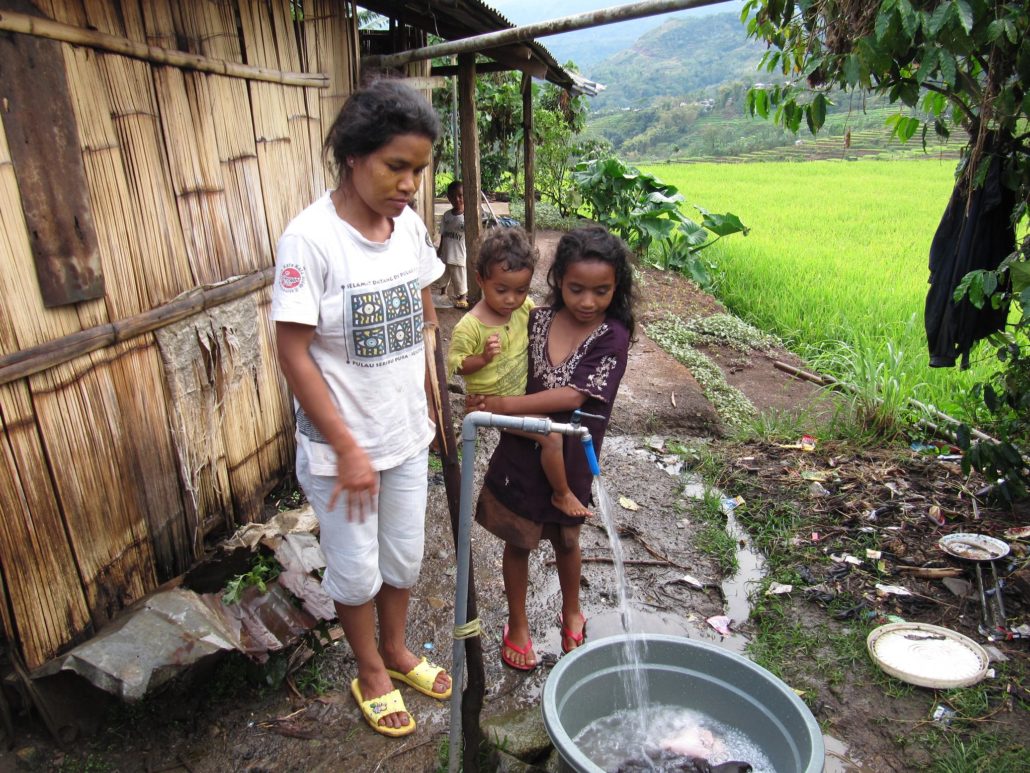
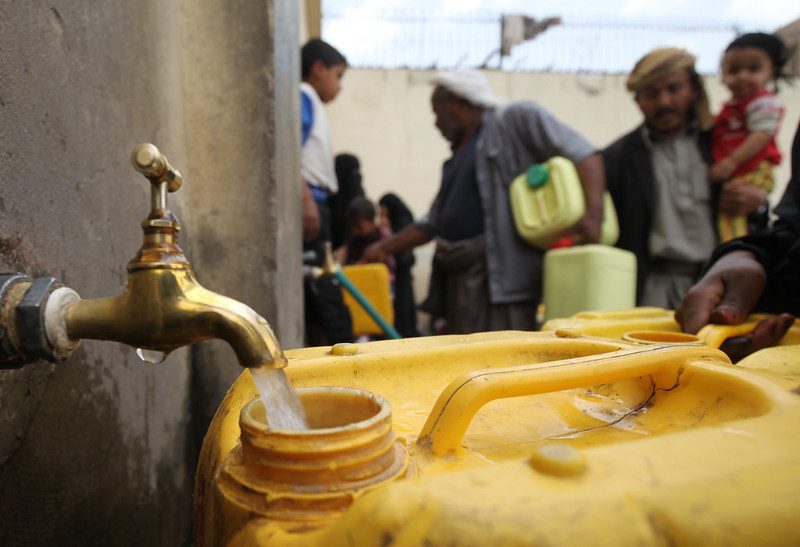
The prevailing means of getting water is to carry it up from the river in jerry cans. This can be time-consuming and often dangerous for the women and girls burdened with the task. Some larger institutions with adequate roofing such as the Madan Coffee Plantation, hospitals and various schools are equipped with rain catchment systems. Those institutions will occasionally allow surrounding communities to access the water reserves at certain times during the day. The dry season lasts from June through September, during which even these communities rely on the river to supply their water. Larger water systems may also include sky hydrants. The sky hydrants utilize piping to bring water up from the river before sending it through a filtration system. Then, it will send the water back down to the communities in need. These systems are far less common as they require substantial financial resources for initial investment and cost of maintenance.

Sanitation Facilities

Lack of improved sanitation facilities is even more widespread and arguably more detrimental to the health of Papua New Guineans since many will take to the river as an alternative. When the Borgen Project interviewed Laura Elizabeth Combee, a nurse who volunteers with Water Hands Hope, about the water conditions in the highlands of Papua New Guinea, she said that “You just see people living in bamboo walls and you see people carrying water from the side of the mountain. And maybe the water is fine, but what are the people on top of the mountain doing? Do you know? So, you don’t know what is contaminating the water.”

One of the most effective alternatives is ash and hay toilets or composting toilets. This catches excrement in two separate compartments before respectively covering them with either ash or hay. This process allows for more sanitary water sources and allows populations to use the remnants as a fertilizer for agricultural purposes. While highly efficient, the use of these is not widespread as there is a lack of information and knowhow.

Water Hands Hope

One of the organizations working to remedy the shortage of clean water in Papua New Guinea is Water Hands Hope. Founded in 2014, the mission of this small Honolulu-based NGO is to use a network of local communities and volunteers to develop and implement WASH infrastructure, deliver community-based educational services and provide medical assistance and clinical work.

Laura Elizabeth Combee uses her medical knowledge to promote, educate and report on water sanitation in rural areas of Papua New Guinea. Two regions in which she volunteers are the Wagi Wan community surrounding the Madan Coffee Plantation and the town of Kundiawa, both located in the highlands of Papua New Guinea.

Participants in Water Hands Hope

During educational sessions, Water Hands Hope advises participant groups to boil water. This process would rid it of any parasites, viruses and protozoa. Additionally, it is the leading cause of waterborne illnesses.

Returning participants aware of the risks associated with unsterilized water grieve that without electricity, they often have to complete other more pressing tasks during the limited daytime, such as tending to the gardens for nourishment or working on the plantation. Lack of electricity is one of the main developmental obstacles that people in the country face.

Even if water systems are in place, there are plenty of hindrances that might deny people access to clean water in Papua New Guinea. Sometimes people have limited water access due to a lack of maintenance or a piece going missing and causing the whole system to be dysfunctional. Other times, the reasons might be because of culture or tradition.

– Victoria-Maxine Haburka
Photo: Flickr

December 21, 2019
https://borgenproject.org/wp-content/uploads/borgen-project-logo.svg 0 0 Lynsey Alexander https://borgenproject.org/wp-content/uploads/borgen-project-logo.svg Lynsey Alexander2019-12-21 06:35:012020-03-02 12:17:57Clean Water in Papua New Guinea
Global Poverty, Sanitation, Water, Water Sanitation

10 Facts About Sanitation in Southeast Asia

10 Facts About Sanitation in Southeast Asia
In many developing Southeast Asian countries, governments seldom prioritize sanitation when there is a limited spending budget. However, over the past decade or so, many countries in the area have experienced steady economic growth which has led to gradual improvements in sanitary conditions for the people. Here are 10 facts about sanitation in Southeast Asia.

10 Facts About Sanitation in Southeast Asia

  1. Increased Coverage for Improved Sanitation: As of 2018, 95.5 percent of Southeast Asia’s urban population and 85.6 percent of its rural population had access to improved drinking water. This marked a 2.4 percent increase in access for urban locations and an 8.9 percent increase for rural areas since 2005. Approximately 80.8 percent of people living in urban areas and 64.3 percent living in rural areas had access to improved sanitation such as flush toilets and piped sewer systems in 2018. Access to improved sanitation is also increasing at greater rates than improved water in most countries.
  2. Improved Health Due to Better Conditions: Around 0.71 percent of all deaths in Southeast Asia in 2017 was the result of unsafe sanitation conditions. This percentage has dropped 2.3 percent since 1990 and is lower than the world average of 1.38 percent. Cases of infectious diseases, diarrhea, malnutrition and other negative health effects that open defecation caused have also gone down as the share of the population practicing such actions decreased. As for countries where substantial toilet infrastructure is still lacking, such as Cambodia, Timor, Laos and Indonesia, scientists are working to design and install new flush toilets. One team at the Asian Institute of Technology in Bangkok has received a $5 million grant from the Bill & Melinda Gates Foundation to fund such a project.
  3. Creating Comprehensive National Policies: Certain developing Southeast Asian countries lack comprehensive regulations regarding the design and construction of sewers and other sanitation systems. Existing regulations often fail to take variations in local conditions into consideration and people do not always strictly enforce these regulations. Some also neglect to assign the responsibility of management to an institution.
  4. Establishing Institutional Management: Limited ability to implement sanitary systems and unclear institutional division of responsibility has caused gaps in service provision, resulting in low-quality infrastructure, delayed constructions and miscommunications. Multiple international committees have called for government officials to receive training in all essential aspects of sanitation management.
  5. Raising Awareness Among Policymakers: Internationally, the U.S. Agency for International Development recommended that local policymakers become aware of the benefits improved sanitation systems have regarding health, environment and economy through regional research collaborations and water operator partnerships. The intergovernmental Association of Southeast Asian Nations has also come together to discuss Indonesia’s progress in delivering improved water and sanitation to its people. Locally, increasing media coverage and discussions about sanitation are also helping the subject gain focus.
  6. Raising Awareness Among Local Community: Many locals are unaware of the dangers that lie in unsanitary defecation and do not understand the purposes of an improved sewer system. In Indonesia, Water.org has held media sessions to encourage dialogue and awareness regarding sanitation. Similarly, many community health centers and international organizations are working to educate locals on the benefits of improved sanitation, as well as to inform them of the services and financial support available.
  7. Community-led Sanitation Installations: Community-led total sanitation efforts have drastically improved conditions in many Southeast Asian countries as self-respect became the driving force behind the movement. With help and guidance from local authorities, community households can get the financial and institutional support necessary to connect to the more improved sanitation systems.
  8. Financing On-Site Sanitation Installations: Government sanitation funding often focuses on the large-scale municipal infrastructure like waste treatment plants, tending to overlook the construction of supporting connection infrastructure necessary for on-site household sanitation systems. As a result, people have turned to local banks and other financial institutions for loans that would enable them to build the necessary infrastructure necessary to access improved water on a daily basis.
  9. Local Programs Improve Water Sanitation: There are several local efforts that are working to preserve Southeast Asia’s largest freshwater lake, Tonle Sap, so as to improve the lives of approximately 100,000 locals living in the surrounding area. The Cambodian enterprise Wetlands Work is selling innovative technologies, such as water purifying system HandyPod that uses bacteria to turn raw sewage into grey water. Meanwhile, the NGO Live & Learn Cambodia is in the process of testing new toilet innovations.
  10. Water Privatization Limits Accessibility: The privatization of water is a common phenomenon in Southeast Asia. In Indonesia, for example, European companies Thames Water and Suez have 25-year contracts with the local government in 1997 to provide water for the country’s capital, Jakarta. With the goal of ensuring piped water coverage for 97 percent of the popular by 2017, the actual number came up to only 59.4 percent. However, in Surabaya, another Indonesian city, the government provided water publicly through the government and coverage reached 95.5 percent in 2016. Calculations determine that average water prices in the city are one-third of that in Jakarta.

These 10 facts about sanitation in Southeast Asia show how these countries are making consistent progress in procuring improved sanitation for their population. With the assistance of intergovernmental organizations and nonprofits, more people are now living under safe and sanitary conditions.

– Kiera Yu
Photo: Flickr

December 21, 2019
https://borgenproject.org/wp-content/uploads/borgen-project-logo.svg 0 0 Jennifer Philipp https://borgenproject.org/wp-content/uploads/borgen-project-logo.svg Jennifer Philipp2019-12-21 01:30:312024-05-29 23:13:5810 Facts About Sanitation in Southeast Asia
Global Poverty, Sanitation, Water, Water Sanitation

10 facts about sanitation in Brazil

Sanitation in Brazil
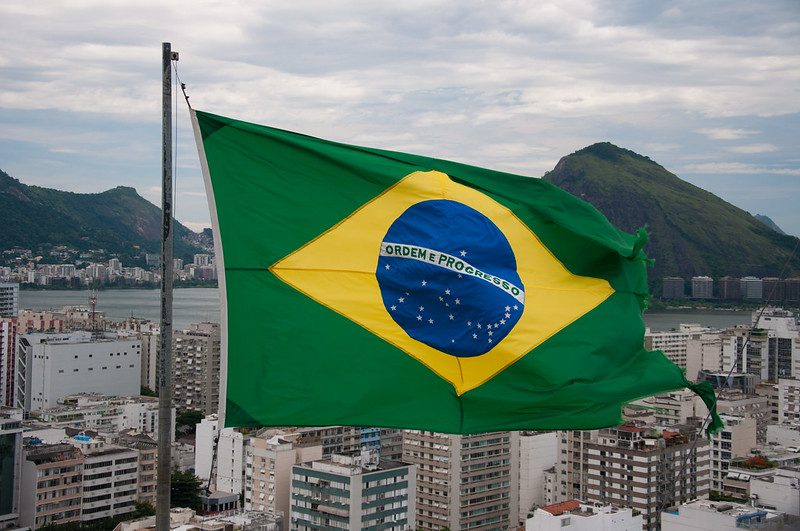
With a population of over 200 million people, Brazil stands as one of the most densely populated countries in the world. Its large population begs a simple question; does Brazil have an adequate amount of resources, including clean water, to support its people? Unfortunately, sanitation in Brazil is far from ideal, but the good news is that the country’s access to clean water has been steadily improving since 2010. Below are 10 facts about sanitation in Brazil.

10 Facts About Sanitation in Brazil

  1. Sewage Treatment: According to a Forbes article from early 2015, only around 47 percent of people in Brazil had access to sewage services and only 63 percent of the sewage was treated. This means that Brazil collected and treated less than 30 percent of the sewage that its residents produced.
  2. Urban Sewage Collection: In terms of the urban population in Brazil, around 55 percent had access to sewage collection. Meanwhile, less than 35 percent actually received sewage treatment.
  3. Unequal Water and Sanitation Access: Though it has about a fifth of the world’s water supply, there is unequal access to water and sanitation in Brazil. Only 43 percent of the poorest 40 percent of the population had access to toilets that connect to the country’s sanitation networks in 2013.
  4. Industrial Effluents: According to the World Bank in 2016, Brazil found industrial effluents, such as heavy metals, in bodies of water. As a result, surrounding rivers are unsafe sources for water and this has forced cities around the region to find water from distant basins and wells. The World Bank also stated that the expected growth of industrial complexes would likely worsen this problem in the near future.
  5. Wealth Inequality: In 2014, the top 20 cities for sanitation in Brazil reportedly spent twice as much as the 10 worst cities, meaning that a key source of the sanitation problems plaguing Brazil is wealth inequality. In 2017, Brazil was also reportedly behind poorer countries like Peru and Bolivia in terms of how sanitary it is.
  6. National Public Sanitation Plan: Brazil established a National Public Sanitation Plan over a decade ago in order to provide 93 percent of Brazilian houses with a proper sewage system and a safe water supply. According to The Brazilian Report, however, it may take until 2050 for it achieve its goal.
  7. Deforestation: In 2017, reports showed that Sao Paulo is in danger of devastating water shortages as a result of deforestation in the Amazon forest. As a result of this, the mayor of Sao Paulo issued a statement about the importance of preserving the rainforest and promoting recycling.
  8. Water Shortages: In 2014-2015, Sao Paulo faced a severe drought that led to the declaration of a state of calamity. In cities like Itu, the water shortage became so bad that people fought over and looted emergency water trucks and some communities resorted to using buckets from swimming pools in order to flush their toilets.
  9. Safe Water and Sanitation: According to Water.org, there are currently around 4 million people in Brazil who do not have access to safe water. Meanwhile, there are around 24 million people who do not have proper sanitation.
  10. The WaterCredit Solution: In 2014, Brazil became an important country for the expansion of Water.org’s WaterCredit solution. This solution aims to offer improvements regarding water and sanitation in Brazil through a collaboration with local partners and financial institutions. According to the Water.org website, this program has reached 9,000 people, and its partners dispursed $2.2 million in loans.

In general, the key takeaway is that despite its fairly large economy, sanitation in Brazil has a long way to go. Due to its large population, organizations like Water.org and the National Public Sanitation Plan will need to do significant work in order to ensure that Brazil will evenly distribute water and sanitation among its citizens.

– Adam Abuelheiga
Photo: Flickr

December 17, 2019
https://borgenproject.org/wp-content/uploads/borgen-project-logo.svg 0 0 Kim Thelwell https://borgenproject.org/wp-content/uploads/borgen-project-logo.svg Kim Thelwell2019-12-17 07:57:042020-02-03 11:59:4010 facts about sanitation in Brazil
Global Poverty, Water

Roads for Water Benefits Infrastructure

Roads for Water Benefits Infrastructure
Infrastructure is the physical and organizational structures necessary for the operation of a society or enterprise. This includes buildings, bridges and roadways. Roadways are a significant factor in ending poverty. Without safe roads, children are unable to go to school, employees cannot get to work safely and supplies like food and water cannot reach remote areas where poverty is most prevalent. The lack of clear infrastructure creates a tremendous economic and social cost. In fact, over 1.1 billion people are without electricity across the globe, which is 16 percent of the world’s population. Additionally, almost 663 million people across the globe lack access to clean water and 2.4 billion people have no sanitation. Even more astounding is that one-third of the world’s population does not have access to all-weather roads. Roads for Water benefits infrastructure by improving road maintenance costs while providing water that people can use.

Roads for Water

Roads for Water is part of a larger association of organizations aiming to promote road water harvesting. The consortium mainly focuses efforts in areas with severe poverty including Africa, the Middle East and parts of South America. Road water harvesting involves using roads as major instruments of water management and sustainability. Further, the roads are integral to transferring water across long distances to reach rural areas and others with no access to safe drinking water. About 20 percent of land surface across the globe is within one kilometer of a road. These are generally the most populous areas with easy access to water sources. Often, roads can alter the ebb and flow of water through corrosion and sedimentation. Harvesting this water and relocating it is better for the environment and for those who require access to potable water sources.

Benefits of Road Water Harvesting

In countries stricken with poverty, people typically forget to maintain infrastructures, such as failing bridges, dilapidated buildings and damaged roadways, or they are low on the list of priorities. In addition, the damage makes it difficult to access water sources. Roads for Water manages water with infrastructure which leads to three ways that Roads for Water benefits infrastructure:

  1. Reduced costs associated with maintaining roadways. Building resilient roadways that are long-lasting with minimal maintenance is beneficial because it is more cost-efficient. The program also invests time and effort into maintaining roads in order to make road water harvesting more sustainable.
  2. Less destruction to landscape and rural farmlands. People build roadways more efficiently and in more convenient locations without disrupting farmlands and vast landscapes. The roads coincide with access to towns and major landmarks in order to make water more accessible for larger groups of people. Harvesting does minimal damage to the landscape; whereas other methods, like natural erosion and sedimentation, are more damaging because they destroy larger areas of ground.
  3. Water that people harvest through the road is more productive and improves consumptive water usage. Road harvesting focuses efforts on gaining water through and under roadways. People build the roads in a manner that allows for easy accessibility for tools, which creates less road damage when strategies are already in place. People can use water for multiple purposes if they have more access to it. This expands from cleaning and drinking to hygiene and consumer products.

Countries that Roads for Water Has Impacted

In Malawi, there is a high potential for harvesting water from road networks. However, the country has not yet fully established these networks due to weather conditions and conflict. The government has fortunately acknowledged the need for this program and has initiated the Integrated Catchment Management as a way to address water resource management issues. With efforts from the government, Malawi has a much higher chance of accomplishing its water harvesting goals across the country.

In addition, Nepal has strict guidelines for who can participate in its road maintenance groups. The District Road Core Network (DRCN) is the group of main rural roads that provide access to Village Development Committees (VDCs), as well as being responsible for the sustainability and maintenance of the country’s District Development Committee (DDC). There is a vast amount of land available for road building and the Road Maintenance Groups (RMGs) are efficient teams that effectively carry out the process and routine maintenance of the DRCN, which includes making sure the roads are all-weather and stay open year-round. With the support of the Nepali government, RMGs can keep up with the roadway systems, making water more accessible to all areas of the country.

How to Help

Finally, agencies such as The Rockefeller Foundation, USAID, World Bank Group and others support Roads for Water. Contributions and fieldwork make up most of the models’ message. Find out more about how to become involved here.

– Kaylee Seddio
Photo: Flickr

December 15, 2019
https://borgenproject.org/wp-content/uploads/borgen-project-logo.svg 0 0 Kim Thelwell https://borgenproject.org/wp-content/uploads/borgen-project-logo.svg Kim Thelwell2019-12-15 18:00:452024-05-29 23:13:54Roads for Water Benefits Infrastructure
Global Poverty, Sanitation, Water

Bringing Clean Water: UNICEF’s WASH Program

UNICEF’s WASH Program
According to a joint report from the United Nations International Children’s Emergency Fund (UNICEF) and the World Health Organization (WHO), one in four of the world’s health care facilities does not have adequate access to clean water and sanitation services, including sewer access. This means that about 2 billion people face a lack of clean water in their communities globally. Luckily, UNICEF’s WASH Program is in place to help remedy this.

Water, Sanitation and Hygiene (WASH)

In 17 out of 69 impoverished countries, at least 20 percent of medical facilities had no water service at all in 2016. Therefore, by going to these facilities, there is a risk of further infection. Ironically, the condition the facility is attempting to remedy could worsen. In developing countries, people often have a concern that they could become sicker after visiting a hospital. UNICEF’s Water, Sanitation and Hygiene (WASH) program aims to bring water and means of sanitation to these at-risk health care facilities to create immediate benefits and establish an element of trust between medical facilities and the general population of impoverished countries. By doing so, projections determine that poor communities should increasingly report to medical professionals when they have a health concern, and many poverty-linked, poor-sanitation-caused diseases will receive better treatment and be better controlled.

UNICEF’s WASH program promotes education, fixing systemic issues and training. However, it mainly goes about achieving these goals by addressing issues on the ground level. Simply put, impoverished communities typically do not have easy access to sanitation measures and fresh water. Therefore, WASH has set out to directly fix the issue by installing facilities that can directly bring free, clean water to people in need. In certain areas that especially need better sanitation and water access, the program goes so far as to build physical water facilities.

How it Works

The facilities consist of a solar-powered borehole well that pumps clean groundwater from within the earth into 24-liter storage tanks above ground. These tanks keep the water clean and usable for whenever communities need it. There are no restrictions on the use of WASH facilities. Those who need it can use it to wash their hands, fill up bathtubs and draw water from their households, etc. In addition to supplying usable water to these communities, the WASH program also installs latrines. The latrines make use of the newly-supplied groundwater to reduce the amount of open defecation in impoverished communities.

WASH in Nigeria

A WASH facility in north-central Nigeria has seen exceptional progress after its installation. Like many poor Nigerian communities, there was little to no health care coverage. Further, the water was dirty and soil-transmitted helminths infected the area due to unsanitary defecation. Even the schools were a breeding ground for disease. Just by bringing clean water, WASH brought the rural community from an unsanitary village to an “open defecation-free” location. In doing so, they also slashed the prevalence of poverty-linked diseases.

UNICEF’s WASH program operates in coordination with the United Nations’ Sustainable Development Goals (SDGs) for 2030. Two out of the 17 SDGs directly apply to WASH’s mission. First, ensure the availability and sustainable management of water and sanitation for all. Second, ensure healthy lives and promote well-being for all at all ages. By making direct, measurable progress towards these goals, the U.N. can garner further support. Therefore, the world will be able to meet more SDGs, making the world a better place for everyone in the very near future.

– Graham Gordon
Photo: Flickr

December 7, 2019
https://borgenproject.org/wp-content/uploads/borgen-project-logo.svg 0 0 Lynsey Alexander https://borgenproject.org/wp-content/uploads/borgen-project-logo.svg Lynsey Alexander2019-12-07 07:30:172019-12-06 08:12:30Bringing Clean Water: UNICEF’s WASH Program
Global Poverty, Water, Water Quality

Providing Aid for the Water Crisis in Mongolia

Water crisis in Mongolia
Despite its vast expanse of land and natural resources, Mongolia has been facing a severe shortage of water since 2014. Hundreds of Mongolian lakes have dried up in recent years, and much of the southern land has experienced desertification. The remaining water sources are concentrated in northern Mongolia, leaving people in central and southern Mongolia unable to easily access water. Citizens of these areas must rely on groundwater to combat the issue of water scarcity.

Water quality is also a concern: many northern Mongolians live in rural settings without access to basic water supply infrastructure. In a 2013 survey, the Asia Foundation found that most rural Mongolians acquire half of their water from unprotected sources, such as lakes and rivers that lack modern water purification methods. The survey also found that most unprotected sources of water are susceptible to high levels of contamination from human waste, livestock and seasonal flooding. In the midst of this water crisis, two organizations have shown interest in aiding those without access to clean drinking water.

Aid from The Millennium Challenge Corp

One organization that has provided aid during the water crisis in Mongolia is the Millennium Challenge Corporation (MCC). The MCC provided a $350 million investment as part of the Mongolia Water Compact, signed in 2018, to supply the country with more water and improve water infrastructure throughout the capital city, Ulaanbaatar. The Mongolian government matched this investment with a $111.8 million investment to improve water purification, increase wastewater recycling and implement policies within the Mongolian government to sustain this new infrastructure. The MCC predicts that this investment will increase water supply in Mongolia’s capital city by more than 80 percent.

Tetra Tech’s Initiative

Another company working to solve the water crisis in Mongolia is Tetra Tech, an engineering services firm that specializes in water and infrastructure.  The most recent contract between Tetra Tech and Mongolia, drafted by the aforementioned Millennium Challenge Corp, grants Tetra Tech 30 million dollars for a water supply project that hopes to increase bulk water supply throughout the country and meet the growing demand in Ulaanbaatar. With this new budget, Tetra Tech hopes to install new groundwater wells, oversee a new wastewater recycling plant and manage a new water purification plant in Ulaanbaatar.

Ending the Water Crisis in Mongolia

The MCC’s generous investment combined with Tetra Tech’s experience with water supply and purification will help combat the water crisis in Mongolia. With an extended budget, Tetra Tech will have ample money to provide structurally sound purification and wastewater recycling plants for 80 percent of Mongolian citizens. As these organizations continue to make progress in this ambitious initiative, Mongolia works toward resolving the water crisis.

– Charles Nettles
Photo: Flickr

December 7, 2019
https://borgenproject.org/wp-content/uploads/borgen-project-logo.svg 0 0 Jennifer Philipp https://borgenproject.org/wp-content/uploads/borgen-project-logo.svg Jennifer Philipp2019-12-07 01:30:262019-12-16 12:04:32Providing Aid for the Water Crisis in Mongolia
Development, Global Poverty, Water, Women

Tools and Tech Helping Women in Africa

Women in Africa
In recent years, people have made many efforts to help women in Africa complete their daily tasks faster and more efficiently by providing tools and technology. However, there is still a long way to go until these extraordinary women will have tools on par with what is available to women in western countries.

Water Collection

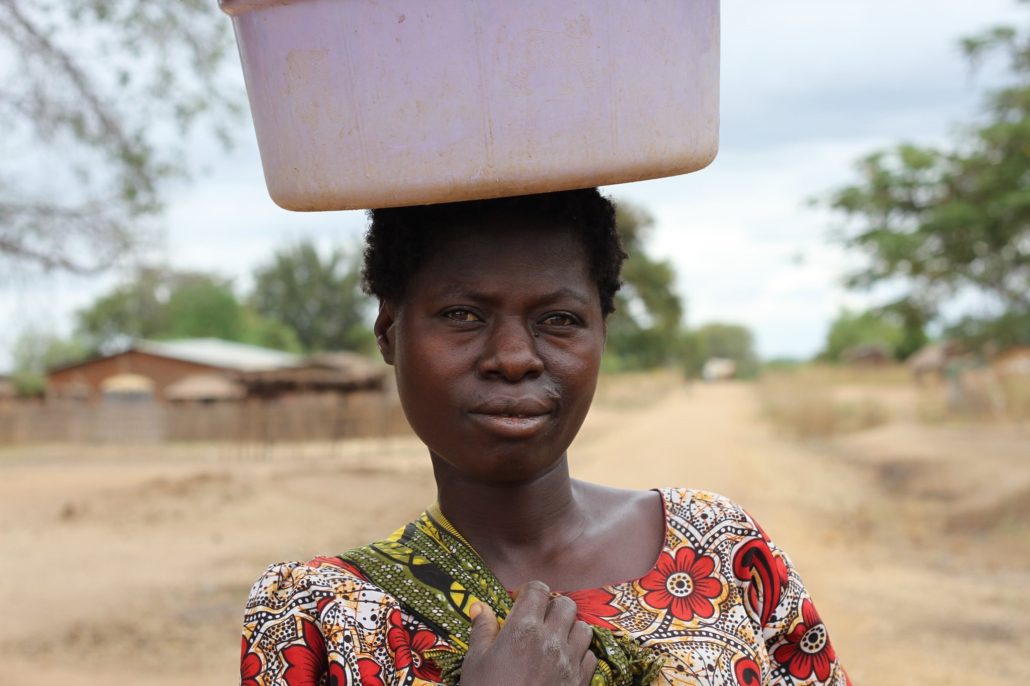
In 24 sub-Saharan African countries, adult females are usually responsible for water collection. About 14 million African women trek over 30 minutes, either barefoot or in rubber sandals, across rough terrain daily. Many of these women carry a bucket or Jerry Can, which is a container to carry fuel or water. These can hold around 40 pounds of water that they balance on top of their heads.

Recently, a project in Mozambique helped nearly 4,000 people by allocating an innovative technology called the Hippo Roller. The Hippo Roller is a South-African-made drum that helps users roll up to 20 liters of water on the ground instead of carrying it on their heads. This allows women in Africa to carry or roll up to five times more water than they usually would. This technology empowers women in Africa by allowing them more time to focus on other necessary tasks, like education, social development and local entrepreneurship. Hippo rollers go to the neediest in the communities first, but with a cost of $125 each, there are rarely enough to go around.

The Search for Firewood

African women walk for hours each day to collect branches and roots for firewood. Over 80 percent of Africa’s energy supply comes from wood and African women spend more than 20 hours per week collecting it. This wood is necessary for women in Africa to cook breakfast, lunch and dinner for their families. African women may spend several hours searching for wood which prevents them from accomplishing other tasks that would benefit and empower them.

Green Energy BioFuels is a company that produces the KIKE Green Cookstove and an ethanol cooking gel that is safe for women in Africa to cook meals for their families without creating the health hazards that current traditional methods do. So far, Green Energy has sold over 200,000 cookstoves in West Africa. Cookstoves that do not rely on wood fuel can help save over 4 million lives annually. In addition to this, African women can worry less about their health and have a more positive outlook on the future.

Investing in African Women

In sub-Saharan Africa, female entrepreneurs hold the highest rates of entrepreneurship globally at 25.9 percent. Many of these women have small businesses that can help them accrue enough income for survival. African women account for nearly 40 percent of the SSA workforce.

The Economic Commission for Africa and its partners started the African Women Leadership Fund which aims to aid the growth of African women-owned and operated businesses and provide services that will help these women be successful. Over the next 10 years, the fund will invest in over $500 million into African Women-led companies.

African women have extraordinary abilities that help them complete difficult daily tasks. However, they cannot achieve these tasks without great risks to their health and well-being. The support that many are implementing to innovatively assist African women will empower them and enrich their lives.

– Lisa Di Nuzzo
Photo: Flickr

December 1, 2019
https://borgenproject.org/wp-content/uploads/borgen-project-logo.svg 0 0 Kim Thelwell https://borgenproject.org/wp-content/uploads/borgen-project-logo.svg Kim Thelwell2019-12-01 01:30:422019-12-03 07:09:46Tools and Tech Helping Women in Africa
Developing Countries, Global Poverty, Health, War and Violence, Water

A Look at The Water Crisis in Kashmir Region

Water Crisis in Kashmir
Many countries around the world do not have sufficient access to clean water and two of the most deprived counties are India and Pakistan. Both countries are seeing rapid population growth, but they also lack the proper infrastructure to provide their citizens with water. There is a long history of conflict between the two neighbors, and the heavily disputed Kashmir region has added to the conflict. The water crisis in Kashmir should be the focus, however.

Background on Pakistan

Pakistan is in eastern Asia, bordering Iran, Afghanistan and India, as well as sharing a small border with China. It is the sixth most populated country with around 207 million people. The country also borders the Arabian Sea to the south. It recently ranked 140 out of 180 countries in the quality of water and sanitation on the Environmental Performance Index. Regional conflict, arid land, inefficient sanitation and water conservation resources have contributed to Pakistan’s lack of clean water. In Pakistan, about 21 million people are without clean water.

Background on India

India has the second-largest population in the world at 1.3 billion people and it lives within an area smaller than the United States. Despite many improvements to water facility access, India still lacks the adequate resources necessary to provide its large citizenry with clean water. Rapid urbanization has caused sprawling urban areas, where the people who live on the outskirts have no access to water unless they build wells.

Close to 600 million people are facing acute water shortages, and 21 cities might run out of groundwater by 2020. Both India and Pakistan commit much of their water to agriculture. India is a grain-producing country, which requires large amounts of water. India and Pakistan both have very low groundwater levels due to using it for farming.

The Indus Treaty

In the 1960s, the two neighbors agreed on a treaty to allocate the water that flows through the Kashmir region. The World Bank brokered the treaty, called the Indus Treaty, in an attempt to properly divert the water that flows into India and Pakistan throughout the disputed area.

Both sides have threatened to leave the treaty. Indus is the name of one of the longest rivers in Asia and its tributaries provide many countries with water. As the conflict over the Kashmir region has risen, the Indian government has threatened to divert one of the rivers by building dams and ultimately reducing the amount of water that flows to Pakistan.

India is also looking to build a dam in the Rari River. Since the creation of the treaty, the Rari River has been one of the main sources of water for Pakistan coming from the Kashmir region.

The Feud Over Kashmir

In 1834, the Sikh Empire annexed Kashmir, but after the war with Britain, the British gained control in 1846. Kashmir ultimately became part of Britain’s Indian colony, with the name Jammu and Kashmir.

Britain relinquished control of India in 1947, after which the Pakistani and Indian nations emerged. Pakistan controls the northern part of Kashmir, while the more southern Jammu and Kashmir are under Indian control. At the time of the British withdrawal, the ruler of Kashmir wished to stay neutral and maintain control over the region.

Kashmir has undergone long disputes. It stands at the northernmost point in India, and to this day, looks to obtain as much autonomy as it can from the Indian government. Both Indian and Pakistan lay claim to the Kashmir region and the region has been the basis of two of the wars between the neighboring countries. In fact, one of the wars was the first war between the two nuclear-armed nations.

As a way to maintain control over the region, the Indian government recently revoked the special rights afforded to the Muslim population in the Kashmir region and took many steps to diminish dissent. These steps included sending troops, enforcing a curfew, shutting down telecommunications like text messaging and internet services and arresting people the government deemed political prisoners.

Many in the region look to obtain independence or even to succeed in Pakistan since their Muslim majority sees Pakistan as a more welcome nation to be a part of. Pakistan and India have fought over the divided region to maintain control, but just recently, India looked to use the region as a weapon against its neighbor. After a suicide attack in February 2019 on Indian soldiers, which the Indian government blamed on Pakistani backed militants, relations between the countries have worsened with both sides threatening the other, and the conducting of airstrikes against Pakistan.

The Conclusion

The disputed Kashmir region will only increase in importance as both India and Pakistan face growing populations and decreasing groundwater levels. India and Pakistan are two of the most water-scarce countries in the world, so the water coming from the Indus River system is essential. The water crisis in Kashmir is affecting both countries, and both countries are working to improve access to clean water. There are also many organizations making it their mission to provide people with clean water.

UNICEF has promoted WASH programs to provide communities with education and resources on the importance of hygiene. Groups like charity: water has dedicated itself to providing clean water to countries in need, including Pakistan and India. It does this by building wells, improving sanitation to ensure clean water remains clean and other techniques to obtain and maintain clean water. With better techniques, the water crisis in Kashmir should diminish significantly. Also, the use of water as a political tool would no longer be a viable option.

– Jared Hynes
Photo: Flickr

November 28, 2019
https://borgenproject.org/wp-content/uploads/borgen-project-logo.svg 0 0 Lynsey Alexander https://borgenproject.org/wp-content/uploads/borgen-project-logo.svg Lynsey Alexander2019-11-28 07:30:002024-06-05 01:28:30A Look at The Water Crisis in Kashmir Region
Page 21 of 57«‹1920212223›»

Get Smarter

  • Global Poverty 101
  • Global Poverty… The Good News
  • Global Poverty & U.S. Jobs
  • Global Poverty and National Security
  • Innovative Solutions to Poverty
  • Global Poverty & Aid FAQ’s
Search Search

Take Action

  • Call Congress
  • Email Congress
  • Donate
  • 30 Ways to Help
  • Volunteer Ops
  • Internships
  • Courses & Certificates
  • The Podcast
Borgen Project

“The Borgen Project is an incredible nonprofit organization that is addressing poverty and hunger and working towards ending them.”

-The Huffington Post

Inside The Borgen Project

  • Contact
  • About
  • Financials
  • President
  • Board of Directors
  • Board of Advisors

International Links

  • UK Email Parliament
  • UK Donate
  • Canada Email Parliament

Get Smarter

  • Global Poverty 101
  • Global Poverty… The Good News
  • Global Poverty & U.S. Jobs
  • Global Poverty and National Security
  • Innovative Solutions to Poverty
  • Global Poverty & Aid FAQ’s

Ways to Help

  • Call Congress
  • Email Congress
  • Donate
  • 30 Ways to Help
  • Volunteer Ops
  • Internships
  • Courses & Certificates
  • The Podcast
Scroll to top Scroll to top Scroll to top