• Link to X
  • Link to Facebook
  • Link to Instagram
  • Link to TikTok
  • Link to Youtube
  • About
    • About Us
      • President
      • Board of Directors
      • Board of Advisors
      • Financials
      • Our Methodology
      • Success Tracker
      • Contact
  • Act Now
    • 30 Ways to Help
      • Email Congress
      • Call Congress
      • Volunteer
      • Courses & Certificates
      • Be a Donor
    • Internships
      • In-Office Internships
      • Remote Internships
    • Legislation
      • Politics 101
  • The Blog
  • The Podcast
  • Magazine
  • Donate
  • Click to open the search input field Click to open the search input field Search
  • Menu Menu

Archive for category: Water

Global Poverty, Nonprofit Organizations and NGOs, Water

5 Nonprofits that Provide Clean Water to the World

nonprofits that provide clean waterClean drinking water is a necessity that many in developed countries rarely ponder about. Yet, for more than 780 million people around the world, clean drinking water is a luxury that is difficult to access. Because of this widespread lack of clean water, more than 3.4 million people die every year from causes related to poor water and sanitation. Nevertheless, there are many nonprofit organizations that have made it their mission to address this global clean water crisis. Here are five nonprofits that provide clean water to the world.

5 Nonprofits that Provide Clean Water

  1. Charity: Water – One of the most widely known nonprofits that provide clean water to the world is Charity: Water. Scott Harrison founded the organization in New York City in 2006 after he witnessed the life-threatening effects of contaminated water in Liberia. Charity: Water is a nonprofit that brings clean and safe drinking water to developing countries. It has funded 38,113 water programs in 27 developing countries for more than 9.6 million people in Africa, Asia, Central and South America. Throughout the past nine years, the organization has dug more than 16,000 water projects, set new standards for donor engagement and public communication and raised more than $200 million from donors. Every penny of Charity: Water’s donations go directly to clean water technologies.
  2. Blood:Water – Blood:Water is a nonprofit that has partnered with grassroots organizations in sub-Saharan Africa to bring clean water and HIV/AIDS support to African communities since 2004. Headquartered in Nashville, Tennessee, the organization was founded by the multi-platinum, Grammy Award-winning band Jars of Clay and activist Jena Lee Nardellaone. Blood:Water provides an array of solutions for different African community’s needs. In addition, to providing HIV/AIDS community care and support and capacity building for its African partners, Blood:Water provides water, sanitation and hygiene solutions, such as wells, toilets and handwashing stations. This organization has worked with more than a dozen African grassroots organizations and has brought clean water to one million people in 11 different countries.
  3. Water.org – When actor Matt Damon and Gary White merged their organizations, H2O Africa and WaterPartners, they formed Water.org in 2009. Its headquarters is currently in Kansas City, Missouri. Water.org provides access to safe water and sanitation in developing countries. It works with local partner organizations to build wells and provide thorough training seminars on the importance of good hygiene practices and its link to better health. Water.org created the WaterCredit system as a long-term solution, which provides household sanitation and safe water by giving expert resources and small loans. This organization works in 13 countries and has provided safe water and sanitation to more than 21 million people. Its commitment to providing safe water and sanitation to everyone is why it has great ratings and is ranked in the top 10 percent of global charities in regard to its financial accountability and transparency.
  4. Lifewater International – As the oldest organization on this list of nonprofits that provide clean water to the world, Lifewater International was established in 1977 by William A. Ashe. Headquartered in San Luis Obispo, California, Lifewater’s mission is to “end the global water and sanitation crisis one village at a time.” It focuses on managing training sessions for field staffers in fields such as water treatment, sanitation, community health through hygiene, well drilling, hand pump repair, effective community development and WASH in schools. This organization takes great pride in its transparency and accountability and performs systematic checks on projects even after they are completed. Since its inception, Lifewater has helped 2.5 million people across 45 countries.
  5. Generosity.org – The final organization on this list of nonprofits that provide clean water to the world is Generosity.org. Philip Wagner founded the organization in 2008 with a commitment to “providing clean water for drinking and sanitation needs, one community at a time.” It is headquartered in Valley Village, California. Generosity.org collaborates with its local partners to utilize their knowledge and expertise to select the proper water solution for each region. These solutions include rain-harvesting systems, wells and spring protection systems. To date, Generosity.org has helped 470,000 people, funded 813 water projects and served 20 countries.

Unclean water is an issue that still needs to be solved in many developing countries. The above list describes some of the most widely known nonprofits that provide clean water to the world. Like many of the other crises the developing world faces, the work of these and other organizations may make the global water crisis an issue of the past.

– Jacob Stubbs
Photo: Flickr
August 23, 2019
https://borgenproject.org/wp-content/uploads/borgen-project-logo.svg 0 0 Kim Thelwell https://borgenproject.org/wp-content/uploads/borgen-project-logo.svg Kim Thelwell2019-08-23 01:30:562024-05-29 23:10:555 Nonprofits that Provide Clean Water to the World
Developing Countries, Global Poverty, Water, Water Quality, Water Sanitation

8 Facts About Ghana’s Water Crisis

Ghana’s Water Crisis
Much like many other countries in Africa, Ghana’s water crisis is straining the nation. The local government has taken steps to try and minimize the damage, but a growing population, faulty equipment and rapid urbanization are outpacing most improvements. Here are eight facts about Ghana’s water crisis.

8 Facts About Ghana’s Water Crisis

  1. While some African countries suffer from a lack of water, Ghana suffers from too much polluted water. The problem lies in a lack of functioning water filters. The government plans to replace these defective filters, but the costs can run to an estimated $35 million. Despite this, the government is going ahead with the project with the support of outside companies, such as Native Energy and NGOs.
  2. The rapid urbanization in Ghana causes water pollution. Unsafe housing with poor housing facilities like sinks and toilets pour polluted water into waterways. This causes families to resort to water vendors, which are often not sanitary. This leads to a vicious cycle of water pollution, where more people get sick as a result.
  3. One of the leading diseases affecting the people of Ghana is cholera. It spreads primarily through the use of faulty toilets and plumbing. A flash flood further exacerbated the situation in 2014 when copious amounts of polluted water mixed with water supplies, affecting 30,000 people.
  4. The government has taken steps to improve the state of affairs with the Ghana Clean Water Project. This project seeks to improve the water situation by hiring skilled individuals to administer water quality testing as well as teaching communities how to maintain sanitation practices. The cleanliness is especially important since as mentioned before poor sanitation contributes heavily to Ghana’s water issues.
  5. Dry winter winds, called harmattan, also cause water shortages in Ghana. This leads to water rationing, which of course leads to protests and public discontent. Deforestation and illegal gold mining further exacerbate the problem by further polluting the limited water supply.
  6. Seventy-three percent of the population, or about 23 million people, use water that may not follow sanitary standards. This would mean that only 3.9 million people in Ghana can access water that is safe. Everyone else has to sift through contaminated water.
  7. Population growth, alongside rapid urbanization, also causes water pollution. Between 2016 and 2050, projections estimate that the population of Africa will double. For Ghana, this means that while new economic activities could crop up, the strain on water resources will also increase. Ghana’s situation can only get worse as time goes on if it leaves these issues unchecked.
  8. The African Development Bank calculated that granting universal access to water across Africa would cost $66 billion. This does not even include the $170 billion necessary to create a sustainable infrastructure to keep water supplies high. Officials in the government say that Ghana will need a better allocation of resources to see through possible improvements.

Unless the government receives outside help, however, it may be some time before it acquires any substantial gain in sanitation or water production. This is why these eight facts about Ghana’s water crisis are so important.

– Collin Williams
Photo: Flickr

August 22, 2019
https://borgenproject.org/wp-content/uploads/borgen-project-logo.svg 0 0 Kim Thelwell https://borgenproject.org/wp-content/uploads/borgen-project-logo.svg Kim Thelwell2019-08-22 15:00:202024-05-29 23:00:338 Facts About Ghana’s Water Crisis
Global Poverty, Water, Water Quality

John Ochieng and Africa Water Solutions’ Impact in Uganda

Africa Water Solutions
John Ochieng knew his people deserved better. After all, access to water, the world’s most basic need, should not be this difficult. Now, Ochieng has been with Africa Water Solutions (AWS) for eight years working as the Operations Director. The nonprofit organization focuses on helping communities have access to safe water in their homes. This year alone they have their sights set on nearly 200 villages.

John Ochieng

A native of eastern Uganda, Ochieng’s parents passed away when he was young resulting in the loss of their property. Through the experience with the legal system, Ochieng found “justice was not for the poor” which inspired him to pursue a law degree. Ochieng graduated from Makerere University with a law degree in 2007 and practiced as a judge for six months before resigning. Ochieng noted the justice system in Uganda is not as effective as it is in the United States. After returning to his hometown, Ochieng found a hole being utilized as a latrine behind several homes. This discovery is what led to his involvement with Africa Water Solutions, and how he ultimately found himself doing what he is doing today.

Uganda’s Struggles with Water

Despite recent steady economic growth, more than 23 million Ugandans still do not have clean water. Even though the small country is home to the world’s largest lake and longest river, the open water is undrinkable. The high demand for clean water and poor management of sanitation systems has led to these shortages. Uganda suffers from erratic rains, deforestation, environmental degradation and pollution. This water crisis affects education, health and poverty, as well as women and children.

A 2016 World Bank Poverty Assessment shows Uganda has reduced monetary poverty faster than any other sub-Saharan African country, decreasing from 31.1 percent in 2003 to 19.7 percent in 2013. However, Uganda lags behind on non-monetary areas like sanitation and education.

The United Nations found Ugandans lose nearly 40 billion hours a year fetching clean drinking water, leaving little time for other things throughout the day. Further, Oeching stated Ugandans walk between three to four hours a day for clean drinking water, “wasting time to fetch 20 liters of water.” Women and children carry the heaviest burden as they are responsible for retrieving water for the family. This responsibility then places them at increased risk for assault and injury.

Children often miss school because they are collecting water or are sick from a water-borne illness. Females are kept home when menstruating because there is no private place to attend to their hygiene needs. Because children are unable to attend school and get an education, the entire nation is affected as it becomes more difficult to emerge from the cycle of poverty.

In Uganda, 20 percent of the population lives in urban centers while the remaining 80 percent reside in rural areas. The 80 percent often lack clean water, washrooms and electricity. Africa Water Solutions helps these communities have those amenities by encouraging self-sustaining practices.

Africa Water Solution’s Impact

Africa Water Solutions aims to “trigger people’s minds to think they can solve their own problems.” Each village has between 100-150 homes. Ochieng said the process begins by mobilizing the leaders to mobilize their people. To do so, they first identify key brokers, government and kingships, and meet with local leaders who then call for a village meeting. At the village meeting, conversations are started as pictures of houses in that village are displayed. Africa Water Solutions is then able to share what they have done with other villages. Once the villagers begin to realize “they have been drinking feces,” people begin to ask, “how can we do this?” Ochieng commented they transform homes to show them they can have something different and do not have to wait for aid.

Africa Water Solutions provides a range of solutions. For areas with rainfall but few sources of water, they construct 6,000-liter tanks to reduce the time spent fetching water, which also decreases the risks faced by women and children. Africa Water Solutions also teaches communities how to build simple household infrastructure and how to clean up waste in and around their homes. Additionally, the nonprofit organization teaches Ugandans Solar Water Disinfection, a simple water purification technique using a water bottle and the sun’s UV rays.

The Results

In response to their efforts, Africa Water Solutions has seen a 23 percent increase in school attendance because children are not sick from waterborne illness or retrieving water. Through menstrual hygiene management training at schools, teachers are better equipped to help female students who are menstruating, so they do not have to miss out on their education.

Outside media presents the need of the nation, not the opportunity Ochieng mentioned. “As a country, we are blessed with so many resources,” said Ochieng. “There is life, happiness, and people doing great things, but the struggles are what is represented.” The country is on track to transformation and Africa Water Solutions is helping them get there.

– Gwen Schemm
Photo: Flickr

August 12, 2019
https://borgenproject.org/wp-content/uploads/borgen-project-logo.svg 0 0 Kim Thelwell https://borgenproject.org/wp-content/uploads/borgen-project-logo.svg Kim Thelwell2019-08-12 01:30:022019-12-16 14:37:48John Ochieng and Africa Water Solutions’ Impact in Uganda
Global Poverty, Water

Dry Pipes and Water Shortage in India

Water Shortage in IndiaIndia is one of the world’s largest consumers of water, as the country has an undeniably large population. Yet, reservoirs run dry and millions don’t have access to safe drinking water. Three note-worthy causes of water shortage in India are listed.

Droughts

Droughts are widely accredited as one of the notable causes of water shortage in India. The country relies primarily on groundwater for consumption and agricultural sustenance. Many sources of groundwater in India, such as Chennai’s Lake Puzhal, depend on heavy monsoon rains for replenishment. Late or short monsoons can cause shortages in the region’s expected water gain. Thus, the amount of water received is lower, as is the time the water lasts before being depleted.

The monsoon season in India is usually expected to start in June and end in September, bringing three months of rain before the dry season. Some regions, like Mumbai on the west coast, receive more rain. Other areas, like urban Chennai in the south, receive significantly less rain from the main monsoon.

In recent years, India has experienced weaker monsoon rains than usual. Weak monsoon rains result in a decrease in groundwater supply, which has a negative effect on crop production and can often lead to the failure of high-water-consumption crops like rice and wheat.

One promising practice to repair groundwater and increase drinking water in India is rainwater harvesting. Much of India’s rainwater dries up and is unused. National Geographic posits that Chennai could harvest 27 gallons of water per person, based on rainwater catchment alone. Moreover, Chennai could use recharge wells to channel rainwater into its natural, underground water aquifers to replenish the supply of groundwater. A group called mannu-vaddars have already initiated open well-digging in the city.

Water Pollution

With over one billion people in the country, some 163 million lack access to safe water in India. The health of many Indian rivers is depleted by severe pollution. Most of India’s water pollution can be credited to unfiltered human sewage. Water sewage is one of the major causes of water shortage in India’s drinking water.

It is estimated that some 21 percent of infectious diseases in India are linked to unsanitary drinking water. Poor hygiene practices also lead to unsafe drinking water, as the water often contains traces of human feces if unfiltered. Each day, over 500 children die from diarrhea, which can occur as a result of water-borne bacterial infections and viruses.

Delhi has seen increases in diarrheal, hepatitis and typhoid infections. These diseases have been linked to the Yamuna River, Delhi’s source of drinking water. The river’s best potential for clean water comes during the monsoons when rainwater flushes out a portion of pollution. Recently, Delhi Jal Board, the government agency that oversees Delhi’s water supply, required that rainwater harvesting systems be installed in all plots over 500 square meters in Delhi. If enforced, the systems will be used to recharge Delhi’s underground water aquifers to replenish groundwater sources.

Agricultural Irrigation

Agriculture accounts for about 90 percent of India’s water usage, with domestic and industrial use sharing the remaining 10 percent. Agriculture is extremely important for the country’s nourishment and economy, providing jobs to half of the population and accounting for 18 percent of the country’s GDP. Because agriculture drastically drains the country’s water supply, the practice contributes significantly to water shortage in India.

India’s agricultural sector is thought to overexploit the groundwater supply. When compared to China, another highly agricultural society, India uses significantly more irrigation for less crop production. Both countries produce rice and wheat, crops that require high irrigation, with India producing 40 percent less than China.

With help from the World Bank, some communities, like those of Andhra Pradesh, have established a model of self-regulation in regards to groundwater. The model includes successful education of farmers which has caused some farmers in the communities to decrease their groundwater use to sustainable levels, without losing out on profit. It is possible for this approach to be replicated in other Indian agricultural communities that rely on groundwater for crop production.

Today, India is facing its worst water crisis. Chennai, a mega-city, has brought the country’s attention to the water crisis and researcher’s attention to the causes of water shortage in India. Understanding the causes will help shape a solution.

– Rebekah Askew
Photo: Flickr

August 6, 2019
https://borgenproject.org/wp-content/uploads/borgen-project-logo.svg 0 0 Kim Thelwell https://borgenproject.org/wp-content/uploads/borgen-project-logo.svg Kim Thelwell2019-08-06 11:15:202019-08-06 11:15:20Dry Pipes and Water Shortage in India
Developing Countries, Education, Global Poverty, NGOs, Water

5 Fieldwork NGOs Fighting Global Poverty

Fieldwork NGOs Fighting Global PovertyFieldwork NGOs are non-government organizations that fight against global poverty directly within areas of need. Whether it be by building wells, establishing schools or educating local farmers, fieldwork NGOs take a hands-on approach to improve poverty-stricken communities worldwide. While there are countless organizations doing amazing work to fight against global poverty, this list highlights just a few. Here is a list of five fieldwork NGOs fighting global poverty.
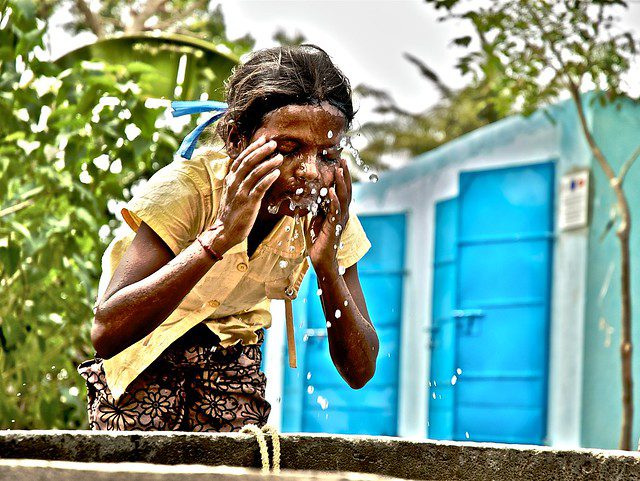
5 Fieldwork NGOs Fighting Global Poverty

  1. The Water Project
    The Water Project provides clean drinking water to communities across sub-Saharan Africa. Importantly, the group focuses on creating reliable sources of clean water that are easy to access in terms of proximity. This includes building wells for groundwater, constructing dams to create larger local deposits and other similar processes. Once a resource is built for a community, the Water Project also makes sure to do maintenance checks to keep that resource functional. Currently, the Water Project is maintaining 1,294 clean water resources across sub-Saharan Africa. Today, the organization’s efforts are impacting 462,000 people worldwide.
  2. Child Empowerment International
    Child Empowerment International brings education to wartorn areas of civil unrest. This NGO makes its intent clear on its website: “Our Mission [is] to reduce poverty through education and empowerment.” To achieve this mission, Child Empowerment International establishes schools in areas of need, teaching leadership skills and ways to contribute to their local communities. Child Empowerment International primarily focuses on children in areas traumatized by war. So far, its efforts have been stationed across Sri Lanka and Uganda, with the intention of spreading aid elsewhere as the NGO grows. In Sri Lanka alone, there are 80 CEI schools and programs teaching more than 6,800 children in need. In Uganda, CEI programming provides 300 students with quality education services.
  3. Build Health International
    Build Health International is an NGO that builds health infrastructures in impoverished communities worldwide, all within the constraints of locally available resources. Build Health International creates architectural plans for hospitals, designing them to be cost-efficient while still high quality. In addition, this NGO focuses on using renewable resources, such as solar panels, to keep facilities energy efficient. While Build Health International primarily focuses on building hospitals, it also aids local workforces by providing short-term construction jobs. Build Health International emphasizes the importance of maintaining close relationships with assisted locals, adjusting health infrastructures to best suit community dynamics. Today, Build Health International has completed over 50 major projects across African, Haiti and Latin America.
  4. One Acre Fund
    One Acre Fund addresses the irony of a global phenomenon — that the majority of the world’s hungriest people are farmers. In remote communities across sub-Saharan Africa, the One Acre Project has a multi-step process in eradicating hunger and empowering rural communities. One Acre Fund not only provides seeds and tools to communities in need but also educates local farmers on agricultural techniques and market facilitation practices. This hands-on approach builds up communities for long term success, setting them on a self-sustaining path for sustenance and a chance for economic prosperity. Through the One Acre Fund’s aid, 809,900 rural families were assisted in 2018; as for 2019, the project number of families assisted is 925,000.
  5. Mercy Corps
    Mercy Corps is an NGO that applies an array of fieldwork to in-need communities all over the globe. This NGO was originally founded as the Save a Refugee Fund, determined to assist Cambodian refugees fleeing from the nation’s war and genocide. Over the course of nearly four decades, Mercy Corps has assisted over 220 million people worldwide. Mercy Corps educates farmers about agriculture and self-sustaining methods, helps local communities start and maintain viable businesses, provides programs to decrease inequality between women and men, and many, many more outlets for assistance. Mercy Corps provides these services to over 40 countries across the globe, from the islands of the Philippines to the war-torn regions of Iraq.

With thousands of NGOs providing fieldwork aid to communities worldwide, these five mentioned are just a small fraction of the overall picture. Improving one’s quality of life is a multi-faceted effort, as seen by these fieldwork NGOs fighting global poverty.

– Suzette Shultz
Photo: Wikimedia

July 23, 2019
https://borgenproject.org/wp-content/uploads/borgen-project-logo.svg 0 0 Kim Thelwell https://borgenproject.org/wp-content/uploads/borgen-project-logo.svg Kim Thelwell2019-07-23 01:30:492019-11-06 11:15:455 Fieldwork NGOs Fighting Global Poverty
Global Poverty, Water

The Need for a Water Management System in Somalia

Somalia is a South African country frequently plagued by droughts and floods. The nation is currently receiving the bulk of a $45 million assistance from the United Nations’ aid meant to help Ethiopians, Kenyans and Somalis suffering from a major famine caused by the ongoing drought. To break this cycle of famine, an efficient and affordable water management system in Somalia is desperately needed.

Infrastructure Improvement

The majority of Somalis depend on livestock and agriculture for income. Yet, frequent floods and droughts result in a lack of basic necessities, such as food and water. One way to reduce this lack is to implement an intelligent system capable of storing water during floods to preserve it for coming droughts. Reusing greywater, which is water from sources such as sinks and bathtubs, is one efficient way of preserving and reusing water for crops. Somalia thus needs infrastructure development to control floodwater, especially in the construction of aquifers.

Most Somalis live along the Juba and Shabelle Rivers, but many depend on groundwater. Dug wells, boreholes and springs are the most common sources of water. Somalis heavily rely on groundwater, however, it does not provide enough water in times of drought. The Somalian Water and Land Information Management (SWALIM) partnered with the European Union and Somaliland to improve infrastructure, water and land management. Dr. Hjordis Ogendo of the EU Chard d’Affairs said, “Water and land are critical resources for Somali economy and people’s livelihoods but are also extremely vulnerable to natural disasters.”

Floodplains and Groundwater Replenishment

Infrastructure improvements could help mitigate the cost of restoring the land and relocating those who return to destroyed homes. These improvements include through-reservoirs and flood canals that divert water away from farms and homes. Moreover, California farmers have recently begun implementing floodplains and groundwater replenishment strategies. Don Cameron of Terranova Ranch experimented with flooding his 1,000-acre land with water from a river that was high from recent rains.

Cameron was concerned about the amount of water in the reservoir during a long drought after repeatedly digging wells. The replenishment strategy enables water to soak into the ground and collect in an aquifer. As such, Cameron’s grapevines remained unharmed. This began a trend to keep a steady amount of water in the aquifer and above ground.

For Somalis, an affordable method could be as simple as storing water in aquifers to combat future droughts. Therefore, the floodplains and groundwater replenishment strategy presents one prospective Somali water management system that could improve the future outlook of drought mitigation.

Water Desalination Plants

A sophisticated and long-term solution for a water management system in Somalia includes water desalination plants. Although desalination plants are expensive, there are positive and lasting aspects of investing in a single plant. Desalination plants simply transform salt water from the ocean or sea into potable water. Israel currently receives 40 percent of its water from desalination plants. Agriculture accounts for 70 percent of water usage. Since more than 70 percent of Somalis work in the agriculture industry, water availability is crucial.

Future technological advances may reduce the high cost of constructing and operating desalination plants. Saudi Arabia also relies on desalination plants to desalinate seawater. As a semi-arid country, Somalia possesses an environment similar to that of Saudi Arabia. Although comparatively poor, Somalia could opt for desalination plants in the future once technological advances reduce implementation costs.

Future Outlook

With the help of funding a future water management system in Somalia, the need for external aid could be reduced and lead Somalia out of poverty conditions that result from devastating floods and droughts. Desalination plants are an expensive alternative, yet simple solutions such as the construction of aquifers to store floodwater could help millions of Somalis affected by droughts and floods. The implementation depends on the Somali government and its efforts in improving infrastructure. This includes not only managing water during floods and droughts but also reducing poverty by helping the nomadic herders and farmers making up the majority of Somalis.

– Lucas Schmidt
Photo: Flickr

July 22, 2019
https://borgenproject.org/wp-content/uploads/borgen-project-logo.svg 0 0 Kim Thelwell https://borgenproject.org/wp-content/uploads/borgen-project-logo.svg Kim Thelwell2019-07-22 09:57:272024-05-29 23:09:44The Need for a Water Management System in Somalia
Global Poverty, Water

Addressing the Water Crisis in India

Water Crisis in IndiaIndia is home to approximately 16 percent of the world’s population. However, India only holds about 4 percent of the world’s freshwater, leaving 76 million Indians without access to safe drinking water. The water crisis in India worsens each year as precipitation becomes more unreliable and groundwater sources run dry. More than 500 people in Chennai, India’s sixth-largest city, were arrested during protests in front of the municipal government on June 19. Protesters blame the government for the water crisis as a result of “negligence and mismanagement.”
Background

Usually, June is the start of monsoon season in Chennai. Precipitation levels are only half of what they should be. June 20 was the first major rainfall of the year, 29 millimeters. This was more than the total documented rainfall since December. Furthermore, Chennai’s basic infrastructure system is unable to efficiently store water during rainstorms to save for periods of drought. The rivers fill quickly and often flood. Meanwhile, 91 percent of the water flows into the ocean where it is no longer drinkable. Chennai is the first major city to experience a water crisis in India this severe.

The four largest reservoirs around Chennai have run dry. They are not expected to fill until November. The government is currently shipping water directly into Chennai, where thousands of residents wait in line for their share. Once residents receive their water, they must carry over a dozen pots back home for their families. People have resorted to violence, fighting over water or hijacking water trucks, to survive.

How Did This Happen?

There are two sources of water in the world: surface water and groundwater. Around 700 million Indians rely on groundwater as their main source of drinking water. But groundwater is only supposed to be a buffer resource in case of drought. Additionally, monsoon season’s unpredictability over the last few years has prevented groundwater from replenishing. For instance, between 2002 and 2012, groundwater depletion rates in Chennai were 8 percent faster than recharge.

Protesters blame the government for the water crisis in India because of the lack of regulation to protect groundwater has left reservoirs dry. India uses more groundwater than any other country, using about 25 percent of all groundwater extracted in the world. Unlike surface water, the Indian government does not regulate groundwater. The Easement Act of 1882 gives landowners the right to collect water under their land despite it being a shared resource. In other words, the lack of regulation gave way to the tragedy of the commons. Individuals acted independently to advance their own interests without worrying about the consequences of over-exploitation and depletion for the community.

Future Effects

Chennai’s geological systems are susceptible to quick depletion because of its shallow crystalline aquifers with little storage room for water. Additionally, crystalline rock has low permeability, which drastically decreased recharge rates during rainfall. These conditions caused almost immediate depletion. However, water insecurity will continue to worsen across other parts of India with different geological structures as more groundwater is over-exploited.

If they continue to exploit groundwater at this rate, 40 percent of the population will not have access to drinking water by 2030. Furthermore, 21 cities will run out of groundwater by 2020. Lastly, by the year 2050, 6 percent of GDP will be lost.

Potential Solutions

Replenishing groundwater is essential to ending the water crisis in India. However, as monsoon season brings unreliable rainfall, communities must search for other ways to refill aquifers. One idea is to desalinate seawater. About 25 percent of India’s population, including residents of Chennai, live along the water. Currently, desalinated water makes up 40 percent of Chennai’s supply. However, this is not enough to end the water crisis. Desalination requires too high of costs and energy consumption for a fuel-poor country. The Desalination Journal conducted a study in 2014. The study found that solar energy can desalinate water. However, desalination cannot produce water at a sustainable monetary cost.

The government must find other solutions to the severe water crisis in India. Leaving the rights of groundwater to landowners will continue to lead to further depletion. It will take a large government commitment to reverse the effects of the water crisis in India and provide its residents with sufficient access to clean water.

– Haley Myers
Photo: Flickr

July 20, 2019
https://borgenproject.org/wp-content/uploads/borgen-project-logo.svg 0 0 Kim Thelwell https://borgenproject.org/wp-content/uploads/borgen-project-logo.svg Kim Thelwell2019-07-20 17:02:402024-06-05 02:12:21Addressing the Water Crisis in India
Water

India Water Crisis Threatens Lives and Agriculture

India water crisisIndia’s dry season has been notably harsh in 2019, and the country is suffering its lowest rainfall before a monsoon season in six decades. Just under half the population is facing a drought and dozens have died from the combination of a heat wave and a lack of water. The India water crisis is also causing evacuations as the drought is forcing families to leave their homes in search of water.
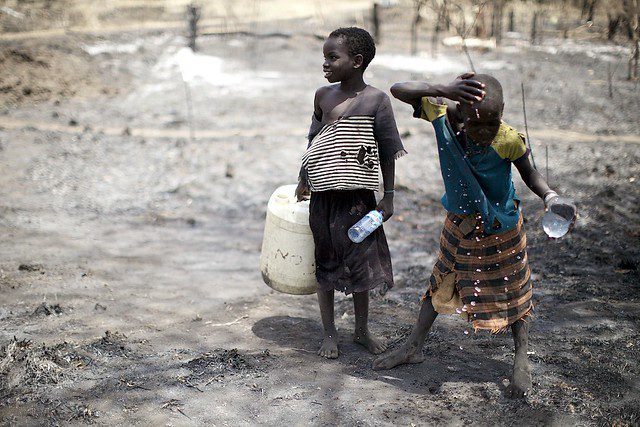
Chennai, India’s sixth largest city, is facing extreme water scarcity. The reservoir water supply shrank between 2018 and 2019 and is almost entirely drained of water.

Effect of the Drought

Experts blame the severe drought on mismanaged resources along with industrial and human waste, bad policy decisions and climate change. Thirty-two states have organized a State Action Plan on Climate Change in order to achieve national as well as regional priorities. But many farmers claim the government plan has not been carried out. “There is a lack of interest among politicians and the bureaucracy, which is keen to look for temporary solutions to drought and climate change impacts,” stated agricultural and climate change researcher Atul Deulgaonkar.

According to the Ministry of Agriculture, the drought has not only affected the monsoon and winter crops but also destroyed supplementary crops. Because agriculture is the most important sector of its economy, India is heavily reliant on monsoon rains. The drought is particularly dangerous for marginalized farmers in rural areas. Approximately 80 percent of districts in Karnataka and 72 percent in Maharashtra are faced with crop failure, which has put the livelihood of eight million farmers in jeopardy.

Solutions to the Crisis

However, there are solutions to the crisis such as reducing the need for the enormous amounts of water used for crops. Because agriculture accounts for nearly 90 percent of India’s water consumption, reducing the dependence on water-intensive crops and agricultural methods would substantially increase water for drinking and make farmers less vulnerable to water shortages. Environmental scientist Kyle Davis stated, “Diversifying the crops that a country grows can be an effective way to adapt its food-production systems to the growing influence of climate change.” In addition, the use of alternative grains can improve nutrition and reduce greenhouse emissions from agriculture.

Other steps are currently underway for alleviating the water crisis. In 2017, Prime Minister Narendra Modi proposed an $87 billion plan to reduce flooding and improve irrigation by linking 60 rivers across India. So far only 16 rivers have been linked and the effect of this plan is yet to be determined. Some Indian states such as Maharashtra have followed the example of Israel and implemented a drip irrigation method, which involves dripping water onto individual plants through tubes or pipes rather than flooding whole fields.

Whatever the means, the India water crisis must come to an end. One-hundred million children in India lack water and one out of every two are underfed. Water security must be guaranteed in India amidst rising temperatures and falling water tables so families can raise their children with dignity and health in the upcoming century. A slew of solutions indicate hope for the future, though.

– Kiran Matthias
Photo: Pixabay

July 12, 2019
https://borgenproject.org/wp-content/uploads/borgen-project-logo.svg 0 0 Kim Thelwell https://borgenproject.org/wp-content/uploads/borgen-project-logo.svg Kim Thelwell2019-07-12 17:55:212019-07-12 17:55:21India Water Crisis Threatens Lives and Agriculture
Global Poverty, Water, Water Sanitation

How the Zimba Chlorinator Reduces Waterborne Diseases

Zimba ChlorinatorNearly 780 million people lack access to clean drinking water. People living in third-world countries have no choice but to drink unclean water, which can lead to diseases such as cholera, Guinea worm disease, typhoid, and dysentery. Upward of 3.5 million people, most of whom are children, pass away annually as a result of these waterborne illnesses.
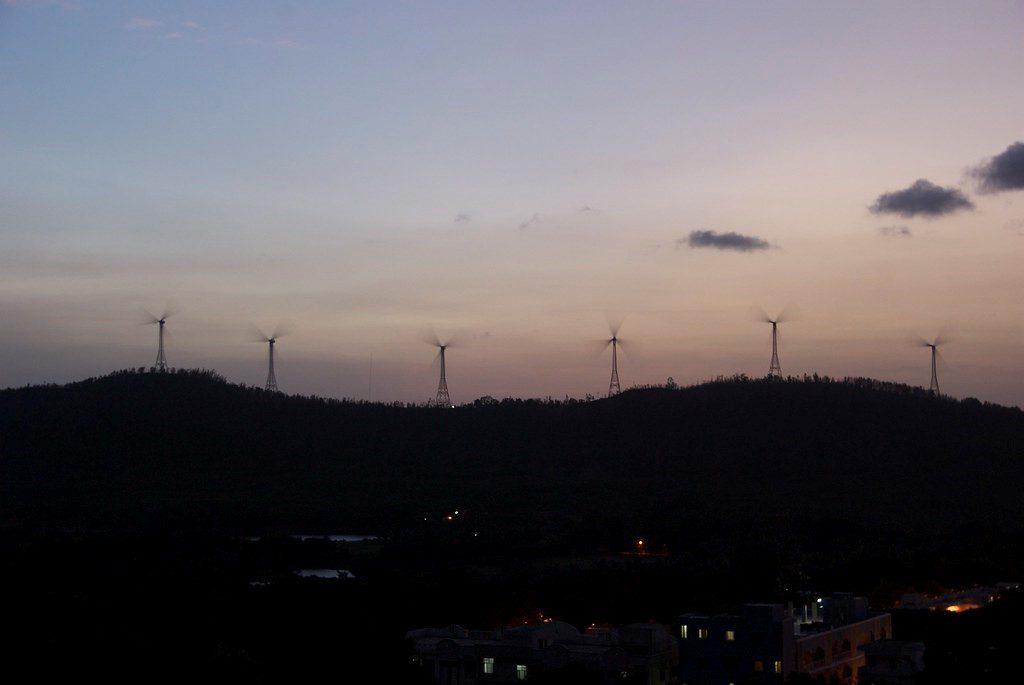

As Zimba’s website reports, “Most developing countries do not have the infrastructure required for the supply of treated piped water to each and every household.” The lack of proper plumbing drives consumers to use alternate methods of water purification. Adding chlorine to unsafe water can make it drinkable, but a lot of guesswork may be involved in deciding just how much chlorine is needed to make the water safe to drink. Zimba, a point-of-use water chlorinator, eliminates the need for guessing.

Suprio Das and the Zimba Chlorinator

Prior to his invention of the Zimba chlorinator, Suprio Das had been working as an electrical engineer in Kolkata, where he witnessed the devastation caused by drinking contaminated water. In India, about 1,600 children die daily from drinking contaminated water. He decided to create something that could help people gain access to clean drinking water.

He knew he needed to design a chlorinator that is easy to use as well as durable. The final product weighs 12 kilograms (approximately 26 pounds). The exterior is composed of fiberglass, which helps it withstand years of use and weathering, while the interior is made of virgin polypropylene plastic. Another impressive trait about the chlorinator is that it can be placed on preexisting water sources like hand pumps, taps or faucets, with installation time being less than thirty minutes. Rather than relying on electricity, the chlorinator is gravity-powered, and it can purify thousands of liters of water a day.

How the Chlorinator Works

The purification process begins when water is filled in the top of the device. The pressure triggers the release of a premeasured dose of liquid chlorine (sodium hypochlorite) into the water being held in a storage tank. There, the water is exposed to the chlorine for about thirty minutes, which is the amount of time the World Health Organization recommends. The clean water then flows into the main tank and awaits retrieval from the tap.

Impact of the Chlorinator

As of 2018, Zimba chlorinators are being used in India, Bangladesh, Kenya and the Dominican Republic. And Zimba experts believe that the use of the chlorinator can help save the lives of 1.5 million children between 2015 and 2030. It has even been included in PATH’s Innovation Countdown 2030 report as a product that promises to contribute to health improvements in the next fifteen years.

In a country that has unlimited access to clean drinking water by way of public water fountains, water filtration systems and proper plumbing, it is hard to imagine the difficulties people face just to get a sip of water that is safe to consume. With the help of the Zimba chlorinator, people living in underdeveloped nations have easier access to purified water.

— Sareen Mekhitarian
Photo: Flickr

July 11, 2019
https://borgenproject.org/wp-content/uploads/borgen-project-logo.svg 0 0 Kim Thelwell https://borgenproject.org/wp-content/uploads/borgen-project-logo.svg Kim Thelwell2019-07-11 07:30:272019-07-08 13:53:08How the Zimba Chlorinator Reduces Waterborne Diseases
Global Poverty, Water

Egypt and the United State’s Centers of Excellence

Centers of Excellence
Egypt and the United States have recently become dependent on each other in order to assist in each other’s growth, developments and establishments, showing a strong partnership between the two countries. The United States Agency for International Development (USAID) has collaborated with Egypt to create three academic Centers of Excellence that will focus on research about agriculture, energy and water. In order to begin the process of these academic Centers of Excellence, universities in the United States and Egypt had to form partnerships to focus on each focal point.

Academic Center of Excellence in Agriculture

The United States’ Cornell University and Egypt’s Cairo University are partners for the Academic Center of Excellence in Agriculture (COEA). This is a $30 million dollar, five-year collaborative project that will enhance curricula and research in order to train and equip Egyptian students with the right tools to improve agricultural production in Egypt’s future.

There are three main components of this specific center. The first is the instructional innovation and curriculum development of the academic center. The partnership will establish a new interdisciplinary Master of Science program that will be work-force oriented. This center will also grant opportunities to youth, women and disadvantaged students. The second component is to engage in high quality applied research. The last component includes exchanges, training and scholarship programs.

Academic Center of Excellence in Energy

The next $30 million dollar, five-year collaborative partnership is between the Massachusetts Institute of Technology and Ain Shams University. This will be the Academic Center of Excellence in Energy (COEE). MIT and Ain Shams University will work to build research, education and entrepreneurial capacity to address Egypt’s most pressing energy-related issues.

This academic Center of Excellence has four major components to it. The first is the teaming up of Egyptian faculty and students with interdisciplinary researchers across MIT to develop renewable energy solutions. The next component is to advance and scale up sustainable projects. These universities will also use their partnership to facilitate connections between university researchers and key industrial players in the region to expand Egypt’s solar and wind usage, in addition to other forms of clean energy. Lastly, there will be an emphasis on involving Egyptian women and people with disabilities in the university and providing programs and education for them.

The Center of Excellence in Water

The Center of Excellence in Water (COEW) is a partnership between the American University in Cairo and Alexandria University. The COEW is also a $30 million dollar, five-year collaborative project. These universities are still developing their partnership.

The Centers of Excellence was designed by the USAID and the Ministry of Higher Education and Scientific research with the goal of driving public and private sector innovation, modernization and competitiveness. This $90 million dollar investment will create partnerships between Egyptian public universities and U.S. universities, update university curricula and teaching methods, establish undergraduate and graduate level scholarships and implement exchange programs to foster cross-border learning. This is a breakthrough in education and the professional industry which will work to enhance Egypt as a whole.

– Lari’onna Green
Photo: Flickr

July 1, 2019
https://borgenproject.org/wp-content/uploads/borgen-project-logo.svg 0 0 Kim Thelwell https://borgenproject.org/wp-content/uploads/borgen-project-logo.svg Kim Thelwell2019-07-01 18:36:252024-05-29 22:59:42Egypt and the United State’s Centers of Excellence
Page 24 of 57«‹2223242526›»

Get Smarter

  • Global Poverty 101
  • Global Poverty… The Good News
  • Global Poverty & U.S. Jobs
  • Global Poverty and National Security
  • Innovative Solutions to Poverty
  • Global Poverty & Aid FAQ’s
Search Search

Take Action

  • Call Congress
  • Email Congress
  • Donate
  • 30 Ways to Help
  • Volunteer Ops
  • Internships
  • Courses & Certificates
  • The Podcast
Borgen Project

“The Borgen Project is an incredible nonprofit organization that is addressing poverty and hunger and working towards ending them.”

-The Huffington Post

Inside The Borgen Project

  • Contact
  • About
  • Financials
  • President
  • Board of Directors
  • Board of Advisors

International Links

  • UK Email Parliament
  • UK Donate
  • Canada Email Parliament

Get Smarter

  • Global Poverty 101
  • Global Poverty… The Good News
  • Global Poverty & U.S. Jobs
  • Global Poverty and National Security
  • Innovative Solutions to Poverty
  • Global Poverty & Aid FAQ’s

Ways to Help

  • Call Congress
  • Email Congress
  • Donate
  • 30 Ways to Help
  • Volunteer Ops
  • Internships
  • Courses & Certificates
  • The Podcast
Scroll to top Scroll to top Scroll to top