Top 10 Countries That Lack Access to Clean Water
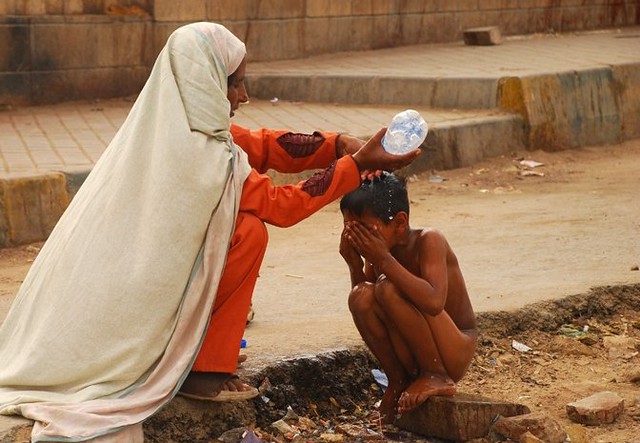
10 Countries That Lack Access to Clean Water
- Afghanistan: With only 22 percent of its population having access to clean water, Afghanistan has one of the lowest rates of clean water access in the world. About 87 percent of the nation’s water is contaminated.
- Cambodia: Since the majority of the population is dependent on catching and storing rainwater, it leaves an estimated 84 percent of the population with no access to water. This leaves 5 percent of the population dependent on water deliveries.
- Congo: 75 percent of the country’s 51 million people do not have access to clean water. About 21 percent of people in rural areas can not reach pure water, which is double the level it was five years prior.
- Pakistan: Pakistan is known for having the biggest gap between the rich and poor when it comes to basic hygiene. This leaves 22 million people, or 64 percent of the nation, with no access to clean water.
- Uganda: About 40 percent of the population has to travel more than 30 minutes to reach drinkable water. A little over 61.1 percent of the 42.3 million population has access to safe drinking water.
- Ethiopia: The high mortality rate in Ethiopia is linked to the quality of water in the country. Due to poor water management and water-intensive farming, 60.9 percent of people have no access to water.
- Somalia: Water delivery systems have been destroyed due to post-war problems. This has left 60 percent of the population with no basic access to water and 11.7 percent of people consuming untreated surface water.
- Nigeria: Even though Nigeria is one of the fastest-improving countries in regards to water sanitation, 15 percent of its residents have no access to this vital resource.
- Chad: Chad has a square mileage of 800,000, which is three times the size of California. But only 15,000 square miles of the country has water. This leaves 33 percent of the nation’s population with the struggle of accessing clean running water.
- Syria: The Syrian conflict is hindering humanitarian aid agencies from delivering water and supplies. As of right now, only 10 percent of people lack access to water.
NGOs Helping On The Ground
While these populations of people are suffering due to their lack of access to safe, clean, drinkable water, there are many foundations and NGOs helping to fight this issue.
Water.org is an NGO focused on helping people find a way to be able to attain safe clean drinking water. The organization offers small and affordable loans called WaterCredit to help families obtain sanitized water. Water.org has helped more than 223,000 Ethiopians with improved water, sanitation and hygiene services. WaterCredit has also reached 40,000 people, providing them with clean water for five years.
UNICEF along with the Ministries of Rural Rehabilitation and Development, Public Health and Education, as well as local and global partners have come together to resolve the water crisis in Afghanistan. The plan is to end open defecation by 2025 by using their Community-Led Total Sanitation approach. This approach is a combination of “shock, shame, disgust and pride” to motivate people to build their own toilets. In 2017, the partnership has helped 300,000 Afghans reach clean and safe water. This initiative has also helped girls stay in school by installing washrooms so that they can manage their periods and feminine hygiene needs in school instead of staying home.
Photo: Flickr
