• Link to X
  • Link to Facebook
  • Link to Instagram
  • Link to TikTok
  • Link to Youtube
  • About
    • About Us
      • President
      • Board of Directors
      • Board of Advisors
      • Financials
      • Our Methodology
      • Success Tracker
      • Contact
  • Act Now
    • 30 Ways to Help
      • Email Congress
      • Call Congress
      • Volunteer
      • Courses & Certificates
      • Be a Donor
    • Internships
      • In-Office Internships
      • Remote Internships
    • Legislation
      • Politics 101
  • The Blog
  • The Podcast
  • Magazine
  • Donate
  • Click to open the search input field Click to open the search input field Search
  • Menu Menu

Archive for category: Water

Global Poverty, Sanitation, Water

10 Facts About Sanitation in the DRC

10 Facts About Sanitation in the Democratic Republic of the Congo
The Democratic Republic of the Congo (DRC), a country located in Central Africa, has been the victim of oppression, colonization and enslavement by European nations dating back to the year 1890. Violence and war continued for decades as a result. The Central African country currently lacks some essential sanitation resources, which has led to the spread of diseases such as cholera within the nation. Part of this is because half of the people of the DRC receive improved drinking water from wells and public standpipes. Here are 10 facts about sanitation in the DRC.

10 Facts About Sanitation in the DRC

  1. In 2018, only 29 percent of people in the DRC had access to basic sanitation services. There is 42 percent of people in the DRC currently using unimproved methods of sanitation. This includes pit latrines and bucket latrines.
  2. In the Democratic Republic of the Congo, there is an indisputable crisis in the availability of clean and pure drinking water. UNICEF reports that despite the fact that 50 percent of Africa’s water reserves exist there, there are still millions of people living without pure drinking water. In fact, more than half the population of the DRC lacks clean drinking water.
  3. Many people and schoolchildren have benefitted from the national program, Healthy School and Village. This national program aims to provide clean drinking water to villages in Africa to prevent diarrheal diseases. Waterborne diseases, like cholera, claim the lives of thousands of people of the DRC per year. UNICEF reports that as many as 7 million people and 983,000 schoolchildren have seen an improvement in their quality of life from this program since 2008.
  4. Women in the DRC and other sub-Saharan African countries are bearing the burden of having to deliver clean drinking water to their families. Women and girls in the developing world, such as the DRC, spend up to 90 percent of their valuable time collecting water. The women and girls in the DRC rarely finish their schooling due to this need for water. In the DRC, the participation of boys in the secondary school system has been 25 percent higher than girls since 2009.
  5. In 2011, a program called We Are Water successfully raised 20,000 euros in an effort to give accessible drinking water to the DRC. The program estimates that with the funds raised, it will be able to minimize the cholera epidemic. It is giving 20,000 people from 30 different villages clean water to drink and maintain their hygiene. This will only increase the efforts for creating better sanitation in the DRC.
  6. The U.N. Refugee Agency’s Cash for Shelter project has given funds to people in the DRC so they may build their own homes with real functioning toilets. Most people can only dream of owning a toilet because they are living on a mere $2 a day. Through this program, they do not have to construct makeshift pit latrines. They can now create a sense of security and ownership for themselves. Since its inception in 2016, the UNHCR’s cash-based interventions have reached more than 20 million people.
  7. There are many initiatives that bring clean drinking water to the people of the DRC like Concern Worldwide. It has provided the village of Mulombwa with its very own water pipe, which has revitalized the village in so many ways. Throughout its 50 years, this program has reached 24.2 million people in 23 different countries.
  8. The proportion of people drinking surface water, which includes contaminated lakes and rivers, was 11 percent, as of December 2018. The use of unimproved water sources like surface water is nearly universal in rural areas, according to the World Bank. Urban areas have 81 percent access to improved water sources, while it is as low as 31 percent in rural areas.
  9. According to the World Bank, access to improved water, sanitation and hygiene services is low, improving only by 3 percent. In urban areas, however, access to water, sanitation and hygiene services is much higher.
  10. There is a trend of constant outbreaks of cholera in various regions of the DRC due to contaminated drinking water. The infection can lead to severe dehydration and diarrhea which, if people leave unchecked, could lead to death. From November 2015 to February 2018, there were 1,065 cases of cholera in the capital Kinshasa alone, according to the World Health Organization. Of these 1,065 cases, there were 43 confirmed deaths.

The Democratic Republic of the Congo has seen little improvement in water quality and sanitation services. Thankfully, people and organizations are consistently working on improving everyday life for the people of the DRC. Whether it be funding Congolese families to have a functioning toilet in their homes or building a protected well for an entire village, there are several ways these organizations can make an impact

– William Mendez
Photo: Flickr
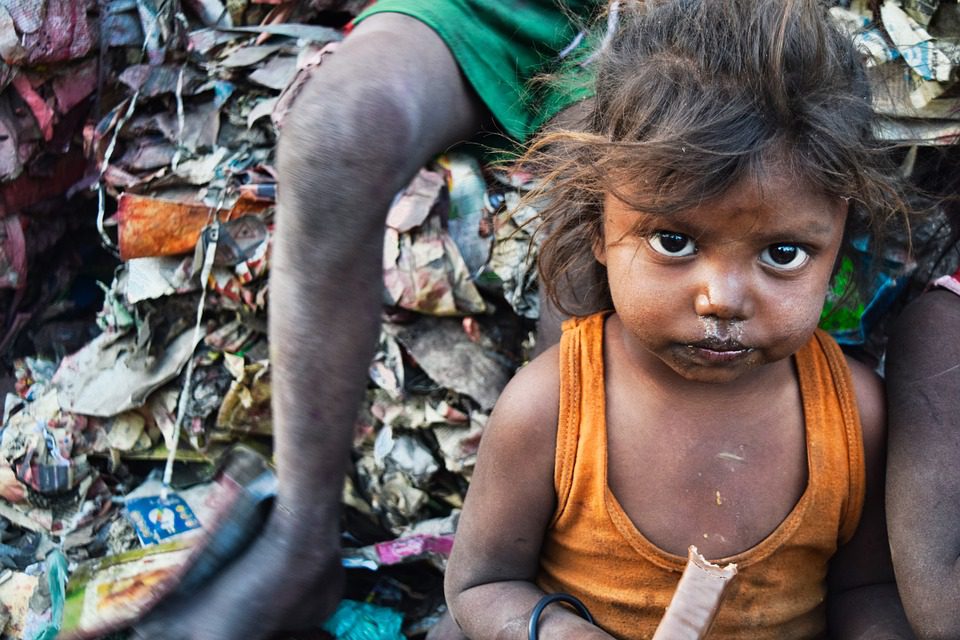
January 27, 2020
https://borgenproject.org/wp-content/uploads/borgen-project-logo.svg 0 0 Kim Thelwell https://borgenproject.org/wp-content/uploads/borgen-project-logo.svg Kim Thelwell2020-01-27 01:30:012024-05-29 23:14:3710 Facts About Sanitation in the DRC
Food Insecurity, Global Poverty, Water

10 Biggest Problems In The World 

10 Biggest Problems in the World 
There is no better time to focus on the biggest problems in the world. The everlasting tightened world economy, war threats and lingering diseases all ubiquitously affect human lives in every corner of the world. The United Nations (U.N.) has compiled a list of the current 10 biggest problems in the world.

 10 Biggest Problems in the World

  1. Peace and Security: Civil conflicts in Syria, Libya and Yemen, Russian aggression over Ukraine and its neighbors and tensions in the South China Sea are some global peace and security threats that are in existence today. These threats cost many lives due to terrorist acts and population displacement. The U.N. has 16 peacekeeping operations currently underway with nine in Africa, three in the Middle East, two in Europe and one in the Americas. With a peacekeeping budget of approximately $8.2 million, it keeps over 125,000 military personnel, police and civilians grounded and armed. The U.N. has made some progress with success stories coming from Burundi and Sierra Leone. U.N. forces eliminated more than 42,000 weapons and 1.2 million rounds of ammunition. It also demilitarized 75,000 fighters, including children, in Sierra Leone.
  2. AIDS: Among these 10 biggest problems in the world, AIDS is still a global health issue with 37.9 million people living with HIV. HIV newly infected around 1.7 million people and 770,000 people died of AIDS-related illnesses in 2018. Many global initiatives have emerged to lower the number of HIV cases including the GMT Initiative and TREAT Asia. The Foundation for AIDS Research, amfAR, lowers the number of AIDS cases with its GMT Initiative by supporting HIV organizations in developing countries to provide better education about HIV, expand prevention services and advocate for more HIV treatment and prevention funding. The TREAT Asia initiative links a network of clinics, hospitals and research institutions to perform research on HIV and AIDS treatments within the Asia-Pacific region. Many people (23.3 million) living with HIV in 2018 were undergoing antiretroviral therapy. New HIV infections have fallen by 16 percent since 2010 and AIDS-related deaths have fallen by 55 percent since the peak in 2004.
  3. Children in Poverty: Children around the world regularly do not have a fair chance for health, education and protection due to armed conflicts, violence and poverty. Millions of young children in 2019 did not have basic health care and proper nutrition resulting in stunted growth. The Millennium Development Goals have been in place for the past 15 years to help address the above issues affecting children. The Bill & Melinda Gates Foundation has been working with governments, the U.N., other NGOs and the private sector to broaden the impact on addressing child poverty with a particular focus on child malnutrition.
  4. Climate and Agriculture: The United Nations Intergovernmental Panel on Climate Change’s Fifth Assessment Report stated that human activities cause climate change and that the impacts are adverse. Climate change ties to world poverty by negatively impacting agriculture with increasing energy use, decreasing food production and increasing food prices. Many say that more water is necessary to grow crops due to high temperatures and drought, downpour rain in other areas causes sea level rises and that people require more lands with favorable climates. Russia, Ukraine and Kazakhstan had low yield on their crops in the summer of 2010 due to excessive heat that led to very high food prices, starvation, malnutrition and poverty. Some agricultural areas around the world have made improvements to their agricultural practices such as scaling sowing time, using different cultivation techniques and testing different cultivars.
  5. Democracy: Countries around the world often experience democracy deficit, weak institutions and poor governance. The U.N. is working to bring democracy to countries around the world by working with each country’s government to promote fair and exemplary governing practices, facilitate transparency and accountability and advise on new constitutions. The United Nations Democracy Fund (UNDEF) is funding projects that promote human rights, civil society and democratic inclusion. UNDEF is funding projects to include youths in elections in Cote d’Ivoire, promote gender equality in Palestine and support citizens in elections in Brazil.
  6. Poverty: The United Nations poverty facts and figures show that approximately 8 percent of the world’s workforce and their families live off of less than $1.90 daily. High poverty rates exist in small and deserted regions with armed conflicts, and approximately 55 percent of the world’s population has no social protection such as cash or food benefits. The condition of those living in poverty is improving following the U.N.’s 2030 Agenda for Sustainable Development. In fact, the percentage of the world’s population living off of $1.90 or less per day in 2015 is down to 10 percent from 16 percent in 2010.
  7. Hunger: Statistics have identified that 821 million people around the world suffered undernourishment in 2017, 149 million children had stunted growth and 49 million children under 5 years old experienced wasting due to malnourishment. The World Food Programme, U.N. Food and Agriculture Organization, World Bank and the International Fund for Agricultural Development are working together toward the Sustainable Development Goal to end hunger, maintain food security, improve nutrition and promote excellent agricultural practices. The World Bank Group is working with partners to promote farming practices, improve land use, grow high-yield and nutritious crops and instruct on storage and chain supply to prevent food loss.
  8. Gender Equality: Women in more than 60 countries cannot get citizenship. Sixty percent of people lacking basic literacy skills are women and one-third of women experience sexual violence, according to U.N. Women. The United Population Fund supports the protection of women’s rights through the law. They helped fight for women’s access to reproductive health care in Ecuador and Guatemala. The United Population Fund also helps to build shelters for trafficked women in Moldova and girls fleeing mutilation in Tanzania.
  9. Health: Half of the 7.3 billion people worldwide do not have access to adequate health services, according to the world health statistics of 2019. The World Health Organization (WHO) is leading the efforts in addressing world health issues which include malaria, women’s health and tuberculosis. For the Ebola virus outbreak in West Africa in 2014, WHO deployed experts, medical equipment and medical teams to set up and run mobile laboratories and treatment clinics.
  10. Water: In 2019, 2.2 billion people did not have access to safe drinking water and 297,000 children under 5 years old died from diarrheal diseases. Eighty percent of wastewater went back into the ecosystem without prior treatment in 2017. The U.N. is promoting agreements among countries to ensure better usage of water. The 2015 Addis Ababa Action Agenda includes policies and measures that incorporate finance, technology, innovation, trade, debt and data to support the achievement of the Sustainable Development Goals including water sanitation and water usage.

These 10 biggest problems in the world may bring uncertainty and worry, however, many organizations are planning and implementing initiatives to solve these issues. People can provide support to these organizations either financially or through direct involvement to aid in eliminating these challenges.

– Hung Minh Le
Photo: Pixabay


January 26, 2020
https://borgenproject.org/wp-content/uploads/borgen-project-logo.svg 0 0 Jennifer Philipp https://borgenproject.org/wp-content/uploads/borgen-project-logo.svg Jennifer Philipp2020-01-26 01:30:382024-05-29 23:14:4010 Biggest Problems In The World 
Global Poverty, Water

10 Facts about sanitation in Bangladesh

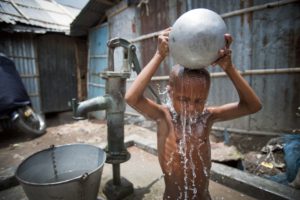
10 Facts about sanitation in BangladeshBangladesh, a diverse and culturally rich nation located in South Asia, is loved for its beautiful green scenery and numerous waterways. With sound economic policies and political reforms, Bangladesh has become one of the world’s fastest-growing economies. Bangladesh’s remarkable economic growth has helped lift the majority of the population out of poverty. Millions are now able to enjoy fundamental living necessities such as access to clean water and sanitation that were not available before. However, there is still room for improvement. Here are the top 10 facts about sanitation in Bangladesh.
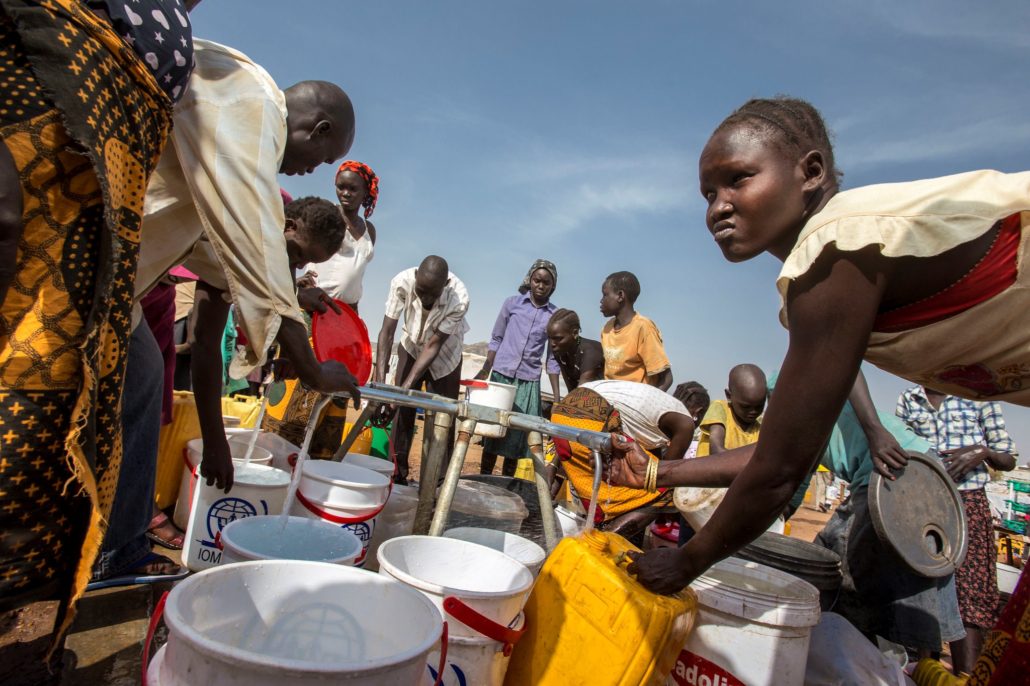
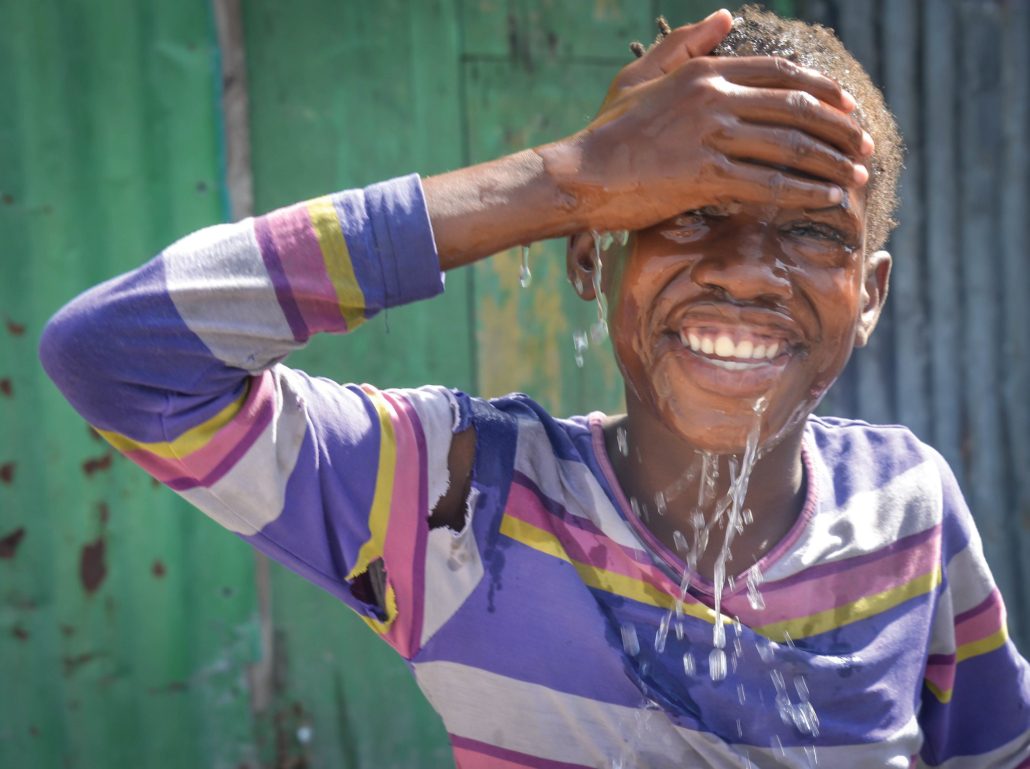
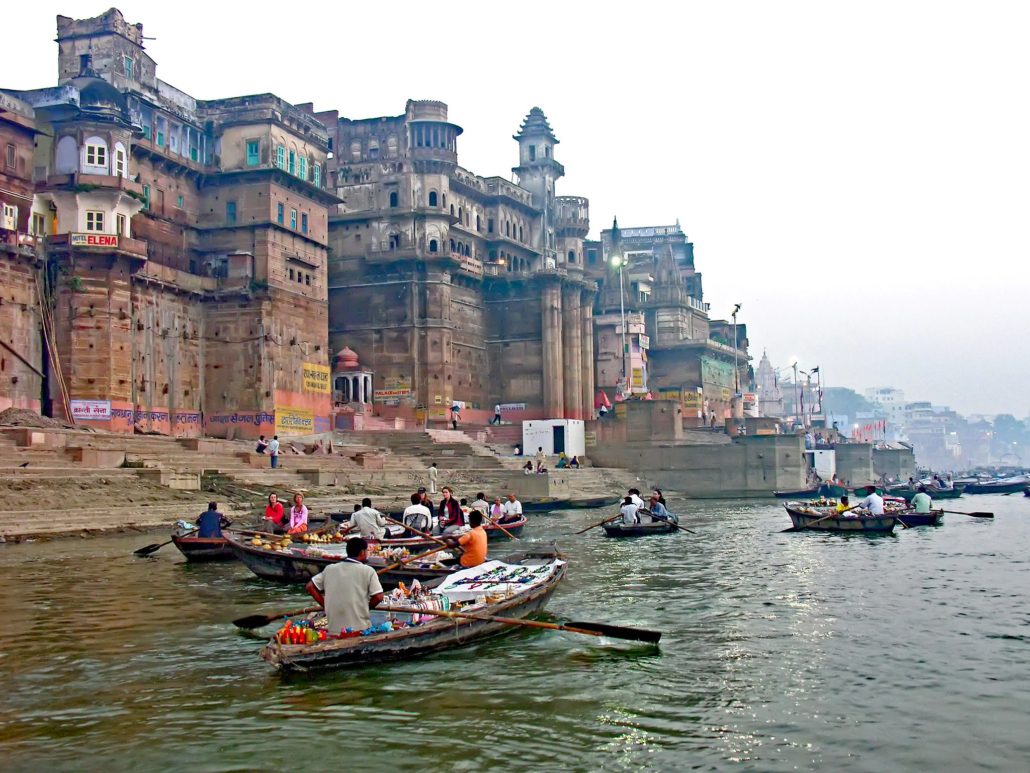
10 facts about sanitation in Bangladesh

  1. Contaminated water: Over 40 percent of all improved water sources in Bangladesh are contaminated with E. coli which could cause diarrhea, dysentery or cholera. Arsenic was also found in Bangladeshi groundwater, which could lead to cancers and social stigma. About 12.4 percent of the population was exposed to arsenic-affected water in 2012, a significant improvement from 26.6 percent in 2000. However, with 19.4 million people drinking this unsafe water, Bangladesh remains the country with the largest proportion of people exposed to arsenic contamination globally.
  2. Open defecation: Bangladesh has made incredible progress in reducing the practice of open defecation. Through the implementation of innovative behavior change campaigns and the construction of new latrine facilities, the rate of open defecation in the population declined from 34 percent in 1990 to only 1 percent in 2015.
  3. Menstrual hygiene: The taboo around menstrual health is prevalent in Bangladesh, emerging from an absence of proper awareness and knowledge. Only 36 percent of adolescent girls know about menstruation when it first occurs, and only 10 percent use sanitary pads during their periods. Additionally, only 22 percent of schools have separate toilet facilities for girls. This lack of knowledge and proper menstrual hygiene management directly impacts the education and well-being of Bangladeshi girls. About 40 percent of girls miss three days of school during menstruation, and nearly one out of three adolescent girls said that menstruation affects their school performance.
  4. Hygienic behavior: A 2013 UNICEF survey found that only 59.1 percent of the population wash their hands with water and soap. Another survey in 2014 reveals that only 40 percent of households have water and soap available for handwashing, compared to only 16 percent of the poorest households. The South Asia WASH Results Programme has helped to improve hygiene practices by teaching hygiene habits to over 4.1 million primary school children from 2014 to 2018.
  5. Economic cost: Inadequate sanitation and hygiene cost Bangladesh an estimate of $4.23 billion, which is 6.3 percent of the GDP. The largest contributors to this economic impact are health-related losses, which account for 84 percent of the impact, or 5.3 percent of the nation’s GDP. Costs of accessing cleaner water, welfare and time losses, productivity losses also contribute to the high economic impact.
  6. Access to hygienic toilets and sanitation facilities: The rate of sanitation coverage is only 61 percent, growing at 1.1 percent annually. More than 40 percent of all latrines in Bangladesh is still unimproved, and the sanitation facilities for children with disabilities are still lacking. Bangladesh is working towards increasing access to hygienic sanitation facilities with several projects supported by the World Bank, focusing on low-income and vulnerable communities.
  7. Disparities between different regions and households: UNICEF found that only 31.6 percent of people in Sylhet Division have access to E. coli-free water, comparing to 71.8 percent in Rangpur Division. Poor households are less likely to have drinking water on their premises, and thus have to spend more time collecting water from outside sources. They are also 10 times more likely to use unimproved sanitation than the rich.
  8. Universal access to improved water sources: 98 percent of the Bangladeshi population now has drinking water from technologically improved sources. This is incredible progress since only 79 percent of people had such access in 1990. About 83 percent of the urban population and 71.9 percent of the rural population had improved water sources available on their premises.
  9. Floods: Bangladesh is prone to flooding and water levels could remain high for months, which could damage freshwater ponds and shallow wells. Toilets also tend to overflow and become unusable due to the floods, contaminating water sources and exposing people to dangerous diseases. Since 2011, a local NGO called Uttaran has helped to construct improved toilet facilities that could survive floods and wells that provided safe water that benefited more than 2,000 people in these vulnerable communities.
  10. Community-Led Total Sanitation (CLTS): The successful innovative approach from Bangladesh has since become an established approach used in many other developing countries to improve hygiene and sanitation. The approach aims to eradicate open defecation with the combination of community pressure and NGO support. It also focuses on personal responsibilities to finance one’s own toilets without imposing external designs and promote low-cost homemade toilets using local materials, which makes toilets a lot more accessible and affordable even to the poorest population. This approach has enabled hundreds of rural villages to reach 100 percent sanitation coverage in less than a year.

With the continuing efforts of the government and the aid from different NGOs, Bangladesh has achieved considerable progress in sanitation developments. Though many challenges still remain, Bangladesh is committed and making great strides to progress towards clean water, sanitation and hygiene for all.

– Minh-Ha La
Photo: Flickr

January 24, 2020
https://borgenproject.org/wp-content/uploads/borgen-project-logo.svg 0 0 Lynsey Alexander https://borgenproject.org/wp-content/uploads/borgen-project-logo.svg Lynsey Alexander2020-01-24 12:50:482024-05-29 23:14:4410 Facts about sanitation in Bangladesh
Global Poverty, Technology, Water, Water Quality, Water Sanitation

Top 4 Technologies Solving Water Scarcity

Top Four Technologies Solving Water Scarcity
Access to healthy drinking water is a basic human right and billions of people are suffering from water scarcity. The world has more salt water than fresh water, which makes it hard to find drinking water. Some have created technologies for this reason. Here are the top four technologies solving water scarcity all over the world.

Top 4 Technologies Solving Water Scarcity

  1. The WaterSeer: Among these top four technologies to solve water scarcity is a machine that VICI Labs developed called the WaterSeer. It can pull moisture from the air and produce up to 11 gallons of clean drinking water. It blows wind into an underground chamber that condenses and forms water. There have not been many field tests yet which has caused critics to raise an eyebrow. Hopefully, the machine does its job and can help produce clean drinking water for countries that have limited access to it.
  2. The Desolenator: Creating safe drinking water is very important but a machine needs to be sustainable enough to continue to give that resource. This is why this next technology ranks as one of the top five technologies solving water scarcity. The Desolenator is a solar desalination tool that removes 99 percent of contaminants from water. It is portable and can produce about 15 liters of fresh water a day. The company says that it has a 20-year life span making it an efficient and sustainable device for solving water scarcity. The reason for this device lies behind the Desolenator company’s philosophy on the importance of clean drinking water. The company’s philosophy is based on, “A desire to provide assured access to clean water in the toughest situations, whilst protecting the planet we depend on.” The Desolenator company aims to design a better water future for people and the planet.
  3. Janicki Omni Processor: The Janicki Omni Processor is another of the top four technologies trying to solve water scarcity. It was originally going to be a machine to clean waste in cities but it can produce clean drinking water from human feces as well. The way it works is a three-step process to create accessible drinking water. These steps include solid fuel combustion, steam power generation and water treatment. At the end of all these steps, water is then ready for human consumption.
  4. Desalination: Converting salt water into fresh water, is another way people can solve water scarcity. The process is called desalination, and it is a huge step towards ending water scarcity. The process may take a lot of energy to conduct but there are affordable ways to do so. Graphene filters are a way to waste less energy in the process of desalination. These filters could reduce the cost of the energy that desalination requires. The Lockheed Martin company has developed a filter that will take into account the amount of energy this process uses in the hopes of providing clean drinking water while also saving energy.

While these four technologies are working to solve water scarcity, there was also the Urban Drinking Water Challenge of 2018 working to eliminate water scarcity through innovations. This was a global innovation competition to identify and deploy drinking water solutions. The challenge provided $250,000 in awards to promising water technology startups. Those who participated in the challenge had to follow three themes that included alternative supply, distributed access and delivery and ecosystem health. This challenge presented opportunities for solutions that encompass the benefits of economies in urban settings to ensure affordability, reach and sustainability of drinking water services.

Water scarcity is a huge crisis, but with advanced technologies paving the way for change, there may be a solution.

– Jessica Jones
Photo: Flickr

January 14, 2020
https://borgenproject.org/wp-content/uploads/borgen-project-logo.svg 0 0 Kim Thelwell https://borgenproject.org/wp-content/uploads/borgen-project-logo.svg Kim Thelwell2020-01-14 01:30:412024-06-04 01:08:35Top 4 Technologies Solving Water Scarcity
Global Poverty, Water, Water Sanitation

Access To Clean Water in Haiti

Access To Clean Water In Haiti
People know Haiti for its unfair labor practices, poor road conditions and deforestation. It is the third-largest country in the Caribbean, just east of Cuba and west of the Dominican Republic. The country has a rich history but has seemingly been unable to regain its footing. Access to clean water in Haiti has been an ongoing and seemingly never-ending issue.

Poverty in Haiti

Haiti’s economic growth has met some serious deterrents due to poverty, corruption and vulnerability to natural disasters including hurricanes, floods and earthquakes. The country currently remains the poorest in the Western Hemisphere and one of the poorest in the world. Poverty in Haiti is at a high. More than six million Haitians are living under the national poverty line of $2.41 per day with more than 2.5 million living under the national extreme poverty line of $1.23 per day. Most of Haiti’s population either do not have employment or are underemployed and the economic activity continues to slow down due to the negative impact of both Hurricane Harvey and Irma.

According to the World Bank, Haiti was in such high debt that it required debt forgiveness. Despite receiving more than $8.4 billion in aid since 1980, Haiti remains poorer today than it was 30 years ago. Aid has helped keep Haiti poor and it has sustained poor government policies that have led to debt, not development.

Access to Clean Water in Haiti

Though more Haitians have gained access to improved drinking water over the last decade, water still presents difficulties for the population in Haiti. Currently, only the houses of the wealthy in Port-au-Prince, the country’s capital and the major regional towns have running water. The mass majority of Haiti’s population does not have access to potable water and the death and disease related to water is critical. In fact, 80 percent of all diseases in Haiti are waterborne.

Roughly three-fourths of Haitian households lack running water and unsafe water, along with inadequate housing and unsanitary living conditions. Pollution from human waste and other waste is prevalent in most of the Haitian rivers. Haitian people residing in the countryside receive water through piped water systems with standpipes or water points with hand pumps. However, many of the water systems there are not operational due to the lack of funds for operation and maintenance. Today, 42.3 percent of Haiti’s total population struggles with access to clean drinking water, while at least 72.4 percent of its population struggles with access to improved sanitation facilities such as toilets, indoor plumbing and sewage systems.

The World Bank

The World Bank is putting forth efforts to aid in the country’s access to clean water and poverty. The main goal is to support the country’s efforts to provide economic opportunities for all of its people and to combat poverty. With the World Bank’s support, Haiti has been able to obtain significantly unmeasurable results. The World Bank has assisted in Haiti’s increased access to drinking water for more than 314,000 people through the construction, rehabilitation and extension of drinking water supply systems. It has made it possible for emergency response in six municipalities to prevent the resurgence of waterborne diseases.

The World Bank has also launched a new program that will allow more than 300,000 Haitians to gain access to improved water sources through household connections and water kiosks. Additionally, it will give 50,000 improved sanitation and 100,000 small repairs and expansions of existing water systems.

MDGs Help Haiti Move Forward

The political instability, natural disasters and social unrest have prevented Haiti from reaching its potential and it also keeps the country in standing as one of the poorest and least equal countries in the world. However, Haiti has made significant progress in stabilizing and eventually lowering the poverty rates. According to the Millennium Development Goals Report, the national poverty rate is 58.6 percent and the extreme poverty rate is 24.7 percent. The implementation of MDGs should cut the poverty rate in Haiti in half.

According to Sophie de Caen, the UNDP Haiti Senior Country Director, “Poverty reduction is the number one priority to the Haitian Government and its people, and the MDGs call for a concrete and coordinated action by the United Nations system and bilateral and multilateral donors to build the State’s capacity to achieve these development goals.” With the help of the World Bank Group, the Haitian government and community involvement, Haiti should be well on its way to regaining its rich history and improving its access to clean water in Haiti while reducing poverty.

– Na’Keevia Brown
Photo: Flickr

January 9, 2020
https://borgenproject.org/wp-content/uploads/borgen-project-logo.svg 0 0 Jennifer Philipp https://borgenproject.org/wp-content/uploads/borgen-project-logo.svg Jennifer Philipp2020-01-09 11:30:382024-05-29 23:14:35Access To Clean Water in Haiti
Global Poverty, Health, Technology, Water

Ro-Boats Are Cleaning Water Pollution

Ro-Boats are Cleaning Water Pollution
The Ganges is sprinkled with human excrement, idol remnants, raw sewage, industrial waste, ceremonial flowers coated with arsenic and even dead bodies. The New Yorker said the Ganges absorbs more than one billion gallons of waste each day making it among the 10 most polluted rivers in the world. The magazine said three-quarters of the waste is raw sewage and the remaining waste is treated industrial wastewater. The Indian government has attempted to clean up the Ganges several times over the last 30 years. Recently, Ro-Boats are cleaning water pollution instead of direct human intervention.

The Holy Water in Despair

The Ganges holds spiritual importance in Hinduism. The Ganges is considered the personification of the goddess Ganga – the goddess of purity and purification. Hindu men, women and children decorated in garlands and bright robes are common sights along the shores of the Ganges. They bathe, wash their clothes, defecate and dispose of the corpses of their loved ones. Hindus bathe in the Ganges for spiritual purification – releasing them from their sins and freeing them from the wheel of reincarnation. Bathing and drinking the waters of the Ganges pose a risk to its visitors’ health. The current sewage levels of the Ganges spread a variety of diseases among the population including typhoid, cholera and amoebic dysentery.

The Indian government believes an automated water device solution, a fleet of robotic boats (Ro-Boats), may aid the clean-up of the Ganges. Ro-Boats are cleaning water pollution by being self-propelled riveting river raider robots that churn through water and collect and dispose of sewage and other waste.

Omnipresent Tech

Omnipresent Tech is the creator of the Ro-Boats. The Indian government gave Omnipresent a $200,000 contract to build up a fleet of these Ro-Boat vessels to clean up the river. The Indian government’s investment in Omnipresent is part of its efforts to combat the waste level deposits of the Ganges. The Indian Government began the Ganges Action Plan in 2015. This plan is among the most recent of the decades-long efforts to clean up the river. Narenda Modi, the Prime Minister of India said, “The Ganges will be clean by 2019.”

Omnipresent’s official website claims the company is India’s leading robotics, industrial UAV/Drone and Video Analytics solutions provider. Omnipresent produces industrial inspection drones, river cleaning robots, logistical robots emergency response drones and defense drones

Omnipresent also produces the drone software, as well as 3D modeling machine learning surveillance and a variety of other industrial and consumer high-tech. A Ro-Boat device costs $21,057.75 to build. The bots run without human intervention – neither during the day nor at night. The Ro-Boat has a capable arsenal. Each riveting river raider has fog lights, a pan-tilt-zoom camera, a solar-powered battery and twin-propelled engines

GPS commands guide the Ro-Boats. A drone that flies above the bot gives commands to the machine. The drone flies ahead, scouts debris and pollutants in the water and gives a signal to the Ro-Boat to drive over, scoop up and dispose of the waste. The drone also serves as a spy to catch companies spewing pollutants into the Ganges.

Ro-Boats are cleaning water pollution by collecting sewage through robotic arms and depositing the waste. The riveting river raider is capable of cleaning 200 tons within a 24-hour period. This means that the device could remove 1,400 tons of waste material from the Ganges with a week. Overture estimated that the bot could remove 200 tons from the Ganges in a year.

A Ro-Boat looks like the offspring of a dump truck and a fighting robot from the television competition “Robot Wars.” Not only can Ro-Boats swim across the surface of the water and clean the waste floating on the river surface, but these self-propelled riveting river raiders can also submerge and dig out the river-bed lodged pollutants. The Massachusetts Institute of Technology declared the Ro-Boat to be among the top 20 innovations.

Currently, the Ganges remains filthy. Overture says that 1.3 billion gallons of untreated sewage continue to flood into the river each day. Finding vendors to create sewage treatment plants is also problematic. Land cost, bad management and bidding practices halt progress.

How the Ganges Can Get Help

One way to help is for the United States government and companies to invest money in Omnipresent Tech and the Indian government’s waste infrastructure building projects. With enough support, these projects may purify India’s Ganges river.

Purification will help India’s poor who bathe in and drink the water of the Ganges. If the Ganges is clean, this should decrease the level of diseases in the country and prevent their spread. Investment in companies, such as Omnipresent, should aid the growth of India and increase the production of Ro-Boats. The increased production of Ro-Boats will demand a workforce to keep up with increased production and contribute to hiring, increasing poverty reduction among the Indian population. If successful, these riveting river raiders may be a key contribution to India’s efforts to become a leader in the world economy.

– Robert Forsyth
Photo: Flickr

January 8, 2020
https://borgenproject.org/wp-content/uploads/borgen-project-logo.svg 0 0 Kim Thelwell https://borgenproject.org/wp-content/uploads/borgen-project-logo.svg Kim Thelwell2020-01-08 01:30:532024-06-05 02:36:46Ro-Boats Are Cleaning Water Pollution
Global Poverty, Technology, Water

10 Facts About Living Conditions in Angola

Living Conditions in Angola
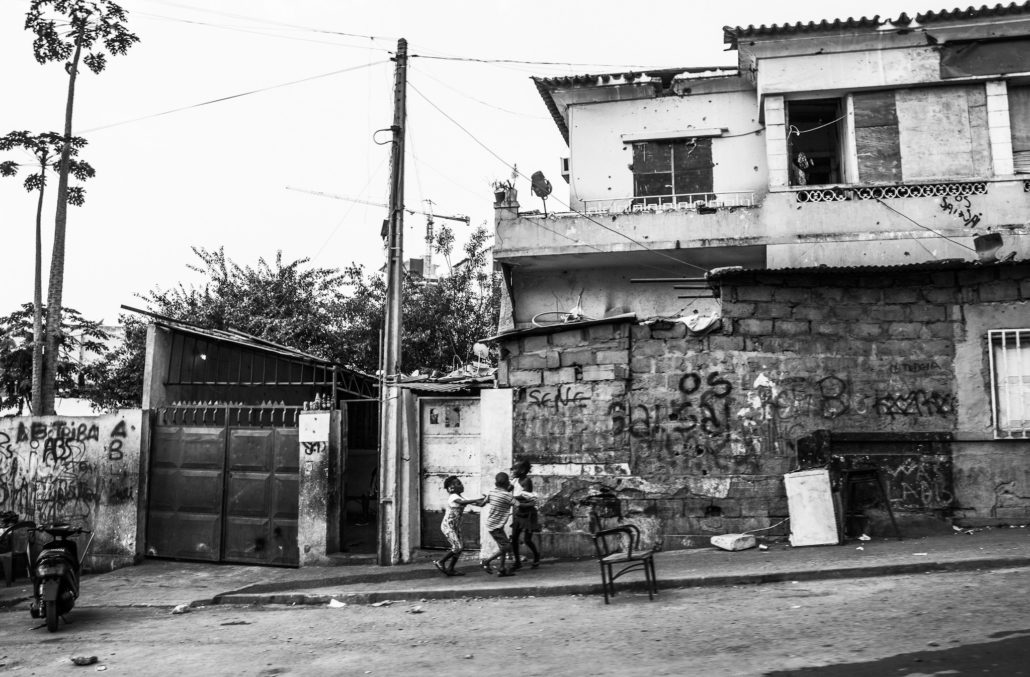
Angola, the seventh-largest country in Africa, has one of the fastest-growing economies in the world. Since 2013, its economy has been booming and both international and domestic investments have been on the rise. Although Angola’s economy has the potential to become an economic powerhouse in Africa, the international community has become concerned with the poverty rates and overall income inequality in Angola. Despite Angola’s rapidly growing economy, it has a 26 percent unemployment rate and 36 percent of the Angolan population lives below the poverty line. The living conditions in Angola are indicative of an economy that is not yet diversified and a country with extreme income inequality. Here are 10 facts about the living conditions in Angola.

10 Facts About Living Conditions in Angola

  1. Low Life Expectancy and Causes: Angola has a very low life expectancy. The life expectancy in Angola is one of the lowest in the world, and Angola has the 12th highest number of infant mortalities every year. The leading causes of death revealed that the low life expectancy is a result of preventable causes like diarrhoeal diseases, malaria, neonatal disorders and influenza.
  2. Literacy: A third of all Angolans are illiterate. Although primary education is compulsory in Angola, 33.97 percent of Angolans are illiterate and literacy rates have been on a steady decline since 2001. Very few individuals go on to college, leaving their economy stagnated with a brain drain and a lack of available employees for white-collar jobs that require a deep understanding of their field.
  3. Clean Water Availability: Angola has a lack of clean water resources. Forty-four percent of Angolans do not have access to clean water, according to the United Nations Children’s Agency. The Public Water Company in the capital of Angola, Luanda, reports that although the daily need for water is well over a million cubic meters of clean water per day, the public water company EPAL can only supply 540,000 cubic meters of clean water per day. This leaves many without clean water. Even if EPAL were to have the capacity to supply all residents with clean water, it does not have the infrastructure to do so.
  4. Access to Electricity: Few Angolans have access to electricity. In rural areas, only 6 percent of Angolans have access to electricity. In urban areas, 34 percent of Angolans have electricity, leaving 3.4 million homes without power.
  5. Income Inequality: There is a severe gap between wealth in urban and rural areas. Income inequality in Angola is one of the highest in the world at 28.9 percent. Poverty is highest in rural areas where 94 percent of the population qualifies as poor. This is contrasted by the fact that only 29.9 percent of the urban population qualifies as poor.
  6. Public School Enrollment: There is low enrollment in public schools and UNESCO reports that enrollment has been on a steady decline since 2009. The low enrollment rate may be because many schools and roads suffered during Angola’s civil war and because many schools are located in inconvenient and rural locations with poor sanitation and untrained teachers.
  7. Unemployment: Unemployment is very high in Angola. Angolan unemployment has increased by 1.7 percent since 2018, growing to 30.7 percent. The youth unemployment rate is at an all-time high of 56.1 percent.
  8. Oil-based Economy: The economy is not very diversified. Angola is an oil-rich country and as such, more than one-third of the Angolan economy comes from oil and over 90 percent of Angolan exports are oil. Because the oil sector has been public for so long, the economy was prone to contractions and inflations along with global fluctuation in oil prices. This has left the stability of the Angolan economy at the mercy of oil prices, which have been rapidly fluctuating, destabilizing the economy.
  9. Food Insecurity: Many Angolans suffer from severe food insecurity. In fact, 2.3 million Angolan citizens are food insecure, and over 1 million of those individuals are children under 5 years old. Because of government redistribution of land, many farmers have lost their best grazing land and their arable land for crops, leading to a lack of meat and produce.
  10. Unpaid Debts: Unpaid debts threaten to dampen economic growth. After a long economic slump, the Angolan economy has further suffered due to unpaid loans. Twenty-seven percent of total Angolan credits are loans that are defaulted or close to being defaulted, and 16 percent of the largest bank in Angola, BIA, are not being reimbursed.

Although Angola has a multiplicity of problems related to poverty to solve, the country is not beyond help. Angola’s new President has secured loans from China, garnered aid from the International Monetary Fund and promised to allow local businesses to partner with international customers and trade partners to increase macroeconomic growth. As Angola diversifies its economy in 2020, the President of Angola states that economic growth and stability is on the horizon. Angola’s economy is receiving aid from a number of nations, including China, the International Monetary Fund, the World Bank and the African Development Bank, which will no doubt prove to be a successful investment.

– Denise Sprimont
Photo: Flickr

January 4, 2020
https://borgenproject.org/wp-content/uploads/borgen-project-logo.svg 0 0 Kim Thelwell https://borgenproject.org/wp-content/uploads/borgen-project-logo.svg Kim Thelwell2020-01-04 07:30:342024-05-29 23:14:2510 Facts About Living Conditions in Angola
Global Poverty, Water, Water Quality, Water Sanitation

10 Facts About Water Quality in Asia

10 Facts About Water Quality in AsiaAsia is a large continent with vastly different cultures and societies, but they seem to suffer from a lot of the same issues. Some common issues are rapid urbanization and lack of infrastructure in rural areas. The most common may be that the water quality in Asia is severely lacking. In fact, Asia’s rivers are three times more contaminated by bacteria from human waste. Here are 10 facts about water quality in Asia.
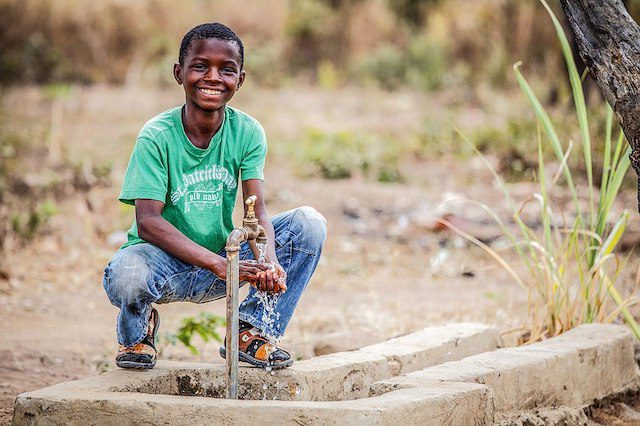
12 Facts about Water Quality in Asia

  1. The United Nations estimates more than 40 percent of the population in India could be living in megacities by 2030. The stunningly fast urbanization of India is taking a toll on the quality of its water. At least 40 million liters of wastewater enters the waters of India every day. This has made 70 percent of surface water in India unfit for consumption. A World Bank report suggests that this will severely stunt the growth of some areas, cutting its GDP growth by as much as one-third.
  2.  China is going through a water shortage. At least 28,000 Chinese rivers and waterways have dried up over the last 25 years. This issue exacerbates the growing issue of water pollution from industrialization. Government surveys found that 70 percent of China’s water table unfit for human consumption due to the overuse of pesticides and fertilizers.
  3. Only 10 percent of Bangladesh homes have consumable water piped to their households. In order to aid Bangladesh in this crisis, The World Bank approved $100 million to be appropriated towards increasing access to improved water supplies. This project will help 600,000 people get water through piped systems.
  4. Groundwater is the Primary Source of Water in South East Asia. A study conducted in 2019 found that 79 percent of people in Southeast Asia use groundwater as their primary source of water. This amounts to a total of 346 million people who rely on that water to be fresh and clean.
  5. Only 30 percent of the population of Mongolia has access to clean piped water. Most Mongolians in the Gobi desert have to use underground water sources. However, rapid urbanization and mining have changed the water supply. Underground water is no longer a reliable source of healthy water.
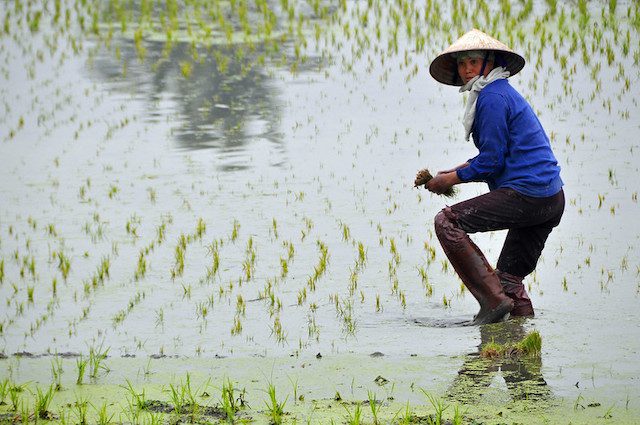
  6. In Vietnam, 90 percent of urban wastewater is released back into the environment untreated. The Việt Nam Union of Science and Technology Organisations reported that environmental laws in Vietnam have too many loopholes and flaws to be adequate. There are only 29 water treatment stations in big cities, which is reportedly not enough.
  7. At least 80 percent of the Indonesian population lacks access to piped water. The people must rely on river water to meet their needs. Although the river water is not of adequate quality for any kind of healthy use due to many corporations do not comply with government pollution laws.
  8. The abysmal quality of water in Afganistan is due to years of war. The infrastructure of the country has been destroyed with little funds or time to rebuild. This has left only 27 percent of the population of Afganistan with access to high-quality water.
  9. There were at least 118,000 hospitalizations in Iraq’s 2018 crisis due to water contamination. It was reported that at least 40 percent of the sewage from the river Baswa was being dumped into the Shatt al-Arab. The government started posting weekly reports on the water quality online in February 2019.
  10. Nearly all of South Korea has drinkable tap water, but not many drink it. South Korea has impeccable water quality because the government requires yearly reports from all utility providers. However, a survey done in 2013 of 12,000 individuals showed that only about 10 percent drink water straight from the tap.

There is a global effort to improve the water quality of Asia. The South Asia Water Initiative (SAWI) is improving the management of the many river basins of Asia. SAWI has addressed issues such as riverbank flooding and the economic opportunities of hydroelectric power on the Brahmaputra Basin in India. It has also supported disaster management on the Sundarbans wetlands shared by Bangladesh and India.

These 10 facts about water quality in Asia demonstrate the many water crises that are happening all across the continent. While there are reforms in place, it will be many years until each country will have equal access to clean, safe water.

– Nicholas Pirhalla
Photo: Flickr

January 4, 2020
https://borgenproject.org/wp-content/uploads/borgen-project-logo.svg 0 0 Kim Thelwell https://borgenproject.org/wp-content/uploads/borgen-project-logo.svg Kim Thelwell2020-01-04 01:30:472024-06-06 00:32:5010 Facts About Water Quality in Asia
Disease, Global Poverty, Health, Sanitation, Water, Water Quality

6 Facts About Water Quality in Sub-Saharan Africa

6 Facts About Water Quality in Sub-Saharan AfricaThe top concerns with water quality in Africa include lack of access to water for drinking, sanitation and agriculture, the cleanliness of the water and the burden of water retrieval. The United Nations’ Millennium Development Goals have tracked the improvement of access to water in Africa. Sub-Saharan Africa is the most challenged and inequitable region. Sub-Saharan Africa’s water system is the most chronically overburdened and stressed area in Africa. This is due to a lack of economic investment, social challenges and environmental factors. Here are six facts about water quality in sub-Saharan Africa.
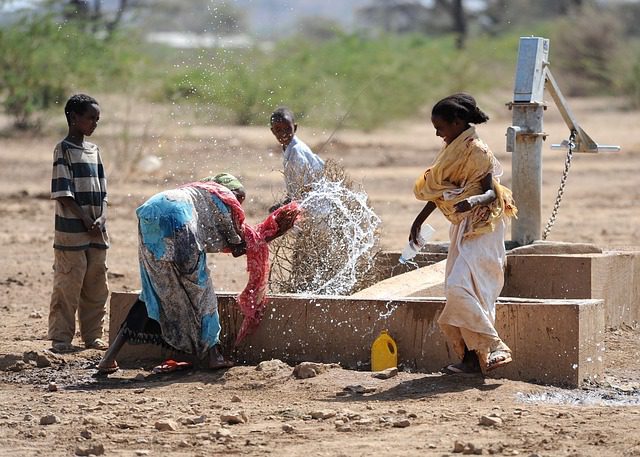
6 Facts About Water Quality in Sub-Saharan Africa

  1. Many areas in Africa have partially achieved the U.N.’s Millennium Development Goals on Water. Before 2015, North Africa had achieved a 92 percent improved source of drinking water for its people. Sub-Saharan Africa, on the other hand, had only achieved 61 percent and was not on track to meet its 75 percent goal. Investment in infrastructure systems such as dams would improve public health and increase economic stability while achieving water access targets.
  2. In sub-Saharan Africa water access is inequitable. In urban areas, 90 percent of the wealthy households have access to improved water sources with piped water in more than 60 percent of the homes. In rural settings, fewer than 50 percent of people access improved water sources with the poorest 40 percent of homes having no in-home water access. Only 16 percent of Sub-Saharan residents have access to a water tap in their home or yard.
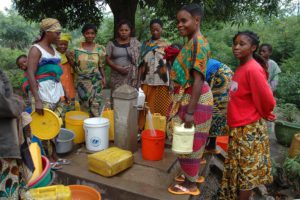
  3. The burden of water retrieval falls on girls and women. The time and labor-intensive chore of carrying water home from a distance prevents girls and women from pursuing income-generating work and education. It also puts them at risk of violence on long journeys for water. Approximately 13.5 million women in sub-Saharan Africa travel more than 30 minutes each day to collect water. They carry repurposed cans that hold five gallons of water and weigh 40 pounds when full. The women may have to take several trips in a day depending on the size of their family.
  4. Water scarcity and lack of sanitation threaten public health. Poor sanitation and limited water lead to outbreaks of cholera, typhoid fever and dysentery, which can contaminate the limited stores of fresh water. When people store water in their homes, this creates a breeding ground for mosquitos, which leads to an increase in malaria and dengue fever. Other diseases connected to water scarcity include trachoma, plague and typhus. Prioritizing water quantity over quality can lead to bacterial diseases causing diarrhea, dehydration and death, especially in children.
  5. In sub-Saharan Africa, 95 percent of crops are dependent on rainfall. Increased water storage capacity will increase resiliency to water shortages resulting from droughts. Dependency on rainfall for crops is limiting. Small-scale but efficient usage of ponds, tanks, and wells can improve agricultural output. The implementation of various methods of watering crops can reduce water stress and improve food security. Farmers could use drip irrigation, pumps and shallow wells to reduce reliance on rainwater.
  6. Sustainable agricultural development will lead to sustainable water sources and reduced stress. An example of a sustainable agricultural method may be aquaponics, which requires no soil and little water.

Continued innovation, education and infrastructure development are necessary for Africa to improve access to safe and clean drinking water. While much progress is underway, these 6 facts about water quality in sub-Saharan Africa show that the continent will continue to face climate, political and economic barriers in meeting these goals.

– Susan Niz
Photo: Wikimedia

January 3, 2020
https://borgenproject.org/wp-content/uploads/borgen-project-logo.svg 0 0 Kim Thelwell https://borgenproject.org/wp-content/uploads/borgen-project-logo.svg Kim Thelwell2020-01-03 01:30:582020-01-18 12:15:276 Facts About Water Quality in Sub-Saharan Africa
Global Poverty, Sanitation, Water

10 Facts about Sanitation in Ethiopia

10 Facts about Sanitation in EthiopiaEthiopia is Africa’s second-most populated country with more than 109 million people. It is also its fastest-growing economy even though it is one of the poorest countries in the world. Sanitation in Ethiopia is one of the factors proving to be a challenge when it comes to sustaining or improving on the country’s growth and development. Below are 10 facts about sanitation in Ethiopia.

10 Facts About Sanitation in Ethiopia

  1. Ethiopia is considered water-stressed because the rapid population growth over the last decade has put a strain on its abundant water sources. Despite estimations showing that 13.5 to 28 billion cubic meters of renewable annual groundwater is available per year, only 2.6 billion cubic meters is usable.
  2. Ethiopia is a country of two extremes. Some parts of the country are plagued by constant flooding while other parts experience water scarcity, degraded water quality and food insecurity because of recurring droughts.
  3. The majority of Ethiopia’s population lives in rural areas and is dependent on subsistence farming; therefore, a lot of water is used for agriculture. The global average for water withdrawals for agricultural use is 70 percent. Ethiopia uses 93 percent for agricultural.
  4. According to the WHO, 43 percent of Ethiopia’s population lacks access to an improved water source. Only around 28 percent of people nationwide have access to improved sanitation. While this is astoundingly low, it is an improvement from 3 percent in 1990.
  5. Women and girls bear the brunt of Ethiopia’s water and sanitation problem as they have to travel long distances daily to fetch water. Consequently, they are often unable to fully participate in community life or go to school.
  6. Open defecation is a daily part of life in 32 percent of Ethiopia’s rural homes and 7 percent of its urban population. Twenty-three million people practice open defecation due to a lack of access to improved sanitation.
  7. UNICEF attributes between “60 to 80 percent of communicable diseases in Ethiopia” to “limited access to safe water and inadequate water, sanitation and hygiene facilities.” Diarrhea, for example, accounts for 23 percent of all deaths for children under the age of five. Another report also shows that about 32 percent of health facilities in Ethiopia have access to safe water.
  8. The good news is that change is happening and has been happening. A joint report by WHO and UNICEF shows that Ethiopia has improved its water supply by 97 percent in urban areas and 42 percent in rural areas. Ethiopia achieved its Millenium Development Goal (MDG) target of providing 57 percent of the population with access to safe drinking water. This reduced the number of people without access to clean drinking water since 1990 by half.
  9. The government plans to further improve sanitation in Ethiopia under the One WASH National Program. It hopes to increase access to safe water to 98 percent for rural areas and 100 percent for urban areas. Under the program, all Ethiopians will also be provided with access to basic sanitation.
  10. There are also many international organizations aiding the government to improve sanitation in Ethiopia. Water.org has been working in Ethiopia since 2004 and has reached 243,000 people so far. Others, such as UNICEF and USAID, are supporting the One WASH program in various capacities.

The government and other partners need to continue improving sanitation in Ethiopia if the economy is to continue to grow. Aspects of development like life expectancy, improved opportunities for women and girls to participate in society and food production are dependent on sanitation. It is only by dealing with this that the government can hope for continued growth and development as well as poverty reduction.

– Sophia Wanyonyi
Photo: Pixabay

December 28, 2019
https://borgenproject.org/wp-content/uploads/borgen-project-logo.svg 0 0 Kim Thelwell https://borgenproject.org/wp-content/uploads/borgen-project-logo.svg Kim Thelwell2019-12-28 07:30:122020-03-26 12:12:3310 Facts about Sanitation in Ethiopia
Page 20 of 57«‹1819202122›»

Get Smarter

  • Global Poverty 101
  • Global Poverty… The Good News
  • Global Poverty & U.S. Jobs
  • Global Poverty and National Security
  • Innovative Solutions to Poverty
  • Global Poverty & Aid FAQ’s
Search Search

Take Action

  • Call Congress
  • Email Congress
  • Donate
  • 30 Ways to Help
  • Volunteer Ops
  • Internships
  • Courses & Certificates
  • The Podcast
Borgen Project

“The Borgen Project is an incredible nonprofit organization that is addressing poverty and hunger and working towards ending them.”

-The Huffington Post

Inside The Borgen Project

  • Contact
  • About
  • Financials
  • President
  • Board of Directors
  • Board of Advisors

International Links

  • UK Email Parliament
  • UK Donate
  • Canada Email Parliament

Get Smarter

  • Global Poverty 101
  • Global Poverty… The Good News
  • Global Poverty & U.S. Jobs
  • Global Poverty and National Security
  • Innovative Solutions to Poverty
  • Global Poverty & Aid FAQ’s

Ways to Help

  • Call Congress
  • Email Congress
  • Donate
  • 30 Ways to Help
  • Volunteer Ops
  • Internships
  • Courses & Certificates
  • The Podcast
Scroll to top Scroll to top Scroll to top