• Link to X
  • Link to Facebook
  • Link to Instagram
  • Link to TikTok
  • Link to Youtube
  • About
    • About Us
      • President
      • Board of Directors
      • Board of Advisors
      • Financials
      • Our Methodology
      • Success Tracker
      • Contact
  • Act Now
    • 30 Ways to Help
      • Email Congress
      • Call Congress
      • Volunteer
      • Courses & Certificates
      • Be a Donor
    • Internships
      • In-Office Internships
      • Remote Internships
    • Legislation
      • Politics 101
  • The Blog
  • The Podcast
  • Magazine
  • Donate
  • Click to open the search input field Click to open the search input field Search
  • Menu Menu

Archive for category: Water Quality

Disease, Global Poverty, Water Quality

Water Quality in Guatemala: Battling Drought and Disease

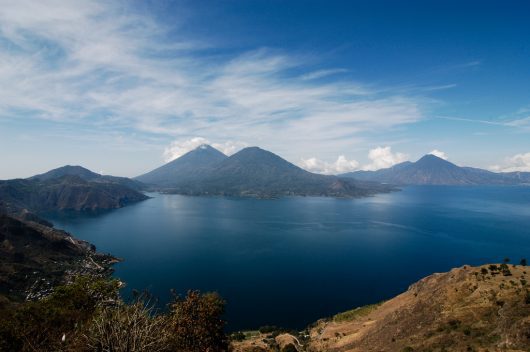
Water Quality in GuatemalaWater quality in Guatemala has become an increasingly important issue because the country is facing one of its worst droughts in decades. The drought has reduced access to clean water, and poor water quality has resulted in the spread of waterborne illnesses throughout the country. Additionally, this lack of water means immense food shortages and increasing malnutrition among children in Guatemala.

Approximately 43 percent of Guatemalan children under the age of five are fatally malnourished, and among rural Guatemalan children this number rises to around 80 percent. It is in rural areas that the drought has the strongest effect, as there is less access to clean water and there are more stagnant bodies of water that increase the spread of disease.

Due to the drought, Guatemala’s disposal of solid and liquid waste in local bodies of water is having a larger impact than ever. With limited quantities of clean water, the waste that is deposited in rivers makes the spread of disease and infection in the population even more rampant. Access to clean water is a major issue facing the country, but there have been some strides in resolving it.

Guatemala was able to reduce the percentage of citizens without access to drinking water to 50 percent, which met the 2015 Millennium Development Goal for access to clean water. In 2016, 93 percent of Guatemalans had access to non-polluted water, which is an impressive statistic.

There are also nonprofit organizations working to improve water quality in Guatemala. Water for People is an organization that focuses on providing clean water to certain communities in impoverished nations. They currently have a number of projects running in Guatemala, one of which is the Everyone Forever program. The program pledges to provide water and sanitation to every single person in those communities, forever. This is a very ambitious project, but it is also incredibly important.

In addition to simply providing clean water to those in Santa Cruz Del Quiche, or San Bartolome Jocotenago, Water for People creates a model that can be replicated by governments to provide water and sanitation for all parts of the nation. The organization also has programs for watershed management and school programming related to water sanitation.

There are also, of course, programs set in place by United Nations agencies such as the Pan American Health Organization, UNDP, and UNICEF. These organizations put in place measures that will raise the living conditions of people in poor communities, primarily through improving water sanitation systems.

Ultimately, water quality in Guatemala is a major issue, but there are improvements being made. Through collaboration between NGOs, the Guatemalan government and United Nations agencies, the issue of water quality and access in the country will hopefully be resolved soon, improving the quality of life for all of its residents.

– Liyanga De Silva

Photo: Flickr
November 8, 2017
https://borgenproject.org/wp-content/uploads/borgen-project-logo.svg 0 0 Kim Thelwell https://borgenproject.org/wp-content/uploads/borgen-project-logo.svg Kim Thelwell2017-11-08 01:30:072024-05-29 22:29:07Water Quality in Guatemala: Battling Drought and Disease
Water Quality

Proposal Aims to Improve Water Quality in Malaysia

Standardization Proposal Aims to Improve Water Quality in MalaysiaOn July 1, 2017, a serious ammonia contamination incident shut down the Simpang Renggam Water Treatment Plant in Malaysia. On July 23, ammonia contamination in the Skudai River (Sungai Skudai) caused a decrease in production at the Sultan Ismail water treatment plant. This second instance of ammonia contamination in less than a month disrupted the water supply to eight areas of Johor Bahru, the capital of the Malaysian state of Johor. With multiple incidents so close together, the Johor government decided to approach the Malaysian government with a proposal it hopes will help improve water quality in Malaysia.

The proposal centers on improving and coordinating laws and enforcement related to water quality in Malaysia. At present, the laws do not set the same standards to determine when water is polluted. State Works, Rural and Regional Development Committee chairman Datuk Ir Hasni Mohammad expressed frustration with current laws, stating that the laws do not reflect the importance of monitoring threats from water pollution. Hasni also expressed the frustration from citizens at the disruptions related to ammonia content in the water.

Different bodies in Malaysia have different standards for determining and acting on water pollution. For example, Johor’s water regulatory body, Bakaj, holds that a pollutant present at 1.5 parts per million (ppm) represents polluted discharge, while the Malaysian Department of Environment has set that number at 10 ppm. These differing standards lead not only to confusion regarding what is considered polluted, but also who is responsible for addressing and enforcing pollution laws.

Apart from the contamination incidents, the state of Johor has another vested interest in improved water quality in Malaysia. Reports indicate that the state will see an increase in water consumption of 80 percent by 2028. Mohamed Khaled Nordin, the Chief Minister of Johor, has indicated that the projected rise in water consumption has made it imperative for the state government to sit down with all parties to find a solution to water supply issues. Improving water pollution standards appears to be a first step in this process.

– Erik Beck

Photo: Flickr

November 7, 2017
https://borgenproject.org/wp-content/uploads/borgen-project-logo.svg 0 0 Borgen Project https://borgenproject.org/wp-content/uploads/borgen-project-logo.svg Borgen Project2017-11-07 07:30:362019-12-27 15:08:49Proposal Aims to Improve Water Quality in Malaysia
Water Quality

Why Sanitation Is Key to Water Quality in Guyana

Why Sanitation Is Key to Water Quality in GuyanaGuyana is a country in the northeastern corner of South American, between Venezuela and Suriname. It was a former British colony and is the only English-speaking country in South America. Guyana is an Amerindian word that means “land of many waters“, something that is contradicted by the water quality in Guyana at this moment.

Water pollution is a growing issue in Guyana and action needs to be taken soon to rectify the problem. The main contributors to water pollution in the region are domestic waste, agriculture and industries. Some more specific examples that can be identified are industrial waste, sewage, mining activities, marine dumping, accidental oil leakage, chemical fertilizers and pesticides, leakage from sewer lines, urban development, animal waste and leakage from landfills.

Sanitation is a growing problem that has been affecting water quality in Guyana, particularly in heavily populated areas. Without sanitation, there is a risk of infectious diseases affecting the most vulnerable groups, such as the very young, the elderly and people suffering from diseases that lower their resistance. It has also led to fatal contamination of rivers and other waters that is not only dangerous for humans, but for other species as well, harming the ecological balance of the environment.

Water is key to sanitation because it is used to keep ourselves and our surroundings clean, and it is a resource we must protect if we hope to maintain a general sense of cleanliness. According to the World Health Organization, 5.3 percent of all deaths and 6.8 percent of all disabilities worldwide are caused by poor sanitation. Additionally, there are 1.8 million people dying annually from diarrheal diseases, 90 percent of whom are children.

To combat this issue, Guyana Water Inc. (GWI) was created with the mission of delivering safe, adequate and affordable water and to ensure safe sewerage systems for improved public health and sustainable economic development. Despite these efforts, an assessment of the accounts of GWI has revealed that the company has been operating at a loss. The Minister of Finance, Winston Jordan, has noted that an analysis has shown that the economic costs of production of potable water surpass the current tariff, with electricity costs and non-revenue water affecting financial viability.

Residents have been calling on GWI and other relevant authorities to expedite the improvements to the water quality in Guyana so that they can return to enjoying a normal quality of life. By improving the water and sanitation systems, Guyana can eliminate these issues and return to a state where potable water is not a luxurious amenity and instead can be enjoyed by everyone.

– Drew Fox

Photo: Flickr

November 7, 2017
https://borgenproject.org/wp-content/uploads/borgen-project-logo.svg 0 0 Borgen Project https://borgenproject.org/wp-content/uploads/borgen-project-logo.svg Borgen Project2017-11-07 07:30:192019-12-27 15:09:06Why Sanitation Is Key to Water Quality in Guyana
Sanitation, Water Quality

Improved Water Quality in Turkey Linked to Protection of Rivers

Water Quality in TurkeyWater quality in Turkey has not always been good. Located where Asia meets Europe, Turkey is not in an optimal location for water access. Over the years, Turkey has taken steps to improve its water quality.

According to the Environmental Performance Index, Turkey scored 85.06 out of 100 for water and sanitation quality. 100 percent of the population has access to improved water sources and sanitation, which has risen from 86 percent in 1990.

Turkey is a semi-arid region. Compared to water-rich regions such as North America and Western Europe, Turkey is lacking. Turkey only has one-fifth of the water available per capita that those areas do. Turkey also has areas that have an abundance of freshwater that is unusable, such as the Black Sea.

70 percent of Turkey’s usable freshwater is supplied by rivers, and the main ones that flow through Turkey are the Tigris and Euphrates rivers. The water potential of the two rivers combined is close to that of the Nile River.

In 1993, Istanbul was facing a water and sanitation crisis. To solve this, Turkey began creating and implementing plans to meet the city’s water needs and improve its sanitation levels. As a result of these efforts, Istanbul’s water increased to 1,170 million m3 per year.

In 2016, Turkey defined 25 river basins and prepared protection plans for each of them. They put their Ministry of Forestry and Water Affairs to work coordinating these plans.

The Southeastern Anatolia Project is an initiative that seeks to improve the water supply from the Tigris and Euphrates rivers to the land resources of “Upper Mesopotamia”, also known as the Fertile Crescent for its quality farmland. It has been a great success in improving the efficiency of water management in this key agricultural area.

Turkey has recognized the importance of protecting its water sources, especially since they are in short supply compared to many other nations. It continues to take steps towards maintaining optimal water quality in Turkey and improving the lives of its people.

– Téa Franco

Photo: Flickr

November 7, 2017
https://borgenproject.org/wp-content/uploads/borgen-project-logo.svg 0 0 Kim Thelwell https://borgenproject.org/wp-content/uploads/borgen-project-logo.svg Kim Thelwell2017-11-07 01:30:532024-05-29 22:29:05Improved Water Quality in Turkey Linked to Protection of Rivers
Disease, Global Poverty, Water Quality

Pollution as the Main Cause of Poor Water Quality in Thailand

Water Quality in ThailandLocated in Southeast Asia, Thailand has a population of just over 69 million. While population has increased over the years, water quality in Thailand has declined, yielding health risks if water is not purified before consumption.

There are approximately 43 million Thai people drinking contaminated water, allowing diseases like diarrhea, typhoid and dysentery to enter their system. This water is contaminated primarily by pollutants disposed into rivers and streams. When water is extracted from these rivers and streams for consumption, the pollutants negatively impact the health of the consumer.

The main source of water pollution is from the agricultural sector. In 2016, 39 million cubic meters of wastewater was dumped per day into various river basins. Industrial sectors were the second highest distributor of polluted water at 17.8 million cubic meters per day. Lastly, residential areas contributed 9.6 million cubic meters of polluted water per day. A total of 3.5 billion cubic meters of wastewater was released into Thailand’s rivers in 2016.

Water quality in Thailand varies throughout the country. In the city of Chiang Mai, located in northern Thailand, the main concern is drinking water. In an interview with Gwang Elusive, a resident of Chiang Mai told The Borgen Project that tap water is used for “gardening, showing, washing…everything but drinking.” In order to get purified water, Gwang occasionally uses water purifiers and drinking water machines. However, her main source of purified water is from bottled water.

Every week, cases of filtered water are delivered to her through the company Wang Nam Kang. With an average cost of 40 baht, or $1.17, per twenty bottles of water, Gwang is able to safely receive the hydration she needs. She drinks an average of two to three bottles a day and recycles the bottles after each use.

Water bottle companies filter their water through various purification processes in order to rid the liquid of contaminants. Many companies perform purification through reverse osmosis. In this process, water is filtered until impurities and large particles are removed from the liquid. Reverse osmosis offers a quick and cheap solution to purifying water, which in turn allows for residents like Gwang to receive enough water to last her a week at a reasonable cost.

The majority of Thailand’s residents have accepted the idea of drinking bottled water; executive director of Ecological Alert and Recovery Thailand (Earth), Penchom Saetang, has not. Although water quality in Thailand has improved according to the country’s annual pollution report, water pollution is still a red flag as it continues to threaten the Thai people.

A new law, the Pollutant Release and Transfer Registers law, is currently being created. This law would require agricultural operators to identify all pollutants in the wastewater that is being released into rivers outside of their property. Ultimately, the law would allow for the government to locate who is contributing most to the water pollution in order to reduce the problem.

As for industrial factories that produce drinkable water, stricter monitoring of wastewater would be implemented to ensure water treatment is being done properly. Surprise inspections would ensure that companies adhere to the strict water purification regulations.

In 2016, a surprise inspection was performed and only a few wastewater management factories out of 35,000 failed to pass inspection. The inspection agency continues to hold a strong stance on passing regulation with the threat of company shut-down if inspection is not passed. Industrial factories are continually encouraged to reuse, reduce and recycle water in order to decrease the amount of wastewater that is disposed into rivers.

The Thai government is continuing to work towards finding more ways to reduce the amount of pollution in their water, but until then it is the responsibility of the public to drink with caution.

– Brianna Summ

Photo: Flickr

November 7, 2017
https://borgenproject.org/wp-content/uploads/borgen-project-logo.svg 0 0 Kim Thelwell https://borgenproject.org/wp-content/uploads/borgen-project-logo.svg Kim Thelwell2017-11-07 01:30:312024-05-29 22:29:05Pollution as the Main Cause of Poor Water Quality in Thailand
Water Quality

UNICEF Focusing on Schools to Improve Water Quality in Libya

Water Quality in LibyaSince the fall of Muammar Gaddafi in 2011, instability and conflict have continued in Libya. Unfortunately, the negative effects of this conflict are being felt most strongly among one of the most vulnerable groups in the country: children. The United Nations Children’s Fund (UNICEF) reported in August 2017 that more than 500,000 children are in need of assistance due to the instability. With more than 200,000 of these children needing safe access to drinking water, UNICEF is focusing on improving water quality in Libya.
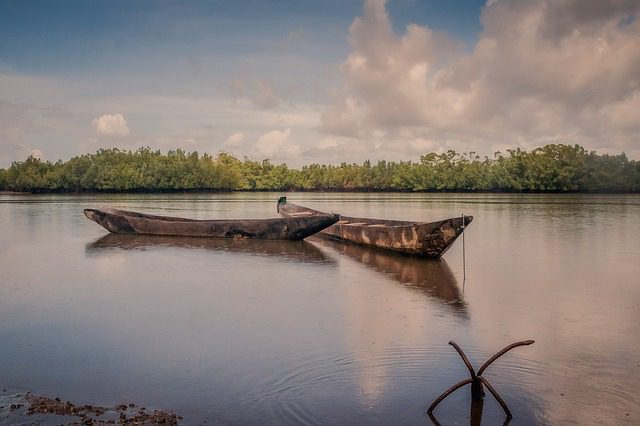
One specific area UNICEF has highlighted with regards to improving water quality in Libya is access to clean water in schools. A study completed by UNICEF, the Libyan National Center for Disease Control and the Libyan Ministry of Education in the first quarter of 2017 demonstrates why this focus is necessary.

Of 140 schools studied in the southern, eastern and western regions of the country, 54 percent had an insufficient and poor quality of drinking water and sanitation facilities. Through the study, UNICEF hopes that partners and other stakeholders will prioritize funds in order to spearhead water and sanitation programs across Libya.

Work has already begun to address the quality of water and sanitation facilities in schools. Through the Water, Sanitation and Hygiene (WASH) program, UNICEF and partners have improved water and sanitation facilities in 20 schools in two cities, Sebha and Ubari. The program also focused on 10 schools in Tripoli and schools in Benghazi during the time period.

This program has expanded to 32 more schools across Libya in 2017. UNICEF’s overall plan for Libya in 2017 calls for 95,000 people to gain access to clean drinking water and sanitation facilities.

While the focus on improving water quality in Libya and improving facilities in schools has grown, a number of obstacles will likely make these improvements a slow fix.

Security concerns continue to arise as conflicts continue in the country. Additionally, UNICEF has reported obstacles to cash transfers to the country.

Despite these obstacles, past results in the country should provide an optimistic outlook moving forward.

– Erik Beck

Photo: Flickr

November 7, 2017
https://borgenproject.org/wp-content/uploads/borgen-project-logo.svg 0 0 Borgen Project https://borgenproject.org/wp-content/uploads/borgen-project-logo.svg Borgen Project2017-11-07 01:30:152024-05-29 22:29:06UNICEF Focusing on Schools to Improve Water Quality in Libya
Disease, Global Poverty, Water Quality

Improving the Water Quality in Gambia

Water Quality in GambiaLocated on the western side of Africa is Gambia, the smallest country within the African continent. Due to its proximity to the Atlantic Ocean, Gambia has gained in popularity among tourists around the world. However, the low water quality in Gambia must be improved.
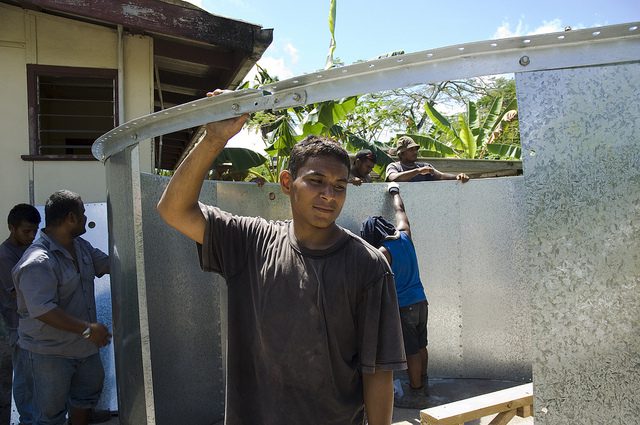
In spite of being the smallest country in Africa, it is a greatly populated one, with a population close to two million citizens. Thus, the combination of a small territory with a lot of people is a major cause of poverty in the Gambia. Within the 187 countries that constitute Africa, Gambia is the 165th most impoverished with a GDP per capita of $1,664.

Along with general poverty, the main problems the country faces relate to the environment. Fifty-seven percent of citizens live in the urban areas of Gambia; the percentage populates rural areas where one-third of the population is poor.

The lack of agricultural resources and seeds, amongst others, are why rural areas regularly face poverty. However, the problem of water quality in Gambia stands out due to its negative impact.

Pollution results in contaminated water, which affects the species and individuals who consume it. Unfortunately, Gambia lacks the sanitation facilities necessary to properly filter water for consumption. Furthermore, harmful compounds can be transmitted by polluted water, which increases the possibility of contracting a dangerous disease or developing further health issues.

The most prevalent waterborne disease in Gambia is diarrhea, the leading cause of death among children under five. Hepatitis A and typhoid fever are also predominant waterborne diseases as well as schistosomiasis.

Contaminated water not only affects those who drink it but can also have harmful effects if used for farming or cooking. It is estimated that 53 percent of Gambia’s population that reside in rural areas have access to clean water.

Needless to say, multiple organizations such as the United Nations Children’s Fund and Childfund International are fighting every day to be able to solve this important and concerning matter.

Identifying the cause of the issue and taking action by delivering water provisions, creating water filters and more, are initiatives that nonprofit organizations are working towards. The water quality in Gambia has already received some help and will get better in a near future.

– Paula Gibson

Photo: Pixabay

November 7, 2017
https://borgenproject.org/wp-content/uploads/borgen-project-logo.svg 0 0 Kim Thelwell https://borgenproject.org/wp-content/uploads/borgen-project-logo.svg Kim Thelwell2017-11-07 01:30:132024-06-04 01:08:26Improving the Water Quality in Gambia
Global Poverty, Refugees, Water Quality

Water Quality in Nauru: Rainwater and Desalination Plants

Water Quality in Nauru

Surrounded by the Pacific Ocean, Nauru struggles to find secure potable water sources. The island has no rivers and the groundwater is limited due to increasing salinity and contamination, problems that make rainwater collection and desalination plants the only reliable sources of water for almost 10,000 Nauruans. As a result, the water quality in Nauru has suffered.

Utilizing Rainwater

People in Nauru can take advantage of rainwater thanks to a system installed on the roofs of domestic and commercial buildings. A structure of tubes directs rain towards a small tank in which Nauruans store water, which can later be used for drinking and cooking.

However, between rainy seasons groundwater is the major source of water on the island. Unfortunately, the low water quality in Nauru means that groundwater is clean in few areas.

In the remaining areas, groundwater quality in Nauru is affected by wastewater disposal from houses, shops, commercial buildings and the refugee camp. In addition, some zones have an increasing salinity rate, which makes the water inadequate for human usage.

To resolve this problem, Nauru’s administration launched an expansion of the national water storage capacity in order to improve the water supply. The project consists of building more water tanks which will prevent water shortage during periods of drought. This solution also protects the environment since the desalination plants are energy-intensive and use fossil fuels for power.

Desalination Plants

Nauru’s secondary source of water are the four desalination plants throughout the island. However, the desalination plants require high quantities of energy for power. The desalination process is also expensive and affects the beach environment.

In 2014, water quality in Nauru took a remarkable turn with the development of a project by the Nauruan government to install a solar PV system and desalination plant. It is expected that this project could produce 100 cubic meters of safe water per day. In addition, the PV system will generate 1.3 percent of the energy demand in the island, doubling the existing energy production of solar energy. With these advantages, the project would also reduce water delivery to only three weeks.

Refugee camp

Nauru has a refugee camp that holds about 400 refugees that tried to enter Australia by boat. This camp requires water and other basic necessities such as shelter, food and clothes. As a result, when people in Nauru face water shortage, refugees also experience the same difficulty.

The camp often faces water shortages, resulting in serious water restrictions.

The PV system desalination plant and the new storage tanks that the Nauruan government is planning to implement are good solutions to addressing water quality and supply in Nauru for both citizens and refugees alike.

– Dario Ledesma

Photo: Flickr

November 6, 2017
https://borgenproject.org/wp-content/uploads/borgen-project-logo.svg 0 0 Kim Thelwell https://borgenproject.org/wp-content/uploads/borgen-project-logo.svg Kim Thelwell2017-11-06 01:30:462024-05-29 22:29:04Water Quality in Nauru: Rainwater and Desalination Plants
Global Poverty, Government, Water Quality

Improving Water Quality in Tonga

Water Quality in Tonga

Situated in the Pacific Islands, Tonga is among one of several countries in the region to experience water scarcity and quality issues. An island chain of more than 170, Tonga is limited in access to freshwater resources, much of which is sourced directly from groundwater. In addition to groundwater and springs, Tongans collect water from surface resources, which on most islands is extremely difficult to come by. A few different issues are the culprit for scarcity, and subsequently, water quality in Tonga.

One of the primary concerns is the overuse and exploitation of water on larger islands. Tongatapu, one of the most densely populated islands in Tonga, accounts for 69 percent of the total population. Its water consumption rates are continually on the rise.

In addition to poor water use practice, Tonga also experiences poor management with wastewater. All of the wastewater is managed individually rather than through a unified system. The wastewater then becomes the burden of the community: with little to no help from the government, issues with quality and sanitation are unavoidable.

Tonga also lacks water management infrastructure. Water resource use and sanitation center data is currently not nationally exchanged through an organized sharing system, making it difficult to regulate and monitor.

Because there are limited resources to ameliorate these issues, supervision of water quality in Tonga has been taken over by its residents with some supplemental assistance from the Tongan government and the World Health Organization.

In an effort to provide risk assessment and management for villages experiencing poor water conditions, the government has administered a Water Safety Plan. This plan is designed to pay specific attention to the causes of contamination of water supplies. It also considers which measures must be taken to reduce these risks and make improvements to existing water systems.

Communities are urged to take part in these action plans to learn more about their individual water resource systems and identify with the ecosystem that supports them.

In 2009, 10 villages were set up to take part in the Water Safety Plans, and eight more have been added since. The World Health Organization is working to provide training support for the Tongan government to implement the plan further.

Water quality in Tonga is also being tackled by using methods of public outreach and education. The Tonga Trust developed the Water Sanitation and Hygiene (WASH) program in 2008, which works toward changing behaviors of residents and visitors to be more mindful of water use and hygienic practice.

Expected outcomes are for villages to identify their Water Safety Plans, increase the frequency of WASH’s message through media outlets, create posters and manuals in the local language promoting sanitation, establish WASH committees throughout the islands and increase stakeholder involvement.

– Casey Hess

Photo: Flickr

November 6, 2017
https://borgenproject.org/wp-content/uploads/borgen-project-logo.svg 0 0 Kim Thelwell https://borgenproject.org/wp-content/uploads/borgen-project-logo.svg Kim Thelwell2017-11-06 01:30:312024-05-29 22:27:18Improving Water Quality in Tonga
Global Poverty, Government, Water Quality

Why Water Quality in Serbia is Set to Improve

Water Quality in Serbia

Serbia is a small nation in Eastern Europe with a population of just over seven million, this is not including the population of the disputed Kosovo region. Since Serbia is a landlocked nation with no coastline, water pollution from industrial waste sites has a significantly negative impact on the country’s primary river, the Danube, and its primary tributary, the Sava, both of which serve as the largest and most important sources of drinking water for the nation.

Despite being a relatively well-developed European nation, what is the water quality in Serbia like?

According to the International Commission for the Protection of the Danube River (ICPDR), Serbia actually depends on sources outside of its own national territory for water resources. This is particularly worrisome as most small communities in Serbia, with less than 2000 people, frequently lack wastewater management infrastructure and, because a number of existing facilities within Serbia are non-operational.
Additionally, assigning someone to monitor and secure good water quality in Serbia has become an issue in recent years.

The department of the United Nations responsible for assessing a country’s sanitation and drinking water situation (GLAAS) has stated that while the surveillance systems and institutions required to inspect water quality have been implemented in both urban and rural areas, specific plans to sustain and improve these systems and issues surrounding water system ownership are the main impediments to improving sanitation and water quality in Serbia.

So what can be done to protect water quality in Serbia, particularly in rural areas?

The Serbian government has already taken steps in recent years to ensure that the country’s inhabitants are not put at risk of illness through water consumption. In 2013, Serbia ratified the “Protocol on Water and Health to the 1992 Convention on the Protection and Use of Transboundary Watercourses and International Lakes” and will preside over it until 2019. This international legal agreement not only ensures sustainable water development and the eradication of water-borne diseases in Europe but is also supported by Serbia’s State Secretary at Health Ministry, Meho Mahmutović, who says that “we need to work together to achieve better environmental conditions in order to protect the health.”.

Despite being a rural level issue, the solution to the issue of water quality in Serbia will ultimately depend on government activity. By clearly defining political jurisdiction over the surveillance of drinking water sources and upholding the Protocol ratified by the Serbian government in 2013, communities outside of the country’s larger cities can live free from the risk of water-borne illnesses.

– Brad Tait

Photo: Pixabay

November 6, 2017
https://borgenproject.org/wp-content/uploads/borgen-project-logo.svg 0 0 Kim Thelwell https://borgenproject.org/wp-content/uploads/borgen-project-logo.svg Kim Thelwell2017-11-06 01:30:242024-05-29 22:29:03Why Water Quality in Serbia is Set to Improve
Page 12 of 16«‹1011121314›»

Get Smarter

  • Global Poverty 101
  • Global Poverty… The Good News
  • Global Poverty & U.S. Jobs
  • Global Poverty and National Security
  • Innovative Solutions to Poverty
  • Global Poverty & Aid FAQ’s
Search Search

Take Action

  • Call Congress
  • Email Congress
  • Donate
  • 30 Ways to Help
  • Volunteer Ops
  • Internships
  • Courses & Certificates
  • The Podcast
Borgen Project

“The Borgen Project is an incredible nonprofit organization that is addressing poverty and hunger and working towards ending them.”

-The Huffington Post

Inside The Borgen Project

  • Contact
  • About
  • Financials
  • President
  • Board of Directors
  • Board of Advisors

International Links

  • UK Email Parliament
  • UK Donate
  • Canada Email Parliament

Get Smarter

  • Global Poverty 101
  • Global Poverty… The Good News
  • Global Poverty & U.S. Jobs
  • Global Poverty and National Security
  • Innovative Solutions to Poverty
  • Global Poverty & Aid FAQ’s

Ways to Help

  • Call Congress
  • Email Congress
  • Donate
  • 30 Ways to Help
  • Volunteer Ops
  • Internships
  • Courses & Certificates
  • The Podcast
Scroll to top Scroll to top Scroll to top