• Link to X
  • Link to Facebook
  • Link to Instagram
  • Link to TikTok
  • Link to Youtube
  • About
    • About Us
      • President
      • Board of Directors
      • Board of Advisors
      • Financials
      • Our Methodology
      • Success Tracker
      • Contact
  • Act Now
    • 30 Ways to Help
      • Email Congress
      • Call Congress
      • Volunteer
      • Courses & Certificates
      • Be a Donor
    • Internships
      • In-Office Internships
      • Remote Internships
    • Legislation
      • Politics 101
  • The Blog
  • The Podcast
  • Magazine
  • Donate
  • Click to open the search input field Click to open the search input field Search
  • Menu Menu

Archive for category: Water Quality

Global Poverty, Water Quality

Water for Good: Improving Water Quality in Central Africa

Water Quality in the Central African Republic

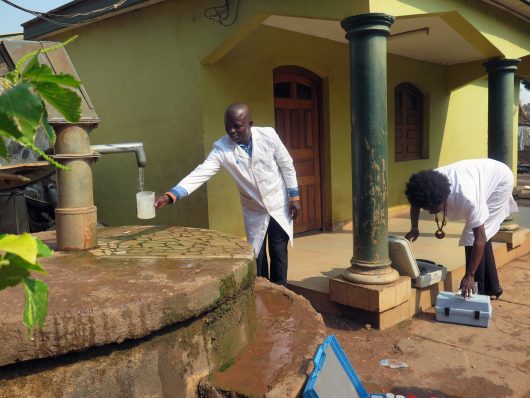
Approximately 663 million people live without access to clean water. Many nongovernment organizations (NGOs) are dedicated to improving water quality and building wells in poverty-stricken areas. However, the ad hoc building of wells does not solve the problem of water poverty and sanitation. Wells can and do break down and someone must fix them, but at this point, most water charities have left the community a long time ago. The key to ending water poverty, which will in turn bring more people out of extreme poverty, is water sustainability. This is where Water for Good – an organization working in the Central African Republic (CAR) – comes in.

A Plan for Water Sustainability

Founded in 2004, Water for Good works to bring water sustainability and improve water quality in the CAR. It is now the largest water provider in the country. Water for Good has drilled over 650 new water wells in the CAR and each well provides enough water for 500 people. The organization also maintains over 1000 water wells across the country and has rehabilitated more than 900 old and forgotten wells. While wells can last over a decade with routine maintenance, they will eventually need a major overhaul.

Water for Good plans to bring clean, safe water to every person in the CAR  by 2030. This is in step with the U.N.’s timeline for achieving the global Sustainable Development Goals. The nation has a population of only 4.7 million people; however, with a large geographic size and a history of internal conflict, improving water quality in the CAR is a difficult task. Water for Good plans to partner with the U.N. and other charitable organizations to achieve this goal.

Local Companies

Doctor Richard Klopp – CEO of Water for Good – tells The Borgen Project that an important step toward water sustainability is transitioning the duties of maintenance and upkeep to private companies within the CAR. Water for Good currently has four maintenance crews that each take care of about 260 wells. The goal is to hand off all of those responsibilities to private, locally-owned companies. In fact, it has already started to happen.

Water for Good created a locally-owned company, Marcellin African Drilling (MAD), and then handed off all the operations to the owner, Marcellin Namsene. While MAD still partners with Water for Good on projects, it is a private, locally-owned business that can continue to upkeep the wells when Water for Good’s work is finished.

A Strategic Focus

Water for Good was originally founded by a former missionary named Jim Hocking, when a good friend sold him a well-drilling business if he agreed to run it as a nonprofit. Hocking had no experience with water wells or drilling, but was familiar with the issue of water quality in the CAR, having grown up in the country. Originally, the organization was named Integrated Community Development International and had several other aims besides water. It was also involved with HIV/AIDS work, orphan care and providing religious services. Eventually those other issues were jettisoned in order to focus on water sustainability. The organization now provides drilling, maintenance and runs a radio station which focuses on community development, sanitation and hygiene. While the CAR is a very low-infastructure country, most people have access to a radio.

“We realized what the country needs from an American NGO is water infrastructure built and sustained, ” says Klopp, “and so that’s all we do now.”

It is a strategic focus for a unique organization. Hopefully, the success of Water for Good inspires other organizations to realize what can be accomplished with long-term planning and a focus on sustainability.

– Brock Hall
Photo: Flickr
September 21, 2017
https://borgenproject.org/wp-content/uploads/borgen-project-logo.svg 0 0 Kim Thelwell https://borgenproject.org/wp-content/uploads/borgen-project-logo.svg Kim Thelwell2017-09-21 01:30:372020-07-05 11:09:40Water for Good: Improving Water Quality in Central Africa
Global Poverty, Water Quality

Arsenic Harms Water Quality in Pakistan

Water Quality in Pakistan
Recent research published in the journal Science Advances has serious implications for up to 60 million Pakistanis—groundwater in the Indus Valley has been found to contain arsenic that likely exceeds a level safe for human consumption. The poor water quality in Pakistan puts many at risk of arsenic poisoning.

The published research comes from the World Health Organization (WHO), which took 1,200 groundwater samples throughout the Indus Plain. Scientists then used this data to create a “hazard map” to determine how many people would be affected by this contamination.

What they found was that 50 million—maybe even 60 million—people would be affected by contaminated groundwater, a number far greater than previously calculated. This estimate was given considering that 60 to 70 percent of the population in Pakistan relies on groundwater.

While the WHO has established that 10 micrograms of arsenic per liter of water is an acceptable concentration, the Pakistani government has always permitted a higher concentration of 50 micrograms per liter.

Although arsenic is naturally present in the ground, researchers suggest that human activities may have exacerbated the amount present in the groundwater in the Indus Plain. Lubna Bukhari, the head of Pakistan’s Council for Research in Water Resources, notes that, due to a lack of regulation, humans have exploited the groundwater, leading to an increase in arsenic.

There are no immediate effects of arsenic poisoning; however, the long-term health effects are severe. Long-term exposure to arsenic-laced water can cause skin lesions, damage to organs and even heart disease and cancer.

A statement by the WHO pressed the need to test “all drinking water wells in the Indus Plain.” With roughly a quarter of the population at risk for arsenic poisoning, the need to address water quality in Pakistan is urgent. Researchers also suggested health intervention programs for those impacted by the contamination.

For those that rely on groundwater for drinking, cooking and farming, the discovery of the contamination could severely impact their livelihoods. The Pakistani government must work to ensure that those impacted by the contamination—no small figure—are offered consumption-worthy alternatives to arsenic-tainted water.

– Jennifer Faulkner

Photo: Flickr

September 19, 2017
https://borgenproject.org/wp-content/uploads/borgen-project-logo.svg 0 0 Borgen Project https://borgenproject.org/wp-content/uploads/borgen-project-logo.svg Borgen Project2017-09-19 07:30:042020-07-01 19:28:53Arsenic Harms Water Quality in Pakistan
Global Poverty, Water Quality

Water Quality in Grenada is Improving

Water Quality in Grenada
Grenada is a developing island nation that resides in the southeastern Caribbean Sea. The country is made up of six smaller islands in addition to the main island of Grenada. The country depends heavily on the agricultural sector to maintain its economy. It is well known for its nutmeg and mace crops, which are sold all throughout the world. However, limited access to drinking water has made the water quality in Grenada see a decline in recent years.

The Issue of Water Access In Grenada

Growing periods of dry spells and overuse of water in Grenada has led to dropping groundwater levels. This has allowed the salt water surrounding Grenada to permeate the water layers on the island. The effect of this has been the reduction of the water quality in Grenada. Consequently, this pollution from seawater has made much of the water in the nation unusable for agriculture.

In addition to the continued pollution of the nation’s water supply, rising sea levels have resulted in an erosion of the coasts. Worse yet, hurricanes passing through the region disrupt the agricultural sector and destroy critical infrastructure that the country needs to survive.

Because Grenada depends on tourism and agriculture to maintain its economy, polluted water supply has continued to create negative economic consequences.

Possible Solutions

In conjunction with Germany’s Federal Development Agency (GiZ) and the International Climate Initiative (IKI), the water quality in Grenada has begun to improve. These organizations have partnered up with the government of Grenada to teach locals how to deepen wells and construct more sophisticated irrigation systems to ensure they will have water for the future. All of this work happens alongside education of the locals about preserving water in the water-intensive industry of tourism.

Looking Towards The Future

Although pollution continues to impact many around the world, water quality in Grenada should improve in coming years. With the help of the GiZ and IKI, the government of Grenada has a clear path to address the issue of declining levels of water in their nation. As long as they continue the plan they have created, Grenada is sure to get past this matter they are addressing.

– Nick Beauchamp

Photo: Flickr

September 18, 2017
https://borgenproject.org/wp-content/uploads/borgen-project-logo.svg 0 0 Borgen Project https://borgenproject.org/wp-content/uploads/borgen-project-logo.svg Borgen Project2017-09-18 01:30:272024-05-28 00:15:55Water Quality in Grenada is Improving
Global Poverty, Water Quality

High Water Quality in San Marino Reflects High GDP Per Capita

Water Quality in San MarinoSan Marino, a small republic located in southern Europe, is one of several European microstates. The smallest independent state in Europe after Vatican City and Monaco, San Marino covers only 24 square miles and is landlocked by the Republic of Italy.
San Marino is a large political player in the international community, with diplomatic ties to more than 70 countries. Not only a member of the United Nations and World Health Organization, San Marino is also active in the International Court of Justice, UNESCO, the International Monetary Fund, the International Red Cross Organization, the Council of Europe, and many others. Moreover, although it is not a formal member of the European Union, it has official relations with the multinational entity.

Unsurprisingly, water quality in San Marino is not a cause for concern. Not only does the country have a large tourism industry, but it also has one of the most stable economies in the world and is regarded as one of the wealthiest in terms of gross domestic product (GDP) per capita. According to the Central Intelligence Agency World Fact Book, San Marino’s GDP per capita was $59,500 in 2016, a growth of 0.5 percent from 2015.

High water quality in San Marino is just one of many factors that contribute to a high quality of life and long lifespan. Statistics from a 2009 World Health Organisation report list the average life expectancy for a newborn male as 81, which has increased since then.

San Marino’s water resources are drawn from one of four rivers, including the San Marino River, the Ausa River, the Fiumicello River and the Marano River. These rivers also play an important role in shaping the geography and political relationships of the country with itsneighborr Italy. The course of the San Marino River, for instance, creates a natural boundary.

The preservation of high water quality in San Marino is rooted in the country’s legal system, which began on October 8, 1600. “Maleficiorum”, the third of six governmental books comprising the country’s constitution, pays special attention to preventing the pollution of water sources.

Today, San Marino’s environmental issues are limited primarily to air pollution and urbanization which has invaded rural farmlands. As environmental policy continues to progress, the focus will largely lie in controlling these areas.

– Katherine Wang

Photo: Flickr

September 16, 2017
https://borgenproject.org/wp-content/uploads/borgen-project-logo.svg 0 0 Borgen Project https://borgenproject.org/wp-content/uploads/borgen-project-logo.svg Borgen Project2017-09-16 01:30:412024-05-28 00:16:24High Water Quality in San Marino Reflects High GDP Per Capita
Developing Countries, Global Poverty, Water Quality

Toilet to Tap: A Safe Way to Drink Water

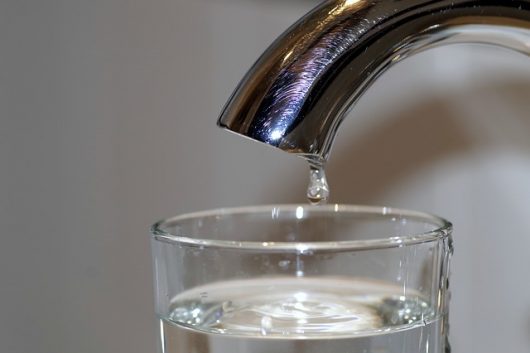
Toilet to TapThere are over 750 million people in the world living without access to clean water. Because of this, many people are prone to fecal and bacterial-related diseases. While much of the world has limited access to clean, drinkable water, many countries have implemented a way to recycle and reuse wastewater into safe drinking water. The method is called the “Toilet to Tap” concept.
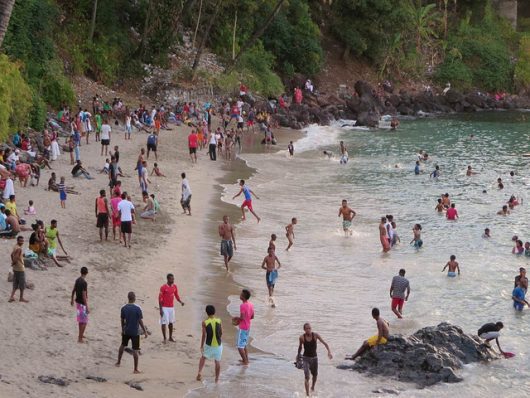
Countries like Singapore, Namibia, India, Mexico, Europe and the United States have implemented Indirect Potable Reuse and Direct Potable Reuse methods, both of which are used to effectively purify water via the process of reverse osmosis.

Reverse osmosis is a common water purification process. First, the water filters through a dual membrane at least three times. After this, the water goes through a UV light as well as a sub-micron filter to clean out any remaining unwanted particles.

Singapore began the initiative in 1998, known as the NEWater Study, in order to determine how safe recycled wastewater is to drink. According to the Public Utilities Board (PUB), Singapore specifically uses “secondary sewage water that has undergone stringent purification and treatment processes using advanced dual-membrane and ultra-violet technologies.” Through this process, Singapore supplies at least 80 million liters of clean water per day from each of its three facilities.

Some countries – such as India and Mexico – are new to the Toilet to Tap concept, but they are beginning to integrate it into their infrastructures more. India, through its 2021 Master Plan, has laid the groundwork to begin the recycling of wastewater to be able to supply more to areas that do not have consistent access to clean water.

Access to clean water is vital to ensure public health and economic, social and environmental stability. While there are not currently many countries who reuse wastewater, there are several countries now seeking to implement these Toilet to Tap systems as a way to solve water crises around the world.

– Rebekah Covey

Photo: Pixabay

September 13, 2017
https://borgenproject.org/wp-content/uploads/borgen-project-logo.svg 0 0 Borgen Project https://borgenproject.org/wp-content/uploads/borgen-project-logo.svg Borgen Project2017-09-13 01:30:012024-05-29 22:26:39Toilet to Tap: A Safe Way to Drink Water
Global Poverty, Water Quality

Water Quality in New Zealand

Water Quality in New Zealand

A Brief Background
A series of battles between 1843 and 1872 took place between Britain and the Polynesian Maori living on the island of New Zealand. This culminated in a British victory, marking the beginning of the island’s involvement with Western history. The newly- founded colony gained independence from Britain in 1907. New Zealand then participated in numerous wars alongside Britain until modern day. Currently, the nation has a nonpermanent seat on the UN Security Council.

Water Quality In New Zealand
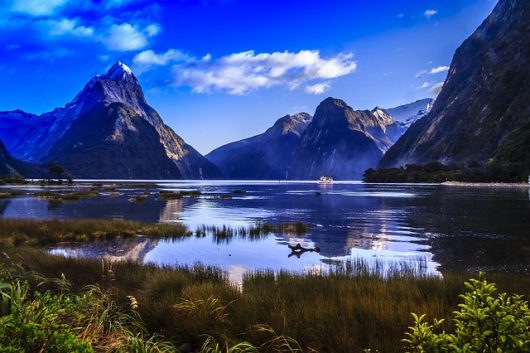
The water quality in New Zealand is high when compared to other countries around the world. The rivers, lakes and wetlands provide the environment necessary for a wide variety of plants and animals to flourish. Rural areas today have seen no issues with the water quality.

The urban regions, however, suffer from having a substantially lower water quality when compared to the country’s more rural areas. In recent years, increased land use has caused its water to become increasingly polluted. Another reason for the increased land use concerns the nation’s agricultural sector. The beef and dairy industries in New Zealand have little regulation and companies involved often do not take efforts to ensure its waste does not contaminate local water supplies. This increased land use has disastrous implications for the aquatic life, drinking water supplies and water-based recreation in New Zealand’s economy.

As the water quality in New Zealand continues to decrease, so does the country’s available amount of sanitized drinking water. This negatively impacts the nation’s section of its economy that relies on fresh water.

The Plan For 2040
Prime Minister Bill English has created a new action plan to make 90 percent of the country’s waterways swimmable by 2040. The government hopes to accomplish this goal changing its water quality guidelines. Another method being implemented involves increasing subsidies to farms that are not polluting nearby water sources by $2 billion in the next 23 years.

Overall, the water quality in New Zealand is high in its rural regions; however, in more urban areas, increased land use and environmentally dangerous farming practices have reduced its water quality significantly. Nevertheless, the future looks bright for this country as long as the Prime Minister continues his action plan to improve the quality of water in New Zealand.

– Nick Beauchamp

Photo: Pixabay

September 4, 2017
https://borgenproject.org/wp-content/uploads/borgen-project-logo.svg 0 0 Borgen Project https://borgenproject.org/wp-content/uploads/borgen-project-logo.svg Borgen Project2017-09-04 07:30:312024-05-28 00:16:14Water Quality in New Zealand
Global Poverty, Water Quality

Water Quality in Comoros

Water Quality in ComorosComoros is a tropical archipelago nation located in the Indian Ocean towards the northern end of the Mozambique Channel. The island has numerous natural resources including fresh water, many species of edible plants and a wide variety of wildlife. Nevertheless, due to having some of the world’s most active volcanoes on the island, water quality in Comoros has become a concern for many living in the country.
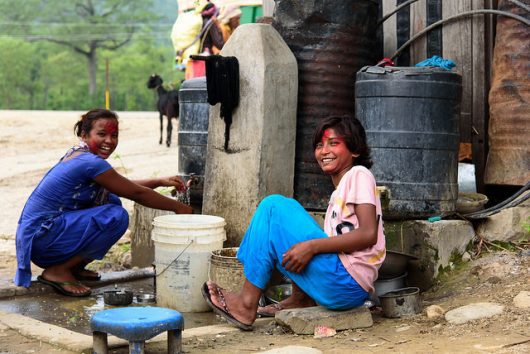
Karthala is one of the most active volcanoes on the island and has contributed significantly to the water pollution. Volcanic eruptions have allowed for the introduction of pollutants into the water supply, which has caused the water quality in Comoros to decline in years past. Karthala’s most recent eruptions – two in the past year and a half – have left the island covered in volcanic ash, which has polluted the water supply many in the country rely on.

Despite the extent of the pollution, the water quality in Comoros appears to be improving recently due to numerous programs introduced by the government. As a short-term solution, UNICEF has shipped millions of liters of drinking water into the nation until a more long term solution can be enacted. This action has brought fresh water to more than 150,000 people.

The government of Comoros has continued to work alongside UNICEF to create more long-term solutions to this issue. Together with UNICEF, the European Commission’s Humanitarian Aid Office has given $1.3 million to go toward cleaning more than 1,500 reservoirs. This is hugely beneficial, as many citizens use these reservoirs as their primary source of their drinking water.

Overall, the water quality in Comoros has suffered from the volcanic activity in the country; however, the continued efforts by both UNICEF and the government has had a significant effect on improving this issue. This work and its continuation should allow the citizens of Comoros to continue to have a fresh source of water.

– Nick Beauchamp

Photo: Flickr

September 1, 2017
https://borgenproject.org/wp-content/uploads/borgen-project-logo.svg 0 0 Borgen Project https://borgenproject.org/wp-content/uploads/borgen-project-logo.svg Borgen Project2017-09-01 07:30:462024-06-07 05:07:44Water Quality in Comoros
Global Poverty, Water Quality

Awareness Programs Needed to Improve Water Quality in Nepal

Water Quality in NepalA landlocked nation approximately the size of Illinois, Nepal is the poorest country in the Southeast Asia with as many people enjoying life as those living in abject poverty.

With less than half of the population of 27 million having access to safe drinking water, poor water quality in Nepal and an inadequate supply of water has a dismal cost: about 45,000 children below the age of five in the country die each year due to water sanitation problems. Forty-two percent of the population lives below the poverty line and only 27 percent have improved access to sanitation.

The average life expectancy of about 68 years for men and 71 years for women is correlated with a lack of health care, access to clean water, and abject poverty in the country despite improving conditions.

For instance, it is estimated that child mortality can be reduced by 55 percent if water quality and sanitation issues are addressed to avert the public health risk.

Nepal has seen an increased number of floods, droughts, hailstorms, landslides, and crop diseases. This has mainly affected the subsistence and livelihood of the poor with no way to combat the effects of climate change.

Eighty percent of Nepalese have access to drinking water, yet the water provided or gathered is often polluted.

Though 92 percent of households in the country’s rural areas have access to a drinking water source, microbial contamination in these waters means that water is unsafe for consumption. An assessment in mid-western Nepal found that 70 to 80 percent of the taps do not deliver safe drinking water.

The Kathmandu Valley, a UNESCO World Heritage site, has deteriorating surface and ground water due to natural and man-made contamination. Industry and domestic waste, the majority of which is produced from the capital city of Kathmandu, is commonly discharged into rivers and lakes. Water resources are also stressed due to a growing population and depleting natural water resources.

In 2016, doctors found an increasing number of waterborne diseases – such as diarrhea, dysentery, typhoid, gastroenteritis and cholera – in Kathmandu due to water contamination and a lack of proper hygiene.

Baburam Marasini, chief of Epidemiology and Disease Control Division under Department of Health Services, reported an “increase in the number of cases between 25 and 30 percent who [came] to visit hospitals suffering from diarrhea, typhoid and fever, mostly due to poor quality drinking water inside Kathmandu.”

Describing the unsafe conditions in rural areas, Marasini explained the causes for this increase. “The rains during the monsoon are responsible for outbreak of communicable water-borne diseases like cholera and diarrhoea in many rural villages,” he stated.

To improve the health and sanitation of the Nepalese, awareness programs are needed. The public has been said to lack awareness of the water sanitation issues, with some communities partaking in drinking contaminated water, failing to observe proper hygiene practices, and generally being unaware of waterborne diseases and their role in helping improve the water quality in Nepal.

Solar disinfection programs (SODIS) have been found to be an effective remedy to help improve water quality in Nepal. However, “heavy domestic and agricultural workloads, other cultural barriers, uncertainty about the necessity of treating the water, and lack of knowledge that untreated drinking water causes diarrhea” did not allow for a successful adoption of the SODIS program. Clearly, a more elementary awareness approach is needed.

Water quality in Nepal can be improved by making safe drinking water more available and accessible. Institutional coordination, public-private partnerships, low-cost technology like SODIS, establishment of water resource or awareness centers and educating people at the community level can all make a difference in sustaining human lives through the provision of safe, good quality water through the maintenance of a healthy water ecosystem.

– Mohammed Khalid

Photo: Flickr

August 24, 2017
https://borgenproject.org/wp-content/uploads/borgen-project-logo.svg 0 0 Borgen Project https://borgenproject.org/wp-content/uploads/borgen-project-logo.svg Borgen Project2017-08-24 07:30:452024-06-05 04:52:29Awareness Programs Needed to Improve Water Quality in Nepal
Global Poverty, Water Quality

Water Quality in Cyprus

Water Quality in CyprusCyprus is an island country in Europe that divided in 1974 when Turkey took over the north section of the country. The island then broke into numerous sections and was placed under the control of Turkish Cypriots and Greek Cypriots. To this day, the U.N. patrols the island to maintain peace.

The Cyprus economy depends heavily on its agricultural sector. In fact, Cyprus’s government found that the agrarian sector absorbs 69 percent of the country’s total water usage. However, due to the numerous years of light rainfall in the region, this segment of the country’s economy has suffered.


Is Water Quality The Real Issue?

In 2008, Cyprus had its fourth year of drought with little rainfall, which only got worse during the summer months of each year. In recent years, the situation has continued to worsen. Although the water quality in Cyprus is high, the volume of available water is low compared to what the country needs.

On top of the ongoing drought in the region, the Cypriot government has struggled to find alternative water sources for its citizens. Cyprus has a history of over-stressing groundwater resources. As a result, the country has met the ecological limit for how much water they can pull from the ground. This limit has reduced the water quality in Cyprus considerably.


Possible Solutions

The Cypriot government has been forced to implement measures to reduce water usage in the country. The government made a 25 to 30 percent cut to the domestic water supplies all throughout the country. With little amounts of rainfall and water cuts by the government continuing to be present, many farmers in the country struggle to make ends meet.

Another method the Cypriot government used was raising taxes for water consumption. The largest water users often receive bills of thousands of euros. This policy has resulted in many cutting back on water usage.

There is also a controversial plan to build a pipeline that will travel under the ocean from Turkey to Cyprus. This expensive project could provide large quantities of fresh water to the island.

It is clear that the overuse of water and prolonged drought has affected the water quality in Cyprus immensely. Although the Cypriot government has made efforts to reduce the amount of water consumed while it faces an ongoing drought, this policy is still not sustainable. New technologies must be created to solve the issue of limited water resources in Cyprus.

– Nick Beauchamp

Photo: Flickr

August 23, 2017
https://borgenproject.org/wp-content/uploads/borgen-project-logo.svg 0 0 Borgen Project https://borgenproject.org/wp-content/uploads/borgen-project-logo.svg Borgen Project2017-08-23 01:30:472024-05-28 00:15:55Water Quality in Cyprus
Global Poverty, Water Quality

Superior Water Quality in Liechtenstein

Water Quality in LiechtensteinThe principality of Liechtenstein, located between Austria and Switzerland, is known for its grand castles, alpine landscapes and beautiful views overlooking the Rhine. The Rhine makes up 27 kilometers of the country’s western border with Switzerland.

However, it is just one of the many rivers that flow through Liechtenstein. Because of this, water is incredibly important to the country, not only as a drinking and sanitation source but as a source of power for Liechtenstein’s several hydroelectric dams. Consequently, the water quality in Liechtenstein is among the best in the world.

In 2003, Liechtenstein adopted the Water Protection Act and the ordinances that went along with it. This included several regulations to maintain or improve the quality and quantity of groundwater. Among these regulations were spatial planning measures, ensuring that there are designated groundwater protection zones and clear rules as to the protection and use of said groundwater.

These ordinances also clearly detail the protocol if any water was to become polluted. This makes it easy to identify and solve any contamination issues as soon as they arise.

These regulations ensure the healthy exchange between groundwater and surface waters, which is crucial to the continued availability of drinking water and the many attractive recreational water sites that Liechtenstein boasts.

As part of the most recent Convention on Biodiversity, revisions to the initial Water Protection Act included aims to strengthen biodiversity in the area. Firstly, Liechtenstein clearly defines its “water spaces,” which allows for planning backup in the case of flooding and makes for better maintenance of ecological integrity. It also makes sure that these spaces are not used for agriculture or other building projects, which could seriously damage the water quality in Liechtenstein as a whole.

Clearly, Liechtenstein has demonstrated its commitment not only to preserving water quality but also to preserving biodiversity and the natural beauty of its many water sources. In this, Liechtenstein serves as a role model for all of Europe and, by extension, the world, by challenging us all to make water quality and conservation a priority.

– Audrey Palzkill

Photo: Flickr

August 23, 2017
https://borgenproject.org/wp-content/uploads/borgen-project-logo.svg 0 0 Borgen Project https://borgenproject.org/wp-content/uploads/borgen-project-logo.svg Borgen Project2017-08-23 01:30:192024-05-28 00:15:57Superior Water Quality in Liechtenstein
Page 14 of 16«‹1213141516›»

Get Smarter

  • Global Poverty 101
  • Global Poverty… The Good News
  • Global Poverty & U.S. Jobs
  • Global Poverty and National Security
  • Innovative Solutions to Poverty
  • Global Poverty & Aid FAQ’s
Search Search

Take Action

  • Call Congress
  • Email Congress
  • Donate
  • 30 Ways to Help
  • Volunteer Ops
  • Internships
  • Courses & Certificates
  • The Podcast
Borgen Project

“The Borgen Project is an incredible nonprofit organization that is addressing poverty and hunger and working towards ending them.”

-The Huffington Post

Inside The Borgen Project

  • Contact
  • About
  • Financials
  • President
  • Board of Directors
  • Board of Advisors

International Links

  • UK Email Parliament
  • UK Donate
  • Canada Email Parliament

Get Smarter

  • Global Poverty 101
  • Global Poverty… The Good News
  • Global Poverty & U.S. Jobs
  • Global Poverty and National Security
  • Innovative Solutions to Poverty
  • Global Poverty & Aid FAQ’s

Ways to Help

  • Call Congress
  • Email Congress
  • Donate
  • 30 Ways to Help
  • Volunteer Ops
  • Internships
  • Courses & Certificates
  • The Podcast
Scroll to top Scroll to top Scroll to top