• Link to X
  • Link to Facebook
  • Link to Instagram
  • Link to TikTok
  • Link to Youtube
  • About
    • About Us
      • President
      • Board of Directors
      • Board of Advisors
      • Financials
      • Our Methodology
      • Success Tracker
      • Contact
  • Act Now
    • 30 Ways to Help
      • Email Congress
      • Call Congress
      • Volunteer
      • Courses & Certificates
      • Be a Donor
    • Internships
      • In-Office Internships
      • Remote Internships
    • Legislation
      • Politics 101
  • The Blog
  • The Podcast
  • Magazine
  • Donate
  • Click to open the search input field Click to open the search input field Search
  • Menu Menu

Archive for category: USAID

Topics covering about USAID

Foreign Aid, Global Poverty, USAID

10 Facts About USAID That Everyone Should Know

10 Facts About USAIDThe United States Agency for International Development (USAID) is the world’s premier development organization. Founded in 1961, the agency has overseen decades of world economic growth and an unprecedented reduction in global poverty.
 

10 Important Facts About USAID:


  1. USAID is an independent agency of the U.S. federal government and operates subject to the guidance of the President, the Secretary of State and the National Security Council.
  2. USAID is the largest provider of food assistance in the world.
  3. USAID’s annual budget of $27 billion is larger than the national spending of 165 countries.
  4. Intervention by USAID is always subject to careful analysis to prevent disruption of local agricultural production, markets and adverse effects on recipient nation currencies.
  5. USAID’s budget, spending and programs are subject to oversight and auditing by the Office of Management and Budget in the White House, and the Government Accountability Office under the legislative branch. All of its budget and oversight documents are public record.
  6. USAID has made steady improvement in recent years in rankings by the International Aid Transparency Initiative, primarily due to better data management and increased technology modernization.
  7. As these 10 facts about USAID demonstrate, the organization’s mission involves much more than direct crisis aid. Besides food and disaster relief, USAID has major directives in health, human rights and governance, education, economic growth, agriculture and food security and gender equality.
  8. A significant number of countries have gone from recipients of USAID programs to become donor nations themselves. The Republic of Korea and Brazil are two prime examples.
  9. USAID’s spending accounts for less than one-half of one percent of the U.S. federal budget.
  10. After decades of change, in 2013 USAID launched a new mission statement for the 21st century built on two pillars: ending extreme poverty, and promoting democratic, resilient societies.

As a key pillar in development efforts worldwide, USAID is central to the history of this century, as the world stands on the cusp of some of its greatest humanitarian achievements while, at the same time, facing unprecedented ecological challenges. USAID is a leader and a massively experienced player in facing the world’s biggest problems. Strategies to improve aid and development around the world and to sustain progress into the future rely on these facts about USAID.

– Paul Robertson

Photo: Flickr

January 26, 2018
https://borgenproject.org/wp-content/uploads/borgen-project-logo.svg 0 0 Borgen Project https://borgenproject.org/wp-content/uploads/borgen-project-logo.svg Borgen Project2018-01-26 07:30:072024-05-29 22:38:5910 Facts About USAID That Everyone Should Know
Global Poverty, USAID, Women, Women and Female Empowerment

Womens’ Empowerment in Ethiopia

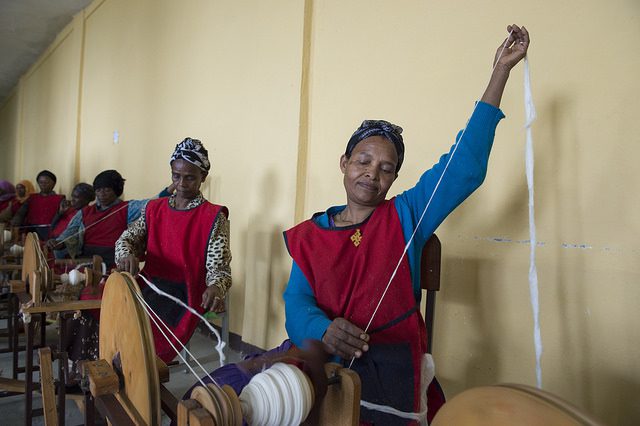
Women's Empowerment in EthiopiaEthiopia is an African country located on the east side of the continent. The country’s main persistent problem throughout the years has been poverty – it affects all citizens, but specifically affects the ones living in rural areas.
One reason for the prevalence of poverty is because Ethiopia’s economy is mostly based around agriculture and farming. Thus, whenever there is an occurrence of droughts, the population has to face hunger and a lack of basic resources to survive. Droughts have been very recurrent during the past few years in the country of Ethiopia.

Another increasingly severe problem in Ethiopia is the international trafficking of women and children. Along with it, domestic violence has been a recurrent problem that does not seem to be reducing with time.

Ethiopia’s constitution mentions how it provides equality for women, but the reality is that the application of this statement is sorely lacking. Most victims of abuse, rape, sexual assault or other criminal activities do not understand the legal procedures and rights that they have when going through the legal process. Thus, the victim’s ignorance along with the common belief in Ethiopia that husbands have the right to beat their wife creates an unsafe environment. Victims consider such acts as normal or understandable. Women’s empowerment in Ethiopia seems to be a concept that not even women in this African country are aware of.

The issue is that women’s inequality is an ancient problem that has not been resolved over time, as it has happened in other countries around the world. Thus, situations such as forced marriages and female genital mutilation are still taking place to this day.

Changing Ethiopian society’s view regarding women and children has – understandably – not proven to be an overnight process. The concept as a whole has been tackled by different organizations, including USAID, which has been a major advocate for womens’ empowerment in Ethiopia. Through talks, conventions, creating awareness and promoting reading clubs, women’s empowerment in Ethiopia grows every day a little more.

The Revolutionary Ethiopia Women’s Association (REWA) is an organization with up to five million members, which focuses on women’s rights in the African country. Reach for Change is another organization well known for its work towards women’s empowerment in Ethiopia. Whilst working directly with Ethiopian citizens, these organizations are working to create an awareness that will help make progress in empowering women in Ethiopia – something that has been a long time coming.

– Paula Gibson

Photo: Flickr

November 10, 2017
https://borgenproject.org/wp-content/uploads/borgen-project-logo.svg 0 0 Kim Thelwell https://borgenproject.org/wp-content/uploads/borgen-project-logo.svg Kim Thelwell2017-11-10 01:30:502024-05-29 22:29:12Womens’ Empowerment in Ethiopia
Aid, Global Poverty, USAID

USAID to Help Salvadorans with Youth Education Programs

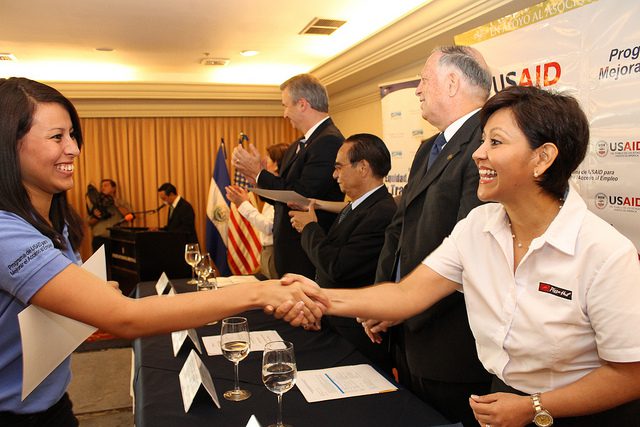
Help SalvadoransThe U.S. Agency for International Development (USAID) is providing job training to equip Salvadorans with skills they can use for future employment and economic opportunities. Larry Sacks, the former USAID and El Salvador Mission Director, was in El Salvador in 1999 and was fearful of the violence that he experienced. He became aware that many Salvadorans are threatened by similar violence every day, and has since been part of USAID initiatives to help Salvadorans.
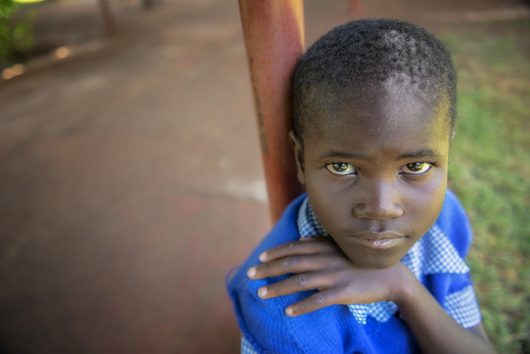
Youth are the primary victims of violence in El Salvador. Furthermore, many young people have a hard time accessing basic healthcare. Due to the low quality and limited access to basic health services, 41 percent of the HIV/AIDS cases in El Salvador are among young people age 15 to 19.

Poverty, along with the lack of education and job opportunities, forces youth to migrate across international borders to seek better opportunities. Most make their way to the United States,  however many enter illegally. As a result, they have limited access to healthcare and social security in the U.S. as well. This puts young adults at a higher risk of becoming a part of youth gangs, participating in criminal activities and substance abuse.

USAID provides aid that will help Salvadorans thrive, eliminating the need for high rates of migration to other states. USAID is partnering with the government of El Salvador, the Ministry of Education, private sector partners and higher education institutions in both the U.S. and El Salvador.

The activities provided are directed towards young adults at the lower secondary level, grades seven to nine, as they are most susceptible to dropping out of school and most vulnerable to joining gangs.

The education programs that USAID has provided in El Salvador, particularly in high-crime areas, help to keep more than 100,000 youth in school. By providing young Salvadorans with education and a safe environment, they are less likely to join gangs. Further, with USAID’s new programs, over 20,000 youth have now received job training.

– Chloe Turner

Photo: Flickr

November 1, 2017
https://borgenproject.org/wp-content/uploads/borgen-project-logo.svg 0 0 Borgen Project https://borgenproject.org/wp-content/uploads/borgen-project-logo.svg Borgen Project2017-11-01 01:30:122019-12-29 18:20:32USAID to Help Salvadorans with Youth Education Programs
Malaria, USAID

US President’s Malaria Initiative Adds Four New Countries

U.S. President's Malaria Initiative Expands to Include Four New CountriesOn September 21, the United States Agency for International Development (USAID) announced that its President’s Malaria Initiative would expand to include four new countries: Cameroon, Cote d’Ivoire, Niger and Sierra Leone.

The President’s Malaria Initiative, which was initially launched in 2005 by USAID, works diligently to decrease the incidence of malaria-related deaths and increase malaria prevention and treatment programs predominately in Sub-Saharan Africa. With the addition of the newly developed programs, the initiative currently works in 24 different countries in Sub-Saharan Africa.

According to USAID, the initiative’s expansion will help approximately 332 million people in order to fight the spread of malaria.

The Center for Disease Control reported in 2015 that the initiative works with other agencies such as the World Bank, UNICEF and non-governmental organizations in order to combat malaria more efficiently.

The initiative is dedicated to providing malaria prevention programs to those at the greatest risk for suffering from malaria-related deaths such as pregnant women and young children. Such interventions include “intermittent preventive treatment for pregnant women” and “indoor residual spraying with an approved insecticide.”

Also, the initiative works closely with the Sub-Saharan African countries in order to address other factors that increase one’s risk of contracting malaria. For instance, the initiative helps with reinforcing infrastructure in developing countries; political instability is oftentimes linked to negative health outcomes.

USAID reported in 2016 that more than six million lives have been saved through the initiative; however, the initiative still has a vast amount of work to do. Malaria spreads quickly in Sub-Saharan African countries, and there is a large number of susceptible pregnant women and children in such countries that need immediate care. The inclusion of four new countries is promising, but President Donald Trump’s fiscal year 2018 budget seems to tell a different story.

The Council on Foreign Relations stated in April 2017 that President Trump’s fiscal year 2018 budget “calls for deep cuts to foreign assistance programs,” which is immensely troublesome.

Programs like the President’s Malaria Initiative are able to thrive and help more people with necessary funds, so it is imperative that the United States government stays on track to further developing this initiative.

– Emily Santora

Photo: Flickr

October 22, 2017
https://borgenproject.org/wp-content/uploads/borgen-project-logo.svg 0 0 Borgen Project https://borgenproject.org/wp-content/uploads/borgen-project-logo.svg Borgen Project2017-10-22 07:30:332024-05-29 22:27:42US President’s Malaria Initiative Adds Four New Countries
Aid, Global Health, Global Poverty, USAID

72nd UNGA Establishes Key Goals and Aid

US Participation in 72nd UNGAThe annual General Debate of the 72nd Regular Session of the United Nations General Assembly (UNGA) was held at the U.N. Headquarters in New York City from September 19-25, 2017. This debate is a stage for world leaders to gather in discussion about the most vital global issues. The theme of the General Debate was “Focusing on People: Striving for Peace and Decent Life for All on a Sustainable Planet,” which is fitting for the state of our world today.
As the main deliberative, policymaking and representative organ of the U.N., the General Assembly provides a unique forum for universal discussion on the full spectrum of international issues. U.S. Agency for International Development (USAID) administrator Mark Green met with bilateral and multinational partners at the 72nd UNGA General Debate to discuss U.S. priorities in a number of key areas.

Development
As a major component of the U.S. approach to foreign affairs and national security strategy, development was a large focus of many of Administrator Green’s meetings at the 72nd UNGA. Representatives from all over the world met with Administrator Green to discuss the shared vision for increased efforts towards development assistance.

Specifically, Administrator Green met with European Commissioner for International Cooperation and Development Neven Mimica to discuss the importance of their cooperation in delivering development assistance that builds long-term resilience. The administrator and the commissioner discussed the possibility of financing future development projects through the new European Union External Investment Fund.

Administrator Green also met with Isabella Lövin, Minister for International Development Cooperation and Climate of the Kingdom of Sweden. The two agreed on the growing need to promote long-term development through building the capacity of national institutions and civil-society organizations to foster durable and self-reliant communities.

Global Health
Administrator Green announced that the U.S. President’s Malaria Initiative (PMI), led by USAID and the U.S. Centers for Disease Control and Prevention, will launch new programs in west and central Africa, including Cameroon, Côte D’Ivoire, Niger, Sierra Leone and Burkina Faso. More than 480 million people at risk of malaria have already benefited from existing PMI programs and this new expansion is estimated to benefit 90 million more.

Additionally, Administrator Green reaffirmed the U.S. commitment to global health programs at the World Health Organization and Stop TB Partnership reception at the 72nd UNGA. Green referred to eradicating tuberculosis as not a challenge of technology or intellect but rather a challenge of political will. The U.S. invests over $240 million each year through bilateral tuberculosis programs and partners with governments in 22 high-risk countries; however, Administrator Green highlighted the need for more partnerships and assistance in order to eradicate tuberculosis.

Humanitarian Aid
Administrator Green announced nearly $264 million in additional humanitarian aid for the people of Iraq. This new money brings the total of U.S. government humanitarian aid in Iraq to nearly $1.7 billion since 2014. The assistance will benefit the people of Iraq by providing food, water, hygiene kits, sanitation, shelter, basic health care and medicines.

Just one day later, the U.S. announced more than $575 million in additional humanitarian aid for those affected by famine and violence in Yemen, South Sudan, Nigeria and Somalia. U.S. humanitarian aid in these four countries now totals $2.5 billion since the beginning of this year.

Although Administrator Green announced almost $1 billion in additional humanitarian aid in less than 48 hours, he noted that “humanitarian assistance, we all know, alone will not solve these crises.” Green reiterated the need for long-term political solutions that can only result from a common agenda for bilateral and multinational support.

Crisis Management
Administrator Green declared the U.S. commitment to pursuing political solutions to the massive displacement and victimization of people in the Rakhine State of Burma, the rampant violence in South Sudan, and the public health crises in Nigeria, Syria, and Yemen. With the world facing the greatest humanitarian crisis since 1945, Administrator Green met with many leaders to discuss paths to peace, stability and prosperity.

Canadian Minister for International Development Marie-Claude Bibeau and Administrator Green discussed tactics to combat corruption and promote transparency amid crisis resolution. Administrator Green also met with Secretary of State for the Department of International Development of the United Kingdom Priti Patel, where they noted the potential for much-needed increased bilateral cooperation in the wake of unprecedented crises.

In addition to the U.S. priorities above, Administrator Green addressed and discussed a variety of other priorities. The General Assembly is a unique platform for the discussion of issues that affect our world on a global scale, as it is the only one of the six principal organs of the United Nations in which all 193 member nations have equal representation. Although the world faces global challenges, each meeting and address at the 72nd UNGA alludes to global solutions.

– Jamie Enright

Photo: Flickr

October 15, 2017
https://borgenproject.org/wp-content/uploads/borgen-project-logo.svg 0 0 Kim Thelwell https://borgenproject.org/wp-content/uploads/borgen-project-logo.svg Kim Thelwell2017-10-15 01:30:402024-06-11 23:16:5072nd UNGA Establishes Key Goals and Aid
Global Poverty, USAID

How to Help People in Timor-Leste

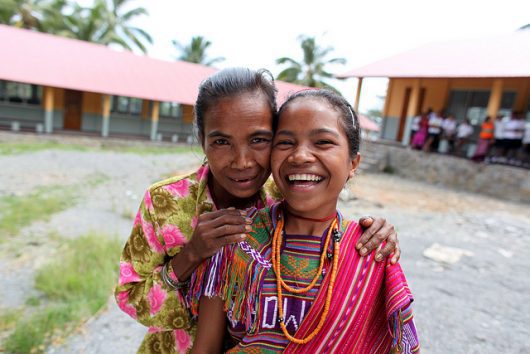
How to Help People in Timor-LesteTimor-Leste is a Southeast Asian country home to about 1.1 million people. The country is currently in a transitional period, recovering from political instability that occurred from 2006 to 2007. Progress has been made: since Timor-Leste’s 2002 independence, infant and child mortality have decreased by 50 percent, gains have been made in health and education and state institutions and democratic processes have strengthened. However, poverty in Timor-Leste is still high, particularly in rural areas. Here are a couple of ways to help people in Timor-Leste during this crucial post-conflict period.
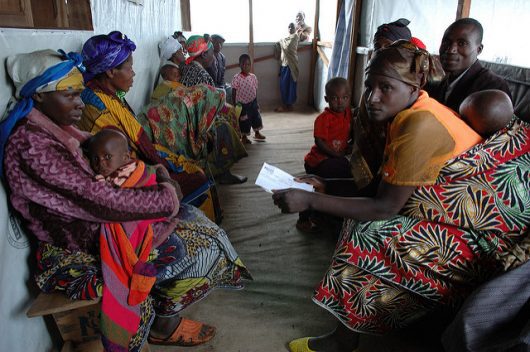
1. Support NGOs working for the people of Timor-Leste
Nongovernmental Organizations (NGOs) are working to advance social and economic causes. CARE Australia is working to decrease the country’s 35 percent literacy rate and they are also working to improve maternal health in under-resourced rural communities. Oxfam Australia is also working to lift rural communities out of poverty through efforts to improve food security, essential services and infrastructure development. Peace Fund Timor-Leste collaborates and funds NGOs that focus on peace-building activities in the youth development area. Using these organizations as examples, a great way to help the people of Timor-Leste is to research more organizations, evaluate their impact and donate or volunteer your time.

2. Call Congress
United States Agency for International Development (USAID) is doing essential work in Timor-Leste. They’ve deployed USAID community police officers to 442 villages to contribute to post-independence stability. USAID is also working to improve the skills of the Ministry of Health staff in reproductive, maternal and newborn health; Timor-Leste still has the highest maternal and under five mortality rates in Southeast Asia. USAID also assists in increasing farm income and improving nutrition for rural households throughout the nation. USAID has been working in Timor-Leste since the early 1980s, with both the government and other development partners; in the fiscal year 2016, the agency spent about $14 million in Timor-Leste. As of now, the 2017 fiscal budget is still under debate and USAID may be at risk of receiving budget cuts. One way to help is to contact Congress and urge them to protect the international affairs budget, particularly for the country of Timor-Leste.

On average, post-conflict countries take between 15 and 30 years to transition into stability. Considering this, Timor-Leste has made excellent progress thus far; however, there is still work to be done. The people of Timor-Leste deserve to live in a resilient nation where economic stability, political rights and social welfare are guaranteed to its citizens.

– Hannah Seitz

Photo: Flickr

September 29, 2017
https://borgenproject.org/wp-content/uploads/borgen-project-logo.svg 0 0 Kim Thelwell https://borgenproject.org/wp-content/uploads/borgen-project-logo.svg Kim Thelwell2017-09-29 01:30:312024-06-05 02:36:40How to Help People in Timor-Leste
Gender Equality, Global Poverty, Health, Human Rights, USAID

Reproductive Health App for Youth in Rwanda

Health App for Youth in Rwanda

Tantine is an app that has been developed for youth in Rwanda. It was created by Sylvie and Sylvain Muzungu Uhirwa to tackle the issue of lack of reproductive and sexual health information. A barrier to sexual and reproductive health information has teens in Rwanda vulnerable to unintended pregnancies and diseases, which can hinder their ability to complete their education as well as find stable employment in the future.

Sylvie and Sylvain Uhirwa are twin medical students at the University of Rwanda who originally won the Youth Spark Innovation Grant in 2015. This grant is an initiative from the Resilient Africa Network in Partnership with USAID and the Makerere University School. It has helped them to build a website containing reproductive health information as well as youth mentorship opportunities.

As one of four initiatives chosen at the iAccelerator challenge 2017, the pair received $10,000 to further develop Tantine. Half of the funds went to developing the Android app and website content, as well as to continue to advance and develop the platform.

The app was recently shared in the Mahama camp of 50,000 Burundian refugees. The app for youth in Rwanda, specifically in the camp, gives reproductive health information via the web. Tantine works with a medical professional and psychological team to deliver this education, mentorship and counseling services.

Sylvie has stated that members in the camp do not have consistent access to wi-fi and do not own smartphones, so “…that’s why we thought of bringing those tablets and establishing a centre where they come and then access the internet in the camp. So we are going to equip them with those tablets and then a router with wi-fi.”

Therese Karugwiza, a gender and human rights program specialist at UNFPA, has stressed the importance of Tantine also targeting youth who may not be in school, as it is crucial that they also have access to this information. By taking Karugwiza’s account into consideration, the Uhirwa twins are putting Rwandan youth on a multimodal track to better reproductive health.

– Gabriella Paez

Photo: Flickr

September 28, 2017
https://borgenproject.org/wp-content/uploads/borgen-project-logo.svg 0 0 Kim Thelwell https://borgenproject.org/wp-content/uploads/borgen-project-logo.svg Kim Thelwell2017-09-28 01:30:562020-07-16 21:42:58Reproductive Health App for Youth in Rwanda
Education, Government, USAID

Five USAID Programs That Improve Lives

USAID Programs

United States Agency of International Development (USAID) is a U.S. government agency that provides assistance to over 100 foreign countries to better human rights, poverty, global health and much more. USAID has been around for over 50 years, implementing different programs to help countries in need. Here are five USAID programs that have been implemented to improve lives around the globe.

1. All Children Reading

All Children Reading is a USAID program that is aimed at improving the quality of education for primary grade students. Through this program, students gain access to better materials and quality teaching. At the same time, teachers are taught how to better maximize their classroom time, as well as understand the importance of early learning.

Thus far, USAID has had success in Kenya, Malawi and the Philippines through these reading programs that have been implemented. For example, USAID worked with the Kenyan government to create the national Tusome initiative. This initiative has reached over 1.1 million students and helped teach them invaluable basic reading skills.

2. Neglected Tropical Diseases Program

The Neglected Tropical Diseases (NTD) program is one that focuses on developing cures for tropical diseases as well as providing access to these cures. USAID has partnered with many organizations and government agencies to be able to provide the necessary resources to help eradicate these diseases.

Five diseases that the NTD program focuses on are lymphatic filariasis, trachoma, onchocerciasis, schistosomiasis and soil-transmitted helminths. These diseases tend to affect the poor and marginalized populations; therefore, by making safe and cost-effective medication available, it can lead to better control of these tropical diseases.

3. Food for Peace

The Food for Peace (FFP) Act, as it was later known, was originally signed into law by President Eisenhower in 1954. Because of this, over three billion hungry people have been helped in the 60 years that the Food for Peace program has been operating.

The FFP works hard to predict and react to hunger issues overseas. It has developed many emergency programs that have helped to save lives and support early recovery in times of disaster. The FFP also implements development activities to help reduce food insecurity in vulnerable populations.

4. American Schools and Hospitals Abroad

USAID’s Office of American Schools and Hospitals Abroad (ASHA) provides assistance to schools and hospitals in other countries to serve as study centers for western medical ideas and practices. Through the ASHA program, USAID has provided assistance to over 300 institutions in 80 countries around the world.

Through this program, USAID is able to directly contribute to U.S. foreign diplomacy. USAID is able to provide opportunities to access quality education in parts of the world where it may not have been available before.

5. Child Survival and Health Grants Program

The Child Survival and Health Grants Program (CSHGP) is one that has helped reduce mother, child and infant mortality in about 24 countries around the world thus far. USAID, along with its 20 partners, focuses on high priority countries to provide funding in order to reduce these high numbers of mortalities.

Through community-oriented approaches, USAID also works with non-government organizations and ministries of health to solve the challenges that come with reducing mother, child and infant mortality rates. Many of these solutions are made specifically for local contexts; however, major concepts can be taken and implemented on a larger scale around the globe.

While USAID has implemented many other programs that help with global health, reducing poverty and increasing access to education, these five USAID programs have had a significantly large impact on the world. USAID continues to fight for those without a voice and develop new solutions to help those in need.

– Rebekah Covey
Photo: Flickr

September 21, 2017
https://borgenproject.org/wp-content/uploads/borgen-project-logo.svg 0 0 Kim Thelwell https://borgenproject.org/wp-content/uploads/borgen-project-logo.svg Kim Thelwell2017-09-21 01:30:202024-12-13 17:58:28Five USAID Programs That Improve Lives
Global Poverty, USAID

USAID’s Power Africa Initiative: Electricity for Rural Africans

USAID's Power Africa Initiative

Within the entire continent of Africa, 57 percent of people have no access to electricity. In places like South Sudan, that percentage skyrockets to 97 percent. Power Africa, an initiative started by the USAID, is working to change this.

Power Africa has the goal of adding over 30,000 megawatts of clean energy capacity to African homes and businesses. These goals are achieved through partnerships with American private businesses. Power Africa works to facilitate private sector transactions and cultivate optimal investment climates. These partnerships help to further African development while saving U.S. taxpayer dollars and creating jobs here at home.

More specifically, as Power Africa notes in its annual report, “Applying U.S. Government resources in support of U.S. business growth in Africa, Power Africa has a hand in developing multi-million and billion dollar projects that are producing returns for U.S. investors and supporting job growth at home.”

So, far Power Africa has added 7,200 megawatts of energy. This means that 53 million people have access to electricity today who did not have access prior to the launch of the initiative. By 2020, that number is expected to more than double.

The work Power Africa is doing is vital. Access to electricity can be viewed as a stepping stone to lasting development. With electricity, people can run more efficient businesses, provide better health care and improve education for citizens. And the simple act of providing a community with electricity can be hugely empowering.

This is especially apparent in the story of Regina Tembo, a Zambian woman who is the manager of her local micro-grid. Members of Tembo’s community can purchase electricity from her. Tembo makes sure that her neighbors and local businesses are provided energy tailored to their needs. Not only is she providing her fellow Zambians with much-needed electricity, but Tembo also feels empowered. “Being a Standard Microgrid Manager has increased my status in the community and enabled me to share knowledge with people in different countries,” she told USAID.

Of course, Power Africa still has a long way to go. In the near future, Power Africa hopes to provide larger systems, like micro-grids and solar home systems. These systems allow people to power larger appliances.

USAID’s Power Africa goals may be ambitious, but they’re achievable. Building a brighter Africa will help to reduce poverty, increase development and create jobs here at home.

– Adesuwa Agbonile

Photo: Flickr

September 19, 2017
https://borgenproject.org/wp-content/uploads/borgen-project-logo.svg 0 0 Borgen Project https://borgenproject.org/wp-content/uploads/borgen-project-logo.svg Borgen Project2017-09-19 01:30:392024-05-28 00:16:31USAID’s Power Africa Initiative: Electricity for Rural Africans
Foreign Aid, Global Poverty, USAID

7 Facts About Mark Green, USAID’s Administrator

Mark GreenOn August 7th, Mark Andrew Green became the 18th administrator of the U.S. Agency for International Development. USAID is the part of the executive branch responsible for furthering international development.

As Administrator, Mark Green is responsible for leading this charge. His vision of international development has the potential to affect the lives of millions of the global poor. With that in mind, it’s important that we know who exactly he is. Here are the 7 most important things to know about Mark Green.

  1. He used to be a member of Congress. Mark Green was a member of the U.S. House of Representatives from 1999 through 2007. He represented Wisconsin’s 8th Congressional District. This is good news. It means that Green understands the ins and outs of politics and advocacy.
  2. He has a track record of supporting international aid. While serving as a representative, Mark Green voted consistently in support for international development. He was a member of the Congressional Human Rights Caucus. And he co-sponsored the Hunger to Harvest bill, which aimed to reduce hunger in sub-Saharan Africa.
  3. He has been an aid-worker himself. After graduating college, Mark Green and his wife taught English to rural Kenyans through WorldTeach. In his congressional testimony, Green reiterated how much this experience shaped his worldview, and how it will shape is work as an Administrator.
  4. He was the Ambassador to Tanzania. After serving as a representative, Mark Green served as an Ambassador from 2007-2009. He oversaw President George W. Bush’s first visit to Tanzania. According to Mark Green himself, his tenure as Ambassador taught him “lessons too numerous to count.” His experience in the international makes his leadership as an Administrator trustworthy and reputable.
  5. He’s worked in the private sector. After his ambassadorship, Mark Green remained involved in international development. Green served on the board of directors for Malaria No More and the Millennium Challenge Corporation. Most recently, Green was president of the International Republican Institute. Notably, all the organizations Green has been a part of have one important thing in common. They focus on development with the end goal of making donor countries self-sufficient.
  6. He has bipartisan support. Mark Green served as a Republican representative, but he has support from both sides of the aisle. Senator Tammy Baldwin, a Democrat from Wisconsin, praised him during his confirmation hearing. “He has the deep personal passion and commitment to do this job as shown through years of work in advancing our common good on the international stage,” Senator Baldwin said. And Mark Green himself promised during his confirmation hearing to “work in [a] bipartisan spirit.”
  7. He is knowledgeable about aid. Simply put, Mark Green understands what makes good aid policy. He consistently said that “the purpose of foreign assistance should be ending its need to exist.” In other words, Green’s goal at USAID is to end global poverty. Ensure that the world’s poor stop needing aid. And he has been clear in the steps he will take to steer USAID towards achieving this lofty goal. Specifically, he’s called for USAID to “incentivize reform, diversify our partner base,” and “foster local capacity-building” within partner countries.

You may never have heard of Mark Green. USAID doesn’t often make the front pages of newspapers. But that doesn’t make the work that Green and USAID are doing any less important. And under the leadership of Mark Green, USAID is sure to keep on helping millions of people.

– Adesuwa Agbonile

Photo: Google/span>

September 11, 2017
https://borgenproject.org/wp-content/uploads/borgen-project-logo.svg 0 0 Kim Thelwell https://borgenproject.org/wp-content/uploads/borgen-project-logo.svg Kim Thelwell2017-09-11 01:30:592024-12-13 17:58:277 Facts About Mark Green, USAID’s Administrator
Page 19 of 33«‹1718192021›»

Get Smarter

  • Global Poverty 101
  • Global Poverty… The Good News
  • Global Poverty & U.S. Jobs
  • Global Poverty and National Security
  • Innovative Solutions to Poverty
  • Global Poverty & Aid FAQ’s
Search Search

Take Action

  • Call Congress
  • Email Congress
  • Donate
  • 30 Ways to Help
  • Volunteer Ops
  • Internships
  • Courses & Certificates
  • The Podcast
Borgen Project

“The Borgen Project is an incredible nonprofit organization that is addressing poverty and hunger and working towards ending them.”

-The Huffington Post

Inside The Borgen Project

  • Contact
  • About
  • Financials
  • President
  • Board of Directors
  • Board of Advisors

International Links

  • UK Email Parliament
  • UK Donate
  • Canada Email Parliament

Get Smarter

  • Global Poverty 101
  • Global Poverty… The Good News
  • Global Poverty & U.S. Jobs
  • Global Poverty and National Security
  • Innovative Solutions to Poverty
  • Global Poverty & Aid FAQ’s

Ways to Help

  • Call Congress
  • Email Congress
  • Donate
  • 30 Ways to Help
  • Volunteer Ops
  • Internships
  • Courses & Certificates
  • The Podcast
Scroll to top Scroll to top Scroll to top