• Link to X
  • Link to Facebook
  • Link to Instagram
  • Link to TikTok
  • Link to Youtube
  • About
    • About Us
      • President
      • Board of Directors
      • Board of Advisors
      • Financials
      • Our Methodology
      • Success Tracker
      • Contact
  • Act Now
    • 30 Ways to Help
      • Email Congress
      • Call Congress
      • Volunteer
      • Courses & Certificates
      • Be a Donor
    • Internships
      • In-Office Internships
      • Remote Internships
    • Legislation
      • Politics 101
  • The Blog
  • The Podcast
  • Magazine
  • Donate
  • Click to open the search input field Click to open the search input field Search
  • Menu Menu
Blog - Latest News
Global Poverty

10 Things You Didn’t Know About Poverty in Rwanda
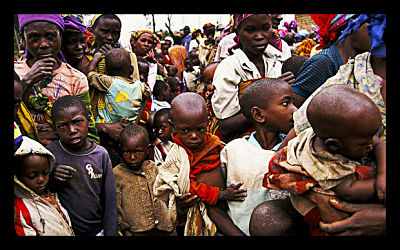
10 Things You Didn’t Know About Poverty in Rwanda
Rwanda has made vast improvements in reducing poverty in the past decade. Nevertheless, the majority of their population lives below the poverty line. Discussed below are the leading and somewhat surprising facts about poverty in Rwanda.


Top 10 Facts About Poverty in Rwanda


The Bad News

1.  57% of Rwandans live below the poverty line and 37% live in extreme poverty.

2. Rwanda is the most densely packed country in Africa. With an annual population growth rate of around 3%, the population will have an additional 12 million people by 2015.

3. The 1994 genocide, which killed about 1 million people, changed the demographic structure of the country. Women now account for 54% of the population, and women and orphans were left as the heads of many households.

4. 44% of Rwandan children suffer from stunting. This means that they are unable to grow to their full potential because of a lack of adequate nutrition.

5. Agriculture employs 80% of the labor force, but only accounts for a third of the country’s GDP. Nearly half of Rwandan agricultural households experience food insecurity.


…The Good News

6. At least 1 million Rwandans have been lifted out of poverty in the last five years. This has been attributed to an increase in agricultural incomes and income transfers.

7.  Between 2006-2011, Rwanda posted an average annual growth of real GDP of 8.4%. This was driven mainly by higher productivity in the agricultural and industrial sectors.

8. Since 2005 the mortality rate of children under 5 has been halved from 152 to 76 deaths per thousand.

9.  Immediately following the genocide, 100 percent of the government budget came from foreign aid. In 2011, the figure had fallen to 40%.

10. Participation in secondary schooling has doubled since 2006, and primary education has far exceeded the set target.

Rwanda still has a long way to go, but the recent successes provide hope for the 10 million people living within its borders. A combination of government programs, foreign aid, and a continued focus on agricultural production promises to bring more and more people out of poverty in Rwanda every day.

– Kathryn Cassibry

Sources: World Bank, Rural Poverty, Feed the Future, UNDP
Photo: The Telegraph

June 27, 2013
Share this entry
  • Share on Facebook
  • Share on X
  • Share on WhatsApp
  • Share on Pinterest
  • Share on LinkedIn
  • Share on Tumblr
  • Share on Vk
  • Share on Reddit
  • Share by Mail
https://borgenproject.org/wp-content/uploads/borgen-project-logo.svg 0 0 Borgen Project https://borgenproject.org/wp-content/uploads/borgen-project-logo.svg Borgen Project2013-06-27 06:29:242024-12-13 17:49:2510 Things You Didn’t Know About Poverty in Rwanda

Get Smarter

  • Global Poverty 101
  • Global Poverty… The Good News
  • Global Poverty & U.S. Jobs
  • Global Poverty and National Security
  • Innovative Solutions to Poverty
  • Global Poverty & Aid FAQ’s
Search Search

Take Action

  • Call Congress
  • Email Congress
  • Donate
  • 30 Ways to Help
  • Volunteer Ops
  • Internships
  • Courses & Certificates
  • The Podcast
Borgen Project

“The Borgen Project is an incredible nonprofit organization that is addressing poverty and hunger and working towards ending them.”

-The Huffington Post

Inside The Borgen Project

  • Contact
  • About
  • Financials
  • President
  • Board of Directors
  • Board of Advisors

International Links

  • UK Email Parliament
  • UK Donate
  • Canada Email Parliament

Get Smarter

  • Global Poverty 101
  • Global Poverty… The Good News
  • Global Poverty & U.S. Jobs
  • Global Poverty and National Security
  • Innovative Solutions to Poverty
  • Global Poverty & Aid FAQ’s

Ways to Help

  • Call Congress
  • Email Congress
  • Donate
  • 30 Ways to Help
  • Volunteer Ops
  • Internships
  • Courses & Certificates
  • The Podcast
Link to: Zainab Salbi and Women for Women International Link to: Zainab Salbi and Women for Women International Zainab Salbi and Women for Women International Link to: Birth Rates and Poverty in Niger Link to: Birth Rates and Poverty in Niger Birth Rates and Poverty in Niger
Scroll to top Scroll to top Scroll to top