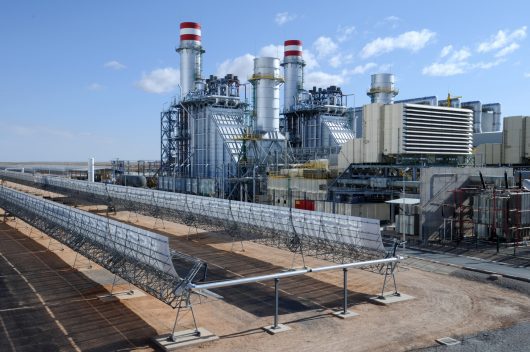
Within the entire continent of Africa, 57 percent of people have no access to electricity. In places like South Sudan, that percentage skyrockets to 97 percent. Power Africa, an initiative started by the USAID, is working to change this.
Power Africa has the goal of adding over 30,000 megawatts of clean energy capacity to African homes and businesses. These goals are achieved through partnerships with American private businesses. Power Africa works to facilitate private sector transactions and cultivate optimal investment climates. These partnerships help to further African development while saving U.S. taxpayer dollars and creating jobs here at home.
More specifically, as Power Africa notes in its annual report, “Applying U.S. Government resources in support of U.S. business growth in Africa, Power Africa has a hand in developing multi-million and billion dollar projects that are producing returns for U.S. investors and supporting job growth at home.”
So, far Power Africa has added 7,200 megawatts of energy. This means that 53 million people have access to electricity today who did not have access prior to the launch of the initiative. By 2020, that number is expected to more than double.
The work Power Africa is doing is vital. Access to electricity can be viewed as a stepping stone to lasting development. With electricity, people can run more efficient businesses, provide better health care and improve education for citizens. And the simple act of providing a community with electricity can be hugely empowering.
This is especially apparent in the story of Regina Tembo, a Zambian woman who is the manager of her local micro-grid. Members of Tembo’s community can purchase electricity from her. Tembo makes sure that her neighbors and local businesses are provided energy tailored to their needs. Not only is she providing her fellow Zambians with much-needed electricity, but Tembo also feels empowered. “Being a Standard Microgrid Manager has increased my status in the community and enabled me to share knowledge with people in different countries,” she told USAID.
Of course, Power Africa still has a long way to go. In the near future, Power Africa hopes to provide larger systems, like micro-grids and solar home systems. These systems allow people to power larger appliances.
USAID’s Power Africa goals may be ambitious, but they’re achievable. Building a brighter Africa will help to reduce poverty, increase development and create jobs here at home.
– Adesuwa Agbonile
Photo: Flickr
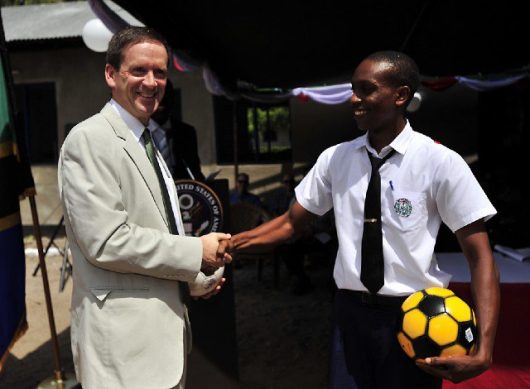 On August 7th, Mark Andrew Green became the 18th administrator of the
 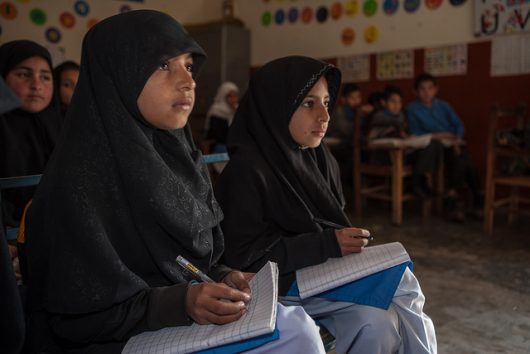 With an estimated 22.6 million children (aged 5 to 16) out of school,
 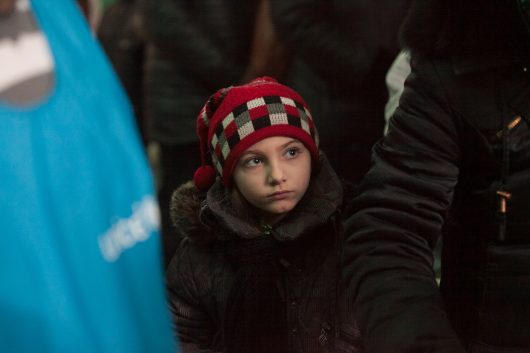 When the topic of foreign aid comes up it is common to see headlines such as “USAID brings relief to Haitians after the occurrence of Hurricane Matthew,” but what exactly is this acronym? USAID is a government-funded agency that works to make the lives of millions of people easier.
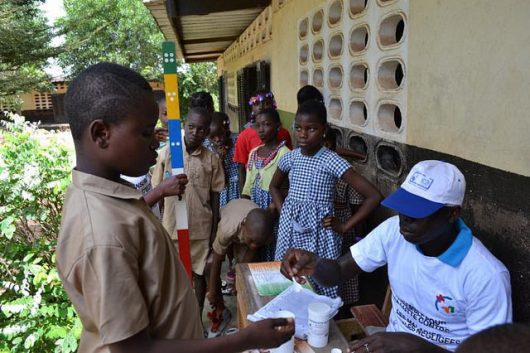 Prevalent in more than 149 countries, Neglected Tropical Diseases (NTDs) are a range of
 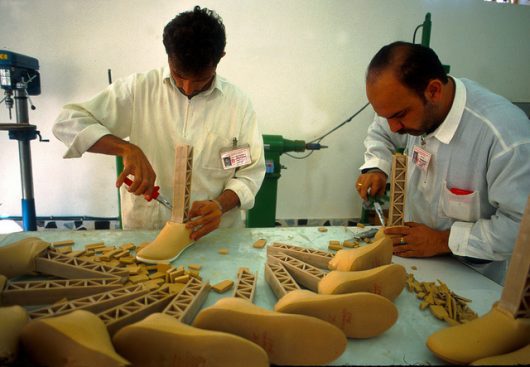 As fighting continues in cities like Mosul, which formerly served as a strong base for the so-called Islamic State (ISIS), there is a growing need to rebuild newly liberated areas and infrastructure for stability in Iraq. In an effort to address this, recent pledges were declared by the United States Agency for International Development (USAID) for an additional $150 million in funds to go to the United Nations Development Program (UNDP). This brings the total U.S. contribution to stability in Iraq to $265.3 million.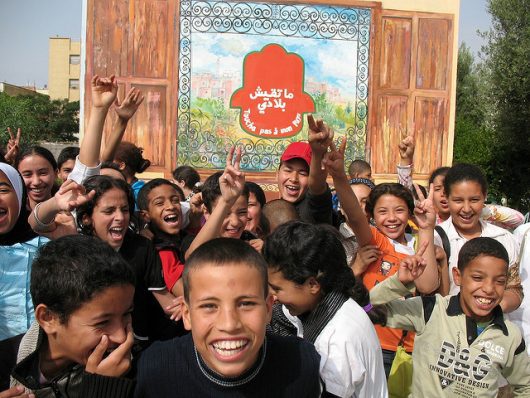
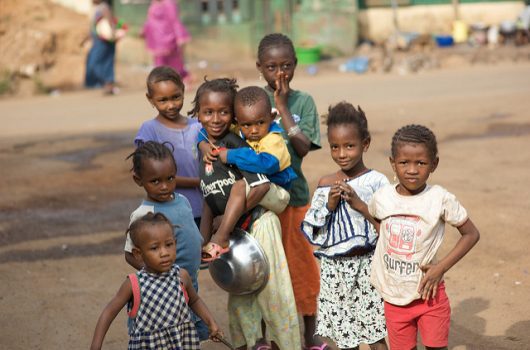
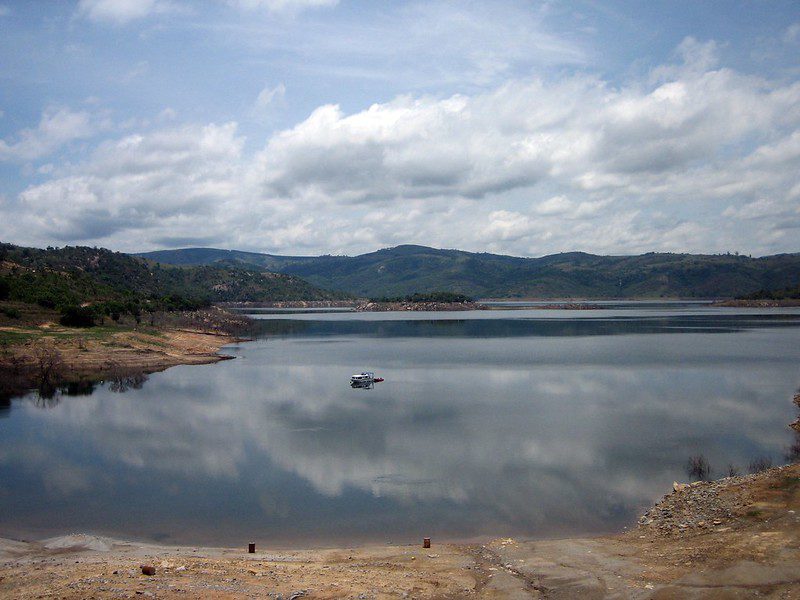 Swaziland is a small landlocked country in southern Africa that borders South Africa and Mozambique. The country is known for having the highest rate of HIV/AIDS prevalence in the world. Most of the country’s 1.3 million inhabitants live in poverty, with 69 percent of people being below the poverty line. The water quality in Swaziland remains unsafe for a large part of the population.
 Mindanao Youth Development (