• Link to X
  • Link to Facebook
  • Link to Instagram
  • Link to TikTok
  • Link to Youtube
  • About
    • About Us
      • President
      • Board of Directors
      • Board of Advisors
      • Financials
      • Our Methodology
      • Success Tracker
      • Contact
  • Act Now
    • 30 Ways to Help
      • Email Congress
      • Call Congress
      • Volunteer
      • Courses & Certificates
      • Be a Donor
    • Internships
      • In-Office Internships
      • Remote Internships
    • Legislation
      • Politics 101
  • The Blog
  • The Podcast
  • Magazine
  • Donate
  • Click to open the search input field Click to open the search input field Search
  • Menu Menu

Archive for category: Refugees

Global Poverty, Human Rights, Refugees, Violence Against Women

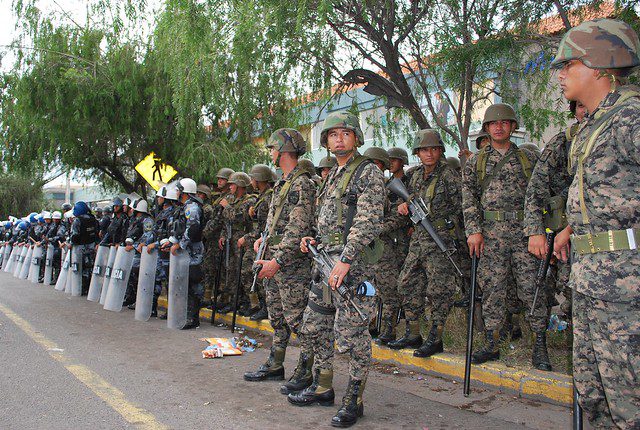
10 Facts About Violence in Honduras

10 facts about violence in honduras
In Honduras, the homicide rate is currently 43.6 per 100,000, meaning for every 100,000 of Honduras’ inhabitants, about 44 people will be murdered every year. With this statistic alone, it is easy to see Honduras has one of the highest homicide rates in the world. However, by evaluating the implemented solutions working to combat violence, homicides in Honduras appear to be dropping; raising the possibility of losing its position as the murder capital of the world. Here are 10 facts about violence in Honduras.

10 Facts About Violence in Honduras

  1. Murder – In 2011 Honduras experienced a peak in murder rates making Honduras the holder of the highest homicide rate in the world. Between 2011 and 2015, the murder rate in Honduras decreased by 30 percent. Homicides went down from 88.5 per 100,000 residents to 60.0 per 100,000 and have remained constant or decreased slowly depending on the year. However, in Honduras, only 4 percent of reported homicide cases result in arrest showing there is still lots of room for improvement.
  2. Lack of Trust – Police and judicial systems in Honduras suffer from corruption, lack of training and a list of cases so long that even honest, well-equipped officials struggle to keep up. As a result, members of the most vulnerable Honduran communities often do not trust the police, public prosecutors or judges to do their jobs. Fearing retaliation from violent perpetrators, they often refuse to provide witness testimony necessary to bring about a conviction. This causes Honduran judicial officials to lose trust in victims. This lack of trust and support fuels a vicious cycle of violence and impunity that has contributed to Honduras’ status as one of the most violent countries in the world. The Special Commission to Purge and Reform the Honduran Police is working to rid the force of corrupt leaders, strengthen public and police relations and reorganize their internal and external goals. Today, the Special Commission to Purge and Reform the Honduran Police has put in nearly 15 months of work and suspended or removed 5,000 police from the force.
  3. Poverty – Poverty and violence are directly related, and they work together to generate difficult living conditions in Honduras. As of 2017, 64 percent of Honduras’ population lives in poverty. Further, Honduras has the second smallest middle class in Latin America, at only 10.9 percent of the population. A larger middle class would result in stronger public institutions, stronger economic growth and greater societal stability. Therefore, Honduras would see lower levels of violence because of stronger societal relations. Working to stem both violence and increase economic opportunities is the key to sustainable development.
  4. Illegal Drug Trade – Central America serves as a transit point for at least 80 percent of all cocaine shipments between the Andean region and North America. Criminal groups in Honduras are very aware of this and profit primarily from drug trade and extortion as well as kidnapping for ransom and human trafficking. In February 2019, authorities in Honduras arrested four Colombian citizens caught in an attempt to smuggle over 100 kilograms of cocaine into the United States through a remote region of the country’s eastern coast. This is one example of thousands.
  5. Gangs – Gang presence in Honduras is common in poor urban areas and where territory is controlled by members of rival gangs, the most powerful being the Mara Salvatrucha and the Barrio 18. The most common age for Honduran gang members is between 12 and 30. Gangs constitute a real but often misunderstood feature of these 10 facts about violence in Honduras. While there is little doubt that they are involved in significant levels of violence, gangs are highly diverse and linked more to localized insecurity rather than the transnational danger ascribed to them by the media and certain policymakers. It is understood that 40 percent of gang members claim to be involved in gangs to ‘hang out,’ 21 percent because they had gang member friends and 21 percent to evade family problems. There is also a correlation between youth unemployment and gang membership: only 17 percent of gang members were employed and 66 percent actively characterized themselves as unemployed.
  6. Domestic Violence – One woman is murdered every 16 hours in Honduras, and the country has the highest femicide rate in the world. Shocking numbers of rape, assault and domestic violence cases are reported. However, 95 percent of cases of sexual violence and femicide in Honduras were never investigated in the year 2014. As mentioned above, widespread underreporting is likely to be linked to the lack of trust in governmental figures such as police and judicial systems. Rape is widespread and is employed to discipline girls, women and their family members for failure to comply with demands. In Honduras, there is a 95 percent impunity rate for sexual violence and femicide crimes and the lack of accountability for violations of human rights of women is the norm rather than the exception.
  7. Honduras Youth – The expansion of gangs and the increase in violence is linked to the lack of opportunities for the youth of the country. Many young Hondurans turn to gangs for their welfare protection and identity construction because they see no other way. Gangs emerge in this context as an option that is often desired for the marginal youth as it provides a form of transition from adolescence to adulthood. About 2 percent of females go completely uneducated, compared to 3 percent of males. Likewise, secondary school lasts between two to three years between the ages of 13 and 16, and 38 percent of females drop out compared to 33 percent of males.
  8. The Public and Prevention – In areas with low levels of violence, residents have taken incidents of crime and made an effort to minimize conditions that might allow violence to thrive. Kindernotheilfe has partnered with the community-formed group Sociedad más Justa (ASJ). They are dedicated to improving the living conditions of children and young people in Tegucigalpa and protecting them from violent abuse. Since 2004, parents, children, young people, teachers, churches, justice officials, city administrations and other NGOs have gotten involved. Some of their help include psychological and legal counseling, neighborhood patrolling and organized children’s clubs and activities.
  9. USAID and Honduras Citizen Security – On Sept. 30, 2016, the U.S. Agency for International Development programs for Honduras invested in a $34.17 million project lasting until Feb. 13, 2021. They are working to support the Government of Honduras’ efforts to improve the service delivery of justice institutions; increase the capacity of police to work with targeted communities; and incorporate respect for human rights to help reduce violence, decrease impunity and implement human rights standards within government institutions. During the third quarter of year one, they achieved key targets, including launching five city events, holding an international conference, instituting a Supreme Court Innovation Committee, connecting with the LGBTQI committee and collaborating with other donor programs.
  10. The Peace and Justice Project – The Peace and Justice Project provides investigative, legal and psychological support for people with few resources who have been victims of violent crimes and push for structural change in Honduras’ security and justice systems. The project has a 95 percent conviction rate, almost 24 times the national average. This has reduced the impunity rate in key communities from 4 percent convictions to 60 percent convictions for violent crimes, while also reducing the overall homicide rate drastically. Over the last 10 years, 600 lives have been saved through interventions in these violent communities.

These 10 facts about violence in Honduras prove that while strides have been made, violence in Honduras is still a major global concern. Communities and citizens of Honduras should continue to make a difference by demanding higher standards and continuing prevention actions. Furthermore, other nations should continue to support by becoming involved in helping strengthen institutional, governmental and police and judicial systems to see long term change.

– Grace Arnold
Photo: Flickr

July 8, 2019
https://borgenproject.org/wp-content/uploads/borgen-project-logo.svg 0 0 Kim Thelwell https://borgenproject.org/wp-content/uploads/borgen-project-logo.svg Kim Thelwell2019-07-08 18:55:542024-05-29 23:00:5710 Facts About Violence in Honduras
Global Poverty, Life Expectancy, Refugees

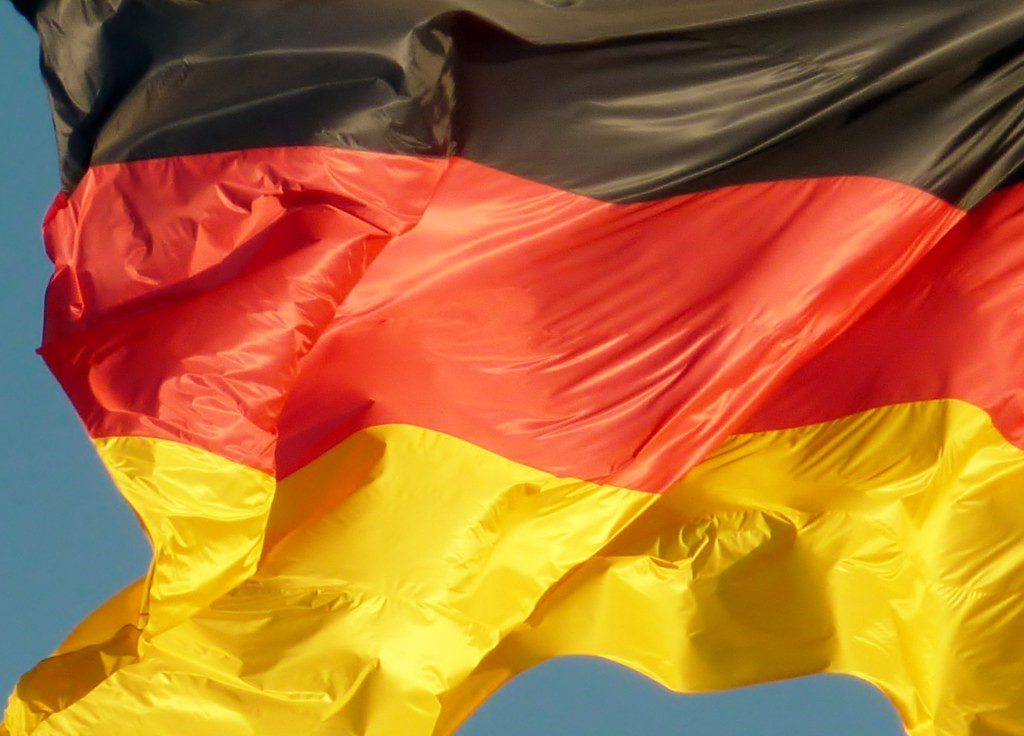
Top 10 Facts About Living Conditions in Germany

Living Conditions in Germany
The world knows Germany, a Western European nation, for its rich history spanning back two millennia, famous cities, such as Berlin, Munich and Frankfurt and a festive culture that includes famous events, like Oktoberfest. However, the living conditions in Germany may surprise those who have not lived there.

Top 10 Facts About Living Conditions in Germany

  1. Most German cities have a strong sense of order, influenced by a strict and efficient bureaucracy. People keep cities clean due to sanitary rules. There are many regulations concerning everyday life, especially in small cities. For example, Swabia, a region of Germany, has laws for cleaning that go back to 1492. Swabia has the tradition of Kehrwoche, which translates to sweep week and involves residents taking up the responsibility of cleaning their homes and neighborhoods.
  2. PM2.5 describes a measurement of particulate matter in the air that can cause damage to the lungs. The PM2.5 in Germany is “14 mg per cubic meter” which is higher than the average. The particulate can come from “power generation, domestic heating and in vehicle engines.” Germany does not use significant amounts of renewable energy, so the use of coal is causing a high amount of PM2.5 to be present. Germany’s water quality, however, is great with “91% of people [saying] they satisfied” with their water quality.
  3. A sense of community tends to be strong for the average German citizen, and a survey by the OECD found that “90% of [Germans] believe that they know someone they could rely on in time of need.” This strong support for others is an integral part of German culture.
  4. The average German household has a “relatively high average household disposable income per capita,” and the families are able to spend more on wants over needs. This is due to the fact that the average German worker has higher job security and earnings than in other countries.
  5. In general, children have high-quality living conditions. “However, 31.7% of German children live in homes with self-reported poor environmental conditions,” which means that these children are missing many things that their peers are able to enjoy, such as homes with outdoor “areas to play…winter clothing…seeing a film once a month.” Though children in upper-class families tend to have overall high-quality lives, people tend to bully their low socio-economic counterparts more frequently, who often have a lower quality of life at home.
  6. The life expectancy in Germany is approximately 81 years, which is close to the European average of 80 years. “Life expectancy for women is 84 years, compared with 79 for men.” This shows improvement over time since the life expectancy in 2002 was 81 years for women and 75 years for men. Easy access to good health care and high food and water security may contribute to this.
  7. For education, 86.3 percent of German adult workers have finished an upper secondary education. Adults have literacy and numeracy skills that are similar to other European nations. Also, “about 75% of people aged 15 to 64” have employment in Germany.
  8. The positive living conditions of the average citizen are drastically better than asylum seekers, who are living in horribly dirty conditions in refugee centers. They do not have access to clean bathrooms and reside in overcrowded bedrooms. Some fear that Germany is keeping the conditions unlivable in order to deter refugees from seeking asylum in the country.
  9. Rural towns in Germany are rife with unemployment, and a majority of citizens are moving to cities in search of jobs. The main types of jobs for a rural town, such as farming, are starting to lose value. According to the Federal Statistical Office, “more and more people are moving into the towns as new jobs in our knowledge society become available.”
  10. The population is aging, with more people dying than being born. The baby boomer generation, which includes 50 to 60-year-olds, are starting to retire, but there are not adequate numbers of youth to fill the growing vacancy in the average workplace. A study found that “Germany will need at least 260,000 immigrants a year…to meet increasing demand for labour.”

Germany has a culture that focuses on efficiency, cleanliness and high living conditions. The population is falling, but the life expectancy is rising, while many educated Germans are able to join the growing knowledge sector in many major cities. Though the situation in the refugee centers is grim, Germany is processing many refugees every day to join the millions of people who enjoy the living conditions in Germany.

– Anish Kelkar
Photo: Flickr

June 20, 2019
https://borgenproject.org/wp-content/uploads/borgen-project-logo.svg 0 0 Jennifer Philipp https://borgenproject.org/wp-content/uploads/borgen-project-logo.svg Jennifer Philipp2019-06-20 13:36:022024-05-29 23:00:41Top 10 Facts About Living Conditions in Germany
Global Poverty, Refugees

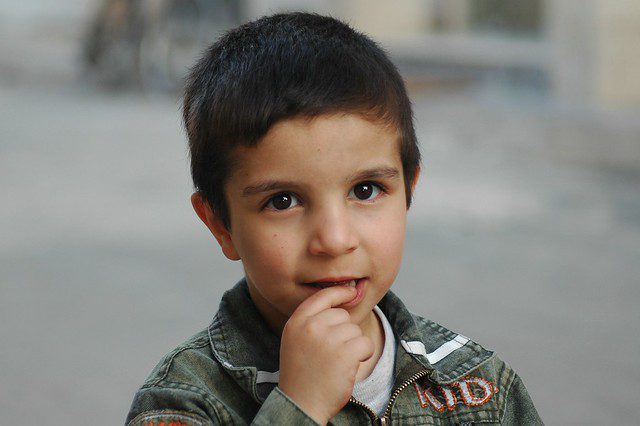
Letters of Hope: To Syria, With Love

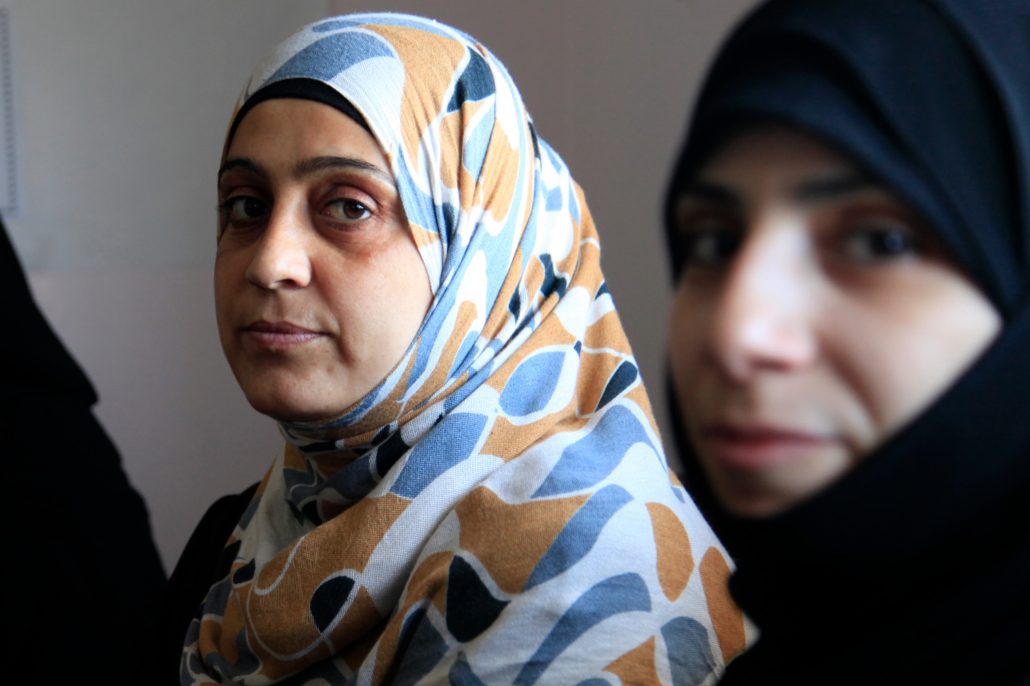
Letters of HopeThe civil war in Syria has now entered its ninth year. Through the fog of a seemingly endless war, even the United Nations lost track of the number of lives lost in the conflict. The last estimate in 2016 placed casualty numbers well over 400,000. The remaining Syrians are not only battling for their country, but also for their hope. The CARE Letters of Hope initiative wants to help with that.
Today in Syria

In January of 2018, Turkey launched an assault on Syria’s northern regions to push out Kurdish rebels in control of the area around Afrin. In April, the United States, Britain and France carried out multiple punitive strikes on Syrian targets in response to various claims of a chemical attack in Douma. Now in 2019, the future of the conflict and the ramifications of U.S. plans to withdraw troops from the nation remain unknown. In the face of such great uncertainty, Syria not only needs extensive aid in reconstructing the country but hope that there are still people who recognize Syrians’ humanity and distress.

The Letters of Hope Initiative

With over 12 million of their countrymen displaced and scattered, Syrian refugees need hope, acceptance and a kind word now more than ever. It is because of this need for connection among refugees and the outside world that the CARE Letters of Hope initiative was born. In 1945, 22 American organizations came together to assemble life-saving care packages to World War II survivors in danger of starvation; CARE was born. By May of 1946, 15,000 packages of U.S. Army surplus food parcels reached the harbor of Le Havre, France. These parcels were designed to provide one meal for 10 soldiers. $10 was enough to buy a CARE Package, which was received by its addressee overseas within four months.

More recently, in response to the Syrian crisis, CARE started sending a new kind of package: encouraging letters addressed to refugees. This project, named the Letters of Hope initiative, began in 2016 when the original WWII CARE Package recipients living in the U.S. started writing letters of support to Syrian children. By doing so, they started “bridging the great distance and circumstances that separated them.” That simple act inspired thousands across the globe to send their own letters that kept the movement alive and well to the modern day.

The Letters of Hope initiative has also started branching out into schools. Its website now provides downloadable junior-high classroom lessons with the aims to “build understanding, empathy and connections between American students and young refugees around the world.”

The Fledgling Fund

The Letters of Hope initiative is made possible in part by support from The Fledgling Fund. The Fledgling Fund is an organization that explores the impact that documentary films and other forms of visual storytelling have on social change and advocacy. By creating awareness of humanitarian crises through engaging content, the Fund is able to emotionally move an audience to action. In tandem, Letters of Hope and the Fledgling Fund are vying to tell a story of hope and compassion for Syria and other nations in need without excluding Syrians and other oppressed people from the narrative.

– Haley Hiday
Photo: Flickr

June 18, 2019
https://borgenproject.org/wp-content/uploads/borgen-project-logo.svg 0 0 Kim Thelwell https://borgenproject.org/wp-content/uploads/borgen-project-logo.svg Kim Thelwell2019-06-18 11:01:162019-07-23 14:58:22Letters of Hope: To Syria, With Love
Education, Global Poverty, Refugees

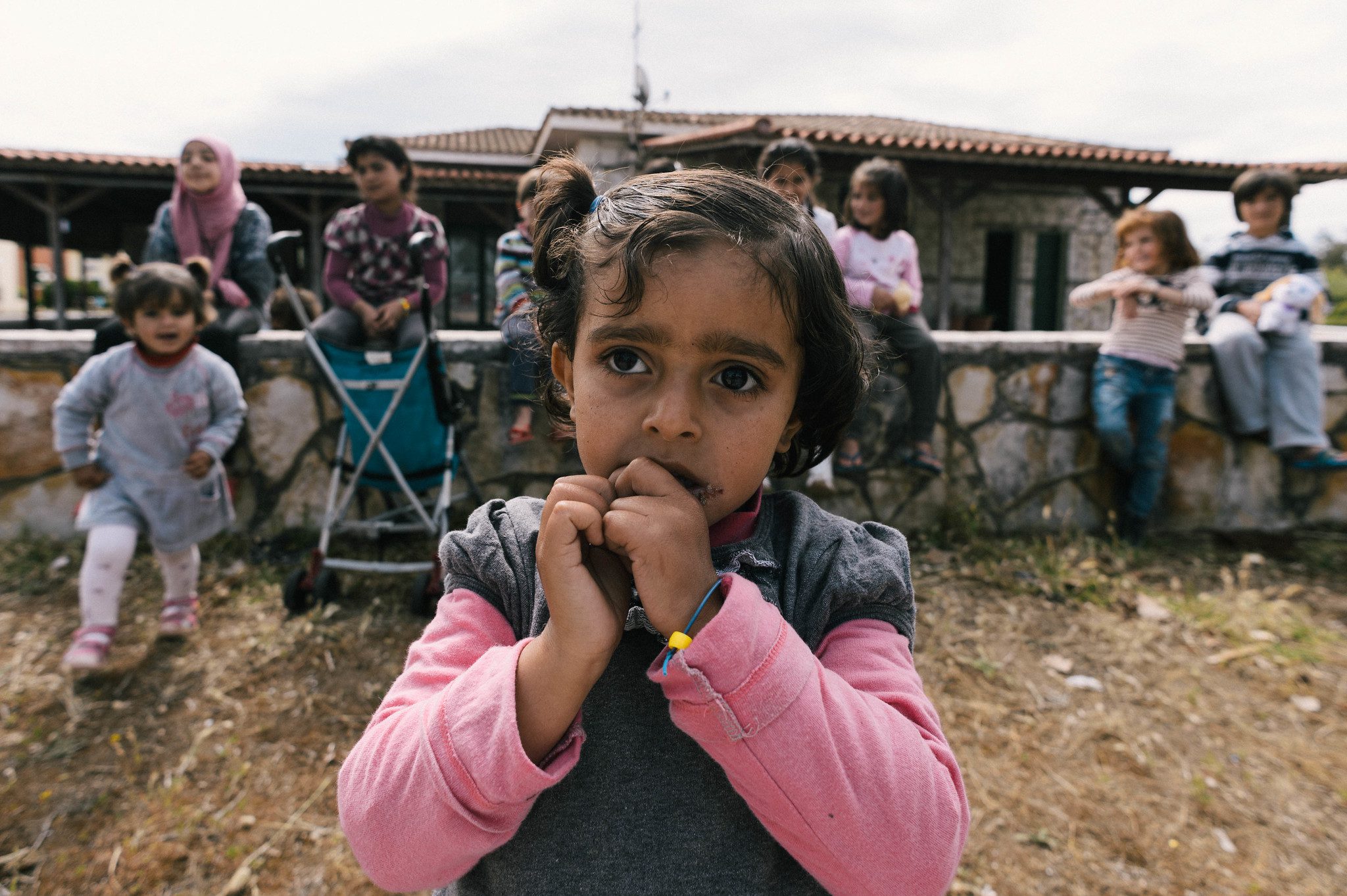
The EU’s Progress in Chad

EUs Progress in Chad

The European Union (EU) is one of the major donors to Chad, a country where 46 percent of residents live below the poverty line. The reasons for the high amount of people living in poverty include the fact that the country finds it difficult to accommodate the more than 300,000 refugees it houses, occasional droughts destroy food security and there is poor healthcare and inefficient farming techniques. In 2018, the EU’s progress in Chad stems from providing more than $74 million in humanitarian aid to Chad.

Influx of Refugees

With more than 46 percent of Chad’s population living in poverty, it’s difficult for the government to even provide aid to the native population. The EU is helping Chad by providing basic needs, such as healthcare, food, shelter, water and sanitation. It also provides care for refugees, host communities and internally displaced people. The refugees arrive from neighboring countries Sudan and the Central African Republic, amounting to more than 300,000 refugees fleeing to seek protection and job opportunities in Chad. Though Chad doesn’t have the capacity to take care of these refugees, outsiders like the EU, are providing aid to those in poverty.

Agricultural Practices

Another way to show the EU’s progress in Chad through its focus on agricultural self-sufficiency and self-reliance. More than 80 percent of Chad’s labor force involves agriculture. Agriculture also accounts for half of Chad’s GDP. One major way EU is helping Chad prosper is by providing efficient and sustainable farming techniques. A lack of capital has created a major strain on the government helping its citizens, so the EU is also helping by providing financial assistance.

The country of Chad is divided in half by the Sahara Desert in the north, the Savanna in the south and the Sahelian belt in the center where the transition from desert to Savanna takes place. The environment makes it difficult to farm, and poor farming practices contribute to poverty conditions. The government of Chad believes the future lies in the mobilization of the private sector, including improving the business environment concerning agriculture and mining. The EU’s involvement is helping to improve the lives of millions of people in Chad who struggle to find clean water and produce an adequate amount of crops.

Seeds for Solutions is a project aimed at helping host camps and villages. This project is located in the eastern portion of Chad where Sudanese refugees and Chadians work together to cultivate crops. The region is arid, but the fields are provided daily water thanks to an irrigation system maintained through solar energy. The advanced farming technique helps yield a greater output of crops. About 70 percent of harvested crops are sold, and the farmer’s family then consumes the rest.

Training Programs

In partnership with the U.N. Refugee Agency (UNHCR) and the Lutheran World Federation, the EU’s Civil Protection and Humanitarian Aid Operations helped to create a vocational training center where people are taught masonry, carpentry, mechanics and sewing. Estelle, a young Chadian woman, is one of the hundreds of Chadians taking part in the program. “In our country, women are in the field or in the kitchen; I want to participate in the construction of my village and my country,” stated Estelle during her nine-month training at one of the four vocational training centers in the country.

The UNHCR and its partners are involved in hosting income-generation activities for refugees and citizens. The IT centers are involved in teaching sewing, masonry and carpentry, and have more than 300 students. The income and products from these activities enable the people to accomplish the EU’s goal of improving self-sufficiency and self-reliance.

The EU’s progress in Chad is visible through the many programs implemented to help alleviate poverty. Although conditions in Chad are still far from perfect, the EU is providing some important resources to help improve the lives of the people in the country.

– Lucas Schmidt
Photo: Flickr
June 15, 2019
https://borgenproject.org/wp-content/uploads/borgen-project-logo.svg 0 0 Kim Thelwell https://borgenproject.org/wp-content/uploads/borgen-project-logo.svg Kim Thelwell2019-06-15 01:30:062024-05-29 23:00:30The EU’s Progress in Chad
Global Poverty, Refugees, Refugees and Displaced Persons

Girl Rising Launches Film About Women Refugees

Women RefugeesGlobally, various disasters and conflicts displace approximately 68.5 million people—half of whom are women—and force them to turn to refugee camps in order to fight for survival. But these women refugees are not on their own.

A global campaign, “Girls’ Education and Empowerment,” is headed by a nonprofit organization known as Girl Rising. Girl Rising sheds light on refugee crises which affect women and girls the most. Since 2017, the United Nations High Commissioner for Refugees (UNHCR) shows that a multitude of factors, such as persecution, violence, conflict, natural disasters and human rights violations displace refugees. Of the millions of refugees, more than 50 percent are under the age of 18.

Girl Rising: Examples of Progress

Upon the launch of the global campaign in the year 2012, Girl Rising’s goal was to change how people value and invest in girls and girls’ potential. To complete this goal, the organization created a media-driven campaign and grassroots programming with on-the-ground partners in India, Nigeria, Pakistan, Thailand and the Democratic Republic of the Congo.

For 2019, the organization wants to expand its on-the-ground partners to include Kenya and Guatemala. To date, results for Girl Rising’s efforts include girls re-enrolling in school, parents deciding against early marriage, girls learning their rights and teachers creating gender-equal classrooms.

Release of “Brave Girl Rising: A Refugee Story”

As a way of bringing awareness to challenges faced by refugee women and girls, Girl Rising produced and launched a film titled “Brave Girl Rising: A Refugee Story.” Released on International Women’s Day in 2019, the 20-minute film told the story of a 17-year-old girl, Nasro, in Dadaab refugee camp, one of the world’s largest refugee camps. In order to capture the true, raw reality of life in these camps, Girl Rising wrote and made the film in collaboration with other refugees.

One of the founders of the Time’s Up movement and powerful women’s advocate, Tessa Thompson, is the voice of the film. Poet, Warsan Shire, was in charge of writing the screenplay. To promote the film, the social change agency, Amplifier, had the street artist, Ashley Lukashevsky, create art. The film also received support from the projects founding partner, Citi.

In collaboration with Girl Rising, the International Rescue Committee (IRC) had a hand in the creation of this film. The IRC is an organization that works to respond to humanitarian crises. The committee helps to restore health, safety, education, economic wellbeing and power to people who have been greatly affected by conflict and disaster. They engage with girls, their parents, caregivers and community leaders to combat harmful gender norms and practices.

Many people and organizations have come together to bring awareness to refugee crises and women refugees in creative ways. The continued advocacy and fight to end these crises has to be consistent and passionate to make a change.  

– Lari’onna Green
Photo: Google

June 2, 2019
https://borgenproject.org/wp-content/uploads/borgen-project-logo.svg 0 0 Kim Thelwell https://borgenproject.org/wp-content/uploads/borgen-project-logo.svg Kim Thelwell2019-06-02 07:31:192019-06-02 07:36:24Girl Rising Launches Film About Women Refugees
Food & Hunger, Food Aid, Global Poverty, Refugees, United Nations, USAID

How USAID Provides Refugee Food Assistance

Refugee Food AssistanceFor more than 60 years, the U.S. Agency for International Development has upheld its commitment to end global poverty, providing desperately needed refugee food assistance today. USAID works in more than 100 countries. It primarily provides humanitarian assistance, promotes global health and supports global stability. All around the world, more than 25 million people face refugee crises. And among these 25 million people, more than half are young children.

Food Assistance

USAID assists refugees by providing emergency refugee food assistance to 25 countries. In particular, USAID’s food assistance reaches Lebanon, Jordan, Ethiopia, Chad, Uganda and Bangladesh. One of the world’s biggest refugee camps lies in the southeastern corner of Bangladesh, in Cox’s Bazar. There, an estimated 868,000 Rohingya refugees seek safe haven. In order to escape western Myanmar, refugees must travel on foot through forests and turbulent waters. Often times, refugees do not have enough food for the trip and witness the deaths of loved ones. By the end of this journey, many refugees have nowhere to live and no source of living. Fortunately, USAID’s programs offer assistance.

Furthermore, USAID’s Office of Food for Peace and the United Nations’ World Food Programme partnered to assist those seeking peace, who lack a home and food. USAID and WFP provide packs of high-energy biscuits as meal replacements for arriving refugees. Moreover, USAID gives WFP resources to buy rice from Bangladesh’s national rice reserve. However, it takes time to distribute food to refugee camps. USAID even supports CARE International, which provides U.S. imported food to Cox’s Bazar.

Relief Tactics

Altogether, USAID programs lay out plans for permanent and stable recoveries using four types of relief tactics. Firstly, USAID provides locally and regionally purchased food, which is more quickly accessible than imported food. Secondly, if local food is unavailable, USAID provides U.S.-grown food. Thirdly, if imported food distorts local prices, USAID offers paper or electronic food vouchers. These vouchers allow refugees to purchase local food and support local communities. Fourthly, if more flexible solutions are required, USAID supplies cash, mobile or debit card transfers.

Beyond relief tactics, USAID helps improve global stability. Every year, USAID assists more than 40 to 50 million people worldwide with emergency food assistance. In 2018 alone, USAID gave more than $690 million to help refugees around the world. Overall, numerous countries benefit from USAID. By providing refugee food assistance, USAID plays a huge role in helping millions living in extreme poverty.

– Fita Mesui
Photo: Flickr

May 31, 2019
https://borgenproject.org/wp-content/uploads/borgen-project-logo.svg 0 0 Kim Thelwell https://borgenproject.org/wp-content/uploads/borgen-project-logo.svg Kim Thelwell2019-05-31 01:30:022019-06-02 07:24:53How USAID Provides Refugee Food Assistance
Global Poverty, Refugees, Refugees and Displaced Persons

The Trauma of Afghan IDPs and Returnees

Afghan IDPs and Returnees

Conflict and natural disasters have plagued Afghanistan for many years, causing thousands of Afghans to flee their homes and country. According to reports by The United Nations High Commissioner for Refugees (UNHCR) and the United Nations Office for the Coordination of Humanitarian Affairs (UNOCHA), as of September 2018, there were at least 2 million internally displaced persons (IDPs) in Afghanistan, and more than 5.2 million Afghan refugees repatriated with their agency between March 2002 and September 2018. This all-encompassing displacement has resulted in an overwhelming number of Afghan IDPs and returnees trying to reintegrate into society, placing immense strain on host communities and causing an increased need for humanitarian aid. Not all IDPs and returnees seek refuge in government-controlled areas, making their need for humanitarian assistance even greater.

A Territorial Tug of War and Its Effects

For decades, Afghanistan has faced a heightened state of security, but in 2017 the country was downgraded to a post-conflict status. Yet, that very same year, its territorial map was redrawn, as the Afghan military fought to secure urban areas. Their departure from rural regions allowed the Taliban to capture new districts. This led to the reclassification of Afghanistan as an active conflict country.

According to a CNN report, in November 2015, approximately 72 percent of Afghanistan was government-controlled, while Taliban forces or other insurgents held only seven percent. By October 2017, 56 percent of the country’s districts were under the authority of the Afghan government, while 30 percent was contested — an incremental redistricting signaling the Afghan army’s loosening stronghold.

Today, the security situation in Afghanistan remains complicated because the Taliban’s national influence is on the rise, and insurgents still dominate large parts of some northern provinces. The Taliban’s continuous ground attacks, along with U.S. airstrikes and territorial shifts, have resulted in more casualties and worsening conditions for Afghan IDPs and returnees in militant-controlled areas.

The Reality of Non-Government-Controlled Afghan IDPs and Returnees

According to British & Irish Agencies Afghanistan Group (BAAG), in 2016, the Common Humanitarian Fund only allocated two percent of their Afghan designated funding for non-government-controlled areas. Due to the limited humanitarian funding and access constraints resulting from safety and security issues, displaced persons and reintegrating returnees residing in contested and conflict-ridden regions experience challenges at higher rates. The following are examples:

  • Lack of access to education, especially for girls
  • Lack of access to health services
  • Inadequate housing and insufficient access to land
  • Few employment opportunities
  • Food insecurity and meal skipping/reducing intake
  • Child labor and child marriages
  • Psychological trauma

Another reason why Afghan IDPs and returnees in high-security areas are adversely affected by state fragility is that most are unaware of their constitutional rights under the Afghanistan Constitution and National Policy on Internally Displaced Persons. Two principal ways for these populations to receive assistance are through emergency humanitarian assistance and reporting or registering claims with the Department for Refugees and Repatriation (DoRR). Claim registration with DoRR, however, is very complex and expensive.

Efforts to Establish an Effective, Targeted Response

In the summer of 2017, UNHCR Afghanistan contracted Orange Door Research and Viamo to survey returnees and conflict-induced IDPs. For comparative analysis, UNHCR also surveyed the general population. The survey provided a detailed view of migration patterns, assistance needs and vulnerability. It distinguished populations based on gender and income, as well as location and time of return or displacement. UNHCR and its partners studied the findings to develop a strategy that would generate protection outcomes and solutions for the following problems: insufficient access to adequate housing and education, peacebuilding support, self-reliance and the sustainable reintegration of IDPs and returnees through regional strategies with the goal of expanding humanitarian access. UNHCR’s findings also determined appropriate planning, response and advocacy for the inclusion of displaced persons’ and returnees’ needs in national priority programs.

REACH, a joint initiative of IMPACT, ACTED and UNOSAT, partnered with the UNOCHA and the Humanitarian Access Group to implement the Afghanistan Hard-to-Reach Assessment. In March 2018, REACH assessed Afghan districts to provide geographical and sectoral findings to establish an assessment of needs, vulnerabilities and access constraints for a multi-sectoral approach.

The first round of findings highlighted education and healthcare vulnerabilities in hard-to-reach districts and stressed key protection concerns. In May 2018, the second round of data was collected to allow comparison. The aim of the Afghanistan Hard-to-Reach Assessment was to inform the 2019 Humanitarian Response Plan to improve these districts’ inclusion in the Afghanistan humanitarian response.

Detailed in Afghanistan’s Humanitarian Response Plan for 2018-2021 is the Humanitarian Country Team’s (HCT) updated multi-year Humanitarian Response Plan. The HCT has granted a temporary widening of current humanitarian parameters to prioritize the conveyance of life-saving assistance to the most vulnerable and affected people, help restore livelihoods, and rehabilitate trauma victims and assist in their societal reintegration.

Such strategic changes to humanitarian response plans recognize that multi-sectoral responses are needed to help Afghan IDPs and returnees in areas not under government control. To ensure their inclusion in both regional and national response programs, there must also be full disclosure of their constitutional rights and a more affordable and streamlined humanitarian aid registration process.

– Julianne Russo
Photo: Pixabay

March 31, 2019
https://borgenproject.org/wp-content/uploads/afghanistan-idps.jpg 426 640 Borgen Project https://borgenproject.org/wp-content/uploads/borgen-project-logo.svg Borgen Project2019-03-31 10:03:192021-12-09 05:37:33The Trauma of Afghan IDPs and Returnees
Global Poverty, Refugees, United Nations

Humanitarian Solutions for the Victims of War in Syria

War in SyriaSyria’s civil war has been raging on for eight years now. The conflict has created a huge population of 5.7 million refugees in critical need of humanitarian assistance. The resulting humanitarian crisis is one of the worst the world has seen in recent years. Several organizations are on the ground trying to provide humanitarian solutions for the victims of war in Syria.

Syrian Democratic Forces

Recently, the Islamic State (IS) made its last stand to desperately hold on to the last tiny piece of territory it has, a small town in Eastern Syria called Baghouz. In September 2018, the Kurdish-led Syrian Democratic Forces (SDF) initiated what they hope to be their final military push to reclaim IS turf. The operation has been excruciatingly slow and deadly.

Civilians are struggling to slip out of the militants’ grasp and into the global humanitarian community. The SDF is working to help extract the civilian families out of the last holdout of IS fighters. It is believed that several thousand people are still huddled together in the final IS enclave. The people pouring out of Baghouz to seek shelter from the war in Syria pose a huge humanitarian challenge.

Almost 40,000 civilians have already left the diminishing IS territory, but the flow was severely interrupted when IS fighters closed off all exit roads. IS extremists were obstructing civilians from escaping, using them as human shields from airstrikes. Now, small groups of refugees sneak out into humanitarian corridors with the help of smugglers. The International Rescue Committee (IRC) is a humanitarian organization working to help refugees escape the war in Syria and to monitor refugee movements.

Save the Children

Children escaping from the war in Syria are especially in need of humanitarian assistance. Beyond food, health services, education and other basic needs, child refugees require mental health services. Syrian refugee children consistently show signs of psychological trauma. Save the Children is striving to provide necessary services for Syrian child refugees. Among other things, they are working to establish recreational spaces and centers for unaccompanied children in the refugee camps. They provide mental health and socializing services in a safe environment for war-weary children.

According to Save the Children, the war in Syria has made it the most dangerous country in the world for children. In Syria, 5.3 million children need humanitarian assistance. Children are not only the victims of violence but also the targets of abduction and recruitment into armed groups. In three refugee camps in North-East Syria, there are more than 2,500 children from at least 30 different countries.

There is much work to be done, and Save the Children emphasizes that the organization is in dire need of more support. Extra funding is necessary to provide case management and protective services for more children. Foreign children need their countries of origin to facilitate repatriation. Save the Children urges the international community to help preserve family unity and aid those returning to their countries of origin from the war in Syria.

Other Humanitarian Organizations

Humanitarian organizations help 700,000 people each month in North Eastern Syria. In March, Brussels will host a pledging conference to raise more funds for humanitarian aid to Syria. In 2018, various nations collectively raised $5 billion for Syrian relief. In Syria, the United Nations aid feeds around 3 million people each month, and U.N. medical assistance has treated nearly 3 million patients.

The U.N. and the Syrian Arab Red Crescent have been cooperating to transport and deliver large amounts of aid to refugee camps in Syria. On February 6, the largest of such shipments arrived in Rukban, a refugee settlement in the demilitarized zone established by the major warring parties. The majority of Rukban’s inhabitants are women and children. The convoy included 133 trucks loaded with food, health and nutritional supplies, hygiene materials, education items, children’s recreational kits and vaccines. The aid came at a critical time to help save the lives of at least 40,000 people who live in the settlement.

The Syrian Society for Social Development (SSSD) is another humanitarian organization working to enhance the lives of marginalized Syrians. They improve and provide schools, community centers, safe spaces, elder care facilities and other communal programs. Since the beginning of the conflict, they have been able to increase the scope of their assistance in both geographical range and by the number of people helped. Their programs have benefitted more than 1 million people.

There are organizations doing everything they can to help Syrian refugees survive and return to a peaceful life. Thanks to the efforts of thses humanitarian organizations, refugees, who have been surrounded by airstrikes and extremist violence, have shelter against the harsh Syrian winter.

– Peter Mayer

Photo: Flickr

February 25, 2019
https://borgenproject.org/wp-content/uploads/borgen-project-logo.svg 0 0 Kim Thelwell https://borgenproject.org/wp-content/uploads/borgen-project-logo.svg Kim Thelwell2019-02-25 01:30:412024-05-29 23:00:20Humanitarian Solutions for the Victims of War in Syria
Advocacy, Children, Developing Countries, Development, Education, Refugees, Refugees and Displaced Persons

Ways the World Can Foster Special Education in Refugee Camps

Special Education in refugee camps
Lack of education is a contributing factor to the cycle of poverty. The 1989 ‘Convention on the Rights of the Child’ and the 1951 ‘Refugee Convention’ emphasizes the fact that access to education is a basic human right. However, approximately half of the world’s refugee children are out of schools. Access to schooling becomes increasingly difficult when countries enter conflicts and develop refugee camps.

The United Nations passed the ‘Convention on the Rights of Persons with Disabilities’ in 2006. The declaration clearly stated disabled peoples’ right to an education. This right is only accessible in 28 percent out of 193 states, and although there are many initiatives to support special education in refugee camps, further support is needed to help refugees with disabilities obtain and maintain the education they need.

Classification of Disabilities

Disability can be categorized into two branches: mental disability and physical disability. A mental disability is any mental disorder that affects the everyday life of an individual, and examples include post-traumatic stress disorder (PTSD), depression, intellectual disabilities and schizophrenia. A physical disability is an impairment of the body and/or a person’s motor abilities. These are either acquired at birth or as a result of a traumatic experience and include cerebral palsy, spina bifida, muscular dystrophy and amputations.

Obstacles Faced by Refugee Children

Special education in refugee camps is not an easy task to accomplish, and there are many obstacles that refugee children with disabilities must face in order to receive an education. The first obstacle is very simple to notice — the challenge of getting to school. In many large refugee camps, there are typically no more than a few schools that children can go to and children usually walk to school. For people with physical disabilities, transportation can pose a great problem, especially as most infrastructure is not built to accommodate disabilities. For example, an 8-year-old girl named Hayam lives in the Za’atari refugee camp in Jordan and suffers from muscular dystrophy. Hayam had to take a quarter-mile walk to her school every day, and her illness made this very difficult.

Another obstacle for people with disabilities is the misunderstanding of physical and mental disabilities in many communities. In many cases, people are taught to fear and look down on people who have disabilities. There are situations in which parents of able-bodied children do not want to have students with disabilities in the same classroom as their child for fear that their child’s education will be harmed.

Furthermore, integration into schools for refugee students can be a difficult task due to political, cultural, religious or linguistic differences. It can be extremely hard for schools to deal with these differences and misconceptions if they lack necessary resources, and such status is incredibly harmful to refugee children with disabilities as it can make it very difficult for them to receive schooling. Refugees are also likely to have PTSD and other related mental disorders due to witnessed trauma, and such effects can harshly affect education if there are no treatments for mental disorders that make it difficult for children to pay attention in class or attend school at all.

Organizational Support

UNICEF and Mercy Corps helped 100 students in the Za’atari refugee camps in Jordan. The two organizations have given wheelchairs to students who have physical disabilities and cannot walk. In another part of the world, the Karen Women Organization (KWO) works in Burma to support special education in refugee camps and rights for the disabled. Not only does KWO aim to ensure increased levels of education, but the organization also aims to support and expand care to children who have disabilities and educate the community.

In 2003, the KWO started the Special Education (SE) Project that runs in every Karen refugee camp. SE Project gives instruction to teachers in the schools and families at home to fully maximize the disabled child’s well-being and reach their goal of integration into society. KWO also helps to combat the misconceptions by creating various activities and workshops for those who are able-bodied and those who are not.

A nongovernmental organization helping refugees receive mental healthcare is the International Medical Corps (IMC). The IMC knows that mental illness is a huge limiting factor for education and they work to make sure there are ways that refugee children can acquire treatment. The group works with local partners in refugee camps to create spaces to talk and provide activities for children and adolescents to develop healthy habits and create relationships. IMC connects children to local youth support and sets up sustainable mental healthcare.

An Unalienable Right

Education is an unalienable right of every person, and special education in refugee camps is crucial for enabling the most endangered people to achieve this right. It is critically important that various organizations and governments continue to build systems that support the abilities of all, especially those most vulnerable.

– Isabella Niemeyer

Photo: Flickr

February 18, 2019
https://borgenproject.org/wp-content/uploads/borgen-project-logo.svg 0 0 Kim Thelwell https://borgenproject.org/wp-content/uploads/borgen-project-logo.svg Kim Thelwell2019-02-18 01:30:072024-05-29 22:58:02Ways the World Can Foster Special Education in Refugee Camps
Refugees, Refugees and Displaced Persons

South Sudan Refugee Crisis

South Sudan Refugees
The South Sudan refugee crisis is Africa’s largest and one of the world’s largest refugee crisis. In April 2018, there were 296,748 South Sudan refugees recorded and around 1.76 million were internally displaced within the country. Although there has been a recent promise of peace and end of the current ongoing civil war in the country that caused these migrations, it is still unsafe for the displaced people to return home.

Difficulties for Return

Although some conflict has subsided in parts of South Sudan since the promise of peace in September, some aid organizations are deeming it unsafe for refugees to return to their homeland. These organizations also believe it is highly unsafe for women and children to return to South Sudan. Around 65 percent of women and girls in the country have reported being sexually assaulted. This, in addition to the high rate of children who have experienced some sort of violence or trauma, creates a hostile environment for vulnerable refugees.

The other factor is that those internally displaced, who are the most likely to return home, have not been adequately informed about their return options or that a safe journey has not been completely planned for them. There is also not sufficient planning for the long term in potential returns areas to provide ongoing aid. There is significant aid manipulation within the country as some armed groups have been known to redirect aid meant for civilians and use it for their own purposes. The government has even restricted aid from certain communities by insisting on that area’s instability.

UNHCR Help

However, the UNCHR has offered an aid solution, rather than having these refugees return to an unstable environment. The organization has recently appealed for $2.7 billion to aid refugees in their host countries and the internally displaced people. Many of the refugees in host countries are living in crowded and unsustainable conditions. In some areas they are only able to access five liters of water per person a day, many schools are without teachers and health clinics are without either doctors or medication. This strain of resources has caused tensions between the refugee and host communities.

The money proposed by the UNCHR plans to help make the communities shared by host nations and refugees sustainable by providing adequate resources for the mass influx of people. The organization believes that social cohesion between the two groups is the key to allowing them to survive and eventually thrive.

Work of the Red Cross

The International Committee of the Red Cross (ICRC) has also been providing great aid to South Sudan refugees. The organization has been focusing on helping food insecure communities in South Sudan and its host countries by providing emergency relief and sanitation facilities. They have also provided these communities with the means to provide for themselves by equipping them with seeds, farming tools, and fishing nets.

As the UNCHR, ICRC, and other organizations work to help South Sudan refugees and displaced communities become stable and fit for survival, they provide these people with the hope of a safe and meaningful return home. These refugees desperately need aid so that they can survive in their new communities and come back to their home country.

– Olivia Halliburton

Photo: Flickr

February 8, 2019
https://borgenproject.org/wp-content/uploads/borgen-project-logo.svg 0 0 Kim Thelwell https://borgenproject.org/wp-content/uploads/borgen-project-logo.svg Kim Thelwell2019-02-08 13:30:122019-10-29 15:19:30South Sudan Refugee Crisis
Page 25 of 53«‹2324252627›»

Get Smarter

  • Global Poverty 101
  • Global Poverty… The Good News
  • Global Poverty & U.S. Jobs
  • Global Poverty and National Security
  • Innovative Solutions to Poverty
  • Global Poverty & Aid FAQ’s
Search Search

Take Action

  • Call Congress
  • Email Congress
  • Donate
  • 30 Ways to Help
  • Volunteer Ops
  • Internships
  • Courses & Certificates
  • The Podcast
Borgen Project

“The Borgen Project is an incredible nonprofit organization that is addressing poverty and hunger and working towards ending them.”

-The Huffington Post

Inside The Borgen Project

  • Contact
  • About
  • Financials
  • President
  • Board of Directors
  • Board of Advisors

International Links

  • UK Email Parliament
  • UK Donate
  • Canada Email Parliament

Get Smarter

  • Global Poverty 101
  • Global Poverty… The Good News
  • Global Poverty & U.S. Jobs
  • Global Poverty and National Security
  • Innovative Solutions to Poverty
  • Global Poverty & Aid FAQ’s

Ways to Help

  • Call Congress
  • Email Congress
  • Donate
  • 30 Ways to Help
  • Volunteer Ops
  • Internships
  • Courses & Certificates
  • The Podcast
Scroll to top Scroll to top Scroll to top