• Link to X
  • Link to Facebook
  • Link to Instagram
  • Link to TikTok
  • Link to Youtube
  • About
    • About Us
      • President
      • Board of Directors
      • Board of Advisors
      • Financials
      • Our Methodology
      • Success Tracker
      • Contact
  • Act Now
    • 30 Ways to Help
      • Email Congress
      • Call Congress
      • Volunteer
      • Courses & Certificates
      • Be a Donor
    • Internships
      • In-Office Internships
      • Remote Internships
    • Legislation
      • Politics 101
  • The Blog
  • The Podcast
  • Magazine
  • Donate
  • Click to open the search input field Click to open the search input field Search
  • Menu Menu

Archive for category: Refugees

Activism, Global Poverty, Refugees, Refugees and Displaced Persons

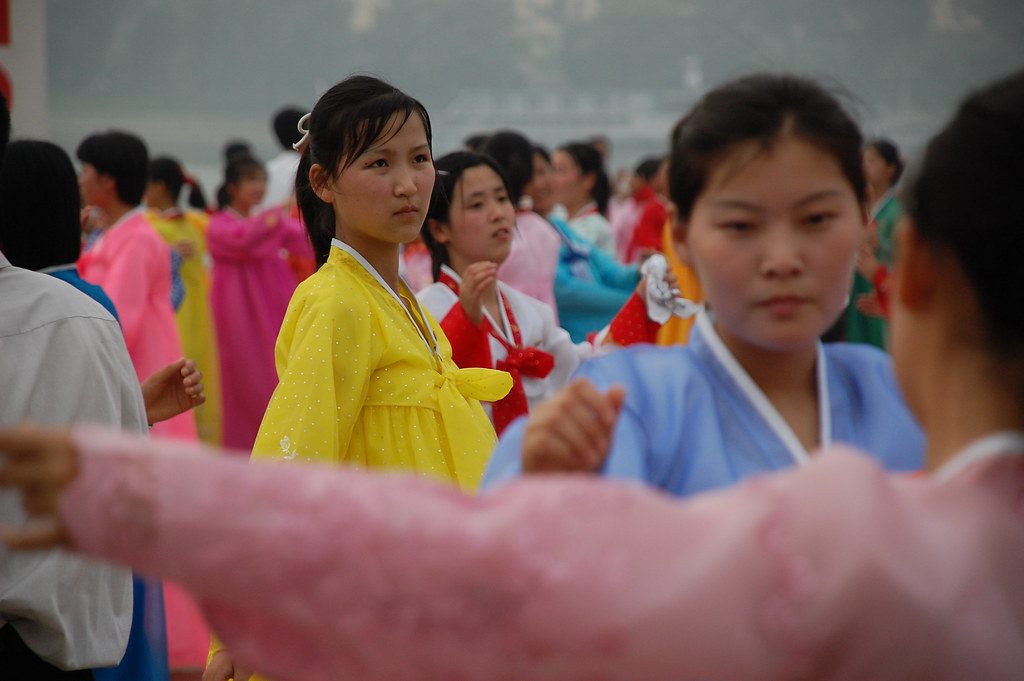
5 Organizations Helping to Resettle North Koreans

5 Organizations Helping to Resettle North Koreans

The Democratic People’s Republic of Korea has committed numerous human rights violations throughout modern history. Many North Koreans who have managed to escape the country reveal the horrific conditions in which they lived. These conditions include generational incarceration in concentration camps, the public execution of dissidents and mass famine.

As such, many North Koreans have attempted the escape their country through secret escape routes and brokers. To escape, North Koreans must traverse forests, cross the Yalu River and navigate heavily patrolled areas. Unfortunately, many don’t make it. Those who survive must then adapt to and resettle in modern society, a complicated and tedious process.

Resettlement is difficult because North Korea lacks technological, social and economic progress. Additionally, many North Korean refugees face discrimination due to stigma. North Korea is so technologically behind, many North Koreans have never touched a computer. This makes it near impossible to find a job or receive an education when they resettle in new countries, like South Korea.

Luckily, many institutions help North Korean refugees resettle in these new cultures and societies. To do so, they provide North Korean refugees with essential skills to find a job, proper housing, education and more. Here are five organizations helping to resettle North Koreans.

5 Organizations Helping to Resettle North Koreans

  1. Teach North Korean Refugees is a nonprofit organization focused on changing the lives of North Koreans through English education. Learning fluent English can open doors to many job opportunities, especially for this globalized world. In 2013, Casie Lartigue Jr. and Eunkoo Lee founded the organization after they witnessed the obstacles North Korean refugees face. The organization began as a small assembly and before growing into a larger nonprofit. Currently, Teach North Korean Refugees has helped 411 North Korean refugees learn English. The organization boasts 914 tutors. Of these, North Korean refugees may a tutor according to their teaching style. They may then choose one of two courses: “Finding My Way,” which covers English basics, and “Telling My Own Story,” which focuses on writing and public speaking. Volunteers can donate and even apply to tutor on their site.
  2. Crossing Borders is a Christian-based organization that primarily focuses on assisting North Koreans refugees trapped in China. The Chinese government considers North Korean refugees to be unlawful economic migrants and returns them to North Korea upon capture. As a result, many North Korean refugees face persecution and exploitation. Accordingly, Crossing Borders provides counseling, medical assistance, safety, and job training to North Korean refugees. It also offers community building and Christian counseling. While the organization does not require North Korean refugees to be Christian, they provide optional mass services. The organization also takes care of underage North Korean refugees who are without parents. It provides safe housing and education for children until they are either adopted or reunited with family members.
  3. The Mulmangcho Foundation is probably one of the most essential resettlement organizations in South Korea. It offers direct training to North Korean refugees, enabling a smoother resettlement process. The organization has several programs for different needs. For instance, Open School helps North Korean refugees with everyday tasks, such as opening a bank account. The publishing programs provide North Korean refugees with a variety of writing tools. These tools are designed to enable North Korean refugees to publish their own stories and learn public speaking. Currently, six children’s books, based on actual experiences, and two nonfiction books have been published through The Mulmangcho Foundation. Furthermore, the organization helps South Korean prisoners-of-war escape North Korean camps.
  4. The North Korea Refugee Aid is the American-based organization of the aforementioned Mulmangcho Foundation. It provides North Korean refugees with the necessary tools for everyday life, as well as physiological treatment and job training. The programs give North Koreans refugees the chance to study in the United States through scholarships, academic tutors and host families.
  5. HanVoice is a Canadian resettlement organization with seven chapters spread throughout universities. The organization helps resettle refugees, as well as advocates against North Korea and their human rights violations. HanVoice seeks to engage Canadians in speaking against these violations and supporting North Korean refugees. The organization’s program, HanVoice Pioneers Program, offers a six-month training course to North Korean refugees. This program provides public speaking and leadership courses, along with an internship for the Canadian Parliament.

Overall, it is essential to remember that the fight for human rights is not only dependent on politics. The conflict surrounding North Korea is complicated and cannot be solved in one summit. However, ordinary people can help North Koreans by supporting these organizations and raising awareness of the human rights violations happening in North Korea. These 5 organizations helping to resettle North Koreans provide hope and assistance that make it possible for North Koreans to achieve real freedom.

– Adriana Ruiz
Photo: Flickr

August 1, 2019
https://borgenproject.org/wp-content/uploads/borgen-project-logo.svg 0 0 Kim Thelwell https://borgenproject.org/wp-content/uploads/borgen-project-logo.svg Kim Thelwell2019-08-01 13:39:292024-06-06 00:26:165 Organizations Helping to Resettle North Koreans
Global Poverty, Refugees

Refugees in Rwanda: An Inclusive Approach

Refugees in Rwanda
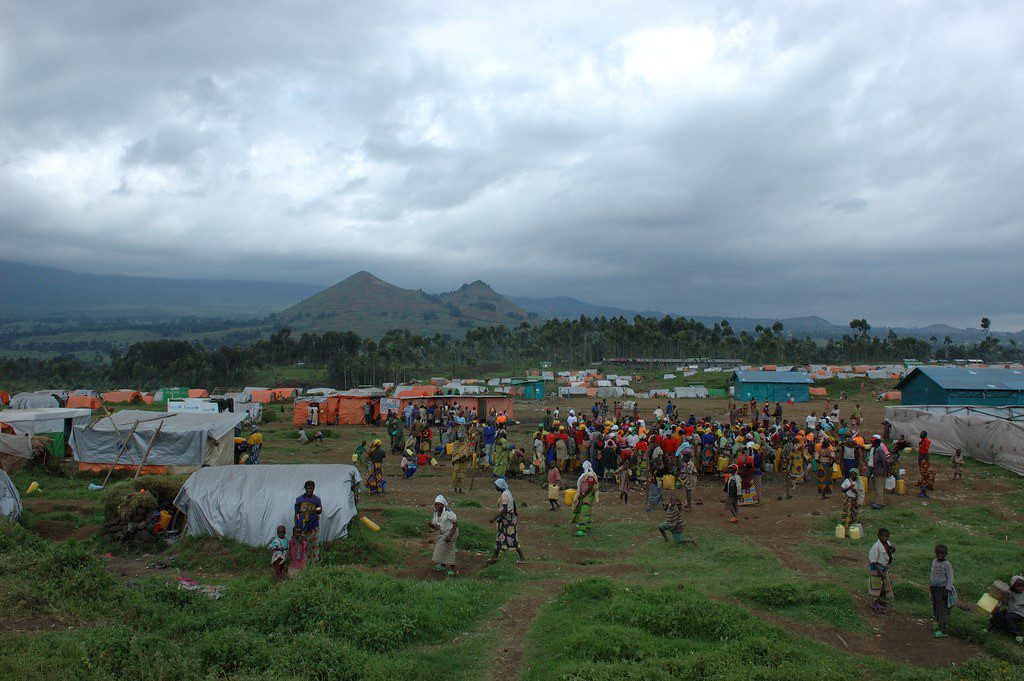
As of early 2019, estimates determine that Rwanda is host to approximately 150,000 refugees. To support this number, Rwanda maintains six refugee camps and four transit/reception centers, in addition to supporting refugee integration into urban areas. Rwanda is remarkable for its inclusive approach to refugees, most of whom are from Burundi and the Democratic Republic of Congo. The national government, UNHCR, the World Food Programme (WFP), the Government of Japan and other international, national and local organizations are all working to improve opportunities and livelihoods for refugees in Rwanda.

Approximately 79 percent of refugees in Rwanda live in the refugee camps, with the remainder — about 13,000 — living in urban centers. Rwanda gives refugees the right to do business and access health services, insurance, banking and education to promote integration. As of 2017, Rwanda had integrated more than 19,000 refugee students from Burundi into its national school system.

According to UNHCR, enabling the self-reliance of refugees is an essential part of its mission. UNHCR creates and supports initiatives that allow refugees to contribute to the economic development of their host country.

Ali Abdi has lived in Rwanda for 20 years after fleeing Somalia. After applying for a business card, he now runs a small convenience store and lives with his Rwandan wife. Ali described Rwanda as “a peaceful country” where “people do not discriminate.” He is thankful for his ability to be independent.

Supporting Refugee Entrepreneurs

In Kigali, the capital of Rwanda, many refugees like Ali are finding success in entrepreneurship. UNHCR labels Kigali as a “City of Light” for its accepting and supportive attitude toward refugees. The Government of Rwanda is actively working to promote the integration of refugees into the city with targeted assistance.

For refugees aspiring to own their own business, Inkomoko is a local business consulting firm that trains and supports refugees with UNHCR’s support. Beginning in 2016, Inkomoko’s refugee program has worked with 3,300 refugees, resulting in the creation of 2,600 new jobs across the country, a significant boost to the economy. The director of Inkomoko’s refugee program, Lydia Irambona, stated, “Our main goal is to help them increase their revenue, get more customers and understand how to do business here.”

Annick Iriwacu, a Burundian refugee, went to Inkomoko after a referral from her cousin. She has since opened a successful business selling liquid petroleum gas. The business has grown enough for her to now have five employees. She stated, “They gave me the strength and hope to continue, because I was giving up.”

Financial Support for Refugee Camps

While refugees in Rwanda’s refugee camps have fewer opportunities for economic independence and contribution, supporting and protecting them is still crucial. In June 2019, the Government of Japan donated $270,000 to UNHCR Rwanda to cover the needs of 58,552 Burundian refugees in Mahama, the largest refugee camp in the country. This is one of many donations, as the Government of Japan has supported Rwanda for six years and provided a total of approximately $7 million to the UNHCR to support Rwandan refugees.

UNHCR intends to use the 2019 money to maintain and improve refugees’ access to legal assistance and protection against violence, as well as health care services. Refugee camps in Rwanda provide primary health care and send refugees to local health facilities if they require secondary or tertiary care, which can be costly.

Supporting Refugee Farmers

Many refugees living in Rwandan camps want to become more economically independent, however. While the refugee camps provide displaced people with access to basic education and health facilities, many refugees have found that working allows them to take further advantage of what Rwanda can offer them and their families.

The IKEA Foundation, UNHCR, the World Food Programme, the Government of Rwanda and the Food and Agriculture Organization have all provided funding. These organizations are working together to improve the livelihoods of both refugees and local Rwandan farmers.

In the Misizi marshland, 1,427 Rwandans and Congolese refugee farmers are working together for agricultural success. The project is also generating social cohesion, as the Rwandan and refugee farmers are learning to work together and recognize the benefits of cooperation. As of early 2019, these farmers had produced more than 101 tonnes of maize, the profits of which enabled them to feed their families.

Rwanda’s Example

Rwanda intends to continue its inclusive approach to refugees them become successful and independent whether they live in camps or cities. Refugees have found success in Rwanda because its government and international partners are working hard on their behalf.

While there is still more work to do to ensure that refugees in camps have access to work opportunities and that refugees in cities receive support in achieving economic independence, the nation serves as an example of how to successfully help refugees begin new lives and contribute to a country’s economy.

– Sara Olk
Photo: Flickr

August 1, 2019
https://borgenproject.org/wp-content/uploads/borgen-project-logo.svg 0 0 Kim Thelwell https://borgenproject.org/wp-content/uploads/borgen-project-logo.svg Kim Thelwell2019-08-01 11:39:592019-12-18 08:33:31Refugees in Rwanda: An Inclusive Approach
NGOs, Refugees

How to Help North Korean Refugees

How to Help North Korean Refugees
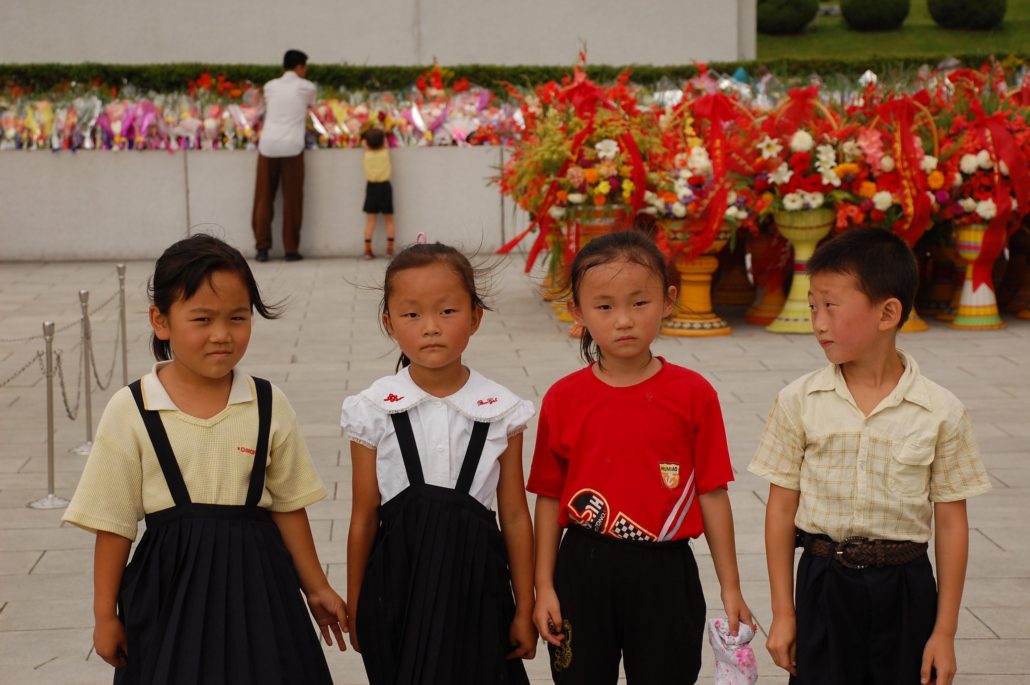
The Democratic People’s Republic of Korea, also known as North Korea, remains one of the most severe dictatorial regimes in the world, and about 24 million people live under the control of its secretive and repressive government. Since the creation of North Korea in 1948, many have fled the country for political, ideological, religious, economic or personal reasons. As the country has become an important piece in East Asian politics and the dire situation in the country has continued, here are some facts about its situation as well as how to help North Korean refugees.

North Korean Refugees

People also call North Korean refugees “North Korean defectors” because of the political weight the cold war between North and South Korea caused. This other term, “defectors,” is important to know, as there is a constant stream of articles and news stories about North Korean defectors. As of 2017, some sources estimate that over 1,000 North Koreans escape every year.

From the end of the 20th century to today, one of the main causes of North Korean defection has been the lack of food. The drastic lifestyle change from North Korea to their new countries often shocks refugees. One refugee living in Seoul was so hungry as a child that he could not even find the words to describe it, but today has almost any food imaginable available with a quick online order.

Reports in 2017 showed that 85 percent of North Korean refugees were women. Women made up 71 percent of refugees in South Korea, a very common destination for North Korean refugees. According to South Korea’s Ministry of Unification, there have been about 31,000 North Korean refugees that have fled to South Korea’s capital city of Seoul and the surrounding region of Gyeonggi.

However, the majority of North Korean refugees go to China. Some sources estimate that between 50,000 and 200,000 North Korean refugees are currently living in China. For some refugees, China is the first stop of their journey to other Asian countries. After all, China is North Korea’s main ally, and the Chinese border is much easier to cross than the heavily-monitored DMZ with South Korea. However, under Kim Jong-un’s heightened border security and crackdowns on smugglers, the number of refugees successfully escaping the country has decreased in recent years. While there were 2,706 defections to South Korea in 2011, this number dropped to 1,127 in 2017.

Challenges of Leaving North Korea

Sex trafficking is a big issue for female North Korean refugees in areas such as China, South Korea and Russia. In China, traffickers traffick about 80 percent of female refugees through black markets for the purpose of becoming North Korean brides. With the vast majority of refugees being female, entering a new country when going to the police or other authorities likely means repatriation back to North Korea, these women are extremely vulnerable to human trafficking and abuse.

Leaving North Korea is incredibly hard. Even travel within the country receives strict regulation, and leaving the country is an act of treason, with the punishment being a minimum of seven years at a North Korean concentration camp. These concentration camps, with estimated 80,000-120,000 prisoners, systematically starve, torture and work people to death. The journey of a successful North Korean defector is extremely hard and takes a great number of risks.

In 2016, approximations determined that up to 30,000 half-North Korean children living in China were the result of forced marriages between North Korean refugees and Chinese men through sex trafficking. Many mothers end up arrested or dead, and the often poor Chinese fathers struggle to provide resources to support their children. These children, struggling to survive in their own unfortunate circumstances, are vulnerable to abuse without any immediate family to care for them. Organizations, such as Crossing Borders, work to help these children gain a stable life.

Organizations Helping North Korean Refugees

Crossing Borders is a Christian nonprofit based in China, which commits itself to helping refugees live a better life by securing safety and stability for them. Refugees’ delicate legal status leaves them in a position to suffer exploitation, trafficking and even murder, but Crossing Borders is determined to provide support to them. Crossing Borders has two main programs to help North Korean refugees: Refugee Care and Orphan Care. These have provided safety, medicine, financial aid and counseling to North Korean refugees in China.

Liberty in North Korea is an organization committed to getting North Koreans to safety through charitable donations. It has gathered information about escape routes throughout China and Southeast Asia and has formed relationships with individuals that will help move refugees safely across borders. It has rescued 1,000 refugees so far. Its team includes individuals located in the U.S., South Korea and Southeast Asia.

Based on the Korean peninsula, Helping Hands Korea works to raise awareness of North Korean refugees and help refugees in crisis. Helping Hands Korea has delivered food, medicine and clothing to vulnerable groups in North Korea and has assisted children separated from their mothers by providing foster care or money to grandparents to help care for them.

While fewer North Koreans are successfully escaping the country today, their desperate situation continues to draw concern and aid. For those who want to know how to help North Korean refugees, supporting and donating to organizations such as Crossing Borders, Liberty in North Korea and Helping Hands Korea will help ensure that these people are safe and living in stable conditions.

– Natalie Chen
Photo: Flickr

July 28, 2019
https://borgenproject.org/wp-content/uploads/borgen-project-logo.svg 0 0 Jennifer Philipp https://borgenproject.org/wp-content/uploads/borgen-project-logo.svg Jennifer Philipp2019-07-28 14:00:212020-01-28 14:14:22How to Help North Korean Refugees
Global Poverty, Refugees, Refugees and Displaced Persons

Shelters Aid Venezuelan Refugees in Peru

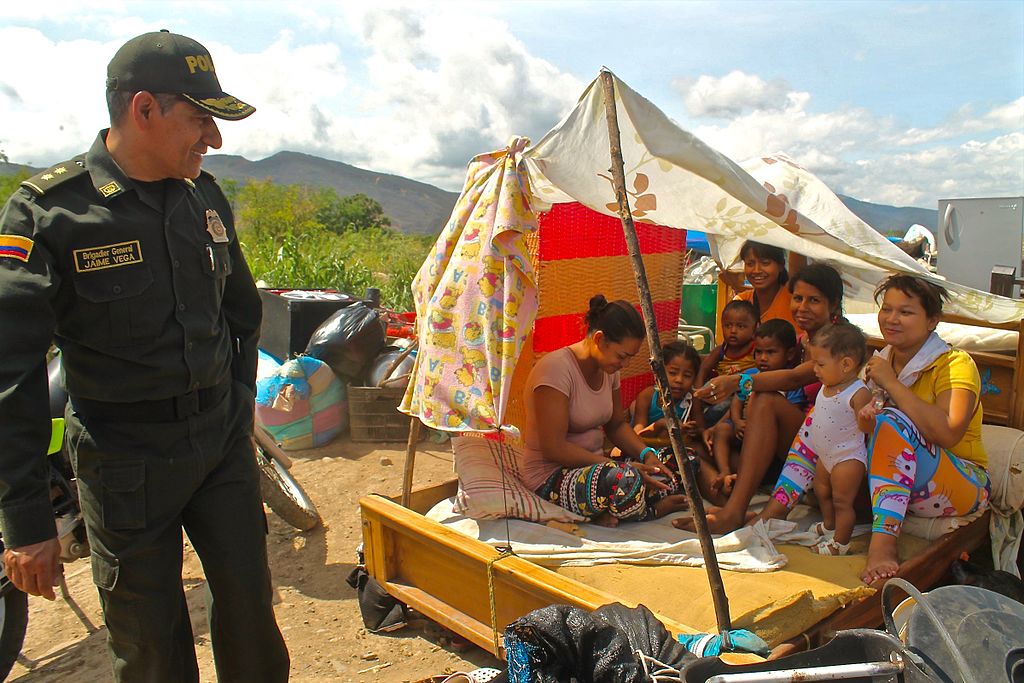
Venezuelan refugees in PeruFor the last decade, Venezuela has seen a severe and damaging economic recession. As of 2018, inflation hit 130,060 percent. There are severe shortages of food and medicine and an increase in crime that has made life in Venezuela a battle for survival. Considering these factors, including President Nicolás Maduro not leaving power anytime soon, many Venezuelans have decided to pack their bags and leave their beloved homeland. In the past four years, approximately 10 percent of the population fled the country. Thankfully, shelters have opened to provide aid for Venezuelan refugees in Peru.
At first, many governments were willing to cooperate, but as more Venezuelans left, many countries established specific immigration requirements, such as having a valid passport. Even though this sounded fair for many, it closed the door to many of these refugees, as the cost of processing one visa is around 7,200 bolívars ($115); that is four times the local minimum wage.

Peru is one of the few nations that kept an open border policy for many years. However, that changed when President Martin Viscarra established that as of June 15, Venezuelans would need a passport and visa to enter Peru. That day, 5,849 people arrived at the border Peruvian border, and while some arrived just in time, others were left behind. These grim situations may make it seem that all hope is lost, but there are still many Peruvians who receive these migrants with open arms. These three shelters have given shelter and hope to Venezuelan refugees in Peru.

Casa Don Bosco

This Lima home directed by Salesian Missionaries takes part in integration projects that help newly arrived Venezuelans adapt to an entirely different culture. While it used to be an old vocational training facility, it now accommodates the needs of the refugees, by providing necessary guidance on finding housing and educating them on their fundamental workers’ rights. Casa Don Bosco also has ties with The Food Bank of Peru, allowing them to feed all the migrants that knock on their doors.

A Power Couple and Their Shelter

In June 2018, Raquel Vásquez and Ernesto Reyes, a married couple, bought an old house in the middle of the Comas district. Their mission was to provide refuge to any Venezuelan refugees that arrived in Lima. Once installed, Venezuelans are allowed to stay for up to one month for free, giving them time to find a job and better housing. Vásquez and Reyes said that opening the shelter was a necessity, especially after seeing all the refugees sleeping on the streets, penniless after spending all their money just to get to Lima. The shelter operates thanks to the couple’s own money and local donations.

Rene Cobeña’s Shelter and Business

The owner of this shelter is textile businessman Rene Cobeña, who bought an old hotel and transformed it into a safe haven. The house not only offers Venezuelans breakfast, lunch and dinner but also operates as a small business, employing the same refugees. Using his money and some donations, Cobeña buys ingredients to make arepas and donuts that the refugees sell. He has also sold some of his textile machines to fund better ingredients and transportation. Thanks to these efforts, the refugees were able to start building their savings, helping themselves and their families, and eventually leave the shelter to begin anew.

These shelters are not on alone in their efforts; despite the lack of legal assistance, the owners and many other Peruvians are giving what they can to help. Venezuelans are escaping one of the most brutal dictatorships of the last century, and all they need is a helping hand through this difficult time as Venezuelan refugees in Peru.

– Adriana Ruiz
Photo: Wikimedia

July 27, 2019
https://borgenproject.org/wp-content/uploads/borgen-project-logo.svg 0 0 Kim Thelwell https://borgenproject.org/wp-content/uploads/borgen-project-logo.svg Kim Thelwell2019-07-27 05:51:532019-12-16 12:59:49Shelters Aid Venezuelan Refugees in Peru
Global Poverty, Refugees, Refugees and Displaced Persons

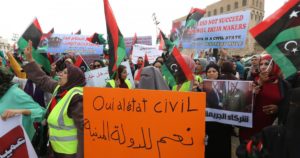
A Guide to the Civil War in Libya

Civil War in Libya

On Feb. 15, 2011, the first civil war in Libya, also known as the Libyan Revolution, began. The Libyan Revolution was fought between Muammar Gaddafi’s regime and opposing rebel forces who wanted to overthrow Gaddafi’s oppressive government. The war lasted over eight months until Gaddafi was captured and assassinated in October of that same year.

Post-Civil War

A year after the war ended, two major political groups emerged into power, the General National Congress and the House of Representatives, also known as the Tobruk government. The HoR allies with General Khalifa Haftar, the head of the Libyan National Army whose leadership resembles that of Gaddafi’s.

As rival governments, the GNC and the HoR both seek control over Libyan territory and oil. Consequently, the Libyan Political Agreement was proposed to resolve the conflict, mandating the division of power between both governments. Under these terms, The Presidency Council was created. The PC presides the United Nations-backed Government of National Accord (GNA) and is currently led by Prime Minister Fayez al-Sarraj.

Despite the agreement, more violence and instability ensued in Libya. Nevertheless, major actors like Haftar continue to violate terms mandated by the agreement. In particular, Haftar rejects the LPA and continues to oppose the GNC. In 2014, Haftar launched Operation Dignity, a campaign against Islamist militias. However, Libya Dawn, a pro-Islamist coalition, opposes this campaign and also seeks control over Libyan territory.

This breakout of violence spawned a second civil war in Libya.

The Current State of Libya

Today, the battle between rival factions is still ongoing and further exacerbated by the presence of terrorist groups, including ISIS. These groups have gained footholds in Libyan territories and seek control, training and recruiting members on Libyan grounds.

Moreover, the GNA mobilizes local militias to fight Haftar’s more organized and disciplined army. At the end of 2018, casualties in Libya reached 7,695 deaths with as many as 20,000 injured.

Having lost control over most of eastern Libya, Haftar has expanded the LNA westward. In April, the LNA advanced into the capital of Tripoli. Haftar has also launched several airstrikes into the city. Since the invasion of Tripoli, the U.N. Health Agency reported that 443 people have been killed and 2,110 have been wounded.

Humanitarian Concerns

The civil war in Libya has become an international issue, prompting the displacement of thousands of Libyans and causing a humanitarian crisis on the European border. About 90 percent of migrants crossing the Mediterranean Sea to Europe come from Libya. In 2018, the U.N. Refugee Agency reported that more than 1,111 migrants from Libya died or went missing while crossing the Mediterranean.

The European Union provides resources and training to Libyan coast guards to intercept migrant boats entering Europe. The coast guard sends refugees who are entering Europe back to Libyan detention centers, where they suffer inhumane conditions including torture, kidnap, rape and trafficking. Libyan detention centers hold nearly 6,000 migrants and asylum seekers. However, these migrants consist not only of Libyans, as Libya is a transit point for other migrants from Africa.

Aside from fleeing groups, nearly 1.3 million people in Libya are in need of humanitarian assistance. Thousands are living in unsafe conditions, according to the U.N. Refugee Agency. Within Libya alone, civil war has internally displaced 200,000 people as of October 2018.

Influence of Foreign Powers

The civil war in Libya is also highly diplomatic. All actors rely on external powers to support their efforts by providing funding and weapons. The civil war is sometimes seen as a proxy war between foreign powers because of their influence on internal actors.

The civil war in Libya impacts foreign powers, causing national security and economic concerns. Between ISIS’ increasing foothold in Libyan territory and thousands of refugees seeking asylum in Europe, the United States and the U.N. are concerned about national security. Additionally, many international oil companies rely on Libya’s oil production, and the conflict may disrupt oil prices.

The U.S. and the U.N. officially endorse the GNA, while Gulf states, such as Egypt and the United Arab Emirates, endorse the LNA. In April, the U.S. and the U.N. appealed for a truce between the LNA and GNA in Libya. However, Haftar refused.

Nonprofit Organizations

Amid the violence and instability pervading Libya, several nonprofit organizations are working to mitigate the crisis. These organizations have committed to providing civilians aid and protection amid the civil war in Libya.

Among the organizations helping Libyan civilians is the International Rescue Committee. The IRC works on the ground, providing urgent care and protection to Libyans in conflict-ridden areas. Additionally, the IRC has multiple health centers and shelters across Libya that provide medical care and supplies.

The UNHCR, the U.N. Refugee Agency, is another organization helping civilians amid the conflict. The UNHCR aims to protect Libyan refugees by providing life-saving assistance, such as medical care and access to water and sanitation facilities, in 12 different disembarkation points in western Libya. The UNHCR works to resettle refugees and reunite families and advocates for alternatives to refugee detention centers, including care arrangements for children and family tracing. While conflict plagues Libya, the people of Libya can seek some hope and comfort in the efforts of nonprofits on the ground.

– Louise Macaraniag
Photo: Heritage

July 22, 2019
https://borgenproject.org/wp-content/uploads/borgen-project-logo.svg 0 0 Kim Thelwell https://borgenproject.org/wp-content/uploads/borgen-project-logo.svg Kim Thelwell2019-07-22 19:18:232024-05-29 23:00:58A Guide to the Civil War in Libya
Global Poverty, Migration, Refugees, Refugees and Displaced Persons

Top 5 Documentaries About Migration

Documentaries About MigrationDocumentaries are often a great resource for gaining insight on a particular topic. In recent years, various journalists, filmmakers and documentarians have played a key role in telling the stories of those suffering from socio-political unrest occurring around the world. These stories include key humanitarian issues, such as migration resulting from crises. Not only do these crises displace millions of lives, but they also create an imbalance, leading to migrants who must endure poor living conditions. As such, documentaries about migration are extremely popular. They portray global migration crises from the perspective of those most affected. Here are the top five documentaries about migration.

Top 5 Documentaries About Migration

  1. 4.1 Miles (2016)
    A story about a Hellenic coast guard captain on a small Greek island who suddenly becomes in charge of saving thousands of refugees from drowning during the European migration crisis gives the viewers hope for humanity. The film was a winner of the David L. Wolper Student Documentary Award at the 2016 IDA Documentary Awards and was an Academy Award® Short Subject nominee.
  2. Human Flow (2017)
    Human Flow takes the viewer across the globe through 23 countries. It highlights urgent stories of victims of the various refugee crisis and shows the plight of those looking for a safe space to live in. For Ai Weiwei, “the purpose of (the documentary) is to show it to people of influence, people who are in a position to help and who have a responsibility to help.”
  3. Stranger in Paradise (2016)
    Stranger in Paradise is a mixture of fiction and documentary that depicts an actor in a classroom of a detention center telling refugees about what Europeans think of them. It reflects on the powerful relation between the Europeans and refugees in a candid manner and highlights the emotion most people feel while they have to go through the turmoil of displacement.
  4. City of Ghosts (2017)
    This film is a story of brave citizen journalists who face the realities of life undercover, in exile and on the run to stand against the violence that is taking place in the city of Raqqa in Syria. This film has used the camera as a powerful weapon to show the circumstances that have shaped the lives of people in Syria and has highlighted the turmoil in Syria in a great way.
  5. The Good Postman (2016)
    This film follows Ivan, the local postman in a quiet Bulgarian community on the Turkish border, as he decides to run for mayor. He then campaigns to bring the aging village to life by welcoming refugees. Some in the community support Ivan, while others resist his campaign. The film highlights the importance of a global discussion, depicting the plight of refugees and how they are perceived around the globe.

These five documentaries about migration enable viewers to understand migrants by portraying the conflicts driving migration through a personal lens. By diving into the lives of those impacted, these films tell a larger story about humanity as a whole.

– Isha Akshita Mahajan
Photo: Flickr

July 22, 2019
https://borgenproject.org/wp-content/uploads/borgen-project-logo.svg 0 0 Kim Thelwell https://borgenproject.org/wp-content/uploads/borgen-project-logo.svg Kim Thelwell2019-07-22 11:15:152024-12-13 18:01:49Top 5 Documentaries About Migration
Health, Refugees, Women and Children

The Hidden Disability: Visual Impairment in Refugees

Visual Impairment in Refugees

Last year, there were an estimated 70 million forcibly displaced individuals in the world. NGOs and governments stepped up by providing funding for food, water, sanitation, education, and healthcare, but visual impairment in refugees is rarely ever prioritized.

Vision Impairment is a Major Life Obstacle

Eye care is something often overlooked when organizations are administering urgent medical treatment to refugees–in most cases, eye injuries are not considered life-threatening. While an eye injury may not be fatal, it can greatly reduce the quality of life. This was the case for 10-year-old, Hala Shaheen, who suffered retinal detachment before the outbreak of the Syrian War and was undergoing treatment to fix the issue. She required specialist care and regular check-ups.

However, when chaos and violence broke out in Syria, Hala and her family were forced to flee to the Rukban refugee camp between Syria and Jordan, where no eye care specialist could be found. Now Hala is blind in one eye and her vision in the other eye is continuing to deteriorate. When asked about her condition, she told reporters, “I don’t want to continue living with this level of pain and suffering.”

Refugees like Hala do not have the resources to prevent or tackle blindness, Hala could have retained her vision. Blindness prevents her from experiencing life fully. Since braille is not readily taught, getting an education is difficult. Hala’s condition forces her to be dependent on her family. When blindness presents itself in adult refugees, it stops them from being productive workers and the extra burden is placed on their family’s shoulders. Thankfully, some NGOs have identified this problem and are on their way to creating better conditions to fight visual impairment in refugees.

Bringing Clarity to the Visually Impaired

NGOs and charities are assembling coalitions all over the world to find solutions for visual impairment in refugees. The main mission is to provide diagnostic services and visual assistance to those who need it.

The International Agency for the Prevention of Blindness (IAPB) is working in Cox Bazar, a Rohingya refugee camp of over 900,000 people, has created an eye care plan to fight visual impairment in refugees. They plan to provide over 150,000 eyeglasses each year and deploy 30 optometrists and 30 ophthalmologists to conduct Rapid Assessment of Avoidable Blindness (RAAB) exams. These exams are vital in the prevention of blindness and vision loss, which can be the result of neglected chronic eye disease. In Cox Bazar, there is an estimated 30,000 at risk for diabetic eye disease and 70,000 at risk for glaucoma. If left untreated, it could result in a massive amount of vision loss.

There are numerous other coalitions like the IAPB. VisionSpring works with EYElliance in Ghana and Liberia to provide glasses to children and launch country-level initiatives to identify visual problems in refugees. SightGeist is an annual conference of companies and organizations from various sectors who come together and use their resources to provide visual assistance and preventative care to those affected by visual impairment. NGOs like Light for the World work together with Warby Parker, an eyewear company, and Aravind Eye Care System, a chain of hospitals in India, to come up with solutions to problems that are too large to tackle alone.

Gender and Visual Impairment

Another aspect of visual impairment in refugees is gender. Women and girls are disproportionately impacted by visual impairment, accounting for two-thirds of those with severe vision loss. This can be due to the impact of traditional female roles, like having to collect water and wash clothes. These duties put them at risk of being bitten by blackflies which transmit parasites that destroy vision. In developing countries, women are typically not in charge of finances, so they have less control over the budget and cannot pay for healthcare. Women are also often too busy taking care of the home and may not even know where to go to access eye care.

Visual impairment in refugees, particularly females, deepens their plight; those who are visually impaired are more likely to suffer sexual violence and shamed by their families. Programs like CATCH in Uganda and Lady Health Worker in Pakistan are reaching out to these women. CATCH conducts exams to detect visual impairment early and provide preventative care to women. The Lady Health Worker program empowers female workers to provide healthcare and eye care to women and children in their own communities. Simply bringing attention to eye care and reducing the stigma of visual impairment can vastly improve lives.

Visual health underpins many of the Sustainable Development Goals put forth by the U.N. It is up to these organizations now to spread the word and see to it that visual impairment in refugees and developing countries become a greater priority for donors.

– Julian Mok
Photo: Flickr

July 21, 2019
https://borgenproject.org/wp-content/uploads/borgen-project-logo.svg 0 0 Kim Thelwell https://borgenproject.org/wp-content/uploads/borgen-project-logo.svg Kim Thelwell2019-07-21 09:45:032019-07-21 09:45:03The Hidden Disability: Visual Impairment in Refugees
Global Poverty, Refugees

The Healing Power of Art After War

The Healing Power of ArtWhile charities and humanitarian organizations ensure that children refugees receive food, blankets, shelter, vaccinations and malnutrition screenings, it is easy to overlook the other side of war and displacement – the psychological impact – and the healing power of art.

Refugees and Mental Illnesses

There are 25.9 million refugees around the world and over half of them are children under 18. Children refugees are more at risk of trauma and psychological disorders, such as post-traumatic stress disorder (PTSD), with rates ranging between 50 and 90 percent compared to 10 and 40 percent in adults. Even major depression rates are higher among children refugees than adults.

The distress caused by war is often chronic, with one study showing 45 percent of participants still suffering from depression and PTSD three years after the Bosnian war. Fourteen different studies also show a significantly higher trend of disturbance among displaced individuals living in refugee camps than nondisplaced individuals or those living temporarily with relatives, even when nondisplaced individuals experienced significant trauma.

According to UNICEF, 2.5 million Syrian children are living as refugees in Egypt, Iraq, Jordan, Lebanon and Turkey. In Jordan, nearly 100,000 out of the 1.4 million Syrian refugees reside in Za’atari, a refugee camp. Syrians refugees have no legal right to work in Jordan and tensions are mounting between the two populations. Humanitarian organizations are struggling to provide food, shelter and medical care, so people often overlook educational and creative activities for children.

Artolution and the Need for Art and Expression

According to Joel Bergner, co-founder of the public art organization, Artolution, “The kids, most of whom went to school in Syria, now roam the refugee camp with few rules or structured activities. They are very rough and frequently get into fights. Yet, at the same time, they are also really sweet and friendly.”

If the international community seeks to rebuild war-torn countries or reintegrate child refugees back into a functional society, then psychological treatment is just as necessary as the physical. The trauma of war will lose whole generations if people underestimate the healing power of art.

Bergner seeks to reverse the trend of trauma, aggression and marginalization by giving children something to do with their time and by recognizing the healing power of art. Advances in neuroimaging have shown that the Broca’s area of the brain, associated with speech and articulation, actually shuts down after an individual experience’s trauma. People call this change speechless terror, which makes expressing, and therefore, managing a trauma significantly harder. However, the sensory areas of the brain that process trauma also play a role in art-making. This allows creating art to become a voice for those unable to express their trauma and reconcile their emotions.

Art Therapy

The first use of the term “art therapy” was in 1942, following Adrian Hill’s service in World War I. Hill was a British soldier, author and an official war artist whose work highlighted the healing power of art-making. Since then, art therapy has taken on various forms beyond being a method for a therapist and patient to communicate. It can involve drawing, painting, dance, theatre and song.

According to the American Art Therapy Association, the art-making process helps foster self-awareness, manage behavior and develop social skills while reducing anxiety and increasing self-esteem. The most effective art therapy models, though, are those conducted in groups and that include a discussion. This helps prevent avoidance and emotional numbing often associated with PTSD.

The organization, Artolution, is a collaborative art-making project that connects children to positive role models and their peers, but it is not only that. In Za’atari camp, the Syrian artist, Jasmine Necklace, co-facilitated a community mural alongside Bergner as well as Syrian and Jordanian children. This practice allows for discussions among refugee youth so they can talk openly about their trauma.

Art therapist, Melissa S. Walker, says that she and her colleagues have seen the healing power of art therapy through its ability to overcome the speech-language barrier in veterans, allowing them to work through their traumatic experiences in a way that feels safe.

Art therapy programs such as these have found root across the world, as more organizations acknowledge the healing power of art. UNICEF helped develop a drama program in Slavonski Brod, a town in Eastern Croatia, to help children overcome the psychological effects of the Yugoslav Wars. A counseling project for Sudanese refugees utilized drawing, theatre, writing and storytelling to help children traumatized by civil war. The nonprofit organization, War Child, sponsors art-therapy projects in the Caucasus for children refugees and those damaged by war.

Just as any humanitarian organization seeks to improve the lives of children, art therapy projects help heal the psychological wounds of war. It gives refugees a channel to communicate and a chance to rebuild their communities.

– Emma Uk
Photo: Flickr

July 20, 2019
https://borgenproject.org/wp-content/uploads/borgen-project-logo.svg 0 0 Kim Thelwell https://borgenproject.org/wp-content/uploads/borgen-project-logo.svg Kim Thelwell2019-07-20 11:52:282024-05-29 23:10:17The Healing Power of Art After War
Refugees, Refugees and Displaced Persons

Living Conditions of Syrian Refugees in Germany

Syrian Refugees in Germany

What began as a peaceful political uprising in 2011 has become one of the most devastating on-going civil wars of the 21st century. The war has contributed to the biggest refugee crisis since World War II, leaving Syrian refugees in Germany hopeful for improved living conditions. The Syrian Civil War has not only devastated the country and its people but also neighboring nations, creating a regional disruption.

Syria’s fall is a global failure, and the consequences the war has brought with it have been difficult for other countries to manage. The Syrian Civil War forced countries to establish new policies to address the influx of Syrian refugees. Syrians have been escaping the bombings and repression since the outbreak of the war in 2011. However, in 2015, Europe was under more pressure when over one million refugees arrived through dangerous sea travel. Some Member States have closed their borders, and others have implemented new welcoming policies.

Current Living Conditions

Angela Merkel’s Germany welcomed thousands of Syrian refugees with its open door policy. German crowds awaited the arrival of Syrian refugees in Munich from Austria in 2015. However, today this enthusiasm contends with the rise of populism and right wing parties, affecting the living conditions of Syrian refugees in Germany. Amidst refugee settlement, anti-immigration views have become more and more popular among Germans. This forces the government to desperately establish effective integration policies to reduce tensions.

The living conditions of Syrian refugees in Germany are very difficult. They are hospitalized as needed after arriving from extremely life-threatening conditions. Later, the refugees receive camp assignments. Due to the large number of refugee arrivals, Germany had to build emergency camps. These camps lack quality infrastructure and necessary equipment. Some refugees are assigned to shelters such as Tempelhof, where they sleep in a small bed among hundreds of others in one hall.

Due to integration laws that assign family members to different cities, some refugees must endure family separation. Moreover, Germany suspended the family reunification policy between 2016 and 2018 for refugees awaiting their status approval. According to the German government, Germany embassies received 44,736 family reunification applications in 2018, but only granted 1,500 applications.

Paperwork Holds Up the Process

Unfortunately, the living conditions of Syrian refugees in Germany become even more difficult once paper work begins. It could take up to eighteen months to be recognized as an asylum seeker. In most cities, refugees cannot join integration programs if they are not asylum seekers. According to the German law, asylum is a given right to anyone fleeing political persecution. However, the process of being granted refugee status based on the Asylum Act and the Residence Act can be lengthy.

These acts entitle refugees to integration programs, language classes and employment. This is not the reality for refugees who wait years of the approval of their status. Systematic hurdles can stop refugees from learning German, continuing their education or pursuing a job. Therefore, many refugees lose hope and enter black market jobs or seek distressing pathways.

A Brighter Future

Nonetheless, German policies, under the guidance of Merkel, continue to strive for effective integration. Overall refugee unemployment dropped sharply from 50.5 percent to 40.5 percent in mid-2018, based on the Institute for Employment Research. The study also concludes half of the refugee population will be employed by 2020. This is an optimistic advance considering the language barrier in addition to the fact that 80 percent of refugees who arrived in 2015 did not acquire a university degree. This is achievable because the settlement of refugees is improving along with the overall living conditions of Syrian refugees in Germany.

Eventually, refugees will be able to leave crowded shelters and move into apartments with their families. By improving  integration efforts and paperwork processes, Syrian refugees in Germany can gain asylum status and attain their legal rights.

— Njoud Mashouka
Photo: Flickr

July 19, 2019
https://borgenproject.org/wp-content/uploads/borgen-project-logo.svg 0 0 Kim Thelwell https://borgenproject.org/wp-content/uploads/borgen-project-logo.svg Kim Thelwell2019-07-19 01:30:382024-05-29 22:59:47Living Conditions of Syrian Refugees in Germany
Global Poverty, Refugees, Refugees and Displaced Persons

Angelina Jolie: The Fight To Improve the Lives of Refugees

Angelina Jolie
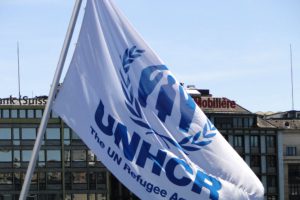
Unlike her character as a bad girl in Tomb Raider or as a vengeful Maleficent, Angelina Jolie has a soft spot when it involves philanthropy work. The American actress has a long record of helping communities globally. Although a mother of six, Jolie pauses her mom duties to find time to visit developing countries, improve the lives of refugees, get involved with charitable work, create foundations and fund schools in other countries. She is a Goodwill Ambassador for the United Nations High Commissioner for Refugees and is serving as the co-chair of the Educational Partnership for Children of Conflict.

Angelina Jolie, Goodwill Ambassador

Jolie uses her role as a Goodwill Ambassador to advocate for those who are no longer safe in their home countries. Most recently, Jolie has traveled to Peru and Colombia to visit Venezuelan refugees. During her trip to Peru, she spent two days in Lima at the border where massive groups of refugees enter daily. She spoke with a few refugees to hear stories of what their lives were like before migrating in hopes of a better life and freedom.

Crisis in Venezuela

Nearly 1.3 million Venezuelans are living in Columbia, and Jolie made it her mission to visit a few of them during her trip there. Jolie met with Colombian President Ivan Duque to express concern over the 20,000 Venezuelan children who are at risk of being without basic citizenship. They discussed how children can become nationalized and the importance of international support.

In a statement given at the press conference at the Integrated Assistance Centre, Jolie expresses how serious the influx of refugees affects not only the refugees themselves, but the countries they settle in.“The countries receiving them, like Colombia, are trying to manage an unmanageable situation with insufficient resources,” Jolie said. “This is a life and death situation for millions of Venezuelans. But UNHCR has received only a fraction of the funds it needs, to do even the bare minimum to help them survive.”

Rhoyinga Refugees

In February 2019, Jolie visited Bangladesh for three days to provide help for over 700,000 Rhoyinga refugees who have settled in the country. Jolie expressed concern over the challenges Bangladesh may face as a host country to a great number of refugees. Jolie was especially focused on making sure the refugees were comfortable and content after being forced to leave their home country, Myanmar. “I am here to see what more can be done to ensure Rohingya children can gain an education with recognized qualifications that they need to retain a clear vision for their futures, and, when conditions allow, rebuild their communities in Myanmar,” Jolie said. While there, she also created a new appeal of almost $1 billion dollars to support the rise of refugees.

Angelina Jolie’s fight to improve the lives of refugees dates back to 2002, a year after receiving the role as Goodwill Ambassador for UNHC for Refugees. Her consistent commitment to those who are displaced by force shows she is someone who genuinely cares for the lives of those who are struggling. Angelina Jolie is a prime example of someone using your voice and resources to help those who are in need.

– Jessica Curney

Photo: UNHCR


July 11, 2019
https://borgenproject.org/wp-content/uploads/borgen-project-logo.svg 0 0 Kim Thelwell https://borgenproject.org/wp-content/uploads/borgen-project-logo.svg Kim Thelwell2019-07-11 01:30:372024-06-04 01:17:52Angelina Jolie: The Fight To Improve the Lives of Refugees
Page 24 of 53«‹2223242526›»

Get Smarter

  • Global Poverty 101
  • Global Poverty… The Good News
  • Global Poverty & U.S. Jobs
  • Global Poverty and National Security
  • Innovative Solutions to Poverty
  • Global Poverty & Aid FAQ’s
Search Search

Take Action

  • Call Congress
  • Email Congress
  • Donate
  • 30 Ways to Help
  • Volunteer Ops
  • Internships
  • Courses & Certificates
  • The Podcast
Borgen Project

“The Borgen Project is an incredible nonprofit organization that is addressing poverty and hunger and working towards ending them.”

-The Huffington Post

Inside The Borgen Project

  • Contact
  • About
  • Financials
  • President
  • Board of Directors
  • Board of Advisors

International Links

  • UK Email Parliament
  • UK Donate
  • Canada Email Parliament

Get Smarter

  • Global Poverty 101
  • Global Poverty… The Good News
  • Global Poverty & U.S. Jobs
  • Global Poverty and National Security
  • Innovative Solutions to Poverty
  • Global Poverty & Aid FAQ’s

Ways to Help

  • Call Congress
  • Email Congress
  • Donate
  • 30 Ways to Help
  • Volunteer Ops
  • Internships
  • Courses & Certificates
  • The Podcast
Scroll to top Scroll to top Scroll to top