• Link to X
  • Link to Facebook
  • Link to Instagram
  • Link to TikTok
  • Link to Youtube
  • About
    • About Us
      • President
      • Board of Directors
      • Board of Advisors
      • Financials
      • Our Methodology
      • Success Tracker
      • Contact
  • Act Now
    • 30 Ways to Help
      • Email Congress
      • Call Congress
      • Volunteer
      • Courses & Certificates
      • Be a Donor
    • Internships
      • In-Office Internships
      • Remote Internships
    • Legislation
      • Politics 101
  • The Blog
  • The Podcast
  • Magazine
  • Donate
  • Click to open the search input field Click to open the search input field Search
  • Menu Menu

Archive for category: Refugees

Global Poverty, Refugees, Refugees and Displaced Persons

The Bidi Bidi Refugee Settlement: The World’s Largest

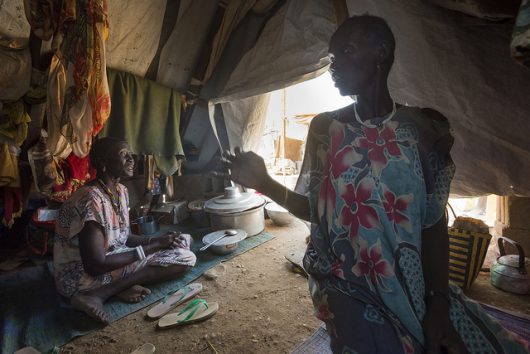
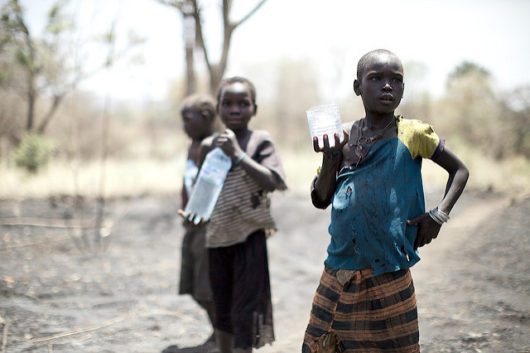
Bidi Bidi Refugee Settlement The Bidi Bidi refugee settlement is one of several located in Northern Uganda and covers an area mass of 250 square kilometers. It is the biggest refugee camp in the world and houses over 270,000 refugees. Most of the refugees come from South Sudan, a country that gained independence in 2013 but witnessed a new wave of instability and famine in 2016, forcing over 1.6 million South Sudanese to flee their homes. Out of the 1.6 million, 800,000 fled to Uganda. Uganda has one of the most compassionate refugee policies, allowing people to set up their own homes, and refugees are given the right to work and travel, which is uncommon. Uganda has, therefore, become a hot spot for refugees, which has brought an economic strain on the nation, forcing it to rely on humanitarian assistance to sustain millions of refugees.

Who Are the Bidi Bidi

The Bidi Bidi refugee settlement is home to a mostly South Sudanese population. Many of the inhabitants of Bidi Bidi fled because of the threat of murder or imprisonment from rebels or government soldiers. Having left their homes, often walking for days at a time, they arrive at the settlement center with nothing more than the clothes on their back. The process of becoming a refugee is often slow and hectic, but basic needs are met in a timely manner thanks to the NGOs and volunteers’ tremendous effort and funds that have been dedicated to making this refugee camp more livable.

Insecurities

Many of the inhabitants are affected by disease, predominantly malaria and HIV/AIDS. Malaria-carrying mosquitoes breed in wet environments, and due to the rains in Uganda, no one is safe from malaria. Therefore, it is imperative that these settlements have proper access to medical aid and resources to ensure the well-being of refugees. In addition to a lack of medical resources, malnutrition affects most of the population of Bidi Bidi and the rest of Uganda. The Ugandan government has been under pressure to provide food for those malnourished, but it is almost impossible without humanitarian aid and support.

Opportunities in Bidi Bidi

Each organization working within the Ugandan settlement camps and Bidi Bidi offers different and varied opportunities for refugees to support themselves and regain a sense of normalcy. Caritas is an organization aimed at promoting justice and helping the poor, and they have mobilized efforts to give aid to the people of Bidi Bidi. Depending on which zone of the camp refugees live in, some receive a plot of land, agricultural tools and seeds to begin to sustain themselves and create opportunities for businesses.

Many women in Bidi Bidi have access to psycho-social support and empowerment resources that have been set up within the camp. The U.N. has created a system of revolving funds, meaning that funds are replenished when used, which allows women to learn vocational skills such as hairdressing and helping women build their own businesses. This leads to empowerment and creates a sense of stability in an unstable world.

The Future of the Bidi Bidi Refugee Settlement

The Bidi Bidi refugee settlement is the largest of its kind in the world, it uses what it can to create and offer opportunities and resources to refugees, so they may live more independently. It focuses on rehabilitation and independence and creates a sense of hope for the future of the inhabitants of Bidi Bidi. The unrest and violence in South Sudan still create thousands of refugees on a daily basis. The long-term solution is to achieve peace in South Sudan, so people can return home. However, in the short-term, it is imperative that Uganda receives humanitarian aid to ensure the safety and wellbeing of its inhabitants.

– Trelawny Robinson 
Photo: Flickr

October 4, 2018
https://borgenproject.org/wp-content/uploads/borgen-project-logo.svg 0 0 Borgen Project https://borgenproject.org/wp-content/uploads/borgen-project-logo.svg Borgen Project2018-10-04 01:30:352019-07-09 17:00:43The Bidi Bidi Refugee Settlement: The World’s Largest
Global Poverty, Hunger, Refugees

Crisis Zone: 10 Facts about Living Conditions in Venezuela

Top 10 Facts about Living Conditions in Venezuela
The situation in Venezuela, sparked by political turmoil and hyperinflation, has denigrated into a dire case of global poverty. Despite its former status as one of the richest countries in South America and its access to the largest oil rig in the world, Venezuela’s economy has sparked both a humanitarian crisis and a refugee crisis within South America. Here are the top 10 facts about living conditions in Venezuela:

Food Scarcity & Weight loss

According to a study by three universities in Venezuela, 74.3 percent of the population lost an average of 19 pounds of weight in 2015, and around 9.6 million Venezuelans ate two or fewer meals a day.

Due to past government subsidies of oil production, the people of Venezuela have historically relied heavily on imports of even basic necessities rather than domestic production.

Now that Venezuela’s borders have been closed and its currency devalued, imported resources within Venezuela have become increasingly scarce, making food prices rise significantly.

Population and Inflation

Approximately 81 percent of Venezuela’s 31.5 million people are now considered to be living in income poverty, while over 50 percent are estimated to be living in extreme poverty.

Additionally, the IMF predicts that inflation will reach 13,000 percent in the coming year, making it the biggest recession in the history of the Western Hemisphere — twice as large as the Great Depression.

Education Decline

For a country that once boasted free education for all students under Hugo Chavez’s socialist regime, the education structure in Venezuela is crumbling under the current economic crisis. Many schools in Venezuela have closed or are operating at limited capacity.

Such conditions are due to insufficient salaries for school teachers who are working for just over a dollar a month, as well as lack of school lunches as the government has run out of funds for the state-run program that provided children with free lunch. An increasing number of children have stopped going to school because, without food, they may faint in class.

Of 8 million school children, approximately 3 million students have stopped attending some or all classes. Education professionals within Venezuela fear for a future of uneducated and unskilled workers if this trend continues too long.

Lack of Hygiene

As most families have been scraping by just to put food on the table, those receiving the minimum wage face a choice every time they receive their paycheck: food or hygiene? According to Jonathan Marquez, a security guard and now also a taxi driver, he always picks food, adding water to the little bit of shampoo that he has left to make soap.

Additionally, one reporter from Venezuela spent 86 percent of the monthly minimum wage on eight rolls of toilet paper, after failing to find it in any stores for a whole week.

Businesses Cannot Operate

Number five of the top 10 facts about living conditions in Venezuela is that lack of resources for the individual means lack of resources for small businesses as well. The economic emergency in Venezuela has led to declining business within Venezuela, resulting in layoffs and even many business shut-downs.

Hairdressers only have running water two days a week and hair products are scarce to find; bakers have no flour to make bread; restaurant owners have no customers to cook for and very little pasta to cook.

Lack of Medicine

The medical profession is suffering as well. While doctors can still prescribe medicine, there is hardly any medicine to supply to their patients as the country endures an estimated 85 percent shortage of medicine, according to the Pharmaceutical Federation of Venezuela. Chronic diseases like kidney disease or diabetes are not being treated due to this limited supply of medicine, which leads to serious health risks.

A box of ten pills for high blood pressure can be more than a retiree’s monthly pension. Even highly preventable and curable diseases can now develop into life-threatening illnesses from the lack of antibiotics and proper treatment.

Water and Electricity Shortages

Drought from the Guri Dam has sparked a country-wide rationing of water and electricity. The hydroelectric plants in the reservoir contribute to 70 percent of the nation’s electricity supply.

While a standardized 4 hour outage was enacted daily, residents have noted that some days there is no electricity for up to 14 hours. In efforts to conserve electricity, Maduro has cut public sector work weeks to two days per week.

Concerning water rationing, faucets only run once or twice a week for most people; however, in harder-to-reach places like Margarita Island, water is only supplied once every 21 days.

Violence and Protests

Street protests and looting have become almost commonplace in Venezuela as people continue to lose faith in their government. In three months, 111 protests were recorded in Sucre — one of Venezuela’s 23 states — as reported by Indice, a human rights group monitoring the protests.

Reporters have noted 5 or 6 protests per week, all demanding basic necessities and fighting through tear gas and rubber bullets to get it.

The South American Refugee Crisis

To escape the turmoil within Venezuela, there has been a mass exodus into neighboring countries, particularly Colombia, Ecuador, Peru and Chile. The UNHCR estimates that nearly 5000 people escape from Venezuela each day, totaling 2.3 million migrants from Venezuela since 2015.

While South American border policies have eased the refugee migration process for many Venezuelan people, neighboring countries are not equipped with the facilities and resources to host refugees in the capacity at which they’re arriving.

Aid and Access

Government restrictions under President Maduro have rejected humanitarian aid by obstructing shipments, particularly targeting medicine, but that does not mean that there is nothing that can be done. Church groups and non-profit organizations like Sanando and the Cuatro Por Venezuela Foundation are doing their best to provide aid to the people of Venezuela.

Cuatro Por Venezuela began in 2016 when four Venezuelan women living in the U.S. decided to deliver relief to their country. They have since provided over 50,000 food servings per year and attended to over 17,000 medical patients. Neighboring countries, such as Colombia, have also been immensely helpful to Venezuelan refugees by providing food and shelter for hundreds of thousands of people.

While the U.S. is still pressing sanctions on President Maduro, Mike Pence has promised $48 million to support regional partners that are taking on the brunt of this crisis.

Giving Hand, Willing Heart

The humanitarian readiness to help is inspiring; however, the onus remains on Nicolas Maduro and the Venezuelan government to open its borders to aid and imports to ensure the safety and health of their people.

The U.S. government and the world is ready to help alleviate the situation in Venezuela. The hope is that these top 10 facts about living conditions in Venezuela will have significantly changed by next year.

– Sara Andresen
Photo: Flickr

October 3, 2018
https://borgenproject.org/wp-content/uploads/borgen-project-logo.svg 0 0 Kim Thelwell https://borgenproject.org/wp-content/uploads/borgen-project-logo.svg Kim Thelwell2018-10-03 01:30:572024-05-29 22:57:28Crisis Zone: 10 Facts about Living Conditions in Venezuela
Humanitarian Aid, Refugees, Refugees and Displaced Persons

Equal Humanitarian Assistance for Elderly Refugees

Humanitarian Assistance for Elderly Refugees
Despite UNHCR regulations that call for adequate humanitarian assistance for elderly refugees, older people are often not the focus of aid programs. Organizations such as HelpAge International, however, along with UNHCR, are working to improve services and care for elderly refugees by developing a more comprehensive understanding of their struggles and needs.

Lack of Humanitarian Assistance for Elderly Refugees

Older persons, defined by the UN as people over 60 years of age, are particularly vulnerable when displaced from their homes. Lack of mobility, chronic illness or weakened vision can hinder their ability to flee. They may also be reluctant to leave, concerned about becoming socially isolated or physically separated from their families. A study of eastern Ukraine found that approximately half of all the older people remained home when the conflict began and that many were left behind due to their reduced mobility.

Even after older people manage to leave, humanitarian assistance to elderly refugees may not fully address their needs. An Overseas Development Institute report explains that “while humanitarian principles require that aid is delivered in an impartial manner, based on needs alone, in emergencies humanitarian organizations tend to implement blanket, one-size-fits-all programmes that fail to adequately address the specific vulnerabilities of older people.”

One of the primary reasons for this is that elderly refugees make up a small percentage of refugee populations, approximately 8.5 percent. This leads them being deprioritized in favor of larger demographic groups, including women and children. It is estimated, however, that by 2050 there will be more people over the age of 60 than under the age of 12.

Needs of Older Refugees Neglected

Areas in which the needs of elderly refugees are not always properly addressed include safety, protection, nutrition, medical services and mental health. Elderly refugees have a greater risk of experiencing violence, including sexual and domestic abuse. They are also likely to be exploited by family members. These risks are greater for women, those with disabilities and LGBT individuals.

Additionally, older people need food that is easy to eat and digest, and may become malnourished due to their inability to consume regular food. UNHCR reported in 2016 that humanitarian assistance for elderly refugees generally does not meet the food requirements of older people.

Two-thirds of elderly refugees have been found to suffer from poor physical health. In a study about older Syrian refugees in Lebanon, it was found that most of them had at least one non-communicable disease: 60 percent had hypertension, 47 percent had diabetes and 30 percent had some form of heart disease, indicating a need for more comprehensive health services.

Mental health is also a significant area of concern. Older people, who often have a great deal of prestige and important societal roles, find that they lose much of their influence, power and resources when they become refugees. This is partly due to the fact that one of their main resources, life experience, is less relevant in new, unknown settings. Western values and education serve to give more prominent roles to younger people.

The loss of their traditional roles in addition to the trauma resulting from conflict and fleeing was found to have caused depression and mental illness among older South Sudanese refugees in a study published by the Overseas Development Institute. Respondents indicated that they felt isolated from their community and families, sensing that younger generations no longer respected them. They were also concerned that their families would grow tired of having to care for them.  

Uncertainty about being able to return to their homes can also cause psychological stress in elderly refugees. The family of Dagha, a 101-year-old Syrian refugee, stated that she often cries in her sleep and that her greatest fear is that she will die in Lebanon. Dagha reportedly asked her family to promise that they will bury her in Syria.

Providing Humanitarian Assistance

Improving humanitarian assistance for elderly refugees is an attainable goal. Aid organizations have the funding needed to make older refugees a greater priority, and an article in The Guardian explains that “mindset is the main barrier to inclusive humanitarian assistance, not money.”

UNHCR has a renewed commitment to focusing on elderly refugees and has outlined several practices ensuring aid is used to meet their needs. First, it is important to communicate with older people, both about their specific needs and concerns, and the services available to them. Important messages need to be in a format that elderly refugees can access. Working with older people to determine what works best for them is vital.

Older people should also be prioritized in reunification efforts and moving forward they should not be separated from family members. Additionally, the needs of elderly refugees should be considered when designing shelters and settlements.

In response to mental health concerns, aid workers need to improve their understanding of what elderly refugees want out of their lives in new and unfamiliar locations. Many South Sudanese informants stated that they wished to regain the societal and familial roles they had held before leaving.

With the help of organizations such as HelpAge International and UNHCR, humanitarian assistance for elderly refugees will hopefully begin to improve, moving toward fully addressing their needs and concerns. Life for elderly refugees will likely continue to be difficult, but better aid can lessen their struggles and improve their general livelihoods.  

– Sara Olk
Photo: Flickr

October 2, 2018
https://borgenproject.org/wp-content/uploads/borgen-project-logo.svg 0 0 Borgen Project https://borgenproject.org/wp-content/uploads/borgen-project-logo.svg Borgen Project2018-10-02 14:37:012019-07-19 07:47:32Equal Humanitarian Assistance for Elderly Refugees
Refugees

Difficulties Faced by Syrian Refugees in Germany

Syrian refugees in Germany
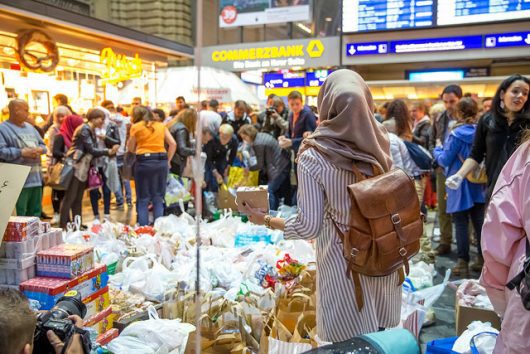
Between 2015 and 2016, Germany accepted over one million refugees, many of whom came from Syria. Some Syrian refugees in Germany, however, have found themselves unsatisfied with their lives in the European nation. The main reasons for this are:

  • Social isolation and discrimination
  • Lack of education and employment opportunities
  • Policies in regard to how long asylum seekers are approved to stay and where they can live
  • Germany’s Family Reunification Policy, which has left many Syrian families unable to reunite.

These conditions have prompted some refugees to risk the illegal and dangerous journey back to Turkey in the hopes of reuniting with their loved ones.

In the text below four above mentioned reasons for the dissatisfaction of refugees will be discussed.

Social Isolation and Discrimination

Syrian refugees sometimes arrive in Germany after an arduous journey only to find that the opportunities for them are severely limited by discrimination. Germany’s decision to allow such a large number of refugees enter the nation has been met with disapproval and resistance, as some Germans do not want refugees in the nation. One German volunteer who worked with refugee families stated that many people were not nice to the refugees she worked with and that they treated her with contempt for helping them.

This discrimination causes a lack of social connections, which exacerbates the poor mental health of refugees, many of whom suffer from posttraumatic stress disorder (PTSD). Suicides among refugee youth in Germany have increased due to their failure to create new social ties.

Lack of Opportunities

Syrian refugees in Germany often have difficulties to find employment and to access educational opportunities, as a result of prejudices. In the Atlantic Council article, Yassir, a Syrian refugee who arrived in Germany in 2015, explained that he has been unable to find work for over two years. He learned to speak German quickly after his arrival, but, according to him temp agencies, restaurants, cafes, workshops, all “shut their doors in his face”. According to the Federal Labor Agency, only 17 percent of refugees in Germany are employed.

Education is also an issue, with only 45 percent of Syrian refugees in Germany possessing a school certificate. Shortly after coming to Germany, 20-year-old Mahmoud realized that his educational endeavors could not be achieved in the European nation due to “systematic hurdles imposed by the authorities”, according to The Atlantic Council. He made the decision to resettle in Turkey, where he was able to receive an academic scholarship from the engineering department of Aydin University in Istanbul.

Policies on Refugee Status and the Integration Law

German practices in regards to who is granted full refugee status have also been stressful for many refugees. Initially, almost all Syrian refugees taken in by Germany were granted full refugee status, however, beginning in March 2016, Germany began granting more and more Syrian refugees subsidiary protection instead, which needs to be renewed annually. In 2016, 41 percent of Syrian refugees were given subsidiary protection, and in 2017 this number increased to 55 percent. Syrians with subsidiary protection, many of whom may be happy living in Germany, live in fear of not being accepted when they apply for renewal.

Additionally, German policies on choosing where refugees are placed in the nation cause instability and uncertainty for many refugee families. Germany’s 2016 Integration Law forces refugees to live in states assigned by the government, often without consideration of where the rest of their family is located.

According to U.N. Discussion paper, Zein lived in Germany from 2014, and though her husband arrived in the country in 2015, it was six months before he was granted permission to settle in the same location as her. Similarly, Siwar came to Germany a year and a half after her husband and was sent to a shelter located 100 kilometers away from where he lived, rather than with him.

Germany’s Family Reunification Policy

Arguably the most significant problem for Syrian refugees in Germany, as well as the main reason some have made the decision to illegally return to Turkey, is Germany’s Family Reunification Policy. In March 2016, Germany stopped allowing refugees with subsidiary protection to apply for family reunification. Originally they stated that this would be in effect until March 2018, but then further extended it to July 2018.

According to the Federal Office for Migration and Refugees, as of April 2018, approximately 4,000 Syrian refugees had been reported missing, many of whom could have traveled to Turkey. It is likely that this number is significantly higher. Many Syrians in Germany have family members stuck in Turkey and are willing to risk the dangerous and illegal journey back to Turkey in order to be reunited with them. According to Deutsche Welle, refugees have stated that they would “rather die together than live apart”.

Although family reunification applications are being accepted as of July 2018, a 1,000 person limit on entries per month has been added to prevent an extreme influx of refugees. As of early August, 34,000 family reunification requests had already been submitted, with hundreds of thousands expected.

The future of Syrian refugees in Germany, as well as in other parts of the world, is still undetermined. Countries, including Germany, have made an incredible impact by accepting such a large number of refugees over the past few years. Germany’s reinstatement of family reunification, even with the monthly limit, will begin to bring Syrian families back together and hopefully improve the status of refugees in the nation.

– Sara Olk
Photo: Flickr

October 1, 2018
https://borgenproject.org/wp-content/uploads/borgen-project-logo.svg 0 0 Borgen Project https://borgenproject.org/wp-content/uploads/borgen-project-logo.svg Borgen Project2018-10-01 08:22:322024-05-29 22:53:27Difficulties Faced by Syrian Refugees in Germany
Refugees

Boldness and Books: Prioritizing Education for Refugees in Uganda

Refugees in Uganda
Refugees from almost all of the countries that border Uganda — such as the Democratic Republic of Congo, Rwanda, Kenya and South Sudan — chose to seek safety in Uganda over the last 20 years due to conflict.

Nakivale is a refugee settlement in Uganda that offers access to education and gives refugee children the opportunity to grow into leaders — a skillset that helps protect them from child labor and child marriage. Education in an impoverished area like Uganda can result in many positive benefits.

Educational Resources in Nakivale

Uganda encourages refugees to prosper, especially when it comes to education. Nakivale hosts more than 100,000 refugees, and provides them with numerous resources.

These resources include land, materials needed to build a home or a building where education can be present, and the opportunity to create one’s own work including through the avenue of education.

Working to Improve Educational Opportunities for Refugees

The chance to grow and build a community is embraced for refugees in Uganda. While there are indeed resources for educational opportunities, access to an established education system for children is limited in Nakivale.

However, there are initiatives for helping improve the lack of education. Since the government and the people of Nakivale are supportive of allowing refugees coming into their country, they are also willing to provide tools to promote education.  

One way that education is being improved in Nakivale is through the creation of a university. A group of young men in Nakivale created a university in the camp because they wanted to ensure that children had access to safe and adequate education.

Bridging the Gap

In 2016, 3.5 million refugee children did not have access to education. Knowledge is crucial to the impoverished because it can help them become leaders, build up their communities and keep them away from child labor and child marriage.

Refugees in Uganda have the tools and support they need to have an education. Education in an impoverished area not only benefits the people but also helps get rid of global poverty. Being educated, especially when dealing with global poverty, can help create a positive result for all impoverished populations.

– Kelly Kipfer
Photo: Flickr

September 27, 2018
https://borgenproject.org/wp-content/uploads/borgen-project-logo.svg 0 0 Borgen Project https://borgenproject.org/wp-content/uploads/borgen-project-logo.svg Borgen Project2018-09-27 01:30:232019-07-19 08:26:45Boldness and Books: Prioritizing Education for Refugees in Uganda
Global Poverty, Health, Refugees, Refugees and Displaced Persons

Mental Health Support for Refugees

Mental Health Support for RefugeesThe global refugee crisis is becoming more and more widespread. In 2017, there were 2.9 million asylum seekers and this represented the biggest single-year rise in history. Those who fall victim to war, natural disaster, and famine are displaced and seek to find security in other countries. Their fleeing journey comes with many hardships, some of which provoke serious mental trauma during these vulnerable times. This text underlines the importance of mental health support for refugees.

Mental problems of refugees

When leaving the host country, refugees seek out protection camps and detention centers where they are placed in the uncertain housing and are at risk of being displaced from their families. Challenges that arise from resettlement are a loss of culture, community, or feeling ostracized from the current environment. Post-traumatic stress disorder (PTSD) symptoms in refugees range from 10 to 40 percent. Children, on the other hand, experience these symptoms in even higher figures, from 50 to 90 percent.

When refugees arrive in other countries, they are subject to screenings for physical illnesses. In 2010, only 18 percent of refugee mental health coordinators used effective screening to identify mental illnesses. Barriers to mental health support for refugees include lack of access to interpreters, lack of access to mental health centers in poor, needy communities, shortages of mental health professionals in native countries and many more as well.

Providing mental health support to refugees in America

Centers across the U.S. are also providing mental health support for refugees. Bellevue Hospital in New York City created the program Survivors of Torture to assist asylum seekers and others who had a misfortune to be victims of torture. This is incredibly important, as 50 percent of refugees have experienced some form of torture.

California Department of Health screens refugees for signs of mental trauma as well as physical conditions. Today, about half of the states in the U.S. have mental health screenings. The Minnesota Department of Health helps refugees resettle and successfully integrates them into the community. The Harvard Program in Mental Trauma brings advances of modern medicine to refugees who desperately need mental attention.

Mental health support to refugees in other countries

Mental health experts around the world are working with UNHCR and non-governmental organizations to ensure refugees receive the help they deserve. Some organizations include:

  1. Psycho-Social Services and Training Institute in Cairo. Founded by Nancy Baron in 2009, the institute delivers mental health service to low-income communities in the Middle East.
  2. Syria Bright Future. Mohammad Abo-Hilal was an asylum seeker who fled from Jordan in 2011. He founded Syrian Bright Future to train volunteers to identify mental health symptoms. This non-profit organization recently expanded to other countries and provides immediate services to refugees.
  3. Center for Mind and Body Medicine. The organization specializes in holistic approaches to trauma such as meditation and mindfulness behavioral programs.

Due to the problematic refugee crisis around the world, mental health support for refugees in needed more than ever. Through programs like cognitive behavioral therapy to art mindfulness, professionals are finding ways to help refugees combat traumas. These programs can provide refugees with the necessary mental health support they need.

– Lilly Hershey-Webb
Photo: Flickr

September 15, 2018
https://borgenproject.org/wp-content/uploads/borgen-project-logo.svg 0 0 Borgen Project https://borgenproject.org/wp-content/uploads/borgen-project-logo.svg Borgen Project2018-09-15 13:58:132019-08-01 23:38:46Mental Health Support for Refugees
Global Poverty, Nonprofit Organizations and NGOs, Refugees, Refugees and Displaced Persons

Top 10 Refugee Nonprofits Giving Hope

10 Refugee NonprofitsWe are living in a tense political time, especially pertaining to immigration and international conflict. Therefore, the work of refugee nonprofits is more important than ever. Not only do they help people who have been torn from their homes to find housing and work but they also assist them with getting acclimated to new countries. Here are 10 refugee nonprofits that are providing a light for those individuals who are displaced and struggling.

10 Refugee Nonprofits Giving Hope

  1. The International Rescue Committee (IRC) – This organization responds to humanitarian crises all over the world by providing money transfers, access to schooling and healthcare and even safe spaces for women. In 2017, IRC helped almost 23 million people attain primary healthcare and created 16,179 business—more than half of which are female-owned.
  2. Refugees International – Founded in 1979 as a movement to protect Indochine refugees, Refugees International has since expanded to become a leading advocacy group, working to pressure global officials to focus on assisting refugees.
  3. HIAS – This Jewish nonprofit covers advocacy as well, but also focuses on providing refugees with legal assistance as needed. They are committed to helping refugees of all faiths from all countries. Additionally, HIAS helps relocate those who have been displaced to the U.S.
  4. American Refugee Committee (ARC) – Another one of the 10 refugee nonprofits is ARC which provides a wide variety of services to refugees in need. Since 1979, ARC has supplied emergency response teams to assist with man-made and natural disasters on the Thai-Cambodian border. It also provides education, healthcare and water sanitation to refugee communities.
  5. REFUNITE – This group uses technology to reconnect separated refugee families. REFUNITE created a database that displaced peoples can use to try and find their lost loved ones. Thanks to their efforts, their website now has over 1 million profiles, making it much easier to reunite separated relatives.
  6. World Relief – Though it covers many other sectors beyond refugee issues, World Relief plays an important role in helping the displaced. This group gets in on the ground floor and meets refugees at the airport to help them find housing, learn English and even get jobs.
  7. Mercy Corps – Specifically doing work with the Syrian crisis, Mercy Corps has provided food and other resources to families who are displaced. Mercy Corps has also provided safe spaces for children and communities that need to start over in a new country such as the work in the U.S. Mercy Corps, which is currently helping 1.8 million people who have been affected by the Syrian crisis.
  8. Save The Children – As can be inferred from the name, Save the Children focuses on children in need. The group is active in 120 countries responding to disasters like refugee crises and advocating for the children affected. They also provide basic care such as shelters and food for children separated from their families.
  9. Lutheran Immigration and Refugee Service (LIRS) – LIRS meets in person with refugee families and provides them with legal and social services such as education, housing and language training. To date, they have helped more than 500,00 immigrants and refugees.
  10. Doctors Without Borders – Focusing mainly on medical assistance and healthcare, Doctors Without Borders works by responding to humanitarian crises in impoverished countries across the world. Displaced refugees often have no access to professional healthcare, and Doctors Without Borders fills that void.

With 68.5 million people displaced in the world today, groups like these 10 refugee nonprofits are giving hope to those who have experienced more than their share of despair. These organizations and the many more who work to alleviate poverty and suffering around the world are more important than ever.

– Amelia Merchant
Photo: Flickr

September 15, 2018
https://borgenproject.org/wp-content/uploads/borgen-project-logo.svg 0 0 Borgen Project https://borgenproject.org/wp-content/uploads/borgen-project-logo.svg Borgen Project2018-09-15 06:30:282019-08-01 23:40:08Top 10 Refugee Nonprofits Giving Hope
Advocacy, Global Poverty, Refugees

Amber Heard Is Helping Syrian Refugees

Amber HeardAmber Heard is a model and actress who has dedicated her career to being more than just a “pretty face.” She is best known for her roles in Zombieland (2009), The Stepfather (2009) and The Danish Girl (2015). Heard was also featured in The Justice League (2017) as Mera, a role which she will be reprising in the upcoming Aquaman film.

The actress has always been a strong advocate for the importance of charity work and helping those who are in need. Now, through a lot of time and dedication, Amber Heard is helping Syrian refugees that need medical attention by partnering with The Syrian American Medical Society (SAMS).

The Syrian American Medical Society

SAMS is an organization that provides medical relief to Syrian refugees by working on the front lines. The non-governmental organization (NGO) prides itself on being one of the most active and trusted organizations on the ground in Syria. Its main goal is to provide medical care to every patient who needs it.

SAMS is dedicated to providing these medical services all while promoting medical education in Syria with the assistance of hard-working humanitarians from around the globe. Its vision is to strengthen the medical community for Syria’s future. In 2017 alone, SAMS worked to provide more than 3.5 million health services to vulnerable populations, serving patients regardless of religious affiliation, race, ethnicity or political affiliation.

SAMS primarily operates in Syria, Jordan, Lebanon and Turkey where it has provided support to 110 medical facilities and over 3,000 personnel. Now, its programs are quickly expanding to other countries that are facing extreme poverty. For example, in 2016, it launched SAMS Global Response (SGR) to address the medical needs of vulnerable populations in Greece.

In 2017, SAMS expanded its operation to Egypt and Bangladesh where it set up to meet the increasing medical needs of those who have no access to health care. SAMS does what is called “medical missions” where it brings in skilled health professionals from around the world to provide life-saving care free of charge.    

SAMS is a leader for advocacy and works closely with policymakers both within the United States and on the global level. It advocates increasing political action to help end the crisis in Syria and allow for the voices of its workers on the ground who continue to risk their safety to save the lives of the vulnerable. It advocates for:

  • Protection of medical facilities, healthcare workers and civilians
  • Provisions for access to trapped civilians
  • Increasing involvement of NGOs in decision-making
  • Support for both Syrian refugees and host communities

Amber Heard Is Helping Syrian Refugees

SAMS asked Amber Heard to join its crew on a medical mission to help assist with the 660,000 displaced Syrians in a camp. “My biggest takeaway from this trip is the indelible mark left on my soul after spending a week on the ground here…” Heard spent a week in Jordan with SAMS to visit one of the largest camps for Syrian refugees, which also doubles as a rehabilitation center for those who have been injured.  

Amber Heard is helping Syrian refugees by starting a fundraising campaign. During her trip to Jordan, Heard met a 12-year-old girl named Weam, who is in desperate need of medical assistance. She suffers from a disease called thalassemia, which means she needs blood transfusions every 20 days. This is an expense her family simply cannot afford. Weam had been receiving treatments from an NGO; unfortunately, due to budget cuts, the treatment had to stop. There are 12 more children that have to live with this disease who also need help.  

Amber Heard is helping Syrian refugees by partnering with SAMS to offer a trip to the Aquaman premiere as well as a meet and greet with Heard and her co-star Jason Momoa. The money raised will be used to help treat the 12 children suffering from thalassemia in Jordan.

Amber Heard is using her influence to raise awareness of the important work being done by SAMS. With her fundraiser, 12 children will get the blood transfusions they need to fight thalassemia. Medical attention for Syrian refugees is an important cause, and thanks to people like Amber Heard and organization like SAMS, some of the suffering that these refugees are experiencing can be lessened.

– Olivia Hodges

Photo: Flickr

September 10, 2018
https://borgenproject.org/wp-content/uploads/borgen-project-logo.svg 0 0 Borgen Project https://borgenproject.org/wp-content/uploads/borgen-project-logo.svg Borgen Project2018-09-10 06:30:212024-05-27 09:22:46Amber Heard Is Helping Syrian Refugees
Migration, Refugees

Ending Statelessness in India

statelessness in indiaThe Indian government recently published its National Register of Citizens (NRC) for the State of Assam, cataloging the names and personal information of its citizens. The list has brought about controversy in light of the omission of an estimated four million residents of Assam, a state known for being a haven for Bangladeshi migrants and refugees.

These four million people could soon become stateless, which is an issue that The U.N. Refugee Agency (UNHCR) must look to solve if it plans to meet its goal of ending statelessness in India and throughout the world at large.

Legal Status is Being Threatened in India

March 24, 1971 was the cutoff date that the Indian government chose for proving legal status in Assam. Those that could not prove that they came to the state before this date—the day before Bangladesh declared its independence from Pakistan—would not be granted legal status in India.

The origin of the register is rooted in fear of the state’s Hindu-majority being altered by Muslim migrants. Now, the updated register almost solely excludes Bangladeshi refugees of the Bangladesh Liberation War, the majority of whom are Muslims.

The NRC has granted some family members citizenship while omitting others, bringing into question the accuracy of the list and the thoroughness of the identification process. The Government of India has stated that the Registry is not final; although, many had already been detained and separated from their families even prior to the publication of this updated Registry.

Those that lose citizenship will be stripped of the right to legally own land, work and vote in India. It has been reported that Bangladesh will not accept deportees; therefore, many of those that are at risk will wind up stateless and could be held in detention camps in India.

The UN Refugee Agency is Working to End Statelessness

If these four million people are not granted legal status in any capacity, this would mark a step backward for The U.N. Refugee Agency since it aims to end statelessness by 2024. An additional four million stateless in India would represent a 40 percent increase in the number of stateless people in the world, according to Agency estimates.

There are still many intangibles to be considered before the Agency decides on a course of action. However, the formation of a sound, national, legal framework for asylum has long been needed, particularly in states like Assam. “The lack of a national refugee protections framework is an obstacle to providing effective refugee protection,” according to the Agency. Asylum legislation could be a vehicle of enfranchisement for those that otherwise would become stateless.

Previously, India had always respected The UNHCR’s mandates. Now, the Agency is considering performing refugee status determinations (RSDs) for those left off of the list as well as also looking to advocate for the individuals at risk by reaching out to civil society.

In the past, The UNHCR has looked to generate discussion and awareness about refugee issues among the common populous, Indian academics, the media, human rights organizations and other nongovernmental organizations. Changing the perceptions of and rhetoric around asylum seekers in India could prove to be the most vital intervention that the Agency could take.

The U.N. Refugee Agency relies heavily on the contributions of member states to carry out its functions. Further contributions will be needed to prevent statelessness in India and help the people of Assam and throughout the world find a stable and safe home. While the task ahead is daunting, The UNHCR has already helped an estimated 50 million refugees in the 65 years they have been operating. With the necessary resources and with the cooperation of the Indian government, their goal for 2024 is achievable.

– Julius Long
Photo: Unsplash

September 10, 2018
https://borgenproject.org/wp-content/uploads/borgen-project-logo.svg 0 0 Borgen Project https://borgenproject.org/wp-content/uploads/borgen-project-logo.svg Borgen Project2018-09-10 06:30:012019-08-02 19:34:44Ending Statelessness in India
Nonprofit Organizations and NGOs, Refugees

Three Organizations Helping Burmese Refugees in Buffalo, New York

Burmese Refugees in BuffaloIn the past decade, Buffalo has become home for refugees from all around the globe, but more than 8.000 of these refugees come from Burma. These refugees started arriving over a decade ago when resettlement agencies invited them to become Buffalonians after the George W. Bush administration made a near-secret diplomatic deal with Burma. Throughout Buffalo, there are numerous organizations helping Burmese refugees as they come in.

Organizations Helping Burmese Refugees in Buffalo, New York

  1. Journey’s End Refugee Services –  This organization’s mission is to assist refugees in becoming “healthy, independent, contributing members of the community.” This year alone Journey’s End has resettled 418 refugees in Buffalo. Refugees have to go through numerous interviews and screenings before they are put into the hands of Journey’s End, but once they are, they are given anything they could possibly need. Refugees arriving have a variety of needs, some need a translator, someone to take them out to get food and clothes, someone to find them a job and a home, but some refugees only need to be pointed in the right direction with little help along the way. The staff at Journey’s End is trained to deal with either extreme, as well as everything in between. This organization has turned thousands of people from terrified Burmese refugees into Buffalonians. Journey’s End has made it possible for native Burmese people to make a community and a home in Buffalo. It is where home begins again.
  2. International Institute of Buffalo – This organization believes that refugees and immigrants are critical to the economic strength, population growth, workforce and business growth, home ownership and the expanding cultural richness of Western New York. Their services include welcoming refugees into Buffalo, employment and housing support. The International Institute also works very hard to foster connections between those working with refugees and ethnic community leaders and native-born residents in order to get refugees more involved and more comfortable in the community. This social services organization also monitors the ethnic community organizations, including the Burmese Community Support Center. There has also been work with city block clubs to connect with foreign-born neighbors, as well as the establishment of the Buffalo Region Immigrant and Refugee Roundtable. This organization has made it possible for refugees to get connections around Buffalo, as well as giving them the chance to talk about what they are going through, so they feel less alone and more at home. The International Institute of Buffalo has gone above and beyond in order to make Burmese refugees, as well as refugees from all around the world, feel at home in Buffalo.
  3. Burmese Community Services – This is another organization helping Burmese refugees get settled into Buffalo, providing any assistance they might need along the way. It is tailored specifically towards Burmese refugees. Their services include aiding the poor and distressed, eliminating prejudice and discrimination, promoting the social welfare and defending human and civil rights secured by law. They also collaborate with stakeholders in Buffalo to address the needs of the growing population of Burmese people in the area. This non-profit organization also aids with school registration, food stamps, Medicaid, home energy assistance and re-certification of The Department of Social Services. This allows refugees to get help whenever they need it, no questions asked. Burmese Community Services provides a place where help can always be given to those Burmese refugees in need of it as well as a place for people of the same nationality to come together as a community.

All three of these organizations helping Burmese refugees have made a huge difference in their lives. These refugees have somewhere to go if they need help with almost anything. They have gone from terrified refugees to an integral part of the Buffalo community. Because of these organizations, there is a community for Burmese people to help them integrate into Buffalo, a place that they can call home. But, even though some Burmese people have been able to flee, a lot of people remain in terror and devastation in Burma. They can be helped by refugee organizations once they are in the U.S, but foreign aid is the only way to help Burmese people who are still living in fear of being killed every day.

– Megan Maxwell
Photo: Flickr

August 13, 2018
https://borgenproject.org/wp-content/uploads/borgen-project-logo.svg 0 0 Borgen Project https://borgenproject.org/wp-content/uploads/borgen-project-logo.svg Borgen Project2018-08-13 01:30:112024-05-29 22:52:48Three Organizations Helping Burmese Refugees in Buffalo, New York
Page 27 of 53«‹2526272829›»

Get Smarter

  • Global Poverty 101
  • Global Poverty… The Good News
  • Global Poverty & U.S. Jobs
  • Global Poverty and National Security
  • Innovative Solutions to Poverty
  • Global Poverty & Aid FAQ’s
Search Search

Take Action

  • Call Congress
  • Email Congress
  • Donate
  • 30 Ways to Help
  • Volunteer Ops
  • Internships
  • Courses & Certificates
  • The Podcast
Borgen Project

“The Borgen Project is an incredible nonprofit organization that is addressing poverty and hunger and working towards ending them.”

-The Huffington Post

Inside The Borgen Project

  • Contact
  • About
  • Financials
  • President
  • Board of Directors
  • Board of Advisors

International Links

  • UK Email Parliament
  • UK Donate
  • Canada Email Parliament

Get Smarter

  • Global Poverty 101
  • Global Poverty… The Good News
  • Global Poverty & U.S. Jobs
  • Global Poverty and National Security
  • Innovative Solutions to Poverty
  • Global Poverty & Aid FAQ’s

Ways to Help

  • Call Congress
  • Email Congress
  • Donate
  • 30 Ways to Help
  • Volunteer Ops
  • Internships
  • Courses & Certificates
  • The Podcast
Scroll to top Scroll to top Scroll to top