10 Facts About Life Expectancy in Azerbaijan
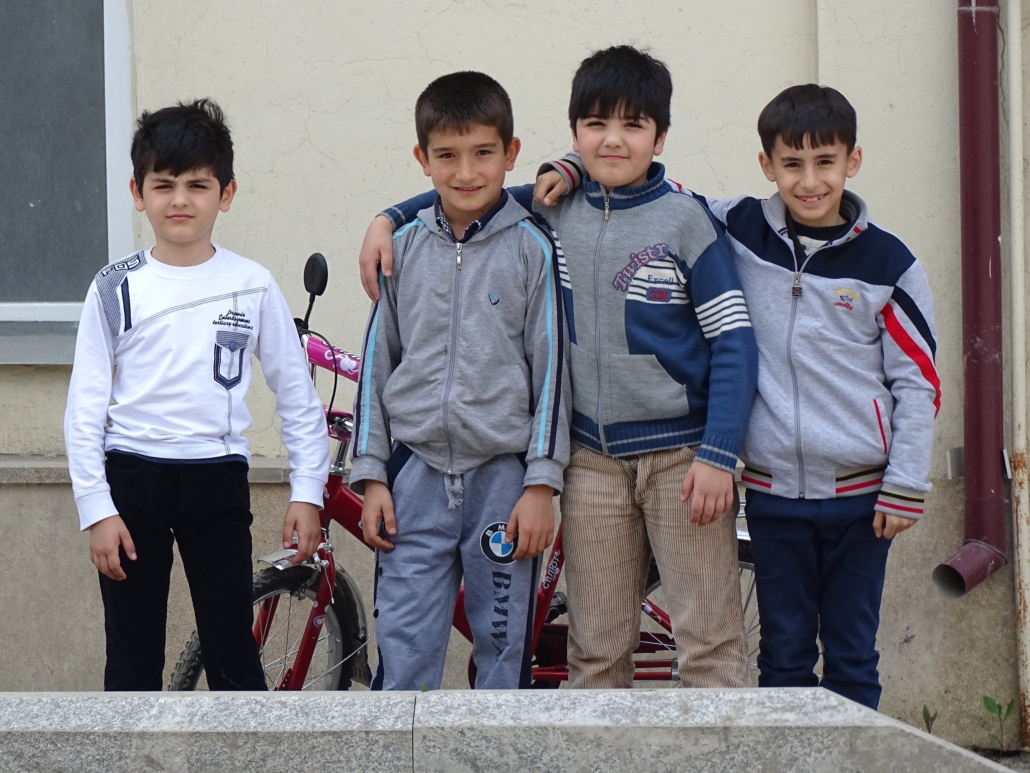
Azerbaijan, a Eurasian country of 9.2 million people, has a total life expectancy between 69 and 75. Despite being an oil-rich nation on the rise, Azerbaijan continues to struggle with poverty within its borders. Political corruption and the lack of free speech among its media have also been concerns. Here are 10 facts about life expectancy in Azerbaijan.
10 Facts About Life Expectancy in Azerbaijan
- In 2018, Azerbaijan’s average life expectancy was 70 for men and 76 for women, a significant increase from 60 and 66 in 1990. The male population has a higher mortality rate than the female population. While 8 percent of women die before the age of 60, 17 percent of men will die before then from causes including cancer, parasitic disease and circulatory and digestive diseases. Azerbaijan introduced plans to develop its domestic pharmaceutical sector in 2017, which will allow the country to be less reliant on exported goods and increase local health care reforms. Easier access to medicine locally would allow for longer life expectancy and access to care for diseases.
- Azerbaijan introduced a program in 2014 to provide additional training to medical professionals and increase medical staff, thus increasing the quality of service and raising awareness for health. This program, the State Program to Improve Health of Mothers and Children, contributed to the rise of life expectancy and the country currently uses it. Training doctors with increased medical services quality is an important step to improve health care in Azerbaijan.
- Azerbaijan‘s median ages are 30 for men, 33 for women and 31 overall as of 2018, with 6 percent of its population within retirement age (65 and older). Only about 13 people for each 1,000 reach the age of 80 or beyond in Azerbaijan. Currently, many citizens over the age of 65 are working due to the government’s lack of insurance implementation for accidents and low pension rates. Azerbaijan has introduced customary health insurance in 2016 via a pilot program within select regions. The State Agency for Mandatory Health Insurance monitors it which emerged in the same year. Many expect the program to reach other regions of the country throughout the coming years. The Azerbaijani government has also recently passed an amendment that would increase pensions by 48 percent for an estimated 36,000 people and increase customary insurance policy enforcement in an attempt to alleviate concerns for both the retirees and the injured.
- The rate of death in Azerbaijan as of 2018 is seven out of 1,000 people and the primary causes of death are diseases within the circulatory system (such as heart failure). There are about three doctors for about every 1,000 people in Azerbaijan as of 2014, which is not quite enough to serve those in need. The Azerbaijani government has taken steps to rectify this, including requiring all hospitals to implement a mandatory health insurance system to increase productivity and help patients in a timely manner. This is part of the customary health insurance program that Azerbaijan is currently rolling out in select parts of the country. As health care programs improve, the care people will need should be available as the insurance policy continues to move across Azerbaijan.
- The State Housing Construction Agency began a subsidized affordable housing system in 2017 which allows citizens to select apartments with a mortgage from a government-approved bank. The investment will allow individuals to own a place in healthier environments and better maintain housing care. Affordable housing is beneficial for people to save money as well.
- According to the Azerbaijan National Nutrition Survey from 2013, 22 percent of children between 6 to 23 months have adequate nutrition in their diet despite the fact that 93 percent of households currently have access to safe drinking water. The government revised food standards in 2016 that requires all providers to properly label their products to help parents pick the right item for their child’s nutrition needs. Azerbaijan intends the new labeling to increase nutrition in what it expects to be a healthier generation of children.
- Azerbaijan has begun to build new rehab centers for drug users and increase the quality of drug combating classes in August 2019 due to a rise of drug users since 2010. The country has been a notable transit for drug trafficking for many years, making drugs a possible risk to people’s life expectancy. Access to rehabilitation centers will allow citizens to overcome drug addiction that has been a growing concern over the years.
- The poverty rate dropped from 40 percent in 2000 to 8 percent the following year after heavily investing in health care and education as well as increased pensions and salaries across the nation. These investments allowed citizens to remained healthy and children to be able to learn on a much grander scale. Increased salaries and pensions also allow for greater personal spending and investments to bolster the national economy.
- The Azerbaijan 2020 project puts a strong emphasis on increasing the investment of health care to improve technology and services for diseases, surgery and childcare. This initiative is a part of a major plan to push Azerbaijan forward and increase the life expectancy. Sustainable health care is a priority to maintain current rates.
- Education will also receive investment in the Azerbaijan 2020 initiative by investing in and building technology. The increased focus on education allows children to gain access to a better understanding of their surroundings. The technology will also expand the teacher’s ability to pass down knowledge to their students.
Despite the current concerns of corruption within the government, these 10 facts about life expectancy in Azerbaijan show that it has taken steps to improve the life expectancy of the population. Programs designed to invest in the medical and education fields should grow the country further. Continued improvements over the course of these programs are crucial to Azerbaijan’s development as a nation.
– Henry Elliott
Photo: Flickr
