• Link to X
  • Link to Facebook
  • Link to Instagram
  • Link to TikTok
  • Link to Youtube
  • About
    • About Us
      • President
      • Board of Directors
      • Board of Advisors
      • Financials
      • Our Methodology
      • Success Tracker
      • Contact
  • Act Now
    • 30 Ways to Help
      • Email Congress
      • Call Congress
      • Volunteer
      • Courses & Certificates
      • Be a Donor
    • Internships
      • In-Office Internships
      • Remote Internships
    • Legislation
      • Politics 101
  • The Blog
  • The Podcast
  • Magazine
  • Donate
  • Click to open the search input field Click to open the search input field Search
  • Menu Menu

Archive for category: Hunger

Food & Hunger, Global Poverty, Hunger, United Nations

Hunger in Guyana Halved


Hunger in Guyana has improved exponentially over the past decade as the number of people who suffer from hunger has been halved.

According to the U.N., Guyana is one of 38 countries that have met internationally established targets in the effort to eliminate hunger.

The country was recognized by the World Food Summit (WFS) for more than halving the absolute number of undernourished people between 1992 and 2012. The number reduced from more than 19 percent to just over five percent in that 20-year time span. The number lowered from 143,000 to 38,000 undernourished people.

Reflected in the WFS report are the implications of poverty, food insecurity and hunger in Guyana. Extreme poverty in Guyana has declined from 28.7 percent in 1993 to 18.6 percent in 2006. In order to reach the U.N.’s Millennium Development Goals, that rate must have fallen by four percentage points by 2015.

The report raised concern not about the availability of food in the region, but rather the ability to make food widely accessible. Guyana has remote rural regions of underdeveloped communities to which it is difficult to distribute quality, nutritious meals. Raising agricultural productivity is the key in this regard because remote rural areas are largely dependent on their own crops and livestock.

Sixty percent of the country’s gross domestic product is represented by six exports: sugar, gold, bauxite, shrimp, timber and rice. Guyana was once a powerful producer of sugar, yet its production sunk to an all-time low in 2014. However, more recent crop production numbers have shown improvement.

To limit malnutrition, assuring the right food choices is important. In 2008, less than one percent of children under five suffered from extreme malnutrition. In addition, less than six percent experienced mild to moderate malnutrition.

The country’s minister of agriculture Leslie Ramsammy produced a food security report in July 2012. The report stated that an increasing population and the adverse of effects of climate change were the drivers of food insecurity. The U.N.’s Food and Agriculture Organization (FAO) recently established a National Disaster Risk Management (DRM) Plan for the agriculture sector.

Ramsammy noted that a high food import bill and high national debt were the two biggest threats. At that time, debt levels were at more than 45 percent of Guyanese Gross Domestic Product (GDP).

The minister of agriculture concluded that Guyana must reaffirm its commitment to the science of crop management and agriculture practices.

Hunger in Guyana has improved greatly over the past 20 years. The country has resolved to work with international organizations to reach global goals to develop locally groundbreaking agriculture advancements.

– Shaun Savarese

Photo: Flickr

April 24, 2017
https://borgenproject.org/wp-content/uploads/borgen-project-logo.svg 0 0 Borgen Project https://borgenproject.org/wp-content/uploads/borgen-project-logo.svg Borgen Project2017-04-24 01:30:442024-12-13 17:57:48Hunger in Guyana Halved
Global Poverty, Hunger

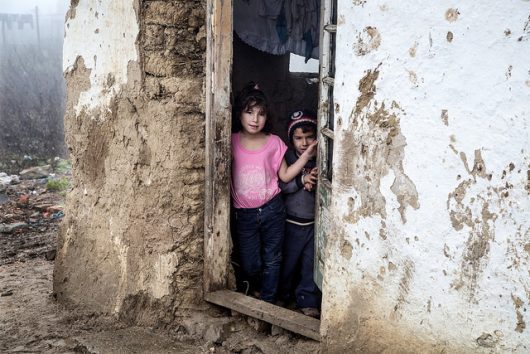
10 Facts About Hunger in Romania


Located at the merging point of central and southeastern Europe, Romania has the seventh-largest population in the EU. However, declining agricultural production and disparities between rural and urban populations have left many Romanians vulnerable to hunger. Here are 10 facts about hunger in Romania.

10 Facts About Hunger in Romania

  1. Hunger in Romania is linked to poverty, with 13.8 percent of the population living in absolute poverty. This is an improvement, however, as the poverty rate was 35.9 percent in 2000.
  2. The Romanian economy has been generally improving since the collapse of the Communist government in 1989. Economic reforms in the early 2000s and Romania’s entry into the EU in 2007 have led to an improving economic outlook.
  3. Poverty rates remain high in rural areas. Approximately 29.6 percent of Romanians in rural areas live in poverty, compared to 9.6 percent in urban areas.
  4. Poverty disproportionately affects single people, single-parent families, families with three or more children, and single people over 65. Roma populations are affected the most, with 58 percent living in poverty.
  5. Romania has an extensive welfare system in order to assist those in poverty. Roughly half the working population receives some kind of welfare, primarily for assistance with heating, electricity, and food.
  6. Hunger in Romania has an impact on children’s physical development. Approximately eight percent of Romanian children under the age of five are stunted. This is a lower rate than Russia, however, it is a higher rate than the Czech Republic and Yugoslavia.
  7. Homelessness also increases vulnerability to hunger in Romania. Approximately 5,000 people live on the streets in Bucharest alone, the majority of whom rely on soup kitchens and shelters for meals.
  8. Agriculture makes up a significant part of Romania’s economy, however, it has declined in recent years due to infrastructure and environmental challenges. While demand for agricultural products has risen, the challenge of getting goods to the markets has led to a decline.
  9. In order to combat agricultural decline, organizations, such as Heifer International, work to help link farmers with markets that are in need of their products, by providing transportation and networking opportunities.
  10. While Romanian schools do not provide free lunches, organizations like the Red Cross contribute meals as an incentive to keep kids in school and to provide them with the nourishment they need to succeed.

While hunger in Romania has declined in certain areas, many Romanians remain susceptible. Increasing programs targeting those who live in rural areas could help reduce hunger in Romania across the board.

– Alexi Worley

Photo: Flickr

April 23, 2017
https://borgenproject.org/wp-content/uploads/borgen-project-logo.svg 0 0 Borgen Project https://borgenproject.org/wp-content/uploads/borgen-project-logo.svg Borgen Project2017-04-23 01:30:582024-12-13 17:57:5010 Facts About Hunger in Romania
Global Poverty, Hunger

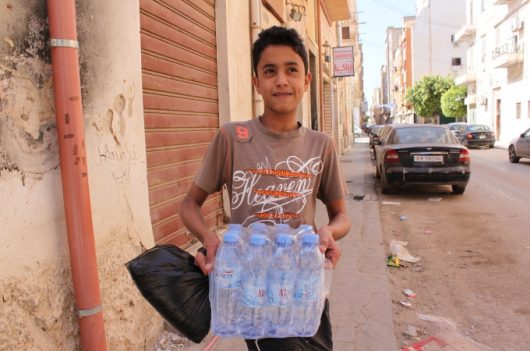
10 Facts About Hunger in Libya

Hunger in Libya
Located in northern Africa, the arid country of Libya is known for its large oil reserves and sweeping desert. However, conflict has left the country with a largely displaced population and economic troubles that have fostered food scarcity. Here are 10 facts about hunger in Libya.

10 Facts About Hunger in Libya

  1. Poverty is a key cause of hunger in Libya. Of Libya’s 6.4 million people, 40 percent live below the poverty line.
  2. Economists say Libya is affected by a resource curse. Libya is home to vast quantities of oil, but also to high rates of poverty. This disparity between resource wealth and citizen poverty can be caused by conflict or government control of resources.
  3. Conflict is one of the leading causes of hunger. Approximately 21 percent of the world’s undernourished people are affected by conflict. This is especially relevant in Libya, where roughly 90 percent of the population is affected by violence.
  4. The conflict has cut income per capita in Libya by half in the past two years. It has decreased food availability and increased prices.
  5. Internally displaced people (IDPs) are especially vulnerable to hunger. Due to the conflict, the number of IDPs in Libya has increased. Around 17 percent of IDPs are food insecure, an 11 percent increase since 2015. Overall, 60 percent of IDPs are vulnerable to food shortage.
  6. Many social programs have been shut down due to instability. As a result, families who relied on them are suffering even more.
  7. Hunger in Libya is worsened by a healthcare shortage, as there are fewer than 1500 primary healthcare facilities in the country. This makes it difficult for families suffering from hunger-related diseases to receive the care they need. The shortage also results in higher health care prices, which puts futher financial strain on families.
  8. In order to combat hunger, many families in Libya practice negative coping strategies. These include reducing the number of meals they have each day and cutting back on other necessary expenses such as healthcare.
  9. Hunger in Libya has an impact on child development. Stunting (low height for age) and wasting (low weight for height) affects 21 and four percent of children under five, respectively.
  10. The World Food Programme and the rest of the U.N. run an emergency operation in order to help combat hunger in Libya. Due to conflict, however, the organization runs the program from Tunisia and coordinates with local groups to deliver food to people in Libya.

While food insecurity remains a problem in Libya, increasing food aid to the country and continuing talks to improve the political climate may help reduce hunger in Libya.

– Alexi Worley

Photo: Flickr

April 21, 2017
https://borgenproject.org/wp-content/uploads/borgen-project-logo.svg 0 0 Borgen Project https://borgenproject.org/wp-content/uploads/borgen-project-logo.svg Borgen Project2017-04-21 16:05:452024-12-13 17:57:4110 Facts About Hunger in Libya
Global Poverty, Hunger

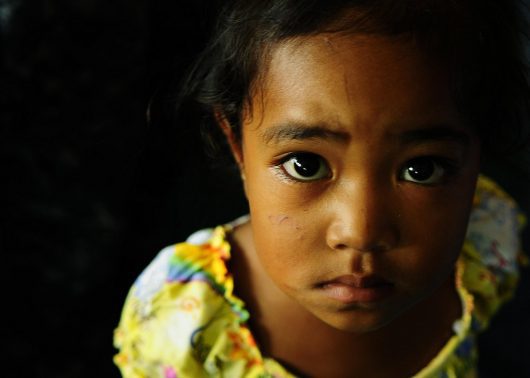
El Nino And Hunger In Papua New Guinea

El Nino And The Hunger In Papua New Guinea
Since the El Nino Southern Oscillation (ENSO) phenomenon in mid-2015, Papua New Guinea (PNG) has been struggling through frost, drought and widespread food and water shortages. The ENSO — a period of unpredictable fluctuations in temperatures and currents of the wind and sea — disrupted food production and ruined the livelihoods of the many who live there. Food prices had already sharply increased by the end of 2015. The limited availability of food supplies in the markets makes for an even higher risk of starvation and suffering, in addition to the regular problem of hunger in Papua New Guinea.

As one of the poorest countries in Asia, PNG has 37 percent of its population living below the poverty line. Diseases like malaria are taking an increased toll. People are already weakened by the hunger in PNG, making it difficult to fight off sickness. The weather phenomenon also devastated the crops last year due to frost and drought, leaving farmers with nothing to eat.

According to the World Food Programme, as many as 700,000 people in PNG are in need of food assistance. Hunger in Papua New Guinea has also been overlooked, as the government has not issued any requests for assistance or declarations of emergency, even though staples like sweet potatoes were destroyed by low rainfall throughout 2015. Frosts from July through October continued to damage crops the following year. In October, there were several local villagers who said they walked through red dust– something that is unseen in the area.

Although the government began investigating reports of deaths, especially due to hunger, many badly affected communities have yet to receive aid. The slow response is due to the fact that PNG has a rugged terrain. Many villages and communities are only accessible by a multi-day trek from the next town over, or by aircraft that is flown by a pilot trained to land on small strips in the middle of the jungle.

Several World Food Programme groups have been offering food aid since the ENSO hit in 2015. With the world working together as a whole, charity organizations have raised enough money and helped grow enough food to feed more than one million people in PNG. At this rate, PNG is expected to be out of its ENSO drought by 2020 and back to standard living rates, although those are well under the national poverty lines as well.

PNG’s villagers are starting to witness more green fields, running children, happy families and liveliness being restored into the country. They will soon be back to where they were, fighting the usual hunger in Papua New Guinea, and pushing for better lifestyles.

– Rilee Pickle

Photo: Flickr

April 21, 2017
https://borgenproject.org/wp-content/uploads/borgen-project-logo.svg 0 0 Borgen Project https://borgenproject.org/wp-content/uploads/borgen-project-logo.svg Borgen Project2017-04-21 01:30:222024-12-13 17:57:51El Nino And Hunger In Papua New Guinea
Global Poverty, Hunger

Hunger in Trinidad and Tobago

Hunger in Trinidad and Tobago
Trinidad and Tobago is a two-island nation located in the Caribbean, just north of Venezuela. The population there totals more than 1.3 million and has “one of the highest per-capita incomes in Latin America and the Caribbean.” As of 2016, about 100,000 people, or nearly eight percent of the population, were undernourished and nearly 30 percent were considered to be in poverty.

According to the Food and Agriculture Organization of the U.N., hunger in Trinidad and Tobago has been on the decline since the protein supply has increased over the past 10 years.

Despite this improvement, there is still work to be done. The World Bank determined Trinidad and Tobago to be the most wasteful country in terms of food per capita. Local nonprofit Nourish TT is working to end hunger in Trinidad and Tobago by serving as a connection between organizations that feed hungry people and businesses that have food left over.

By taking food that would have otherwise gone to waste and giving it to those who need it most, Nourish TT seeks to end hunger in the area. It is effectively changing the amount of food wasted through retail into meals. More than 36,000 kilos of food and nearly 90,000 meals have been donated through the organization.

Food for the Poor is a U.S. organization that is working to alleviate hunger in Trinidad and Tobago. Working on the islands since the late ’80s, Food for the Poor focuses on feeding people who are hungry, building housing for those in poverty and providing other types of aid. Over the last 30 years, the organization has been working with orphanages and building houses in Trinidad and Tobago.

Poverty and hunger are two issues that go hand in hand. In Trinidad and Tobago, strides are being made to eradicate both.

– Shannon Elder

Photo: Flickr

April 20, 2017
https://borgenproject.org/wp-content/uploads/borgen-project-logo.svg 0 0 Borgen Project https://borgenproject.org/wp-content/uploads/borgen-project-logo.svg Borgen Project2017-04-20 01:30:042024-12-13 17:57:51Hunger in Trinidad and Tobago
Global Poverty, Hunger

Hunger in Norway


Norway is a highly developed country with flourishing technological advancements and a robust economy. According to current statistics, Norway is ranked number one in the top fifteen most developed countries in the world.

Norway has a human development index of 0.944 and the country’s economy is very diverse with a mix of natural resources and exports. The country has a strongly integrated welfare system that places it at the top of all other countries in the world.

Hunger in Norway is virtually nonexistent, and the country generally lends support and aid to other countries that experience hunger. Norway has recently doubled its allocations to hunger disasters in countries like Sudan, Yemen, Somalia and northeastern Nigeria.

Norway encourages humanitarian efforts for countries experiencing hunger, and due to the country’s position and lack of poverty, Norway closely monitors funds so that they can offer further support.

The Norwegian government, as well as non-government organizations and stakeholders, actively seek to assist countries by measuring levels of hunger and giving support to countries that need relief.

There is very little hunger in Norway due to the country having a strong welfare state, acting as a stabilizer to its economy by allowing individual autonomy.

This has made Norway a shining star that continues to offer hunger relief to the U.N., Red Cross and World Food Programme in the reduction of hunger and the eradication of poverty. These organizations have relied heavily on Norway to respond quickly to the needs of millions of people in need during times of conflict and natural disaster.

Since there is not hunger in Norway, the country is able to enjoy happiness while offering opportunities to partner with many organizations to follow their model of success. Norway is an example of a country without hunger that continues to guide other poor and developing countries.

– Rochelle R. Dean

Photo: Flickr

April 19, 2017
https://borgenproject.org/wp-content/uploads/borgen-project-logo.svg 0 0 Borgen Project https://borgenproject.org/wp-content/uploads/borgen-project-logo.svg Borgen Project2017-04-19 01:30:372024-05-27 23:59:56Hunger in Norway
Global Poverty, Hunger

10 Facts About Hunger in Tajikistan


Tajikistan, a landlocked country in Central Asia, is home to roughly eight million people. Despite having very little arable land and being prone to natural disasters, Tajikistan’s economy is agriculture-based, which has contributed to the country’s high rates of poverty. Here are 10 facts about hunger in Tajikistan.

10 Facts About Hunger in Tajikistan

  1. Hunger in Tajikistan is widespread. Approximately 33.2 percent of the population is undernourished.
  2. Poverty rates are high in Tajikistan. 47 percent of the population lives on less than 1.33 dollars a day and 17 percent survive on less than 0.85 dollars a day.
  3. Due to poverty and high food prices, food accounts for a large portion of household expenses. The majority of the population spends between 70 and 80 percent of their household income on food.
  4. Tajikistan has the highest malnutrition rate among the former Soviet republics.
  5. Tuberculosis (TB) is widespread in Tajikistan. Areas with high rates of poverty have especially high rates of TB with multidrug-resistant strains.
  6. Even though agriculture employs 75 percent of the population, rural families suffer the most. Only 24 percent of the rural population is food secure. This is due to recurrent natural disasters, deforestation, soil erosion and droughts.
  7. Organizations such as the United States Agency for International Development (USAID) provide training and resources to farmers in Tajikistan in order to help them improve agricultural efficiency and better understand their land-use rights. This gives them more control over which crops to plant and helps ensure that their land won’t be taken away from them.
  8. Children are disproportionately affected. Approximately 10 percent of children under five suffer from acute malnutrition and 26 percent from chronic malnutrition.
  9. In order to combat child hunger in Tajikistan, the World Food Programme’s School Meal Programme supplies free food to children who attend school. The program provides food to over 60 percent of schools in the country, which has increased school attendance.
  10. Due to Tajikistan’s susceptibility to crises caused by climate change, the country’s government, with support from the World Food Programme, has been working to implement hunger solutions to help support communities and improve food security in times of disaster. These solutions include improving infrastructure and reducing the county’s food-deficit.

While poverty and hunger rates in Tajikistan are still high, programs aimed at improving the country’s resilience towards natural disasters and agricultural productivity show promise in reducing hunger in Tajikistan.

– Alexi Worley

Photo: Flickr

April 19, 2017
https://borgenproject.org/wp-content/uploads/borgen-project-logo.svg 0 0 Borgen Project https://borgenproject.org/wp-content/uploads/borgen-project-logo.svg Borgen Project2017-04-19 01:30:152020-05-07 19:21:2510 Facts About Hunger in Tajikistan
Global Poverty, Hunger

Everything There Is to Know About Hunger in Barbados

Everything There Is to Know About Hunger in Barbados
Barbados is an eastern Caribbean island known for its rum, spices and all-white beaches. It’s home to celebrities such as “Umbrella” singer Rihanna. With all it has to offer, Barbados is quickly becoming a “must-see” destination for travel aficionados and amateurs alike. The increase in tourism is helping boost the economy and reduce hunger in Barbados.

Many Caribbean islands have made progress in reducing undernourishment and hunger. In fact, the number of undernourished people in the Caribbean declined from 8.1 million in 1990-1992 to 7.5 million in 2014-2016. During that time, the number of undernourished people also declined from 27 percent to 19.8 percent. Along with the other islands, hunger in Barbados has steadily declined.

Barbados has met its global hunger targets set by both the World Food Summit (WFS) in 1996 and the United Nations Millennium Development Goals (MDGs) in 2000. The WFS set a goal for Latin America and the Caribbean to reduce the total number of people suffering hunger in 2015 by 50 percent. Barbados has met its goal.

In fact, food consumption in Barbados has even exceeded the recommended population food and energy guidelines. The daily number of calories consumed per capita exceeds 3,000, resulting in many health issues such as obesity. Hunger in Barbados may be declining, but now Barbadians are dealing with other food-related health issues.

This is partly due to poor food choices. Barbadians are transitioning away from domestic root crops, tubers, fruits and vegetables and are consuming more fatty foods low in nutrients and high in oils, sweeteners and sodium. Such poor nutritional choices can increase the prevalence of chronic, non-communicable diseases (NCDs) like diabetes, hypertension and heart disease.

However, just because Barbadians have plenty of food now doesn’t mean it will stay that way. The Caribbean islands are prone to unstable and vulnerable food sources due to natural and economic factors. Natural disasters cause extensive damage to property and food sources, undermining any efforts to increase food security and reduce poverty. From 1990-2014, 182 natural disasters occurred in the Caribbean, affecting 11.5 million people and resulting in 241,550 related deaths. The food price crises of 2007 and 2008 then caused drastic hikes in hunger rates as well.

The most effective way to ensure that Barbadians have a constant supply of nutritious food is to improve its governance and public policies for effective integration and implementation of secure and nutritious food sources.

Hunger in Barbados may not be a major issue now, but if Barbadians don’t put the right public policies in place, it may become a problem in the very near future.

– Sarah Hawkins

Photo: Flickr

April 19, 2017
https://borgenproject.org/wp-content/uploads/borgen-project-logo.svg 0 0 Borgen Project https://borgenproject.org/wp-content/uploads/borgen-project-logo.svg Borgen Project2017-04-19 01:30:032024-05-28 00:00:03Everything There Is to Know About Hunger in Barbados
Global Poverty, Hunger

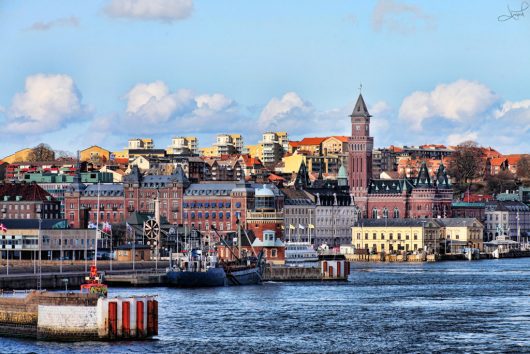
Hunger in Hungary

Hunger in Hungary
Hungary is a landlocked nation snuggled among seven other countries in Eastern Europe. Its capital is Budapest, a tourist spot well-known for its luxurious bathhouses. Even amid all the luxury and tourism, Hungary struggles with poverty. While it is comical in English that the namesake of this nation sounds like hungry, hunger in Hungary is no laughing matter.

Half a million children in Hungary live in poverty and over 40,000 of them are starving. The government of Hungary provides cheap or free meals in nurseries and schools for 370,000 children. However, these government-sponsored meals are only provided on school days; many children go to sleep hungry on weekends and holidays.

According to the Children’s Nutrition Fund (CNF), “it is the mission of GYEA (CNF of Hungary) to provide children in need with food when school cafeterias are closed.” Ongoing programs like the Food Aid Program have distributed more than 50 million pounds of food for those in need over the past seven years. In addition to this program, parents of children in need can get involved in a sponsorship program called “Chin Up!” This program provides poor families with monthly allowances if they keep a diary for their sponsors and provide invoices proving that the money was spent on feeding the family.

These programs are fighting to stop hunger in Hungary, and yet there are still issues to overcome. According to the report of the Hungarian United Nations International Children’s Emergency (UNICEF) Child Welfare Committee, every other Hungarian child is deemed deprived. That’s one in two. The children denoted are those that “do not receive food at least three times a day, do not have new clothes, never get to go on holiday or for whom there is no place to study in their home.”

The Hungarian government thus needs to continue establishing appropriate policies in order to prevent poverty levels from increasing.

– Karyn Adams

Photo: Flickr
April 18, 2017
https://borgenproject.org/wp-content/uploads/borgen-project-logo.svg 0 0 Borgen Project https://borgenproject.org/wp-content/uploads/borgen-project-logo.svg Borgen Project2017-04-18 01:30:032020-05-06 14:38:38Hunger in Hungary
Global Poverty, Hunger

Hunger in Cameroon – Still a Problem


The Republic of Cameroon, located in Central Africa, is one of the youngest and hungriest countries in the world. At just over 50 years old, Cameroon ranked 153 out of 188 on the 2015 Human Development Index and 68 out of 104 on the 2015 Global Hunger Index. Forty percent of the country’s nearly 24 million people live below the poverty line and 2.6 million are food insecure.

Programs Focus on Agriculture to Reduce Hunger

Over the past decade, more and more organizations have worked to reduce hunger in Cameroon. The Agricultural Competitiveness Project, launched in 2010, is one of these assistance programs. The organization’s goal is to boost Cameroon’s agriculture production by developing rural infrastructure facilities and investing in value chains for maize, rice and meat.

By June 2016, the Agricultural Competitiveness Project had raised rice crop yields by 16 percent, maize yields by 98 percent and plantain yields by 220 percent in targeted areas. The production of meat for consumption had significant increases as well – annual pig live weight had a 122 percent increase, poultry live weight increased by 257 percent and average annual egg production showed a 141 percent increase.

Since 1974, Heifer International has also been working in Cameroon, along with the Ministry of Livestock and the Ministry of Agriculture and Rural Development to help as much of the poor population as possible. Heifer has primarily focused on job creation in the dairy industry but has recently expanded to include other livestock species in its projects (which are located in six of Cameroon’s 10 regions).

Despite the influx of foreign aid and a public investment program by the government of Cameroon, financial stability is in question due to growing debt and low levels of private sector lead growth. The country has not seen the levels of progression that are necessary to sustain its people. From 2001 to 2014, poverty levels fell from 40.2 to 37.5 percent. Cameroon has been able to meet only one of the Millennium Development Goals, which was focused on primary school enrollment. Despite reduction efforts, hunger in Cameroon is still an issue that warrants direct attention. The programs set forth have shown obvious positive results in most cases, but progress in Cameroon should continue to grow with additional future endeavors.

– Dustin Jayroe

Photo: Flickr

April 17, 2017
https://borgenproject.org/wp-content/uploads/borgen-project-logo.svg 0 0 Borgen Project https://borgenproject.org/wp-content/uploads/borgen-project-logo.svg Borgen Project2017-04-17 01:30:292024-05-24 23:42:35Hunger in Cameroon – Still a Problem
Page 54 of 71«‹5253545556›»

Get Smarter

  • Global Poverty 101
  • Global Poverty… The Good News
  • Global Poverty & U.S. Jobs
  • Global Poverty and National Security
  • Innovative Solutions to Poverty
  • Global Poverty & Aid FAQ’s
Search Search

Take Action

  • Call Congress
  • Email Congress
  • Donate
  • 30 Ways to Help
  • Volunteer Ops
  • Internships
  • Courses & Certificates
  • The Podcast
Borgen Project

“The Borgen Project is an incredible nonprofit organization that is addressing poverty and hunger and working towards ending them.”

-The Huffington Post

Inside The Borgen Project

  • Contact
  • About
  • Financials
  • President
  • Board of Directors
  • Board of Advisors

International Links

  • UK Email Parliament
  • UK Donate
  • Canada Email Parliament

Get Smarter

  • Global Poverty 101
  • Global Poverty… The Good News
  • Global Poverty & U.S. Jobs
  • Global Poverty and National Security
  • Innovative Solutions to Poverty
  • Global Poverty & Aid FAQ’s

Ways to Help

  • Call Congress
  • Email Congress
  • Donate
  • 30 Ways to Help
  • Volunteer Ops
  • Internships
  • Courses & Certificates
  • The Podcast
Scroll to top Scroll to top Scroll to top