10 Facts About Hunger in Libya
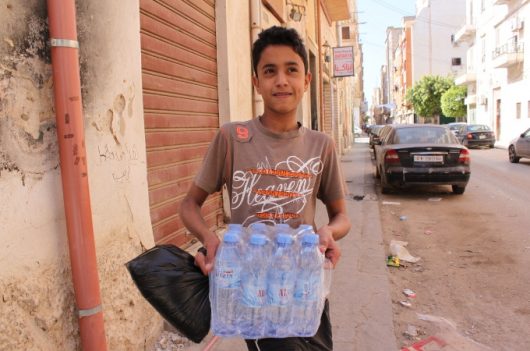
Located in northern Africa, the arid country of Libya is known for its large oil reserves and sweeping desert. However, conflict has left the country with a largely displaced population and economic troubles that have fostered food scarcity. Here are 10 facts about hunger in Libya.
10 Facts About Hunger in Libya
- Poverty is a key cause of hunger in Libya. Of Libya’s 6.4 million people, 40 percent live below the poverty line.
- Economists say Libya is affected by a resource curse. Libya is home to vast quantities of oil, but also to high rates of poverty. This disparity between resource wealth and citizen poverty can be caused by conflict or government control of resources.
- Conflict is one of the leading causes of hunger. Approximately 21 percent of the world’s undernourished people are affected by conflict. This is especially relevant in Libya, where roughly 90 percent of the population is affected by violence.
- The conflict has cut income per capita in Libya by half in the past two years. It has decreased food availability and increased prices.
- Internally displaced people (IDPs) are especially vulnerable to hunger. Due to the conflict, the number of IDPs in Libya has increased. Around 17 percent of IDPs are food insecure, an 11 percent increase since 2015. Overall, 60 percent of IDPs are vulnerable to food shortage.
- Many social programs have been shut down due to instability. As a result, families who relied on them are suffering even more.
- Hunger in Libya is worsened by a healthcare shortage, as there are fewer than 1500 primary healthcare facilities in the country. This makes it difficult for families suffering from hunger-related diseases to receive the care they need. The shortage also results in higher health care prices, which puts futher financial strain on families.
- In order to combat hunger, many families in Libya practice negative coping strategies. These include reducing the number of meals they have each day and cutting back on other necessary expenses such as healthcare.
- Hunger in Libya has an impact on child development. Stunting (low height for age) and wasting (low weight for height) affects 21 and four percent of children under five, respectively.
- The World Food Programme and the rest of the U.N. run an emergency operation in order to help combat hunger in Libya. Due to conflict, however, the organization runs the program from Tunisia and coordinates with local groups to deliver food to people in Libya.
While food insecurity remains a problem in Libya, increasing food aid to the country and continuing talks to improve the political climate may help reduce hunger in Libya.
– Alexi Worley
Photo: Flickr
