• Link to X
  • Link to Facebook
  • Link to Instagram
  • Link to TikTok
  • Link to Youtube
  • About
    • About Us
      • President
      • Board of Directors
      • Board of Advisors
      • Financials
      • Our Methodology
      • Success Tracker
      • Contact
  • Act Now
    • 30 Ways to Help
      • Email Congress
      • Call Congress
      • Volunteer
      • Courses & Certificates
      • Be a Donor
    • Internships
      • In-Office Internships
      • Remote Internships
    • Legislation
      • Politics 101
  • The Blog
  • The Podcast
  • Magazine
  • Donate
  • Click to open the search input field Click to open the search input field Search
  • Menu Menu

Archive for category: Government

Global Poverty, Government, Human Trafficking

10 Facts About Human Trafficking in Thailand

Facts about Human Trafficking in Thailand

Characterized by breathtaking beaches, delicious food and stunning temples, Thailand is often called the “Land of Smiles.” As the number one tourist destination in Southeast Asia, it is an extremely popular place for millions of people to visit every year. Unfortunately, with convenient routes that funnel women and children in and out of the country, Thailand has also become a popular destination for human traffickers. Here are 10 facts about human trafficking in Thailand.

10 Facts about Human Trafficking in Thailand

  1. Human trafficking by boat is common – First up in this list of facts about human trafficking in Thailand is the method of transportation. The fishing industry is a major asset to Thailand’s economy, so many ships go out to sea to fish. These boats sometimes do not come back for up to three years at a time. This makes it nearly impossible for authorities to monitor the activity of boats. Thus, many traffickers prefer to travel through the seas, despite the risks it may pose on the trafficked victims.
  2. Thailand’s geographical location makes it particularly vulnerable to traffickers – Land routes from neighboring countries into Thailand are not very well secured and corruption is prevalent. This makes it much easier for human traffickers to smuggle people into the country.
  3. Minorities and migrants are high-risk for being trafficked – Among those at the greatest risk for being trafficked in Thailand are foreign migrants, ethnic minorities and stateless persons. They may experience various abuses including the withholding of identity and work documents and debt bondage. They could even be subject to illegal salary deductions. Language barriers and low socioeconomic status further contribute to the vulnerability of these populations.
  4. There is no one “type” of trafficking offender – Profiles of traffickers vary considerably. They include both males and females, Thai and non-Thai nationals. They can be from organized networks with the ability to produce or buy fake documents and avoid immigration requirements. Additionally, traffickers can act individually, seizing opportunities to profit from coercing vulnerable persons into situations of exploitation.
  5. There are various forms of trafficking networks – Trafficking networks can be well-structured and work across borders through the use of brokers. However, most trafficking cases are facilitated by individual and local level networks of friends, family members and former victims that often begin with voluntary migration.
  6. Most victims of human trafficking in Thailand are, in fact, of Thai nationality – The majority of trafficking victims identified in Thailand are Thai nationals, trafficked both domestically and internationally. Migrants from neighboring countries make up a large portion of identified trafficked persons in Thailand. However, many more victims from neighboring countries are not identified. These victims often willingly migrate from their home countries in search of better opportunities. Some of their home countries include China, Vietnam, Russia, Uzbekistan and Fiji.
  7. Victims are often trafficked into Thailand through established migration routes – These victims come from neighboring states with significantly lower levels of socioeconomic development. Facilitated by long and porous borders, irregular migration is a common trend in meeting the labor demands of low-skilled employment sectors.
  8. Trafficking in Thailand is a $12 billion industry – This makes it a bigger cash earner than the country’s drug trade, according to the International Labor Organization.
  9. More than 900 victims of human trafficking have been rescued in 2019 – According to official statistics released by the Thai anti-trafficking department, since the beginning of 2019, the police have rescued 974 victims of human trafficking. Most of the victims were from Myanmar.
  10. The hotel industry has taken initiative in combating this issue – A French multinational hotel group set up an employee training program to identify and address sex tourism in 2001. Additionally, Airbnb works with the Department of Homeland Security’s Blue Campaign. which provides education about human trafficking. Airbnb also works with No Traffick Ahead, a coalition for combating human trafficking.

Efforts to Eliminate Human Trafficking in Thailand

These facts about human trafficking in Thailand reflect the severity of this problem on a global level. The Thai government has pledged to continue fighting the human trafficking epidemic in their country. In the last year, it partnered with airlines and charities to warn visitors against involvement in trafficking. Subsequently, they urged them to spot and report potential cases.

UNICEF has been particularly active in calling attention to child exploitation and in addressing its root causes. This organization provides economic support to families so that their children will not be at risk of sexual exploitation; it improves access to education and is a strong advocate for children’s rights.

Progress in reducing the human trafficking trade has been made in recent years. However, to make a widespread impact, the efforts of these nongovernmental organizations need to be aided by urgent government action. This action is essential to protect Thai citizens and migrant workers.

– GiGi Hogan
Photo: Flickr

July 28, 2019
https://borgenproject.org/wp-content/uploads/borgen-project-logo.svg 0 0 Kim Thelwell https://borgenproject.org/wp-content/uploads/borgen-project-logo.svg Kim Thelwell2019-07-28 01:30:182019-12-16 14:24:1310 Facts About Human Trafficking in Thailand
Global Poverty, Government

Seven Facts About Gangs in Honduras

Gang Violence in Honduas

Honduras is one of the most impoverished nations in Central America. In 2016, figures showed that over 66 percent of its population lived in extreme poverty. These figures also reveal an estimated one out of five rural Hondurans is trying to survive on less than a mere $1.90 per day. Since poverty and criminal activity seem to have a close correlational relationship, it is no surprise that Honduras has held consistently high crime rates along with high poverty rates. What many may not know is that much of Honduras’s crime is due to gang violence. Below are seven facts about gangs in Honduras.

Seven Facts About Gangs in Honduras

  1. The two largest gangs in Honduras are the MS 13 and the Barrio 18. MS 13 is expanding internationally. Its scope and influence on crime in Honduras are hard to verify. In fact, since gang activity is so common in Honduras, it is hard for government officials to discern how much violence in the country is strictly due to gang-related activity.
  2. One gang runs several legal businesses. Recent investigations into the massive MS 13 gang activities in El Salvador uncovered a multimillion-dollar structure of legitimate businesses owned by the gang. MS 13 is a violent and massive gang that operates primarily in Honduras but also in El Salvador. Additionally, the gang has close ties with Mexican drug cartels.
  3. Honduras is attempting to rid its law enforcement of corruption. Since 2016, the nation of Honduras has dismissed around 4,455 police officers. This purge was an attempt to cleanse its law-enforcement from corrupted officials. These were officials who dabbled with organized crime and carried out extra-judicial killings. The country is also trying to create a new police training curriculum that centers on human rights.
  4. Ex-cops are being recruited into gangs. Despite good intentions, many of the released ex-police officers are now being hired by the vicious MS 13 gang as bodyguards and trainers for gang-related activities. MS 13 reportedly pays ex-officers 2.5 times the amount they made inside the police force. This allows the gang to become better-trained to conduct violent business.
  5. Families are leaving their homes to escape gang violence. Between 2016 and 2017, over 1,900 people fled their homes and communities because of gang-related death threats or extortions. It can be insidiously dangerous for residents of Honduras to live unaware of gang turf. Many may accidentally cross those invisible lines and put themselves in harm’s way.
  6. Homicide rates are decreasing, but Honduras still has one of the highest. Honduran homicide rates in 2018 are half of what they were in 2012. In 2012, Honduras experienced 86 murders per 100,000 citizens. In 2018, this number decreased to 42 murders per 100,000 citizens. Although making progress, Honduras still has one of the highest homicide rates in the world.
  7. Honduras has increased the budget for protection from gangs. The budget for Honduran security and justice institutions has increased by over 50 percent in the last five years. In the last couple of years, the El Pozo and La Tolva maximum-security prisons were built. Some of the nation’s criminal and gang leaders are now incarcerated there. Security officials say this has limited their abilities to operate within the prison system.

These key facts about gangs in Honduras indicate that Honduras is trying to lessen the violence that plagues its streets. This is in tandem with foreign partners such as the United States. Overall, global attention and innovative thinking are necessary to provide solutions to the gang epidemic.

– Haley Hiday
Photo: Flickr

July 26, 2019
https://borgenproject.org/wp-content/uploads/borgen-project-logo.svg 0 0 Kim Thelwell https://borgenproject.org/wp-content/uploads/borgen-project-logo.svg Kim Thelwell2019-07-26 16:01:412024-06-04 01:03:16Seven Facts About Gangs in Honduras
Global Poverty, Government, Malaria

Anemia in Ghana: Women and Children Bear the Brunt

Anemia in Ghana

In Ghana, a country nestled in West Africa, 66 percent of children aged six months to five years have moderate to severe anemia. While other conditions may garner more publicity, anemia in Ghana is widespread and debilitating.

Anemia is a blood disorder with which there is an insufficient amount of red blood cells. Since red blood cells supply the entire body with oxygen, anemia affects multiple organ systems. Background anemia is the most common form of micronutrient deficiency; it affects “over a quarter of the global population.”

Causes of Anemia

Although anemia in Ghana has several causes, a low intake of easily absorbable iron is a known leader. Other nutritional deficiencies, such as a lack of vitamin A, folic acid, vitamin B12 and zinc, also lower iron levels in the body.

In Ghana, the burden of anemia falls more heavily on women than men. Post-pubescent women are at increased risk for the condition due to monthly blood loss of menstruation. USAID studies find that 29 percent of women in Ghana are anemic.

Primary infections such as malaria, HIV/AIDS, tuberculosis, and those from parasites such as helminths can also lead to secondary anemia. According to UNICEF, 3.5 million people contract malaria every year in Ghana, making the country account for 4 percent of the global burden of malaria. Furthermore, UNAIDS reports that 330,000 people were living with HIV/AIDS in Ghana in 2018. The prevalence of these infections has increased the population’s exposure to anemia.

Consequences of Anemia

According to Mayo Clinic, those who are anemic may experience fatigue, shortness of breath, dizziness and chest pain. Left untreated, anemia can cause premature birth in pregnant women, which often leads to infant mortality. Young people who experience anemia can have “irrevocable cognitive and developmental delays and exhibit decreased worker productivity as adults.” Untreated severe anemia can additionally result in an irregular heartbeat, heart failure, and even death.

While the health ramifications due to chronic anemia are devastating, having a largely anemic population also has national economic consequences. For example, chronic fatigue from anemia in Ghana could mean an increase in lost workdays and diminished productivity at work. While these indirect costs can be difficult to quantify, they still deserve attention.

Preventing Anemia

To manage anemia in Ghana, the government is offering nutritional support through supplementation and education about iron-rich foods. However, it must also target the rise and persistence of these infections. A multi-focal approach has been and will continue to be necessary.

While the consumption of fruits and vegetables drastically lowers the risk of contracting anemia, generally, rural populations in Ghana have an increased risk of mild to severe anemia. One study suggests that women in urban areas consume more fruits and vegetables, which contributes to the lower incidence of anemia.

As mortality from malaria for children under five years of age has declined drastically from 14.4 percent in 2000 to 0.6 percent in 2012, so has the incidence of new HIV infections from its peak in the late 1990s. While the reduction in each of these primary infections is enough to celebrate, it also means a diminished risk of secondary anemia.

Ghana is hopeful. In 2014, the country achieved 93 percent iron-folic-acid (IFA) supplementation in pregnant women. This nearly ubiquitous IFA supplementation is a milestone because it will lead to less preterm labor and fewer neonatal disorders.

While this is by no means the end of Ghana’s struggle with anemia, the country has made strides toward combatting primary anemia from nutritional deficiencies and secondary anemia from widespread infections like HIV/AIDS and malaria. The future appears positive for anemia in Ghana.

– Sarah Boyer
Photo: Flickr

July 25, 2019
https://borgenproject.org/wp-content/uploads/borgen-project-logo.svg 0 0 Kim Thelwell https://borgenproject.org/wp-content/uploads/borgen-project-logo.svg Kim Thelwell2019-07-25 08:35:412024-05-29 23:00:33Anemia in Ghana: Women and Children Bear the Brunt
Global Poverty, Government

10 Facts About Corruption in India

10 Facts about Corruption in IndiaIndia remains high on the list of countries across the globe with perceived government corruption. Yet with recent elections, changes in governance, emerging anti-corruption groups and legislative actions, hope for India’s government exists. There are many strides for progress as seen in these 10 facts about corruption in India.

10 Facts About Corruption in India

  1. Corruption Index: According to the Transparency International’s corruption perceptions index (2018), India has remained at a score of 41 on a scale of 0 (highly corrupt) to 100 (very clean) over past years, ranking 78 out of 180 countries in perceived corruption. The index ranks countries by their perceived level of public sector corruption according to experts and qualified business people. The corruption index, in accordance with these 10 facts about corruption in India, reveals that despite some progress, the continued failure of most countries to control corruption has only furthered the crisis in democracy around the world.
  2. Elections:  As India’s election polls closed May 23, 2019, candidates spent a total 600 billion rupees ($8.7 billion) on publicity, logistics and, in some cases, distribution of cash for votes. Yet, the Election Commission ordered that each candidate not exceed 7 million rupees. N Bhaskara Rao, chairman of Centre for Media Studies, says, “Mother of all corruption lies in the spiraling election expenditure.” Rao estimated that expenditures in the 2024 general election could exceed 1 trillion rupees.
  3. The Prevention of Corruption Act: The Prevention of Corruption Act, an attempted anti-corruption regulation, was originally passed by Parliament in 1988. The Act has been brought before the Supreme Court for amendment twice since 1997 for regulation failures, most recently in 2018. PCA 2018 brought about significant changes, including making bribery a specific offense inducing corporate criminal liability, a fixed two-year timeline for the conclusion of a trial and stricter punishments for bribery offenses. However, a new provision now requires government approval before any inquiry or investigation can be conducted by Central Bureau Investigation into the public officials in question. The single directive bars investigative protocols and extends previous legislation (Central Vigilance Act of 2003) to protect officials of all ranks from corruption investigations. The single directive provision has been challenged in the Supreme Court of India and awaits judgment.
  4. The Companies Act 2013: The Companies Act of 2013 provides provisions to prevent corruption and fraud in the corporate sector. This includes requiring statutory auditors to disclose any instances of fraud, corruption or bribery committed by company employees, increasing penalties for fraud offenses, vesting increased powers to arrest with the Serious Fraud Investigation Office (SFIO), establishing vigilance mechanisms and audit committees and increased responsibilities for independent directors. The Act was amended in 2017, modifying the existing penalty provisions for corporate fraud to tailor penalties to the seriousness and monetary value of the offense.
  5. The Lokpal and Lokayukta Act 2013: This Act accords powers to the nodal ombudsman, independent and impartial officials, to investigate corruption cases in the public sector in the central and state governments, Lokpal and Lokayukta respectively. The Act also applies to the whole of India by granting powers to the Lokpal, an anti-corruption ombudsman authority, to investigate and prosecute PCA offenses by a foreign company doing business in India. The Act was amended in 2016 to require public servants to report their liabilities and assets, as well as those of their spouses and dependents to relevant authorities.
  6. The Whistleblowers Protection Act 2011: This Act protects whistleblowers in regards to the disclosure of corruption acts, willful misuse of power or of the commission of a criminal offense by a public servant. However, although the Act has been passed it has not yet been brought into effect by the government, awaiting further amendment, according to the Ministry of Personnel, Public Grievances and Pensions. One such amendment introduced was the 2015 Bill, aiming to prohibit reporting of corruption-related disclosures by a whistleblower unless it meets specific criteria denoted by the Central Vigilance Commission (CVC).
  7. The Commonwealth Games Fraud: In 2010 allegations emerged against the Commonwealth Games. The Central Vigilance Commission cited a $1.8 billion misappropriation of funds, costing almost 18 times the Commonwealth Games’ budget. It was estimated that only half the allotted amount was spent on the Indian sportspersons the funds were dedicated to. Suresh Kalmadi, chairman of the Commonwealth Games’ organizing committee, and other officials were charged with criminal conspiracy, cheating, forgery for the purpose of cheating and were charged under sections of the PCA. The scam led to the resignation of multiple government officials.
  8. 2G Spectrum Telecom Scam: Later in 2010, a massive telecom scam implicating former Telecom minister Andimuthu Raja along with 14 others, ranked as the world’s second-largest abuse of executive power by the Time magazine. According to the Comptroller and Auditor General of India, the scam cost a loss of an estimated $39 billion to the Indian national exchequer. The scam was a combination of three cases, two registered by the CBI and one filed by Enforcement Directorate, in which 2G, second-generation licensure for mobile networks, was giving throwaway prices instead of carrying free and fair auctions. Raja denied all charges and was arrested on charges of cheating, forgery and conspiracy.
  9. “Coalgate” Scandal: The coal scam of 2012 followed a report made by the Comptroller and Auditor General of India which showed the inefficient and potentially illegal allocation of coal blocks between 2004 and 2009. The coal blocks were to be allocated via competitive bidding. However, the former UPA-2 regime did not abide and accusations ranged from malicious avenues in securing allocation, overstating net worth, nondisclosure of prior allocation and hoarding rather than the development of allocated resources. Former Jharkhand Chief Minister Madhu Koda, former secretary H.C. Gupta, former joint secretary in Coal Ministry K.S. Kropha and former director of Coal Ministry K.C. Samaria were found guilty. They were sentenced under the PCA and Indian Penal Code. A dozen companies were also cited in the CVC investigation. An estimated $34 billion was lost.
  10. CVC, SFIO and the Supreme Court: Recently, the CVC has taken action to advise all central government departments on quicker disposal of pending corruption cases. The authority has created an online complaint management system where individuals can file complaints in this regard. The SFIO has also taken proactive action in increasing the pace of its investigations, completing 87 investigations during 2016 and 2017, as compared to only 225 investigations completed in previous years since its formation in 2003. The Supreme Court has worked to expand the breadth of the definition of ‘public servant,’ defined in the PCA of 1988, to further include all officials of private banks, bringing them under the scope of anti-corruption laws.

These 10 facts about corruption in India are indicative of progress and further efforts needed for anti-corruption efforts in India. In a landslide victory, the 2019 general election reinstated incumbent Prime Minister Narendra Modi, who touts an anti-corruption platform focusing on good governance and economic growth. Since 2011, a number of anticorruption parties have emerged following the introduction of the India Against Corruption movement, including the Aam Aadmi Party led by activist Arvin Kejriwal. These efforts, in combination with the actions and guidance of anti-corruption entities, can help curb corrupt governance in India.

– Julia Kemner
Photo: Flickr

July 22, 2019
https://borgenproject.org/wp-content/uploads/borgen-project-logo.svg 0 0 Jennifer Philipp https://borgenproject.org/wp-content/uploads/borgen-project-logo.svg Jennifer Philipp2019-07-22 19:43:512024-05-29 23:00:4110 Facts About Corruption in India
Economy, Government

The Promise of the East African Federation

East African FederationA proposed federation between Burundi, Kenya, Rwanda, South Sudan, Tanzania, and Uganda seeks to establish a single currency, political unity, modern infrastructure, improved trade relations and ensured peace. In the 1960s, when many of the above countries won their independence, a political federation was first proposed. Today, all six countries are members of the East African Community (EAC), which started in 1999 as a less ambitious form of unity. The East African Federation remains mostly an idea; however, leaders in all six countries are now working together to see the idea come to fruition.

Where it Stands

The countries began drafting a unified constitution in 2018, which would render each member’s individual constitution subordinate to that of the East African Federation. They have set the deadline for its completion to 2021. The EAC has already neared completion of a monetary union, likely being something akin to the European Union’s euro. The euro has allowed for the free movement of capital, stimulating trade activity between member states. Additionally, all six countries are planning to hold a referendum with their own citizens in order to gauge support.

Ambitions

The countries’ leaders say that a federation will lead to economic development and greater African sovereignty. The advantages of the East African Federation include linkages of infrastructure, which will allow four of the landlocked members to have access to the trading ports of Kenya and Tanzania. Further, the East African Federation, due to its enormity, will have more influence in international diplomacy, and its governmental institutions will become more robust through information sharing.

Limitations

When integration efforts were attempted in the past, they became derailed by individual national interests and existing tensions. While the East African Federation attempts to overcome these tensions, some doubt its ability to do so. Critics point to trade disputes between Rwanda and Uganda and military rivalries between Tanzania and Rwanda as prominent examples for why unity will remain unaccomplished.

The Promise

East Africa’s economy is the fastest-growing on the continent; GDP increased by 5.7 percent in 2018 and is forecasted to hit 5.9 percent in 2019. According to the World Bank’s most recent data, the average poverty rate for the 6 countries is 49.6 percent. Kenya has the lowest rate with 36.8 percent, and Burundi has the highest with 71.8 percent. The East African Federation promises to improve cooperation methods and increase economic potential, yielding greater growth, quicker development and lasting stability for the region.

– Kyle Linder
Photo: Flickr

July 20, 2019
https://borgenproject.org/wp-content/uploads/borgen-project-logo.svg 0 0 Kim Thelwell https://borgenproject.org/wp-content/uploads/borgen-project-logo.svg Kim Thelwell2019-07-20 12:57:282024-05-29 23:09:46The Promise of the East African Federation
Aid, Foreign Aid, Foreign Policy, Global Poverty, Government

Top 5 Facts About UK Foreign Aid

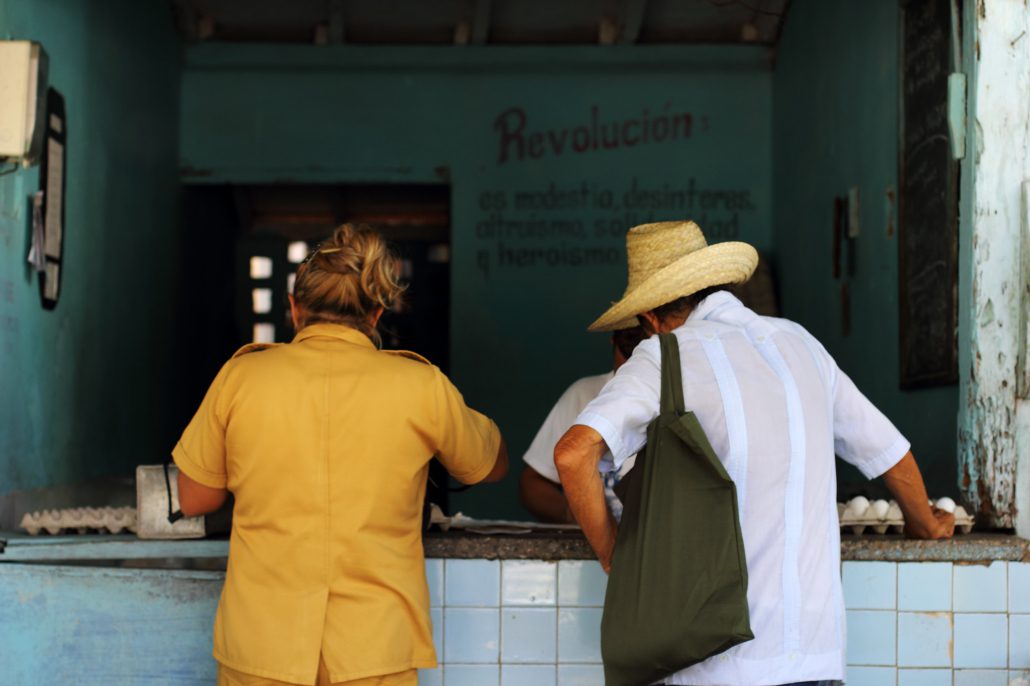
Top Five Facts About U.K. Foreign AidAs one of the most economically developed countries in the world, the U.K. plays a tremendous role in global prosperity. In 2017, the United Kingdom’s gross domestic product per capita was $39,953.60. Here are the top five facts about U.K. foreign aid.
Top 5 Facts About UK Foreign Aid

  1. How much is being spent?
    Since the 1970s, the United Nations has been urging all developing nations to invest 0.7 percent of their gross national income in overseas aid. This is in collaboration with the Millennium Development Goals, which aim to improve international welfare. The U.K. agreed and reached this target in 2013, along with five other countries. Shortly after, the U.K. included this goal in its legislation. By 2015, the U.K. legally required 0.7 percent of its G.N.I. goes toward foreign development. By 2016, the U.K. spent £13.3 billion ($16.9 billion) on international aid. As the U.K. economy continues to grow, the amount the U.K. spends each year does, too.
  2. What are the goals?
    On top of legislation, the U.K. created an aid strategy. The four primary goals of this strategy include promoting global peace, strengthening crises response, aiding in international development and helping the world’s most impoverished people. The government aims to do so by implementing several tactics. For example, 50 percent of all the Department for International Development’s (DFID) spending goes toward aid in developing nations. Moreover, it funds a £1 billion commitment to global health.
  3. How is funding being spent?
    The DFID spends approximately 74 percent of government spending. Smaller departments within the government spend the remaining 26 percent. Most funding (63 percent) goes toward bilateral aid, sent directly to countries in need. Organizations, such as the U.N., distribute the remaining funds. The top recipients of aid include Pakistan, Ethiopia and Nigeria. In 2015, humanitarian projects received the most amount of support. In order to ensure success and public awareness, the DFID site collects data to track foreign aid spending.
  4. What does the government think?
    Conservative parties within the U.K. have argued to reduce foreign aid. Accordingly, these parties believe the money could be better spent domestically. After the 2016 Brexit referendum, concern surrounding foreign aid increased. However, in 2017, Prime Minister Theresa May publically supported the 0.7 percent target goal. Bill Gates has also been a large advocate in support of U.K. foreign aid. In several interviews, Gates has expressed the U.K. should be proud of its contributions toward international poverty reduction.
  5. How does U.K. foreign aid compare?
    Since 2013, the nation has become a global leader in humanitarian aid. It is known as one of the first nations to offer assistance during crises. The U.K. provided relief during Hurrican Irma and the Ebola outbreak in Syria. In 2016, the U.K. ranked fifth in international aid, behind Norway, Luxembourg, Sweden and Denmark. Norway gives more than 1 percent of its GNI to foreign aid, making it a model for other countries.

Overall, the U.K. should be proud of its contributions. These top five facts about U.K. foreign aid demonstrate the nation has contributed billions of pounds to reducing global poverty. For the future of society, may the U.K. continue to grow and prosper, deepening its stance against global poverty.

Photo: Google Images

July 20, 2019
https://borgenproject.org/wp-content/uploads/borgen-project-logo.svg 0 0 Kim Thelwell https://borgenproject.org/wp-content/uploads/borgen-project-logo.svg Kim Thelwell2019-07-20 01:30:332020-04-28 14:27:13Top 5 Facts About UK Foreign Aid
Global Poverty, Government, Human Rights

Top Nine Facts About Human Rights in Cuba

Top Ten Facts About Human Rights in Cuba

Cuba’s complicated political history has contributed to the government’s crackdown on free speech and public criticism of the nation. However, protecting political regimes is no excuse for oppression or violent action in any country or political system. Observing and acknowledging the status of human rights in Cuba is essential to improving the living conditions of those who live there. Here are the top nine facts about human rights in Cuba.

Top Nine Facts About Human Rights in Cuba

  1. Political Protest – The first of the top nine facts about human rights in Cuba pertains to Cuba’s political integrity. The Human Rights Watch reported that the Cuban government uses tactics, such as arbitrary detentions, to intimidate critics. These tactics are also intended to prevent political protest and dissent. In fact, the number of arbitrary detentions rose from a monthly average of 172 to 825 between 2010 and 2016. These unreasonable detentions are meant to discourage Cuban citizens from criticizing the government. Additionally, they result in a serious freedom of speech crisis for the Cuban people.
  2. Political Participation – Although dissent against the government is punished harshly, more Cubans are willing to express discontent with their votes now than in previous years. For example, during a constitutional vote in 1976, only 8 percent of the population voted that they were unhappy with their current constitution. However, in the most recent constitutional vote, 14 percent of the population voted they were unhappy. Although this is still a small percentage of the country willing to express discontent, it signifies substantial improvement from previous years.
  3. Freedom House Rating – In 2018, the Freedom House gave Cuba a “not free” rating. This is due to the Cuban government’s use of detentions to restrict political protest and restrain freedom of the press. However, there have been several notable improvements including the reforms “that permit some self-employment.” These economic reforms give Cubans more control over their personal financial growth.
  4. Right to Travel – There have been improvements in Cubans’ overall right to travel throughout their country and beyond. Since 2003, when travel rights were reformed, many who had previously been denied permission to travel have been able to do so. However, the government still restricts the travel rights of Cubans who criticize the government.
  5. Freedom of Religion – The U.S. State Department reported that although the Cuban Constitution allows for freedom of religion, there have been several significant restrictions on freedom of religion in Cuba. Accordingly, the government has used “threats, travel restrictions, detentions and violence against some religious leaders and their followers.” In addition, the Christian Solidarity Worldwide (CSW), considered an illegal organization by the Cuban government, reported 325 violations of freedom of religion in 2017.
  6. Freedom of Media – The internet is limited and expensive in Cuba. Moreover, the Cuban government censors anything made available to the Cuban people. The Human Rights Watch reported that “the government controls virtually all media outlets in Cuba and restricts access to outside information.” While there are a few independent journalists who publish their work online, the Cuban government regularly takes these sites down so they cannot be accessed by the Cuban people.
  7. Access to Healthcare – Access to healthcare remains strong in Cuba. Despite its economic status, the country has a life expectancy of 77 years.  The World Health Organization even reported a drop in child mortality, reporting only seven deaths for every 1,000 children. This is a substantial improvement compared to 40 years ago when there were 46 deaths per 1,000 children. This strong healthcare system is a great success for the country and brings a higher quality of life to its citizens.
  8. Labor Rights – Cuba possesses a corrupt labor climate. As the largest employer in the country, the government has immense control over labor and the economy. Consequently, workers’ ability to organize is very limited. The state is able to dismiss employees at will. This lack of stability and the constant threat to citizens’ jobs enables the state control that restricts citizens’ rights to free speech.
  9. Political Prisoners – The Cuban government has wrongfully imprisoned several political dissidents. For instance, Dr. Eduardo Cardet Concepción was sentenced to three years in prison for criticizing Fidel Castro. In addition, a family was sentenced to prison for leaving their home during the state-mandated mourning period for Fidel Castro. However, the children of the family were released from prison after a prolonged hunger strike.

Although the Cuban government has been very successful at providing its citizens with a high quality of health care and is providing more economic freedoms, there are still huge restrictions on speech and media in the country. The government can threaten dissenters with unemployment, restrict their right to travel and arrest them on false claims. These restrictions are a serious human rights violation. In order to help provide the Cuban people with the opportunity to fully have a say in their government, it is important for those outside of Cuba to advocate and raise awareness for the plight of the Cuban people.

– Alina Patrick
Photo: Flickr

July 19, 2019
https://borgenproject.org/wp-content/uploads/borgen-project-logo.svg 0 0 Kim Thelwell https://borgenproject.org/wp-content/uploads/borgen-project-logo.svg Kim Thelwell2019-07-19 19:18:492024-05-29 23:00:18Top Nine Facts About Human Rights in Cuba
Education, Global Poverty, Government

8 Facts About Education in the Solomon Islands

Facts about Education in the Solomon Islands

With a population of just over 600,000 people, the Solomon Islands are comprised of six major islands and more than 900 smaller islands. The sovereign state’s unique geography and relatively low population make for a unique education system that continues to work toward solving issues such as extreme poverty, remote populations and a serious lack of budget allocation and funding. Below are eight facts about education in the Solomon Islands that dive deeper into what makes the education system so unique, what it is working to improve and how those improvements are being brought about.

8 Facts about Education in the Solomon Islands

  1. There are limited options for higher education.
    Education in the Solomon Islands consists of six years of primary education and seven years of secondary education. Afterward, students who wish to complete a higher education within the Solomon Islands must attend one of three colleges in the country. The colleges are the Solomon Islands Teachers College, the Honiara Technical Institute and a branch of the University of the South Pacific. Apart from these three institutions, limited opportunities for higher education are available.
  2. The country has low completion and attendance rates.
    Less than 50 percent of children residing in the Solomon Islands complete the full six years of primary education. There is no minimum amount of education mandated by law for children. Furthermore, many children are unable to attend to due to an environment of extreme poverty and dedication to a subsistence-based living. Attendance for secondary school is much lower than that of primary and presents a substantial gender skew. For example, 32 percent of the young male population is attending versus 27 percent of young females.
  3. All campuses are in the capital.
    The location of campuses for higher education in the Solomon Islands is problematic for much of the population. All campuses are in the capital city. Therefore, citizens from a poor background or distant location have limited access to achieve success in the higher education center. To counteract this, the Solomon government has established the Solomon Islands College of Higher Education in partnership with the University of the South Pacific. This college offers a diverse set of first-year university courses, complete training for teachers. The school offers education in finances, nursing and secretarial work. Additionally, it teaches technical education for careers uniquely relevant to the Solomon Islands such as fishing, forestry and agriculture.
  4. It has poor government funding.
    Another tidbit among these facts about education in the Solomon Islands is regarding government financial assistance. Public education in the Solomon Islands struggles to receive funding from the Solomon government. This funding can give educators and leaders more ability to reach out to a large population of potential students who are unable to attend otherwise. Government spending on education in the Solomon Islands has decreased to 17 percent.
  5. It has a low literacy rate.
    The average literacy rate for citizens 15 years and older is around 76 percent. This ranks the Solomon Islands 142nd in comparison with other countries in the context of the population’s literacy rate. This low percentage is likely due to a number of factors. Some examples include the lack of compulsory education, low enrollment rates and the prevalence of extreme poverty.
  6. There are improvements to its quality of education.
    The Solomon Island government is currently putting an effort forth in improving the quality of both primary and secondary education within the country. For example, one effort is emphasizing examinations within the education system. These exams focus on approving literacy among students. There are also programs to extend the reach of educational facilities toward communities isolated from urban centers.
  7. Education wasn’t always government-ran.
    Until the 1970s, mission schools provided all education in the Solomon Islands. Afterward, local government authorities took responsibility for education. In 1981, a government act created nine government with the responsibility of local education.
  8. There is an emphasis on vocational training.
    Vocational education is very important in the Solomon Islands. Many who practice subsistence farming and fishing will be able to begin practicing for-profit practices that will bring development to their region.

With a set of unique challenges, these eight facts about education in the Solomon Islands reflect the progress necessary to improve the population’s access to quality education.

– Jordan AbuAljazer
Photo: Flickr

July 19, 2019
https://borgenproject.org/wp-content/uploads/borgen-project-logo.svg 0 0 Kim Thelwell https://borgenproject.org/wp-content/uploads/borgen-project-logo.svg Kim Thelwell2019-07-19 08:21:342019-12-18 13:21:088 Facts About Education in the Solomon Islands
Global Poverty, Government

5 Ways the World Is Fighting Corruption in the Northern Triangle

Fighting Corruption in the Northern TriangleThe Northern Triangle, consisting of Guatemala, El Salvador and Honduras, is home to some of the highest levels of political and economic instability in the world. The nations of the Triangle (Or NTCA, Northern Triangle of Central America) are characterized by high rates of poverty and gang violence. Subsequently, this is exacerbated by rampant corruption, from local to national levels. This instability, along with the hazards of living in a poverty-stricken region, has led to an increase in the outflow of migrants from the Northern Triangle into the United States.

Nevertheless, things are getting better. With the Northern Triangle having received more international attention in recent years and immigration issues leading American political discourse, the underlying problems of the region are coming to light. Some U.S. and United Nations’ programs are successfully circumventing government channels to provide aid directly. However, other initiatives are attacking the problem of corruption at its source. Fighting corruption in the Northern Triangle requires a longterm method addressing the economic insolvency of these countries. Here are five ways the world is fighting corruption in the Northern Triangle.

5 Ways the World Is Fighting Corruption in the Northern Triangle

  1. Guatemala and the CICIG
    Guatemala hosts one of the most effective and successful anti-corruption NGOs in the region. The U.N.-backed International Commission Against Impunity (known as CICIG, per its Spanish initials) was implemented in the early 2000s to address the rampant corruption sprouting up in the wake of Guatemala’s civil war. The commissioner, Iván Velásquez, is a distinguished veteran of Colombia’s criminal justice system, where he worked to expose links between paramilitary groups and public officials—an identical background to the types of corrupt practices that burden Guatemala’s public sector.
  2. Identifying Criminal Ties to Government Officials in the NTCA
    In a list released in early May 2019, the U.S. Department of State has named over 50 senior government officials in the NTCA as guilty of corruption. This list includes officials in the orbit of all three countries’ presidents, some of whom are direct relatives. Representative Norma Torres (D-CA) noted that the release of the list was a step in the right direction, forward progress for the Trump administration recognizing the severity of corruption in the Northern Triangle. While many of the anti-corruption bodies operating in the NTCA need international backing to be as effective as possible, the State Department’s list indicates the U.S. has not completely voided its assumed role as stabilizer in the Western Hemisphere.
  3. Slow but Steady Progress in El Salvador
    Like the rest of the NTCA, El Salvador ranks low in global measures of corruption and impunity for government officials. However, the country’s most recent attorney general, Douglas Melendez, made it his mission to attack the systemic and embedded corruption permeating the government. While he was recently forced out of office by the national legislature, Melendez successfully prosecuted three former presidents and his own predecessor as attorney general. His failure to secure reappointment reflects both El Salvador’s closed-door (and thus inherently political) process of selecting an attorney general, and a backlash of the country’s political elite against his progress fighting corruption.
  4. Experts Discuss Corruption and Human Rights in the NTCA
    In May 2019, a panel of experts led by the nonprofit, Inter-American Dialogue, discussed the current initiatives fighting corruption in the Northern Triangle, and how they could benefit from expanding their focus to include human rights. Guatemala’s CICIG was brought up, as was the Mission to Support the Fight against Corruption and Impunity in Honduras (MACCIH). A major point of emphasis was the commonalities across all three countries, specifically the way in which corrupt kleptocratic networks are indirectly committing human rights violation by embezzling money earmarked for public services. The discussion lauded the work of CICIG and MACCIH in Guatemala and Honduras, respectively, and emphasized the need for a similar external agency in El Salvador.
  5. MACCIH Brings its Twelfth Major Case to Court in Honduras
    The Mission to Support the Fight Against Corruption and Impunity in Honduras (MACCIH) has been operating since April 2016, presumably inspired by the success of CICIG in Guatemala. Unlike CICIG, which is a U.N.-backed Commission, MACCIH is organized by the Organization of American States, an international charter that was created in the late 1800s. Through the OAS, MACCIH can share investigation data with other member states, which is particularly effective when investigating transnational organization—namely, drug cartels. In May 2019, MACCIH brought forward its twelfth integrated case, this time addressing a federal-level scheme to launder millions in cartel money.

Fighting corruption in the Northern Triangle is not linear. Pushback from political and business elites has been a significant problem both for MACCIH in Honduras and for El Salvador’s nascent anti-impunity work. This is to be expected of any anticorruption initiative, however, as it deals with the removal of power and resources from officials that abuse them. Flagging programs within the member states of the Northern Triangle only emphasize the need for robust foreign support, which the U.S. continues to provide.

– Rob Sprankle
Photo: Flickr

July 15, 2019
https://borgenproject.org/wp-content/uploads/borgen-project-logo.svg 0 0 Kim Thelwell https://borgenproject.org/wp-content/uploads/borgen-project-logo.svg Kim Thelwell2019-07-15 07:25:382024-05-29 23:00:435 Ways the World Is Fighting Corruption in the Northern Triangle
Global Poverty, Government, Politics

Corruption in Afghanistan is Contributing to Poverty

Poverty and Corruption in Afghanistan

Afghanistan is currently one of the poorest countries in the world with nearly 40 percent of the Afghan population living in poverty. Afghanistan is also one of the most politically corrupt countries in the world. In 2018, The anti-corruption organization Transparency International ranked Afghanistan an index score of 16/100 for its high levels of corruption. Over the past several decades, political corruption in Afghanistan has destabilized the country and contributed to its poverty problem.

USAID has always believed that political corruption and poverty are an interlinked problem because political corruption has a tendency to aggravate the symptoms of poverty in countries with struggling economic growth and political transition. Conversely, the social and economic inequalities that are found in impoverished countries are known to create systemic corruption.

The Scope of Contemporary Corruption in Afghanistan

The destabilizing effects of political corruption on Afghanistan cannot be underestimated. According to Special Inspector General for Afghanistan Reconstruction (SIGAR), a U.S. government agency tasked with the reconstruction of Afghanistan, corruption has been a major obstacle in the political, economic and cultural reconstruction of Afghanistan. The Asia Foundation has identified more than 70 forms of corruption currently within Afghanistan that cross a wide range of institutions, including international aid and public administration.

Two of the most common forms of corruption in Afghanistan are nepotism and bribery. Many of the basic public services provided by the government are only obtainable through the payment of bribes, which has caused severe distress to Afghan citizens. Afghanistan’s economic growth has been severely damaged by the reliance on bribes to pay for public services. Nepotism and patronage have made it difficult for honest people without connections to rise within the political system and have given impunity to corrupt officials.

Afghan Awareness and Perceptions of Corruption

Unfortunately, many Afghans believe certain forms of corruption are inevitable and, in certain cases, a legitimate form of political life. When surveyed in 2012, at least 30 percent believed that most forms of bribery were acceptable. This type of attitude towards political corruption can make efforts to reduce or eradicate corruption more difficult.

Nevertheless, the Afghan people have not been completely culturally ingrained with political corruption, and there are many who still criticize corruption in Afghanistan. Most Afghans have consistently stated in several polls that corruption is a serious problem that their country is facing. A study from the Asia Foundation has shown that most Afghans believe that political corruption was more severe during and after Karzai then it had been under several past regimes.

Anti-Corruption Efforts

In 2014, President Ashraf Ghani was elected into executive office in Afghanistan. He has shown a remarkable commitment to developing and implementing strategies to decrease corruption and stabilize the country. Following his election in 2014, his first course of action was to not only dismiss several corrupt heads and directors of certain departments but also charge them with corruption, marking a major change from his predecessor Karzai.

In 2017, Afghanistan’s National Strategy for Combating Corruption (Anti-Corruption Strategy) was adopted by Afghanistan’s High Council and was developed under the supervision of President Ghani. The Strategy consists of 6 pillars outlining the course of action to be taken against corruption. This strategy was based on a comprehensive analysis of the causes and drivers of corruption and provides realistic goals that make it relatively easy to implement. Some of the pillars are designed to address nepotism (pillar 3) and money tracking (pillar 5).

The Ghani administration introduced new legislation in 2017 and 2018 to reduce and prevent corruption. The laws have been limited to a certain extent due to extenuating circumstances; however, they have had a certain level of success. The most notable success in the prosecution of corruption with this new legislation has been the adoption of a new Penal Code. This new Penal Code was the first to incorporate financial and corruption laws into its criminal provisions, making it a major achievement for the Afghanistan legal system.

Corruption Is Declining

While corruption is still pervasive in Afghanistan, these efforts have demonstrated some progress. Within the Transparency International Index, Afghanistan’s CPI score has steadily grown from 11 in 2015 to 16 in 2018, which is one of the largest increases any country has experienced in this amount of time. The introduction of new legislation and the adoption of the Anti-Corruption Strategy can provide a solid foundation to stabilize Afghanistan and reform its political system from corruption.

The government, under Ghani, has already taken the first steps in decreasing the significant level of corruption in Afghanistan throughout the country by implementing these strategies and laws. While progress may be slow, it appears that under President Ghani, Afghanistan may be on its way to political stabilization, allowing it to provide better public services and alleviate poverty within the country.

– Randall Costa
Photo: Flickr

June 24, 2019
https://borgenproject.org/wp-content/uploads/borgen-project-logo.svg 0 0 Kim Thelwell https://borgenproject.org/wp-content/uploads/borgen-project-logo.svg Kim Thelwell2019-06-24 01:30:492024-05-29 23:00:42Corruption in Afghanistan is Contributing to Poverty
Page 11 of 24«‹910111213›»

Get Smarter

  • Global Poverty 101
  • Global Poverty… The Good News
  • Global Poverty & U.S. Jobs
  • Global Poverty and National Security
  • Innovative Solutions to Poverty
  • Global Poverty & Aid FAQ’s
Search Search

Take Action

  • Call Congress
  • Email Congress
  • Donate
  • 30 Ways to Help
  • Volunteer Ops
  • Internships
  • Courses & Certificates
  • The Podcast
Borgen Project

“The Borgen Project is an incredible nonprofit organization that is addressing poverty and hunger and working towards ending them.”

-The Huffington Post

Inside The Borgen Project

  • Contact
  • About
  • Financials
  • President
  • Board of Directors
  • Board of Advisors

International Links

  • UK Email Parliament
  • UK Donate
  • Canada Email Parliament

Get Smarter

  • Global Poverty 101
  • Global Poverty… The Good News
  • Global Poverty & U.S. Jobs
  • Global Poverty and National Security
  • Innovative Solutions to Poverty
  • Global Poverty & Aid FAQ’s

Ways to Help

  • Call Congress
  • Email Congress
  • Donate
  • 30 Ways to Help
  • Volunteer Ops
  • Internships
  • Courses & Certificates
  • The Podcast
Scroll to top Scroll to top Scroll to top